Muskátli vendéglő serves Traditional Hungarian & Palóc Regional Cuisine in a historic building with terrace and garden seating, alongside local sourcing and conversational pacing.
Pearl is the En Primeur Club membership app — saves, bookings, and concierge access live there. Same editors, same standards.
- Address
- Hollókő, Kossuth u. 61, 3176 Hungary
- Phone
- +36302065968
- Website
- muskatlivendeglo.hu
- Directions
- Get directions
 Saves & bookings on Pearl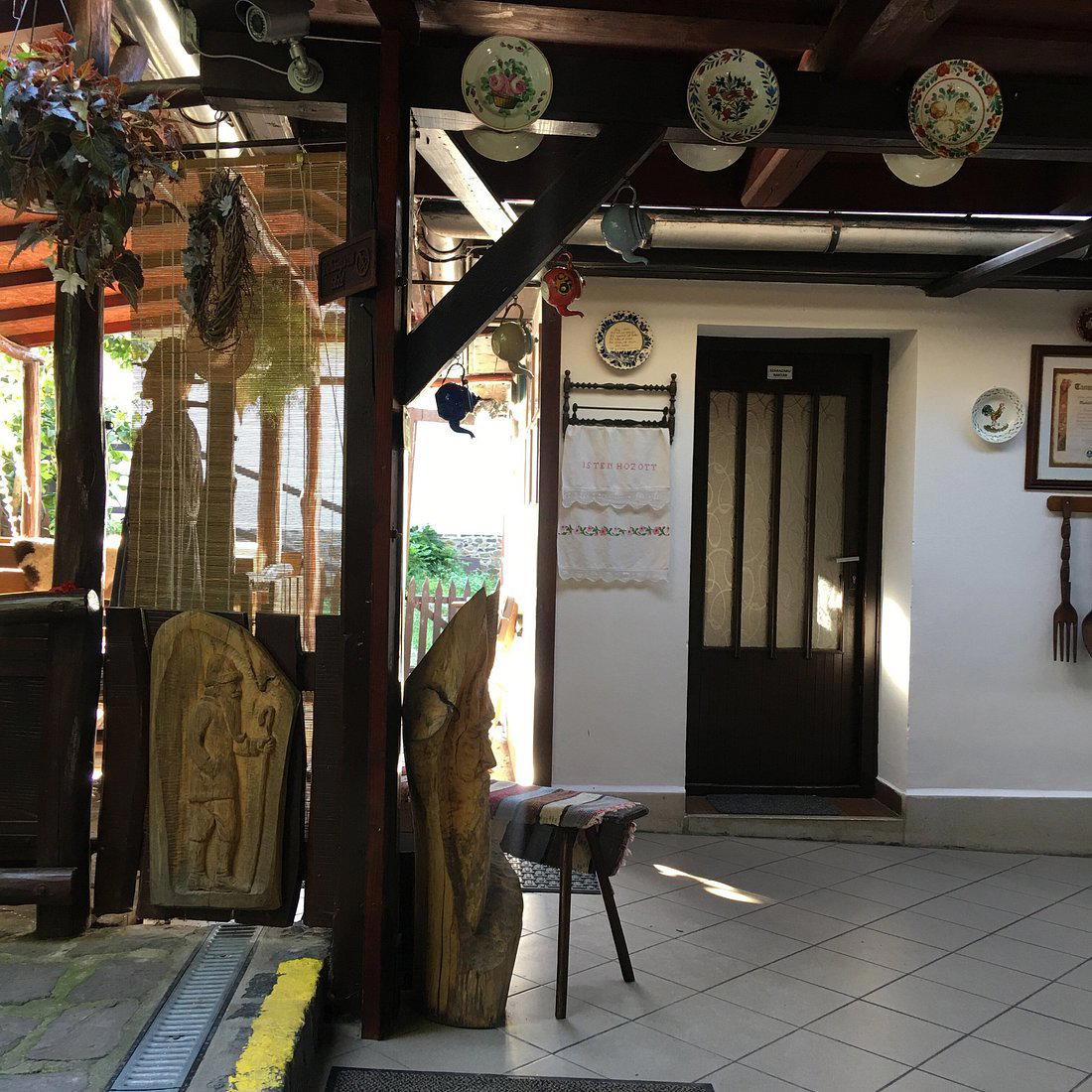
Where Hollókő's Stone Streets Meet the Kitchen Garden
Arriving at Kossuth utca 61, you encounter Hollókő before you encounter the restaurant. The village itself does the work of orientation: a UNESCO World Heritage Site of whitewashed Palóc farmhouses strung along a single cobbled lane, the kind of settlement where the built environment and the agricultural tradition it served are still recognisably connected. Muskátli vendéglő sits inside that context. The name translates roughly as "geranium inn", geraniums being the flower that fills every window box on the street, and the dining room continues that logic of local rootedness rather than departing from it. What this means at the table is a kitchen rooted in a specific regional food culture.
The Palóc Pantry and Why Provenance Matters Here
The culinary identity of the Hollókő area is shaped by the Palóc people, a Hungarian ethnographic group whose traditional food practices remain closely tied to the village's protected status. Palóc cooking is defined by its reliance on soured dairy, smoked pork, hand-foraged mushrooms and wild herbs, bean and legume stews, and the particular flavour logic of paprika used in its less industrial, more nuanced regional forms. The dish that leads this tradition is Palóc soup, a soured cream-based lamb or mutton broth with green beans and dill.
This matters in a way that goes beyond mere local colour. Across Hungary's broader dining scene, urban restaurants from Budapest's Stand to Borkonyha Winekitchen increasingly reference rural and regional Hungarian tradition as a source of creative legitimacy. What village restaurants like Muskátli offer is the unreconstructed version of that tradition: ingredient sourcing determined by geography and season, not by a chef's editorial decision to foreground provenance. In that sense, eating here is closer to primary source than to interpretation.
The broader pattern of ingredient-led provincial dining in Hungary appears at venues like Pajta in Őriszentpéter and Kővirág in Köveskál, both of which anchor menus to their immediate agricultural surroundings. Muskátli operates on the same structural principle, though within the specific Palóc cultural frame that makes Hollókő's version distinctive. The village's isolation in the Cserhát hills of Nógrád County, roughly 90 kilometres north of Budapest, has helped preserve both architecture and foodways.
The Case for Eating Simply in a Protected Village
Rural Hungarian dining at this level positions itself differently from the price-bracketed creative cuisine found at Costes or Rumour by Rácz Jenő in Budapest. The comparison venues in Hungary's premium urban tier operate in a different price bracket and style of cooking. A village vendéglő like Muskátli operates at a price point consistent with its local economy and its unpretentious format, hearty portions, a kitchen cooking for visitors and residents alike, a menu that does not change according to a creative program but according to what the season and the local supply permit.
This is not a lesser version of the Budapest dining experience. It is a different category. The regional reach of Hungarian dining is well illustrated by the contrast between a venue like Almalomb in Hosszúhetény, which interprets rural tradition through a contemporary frame, and a straight-line vendéglő like Muskátli, which does not mediate between tradition and the diner at all. Both approaches are legitimate; neither serves the same purpose as the other.
Visiting Hollókő: Timing, Access and What to Pair with the Meal
The practical logistics of eating at Muskátli vendéglő are inseparable from the logistics of visiting Hollókő itself. The village draws significant foot traffic during Easter, when the Palóc Easter festival brings traditional costume, folk craft markets, and a concentration of visitors that narrows the window of relaxed dining. Outside Easter and summer weekends, the village operates at a slower cadence, and the restaurant reflects that rhythm. Travelling from Budapest, the route runs north through Pásztó toward the Cserhát hills; the journey takes approximately 90 minutes by car. Public transport options exist but require connections at Pásztó or Szécsény and are less direct. A day visit pairs naturally with the castle ruins above the village and the Folk Museum on the main street, both of which require no more than two hours combined.
For those building a broader circuit of provincial Hungarian dining, Hollókő fits logically with a visit to BoriMami in Gyöngyös to the east, or with a stop at Forst-Ház Étterem és Kávézó in Eger, which sits roughly an hour's drive away in the wine country of the Eger region. The Cserhát hills and the Eger basin together form a coherent northern Hungarian food and wine corridor that receives a fraction of the international attention directed at Tokaj or Lake Balaton, and is more interesting for it. Comparable provincial restaurant experiences elsewhere in Hungary, Aranysárkány Vendéglő in Szentendre, Platán Gourmet in Tata, each sit in heritage-adjacent settings, but none replicate the specific UNESCO village context that Hollókő provides.
For a broader view of what Hungarian regional dining looks like across the country, our full Holloko restaurants guide maps the village's options alongside context on seasonal timing and how the food culture connects to the wider Nógrád County area.
How It Stacks Up
Comparable venues nearby, for context on price, style, and recognition.
| Venue | Cuisine | Price | Notes |
|---|---|---|---|
| Muskátli vendéglőThis venue — the venue you are viewing | Traditional Hungarian & Palóc Regional Cuisine | $$ | Not listed |
| Múzeum Étterem | Traditional Hungarian | $$ | Belvaros |
| HILDA Budapest | Modern Hungarian Bistro | $$ | Varhegy |
| Franziska Pest | Healthy Brunch Cafe | $$ | Belvaros |
| Hotsy Totsy | Cocktail Bar | $$ | Belvaros |
| Kéhli Vendéglő | Traditional Hungarian | $$ | Obuda |


At a Glance
- Rustic
- Cozy
- Classic
- Family
- Group Dining
- Casual Hangout
- Terrace
- Garden
- Historic Building
- Local Sourcing
- Garden
Current opening hours
- Monday
- Closed
- Tuesday
- Closed
- Wednesday
- Closed
- Thursday
- 11 AM–5 PM
- Friday
- 11 AM–5 PM
- Saturday
- 11 AM–5 PM
- Sunday
- 11 AM–5 PM
Hours can change for holidays and private events. Last verified .
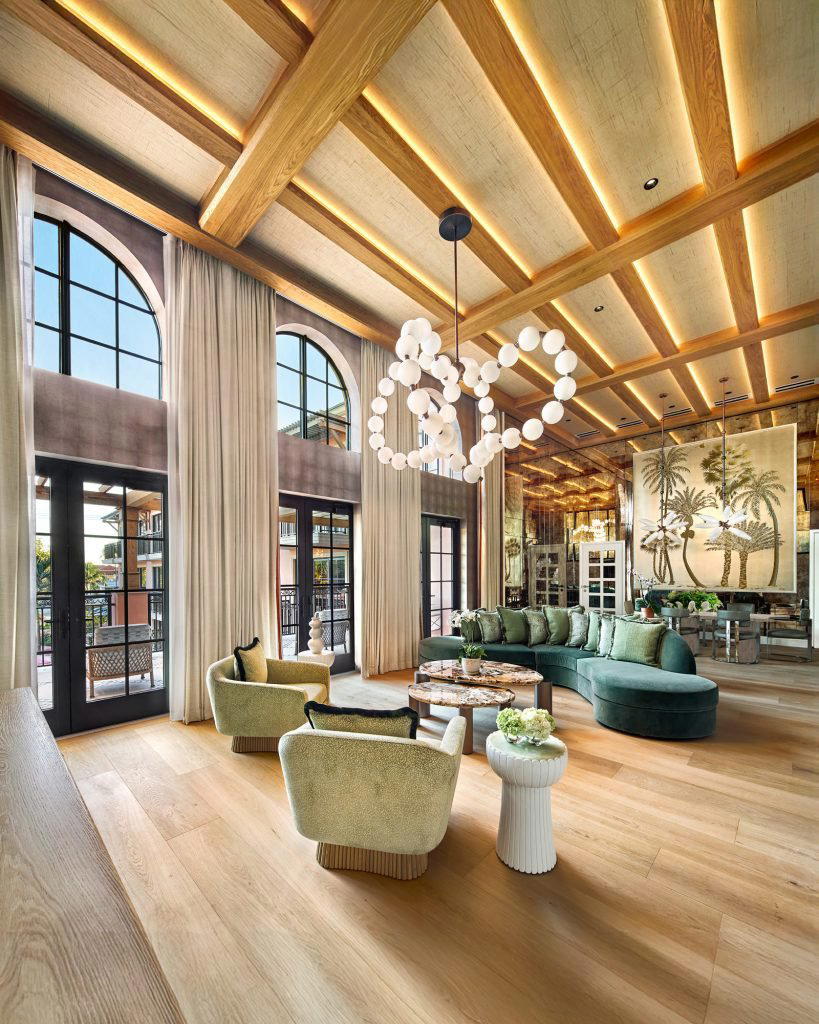
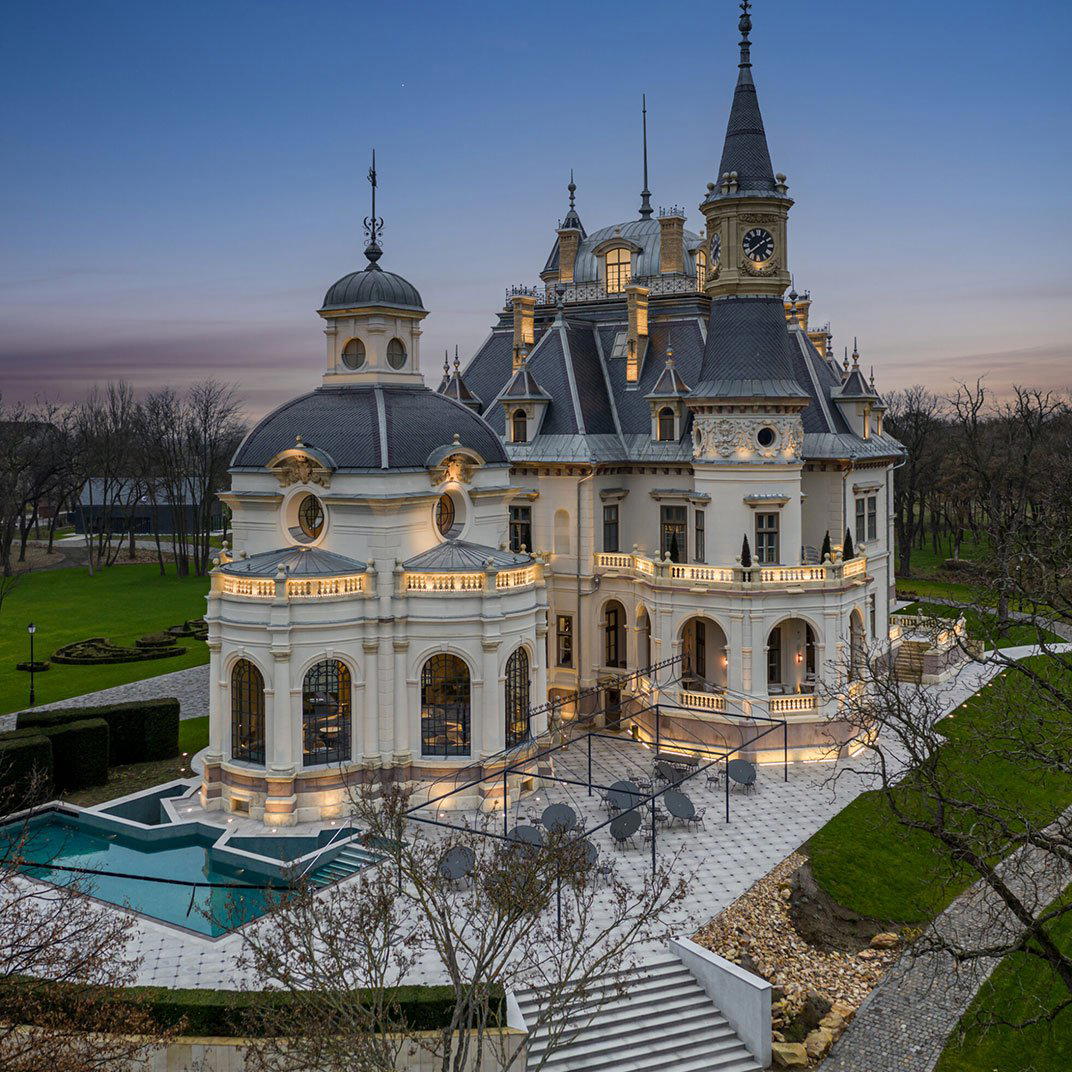
Warm and welcoming with traditional furnishings and authentic décor; garden seating with lush vegetation creates a charming, countryside atmosphere well-suited for experiencing local village life.