Ginza Barra
Ginza Barra sits in Lomas de Chapultepec, one of Mexico City's most established dining neighbourhoods, where the city's appetite for Japanese-influenced cooking meets a long tradition of polished hospitality. The address on Pedregal places it in a residential pocket that has increasingly drawn serious restaurant investment, making it a reference point for understanding how CDMX absorbs and reinterprets Japanese culinary formats.
Pearl is the En Primeur Club membership app — saves, bookings, and concierge access live there. Same editors, same standards.
- Address
- Pedregal 17, Lomas - Virreyes, Lomas de Chapultepec, Miguel Hidalgo, 11000 Ciudad de México, CDMX, Mexico
- Phone
- +525574332869
- Website
- opentable.com
- Directions
- Get directions
 Saves & bookings on Pearl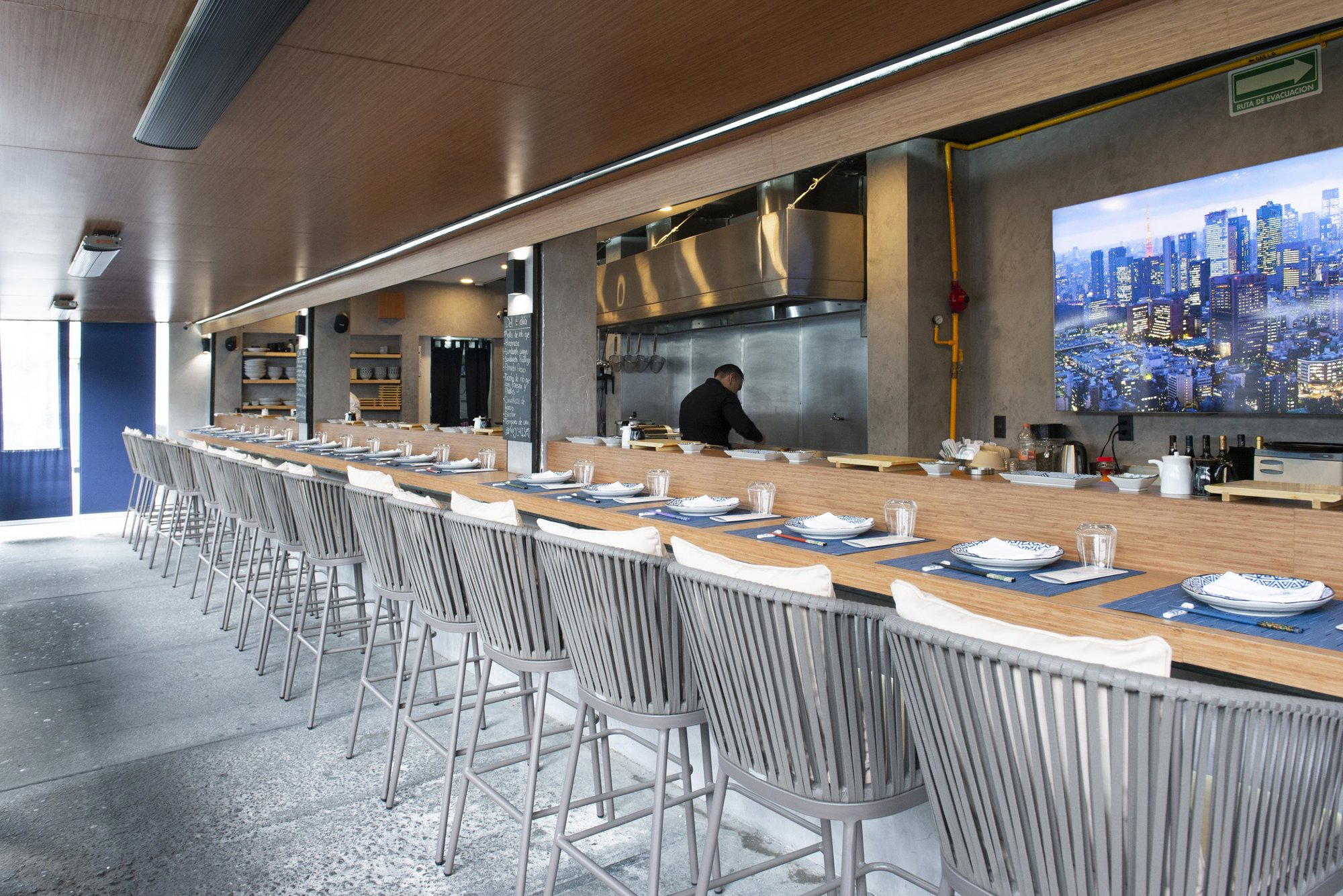
Where Lomas de Chapultepec Meets Japanese Culinary Form
Lomas de Chapultepec has long operated as one of Mexico City's quieter dining districts, its tree-lined streets and colonial-era architecture creating a residential register that contrasts sharply with the more visible activity of Polanco or Roma Norte. Yet the neighbourhood has attracted a consistent layer of serious restaurant investment, drawing operators who want proximity to a financially comfortable local clientele without the density and noise of the city's more touristic corridors. Pedregal 17, the address of Ginza Barra, sits in this pocket, where dining rooms tend to run on reservation culture rather than walk-in traffic and where the expectations of the room are often set before guests arrive.
Ginza Barra is a sushi bar in Lomas de Chapultepec, Mexico City, at Pedregal 17. Ginza, Tokyo's high-density luxury district, has become shorthand in the global dining world for a certain category of Japanese counter experience: precise, formal in execution if not always in dress, and built around the bar as the primary theatrical and service axis. The word barra, Spanish for bar or counter, anchors that reference to a Mexican context. Together, the name places the restaurant at a specific intersection that Mexico City's dining scene has been building toward for at least a decade: the absorption of Japanese counter formats into a city with its own deeply rooted traditions of hospitality and ingredient sourcing.
Mexico City and the Japanese Counter Tradition
Mexico City's engagement with Japanese cuisine runs deeper than the sushi bars that proliferated across the city in the 1990s and 2000s. The Japanese-Mexican community, particularly concentrated in areas like Colonia Narvarte and parts of the southern city, has maintained a culinary presence that goes well beyond fusion novelty. What has changed in the current decade is the appetite among fine-dining operators for Japanese formats as structural models rather than purely as flavour influences. The omakase counter, the yakitori bar, the izakaya as a serious dining destination rather than a casual one: these formats have found traction in CDMX in ways that reflect the city's broader pattern of absorbing international precision-cooking frameworks while filling them with local and regional ingredients.
This is the context in which Ginza Barra makes sense. The city's most discussed fine-dining addresses, including Pujol and Quintonil, have spent years demonstrating that Mexican ingredient traditions can sustain fine-dining ambition at the highest level. The next wave of interest has shifted toward how other culinary traditions, Japanese formats among them, can be interpreted through a Mexican lens without collapsing into pastiche. Ginza Barra's counter-focused identity places it within that conversation.
The Counter as a Dining Architecture
In Japanese culinary tradition, the counter is not simply a seating arrangement. It is a social and theatrical contract between cook and guest that changes how both parties behave. The guest agrees to watch, to receive, to engage with the rhythm of the kitchen rather than impose their own. The cook agrees to perform with full transparency, with every movement visible and every decision exposed. This dynamic, refined over generations in Tokyo's sushi and kappo dining rooms, carries a specific weight that transfers imperfectly but meaningfully into other cultural contexts.
When that format lands in a city with Mexico's own counter traditions, including the taquero working at speed behind a market counter, the molcajete of salsas assembled in front of a seated guest at a traditional fonda, or the open fire of a wood-fired kitchen at contemporary addresses like Em, the resonances become interesting. The counter as a site of cook-to-guest intimacy is not a foreign concept in Mexican dining culture. What differs is the register: the pace, the silence, the deliberateness that Japanese counter formats impose on the interaction. Restaurants that navigate this intersection carefully tend to produce a hybrid energy that neither culture produces alone.
Across Mexico, this kind of formal-meets-local energy appears in different regional expressions. In Baja, addresses like Animalón in Valle de Guadalupe and Olivea Farm to Table in Ensenada have built precision-oriented menus around local ingredients. In Oaxaca, Levadura de Olla anchors its format in deep regional tradition. In Monterrey, KOLI Cocina de Origen and Pangea define what formal dining means in northern Mexico. Each of these represents a different answer to the question of how culinary precision attaches to place. The restaurant asks the same question from a Japan-influenced position within CDMX's Lomas district.
Lomas de Chapultepec as a Dining Address
The Lomas neighbourhood rewards understanding. It is not a tourist destination in the way that Polanco or Condesa attract visitors with a consolidated strip of high-profile restaurants. Its dining scene is more embedded in the residential fabric, which means that restaurants here tend to draw on a loyal local clientele rather than cycling through international visitors. For travellers who have already covered the Roma-Condesa circuit, including addresses like Rosetta and Sud 777, Lomas offers a different register of the city's dining culture.
The comparison to other cities with strong Japanese counter scenes is instructive. In New York, Le Bernardin sits at the apex of a different fine-dining tradition, but the precision-cooking logic it represents shares a cultural DNA with high-end Japanese formats. In San Francisco, Lazy Bear demonstrates how counter formats can be reinterpreted through a local culinary identity without losing their structural discipline. Mexico City, with its extraordinary ingredient depth and its increasingly confident fine-dining infrastructure, is well-positioned to produce its own version of this story. The restaurant, operating from an address in Lomas that already signals a certain seriousness of intent, participates in that development.
Elsewhere in the country, the counter-format conversation extends to addresses like Le Chique in Puerto Morelos, HA' in Playa del Carmen, Arca in Tulum, Alcalde in Guadalajara, and Lunario in El Porvenir, each representing a distinct regional interpretation of how precision formats and local identity coexist.
Planning Your Visit
Address: Pedregal 17, Lomas de Chapultepec, Miguel Hidalgo, 11000 Ciudad de México. Reservations: Recommended. Budget: About $50 per person. Getting there: Lomas de Chapultepec is most comfortably reached by taxi or rideshare from central neighbourhoods. Timing: Mon: 1–10 PM; Tue: 1–11 PM; Wed: 1–11 PM; Thu: 1–11 PM; Fri: 1–11 PM; Sat: 1–11 PM; Sun: 1–10 PM.
Cuisine Lens
Comparable venues nearby, for context on price, style, and recognition.
| Venue | Cuisine | Price | Notes |
|---|---|---|---|
| Ginza BarraThis venue — the venue you are viewing | Sushi Bar | $$$ | Not listed |
| Ginza Cráter | Japanese Sushi Bar | $$$ | Pedregal de San Jeronimo |
| Hiyoko | Japanese Yakitori with Mexican Fusion | $$$ | Cuauhtemoc |
| Tori Tori Polanco | Modern Japanese Sushi | $$$ | Polanco Chapultepec |
| Deigo Sushi Insurgentes | Traditional Japanese Sushi Bar | $$$ | Del Valle Norte |
| El Japonez Santa Fe | Modern Japanese Fusion | $$$ | Centro Comercial Santa Fe |
Continue exploring
More in Mexico City
Restaurants in Mexico City
Browse all →
Bars in Mexico City
Browse all →
At a Glance
- Trendy
- Modern
- Intimate
- Date Night
- Casual Hangout
- Chefs Counter
Current opening hours
- Monday
- 1–10 PM
- Tuesday
- 1–11 PM
- Wednesday
- 1–11 PM
- Thursday
- 1–11 PM
- Friday
- 1–11 PM
- Saturday
- 1–11 PM
- Sunday
- 1–10 PM
Hours can change for holidays and private events. Last verified .
Great vibe with relaxed atmosphere, good music, and cozy intimate setting.