ROKA Mayfair
AA Rosettes 3 Rosettes
Our verdict
ROKA Mayfair brings the robatayaki format that defined the brand's Charlotte Street original to one of London's most expensive postcodes, positioning it within a Mayfair dining tier dominated by French-leaning tasting menus. The menu's structure around the robata grill gives it a distinct identity from the Modern British and European heavyweights nearby, with shared plates and live-fire cooking anchoring the experience.

Pearl is the En Primeur Club membership app, where members save venues, book tables and use the concierge.

The menu
What to order
- Black Cod
- Yellowtail Sashimi
- Lamb Chops
Live Fire in a Formal Postcode
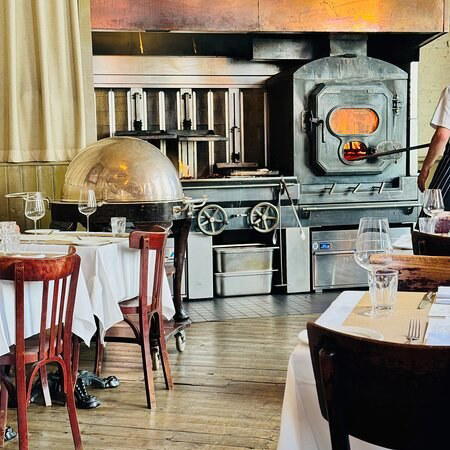
Mayfair's dining room has long been set by French technique and Modern British ambition. The neighbourhood that houses Sketch, The Lecture Room and Library, Restaurant Gordon Ramsay, and CORE by Clare Smyth defaults, at its upper tier, to tasting menus, white tablecloths, and a culinary vocabulary built around classical European tradition. ROKA Mayfair, at 30 North Audley Street, operates against that grain. Its format is built around the robata grill, a Japanese charcoal cooking method that places the heat source and the fire itself at the centre of the dining experience, which puts it in a different register from the prix fixe conventions that dominate the surrounding streets.
That contrast is not incidental. The robatayaki tradition, which originated in northern Japan as a communal style of cooking over open coals, translates into restaurant format as something inherently social and directional: food arrives in sequence but not in a locked procession, the table shapes its own pace, and the grill's output is visible and audible in a way that tasting menu kitchens typically are not. Bringing that format to Mayfair, where the dominant dining mode is the composed and choreographed sequence, is a positioning decision as much as a culinary one.
What the Menu Architecture Tells You
The ROKA menu format, consistent across the brand's London sites, is structured around the robata grill as an anchor with satellite sections that extend the Japanese repertoire: sashimi and sushi preparations, cold and warm small plates, larger format dishes for sharing, and desserts. The logic of the menu is not linear in the way a tasting menu is. Instead it asks the table to make decisions, which sections to draw from, in what volume, at what pace, and that participatory structure is a deliberate departure from the directed experiences that characterise the ££££ tier nearby at venues like The Ledbury or Dinner by Heston Blumenthal.
This architecture has a specific implication for how the kitchen signals quality. In a tasting menu format, each course arrives as a complete editorial statement, plated, sequenced, explained. In a sharing format built around live fire, quality communicates differently: through the char on the protein, the timing of the delivery, the precision of the seasoning at temperature. The robata grill demands a different kind of consistency from the kitchen than French-trained brigade work does, and that consistency, rather than the novelty of the format, is what repeat visitors tend to assess.
The menu's Japanese framework also positions ROKA Mayfair in a global peer conversation that differs from its immediate London neighbours. Contemporary Japanese restaurant formats in cities like New York, where venues such as Atomix operate at the far end of the omakase spectrum, and the European fine dining circuit centred on institutions like Le Bernardin in New York represent the range within which Japanese-influenced cooking now operates at the high end. ROKA sits in the accessible-premium tier of that range: a sharing format rather than a counter omakase, with a broader menu and a more flexible dining proposition.
Mayfair Context and Competitive Set
The Mayfair site is one of several ROKA locations in London, which means it benefits from the brand recognition built at the original Charlotte Street address while operating in a postcode that carries its own pricing and expectation signals. Mayfair's restaurant economy is one of the most expensive in Europe, with covers at the neighbourhood's recognised addresses carrying a premium that reflects both real estate costs and the expectations of an international clientele. Within that economy, ROKA Mayfair occupies a middle position: above the casual robata format that one might find in less central postcodes, but below the locked-in tasting menu price points of the Michelin-starred rooms nearby.
For context on what that upper tier looks like across the UK more broadly, the Michelin-starred circuit extends well beyond London to addresses like Waterside Inn in Bray, Le Manoir aux Quat'Saisons in Oxford, L'Enclume in Cartmel, Moor Hall in Aughton, and Gidleigh Park in Chagford. Elsewhere, destinations like Hand and Flowers in Marlow, hide and fox in Saltwood, Midsummer House in Cambridge, Opheem in Birmingham, and Restaurant Andrew Fairlie in Auchterarder define the award-recognised tier outside the capital. ROKA Mayfair does not compete directly with that circuit, but the comparison clarifies its market position: it is a premium, branded, format-driven restaurant in a high-value neighbourhood, not a destination address in the Michelin sense.
The Practical Case for Going
The argument for ROKA Mayfair over the brand's other London addresses is primarily locational. North Audley Street sits within walking distance of Grosvenor Square and the southern edge of the West End, which makes it a natural fit for pre- or post-theatre dining, for business meals that require a less formal structure than a tasting menu, and for groups that want to eat well without the choreography of a set-course experience. The sharing format handles mixed dietary requirements more flexibly than prix fixe menus do, which is a practical advantage in Mayfair's internationally mixed dining clientele.
Booking in advance is advisable. Mayfair restaurants at this price point and with this level of brand recognition tend to fill mid-week as well as at weekends, and the Friday and Saturday evening sittings in particular will book out several days or weeks ahead. Walk-ins are possible at quieter times, but for a specific date, reservation is the reliable route. See our full London restaurants guide for broader context on booking patterns across the city's dining tiers.
Planning Your Visit
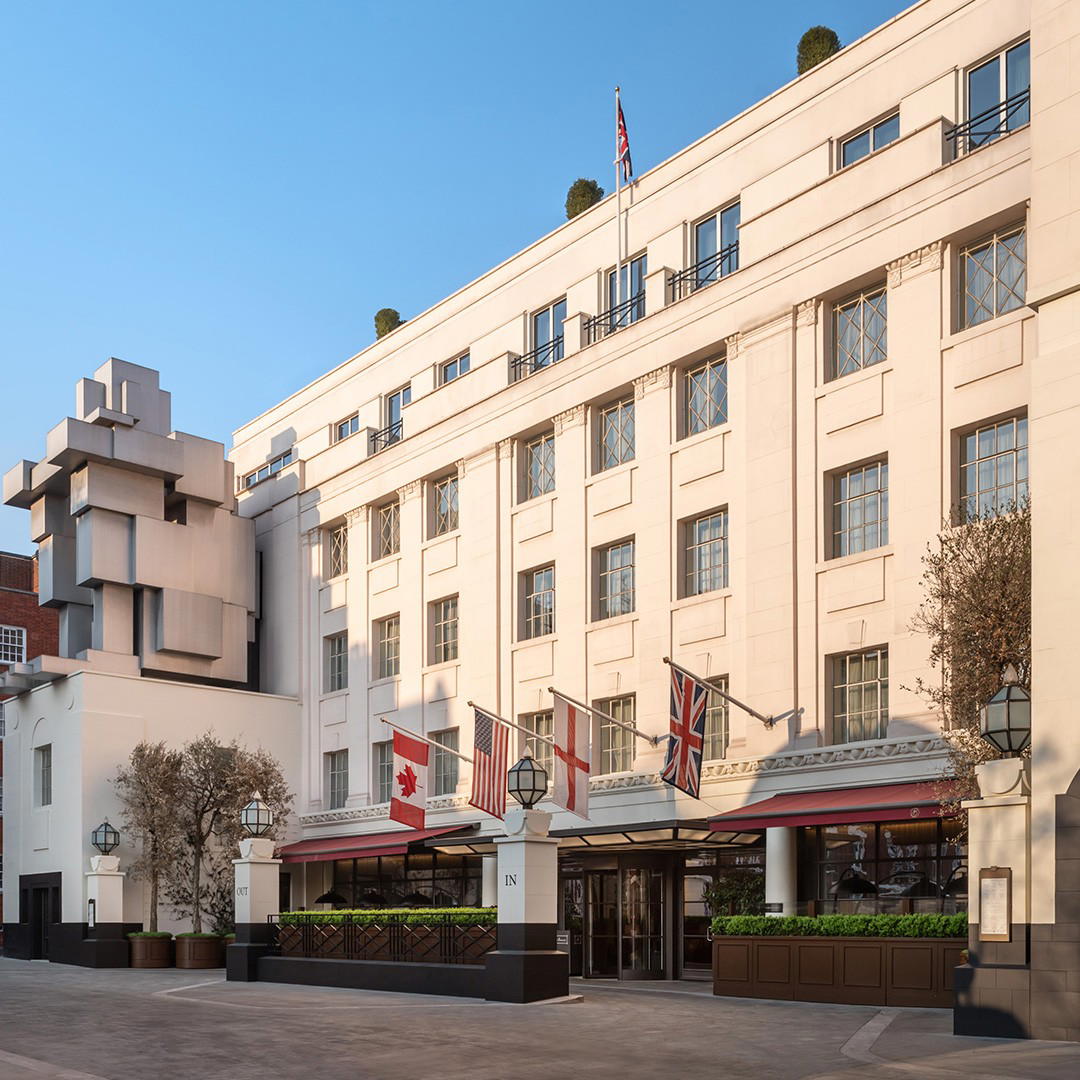
Address: 30 North Audley Street, London W1K 6ZF. Nearest tube stations are Bond Street (Central and Jubilee lines) and Marble Arch (Central line), both within a short walk. Reservations are recommended, particularly for evening sittings.
Frequently asked questions
What part of town is ROKA Mayfair in?
ROKA Mayfair is located at 30 N Audley St, London W1K 6ZF, United Kingdom, London.
How does ROKA Mayfair compare to other Japanese restaurants in Mayfair?
ROKA Mayfair operates within a Mayfair dining scene that skews heavily toward French and Modern British formats, making the robatayaki grill format relatively distinct for the postcode. The venue sits on North Audley Street, within walking distance of Grosvenor Square, positioning it as a neighbourhood option for the area's hotel and residential catchment. The ROKA brand's multi-site presence in London also means the kitchen approach is consistent and practised rather than experimental.
What do people recommend at ROKA Mayfair?
Regulars consistently focus on the robata grill section, where charcoal cooking is most directly expressed. The robatayaki format, which ROKA introduced to London at its original Charlotte Street site, anchors the menu across all London locations including North Audley Street. Dishes cooked directly over the robata tend to be the most requested by returning guests.
Should I book ROKA Mayfair in advance?
For Friday and weekend evening sittings, advance reservations are the practical approach at this price point and postcode. Mayfair restaurants with established brand recognition at ROKA's level fill prime slots quickly, and walk-in availability on busy nights is unreliable. Booking ahead by at least a week for weekend dining is advisable.
What is ROKA Mayfair known for?
ROKA Mayfair is associated with the robatayaki cooking format the brand established in London at its original Charlotte Street location. The North Audley Street site brings that same charcoal-grill-centred Japanese menu into Mayfair, a neighbourhood otherwise dominated by French technique and Modern British cooking. The robata grill acts as the structural anchor of the menu, with surrounding sections extending into sashimi, hot kitchen, and cold dishes.
The Essentials
Comparable venues nearby, for context on price, style, and recognition.
| Venue | Cuisine | Price | Awards | Notes |
|---|---|---|---|---|
| ROKA MayfairThis venue (the venue you are viewing) | Contemporary Japanese Robatayaki | $100–150 | AA Rosettes 3 Rosettes | Not listed |
| Ine | Modern Japanese Omakase | $100–150 | Not listed | Hampstead, Modern Japanese Omakase |
| Kurisu Omakase | Thai-Colombian Fusion Omakase | $150–200 | Not listed | Brixton, Thai-Colombian Fusion Omakase |
| ROKA Aldwych | Contemporary Japanese Robatayaki | $50–100 | Not listed | Clare Market, Contemporary Japanese Robatayaki |
| Danieru Sushi | Authentic Japanese Sushi | $50–100 | Not listed | Chelsea, Authentic Japanese Sushi |
| Ikeda | Traditional Japanese | $50–100 | Not listed | Mayfair, Traditional Japanese |
Recognition history
Dated appearances from independent guides and award organizations, with the underlying list record or original source where available.
AA Rosettes 3 Rosettes
AA Rosettes