Kurisu Omakase
Kurisu Omakase occupies a quiet counter on Atlantic Road in Brixton, operating within the small but growing tier of London omakase rooms that have migrated south of the river. The format follows the stripped-back Japanese model: a fixed sequence, minimal theatre, and an emphasis on ingredient and technique over ceremony. For regulars, the draw is consistency across visits rather than novelty.
Pearl is the En Primeur Club membership app — saves, bookings, and concierge access live there. Same editors, same standards.
- Address
- 58D Atlantic Rd, London SW9 8PY, United Kingdom
- Website
- sevenrooms.com
- Directions
- Get directions
 Saves & bookings on Pearl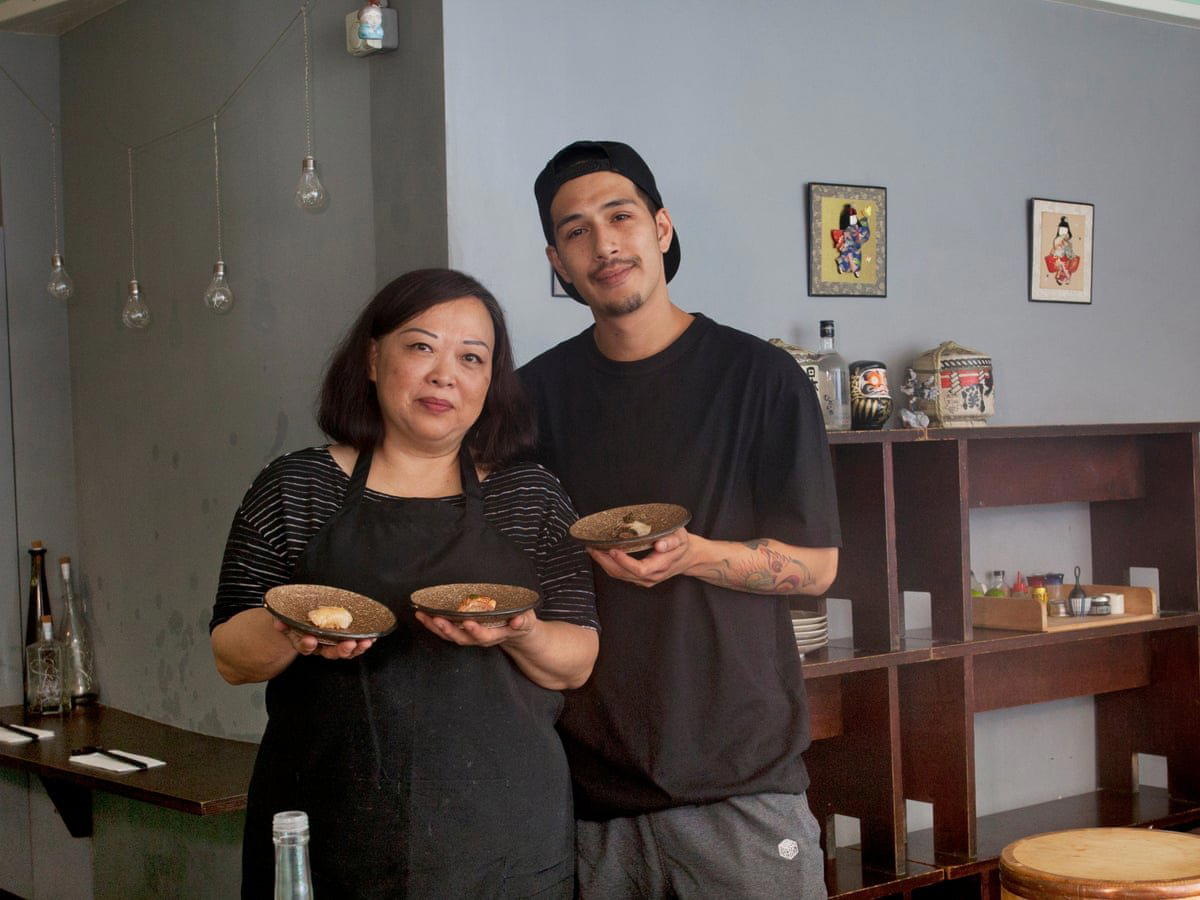
A Counter in Brixton, in the Middle of a London Shift
The area's reputation is built on its markets, its sound systems, its density of Caribbean and West African cooking. Yet omakase has a habit of appearing in unexpected postcodes, and Kurisu follows a pattern now visible across several cities: small Japanese counter formats planting themselves in neighbourhoods where rent allows precision without the overhead of a Mayfair address. The result, at its leading, is a room where the food does more of the work than the setting.
In London specifically, the omakase counter has expanded from its original concentration in Soho and the West End into a more dispersed geography. That dispersal has produced a meaningful split between rooms that lean into the prestige-postcode logic, competing on the same ground as CORE by Clare Smyth and The Ledbury for a similar guest, and rooms that operate with more neighbourhood-facing identities. Kurisu sits in the second category. It is part of a Brixton address rather than wearing the postcode as a liability.
What the Format Demands, and What It Rewards
The omakase model places the entire editorial burden on the kitchen. There is no menu to hide behind, no à la carte escape route for a dish that isn't working. Each course arrives as the kitchen's current answer to a single question: what is worth serving tonight? Regulars who return to a counter like Kurisu are, in effect, auditioning the kitchen's judgment against their own accumulated memory of the place. That relationship, repeated across visits, produces something that a one-time guest cannot access: a comparative map of what the kitchen does consistently, where it takes risks, and what it reserves for the sequence's most important positions.
This is the logic that drives loyalty at omakase counters globally, from Atomix in New York City, where the tasting counter format has been refined into a precise ritual, to London's own evolving scene. The format makes return visits more informative than first visits. A guest experiencing Kurisu for the first time receives a sequence; a regular sees how the kitchen's judgment evolves over time.
The Atlantic Road Address
58D Atlantic Road places Kurisu in a stretch of Brixton that functions at a different rhythm from the market's busiest passages. The immediate neighbourhood runs on a mix of independent traders and the kind of foot traffic that doesn't organise itself around restaurant reservation times. An omakase counter here operates almost in deliberate counterpoint to that energy: small, appointment-only in spirit if not always in practice, and oriented toward guests who have made a specific decision to be there rather than those who wandered in from the market.
This address also signals something about the comparable set Kurisu is pricing against. It is not competing for the same guest as Sketch's Lecture Room and Library or Dinner by Heston Blumenthal, venues where the room itself is a significant part of the proposition. Outside London, the equivalent calculation appears at places like Midsummer House in Cambridge or Opheem in Birmingham, where serious kitchens operate in cities that carry lower baseline cost assumptions than central London. Kurisu's Brixton position is a version of that logic applied within London's own internal geography.
Regulars, and What They Come Back For
Counter dining selects for a particular kind of repeat guest. Unlike a restaurant with a printed menu, where a regular can orient the visit around a known dish, the omakase counter requires trust in the kitchen's current priorities. That trust, once established, produces a different kind of loyalty from what drives repeat visits to, say, Restaurant Gordon Ramsay, where a guest might return specifically for the beef Wellington. At an omakase counter, regulars return for the kitchen's decision-making across a sequence, not for a single anchor dish.
At counters where this relationship has matured, regulars often find that the kitchen begins to register their presence and adjust accordingly, not through overt customisation but through small signals: a course positioned differently in the sequence, a piece of fish given more or less aging than the standard version, a portion that acknowledges the guest's demonstrated appetite. These adjustments are not advertised. They exist in the gap between what the menu says, which at an omakase counter is often nothing, and what actually arrives. For a guest who visits Kurisu across multiple seasons, that gap becomes part of the appeal.
The same dynamic operates at the upper end of British fine dining in different form. The extended relationships guests build with long-running rooms like Waterside Inn in Bray or Le Manoir aux Quat'Saisons in Oxford share the same underlying logic: the kitchen knows the guest, and that knowledge shapes the experience in ways a first-time visitor doesn't see. Kurisu operates at a different price tier and with a different cultural syntax, but the mechanics of that loyalty loop are recognisable.
London's Omakase Counter in Context
The growth of omakase as a London dining format over the past decade has followed a familiar arc. Early entrants were concentrated in Mayfair and Soho, where the price point could be justified against the neighbourhood premium. A second wave moved into more marginal postcodes, some finding that the format's intimacy played better away from the theatre of prime real estate. Kurisu belongs to this second wave.
Internationally, that evolution is further along. Le Bernardin in New York City represents a different trajectory, the Michelin-decorated room that has held its position at the summit of a tier for decades, but the counter format's willingness to operate outside prestige postcodes is a more recent and more democratic development. London's version of that development is still being written, with Brixton as one of its current addresses.
For guests who have worked through London's more established tasting-menu rooms and want to understand what the counter format offers that a kitchen-to-dining-room model doesn't, Kurisu provides a useful reference point. The full picture of the city's current position also includes places like L'Enclume in Cartmel, Moor Hall in Aughton, Gidleigh Park in Chagford, Hand and Flowers in Marlow, hide and fox in Saltwood, and Restaurant Andrew Fairlie in Auchterarder, but the Brixton counter is a meaningful node in that wider map.
Know Before You Go
- Address: 58D Atlantic Rd, London SW9 8PY
- Getting there: Brixton London Underground station (Victoria line) is the closest stop; Atlantic Road is a short walk from the station exit
- Format: Omakase counter; no à la carte option
- Booking: Advance reservation recommended given counter capacity
- Dress code: No formal dress code listed; smart casual is consistent with the format
- Ideal time to visit: Midweek sittings are Tuesday through Friday evenings, and advance reservations are essential.
Nearby-ish Comparables
Comparable venues nearby, for context on price, style, and recognition.
| Venue | Cuisine | Price | Notes |
|---|---|---|---|
| Kurisu OmakaseThis venue — the venue you are viewing | Thai-Colombian Fusion Omakase | $$$$ | Not listed |
| Engawa | Modern Japanese Omakase with Wagyu | $$$$ | Piccadilly Circus |
| Tokii | Modern Japanese Omakase | $$$$ | Marylebone |
| Moi | Modern Japanese-British Fusion | $$$$ | Soho |
| Colony Club | Japanese Fusion with Teppanyaki | $$$$ | Mayfair |
| Sachi | Modern Kappo-Style Japanese | $$$ | Belgravia |
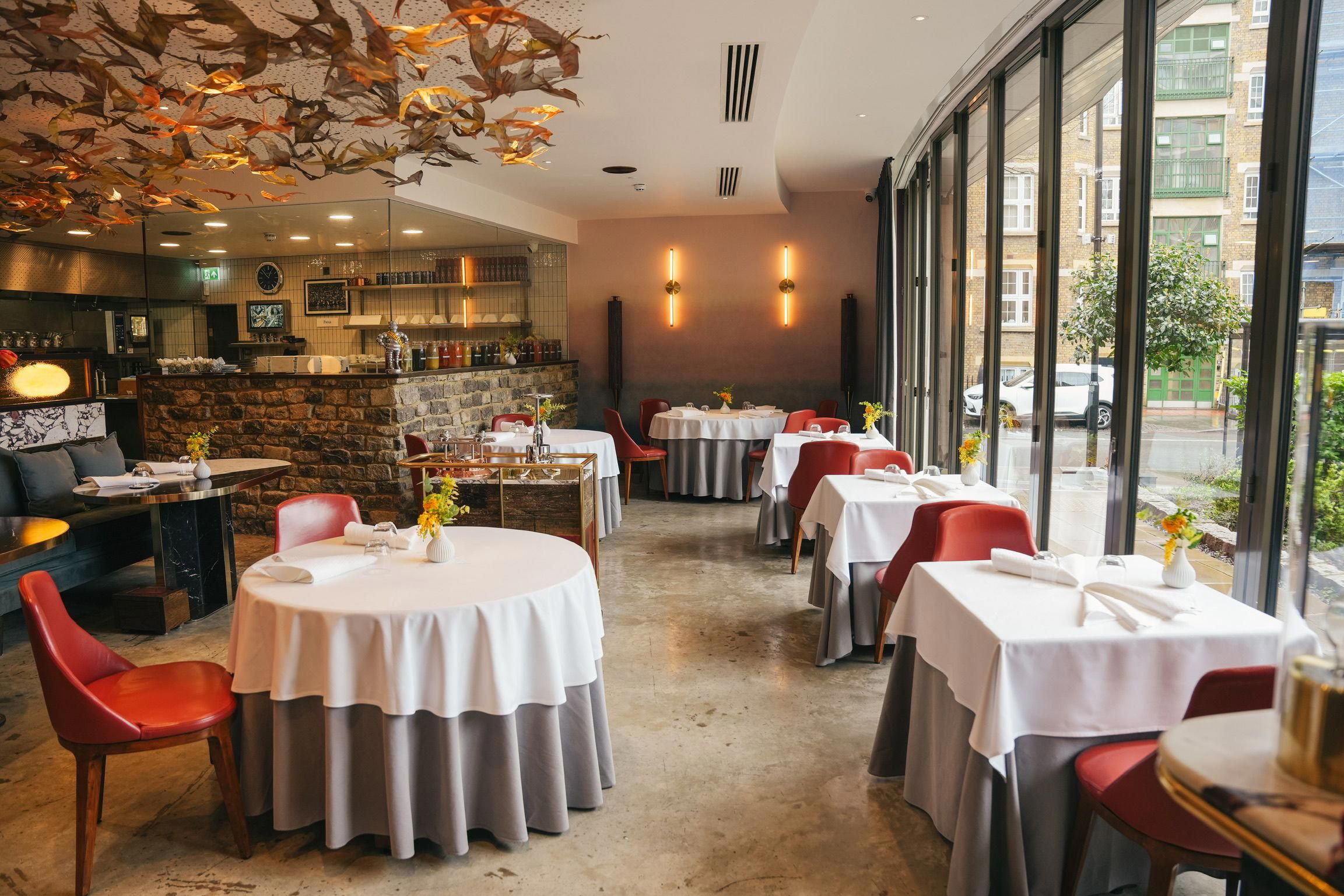
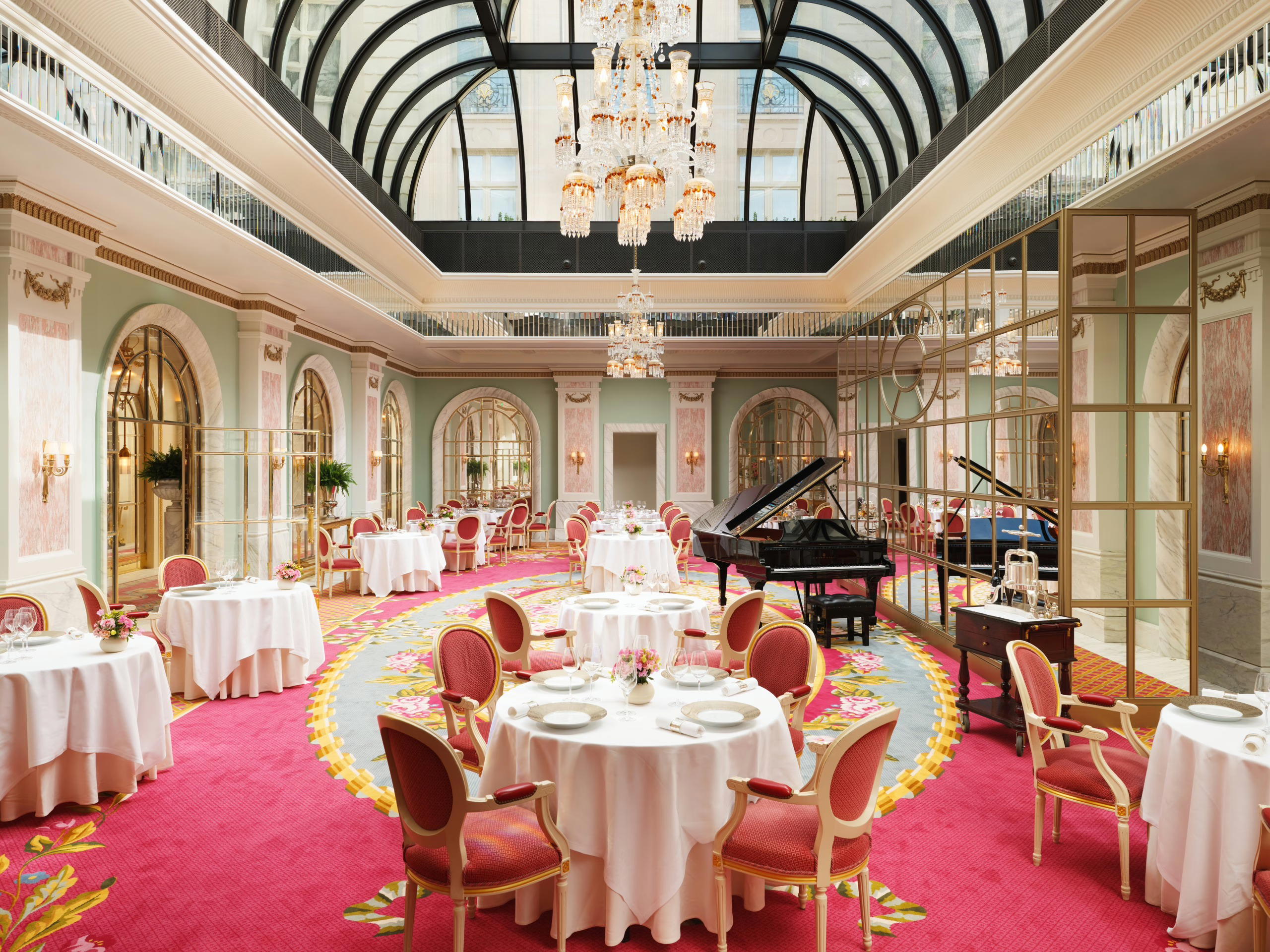
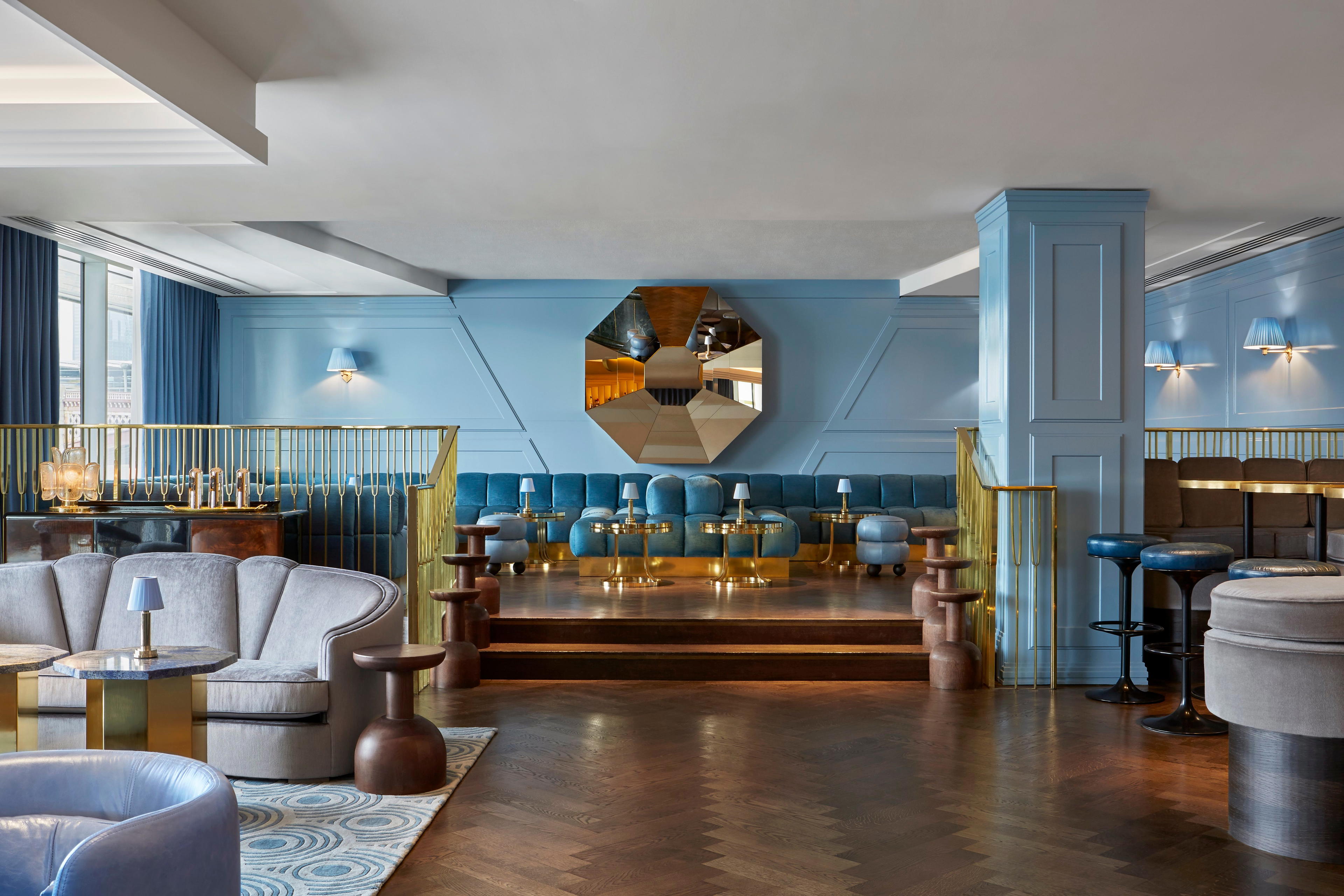



At a Glance
- Intimate
- Trendy
- Cozy
- Modern
- Date Night
- Special Occasion
- Chefs Counter
- Sake Program
Current opening hours
- Monday
- Closed
- Tuesday
- 6–10:30 PM
- Wednesday
- 6–10:30 PM
- Thursday
- 6–10:30 PM
- Friday
- 6–10:30 PM
- Saturday
- Closed
- Sunday
- Closed
Hours can change for holidays and private events. Last verified .
Relaxed, unpretentious, and informal atmosphere with personal chef-guest interaction in a low-key setting.