Ine
Ine sits on Hampstead High Street, where the village-like character of NW3 shapes a dining scene that rewards provenance-focused cooking over spectacle. The address places it within walking distance of the Heath and the neighbourhood's long tradition of independent dining, making it a considered option for those who treat sourcing and setting as part of the same decision.
Pearl is the En Primeur Club membership app — saves, bookings, and concierge access live there. Same editors, same standards.
- Address
- 16 Hampstead High St, London NW3 1PX, United Kingdom
- Phone
- +44 20 7794 2828
- Website
- inebytaku.com
- Directions
- Get directions
 Saves & bookings on Pearl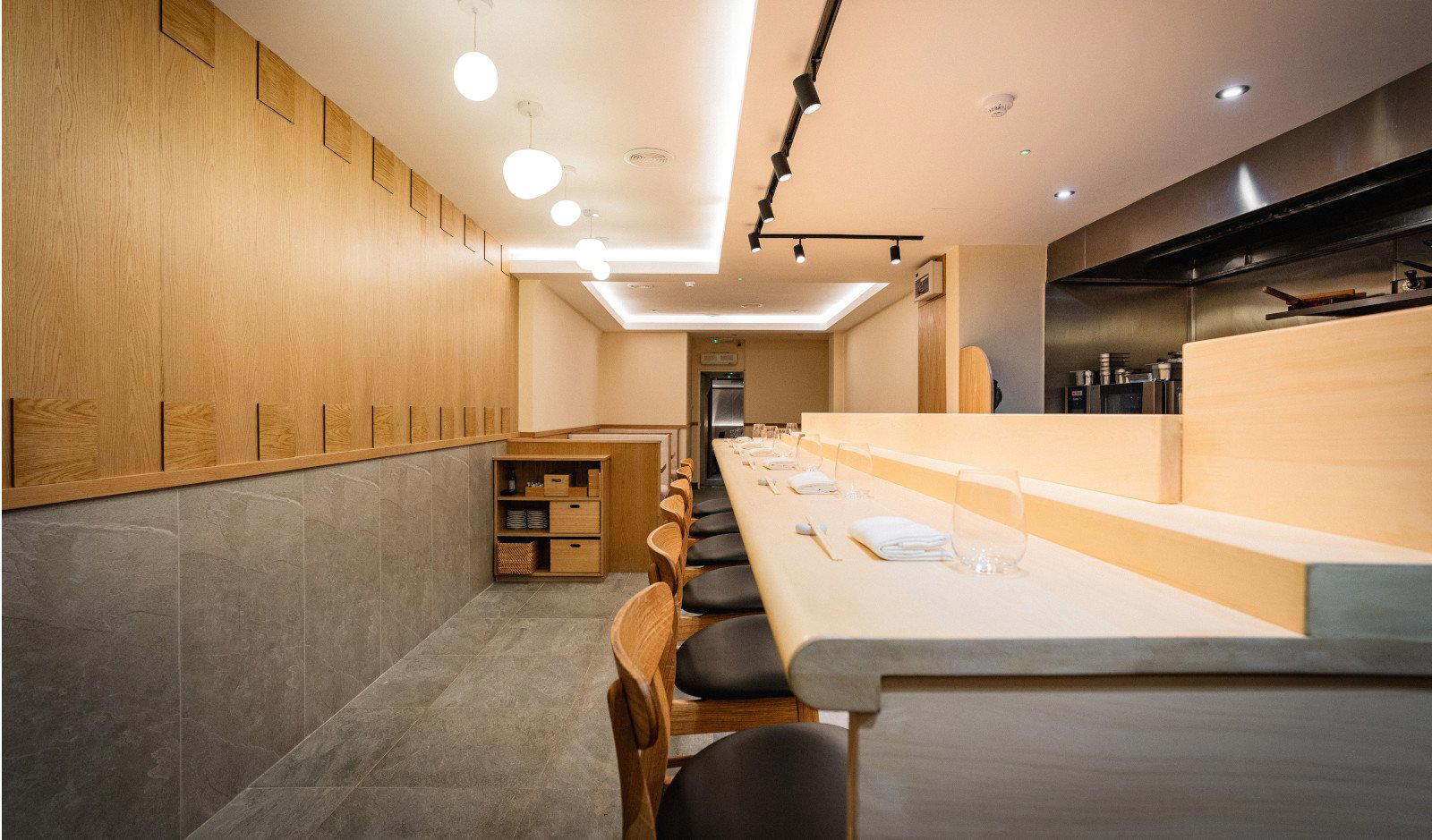
Hampstead's Dining Character and Where Ine Sits Within It
Hampstead High Street occupies an unusual position in London's dining geography. Unlike the destination-restaurant corridors of Mayfair or the density of Soho, NW3 has historically rewarded neighbourhood permanence over hype cycles. The restaurants that endure here tend to share a profile: modest in scale, specific in focus, and patronised by locals who return weekly rather than tourists who arrive once.
The High Street itself is compact and pedestrian-friendly, with the Heath's treeline visible from the upper end and a density of independent shops that distinguishes it from most London high streets. Arriving on foot from Hampstead Underground station takes under two minutes. The physical setting matters to understanding the dining culture: this is a neighbourhood where the room's atmosphere is expected to feel earned rather than designed, and where the cooking tends to reflect that same disposition.
Sourcing as the Central Argument
Across British fine dining, the conversation around ingredient provenance has shifted considerably over the past decade. What was once a marketing footnote, a small-print mention of the farm county, has become, at serious addresses, the structural logic behind the menu. The model pioneered at places like L'Enclume in Cartmel, where Simon Rogan's own farm supplies the kitchen, or the hyper-local sourcing frameworks at Moor Hall in Aughton, has established a benchmark that now filters down through the broader restaurant tier. At the upper end of this movement, sourcing is not a supplement to the cooking, it is the cooking's first decision.
What this means practically is that the distance between field and plate, the relationships between kitchen and supplier, and the seasonal discipline required to work within those constraints all become legible in the food. Dishes in this mode tend to be less architecturally complex and more focused on making a single ingredient's condition self-evident. The contrast with the more technique-driven register of, say, The Fat Duck in Bray or the laboratory precision of Midsummer House in Cambridge is instructive: provenance-led kitchens tend to foreground restraint, while technique-led kitchens foreground transformation.
Ine operates within the provenance-led current. Its modern Japanese omakase format suits the neighbourhood's independent dining culture. Hampstead's independent dining culture has consistently supported the kind of cooking that asks the ingredient to carry the argument.
The London Fine Dining Tier: Context and Comparison
London's restaurant market is among the more stratified in the world, and understanding where any given address sits within it requires some mapping. At the apex, the three-Michelin-star tier includes CORE by Clare Smyth, which works a distinctly British sourcing identity into its tasting menu format, and Restaurant Gordon Ramsay, which holds its stars through a more classical French-inflected register. Below that, the two-star and one-star tiers in London are dense and competitive, spanning everything from the modern British precision of Opheem's regional Indian approach (in Birmingham, but instructive as a comparison for the provenance-led movement more broadly) to the pub-rooted cooking of Hand and Flowers in Marlow.
Internationally, the provenance argument finds its strongest parallels in kitchens like Le Bernardin in New York City, where the sourcing of seafood is treated with the same rigour applied to technique, or in the Korean fine dining tradition represented by Atomix, where ingredient identity is inseparable from cultural argument. These are different cuisines and different registers, but they share the same structural commitment: the sourcing decision precedes and shapes the cooking decision.
Planning a Visit
Ine is located at 16 Hampstead High Street, London NW3 1PX, a two-minute walk from Hampstead station on the Northern line. The surrounding area warrants time: the Heath is an eight-minute walk north, and the High Street's independent wine shops and cafés make the neighbourhood worth arriving early to explore. For those combining the visit with a broader London fine dining itinerary, the contrast between Hampstead's neighbourhood register and the more formal addresses in Mayfair or Chelsea, such as Gidleigh Park in Chagford or Le Manoir aux Quat' Saisons, is itself instructive about what different parts of the British dining scene are trying to do. For wineries in the area, the 16 Hampstead High Street wineries guide covers nearby options. The restaurant is recommended for reservations and is closed on Mondays. The dress code is smart casual.
Related Restaurants Worth Knowing
For those building a broader itinerary around the provenance-led British cooking tradition, hide and fox in Saltwood offers a useful regional counterpoint, while Restaurant Andrew Fairlie in Auchterarder represents the Scottish fine dining tradition operating within a similar sourcing logic. Both reward comparison with London addresses for anyone trying to map the full spectrum of British ingredient-led cooking.
In Context: Similar Options
Comparable venues nearby, for context on price, style, and recognition.
| Venue | Cuisine | Price | Notes |
|---|---|---|---|
| IneThis venue — the venue you are viewing | Modern Japanese Omakase | $$$$ | Not listed |
| ROKA Aldwych | Contemporary Japanese Robatayaki | $$$$ | Clare Market |
| Aqua Kyoto | Contemporary Japanese with Tokyo Ginza Influence | $$$$ | Soho |
| Sake No Hana | Modern Japanese Fine Dining | $$$$ | St. James's |
| Colony Club | Japanese Fusion with Teppanyaki | $$$$ | Mayfair |
| Engawa | Modern Japanese Omakase with Wagyu | $$$$ | Piccadilly Circus |
Continue exploring
More in London
Restaurants in London
Browse all →
Bars in London
Browse all →
Hotels in London
Browse all →

At a Glance
- Minimalist
- Modern
- Intimate
- Sophisticated
- Date Night
- Special Occasion
- Chefs Counter
- Open Kitchen
- Private Dining
- Sake Program
Current opening hours
- Monday
- Closed
- Tuesday
- 12–3 PM, 6–10 PM
- Wednesday
- 12–3 PM, 6–10 PM
- Thursday
- 12–3 PM, 6–10 PM
- Friday
- 12–3 PM, 6–10 PM
- Saturday
- 12–3 PM, 6–10 PM
- Sunday
- 12–3 PM, 6–10 PM
Hours can change for holidays and private events. Last verified .
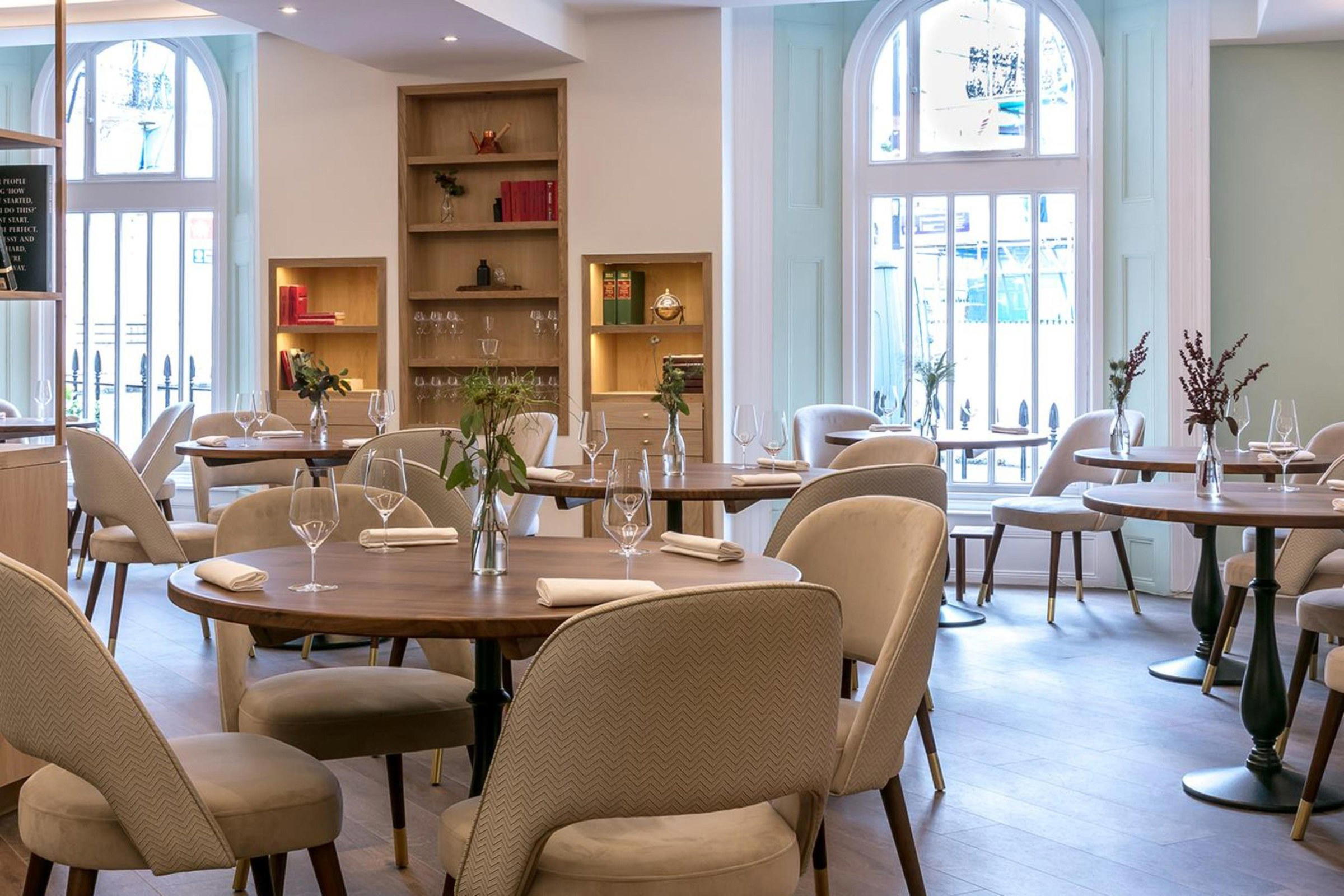
Beautifully minimalist space with blond wood, sleek grey stone, warm atmosphere from open kitchen buzz and upbeat soundtrack.