Riva
On the edge of Strasbourg's historic centre at 3 Rue des Planches, Riva sits within one of France's most distinctive regional dining cities, where Alsatian tradition and modern French ambition operate in close proximity. The restaurant occupies a city where the competition is serious and the expectations are calibrated accordingly. For travellers already tracking Strasbourg's contemporary dining scene, Riva warrants attention.
Pearl is the En Primeur Club membership app — saves, bookings, and concierge access live there. Same editors, same standards.
- Address
- 3 Rue des Planches, 67000 Strasbourg, France
- Phone
- +33681273343
- Website
- rivastrasbourg.fr
- Directions
- Get directions
 Saves & bookings on Pearl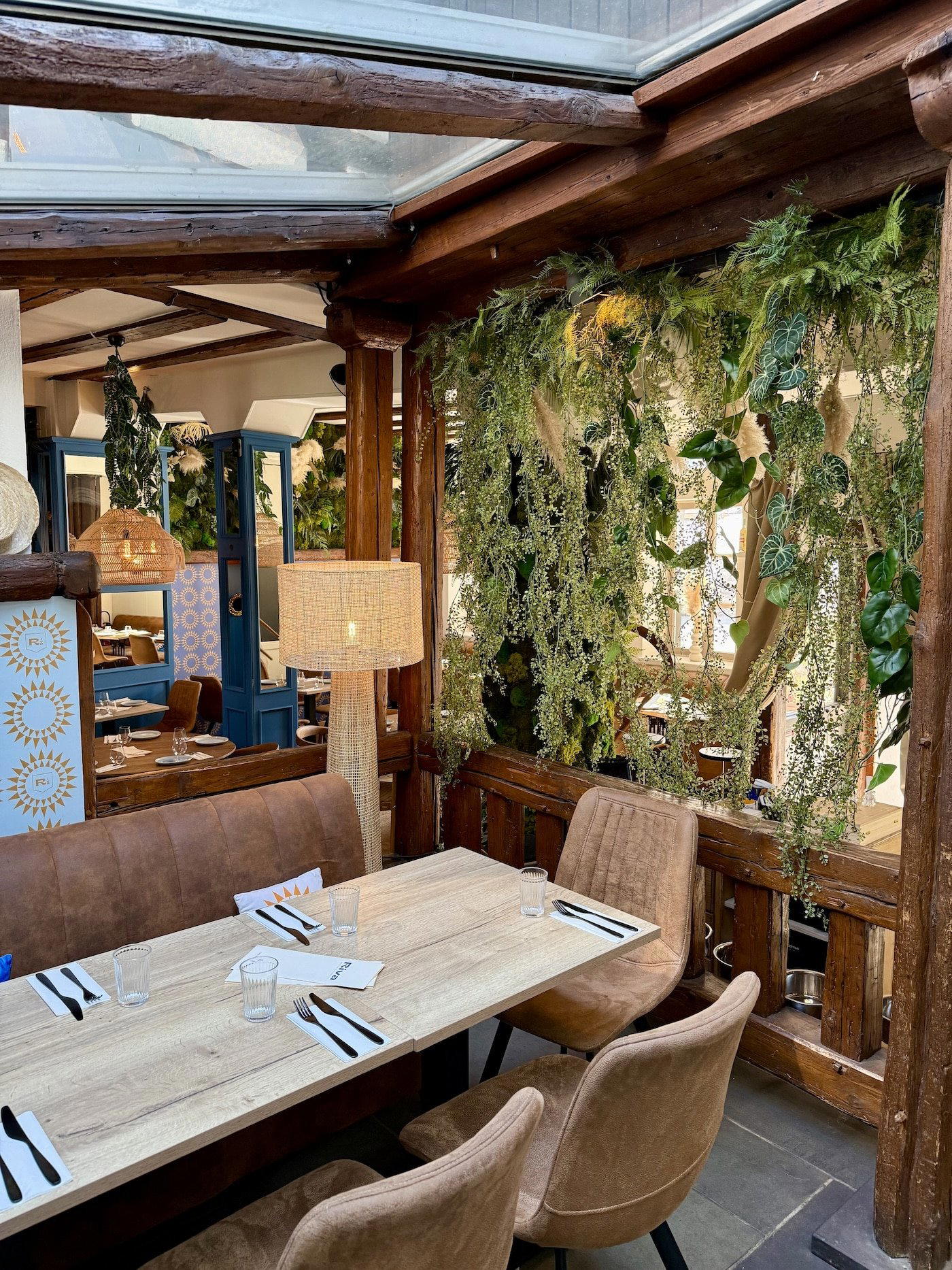
Where the Street Meets the Table
Rue des Planches sits at the kind of address that Strasbourg does quietly well: a city street that carries no particular tourist charge, where the architecture leans into the Alsatian half-timbered grammar without performing it. Arriving at Riva, the immediate context is the texture of a working city neighbourhood, the kind of setting that tends to attract a local dining public rather than a passing one. In Strasbourg, that distinction matters. The city's restaurant scene has developed around a core of serious regular diners, many of them cross-border from Germany and Switzerland, who treat the table as a weekly institution rather than an occasion.
That local dining culture shapes what the better Strasbourg restaurants have to offer: rooms calibrated for repeat visits, service that assumes familiarity with the format, and menus that do not need to explain themselves. Riva, at 3 Rue des Planches, operates within that tradition.
Strasbourg's Competitive Dining Tier
To understand where Riva sits, it helps to map the city's current dining structure. Strasbourg operates with a notable concentration of serious restaurants for a city of its size. At the upper end, Au Crocodile represents the city's longest-running Alsatian fine dining lineage, a house with deep regional credentials and a format that has survived several reinventions. 1741 and de:ja occupy the €€€€ creative tier, where menus are structured around a distinct culinary proposition rather than comfort or occasion. Les Funambules and Umami represent the modern cuisine bracket at an accessible price point, drawing a younger professional crowd.
This is not a city with gaps in its mid-to-upper range. The competition is genuine, and restaurants that sustain a following here do so by maintaining a clear identity rather than trying to serve every impulse. For a broader orientation across the city's dining options, the EP Club Strasbourg restaurants guide maps the full range by neighbourhood and category.
The Front-of-House as Editorial Voice
Across France's most respected dining rooms, the relationship between kitchen, cellar, and floor has become increasingly deliberate. At houses like Mirazur in Menton or Troisgros - Le Bois sans Feuilles in Ouches, the sommelier and front-of-house function not as support staff but as co-authors of the experience, shaping pacing, framing dishes, and making the wine programme a genuine structural element of the meal rather than an afterthought. That model has filtered down through France's regional dining circuit, and Strasbourg's better restaurants have absorbed it.
The Alsace wine region gives Strasbourg dining rooms an inherent advantage in this regard. Riesling, Pinot Gris, Gewurztraminer, and Pinot Blanc from producers along the Route des Vins d'Alsace form a pairing vocabulary that does not exist in most other French cities at this density. A well-briefed sommelier in this city can work with local wines that span dry to late-harvest in a single evening, which changes the architecture of a tasting menu considerably. The floor staff who understand that range, and who can communicate it without condescension, become a meaningful part of the dining proposition.
At the highest tier of French dining, this integration is expected. At Alléno Paris au Pavillon Ledoyen, at Auberge de l'Ill in Illhaeusern just south of Strasbourg, and at Flocons de Sel in Megève, the team dynamic is the experience. In Strasbourg's competitive mid-to-upper tier, the restaurants that have built a sustained reputation have generally done so by taking the same approach seriously, even without the recognition of a three-star house.
Alsatian Modern: What the Cuisine Tradition Actually Means
Alsatian cooking carries a dual identity that can mislead. The regional canon, built around choucroute, baeckeoffe, tarte flambée, and foie gras, is well documented and widely imitated outside the region. But the more interesting thread in contemporary Alsatian dining is what happens when that tradition is held at arm's length rather than reproduced faithfully. The leading kitchens in the city are in dialogue with their ingredients and producers, many of whom operate within a short radius, without feeling obligated to deliver the museum version of regional cuisine.
That approach puts Strasbourg restaurants in a recognisable position within the broader French regional revival, a movement that has produced serious work at places like Bras in Laguiole, AM par Alexandre Mazzia in Marseille, and Auberge du Vieux Puits in Fontjoncouse. In each of those cases, the regional identity is present in the sourcing and the sensibility without being the entire proposition. Strasbourg's better contemporary tables follow a similar logic.
For context on how France's most institutionally recognised houses have handled this tension, the lineages at Paul Bocuse - L'Auberge du Pont de Collonges and Assiette Champenoise in Reims offer a useful reference for how tradition and ambition coexist in French regional fine dining. Internationally, the precision-led team model visible at Le Bernardin in New York or the structured progressions at Atomix demonstrate how seriously that kitchen-floor-cellar dynamic is now taken at the summit of the global dining tier.
Planning a Visit
Riva's address at 3 Rue des Planches places it within walking distance of Strasbourg's central tram network, which connects the city from the main station to Petite France and the historic centre efficiently. Strasbourg is a compact city and most dining destinations are reachable on foot or by tram from the centre. Direct TGV services from Paris Gare de l'Est run in approximately two hours and fifteen minutes, which makes Strasbourg a realistic destination for a single-night or weekend visit timed around a dinner reservation. Given the density of serious restaurants in the city, pairing a meal at Riva with a booking at one of its peers makes sense as a structure for the trip.
Side-by-Side Snapshot
Comparable venues nearby, for context on price, style, and recognition.
| Venue | Cuisine | Price | Notes |
|---|---|---|---|
| RivaThis venue — the venue you are viewing | Mediterranean Tapas Comptoir | $$ | Not listed |
| Madeleine | Modern Alsatian-Breton Bistro | $$ | Bourse-Esplanade-Krutenau |
| La Table de Christophe | French Bistronomique | $$ | Centre |
| Bistrot des Rosiers | Seasonal French Neo-Bistro | $$ | Bourse-Esplanade-Krutenau |
| La Nouvelle Poste | French Brasserie | $$ | Centre |
| L'Oignon | Traditional French Alsatian | $$ | Centre |
Continue exploring
More in Strasbourg
Restaurants in Strasbourg
Browse all →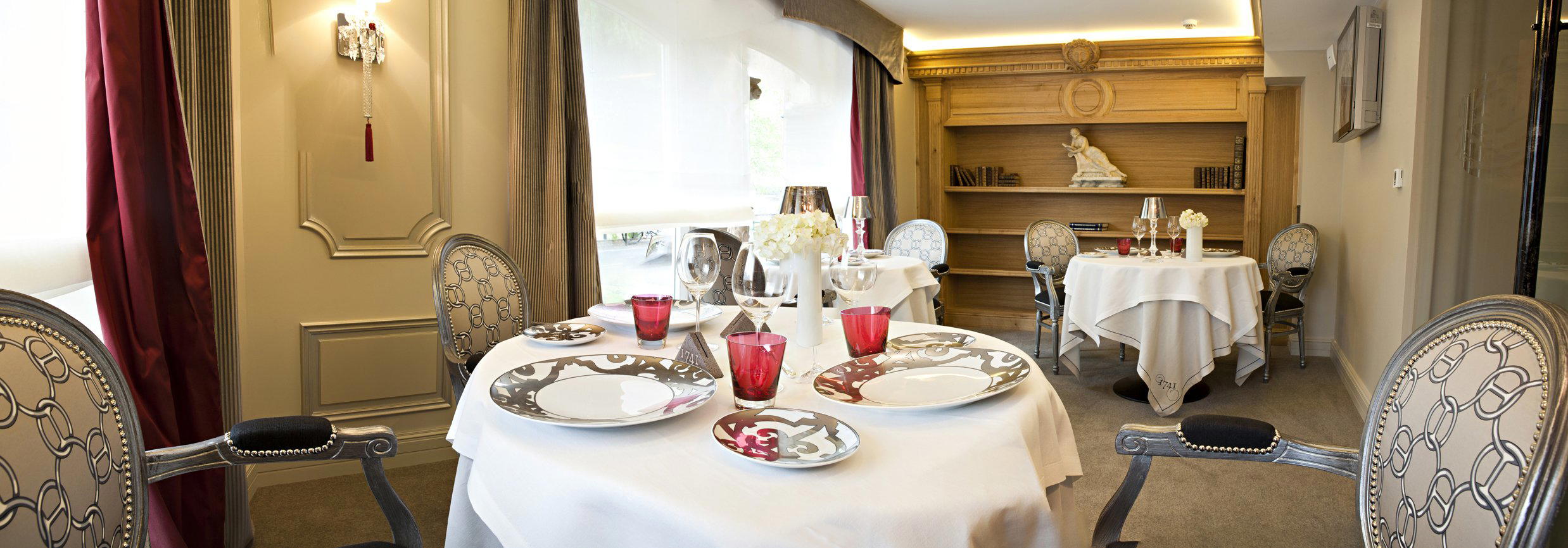

Bars in Strasbourg
Browse all →


Hotels in Strasbourg
Browse all →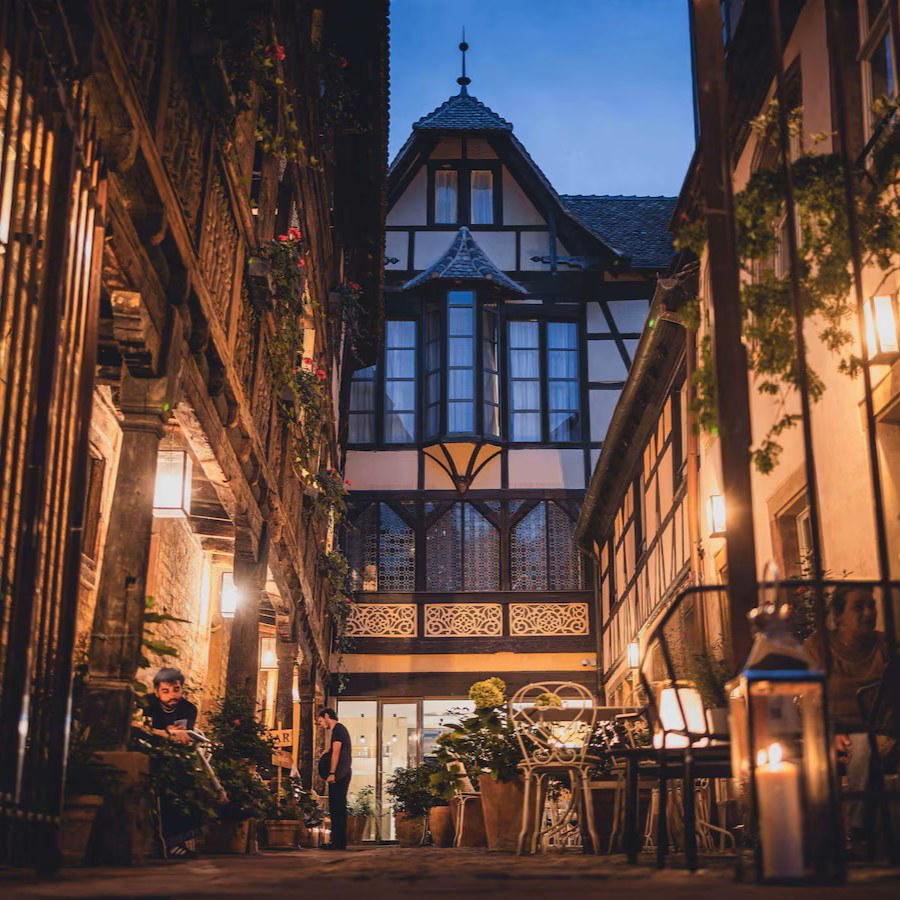
At a Glance
- Lively
- Energetic
- Group Dining
- Casual Hangout
- Celebration
- Open Kitchen
- Craft Cocktails
Current opening hours
- Monday
- 12–2 PM, 6 PM–1:30 AM
- Tuesday
- 12–2 PM, 6 PM–1:30 AM
- Wednesday
- 12–2 PM, 6 PM–1:30 AM
- Thursday
- 12–2 PM, 6 PM–1:30 AM
- Friday
- 12–2 PM, 6 PM–1:30 AM
- Saturday
- 6 PM–1:30 AM
- Sunday
- Closed
Hours can change for holidays and private events. Last verified .
Festive and convivial with DJ music and warm lighting for memorable evenings.