Domaine Boeckel

Falstaff Winery - Listed
The draw is terroir rather than spectacle: organic farming since 2010, fifth-generation stewardship, and Robert Parker Wine Advocate scores reaching 95 points for Sylvaner Grand Cru Zotzenberg 2022.

Pearl is the En Primeur Club membership app — saves, bookings, and concierge access live there. Same editors, same standards.
- Address
- Mittelbergheim, Alsace, Frankreich
- Directions
- Get directions

Grand Cru context gives the visit its focus
Domaine Boeckel is best understood through Mittelbergheim’s wine landscape. Rather than presenting the visit as a polished design destination, the better reading is traditional and place-led, with the Grand Cru context providing the main structure for understanding why the estate matters in a wine-country itinerary.
That makes Domaine Boeckel especially relevant for travellers who prefer a grounded wine-country stop over a high-gloss venue. The experience is better described by its classic, rustic and scenic character than by claims about rankings, formats or technical cellar details. In practical terms, it is the sort of address to consider when the goal is to feel the atmosphere of a wine village and to place the wines within that setting, rather than to chase a spectacle or a highly produced hospitality narrative.
Nature wines and a traditional cellar
The profile also includes nature wines, which adds another thread to the estate’s historic frame. At Domaine Boeckel, that interest sits alongside the traditional cellar and tasting room rather than replacing them with a flashy concept. The traditional cellar and tasting room give the visit a rooted, low-key character.
Contact the estate directly before arranging a tasting or visit.
How to read it within a Mittelbergheim itinerary
For travellers building a wine-focused day in Mittelbergheim, Domaine Boeckel’s value is clarity.
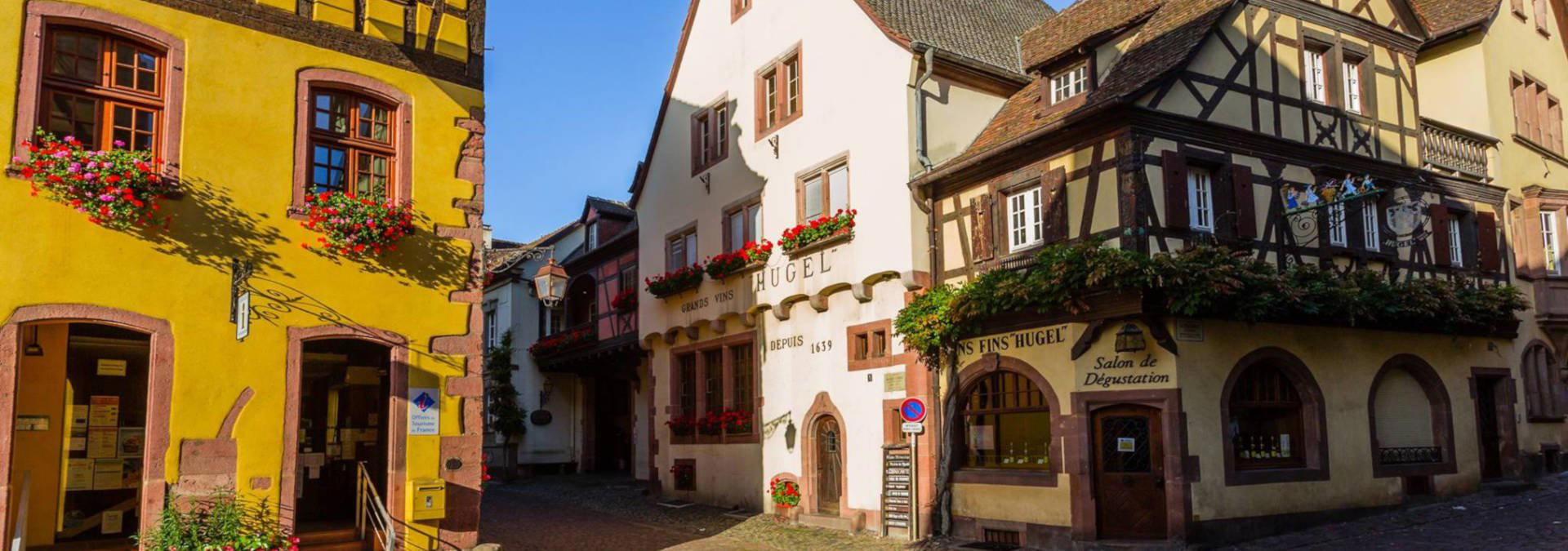
When comparing options, keep the frame local and simple: Domaine Boeckel is a classic, scenic and rustic Mittelbergheim wine stop rather than a venue defined by spectacle. Other dining or hospitality choices in Mittelbergheim can be considered generically around the visit, but the venue focus here remains Domaine Boeckel. It is best approached as part of the broader fabric of the village, where the appeal lies in the connection between the historic estate, the tasting room, the cellar and the surrounding wine landscape.
Recognition history
Dated appearances from independent guides and award organizations, with the underlying list record or original source where available.
Falstaff Winery - Listed
Falstaff
Continue exploring
More in Mittelbergheim
Wineries in Mittelbergheim
Browse all →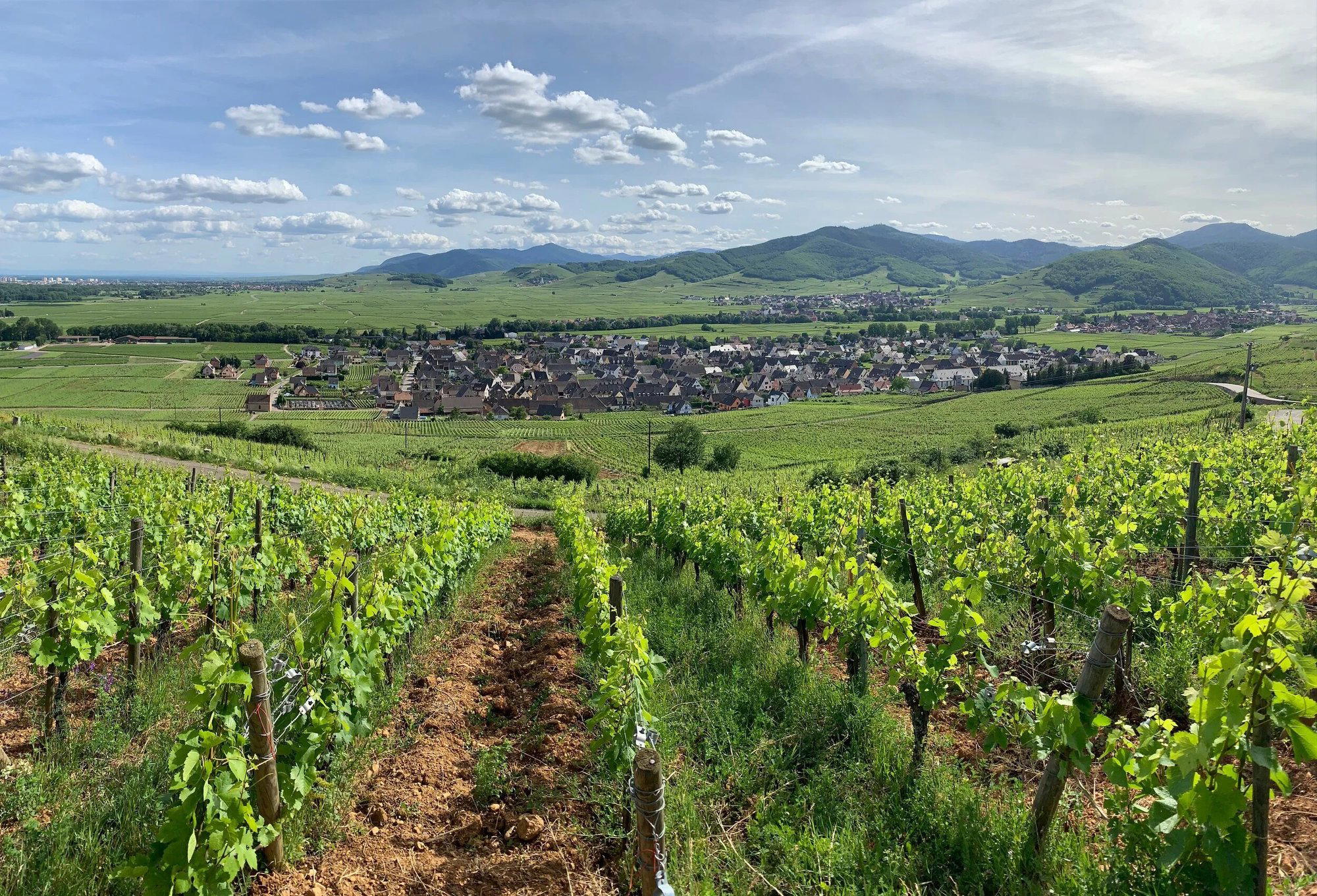
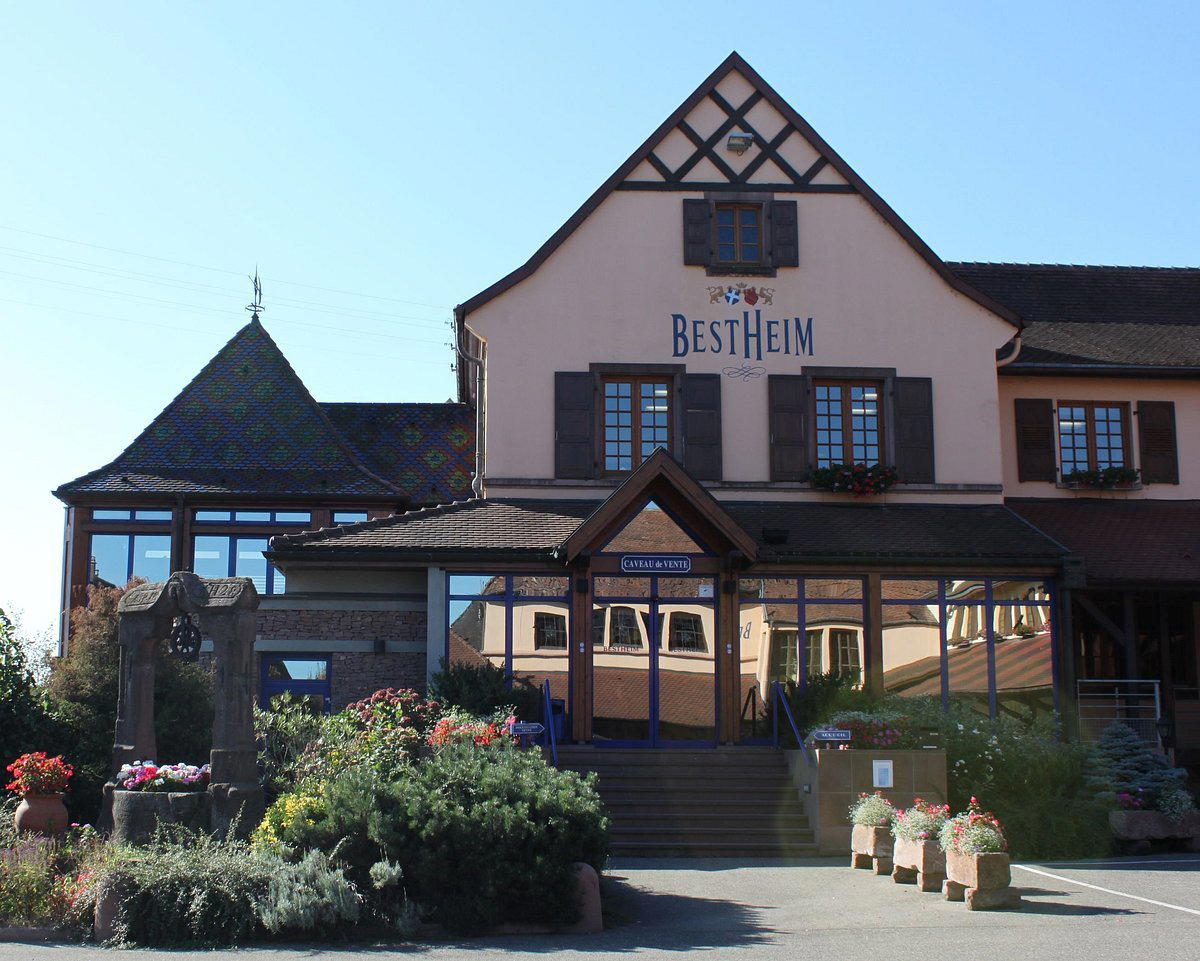
Bars in Mittelbergheim
Browse all →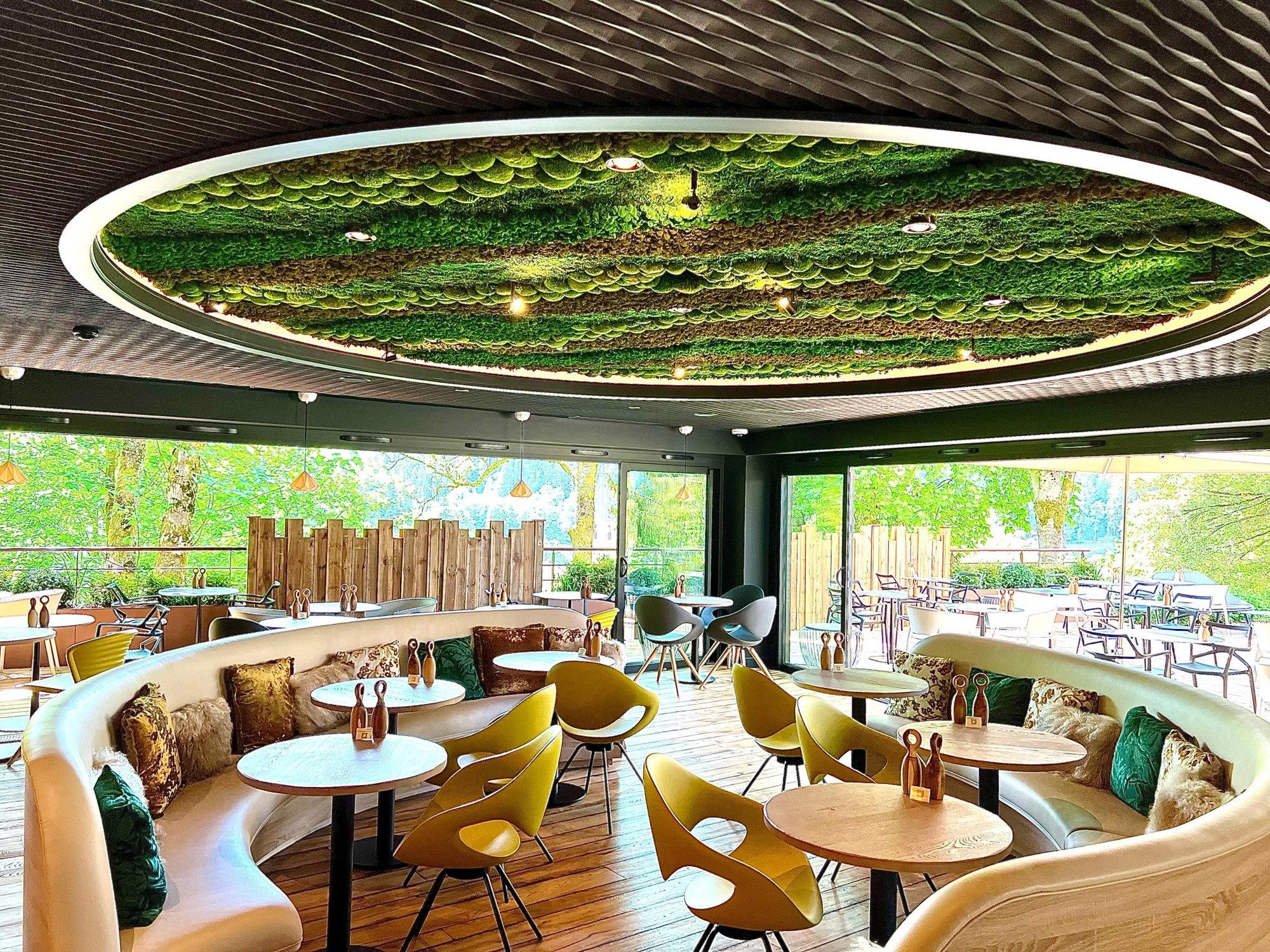
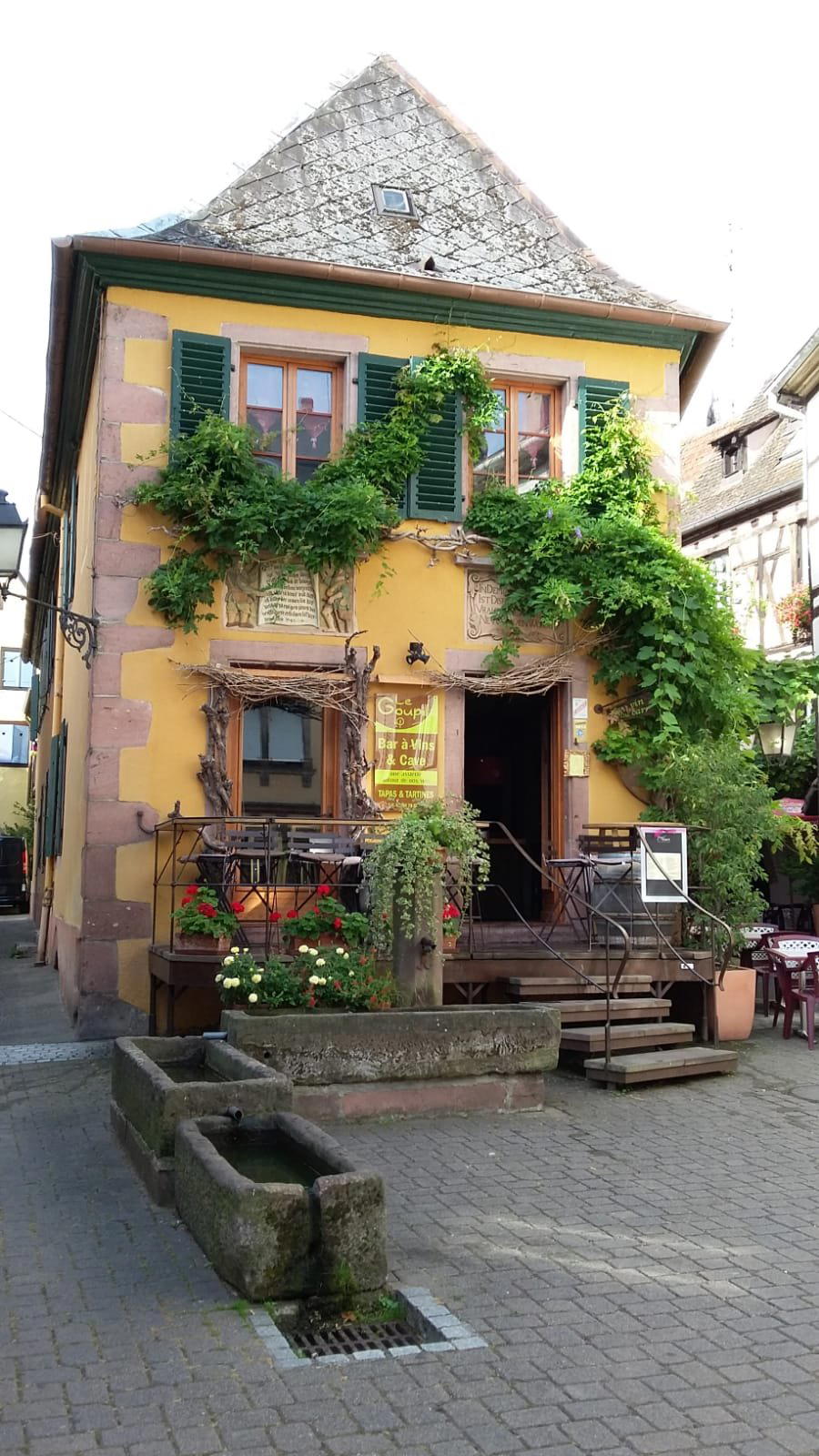


Restaurants in Mittelbergheim
Browse all →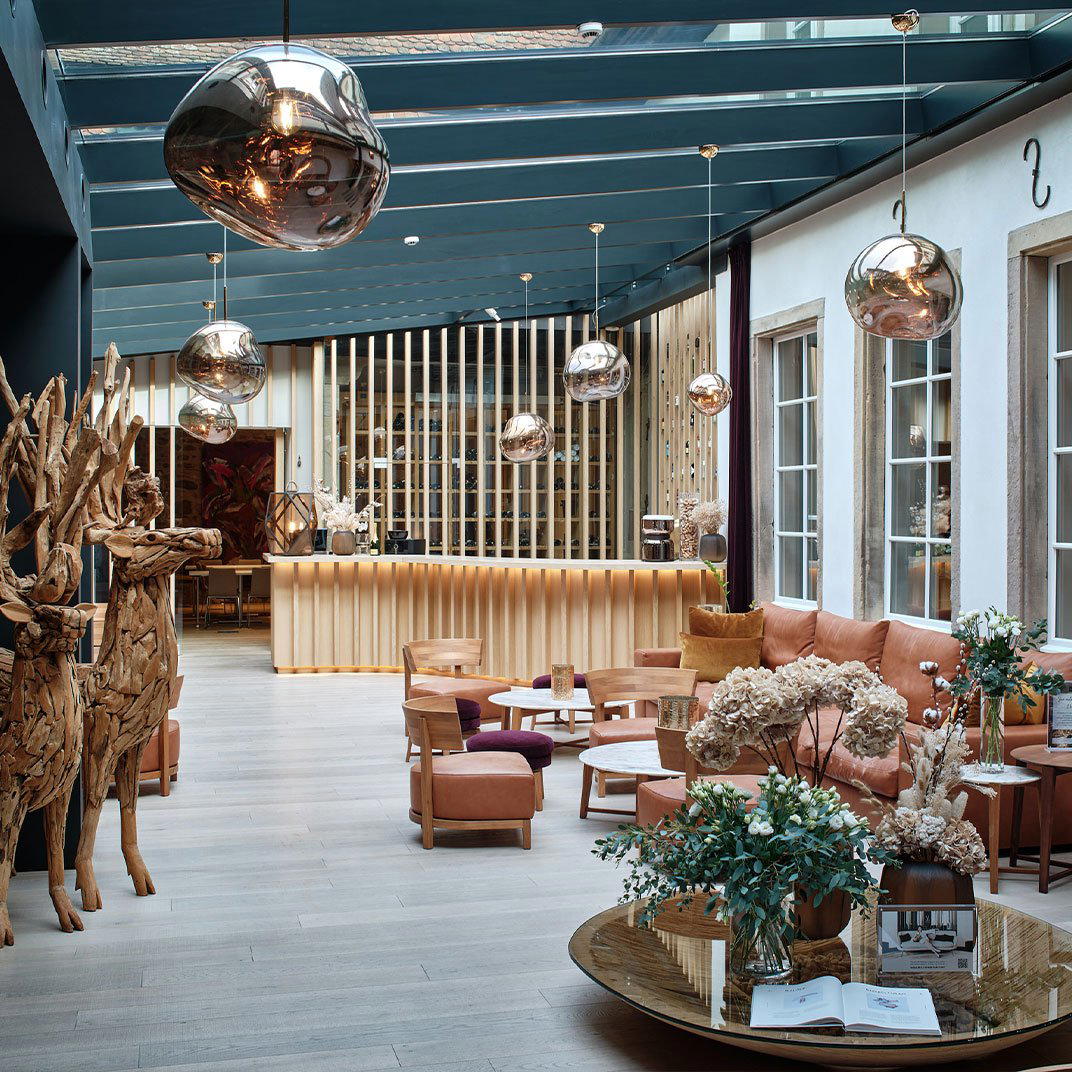
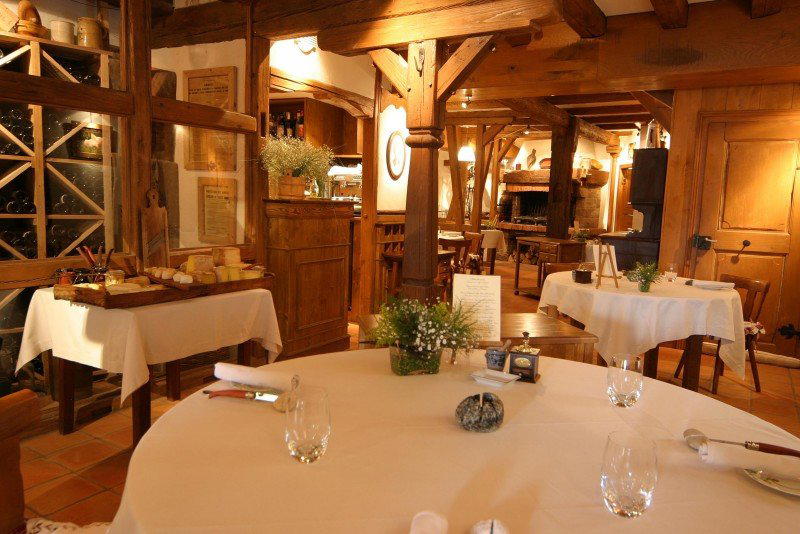

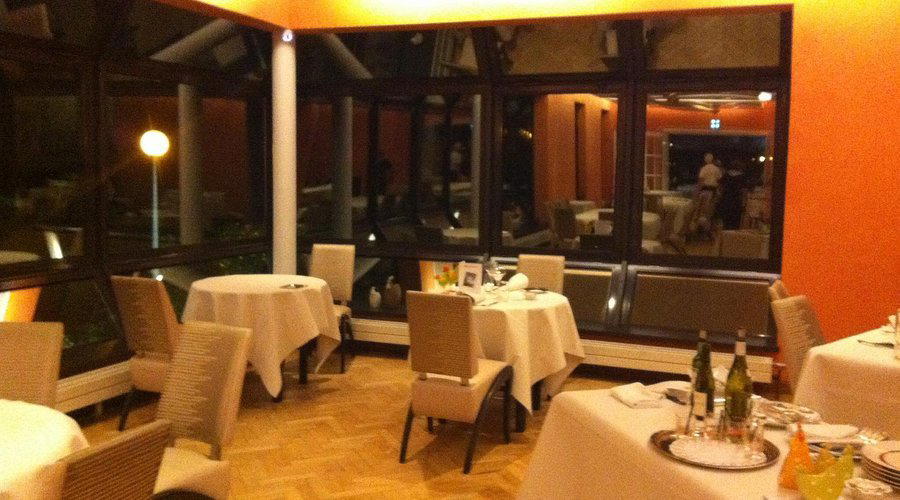
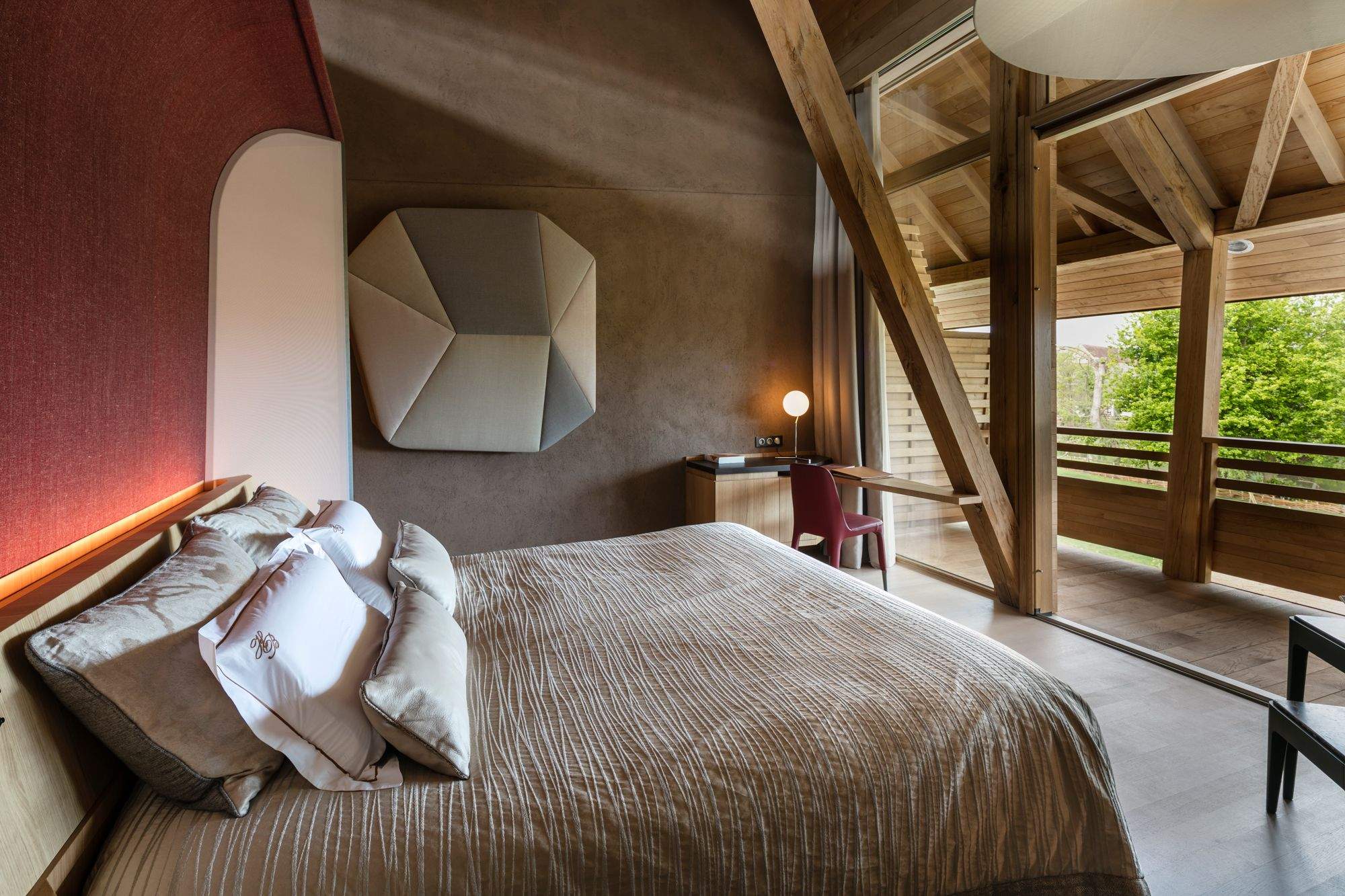
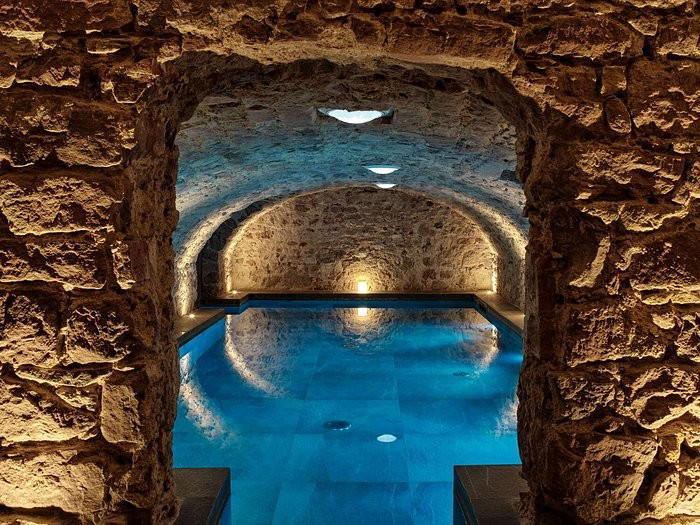
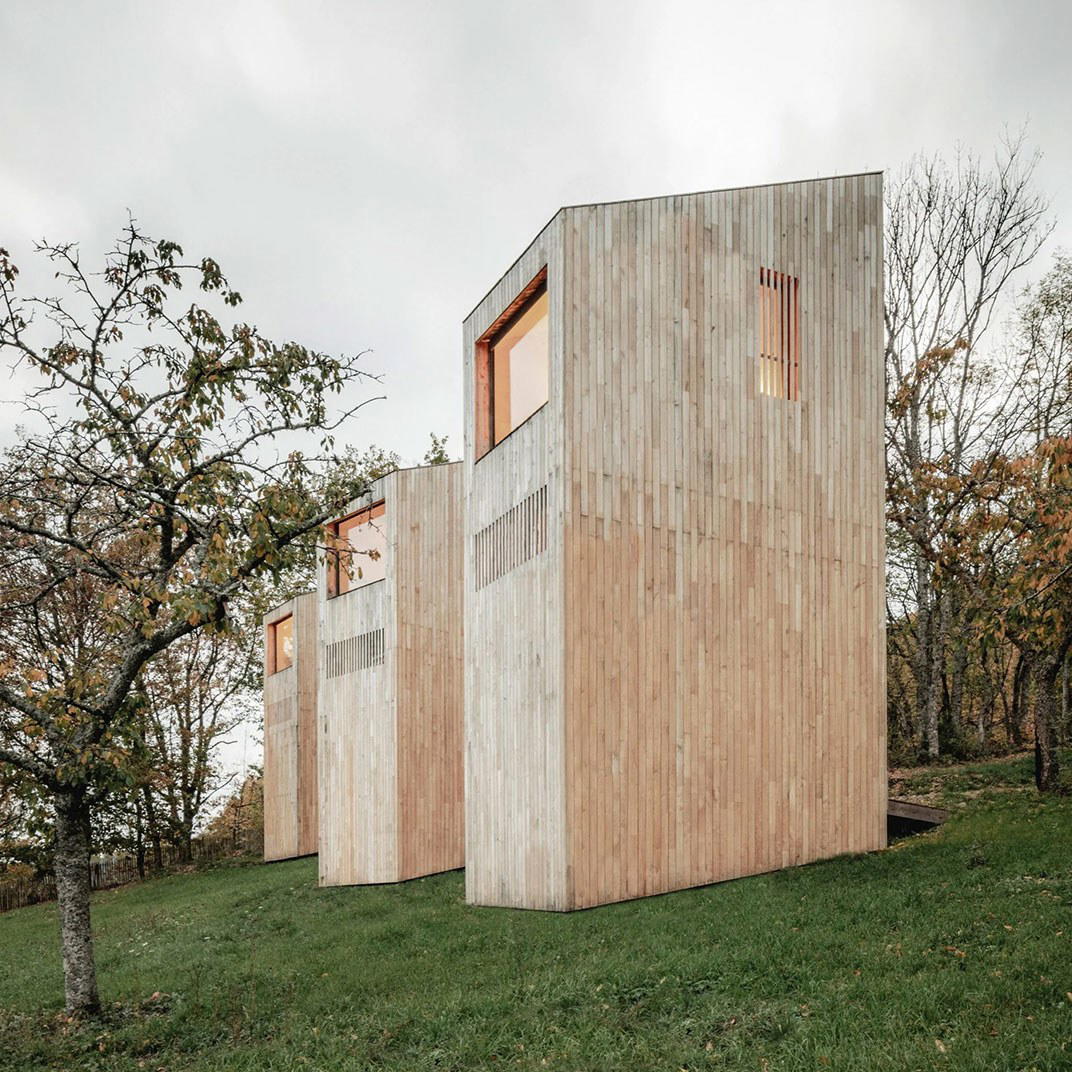
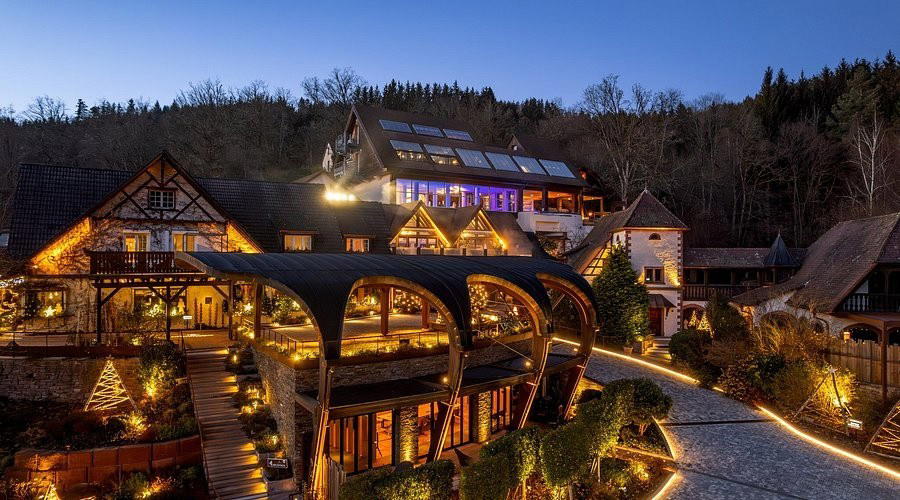
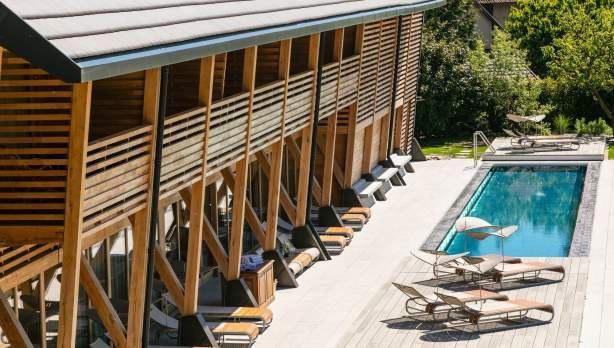
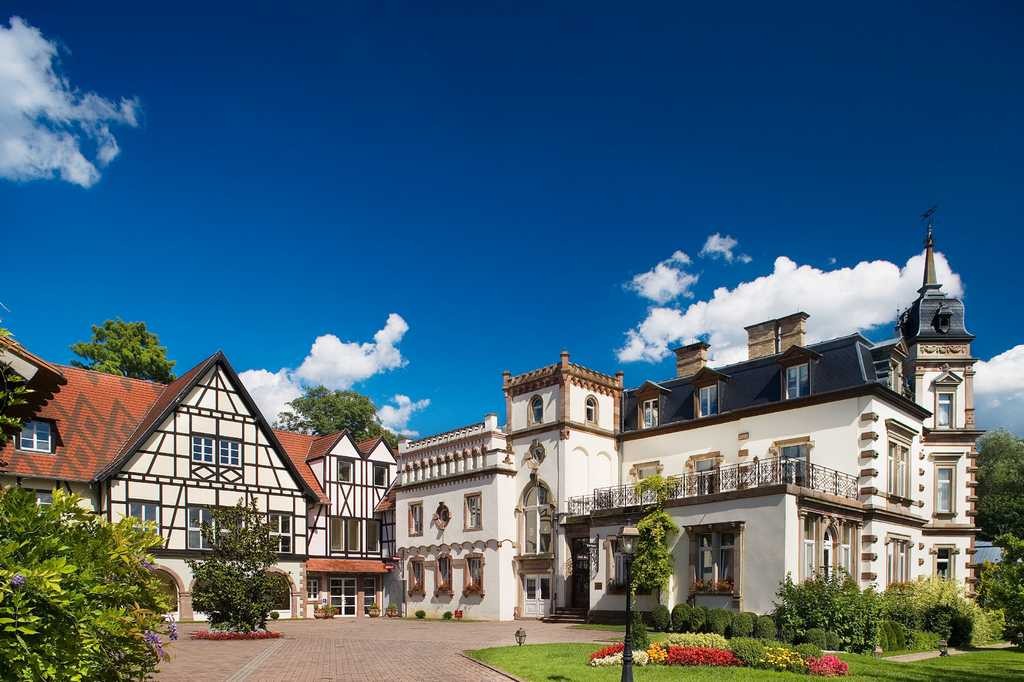
Details
- Classic
- Scenic
- Rustic
- Intimate
- Wine Education
- Group Outing
- Solo Exploration
- Romantic Getaway
- Cave Tasting
- Estate Grounds
- Historic Building
- Private Tasting
- Vineyard
- Street Scene
- Sylvaner
- Riesling
- Pinot Noir
- Gewurztraminer
- Still White
- Still Red
- Sparkling
- Pet Nat
- Orange
- Skin Contact
- Bar/counter Tasting
- Private Tasting
- French
- English
- German
Historic Alsace family estate in one of France’s most beautiful wine villages, with a traditional cellar and tasting room focused on terroir-driven Grand Crus and nature wines rather than flashy design.