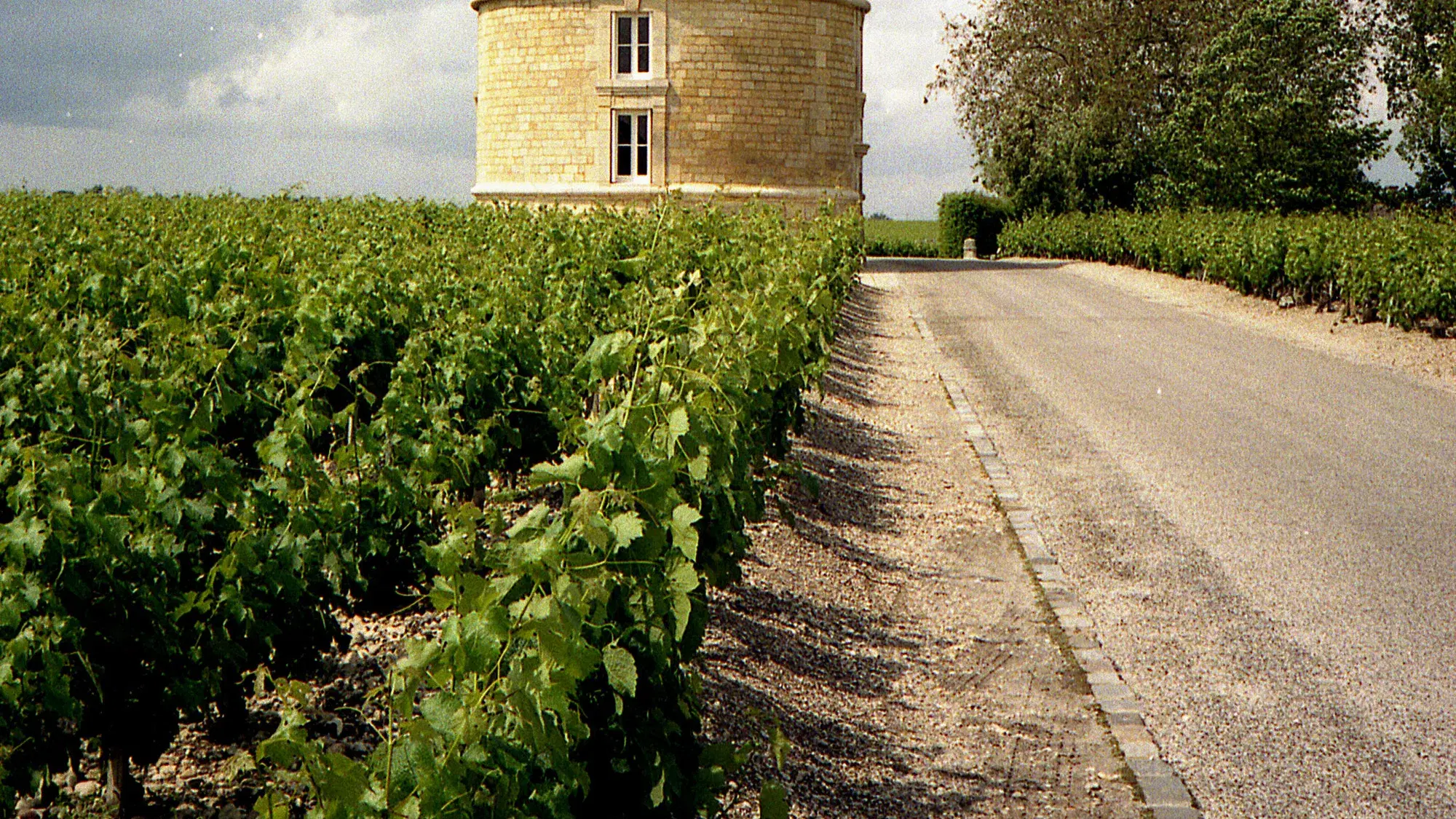
Château Montrose is a well-known Bordeaux estate in the Saint-Estèphe region, recognized as a Deuxième Cru Classé (Second Growth) in the historic 1855 Classification.
What is the "Cathedral" at Château Montrose?
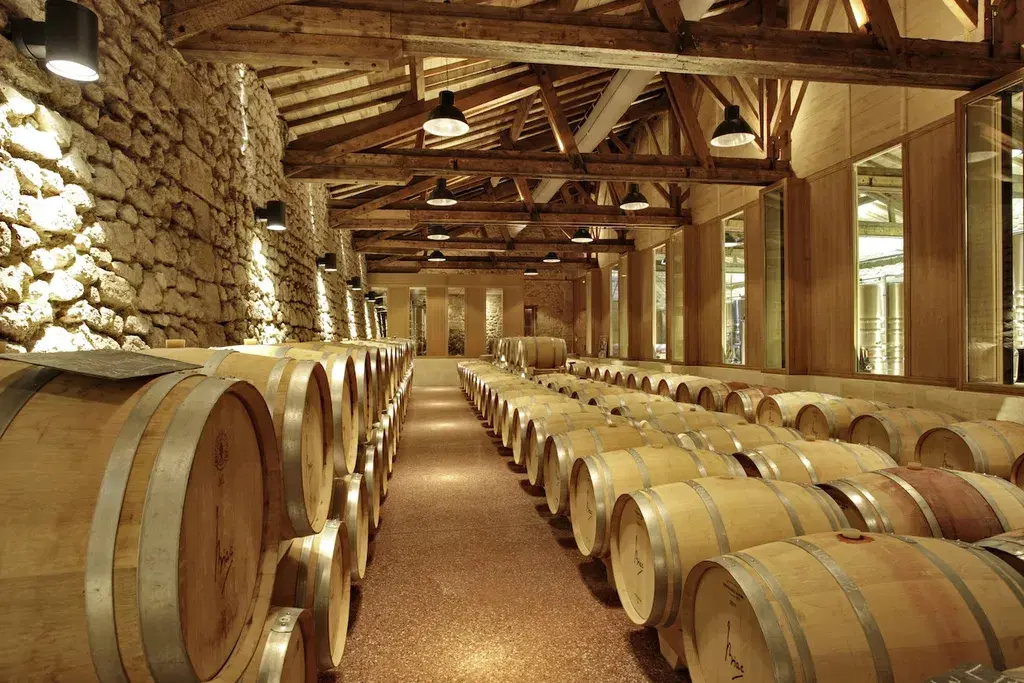
The château is known for its impressive cellar and barrel hall spaces, which give the estate a cathedral-like sense of scale. Rather than focusing on exact measurements, the key point is the combination of height, quiet, and climate control that supports careful ageing.
Why is it called the "Latour of Saint-Estèphe"?
The nickname refers to the wine's style. Like Château Latour (a First Growth in nearby Pauillac), Montrose is known for being deep, tannic, and incredibly long-lived. It is a wine that can reward patient cellaring.
What are the "Hail Cannons" at Montrose?
Château Montrose is associated with modern vineyard-protection and environmental-management practices, but any specific hail-defense technology should be verified directly with the estate before publication or travel. The more important takeaway is that the property has invested in protecting vineyard quality and long-term resilience.
What is the second wine of Château Montrose?
The second wine is called La Dame de Montrose. It is made from the same estate and is generally presented as a more approachable expression than the Grand Vin.
Is Château Montrose a First Growth?
No, it is classified as a Second Growth (Deuxième Cru) in the historic 1855 Classification. However, in modern discussions among collectors, it is often placed among the leading estates of its category.
What makes Château Montrose's terroir special, and how does it shape the wines?
Château Montrose benefits from a notable terroir, where gravel and sand soils rest atop a clay-rich subsoil. This combination ensures excellent natural drainage, a key factor in growing upper-tier grapes. Adding to this advantage, the vineyard's proximity to the Gironde estuary creates a moderating microclimate, helping ripening proceed steadily.
These distinctive factors shape wines with a distinct character, often marked by graphite undertones, rich black fruit flavors, and a signature stony minerality. The terroir also plays a central role in giving the wines their impressive structure, complexity, and ability to age gracefully - qualities that firmly establish Château Montrose as a standout in Bordeaux's winemaking tradition.
What sustainability efforts is Château Montrose undertaking, and how do they support its long-term vision?
Château Montrose has emphasized sustainability as part of its long-term vision, pairing vineyard stewardship with environmental improvements across the estate. The official site highlights a dedicated environmental dimension, showing that the château continues to invest in practices intended to preserve the character of the property for the future. The broader direction is one of careful adaptation rather than short-term change.
These initiatives highlight Château Montrose's commitment to minimizing environmental impact, safeguarding its distinctive terroir, and tackling climate challenges. By refining planting techniques and vineyard management, the estate seeks to keep quality at the center of its future development while staying aligned with its forward-thinking vision.