Gasthof Hunerkogel
Our verdict
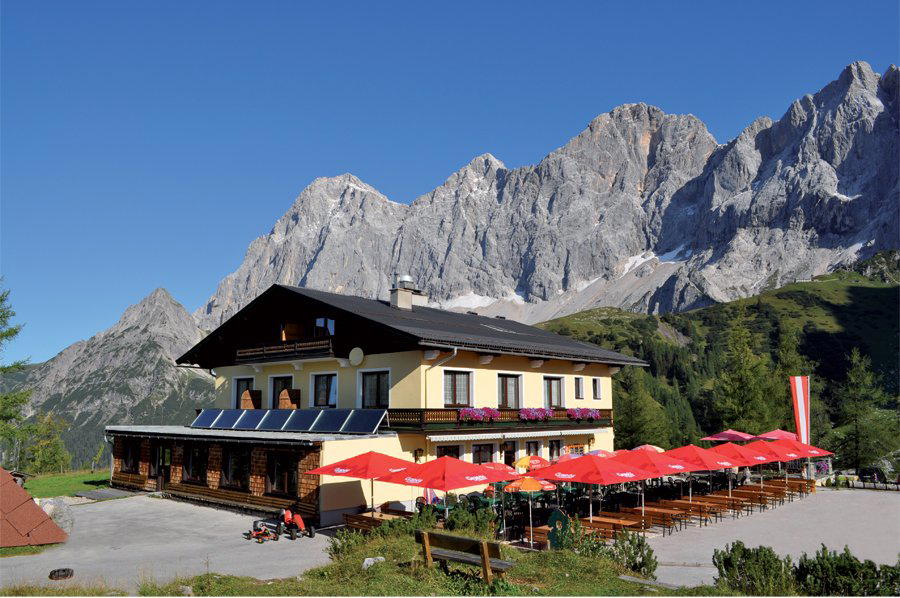
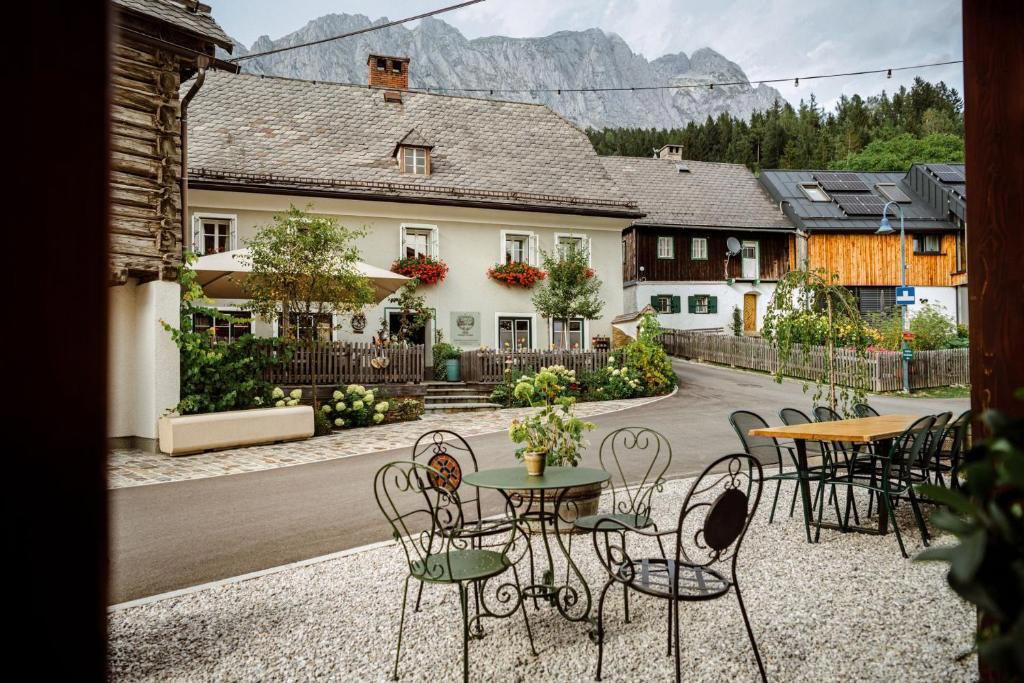
A traditional Austrian Gasthof set in the alpine village of Ramsau am Dachstein, Gasthof Hunerkogel occupies the kind of position that defines mountain hospitality in the Styrian Alps: rooted in place, oriented toward the surrounding landscape, and built for the rhythm of guests who arrive with serious mountains on the agenda. It sits within one of Austria's most concentrated clusters of alpine dining.

Pearl is the En Primeur Club membership app, where members save venues, book tables and use the concierge.
Where the Dachstein Plateau Meets the Table
In Ramsau am Dachstein, the relationship between the land and the kitchen is not a marketing position, it is a structural reality. The village sits at roughly 1,000 metres above sea level, with the Dachstein massif pressing against the horizon on every approach. Gasthofs in this context are not incidental to the alpine experience; they are part of its architecture. Gasthof Hunerkogel, addressed at Schildlehen 78, sits within this tradition: a place where the logic of the meal is shaped by altitude, season, and the practical demands of a community that has organised itself around the mountains for generations.
The Gasthof format itself carries cultural weight that gets lost in translation. In the Austrian alpine tradition, a Gasthof is not simply an inn with a restaurant attached. It is a civic institution, a place where farmers, hikers, and travellers have historically converged, where the food follows what the surrounding valleys produce, and where the rhythm of service matches the pace of people who have been outdoors since early morning. Understanding Gasthof Hunerkogel means understanding that tradition first, and then considering how it plays out in this particular corner of the Styrian Alps.
The Cultural Grammar of Alpine Styrian Cooking
Styrian cooking occupies a distinct position within Austria's regional food culture. Where Viennese cuisine carries its Habsburg formality, the Tafelspitz, the Schnitzel, the carefully codified pastry tradition, and Tyrolean food leans into its proximity to South Tyrol and the Germanic north, Styrian cooking draws from a different set of references: pumpkin seed oil pressed from local Kürbiskerne, freshwater fish from the Enns and Salza rivers, game from the surrounding forests, and dairy produced at altitude. These are not folkloric gestures. They are the result of geography, and Ramsau am Dachstein sits squarely within that geography.
Across the wider Austrian alpine dining scene, this regional specificity has become a defining competitive axis. At Steirereck im Stadtpark in Vienna, Heinz Reitbauer has built a two-Michelin-star program explicitly around Austrian regional produce, with Styrian ingredients appearing regularly on the menu. Döllerer in Golling an der Salzach has formalised what it calls "Alpine Cuisine" into a recognisable tasting format. Further west, Obauer in Werfen and Gourmetrestaurant Tannenhof in Sankt Anton am Arlberg operate at the premium end of mountain hospitality, drawing destination diners. The Gasthof tier, of which Hunerkogel is an example, operates differently: less destination-driven, more embedded in the daily life of a place, and often more directly connected to local supply chains that the fine-dining tier romanticises but cannot always replicate at scale.
That directness matters. In villages like Ramsau, the gap between producer and kitchen is short. Dairy, game, and foraged ingredients do not travel far. The cooking that results tends to be honest about its ingredients rather than theatrical with them, a different kind of discipline from what you find at Kräuterreich by Vitus Winkler in Sankt Veit im Pongau or Stüva in Ischgl, but not an inferior one.
Ramsau am Dachstein's Dining Cluster
Ramsau am Dachstein supports a notably concentrated collection of eating options for a village of its size. The local dining scene spans everything from high-altitude alpine huts to traditional Gasthöfe to the kind of lift-adjacent food stops that keep skiers and hikers fuelled between routes. Gasthof Hunerkogel operates within this cluster alongside venues including Brandalm, Ennstalerhof, Guttenberghaus, Knoll Lift-Stüberl, and Lärchbodenalm.
Each of these venues addresses a slightly different need within the village's hospitality ecosystem. The alm-style venues, higher up, often accessible by foot or lift, tend toward simpler, heartier formats suited to mid-activity eating. The Gasthof tier, including Hunerkogel, typically offers more structured meal experiences in a warmer, more sheltered setting. For visitors planning a multi-day stay in the region, the interplay between these formats is part of what makes Ramsau worth the drive from Schladming or Graz. See our full Ramsau Am Dachstein restaurants guide for broader orientation.
Further afield, the Styrian and Salzburg alpine corridors have developed a genuine dining culture that rewards planning. Landhaus Bacher in Mautern an der Donau, Ois in Neufelden, and Restaurant 141 by Joachim Jaud in Mieming each represent different registers of Austrian alpine food culture, from wine-country elegance to focused tasting menus. The contrast with Gasthof-format dining is instructive: the Gasthof exists to serve the place it is in, not to draw people away from it toward a destination meal.
Planning a Visit
Ramsau am Dachstein is accessible by car from Schladming in under fifteen minutes, the village sits on the Ramsau plateau above the valley town, which has its own rail connection. For visitors approaching from Salzburg, the drive runs approximately 90 minutes via the Enns Valley. The Dachstein region operates as a year-round destination: winter brings skiing on the Dachstein glacier and groomed cross-country trails across the plateau, while summer turns the same terrain into a hiking and cycling base. Timing a visit to Gasthof Hunerkogel around the shoulder seasons, late autumn or early spring, means the village is quieter, which typically translates to more relaxed service at alpine Gasthöfe that can run at full stretch during peak ski and summer hiking periods.
As a Gasthof, Hunerkogel likely operates on Austrian hospitality conventions: lunch and dinner service, with the kitchen oriented toward the rhythms of outdoor activity in the region. Direct contact with the venue for current hours and booking availability is the appropriate step, given that operational details for smaller alpine establishments can shift seasonally. For wider context on premium alpine dining in Austria, the programs at Schwarzer Adler in Hall in Tirol and internationally at Le Bernardin in New York City or Lazy Bear in San Francisco illustrate how different latitudes and culinary traditions approach the same question of place-driven cooking, a comparison that sharpens the case for what the Styrian alpine Gasthof does on its own terms.
Frequently asked questions
Where is Gasthof Hunerkogel located?
Gasthof Hunerkogel is located at Schildlehen 78, 8972, Austria, Ramsau Am Dachstein.
Where is Gasthof Hunerkogel relative to Schladming, and how does its location shape the dining experience?
Gasthof Hunerkogel sits at Schildlehen 78 on the Ramsau plateau, less than fifteen minutes by car from Schladming in the valley below. That elevation and plateau setting are not incidental: the surrounding alpine terrain directly informs the Styrian cooking tradition the guesthouse represents, placing it within a village food culture shaped by mountain farming rather than resort-town catering. For visitors based in Schladming, the short drive to Ramsau am Dachstein opens access to a distinctly different register of Austrian alpine eating.
What should I eat at Gasthof Hunerkogel?
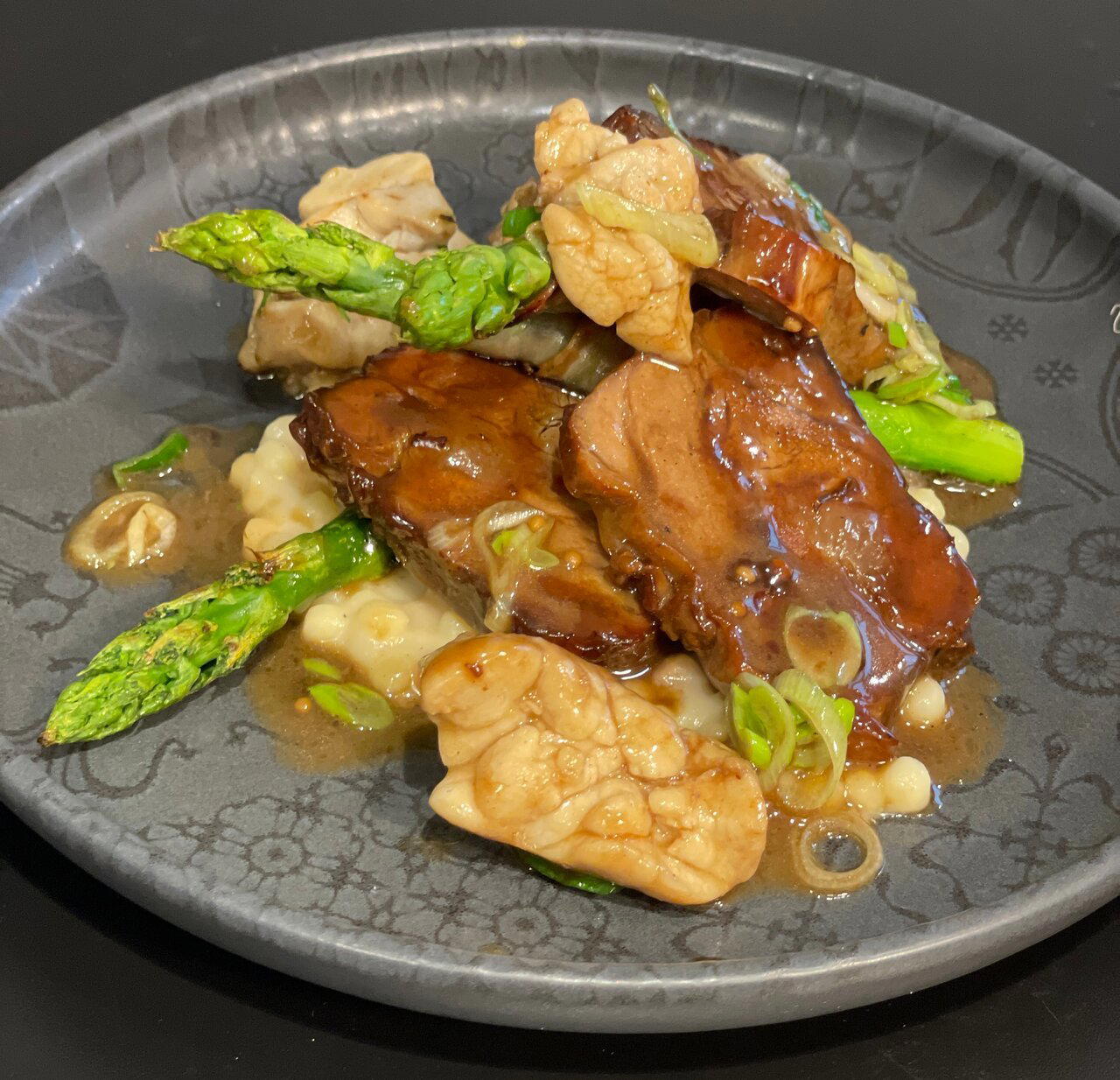
Gasthof Hunerkogel sits in Ramsau am Dachstein, a village where Styrian cooking traditions shape what appears on local tables. Expect dishes rooted in the region's pastoral larder: cured meats, dairy from mountain farms, and preparations that reflect the broader Alpine Styrian repertoire rather than a chef-driven tasting menu format. Specific current menu items are best confirmed directly with the kitchen on arrival or by contacting the guesthouse ahead of your visit.
What's the best way to book Gasthof Hunerkogel?
Gasthof Hunerkogel is located at Schildlehen 78, 8972, Ramsau am Dachstein, Austria. No central booking platform or website is currently listed for the property, which is common among traditional Alpine gasthofs in the Schladming region. Arriving in person or reaching out through local tourism offices in Ramsau am Dachstein is the most reliable approach for securing a table or accommodation.
What's the defining dish or idea at Gasthof Hunerkogel?
The defining idea at a guesthouse of this type in Ramsau am Dachstein is continuity with the land: Styrian Alpine cooking built around seasonal produce from the Dachstein plateau rather than imported fine-dining concepts. The kitchen's identity is grounded in regional tradition rather than individual chef signature.
Can Gasthof Hunerkogel accommodate dietary restrictions?
Traditional Austrian gasthofs in Ramsau am Dachstein are built around meat-forward Styrian cooking, so guests with significant dietary restrictions should check the venue's official channels before visiting. No formal dietary accommodation policy is documented for Gasthof Hunerkogel. Communicating requirements in advance gives the kitchen the best opportunity to respond appropriately.
Is Gasthof Hunerkogel worth the price?
In the context of Ramsau am Dachstein's dining cluster, traditional gasthofs generally represent solid value against the region's mountain resort alternatives, particularly for guests seeking a grounded Styrian meal over a hotel-dining room experience. Verifying current pricing directly with the guesthouse is advisable before your visit.
Cost Snapshot
| Venue | Cuisine | Price |
|---|---|---|
| Gasthof HunerkogelThis venue (the venue you are viewing) | Traditional Austrian | Not listed |
| Ennstalerhof | Modern Austrian Fine Dining | $50–100 |
| Guttenberghaus | Traditional Austrian Alpine Hut Cuisine | Not listed |
| Knoll Lift-Stüberl | Traditional Austrian | Not listed |
| Lärchbodenalm | Traditional Austrian Alpine | Not listed |
| Pehab | Modern Regional Austrian | Not listed |
Continue exploring
More in Ramsau Am Dachstein
Restaurants in Ramsau Am Dachstein
All restaurants in Ramsau Am Dachstein →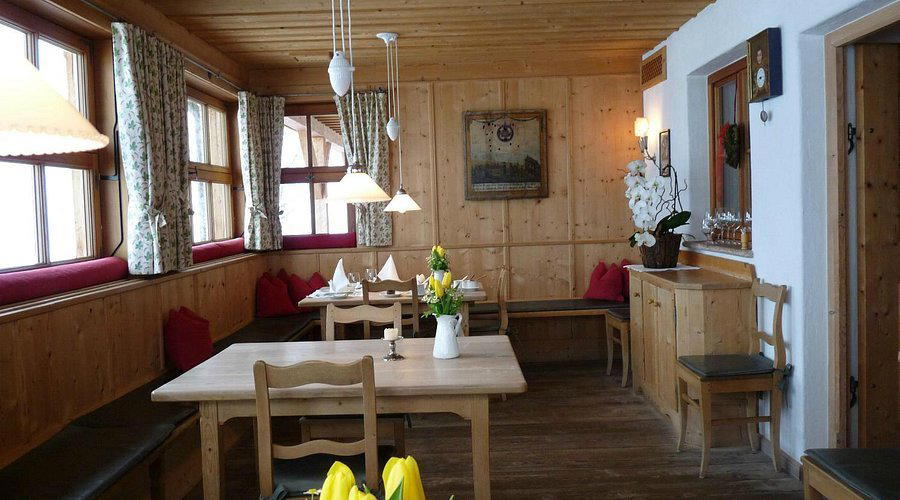
Bars in Ramsau Am Dachstein
Browse all →
Details
- Rustic
- Cozy
- Scenic
- Family
- Group Dining
- Casual Hangout
- Terrace
- Panoramic View
- Hotel Restaurant
- Mountain
- A La Carte
- Allergy Accommodating
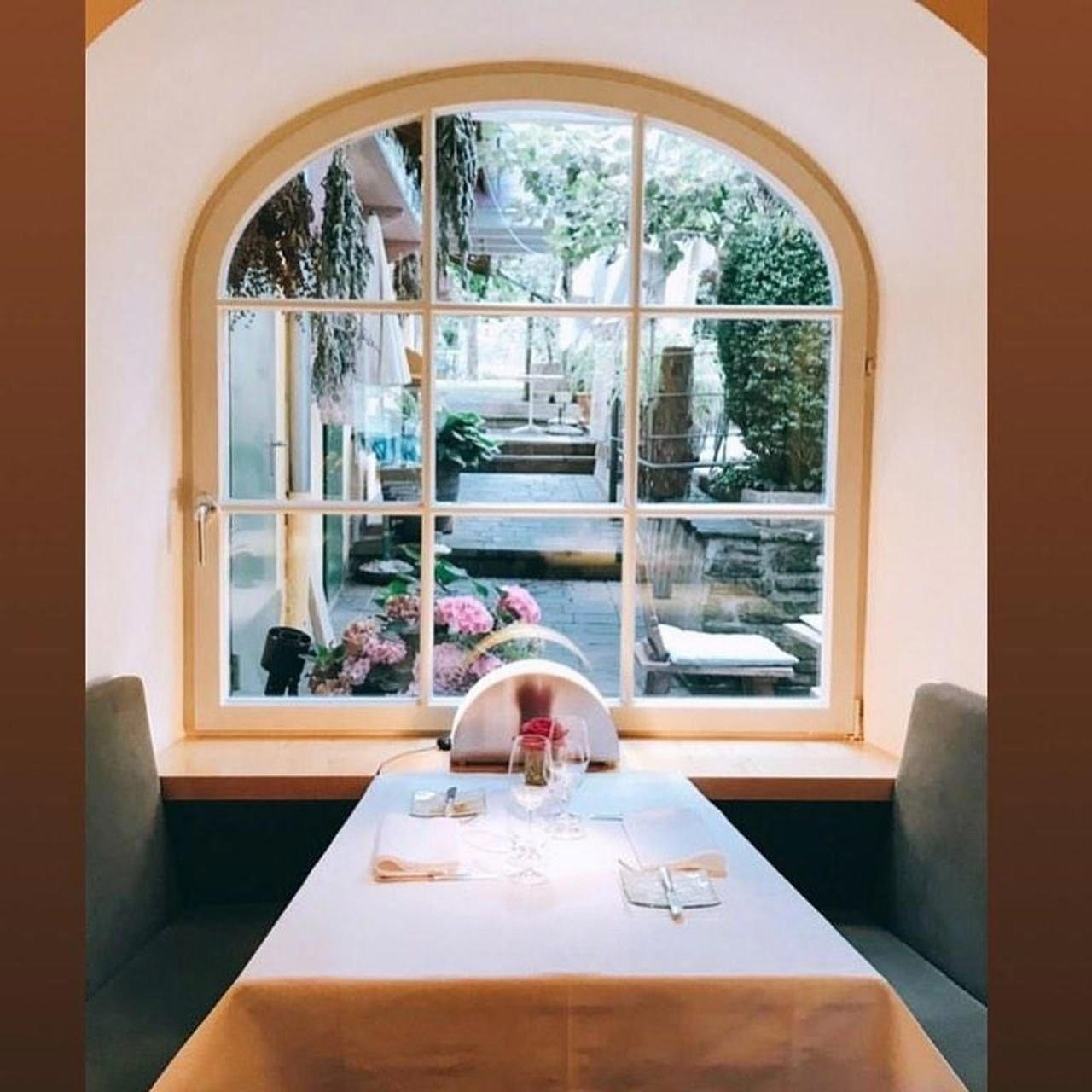
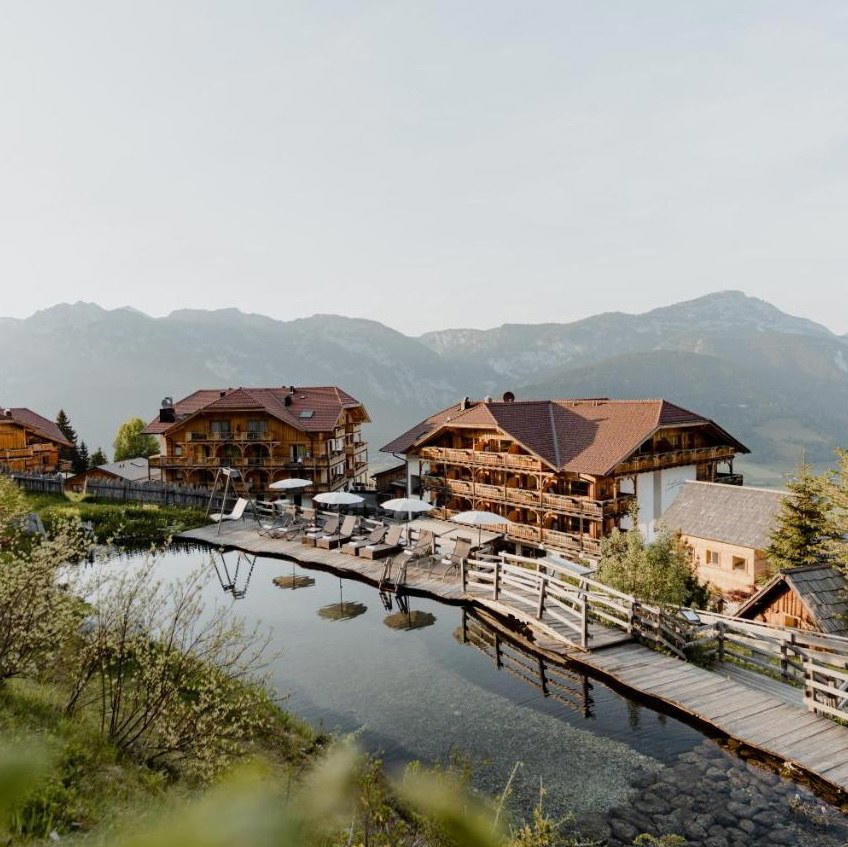
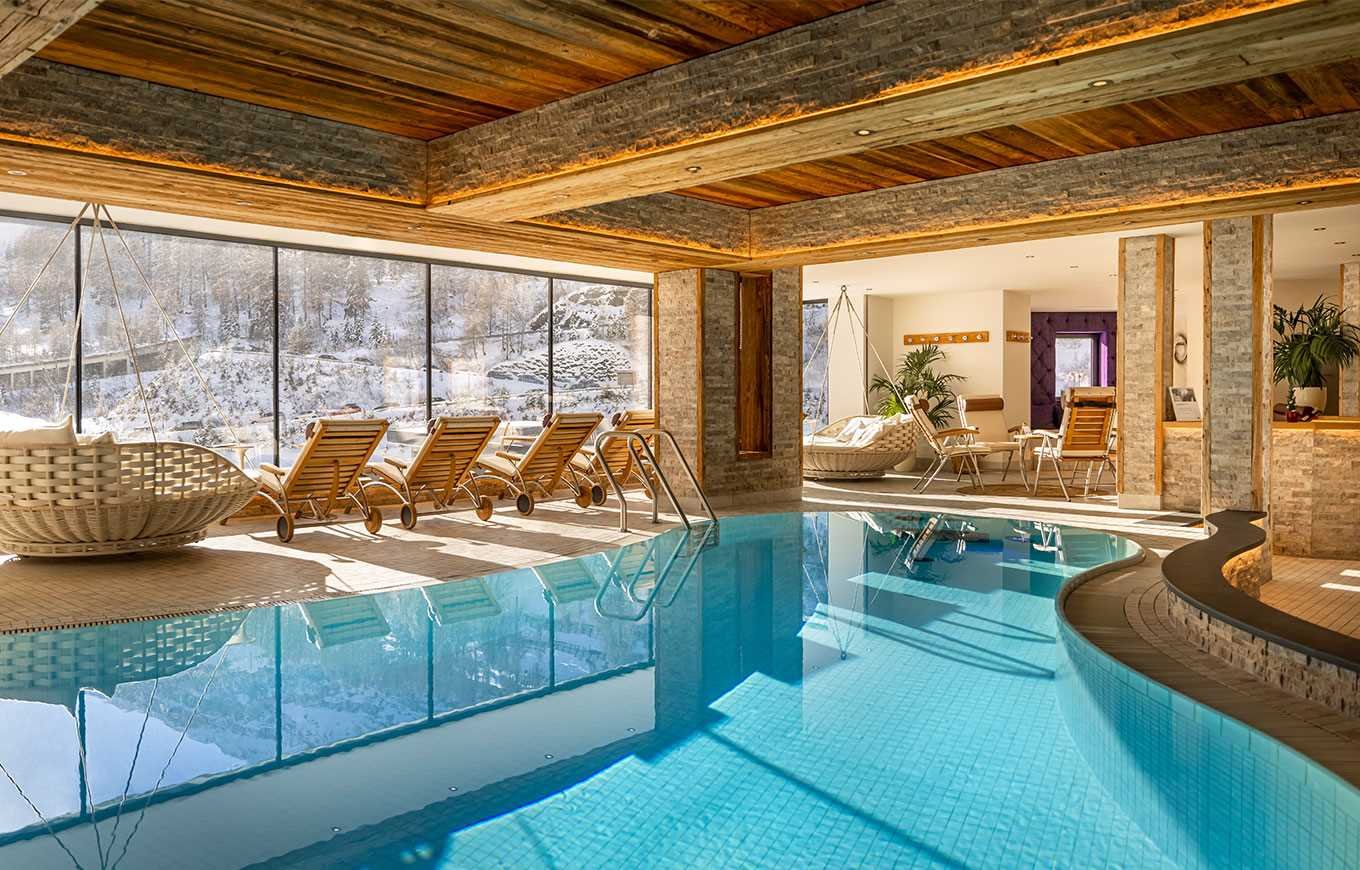
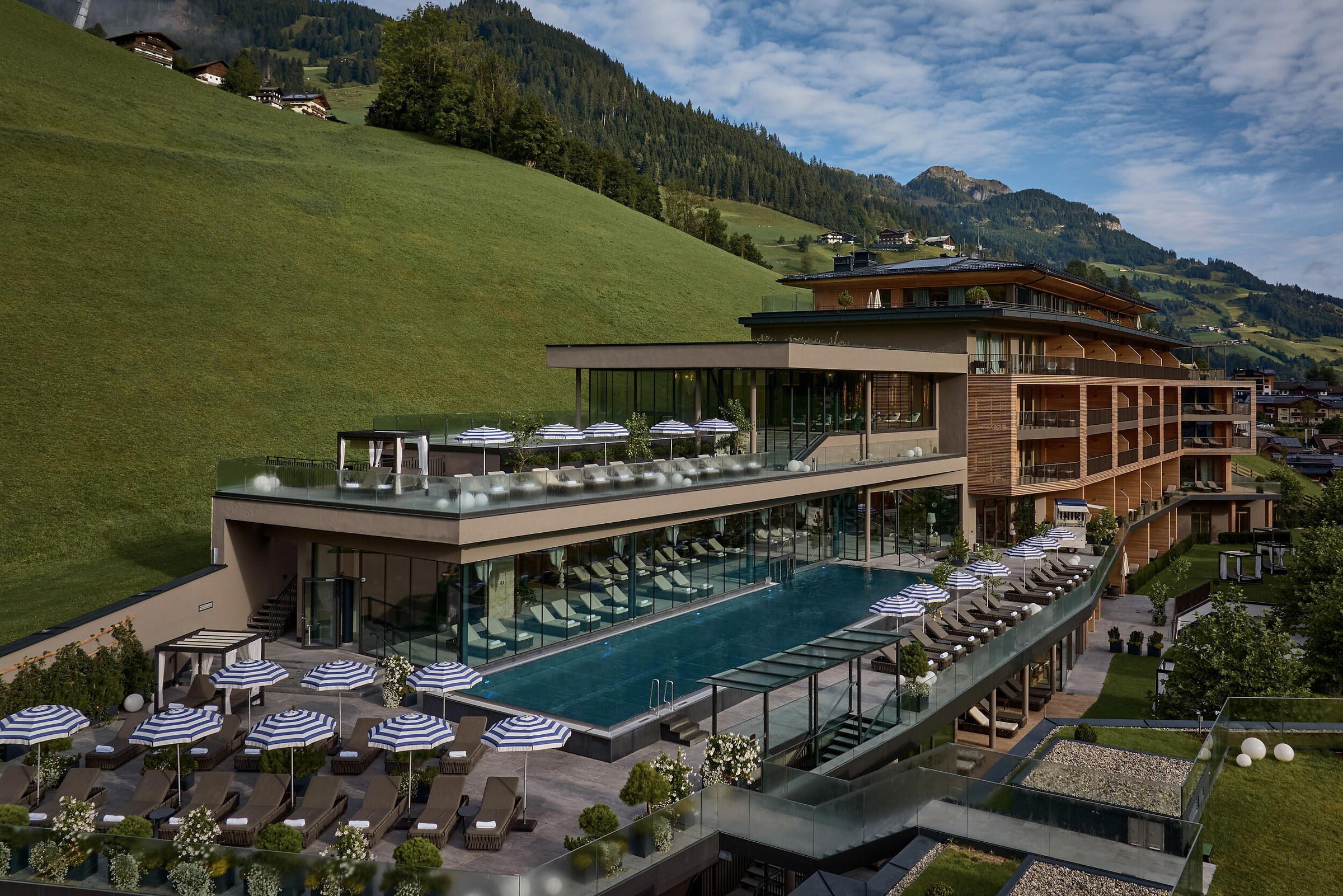
Warm, welcoming alpine atmosphere with panoramic mountain views from balconies; traditional Austrian lodge setting with natural wood furnishings and cozy interiors.