Brandalm
Our verdict
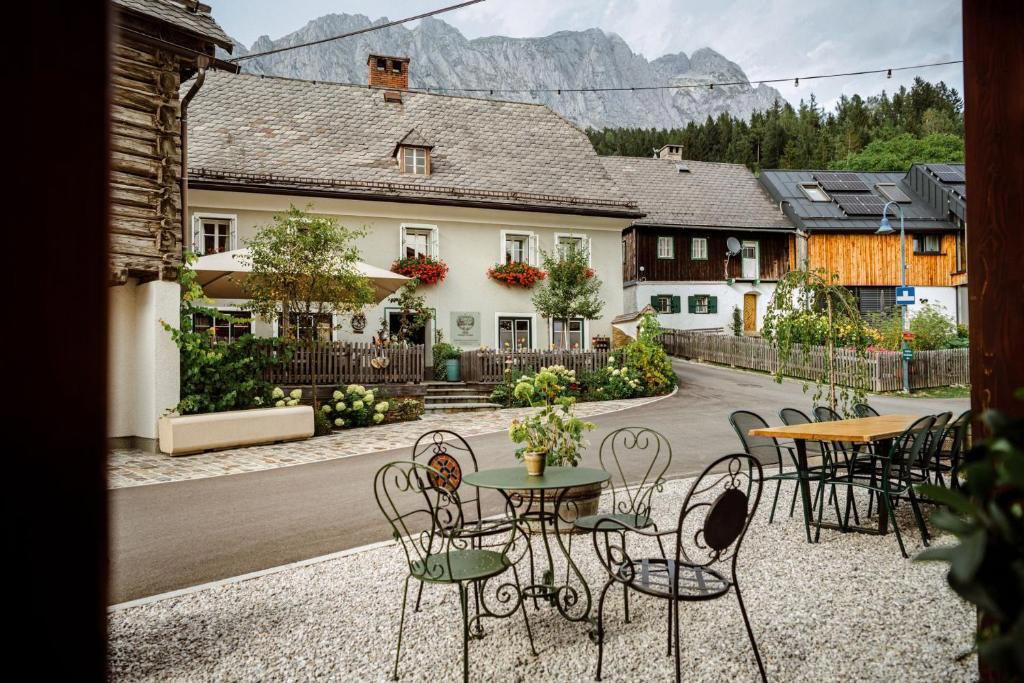
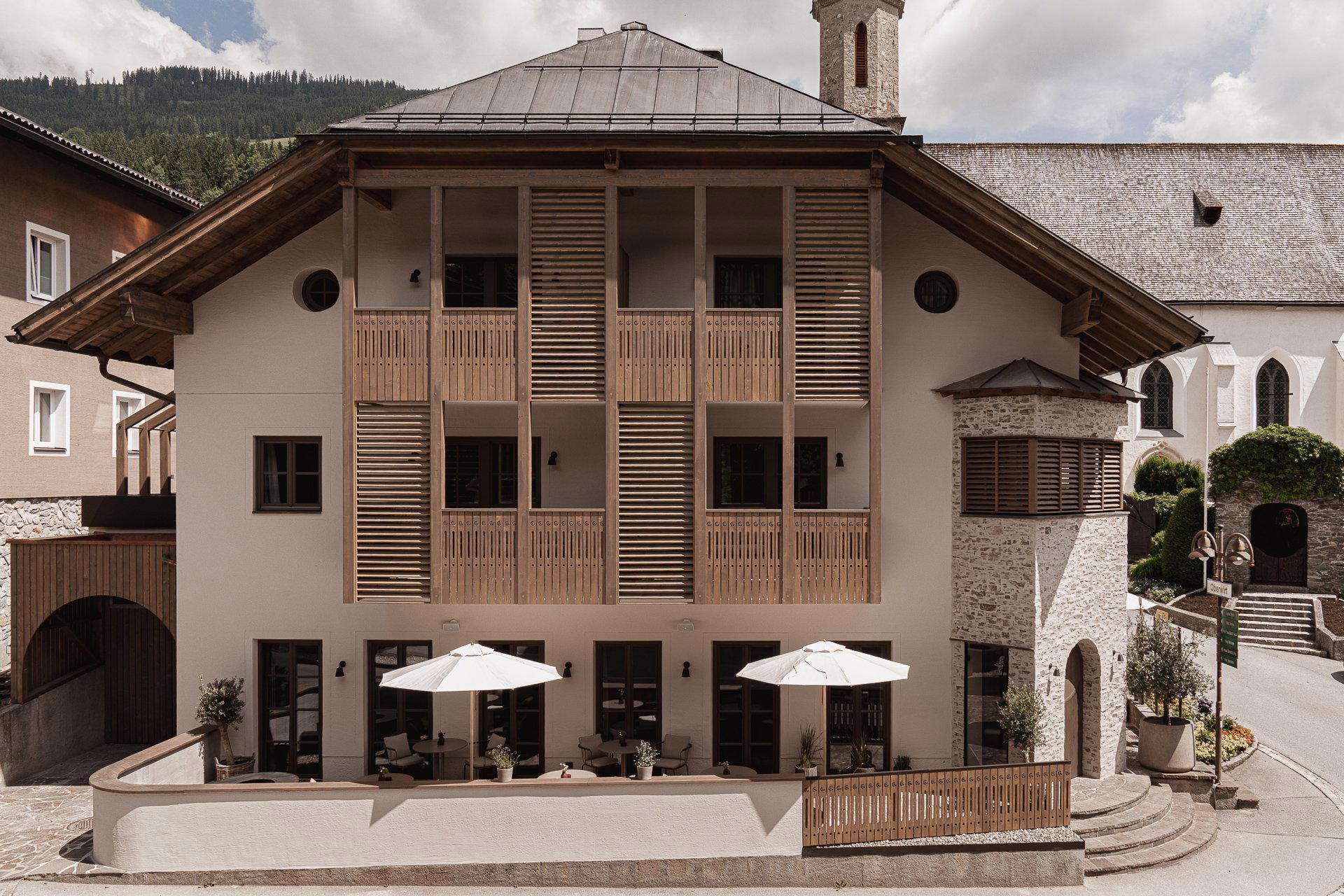
Brandalm serves Traditional Austrian Alpine cooking at Schildlehen 20, with Krapfen donuts, Gröstl, and Kaiserschmarrn on a terrace with mountain views for leisurely lunch or dinner.

Pearl is the En Primeur Club membership app, where members save venues, book tables and use the concierge.
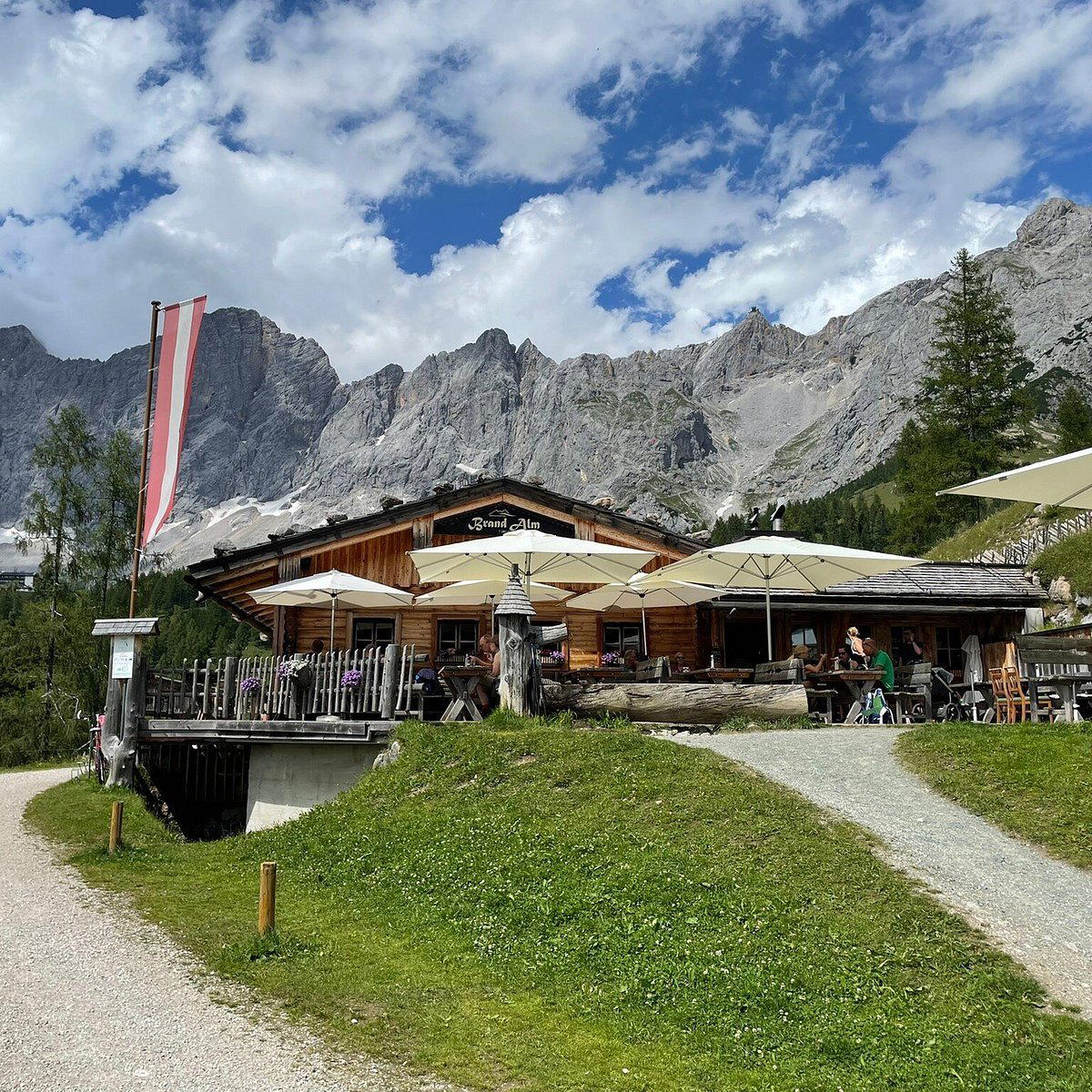
Alpine Dining at Altitude: The Alm Tradition in Ramsau Am Dachstein
The alpine pasture hut, or Alm, occupies a specific and enduring place in Austrian mountain culture. These structures began as seasonal shelters for farmers moving cattle to high grazing ground each summer, and over centuries they evolved into places where hikers, skiers, and locals pause for food and warmth. Brandalm, located at Schildlehen 20 in Ramsau Am Dachstein, sits within this tradition. The Dachstein massif provides the backdrop: a glaciated plateau that defines the southern boundary of the Ennstal valley and draws visitors across all four seasons, whether for ski touring in winter or high-altitude trails once the snow recedes.
Ramsau Am Dachstein is a dispersed municipality rather than a compact resort town. Its hamlets spread across a wide plateau at roughly 1,100 metres, with the Dachstein glacier rising further above. The dining scene reflects this geography: restaurants and huts are distributed across the landscape rather than concentrated in a single pedestrian zone, and the character of each tends to reflect its specific location and the crowd that passes through. For visitors comparing options across the area, our full Ramsau Am Dachstein restaurants guide maps the full spread of choices.
Menu Architecture: What the Structure Reveals
In the Austrian alpine hut category, menu architecture is itself a cultural document. The most traditional Alm kitchens organise their offerings around a small number of dishes with deep regional roots: Kasnocken (cheese dumplings), Bauernbrettl (farmhouse boards of cured meats and local cheese), Gulasch, and soup built on slow-cooked stock. What distinguishes serious Alm kitchens from those that have drifted toward convenience menus is the coherence between what is served and where the ingredients originate. In a region where dairy farming remains active, the cheese on a farmhouse board should have a traceable local provenance, not a supermarket supply chain.
The Alm format also implies a particular pacing. These are not venues structured around tasting menus or extended multi-course progression. The logic is restorative: food arrives to refuel hikers who have covered significant ground, or to anchor an afternoon for guests who have come specifically to sit in the mountain air. That restorative purpose shapes portion logic, pricing, and the absence of elaborate plating. At the regional level, the gap between a hut that executes this format with discipline and one that coasts on location alone is often visible in small details: the quality of the bread, whether the dairy products taste of the pasture, and how the kitchen handles the logistics of altitude cooking.
Brandalm's address places it within this wider Ramsau hut category. The venue sits alongside other local options including Lärchbodenalm and Knoll Lift-Stüberl, each occupying slightly different positions in terms of access and character. The broader village dining picture also includes more structured restaurant formats at places like Ennstalerhof, Gasthof Hunerkogel, and Guttenberghaus.
The Regional Context: Styrian Alpine Cooking
Ramsau Am Dachstein sits within Styria, a province with a distinct culinary identity that differs meaningfully from the Tyrolean or Salzburg traditions to the west. Styrian cooking leans on pumpkin seed oil, locally cured meats, strong dairy from upland farms, and wild herbs gathered from mountain meadows. At its most accomplished, this regional tradition produces food that is simultaneously simple and ingredient-specific, where the sourcing does most of the work and the kitchen's role is restraint rather than transformation.
At the top of the Austrian alpine dining register, this tradition finds expression in venues like Steirereck im Stadtpark in Vienna, which has long positioned itself around Austrian regional ingredients at a fine-dining scale. Further afield in the alpine corridor, Döllerer in Golling an der Salzach has built a reputation specifically around alpine-sourced cuisine. These venues define the upper tier of what Austrian mountain ingredient traditions can produce when applied with technical ambition. The Alm format sits at the opposite end of that spectrum in terms of complexity and price, but shares the same underlying sourcing logic at its finest. Other notable alpine dining rooms in the wider Austrian mountain region include Griggeler Stuba in Lech, Gourmetrestaurant Tannenhof in Sankt Anton am Arlberg, and Kräuterreich by Vitus Winkler in Sankt Veit im Pongau. Austria's wider fine dining scene is anchored by destinations such as Ikarus in Salzburg, Obauer in Werfen, Landhaus Bacher in Mautern an der Donau, Ois in Neufelden, and Restaurant 141 by Joachim Jaud in Mieming. Internationally, venues operating at a comparable level of ingredient-led discipline in very different registers include Le Bernardin in New York City and Atomix in New York City.
Approaching Brandalm: Practical Considerations
Ramsau Am Dachstein is accessible by road from Schladming, roughly eight kilometres to the north, or from Graz via the A9 motorway and the Ennstal route, a drive of approximately two hours. The municipality has no rail station; visitors arriving by train typically connect through Schladming, which sits on the Salzburg to Graz rail corridor. Within Ramsau itself, distances between hamlets mean a car or bicycle is practical for reaching venues outside the immediate centre. Alm venues like Brandalm may have seasonal operating windows tied to snow conditions and trail access, so confirming current opening periods before planning a visit is advisable. The summer hiking season runs broadly from June through October; winter ski touring and snowshoeing activity peaks from December through March.
Frequently asked questions
What's Brandalm's location?
Brandalm is located at Schildlehen 20, 8972, Austria, Ramsau Am Dachstein.
How do you reach Brandalm from Schladming or Graz?
Ramsau Am Dachstein lies approximately eight kilometres from Schladming, reachable by a single mountain road that climbs from the valley floor. From Graz, the route runs via the A9 motorway and the Ennstal corridor before turning toward Ramsau. Brandalm's address at Schildlehen 20 places it within the dispersed Ramsau plateau, so a vehicle or local knowledge of the access tracks is practical for most visitors.
What do people recommend at Brandalm?
Brandalm sits within the Austrian Alm tradition, where the kitchen typically centres on regional staples: Styrian soups, cured meats, Kaiserschmarrn, and hearty mountain plates built around local dairy and pork. Styrian cooking in particular draws on pumpkin seed oil, local beef, and foraged ingredients that distinguish it from Tyrolean or Salzburg-area huts. Without a current published menu, the safest approach is to visit expecting seasonal alpine fare aligned with what the Ramsau Am Dachstein area produces.
Is Brandalm reservation-only?
No reservation contact details are publicly listed for Brandalm at Schildlehen 20, Ramsau Am Dachstein. Traditional Alm huts in Austria operate on a walk-in basis during open seasons, though demand on high-traffic hiking days can stretch capacity. Arriving early in the day or outside peak summer and winter weekends reduces the risk of a wait.
What's Brandalm best at?
Brandalm belongs to the Alm category, where the value proposition is place as much as plate: an alpine setting above the Ennstal valley, cooking grounded in Styrian tradition, and the particular atmosphere of a working mountain hut rather than a resort restaurant. That combination of location at altitude and regional cooking identity is what distinguishes an Alm address from a valley dining room in Ramsau Am Dachstein.
Where the Accolades Land
| Venue | Cuisine | Price |
|---|---|---|
| BrandalmThis venue (the venue you are viewing) | Traditional Austrian Alpine | $20–30 |
| Waldschenke Ramsau | Traditional Austrian | $20–30 |
| Lärchbodenalm | Traditional Austrian Alpine | Not listed |
| Ennstalerhof | Modern Austrian Fine Dining | $50–100 |
| Gasthof Hunerkogel | Traditional Austrian | Not listed |
| Waldcafé Lifstüberl | Traditional Austrian Alpine | $20–30 |
Continue exploring
More in Ramsau Am Dachstein
Restaurants in Ramsau Am Dachstein
All restaurants in Ramsau Am Dachstein →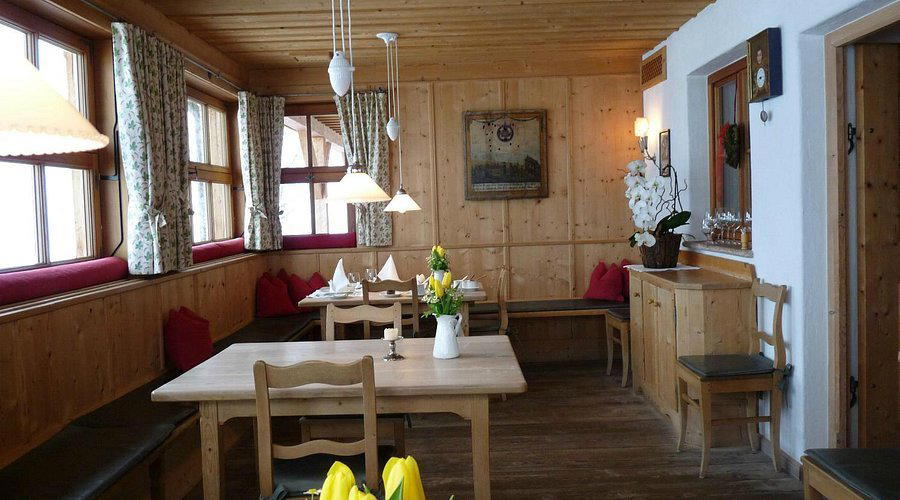
Bars in Ramsau Am Dachstein
Browse all →
Details
- Rustic
- Cozy
- Scenic
- Family
- Casual Hangout
- Terrace
- Panoramic View
- Local Sourcing
- Mountain
- A La Carte
Warm welcoming mountain hut atmosphere with ceramic stove inside and sun terrace overlooking far-reaching alpine scenery.