Lärchbodenalm
Our verdict
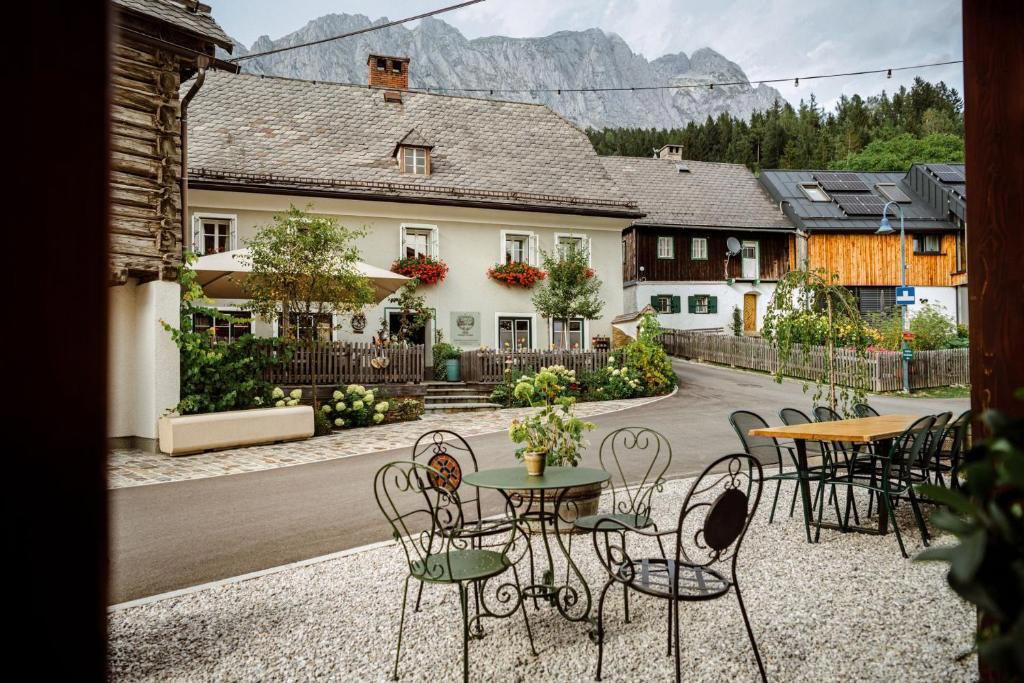
Lärchbodenalm serves Traditional Austrian Alpine cooking in a historic building with terrace seating, mountain views, and local sourcing; lunch and dinner suit a leisurely pace.

Pearl is the En Primeur Club membership app, where members save venues, book tables and use the concierge.
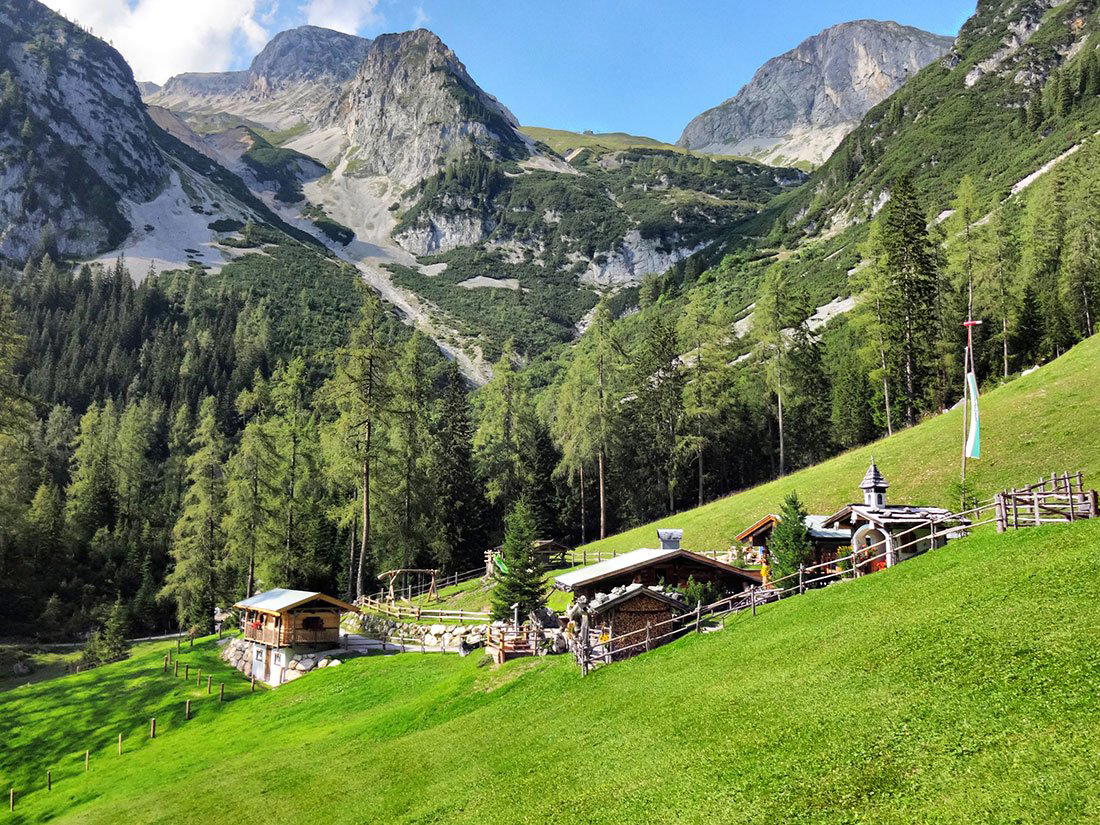
Alm Culture and the Dachstein Plateau
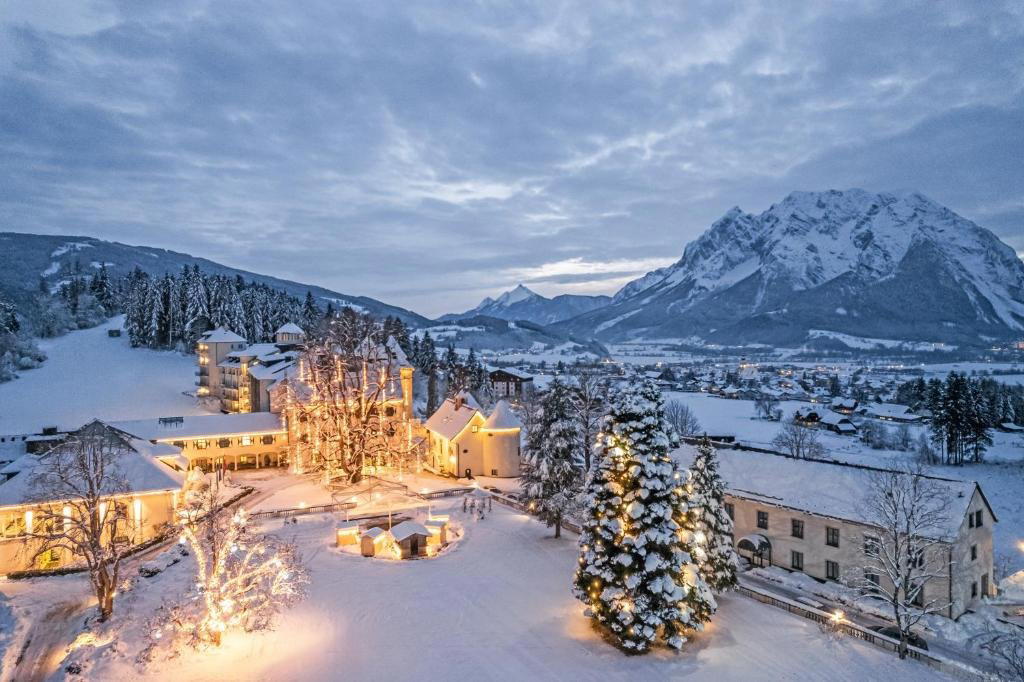
In the Styrian Alps, the alm tradition runs deeper than tourism. The seasonal mountain pasture hut, or Almhütte, predates modern alpine leisure by centuries, serving as a working waystation for herders moving cattle to high summer grazing. Ramsau am Dachstein sits at roughly 1,100 metres on the Dachstein plateau, and its cluster of working and semi-working alms represents one of the more coherent survivals of that tradition in the eastern Alps. Where western Austrian resorts like Lech or St. Anton have largely absorbed their mountain huts into the resort hospitality circuit, Ramsau has retained a quieter, more functional character. Lärchbodenalm, addressed at Ramsau 32, sits within that tradition rather than apart from it.
The physical approach to alpine huts in this area follows a consistent logic: you arrive on foot, by ski, or by snowshoe, and the building reads as shelter before it reads as restaurant. Timber construction, low eaves, the smell of woodsmoke and resinous pine. These are not design choices in the contemporary hospitality sense. They are the inherited architecture of utility, and they carry more atmosphere per square metre than most purpose-built dining rooms can manufacture.
Where Lärchbodenalm Sits in the Ramsau Dining Scene
Ramsau am Dachstein does not compete on the same axis as Austria's destination dining circuit. The Alpine fine dining corridor runs from Steirereck im Stadtpark in Vienna through Döllerer in Golling an der Salzach and into the Salzburg region at Ikarus in Salzburg and Obauer in Werfen, extending west to Gourmetrestaurant Tannenhof in Sankt Anton am Arlberg and Griggeler Stuba in Lech. Ramsau operates in a different register entirely: small, local, altitude-dependent, and shaped by the rhythms of the Dachstein ski area and the surrounding cross-country network rather than by Michelin geography.
Within that local register, the dining options distribute between village gasthofs and mountain huts. Ennstalerhof and Gasthof Hunerkogel anchor the valley floor, while Brandalm, Guttenberghaus, and Knoll Lift-Stüberl serve the mountain-access tier. Lärchbodenalm occupies the same mountain-access category, positioned for guests arriving under their own power rather than through resort infrastructure. The competition at this level is less about kitchen ambition and more about reliability, warmth, and the quality of what a kitchen can produce from a limited cold-chain supply at altitude.
What Alm Kitchens Actually Cook
The culinary logic of an alpine hut kitchen in Styria is dictated by altitude, storage, and season. Hearty broth-based soups, gröstl (the pan-fried potato and meat dish that defines Styrian mountain cooking), Kaiserschmarrn for pudding, and Gulasch in some form are the baseline across the category. These are dishes engineered for caloric replacement after cold-weather exertion, and they are consistent across alm dining from the Dachstein to the Gesäuse. The regional inflection in this part of Styria tends toward a slightly richer, pork-forward tradition compared to the lighter dairy emphasis found further west in Vorarlberg or Tyrol.
Styrian cuisine more broadly carries the influence of its agricultural identity: pumpkin seed oil, Vulcano ham, locally raised beef, and dairy from short-supply chains. At altitude, that supply chain compresses further, and what reaches the kitchen is narrower but often of high provenance by default. The leading alm meals in this region are not ambitious; they are honest and filling, and the setting does most of the contextual work. Platforms like Kräuterreich by Vitus Winkler in Sankt Veit im Pongau or Landhaus Bacher in Mautern an der Donau demonstrate what Austrian regional cooking looks like when it is given fine dining resources and ambition. Alm cooking exists at the other end of that spectrum and makes no apology for it.
Approaching a Visit
Access to Lärchbodenalm follows the physical logic of the plateau. In winter, the hut is reachable on ski or snowshoe from the Dachstein ski area; in summer, the approach is a walking trail from the valley. The address at Ramsau 32 places it within the Ramsau commune, and the area's cross-country skiing network, one of the more developed in Austria with over 200 kilometres of groomed track, means the hut sits inside a well-used recreational corridor rather than at the end of a demanding backcountry route.
No booking data is publicly available for Lärchbodenalm, and the hut operates on alm-standard seasonality rather than year-round restaurant hours. Visitors should confirm current opening through local tourist board information or by arriving during the active ski season, typically December through March on the plateau, and the summer hiking season from June through September. Demand at well-positioned alms on the Dachstein tends to peak at midday, when ski and trail traffic converges. Arriving before noon or after 13:30 on clear weather days gives a better chance of seating without a wait.
For context on the broader Ramsau dining picture, our full Ramsau Am Dachstein restaurants guide covers the range from valley floor gasthofs to mountain access huts, with practical detail on seasonal availability across the category.
Those travelling from further afield and comparing Austrian alpine dining to international reference points will find that the alm format shares almost nothing structurally with destination tasting-menu rooms like Le Bernardin in New York City or Atomix in New York City, or with Restaurant 141 by Joachim Jaud in Mieming in Tyrol, or Ois in Neufelden in Upper Austria. The comparison is not the point. What the alm format offers is a specific and durable kind of alpine encounter that the formal dining room cannot replicate, and Lärchbodenalm participates in that tradition as a working example of it.
Frequently asked questions
Where exactly is Lärchbodenalm?
Lärchbodenalm is located at Ramsau 32, 8972 Ramsau am Dachstein, Austria, Ramsau Am Dachstein.
How do you reach Lärchbodenalm in winter versus summer?
Lärchbodenalm at Ramsau 32 sits on the Dachstein plateau, and access follows the terrain. In winter, the hut is reachable on ski or snowshoe from the Dachstein ski area; in summer, it is accessible via the hiking trails that cross the plateau above Ramsau am Dachstein. The approach is part of the experience rather than an obstacle to it.
What should I eat at Lärchbodenalm?
Alm kitchens in the Styrian Alps are shaped by altitude, storage, and season. At a hut like Lärchbodenalm, that means hearty broth-based soups, gröstl (pan-fried potato and meat), and regionally rooted dishes built from what travels well to the plateau. The menu follows the logic of the mountain, not the restaurant.
Do I need a reservation for Lärchbodenalm?
Ramsau am Dachstein's alm huts see concentrated demand during peak ski season and summer hiking months, when foot traffic from the Dachstein area converges on a limited number of stops. Calling or enquiring ahead is advisable in those windows, though no booking contact is currently listed in public records for Lärchbodenalm. Plan for flexibility in timing if you're arriving on a busy weekend.
What has Lärchbodenalm built its reputation on?
Lärchbodenalm sits within the alm tradition of the Styrian Alps, a culture of seasonal mountain pasture huts that predates modern alpine tourism. Its standing in Ramsau am Dachstein rests on that tradition rather than on formal awards or fine dining credentials. In a region where the Alpine fine dining corridor runs elsewhere, the alm hut fills a different role: accessible, grounded, and tied to the plateau.
Can Lärchbodenalm handle vegetarian requests?
Styrian alm kitchens are built around meat-forward, calorie-dense dishes suited to cold-weather mountain activity. Vegetarian options exist within that tradition, notably egg-based preparations and potato dishes like Gröstl made without meat, though the depth of choice is narrower than in a dedicated vegetarian restaurant. Confirming options directly before visiting is sensible, particularly if dietary needs are specific.
Price and Recognition
A quick peer reference to anchor this venue in its category.
| Venue | Cuisine | Price |
|---|---|---|
| LärchbodenalmThis venue (the venue you are viewing) | Traditional Austrian Alpine | Not listed |
| Waldschenke Ramsau | Traditional Austrian | $20–30 |
| Ennstalerhof | Modern Austrian Fine Dining | $50–100 |
| Gasthof Hunerkogel | Traditional Austrian | Not listed |
| Waldcafé Lifstüberl | Traditional Austrian Alpine | $20–30 |
| Pehab | Modern Regional Austrian | Not listed |
Continue exploring
More in Ramsau Am Dachstein
Restaurants in Ramsau Am Dachstein
All restaurants in Ramsau Am Dachstein →
Bars in Ramsau Am Dachstein
Browse all →
Details
- Rustic
- Cozy
- Scenic
- Family
- Casual Hangout
- Terrace
- Historic Building
- Local Sourcing
- Mountain
- A La Carte
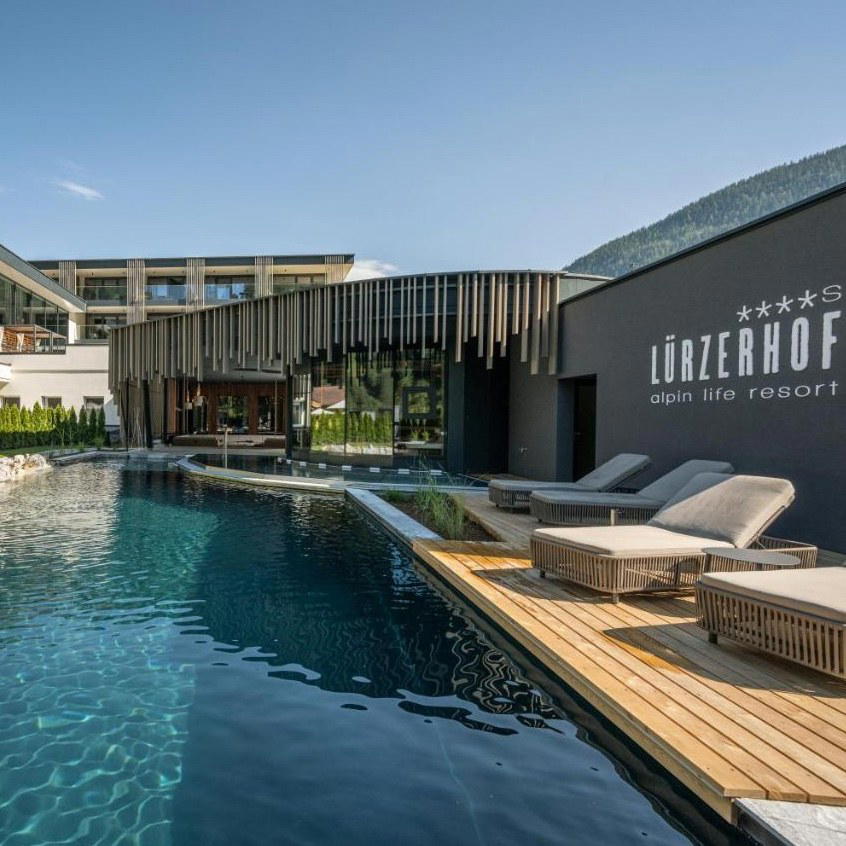
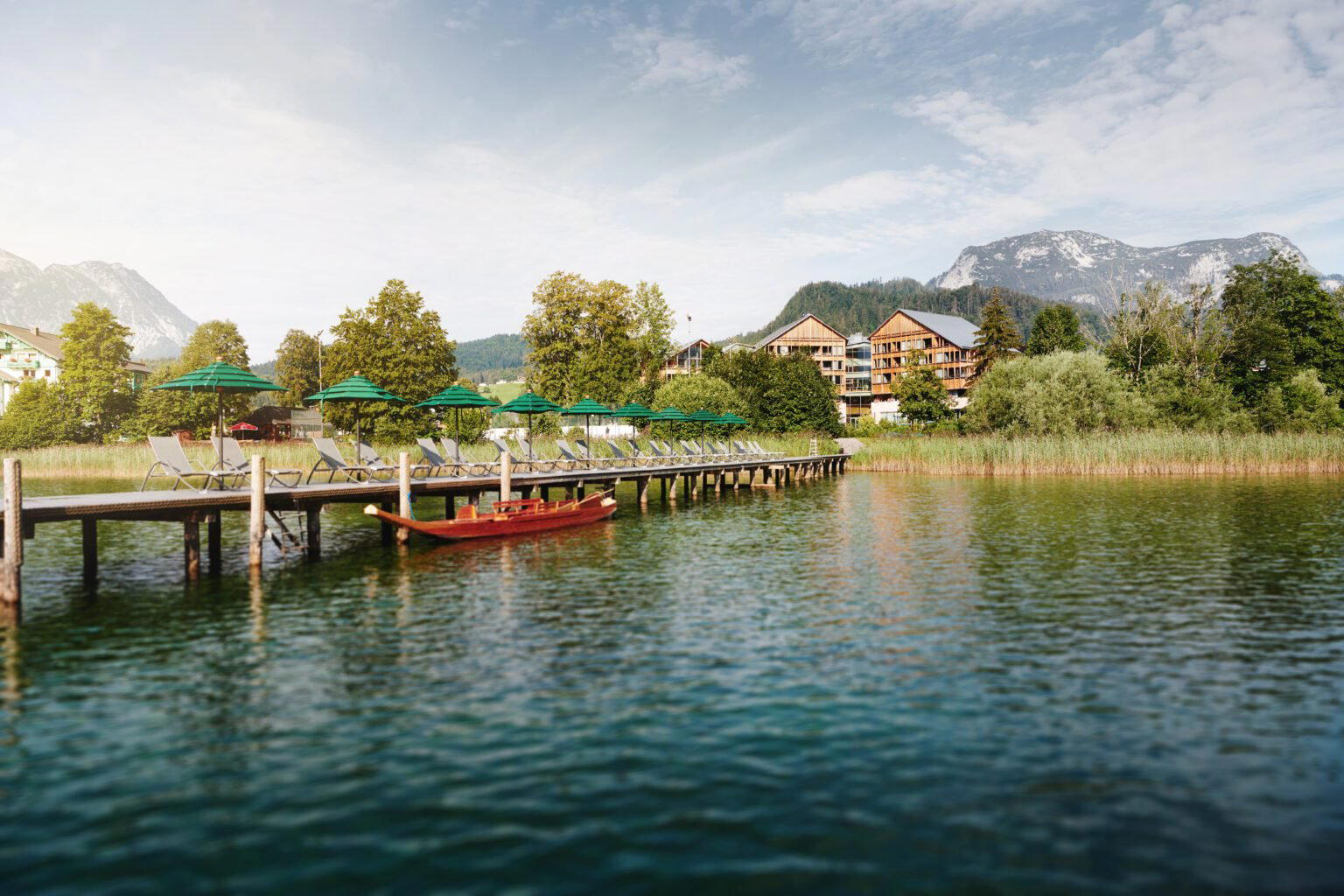
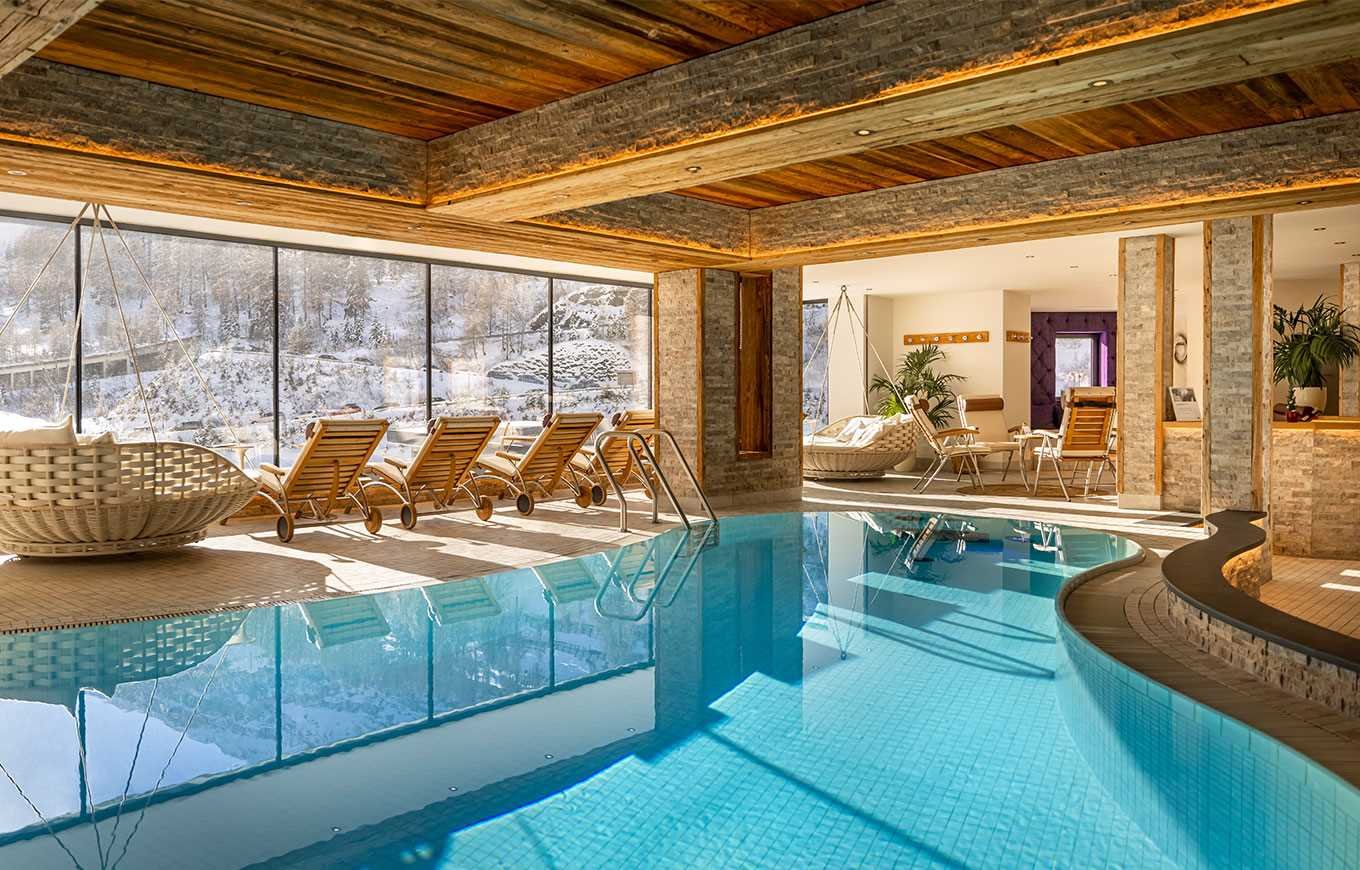
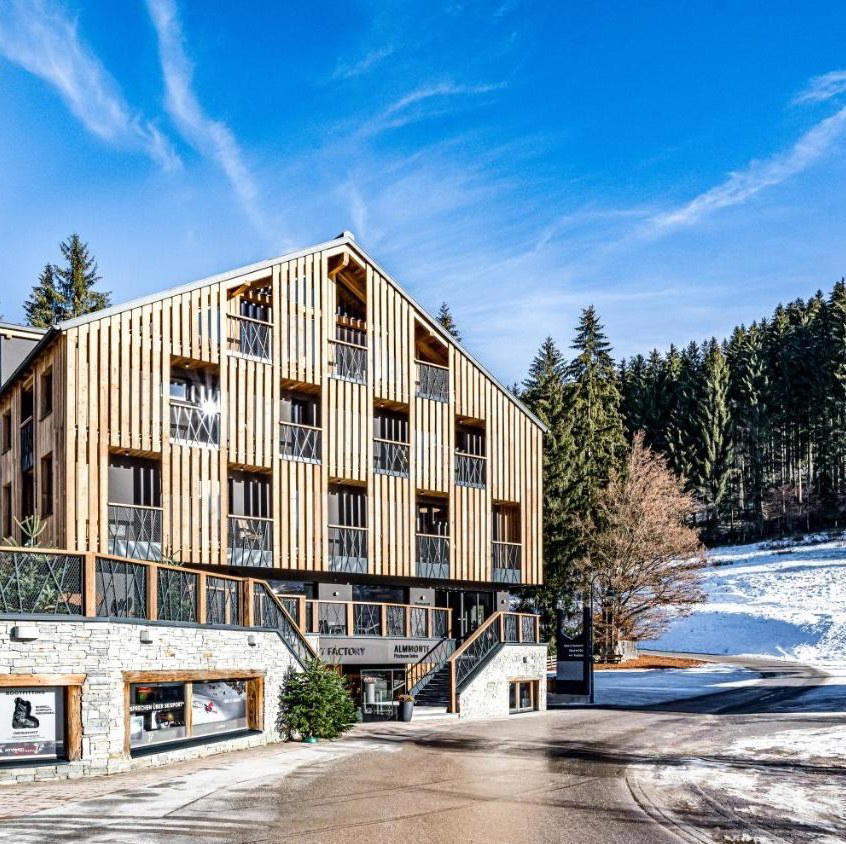
Cozy alpine atmosphere with peaceful ambiance, rustic charm, and beautiful natural surroundings.