Ritterhof zur Rose

Ritterhof zur Rose sits in the wine village of Burrweiler on Germany's Pfalz wine route, earning a White Star recognition from Star Wine List in December 2023 for the depth of its wine program. The address on Weinstraße places it at the heart of a region where Riesling and Spätburgunder have shaped dining culture for generations. For visitors tracing the southern Palatinate's food and wine corridor, it anchors a serious itinerary.
 Discover on Pearl
Pearl is the En Primeur Club membership app — saves, bookings, and concierge access live there. Same editors, same standards.
- Address
- Weinstraße 6a, 76835 Burrweiler, Germany
- Phone
- +49 6345 407328
- Website
- ritterhofzurrose.de
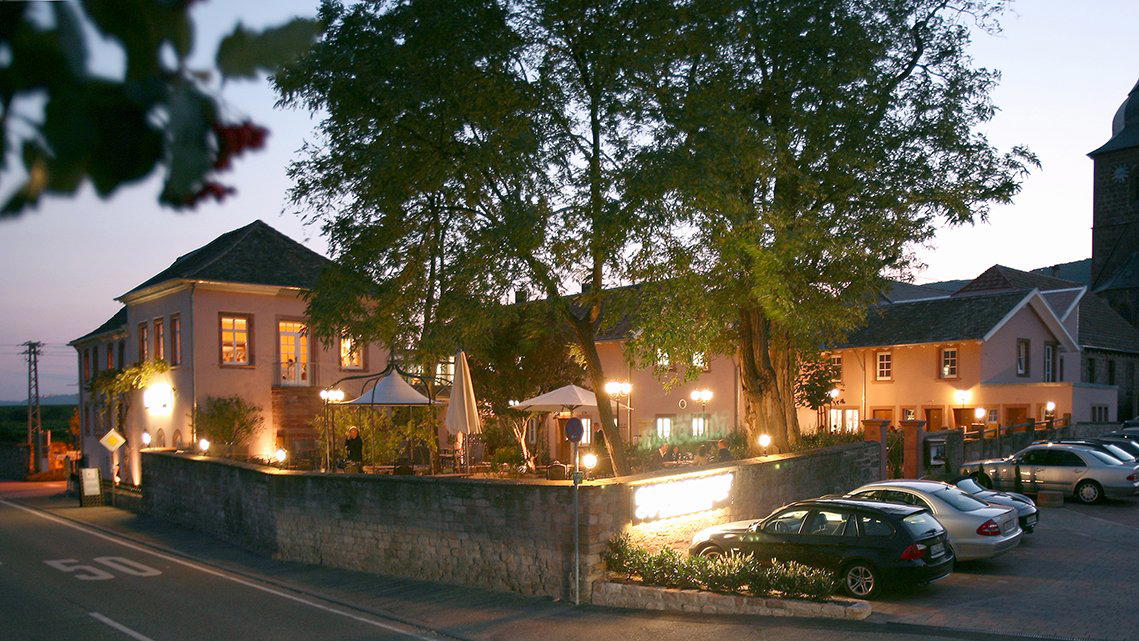
Burrweiler and the Southern Palatinate Table
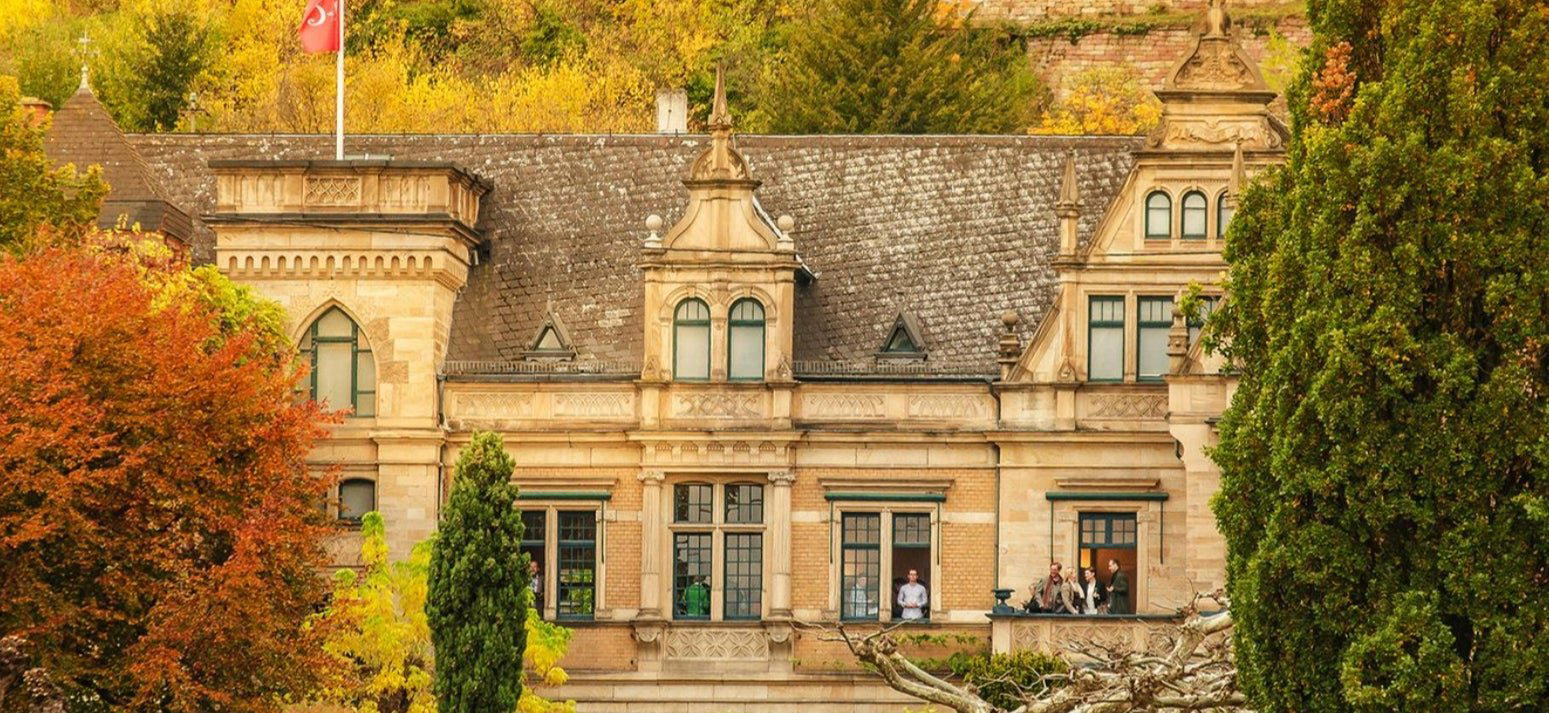
Approach Burrweiler from the B38 and the village arrives quietly, sandstone buildings set against the first vine-covered slopes of the Haardt foothills. This is the southern stretch of the Deutsche Weinstraße, where the Pfalz transitions from the broad Rhine plain into a warmer, more sheltered growing corridor. The villages along this section, Burrweiler among them, have long organised their civic and social life around the wine calendar: harvest, pressing, tasting, eating. Restaurants here do not perform rusticity for visitors; they inherit it from the agricultural fact of the place.
Ritterhof zur Rose sits at Weinstraße 6a, the address itself a coordinate on the wine route rather than an abstract street number. In this part of the Palatinate, the Weinstraße is not a metaphor but a working road through functioning wine estates, and a restaurant on it operates in a different register from a city dining room. The sourcing context is immediate and geographic: the vineyards are visible, the producers are neighbours, and the relationship between kitchen and land is structural rather than aspirational.
A Wine Recognition in Context
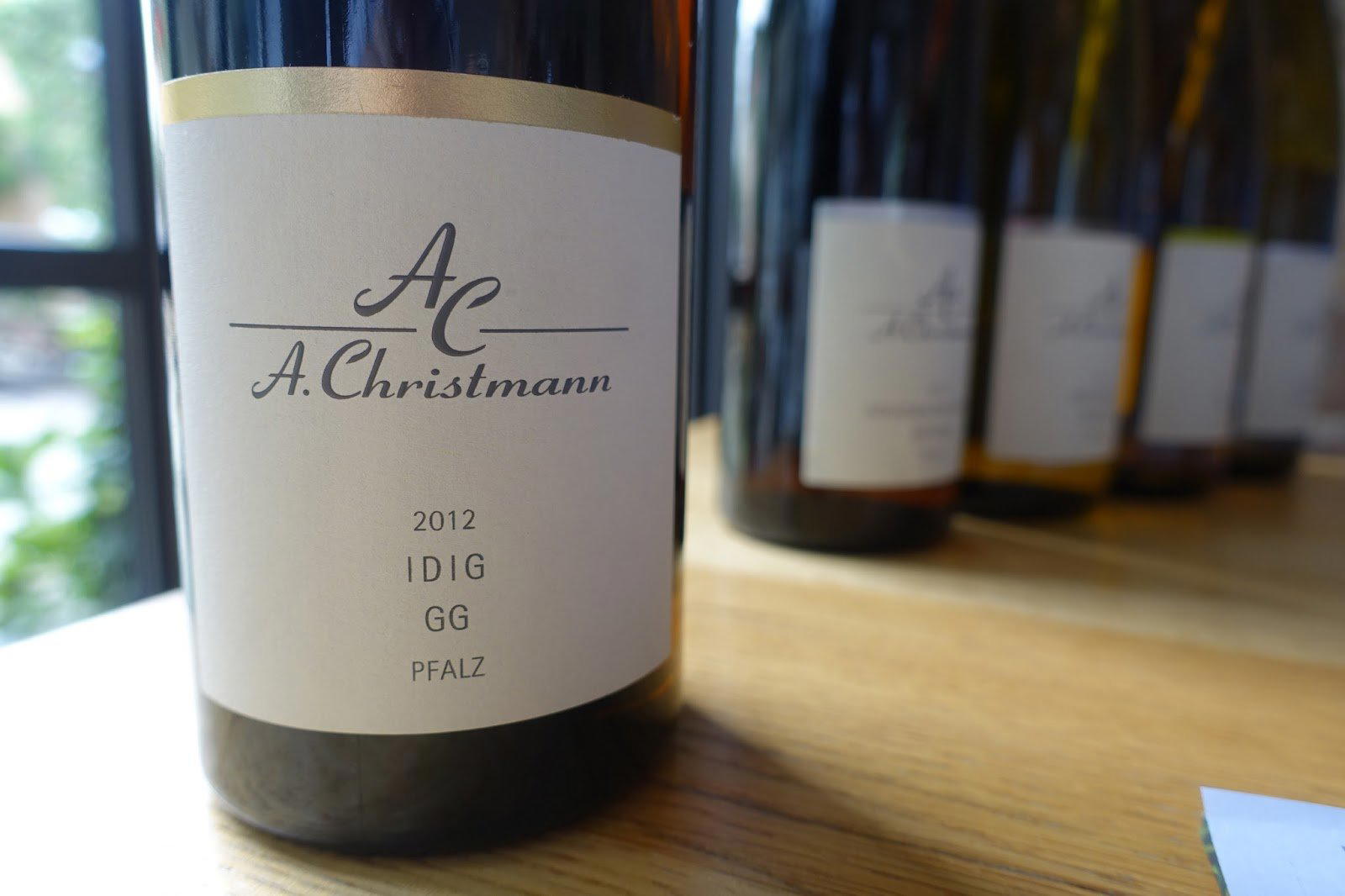
Star Wine List, the specialist wine media platform, published Ritterhof zur Rose in December 2023 and awarded it a White Star, the platform's recognition for restaurants with wine lists of notable quality and depth. That designation is worth placing in context: Star Wine List evaluates wine programs independently of food awards, so a White Star here speaks specifically to the cellar and the way wine is integrated into the dining offer, not simply to the food. In a region where producers of Riesling, Spätburgunder, and Dornfelder are scattered across a few dozen kilometres, a strong wine list is a statement of relationships as much as selection.
The Pfalz produces more wine by volume than any other German region, but its premium tier, particularly the Große Gewächs-level Rieslings and Spätburgunders from estates in the Südliche Weinstraße, trades on terroir differentiation and producer identity rather than volume. A restaurant that earns specialist wine recognition in this setting is necessarily working with that tier, not just offering the local house wine as a courtesy pour. For comparison, the broader German fine-dining circuit, which includes addresses like Schanz in Piesport and Waldhotel Sonnora in Dreis in the Mosel-Eifel corridor, has long used regional wine depth as a pillar of the overall dining proposition. Ritterhof zur Rose operates in that tradition, applied to the Palatinate's specific geography.
Sourcing and the Palatinate's Ingredient Corridor
The southern Palatinate is one of Germany's warmer agricultural zones, a consequence of the Haardt range blocking Atlantic moisture from the west and the Rhine plain retaining heat from the east. That microclimate means the region produces not only wine grapes but also stone fruits, chestnuts, asparagus, and winter vegetables at quality levels that give local kitchens a genuinely short supply chain. The Palatinate asparagus season, running roughly from late April through June, is a regional institution: white asparagus from Schwetzingen in the northern Pfalz and from estates further south is treated with a seriousness that mirrors the wine calendar in its cultural weight.
For a restaurant on the Weinstraße, ingredient sourcing from within this corridor is not an added-value claim but a baseline expectation shaped by what producers are nearby and what the local dining public recognises. Palatinate cooking at its most characterised draws on the regional larder: sow's stomach (Saumagen), game from the Pfälzerwald, mushrooms from the forest fringe, and wine-based preparations that reflect the abundance of the cellar. The wine recognition suggests a kitchen that takes seriously the relationship between food and what is poured alongside it.
Restaurants earning specialist wine credentials in wine-producing regions tend to share a few structural features: menus that are designed with pairing logic built in from the start, wine-by-the-glass programs that rotate with the seasons and the cellar, and a service approach that treats the wine list as the primary document rather than a secondary appendix. Those features, where present, shape the dining experience more than any single dish.
Placing Ritterhof zur Rose in the German Wine-Dining Circuit
Germany's serious restaurant scene spans a wide range of formats and price brackets. The headline addresses, from Aqua in Wolfsburg to Vendôme in Bergisch Gladbach and JAN in Munich, operate at a European fine-dining level with international reference points. Below that tier, and in many ways more interesting to the wine-focused traveller, is the layer of regional restaurants whose credibility derives from rootedness in a specific producing area. Schwarzwaldstube in Baiersbronn represents one version of that model in the Black Forest; the Palatinate wine route supports a different version, where the logic is less about forest foraging and more about vineyard proximity and cellar access.
Ritterhof zur Rose's White Star from Star Wine List positions it within a comparable set defined by wine seriousness rather than Michelin tier. That is a meaningful distinction. Some of the most rewarding dining experiences in wine regions happen at addresses that would not rank highly on a food-award basis but deliver something more specific: the chance to drink well and locally, in context, with food designed to support that. The southern Palatinate, running south from Neustadt an der Weinstraße through Burrweiler toward Bad Bergzabern, is undervisited relative to the Mosel and Rheingau corridors and offers that kind of experience in concentrated form.
For visitors planning a broader Rhineland-Palatinate itinerary, Bagatelle in Trier and Victor's Fine Dining by Christian Bau in Perl anchor the western end of the state's dining circuit. Restaurant Haerlin in Hamburg, CODA Dessert Dining in Berlin, and ES:SENZ in Grassau round out a broader German itinerary for those moving between cities. Internationally, the wine-pairing discipline seen at addresses like Le Bernardin in New York City or Emeril's in New Orleans offers a reference point for how seriously a kitchen can integrate wine into its structure when the list is built as a core element rather than an afterthought.
Planning a Visit
Burrweiler is accessible by car from Landau in der Pfalz, roughly 10 kilometres to the south, and from Neustadt an der Weinstraße to the north. The village is small, and Weinstraße 6a is a short distance from the village centre. Phone and booking information are not confirmed in current records; the most reliable approach is to contact the restaurant directly via local search or in person if passing through the region. The Star Wine List publication date of December 2023 makes this a recent recognition.
Side-by-Side Snapshot
Comparable venues nearby, for context on price, style, and recognition.
| Venue | Cuisine | Price | Awards | Notes |
|---|---|---|---|---|
| Ritterhof zur RoseThis venue — the venue you are viewing | Regional German Fine Dining | $$$ | 1 recognition | |
| Kesselhaus3 | Modern German Fine Dining | $$$ | , | Grünwinkel |
| Rotenberger Weingärtle | Modern Swabian | $$$ | , | Obertuerkheim |
| das krü | Modern German with International Influences | $$$ | , | Ludwigstraße, Darmstadt city center |
| Tischlein Deck Dich by Lilly | Modern Seasonal German Cuisine | $$$ | Michelin Plate | Siebeldingen |
| Vinothek im Weingut am Nil | Modern Weinaffine Tapas | $$$ | Michelin Plate | Kallstadt |
Continue exploring
More in Burrweiler
Restaurants in Burrweiler
Browse all →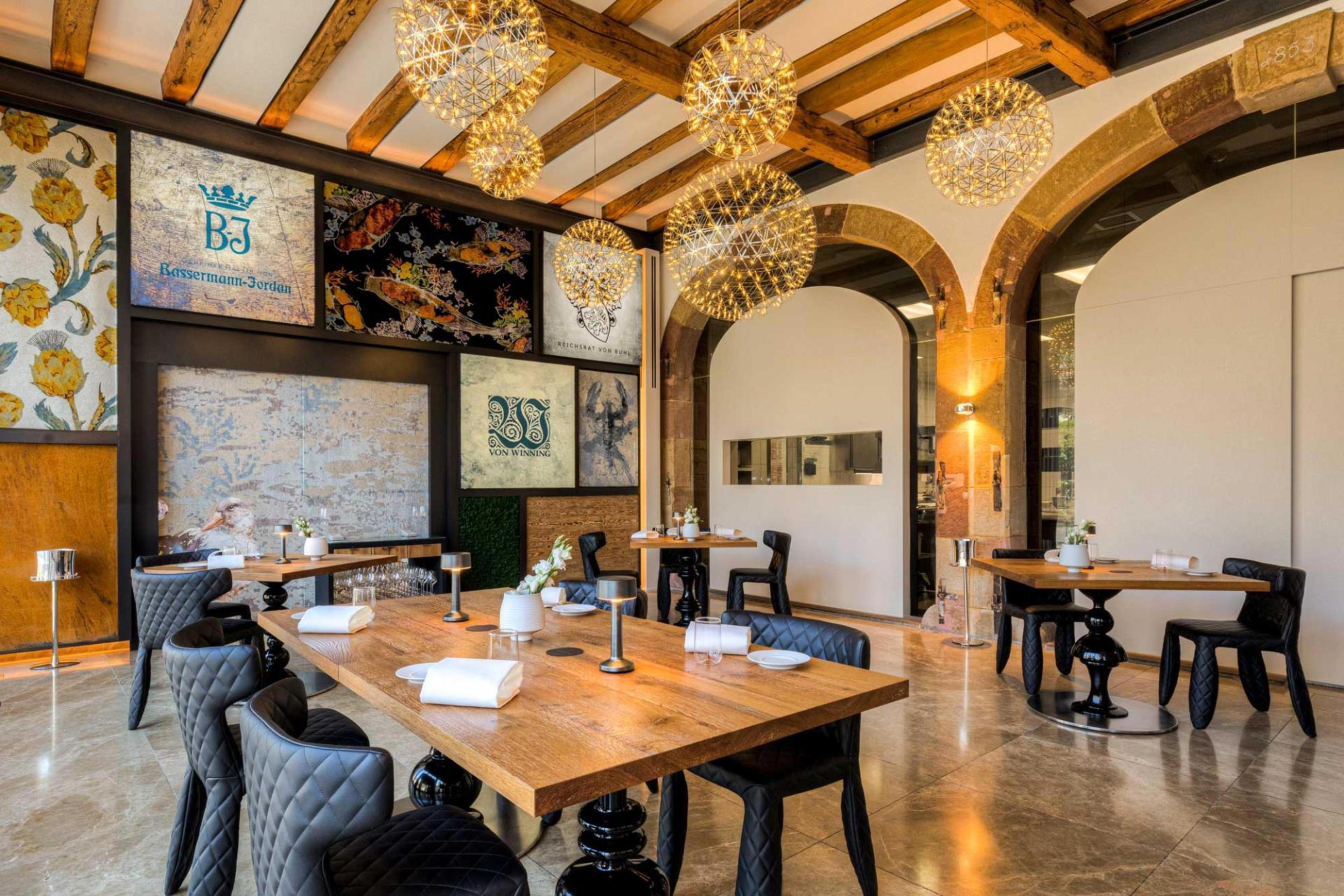
Hotels in Burrweiler
Browse all →
At a Glance
- Cozy
- Elegant
- Rustic
- Classic
- Intimate
- Date Night
- Special Occasion
- Historic Building
- Terrace
- Extensive Wine List
- Sommelier Led
- Local Sourcing
- Vineyard
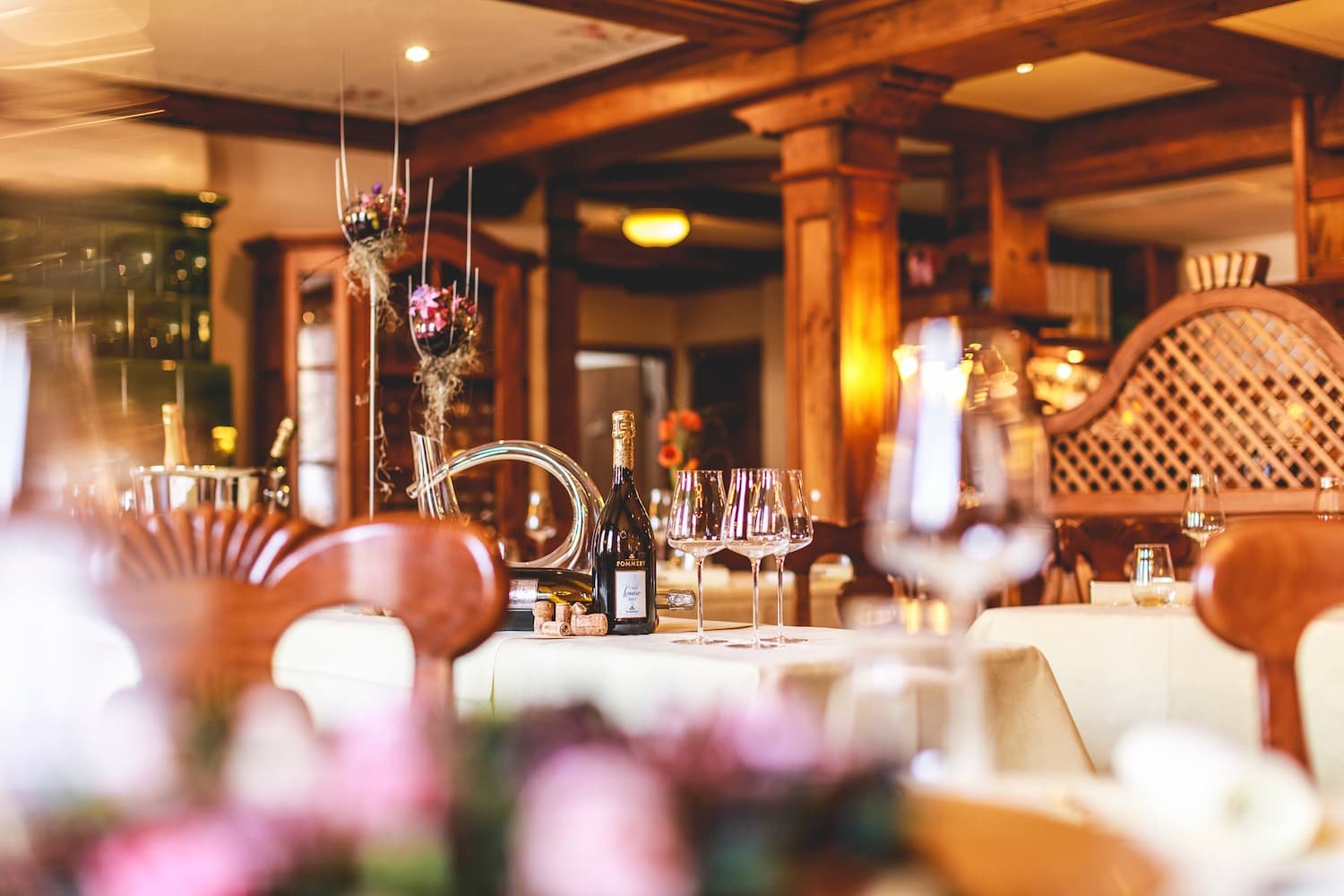
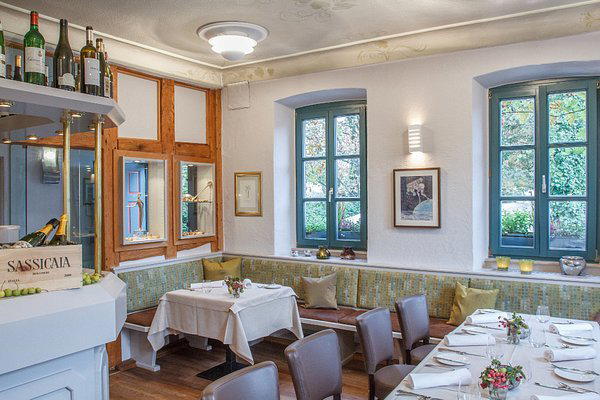
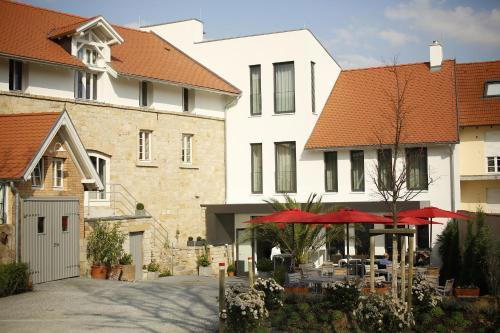
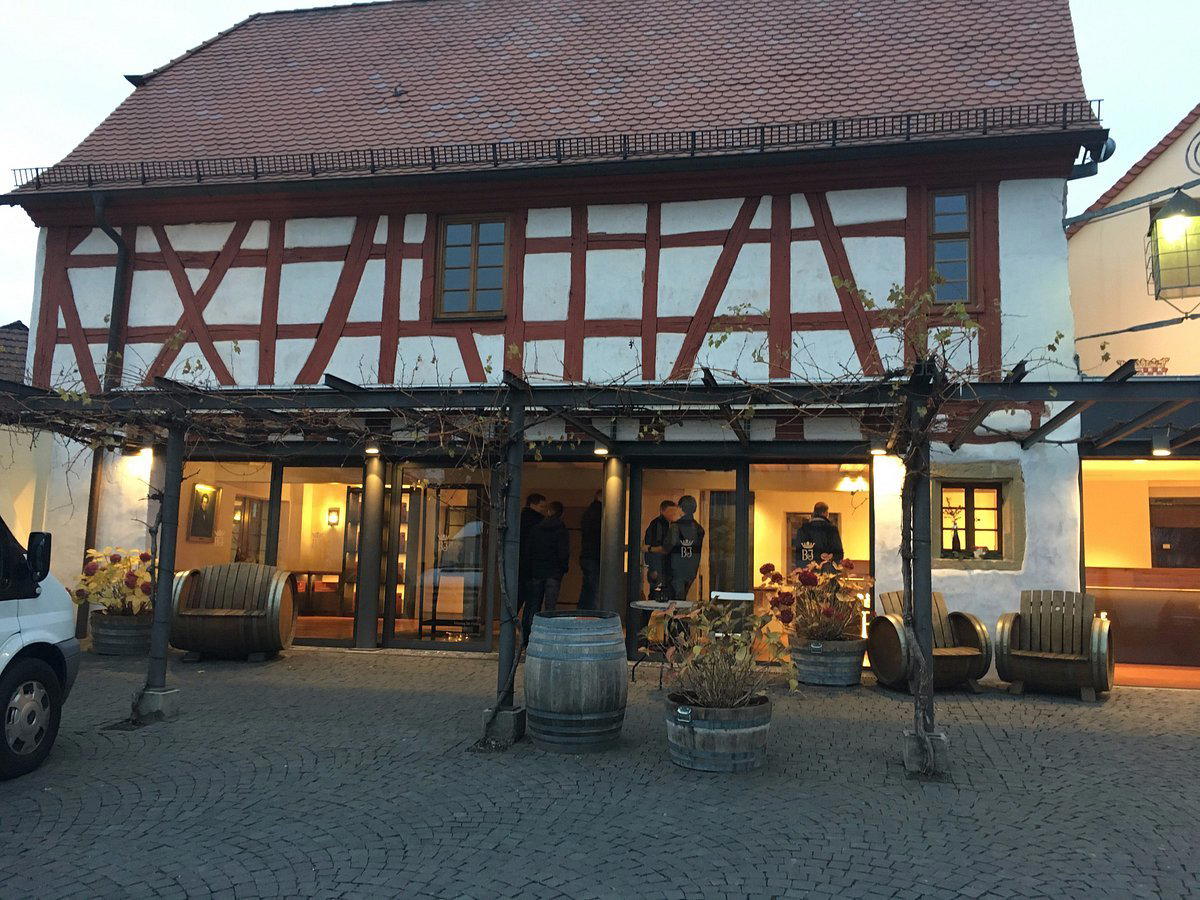
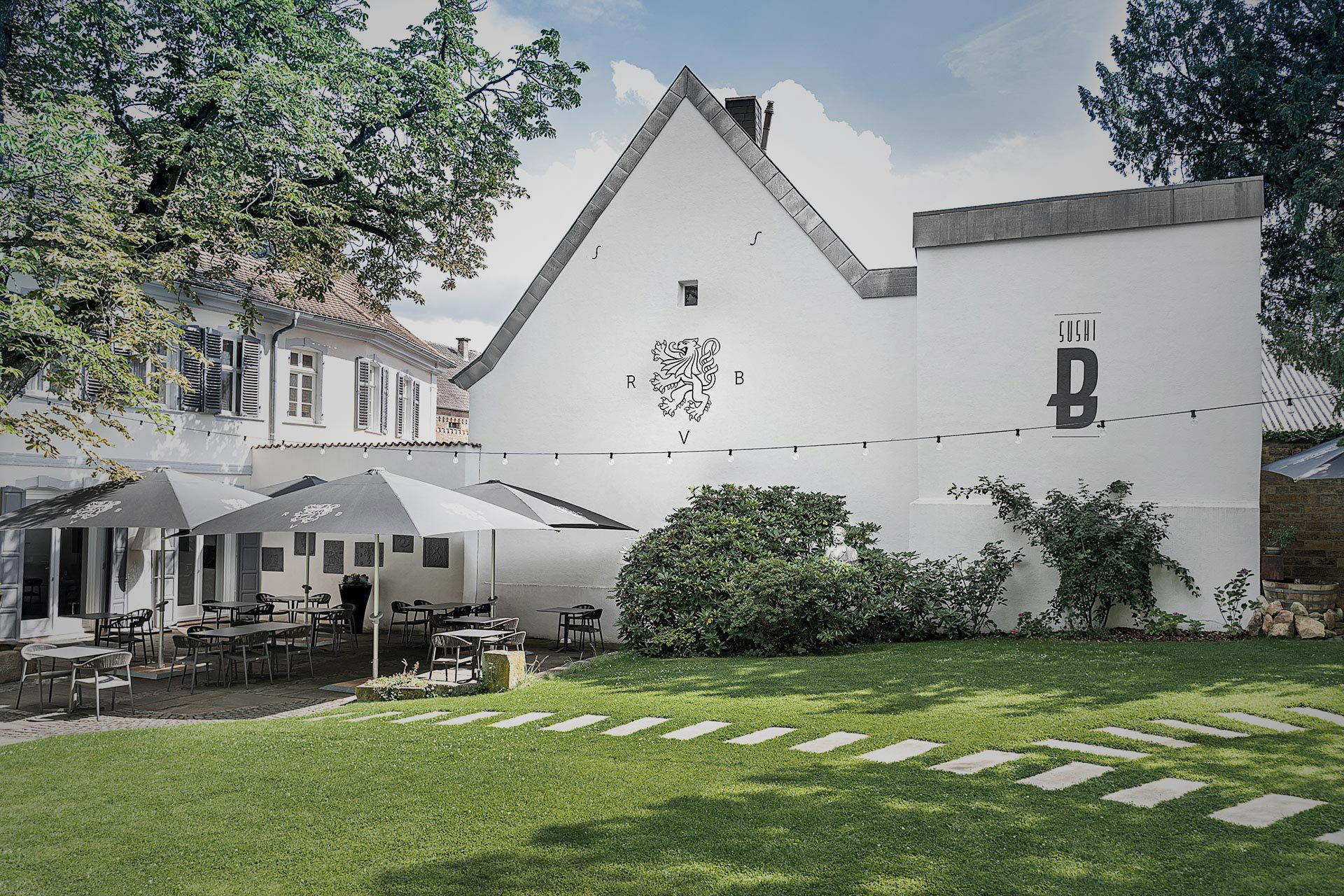
Restrained, rustic interior in the venerable Rosenstube with aesthetic Palatinate down-to-earthness, pleasant terrace atmosphere, and cozy historic charm.