Ristorante L'Aratro
In the trullo district of Alberobello, L'Aratro is where Pugliese cucina povera meets its own geography. The kitchen draws on the Valle d'Itria's deep larder of heritage grains, hand-pressed olive oils, and seasonal legumes, placing it firmly in the tradition of ingredient-led southern Italian cooking. For visitors to this UNESCO-listed town, it represents the honest end of the local dining spectrum.
Pearl is the En Primeur Club membership app — saves, bookings, and concierge access live there. Same editors, same standards.
- Address
- Via Monte S. Michele, 27, 70011 Alberobello BA, Italy
- Phone
- +39 080 432 2789
- Website
- ristorantearatro.it
- Directions
- Get directions
 Saves & bookings on Pearl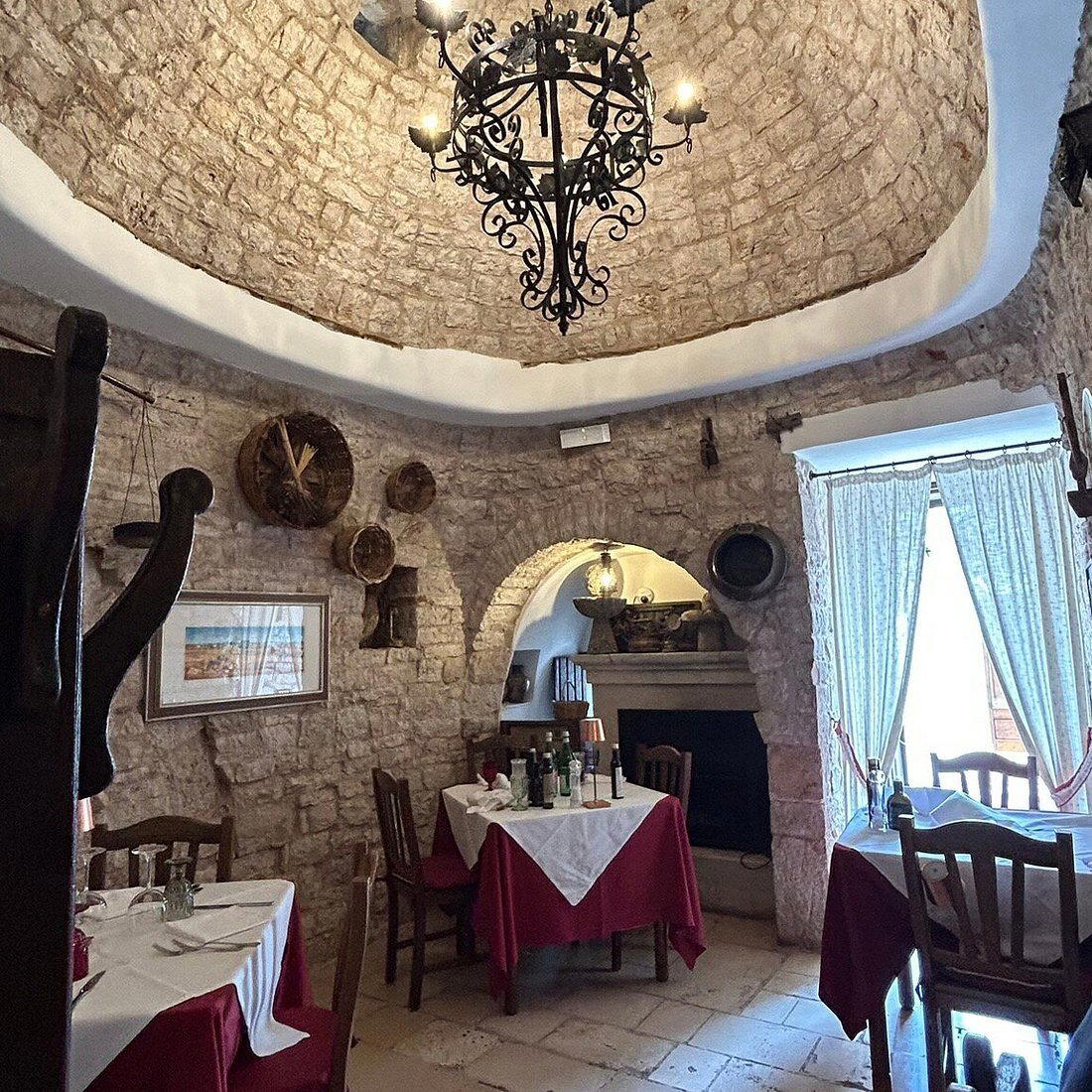
Stone Walls and a Southern Italian Larder
Alberobello's trulli quarter is among the more photographed corners of Italy, and the restaurants that occupy its limestone streets exist in a complicated relationship with that fame. L'Aratro, on Via Monte S. Michele, holds its ground in the latter category. The address places it within the densest part of the trullo zone, where conical rooftops and whitewashed walls set the physical context before you even consider the menu.
Puglia's culinary identity is built on scarcity made elegant: dishes that stretch dried fava beans, wild chicory, and durum wheat into something structurally coherent and deeply satisfying. This is not a region where the cooking is about luxury imports or technical novelty. The credibility of any Puglian kitchen depends largely on its relationship with its own soil, and in Alberobello that means the Valle d'Itria's rolling plateau, where olive groves, market gardens, and small producers define what arrives at the back door each morning.
Where the Ingredients Come From
Southern Italian cooking at this level is inseparable from the agricultural rhythms of the Murge and the Valle d'Itria. The region around Alberobello is not a monoculture; it produces ancient grain varieties, multiple cultivars of olives (Coratina and Ogliarola among them), fava beans that have been dried and split using the same methods for centuries, and a seasonal parade of wild greens that shift week by week from autumn through spring. A kitchen operating within this tradition does not need to reach far for its raw material; the challenge is restraint and execution, not sourcing novelty.
The classic Puglian dish that benchmarks any local restaurant is fave e cicoria: dried fava puree alongside bitter wild chicory, finished with good olive oil. It is a dish that exposes the quality of every component. The favas must be the right variety, properly soaked and cooked without shortcuts. The chicory should carry genuine bitterness, not the mildness of cultivated substitutes. The oil needs to be local and recent. In a town full of restaurants aiming at the median tourist appetite, getting these fundamentals right is the editorial point, not the decoration.
Orecchiette, Puglia's signature pasta shape, is another measuring stick. Hand-rolled rather than extruded, made from semolina di grano duro with enough resistance to hold whatever sauce accompanies it, it is the kind of preparation that separates kitchens committed to craft from those that source pasta elsewhere. The Valle d'Itria has a living tradition of pasta-makers, including the famous vicoletto vendors of nearby Bari, and that tradition provides context for judging what appears on the plate in Alberobello.
L'Aratro occupies the more grounded, cucina povera-rooted position within Alberobello's dining scene.
The Broader Italian Fine Dining Context
Italy's most decorated kitchens, from Osteria Francescana in Modena to Piazza Duomo in Alba and Le Calandre in Rubano, have built their reputations on a deep conversation with regional identity while operating at an internationally recognised technical level. Further south, restaurants like Reale in Castel di Sangro and Quattro Passi in Marina del Cantone demonstrate that southern Italian cooking can carry serious critical weight without abandoning its geographic roots. Uliassi in Senigallia and Dal Pescatore in Runate occupy different regional traditions but share the same principle: ingredient provenance is the foundation, not the footnote.
L'Aratro's culinary logic is part of the same continuum. Kitchens like Atelier Moessmer Norbert Niederkofler in Brunico, which has made alpine sourcing its entire editorial identity, or Enoteca Pinchiorri in Florence with its deeply Italian wine and food philosophy, illustrate that the commitment to regional specificity is Italy's most exportable culinary argument. At the trattoria level in Alberobello, that argument is made without ceremony. Ingredient discipline remains the backbone of credible cooking at any latitude.
Planning Your Visit
Alberobello is best reached by rail from Bari, roughly 70 kilometres to the northeast, via the Ferrovie del Sud Est regional line. The journey takes around 90 minutes, making a day trip viable, though an overnight stay in the town gives better access to evening dining. L'Aratro's address on Via Monte S. Michele places it in the heart of the trullo zone, walkable from the main tourist area but worth confirming current opening hours directly before arrival, as smaller southern Italian restaurants frequently adjust their schedules seasonally. The practical guidance is to arrive early in the evening service rather than late, when kitchens in towns of this size can run short on daily preparations. Booking ahead is sensible, particularly on weekends and during the high summer season from June through August.
Comparable Spots, Quickly
Comparable venues nearby, for context on price, style, and recognition.
| Venue | Cuisine | Price | Awards | Notes |
|---|---|---|---|---|
| Ristorante L'AratroThis venue — the venue you are viewing | Traditional Puglian Trattoria | $$ | Not listed | Not listed |
| Il Poeta Contadino | Modern Puglian Italian | $$$ | Not listed | Selva |
| Evo Ristorante | Modern Puglian Fine Dining | $$$ | Michelin Plate | Alberobello |
| Terra Madre | Farm-to-Table Apulian Trattoria | $$$ | Not listed | Piazza Sacramento |
| La Lopa | Traditional Lucanian Cuisine | $$ | Not listed | Sassi di Matera |
| Gelateria La Romana | Artisanal Italian Gelato | $$ | Not listed | Sallustiano |
Continue exploring
More in Alberobello
Restaurants in Alberobello
Browse all →
Bars in Alberobello
Browse all →
At a Glance
- Rustic
- Cozy
- Classic
- Family
- Special Occasion
- Historic Building
- Courtyard
- Farm To Table
- Local Sourcing
Current opening hours
- Monday
- 12–3 PM, 7:30–10 PM
- Tuesday
- 12–3 PM, 7:30–10 PM
- Wednesday
- 12–3 PM, 7:30–10 PM
- Thursday
- Closed
- Friday
- 12–3 PM, 7:30–10 PM
- Saturday
- 12–3 PM, 7:30–10 PM
- Sunday
- 12–3 PM, 7:30–10 PM
Hours can change for holidays and private events. Last verified .
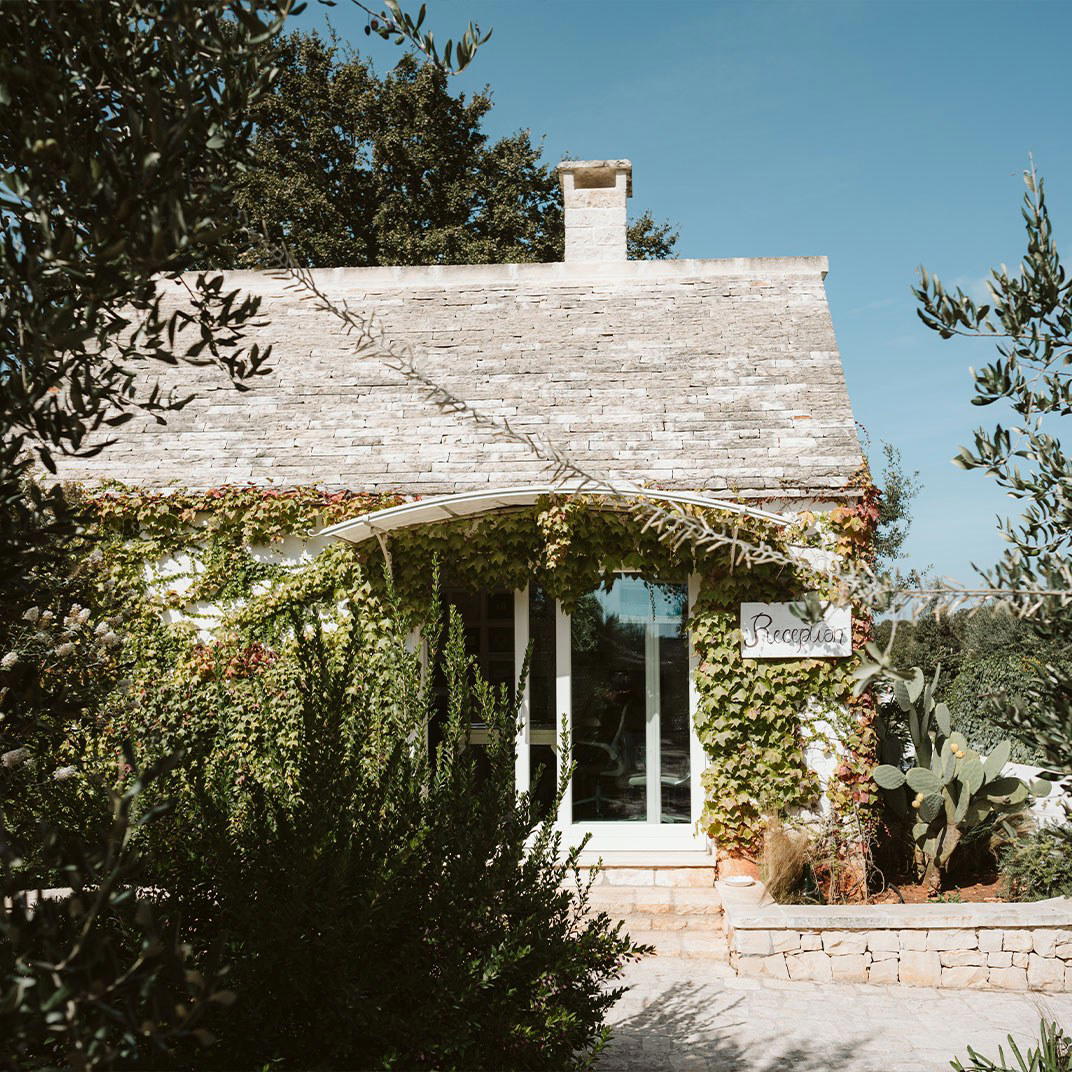
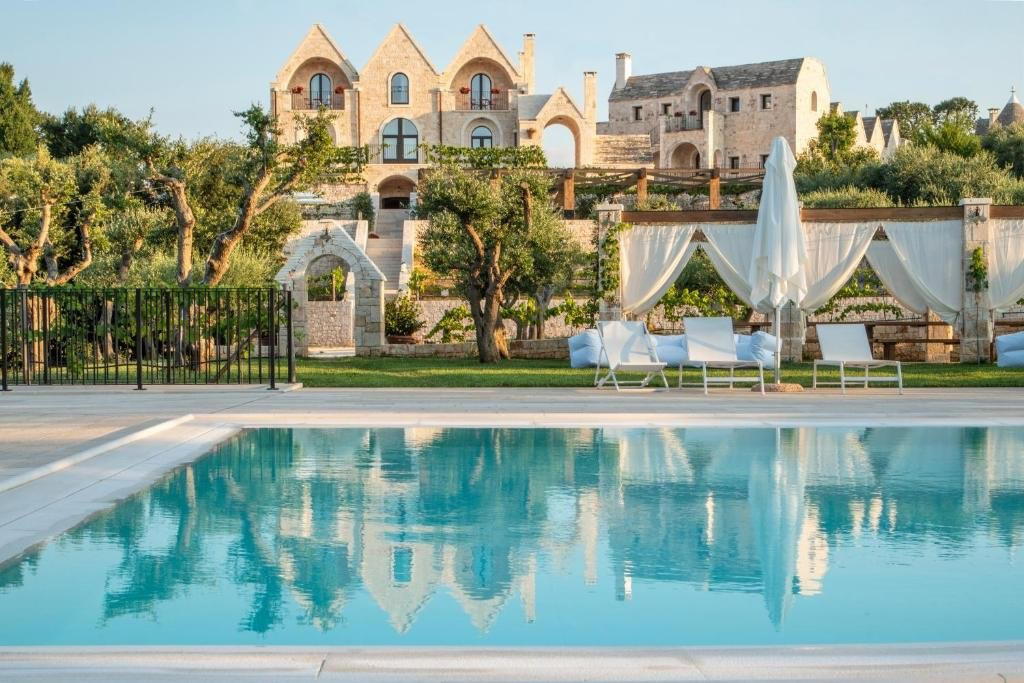
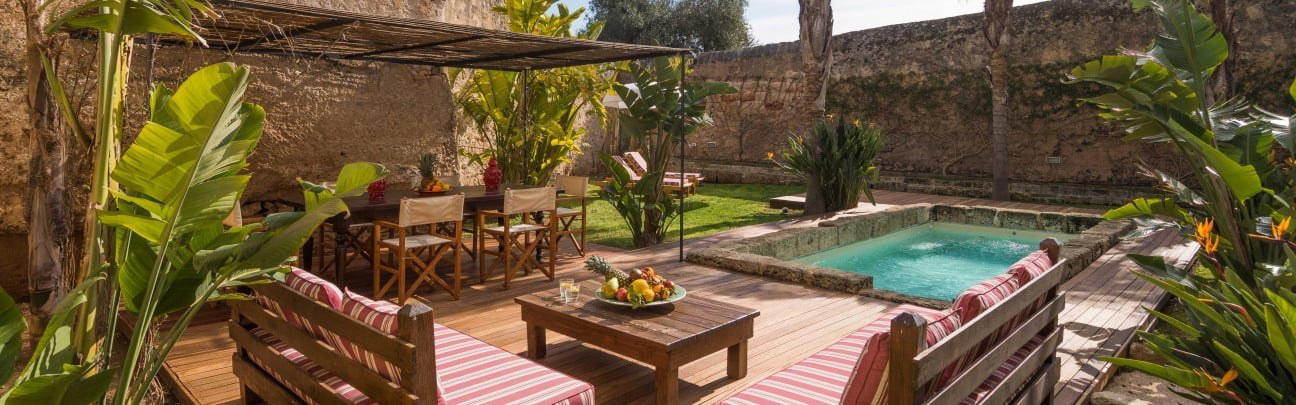
Warm and family-style atmosphere in a conical trullo with indoor and open-air courtyard seating overlooking trulli domes.