Ristorante Italiano
Our verdict
Italian dining in Copenhagen occupies a specific niche: somewhere between the city's New Nordic dominance and the traveller's expectation of Mediterranean comfort. Ristorante Italiano, on Fiolstræde in the Indre By district, sits in that middle ground — a reference point for the city's Italian-leaning dinner crowd in a neighbourhood better known for bookshops and café culture than white-tablecloth restaurants.

Pearl is the En Primeur Club membership app — saves, bookings, and concierge access live there. Same editors, same standards.
- Address
- Fiolstræde 2, 1171 Indre By, Denmark
- Phone
- +4533111295
- Hours
- Daily 11 AM–12 AM
- Website
- italiano.dk
- Directions
- Get directions
- Booking
- Book on the venue's website
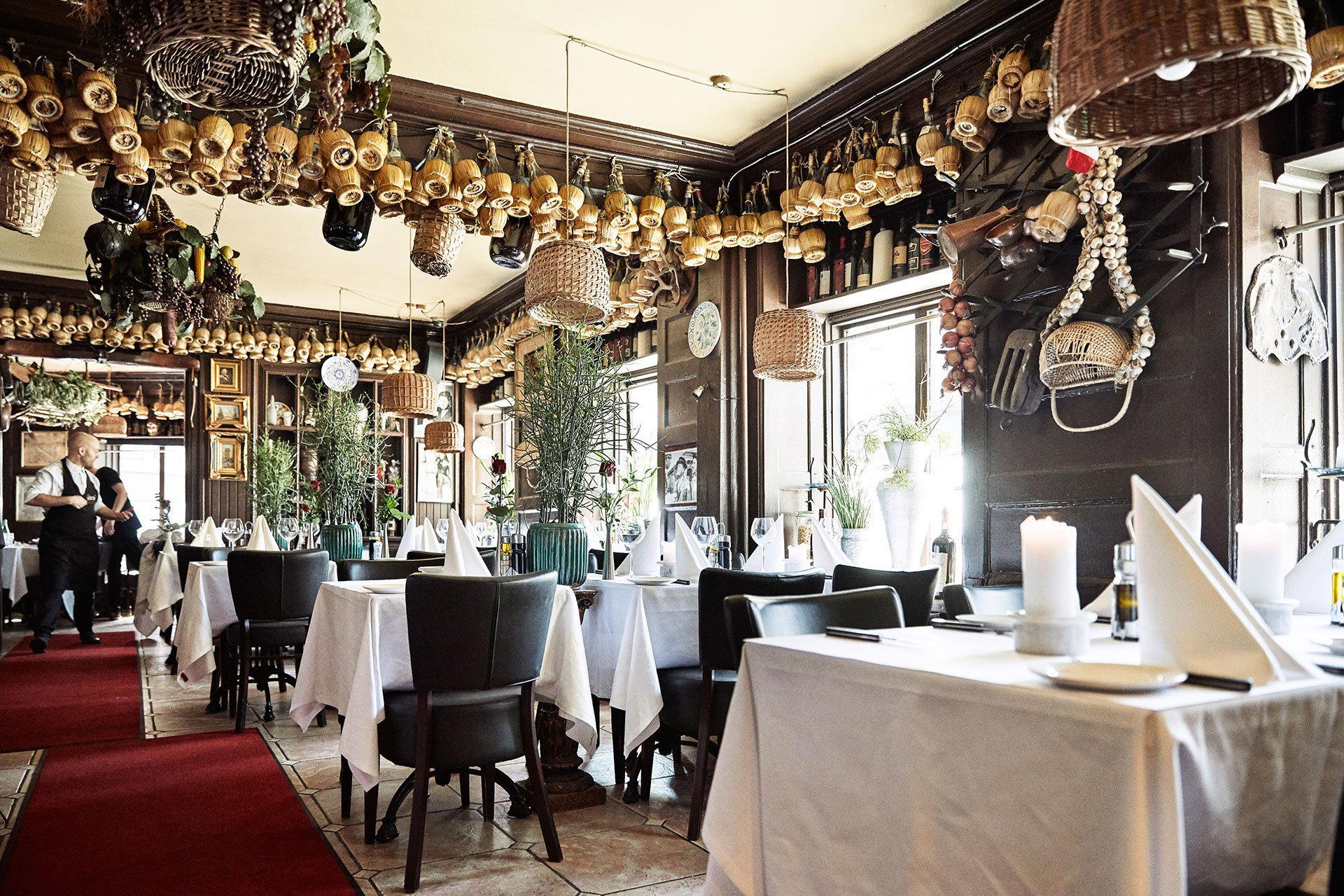
Fiolstræde and the Italian Table in a New Nordic City
Copenhagen's restaurant identity is shaped so thoroughly by New Nordic doctrine — the seasonal rigour of Geranium, the fermentation-forward legacy of Noma, the theatrical ambition of Alchemist — that Italian dining occupies a counterintuitive position in the city. It is not fashionable in the way that Koan's kaiseki-Nordic fusion is fashionable, nor is it part of the city's dominant critical conversation. Yet Italian restaurants in Copenhagen are consistently full. The appetite for pasta, for long wine lists, for a dining rhythm that doesn't demand the diner's total intellectual attention, remains steady regardless of what the critics are writing about.
Ristorante Italiano sits on Fiolstræde, a pedestrianised street in the Indre By district that runs between Nørreport station and the Latin Quarter. The street is quieter than the Strøget shopping axis a few blocks south, lined with antiquarian bookshops and the kind of low-key café fronts that suggest a neighbourhood more comfortable with its own regulars than with tourist traffic. A restaurant on Fiolstræde is not positioning itself as a destination address in the way that venues on Kongens Nytorv or along the harbour do. It is, by location, a neighbourhood proposition, which in Copenhagen's Italian dining tier carries a specific set of expectations about pacing, informality, and the role of the meal in the evening.
The Ritual of the Italian Meal, as Copenhagen Interprets It
Italian dining has its own ritual architecture: the progression from antipasto through primo and secondo, the bread that arrives without ceremony, the wine order that happens before anyone has looked at the food menu in earnest. In Copenhagen, where the dominant fine-dining format tends toward long, chef-led tasting sequences, structured, paced, explained course by course, an Italian restaurant that holds to classical service rhythms represents a distinct counter-offer. The diner is in charge. The meal moves at whatever speed the table sets.
This is not a minor distinction. Restaurants like Kadeau and the broader New Nordic tier have trained Copenhagen diners to expect a narrated experience, where the kitchen's logic drives the sequence. Italian dining inverts that relationship. The menu is a list of options, not a programme. Ordering is negotiation, not surrender. The ritual is familiar across borders, which is precisely why Italian restaurants in foreign cities tend to attract a particular crowd: diners who want to eat well without submitting to a format.
In the context of Indre By, where the surrounding neighbourhood skews toward Copenhagen's university and cultural institutions, that informality maps cleanly onto the local demographic. A two-hour dinner on Fiolstræde is not a rare-occasion spend in the way that a counter seat at one of Copenhagen's starred addresses is. It is closer to how the neighbourhood actually eats on a Tuesday.
Italian Cuisine in the Copenhagen Context
Italian food traditions travel well to Scandinavia in part because the underlying logic, respect for ingredients, minimal interference, regional specificity, overlaps with Nordic values even where the flavour profiles diverge entirely. The difference is that Italian cuisine arrives with centuries of codified technique: the specific flour ratios for fresh pasta, the regional logic of a ragù, the temperature at which a risotto should be served. These are not philosophical positions but practical ones, and they give Italian restaurants in Copenhagen a technical reference point that is broadly understood by diners and critics alike.
Copenhagen's broader dining scene against which any Italian restaurant here is implicitly measured includes not just the city's New Nordic addresses but also the wider Danish fine-dining circuit. Venues like Jordnær in Gentofte, Frederikshøj in Aarhus, and Henne Kirkeby Kro represent a Denmark-wide commitment to produce-led, technically grounded cooking that sets a high baseline for what serious dining looks like in this country. An Italian restaurant in Copenhagen that holds its own in this environment earns that standing through consistency and kitchen discipline, not novelty.
The international comparison is useful here too. Italian restaurants that operate at the upper tier of global dining, venues in the orbit of addresses like Le Bernardin in New York, where rigour and restraint define the kitchen's identity, demonstrate that Italian-adjacent precision is a credible fine-dining position. Copenhagen's Italian tier does not reach those heights on the international stage, but the frame helps explain what separates a serious Italian kitchen from a casual one: it is not the menu category but the discipline behind it.
Placing Ristorante Italiano in the Broader Danish Scene
For visitors structuring a Copenhagen dining itinerary, the choice between Ristorante Italiano and the city's flagship New Nordic addresses is not really a competition. They serve different functions in an evening's logic. The tasting-menu tier, Geranium, Alchemist, Alimentum in Aalborg, ARO in Odense, LYST in Vejle, requires advance planning, a specific appetite for the format, and a willingness to spend two to three hours in a kitchen's hands. An Italian restaurant on Fiolstræde is what you book when you want to decide for yourself what you eat and when the next course arrives.
That distinction matters particularly for travellers spending multiple evenings in Copenhagen. The city's dining week has room for both modes. A night at a New Nordic counter and a night at an Italian table are not competing choices; they are complementary ones that together give a more complete picture of how the city actually eats. Copenhagen residents dining at venues like Ristorante Italiano are often the same people who hold reservations at Domæne in Herning or MOTA in Nykøbing Sjælland for a special occasion. The two traditions coexist because they meet different needs.
For a fuller picture of how Copenhagen's restaurant scene is structured, from the tasting-menu flagships to the neighbourhood addresses, see our full Copenhagen restaurants guide. It covers the city's dining tiers alongside regional comparisons including Frederiksminde in Præstø and Dragsholm Slot Gourmet in Hørve, two addresses that illustrate how serious cooking has distributed itself across the Danish landscape well beyond the capital. The international tier, represented by venues like Atomix in New York, provides a useful pressure-test for what kitchen ambition looks like at the highest level globally.
Planning Your Visit
| Detail | Ristorante Italiano | New Nordic Peers (e.g. Geranium, Kadeau) |
|---|---|---|
| Address | Fiolstræde 2, Indre By, Copenhagen | Various Copenhagen locations |
| Format | À la carte Italian | Fixed tasting menus |
| Booking Lead Time | Not confirmed; walk-in likelihood higher | Weeks to months in advance |
| Price Tier | Not confirmed | €€€€ |
| Duration | Diner-controlled | 2–3 hours, kitchen-paced |
Frequently asked questions
How do I find Ristorante Italiano?
Ristorante Italiano is located at Fiolstræde 2, 1171 Indre By, Denmark, Copenhagen.
How does Ristorante Italiano fit into a Copenhagen dining itinerary focused on non-Nordic cuisine?
For visitors who want a break from the fermentation-forward tasting menus that define Copenhagen's flagship addresses, an Italian restaurant on Fiolstræde offers a structurally different meal: recognisable courses, olive oil rather than cultured butter, and a kitchen logic built around Italian regional tradition rather than Scandinavian seasonality. Indre By places it within walking distance of the city's main cultural and hotel corridor, making it a practical choice for a second or third evening in Copenhagen when the New Nordic format has already been covered.
What's the best thing to order at Ristorante Italiano?
Confirmed menu data for Ristorante Italiano is not part of the verified public record, so specific dish calls would be speculation. Italian restaurants operating in Copenhagen's Indre By neighbourhood tend to anchor their offer around the classic antipasto-to-secondo progression, where pasta courses carry the most kitchen identity. The safer approach is to ask staff what is made in-house that day, which in any Italian format worth visiting should prompt a direct answer.
Do they take walk-ins at Ristorante Italiano?
Copenhagen's central dining district around Fiolstræde draws steady foot traffic, and Italian restaurants at street level in Indre By tend to fill mid-week evenings without much notice. Contacting the restaurant directly before arriving on a Friday or Saturday is the more reliable approach than counting on a spontaneous table.
Style and Standing
Comparable venues nearby, for context on price, style, and recognition.
| Venue | Cuisine | Price | Awards | Notes |
|---|---|---|---|---|
| Ristorante ItalianoThis venue — the venue you are viewing | Traditional Italian Trattoria | Not listed | Not listed | Not listed |
| Il_mattarello | Authentic Roman Pasta Lab | $20–30 | Not listed | Indre By |
| Graziano | Rustic Tuscan Peasant Food | $30–50 | Michelin Bib Gourmand | Nørrebro |
| La Vecchia Signora | Authentic Italian Pizza and Pasta | $20–30 | Not listed | Indre By |
| Fabro | Authentic Italian Pasta | $20–30 | Not listed | Indre By |
| Hos Fischer | Authentic Roman Trattoria | $20–30 | Not listed | Østerbro |
Continue exploring
More in Copenhagen
Restaurants in Copenhagen
Browse all →
Bars in Copenhagen
Browse all →
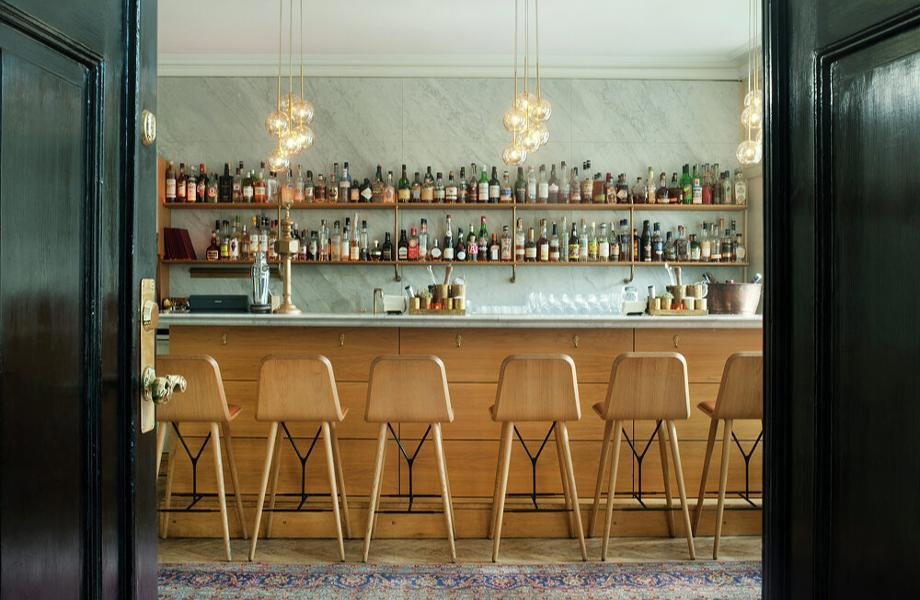
Hotels in Copenhagen
Browse all →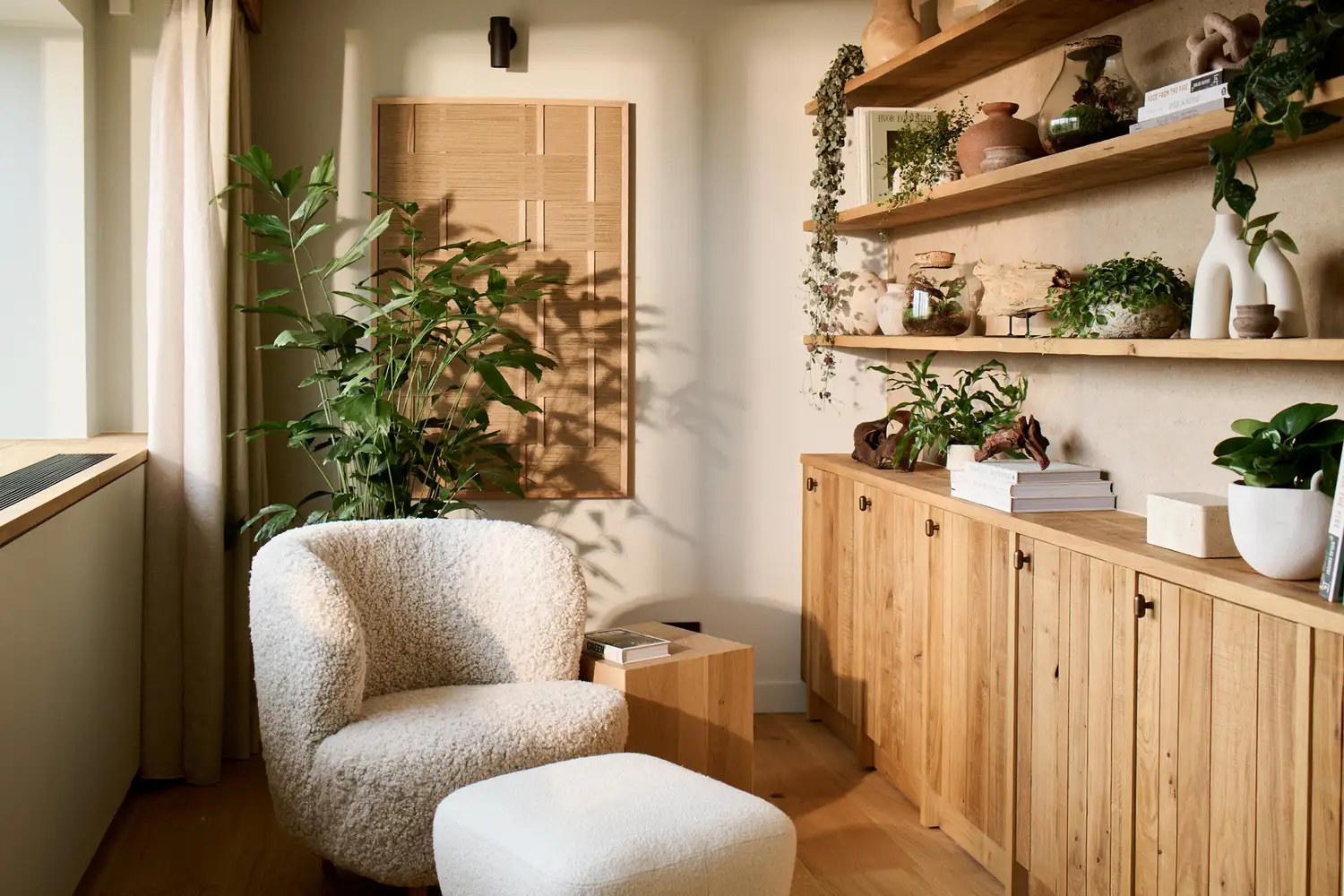

Details
- Classic
- Cozy
- Romantic
- Well Known
- Date Night
- Casual Hangout
- Group Dining
- Standalone
- Historic Building
- Farm To Table
- A La Carte
- Vegetarian Friendly
- Vegan Options
- Gluten Free Options
Current opening hours
- Monday
- 11 AM–12 AM
- Tuesday
- 11 AM–12 AM
- Wednesday
- 11 AM–12 AM
- Thursday
- 11 AM–12 AM
- Friday
- 11 AM–12 AM
- Saturday
- 11 AM–12 AM
- Sunday
- 11 AM–12 AM
Hours can change for holidays and private events. Last verified .
Cozy and romantic setting with a traditional Italian atmosphere, welcoming and friendly service in a nostalgic, established environment.