Fabro
Our verdict
On Borgergade in Copenhagen's inner city, Fabro occupies the quieter, more deliberate end of the Danish dining spectrum. The address sits away from the New Nordic circuit's most trafficked corridors, drawing a clientele that returns for consistency rather than novelty. For visitors planning time in Copenhagen, it belongs in the same planning window as the city's more decorated addresses.

Pearl is the En Primeur Club membership app — saves, bookings, and concierge access live there. Same editors, same standards.
- Address
- Borgergade 134, 1310 København, Denmark
- Phone
- +4531342293
- Hours
- Mon ClosedTue–Thu 3–10 PMFri–Sat 12–10 PMSun Closed
- Website
- fabropasta.dk
- Directions
- Get directions
The menu
What to order
- Carbonara
- Pappardelle with beef ragu
- Bolognese
- Focaccia
The Address and What It Signals
Borgergade 134 sits in Copenhagen's inner city, a stretch that runs parallel to the grander avenues without competing with them. The street is residential in character, its buildings carrying the measured weight of nineteenth-century brick, and the restaurants that survive here tend to do so on repeat trade rather than tourist discovery. That is a meaningful filter. In a city where the fine dining tier is anchored by names like Geranium, Noma, and Alchemist, the restaurants operating below that stratosphere compete on a different axis: reliability, familiarity, and the quiet confidence that comes from knowing your regulars by name.
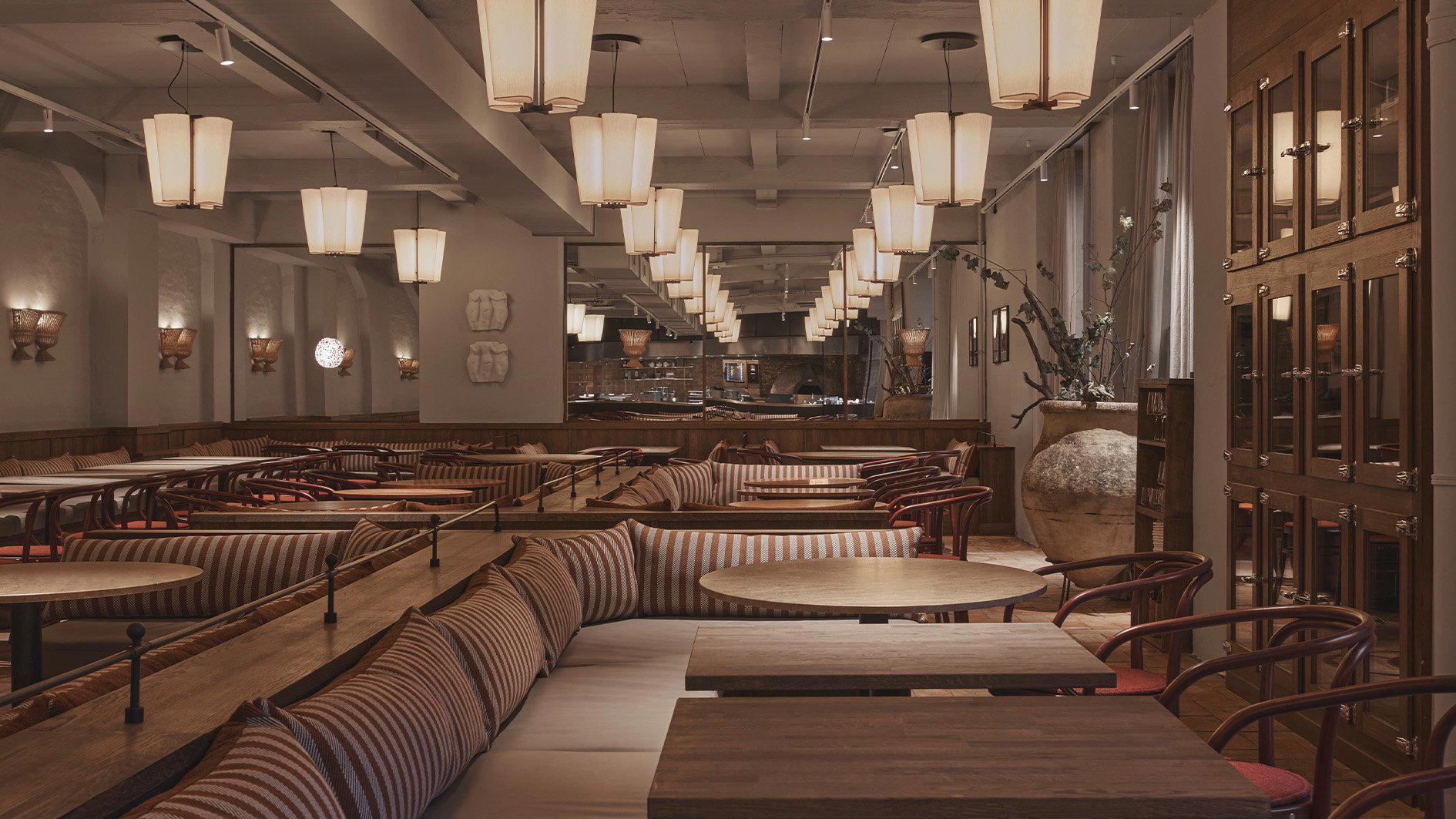
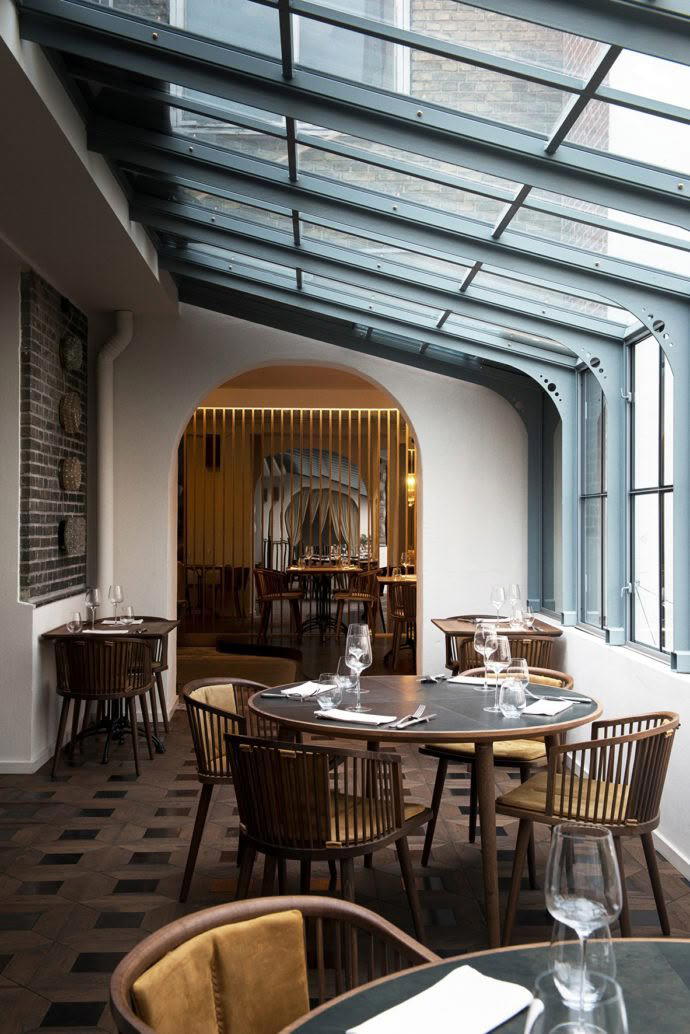
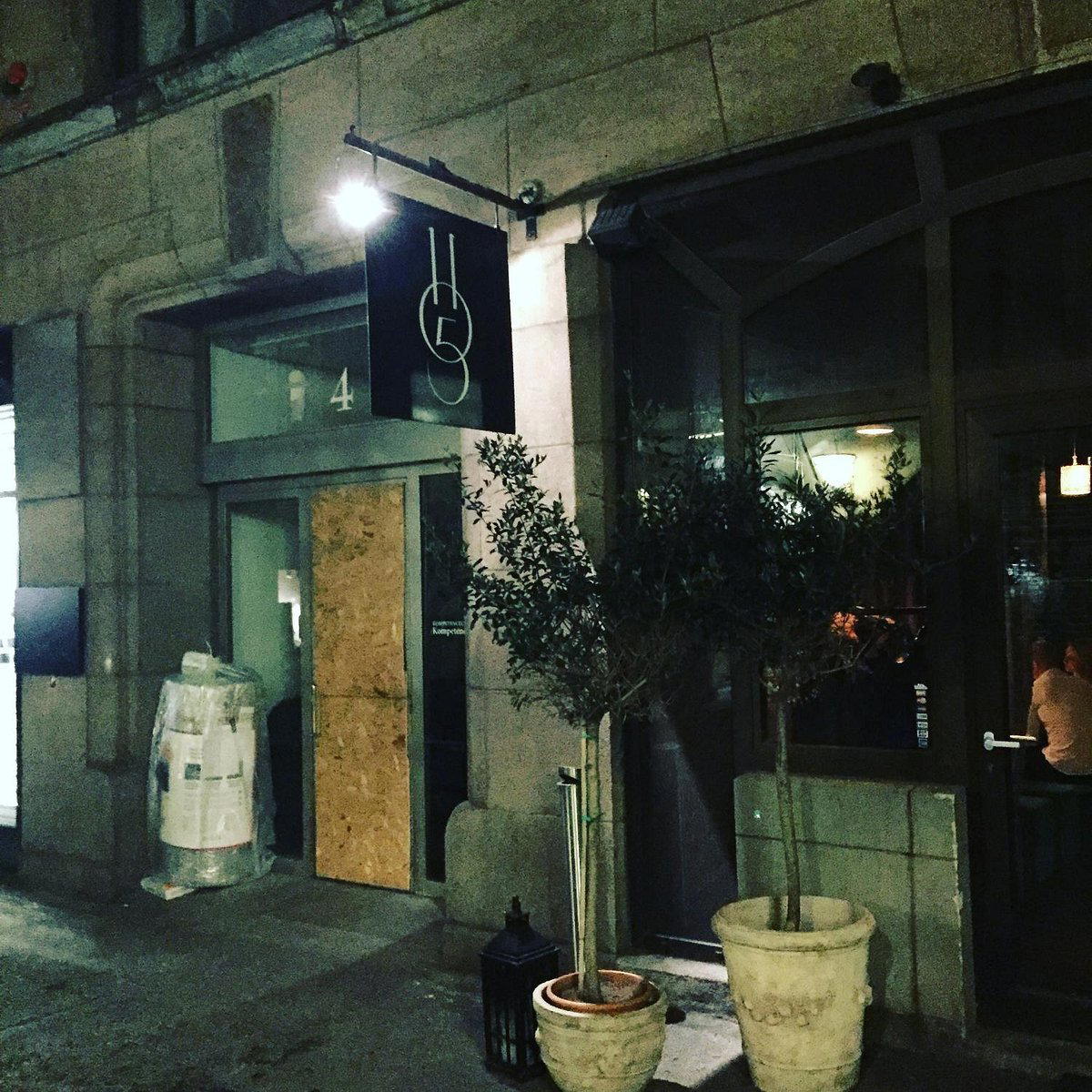
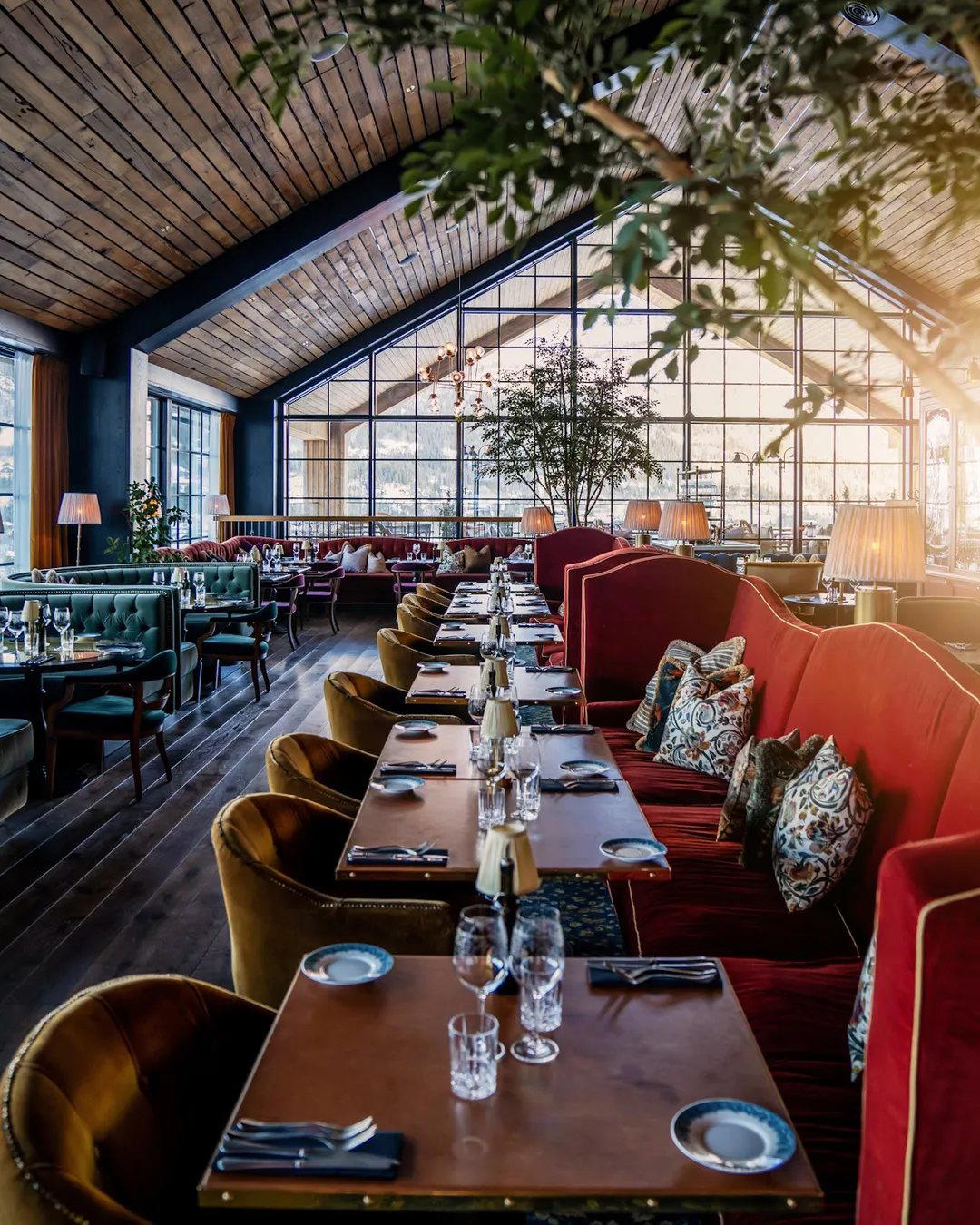
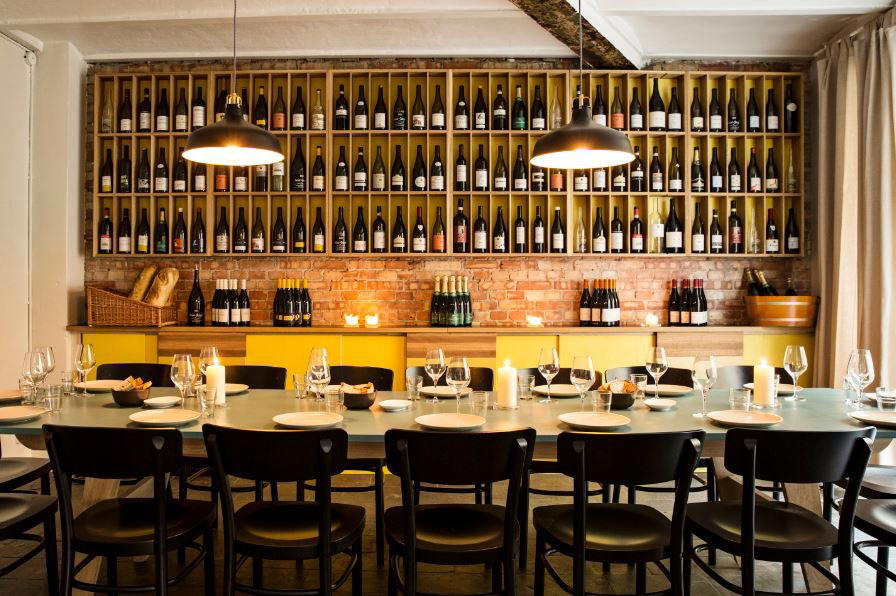
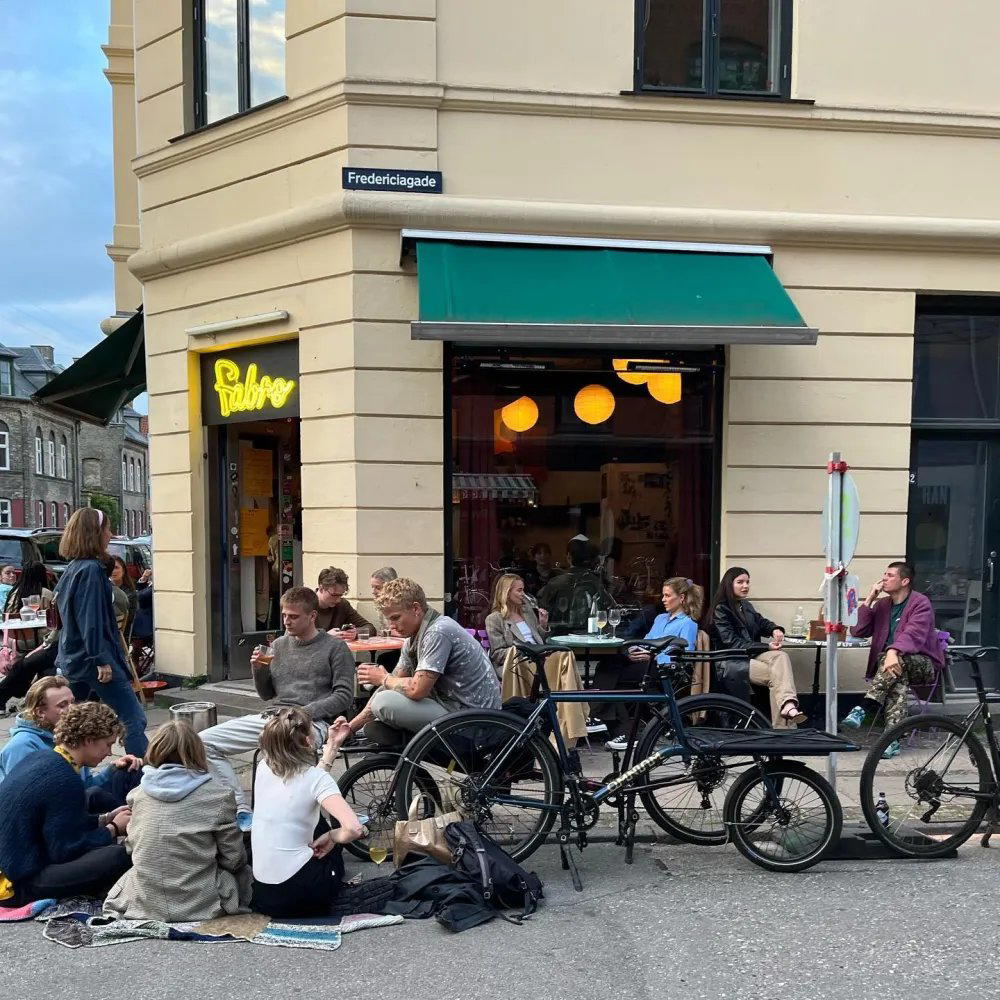
Fabro occupies that middle tier with an address that discourages casual walk-ins. The approach along Borgergade gives little away. The façade is restrained, the signage minimal, and the internal rhythm of the room becomes apparent only once you are inside. This is a deliberate posture in Copenhagen's dining culture, where the loudest spaces are rarely the most accomplished.
Copenhagen's Inner City Dining Tier
To place Fabro correctly, it helps to understand how Copenhagen's non-Michelin dining scene is structured. The city's most decorated restaurants — Geranium with its three stars, Koan blending New Nordic with kaiseki precision, Kadeau rooting itself in Bornholm produce — occupy a tier defined by tasting menus, advance booking windows measured in weeks, and price points that clear 300 euros per person with wine. Below that bracket sits a wider, more varied category of serious restaurants that serve Copenhagen's professional class on a Tuesday, not just visiting food writers on a weekend itinerary.
This second tier is where loyal regulars are built. The unwritten menu here is frequency: the same table on a Thursday, the dish that does not appear on the printed card but arrives because the kitchen knows the preference. Denmark's broader fine dining geography reinforces this pattern. From Jordnær in Gentofte to Frederikshøj in Aarhus, the restaurants that have built lasting reputations in Denmark tend to prize a stable, returning audience over the churn of first-time visitors. Fabro, from its position on Borgergade, follows that logic.
What Keeps Regulars Returning
The regulars' perspective on any restaurant is rarely about the menu itself. It is about the predictability of quality across visits, the calibration of service that registers how much or how little attention is wanted, and the sense that the kitchen is cooking for a known audience rather than performing for newcomers. Copenhagen's inner city has a concentration of professionals and long-term residents who eat out with frequency, and the restaurants they return to are rarely the ones trying hardest to impress.
In that context, Fabro's address on Borgergade functions as a kind of self-selection. The restaurant is not positioned on a thoroughfare that generates passing trade. Getting to it requires a decision. That friction filters the room toward people who came deliberately, who have likely been before, and who are not using the meal as a landmark experience. Across the wider Danish dining circuit, the same principle holds at quieter addresses like Henne Kirkeby Kro in Henne and Frederiksminde in Præstø, where the guest mix skews toward those who know exactly why they made the trip.
The comparison with destinations like Le Bernardin in New York or Lazy Bear in San Francisco is instructive at the structural level: both are restaurants with a core of devoted regulars who return not for the novelty of a changing menu but for the assurance of a known experience executed consistently. The specific mechanism differs, Le Bernardin's regulars are drawn by French technique applied to seafood with decades of refinement; Lazy Bear's by a communal format that rewards familiarity, but the underlying dynamic maps onto what a Borgergade address in Copenhagen tends to produce.
The Copenhagen Scene as Context
Copenhagen's dining culture has been shaped significantly by the New Nordic movement, which installed a set of values, seasonality, locality, fermentation, restraint in the kitchen, that now permeate restaurants at every price point. The movement's most visible expressions remain at the top tier: Noma reframed what Nordic ingredients could do at the highest level of ambition, and its influence spread downward through kitchens across the country. The result is that even mid-tier Copenhagen restaurants tend to work with a seasonal sensitivity and a preference for Danish and Scandinavian sourcing that would be notable in other European capitals but reads as standard practice here.
The wider Danish circuit reflects this. From Ti Trin Ned in Fredericia to Dragsholm Slot Gourmet in Hørve, and from LYST in Vejle to more remote outposts like Tri in Agger, the regional restaurant scene operates with a consistency of values that makes Denmark one of the more coherent national dining cultures in Europe. Restaurants like Pearl by Paul Proffitt in Kruså and Syttende in Sønderborg extend this geography to the southern edges of the country. Copenhagen sits at the centre of this network, and its inner-city restaurants carry those inherited values into a more urban, everyday register.
For visitors building a Copenhagen itinerary, this context matters. The city's dining scene rewards planning at the top tier, the major tasting menu destinations require booking well in advance, but the second tier, where Fabro operates, tends to be more accessible and, for that reason, more representative of how Copenhageners actually eat. A meal at Fabro is not a substitution for Alchemist or Kadeau; it occupies a different register and serves a different purpose in a well-constructed visit. For more context on how Fabro fits into the broader city programme, the EP Club Copenhagen guide maps the full range.
Know Before You Go
- Address: Borgergade 134, 1310 København, Denmark
- Booking: Contact details not publicly listed at time of writing, check the restaurant's own channels or ask your hotel concierge to assist with a reservation
- Cuisine type:, expect the Copenhagen-standard seasonal and locally sourced approach common to serious inner-city restaurants in this neighbourhood tier
- Price range: Not confirmed, budget in line with mid-to-upper Copenhagen restaurant pricing as a working assumption
- When to visit: Inner-city Copenhagen restaurants of this type tend to be busiest Thursday through Saturday; midweek visits often yield a quieter, more regular-heavy room
- Getting there: The inner city is well served by Copenhagen's metro and bus network; Borgergade is walkable from Kongens Nytorv station
Frequently asked questions
What's Fabro's location?
Fabro is located at Borgergade 134, 1310 København, Denmark, Copenhagen.
Is Fabro a good option for a dinner in Copenhagen's inner city away from the main tourist areas?
Borgergade runs through Copenhagen's inner city parallel to the more heavily trafficked avenues, which means Fabro draws a predominantly local crowd rather than visitors working through a city checklist. That positioning puts it in the same tier as other neighbourhood-anchored Copenhagen restaurants that rely on repeat custom over foot traffic. For anyone staying in or near the Capital region's centre, the address at Borgergade 134 is walkable from most inner city hotels.
What's the must-try dish at Fabro?
Specific menu details for Fabro are not fixed in the public record, which itself signals something: the kitchen at Borgergade 134 works with what the season and supply allow rather than anchoring to a signature showpiece. Regulars tend to order based on what the team steers them toward on the day. Arriving with an open brief is the practical approach.
How far ahead should I plan for Fabro?
Fabro operates in Copenhagen's inner city, where neighbourhood restaurants with a loyal local following can fill up several weeks out, particularly Thursday through Saturday. Without a live booking system linked publicly, the most reliable method is contacting the restaurant directly at Borgergade 134. Treat two to three weeks as a working assumption for weekend tables.
What is Fabro known for?
Fabro sits on Borgergade in Copenhagen's inner city, a stretch that draws residents and repeat visitors rather than the trophy-hunting crowd that queues for the city's Michelin-decorated rooms. Its reputation is built on consistency across visits rather than any single accolade or spectacle. In a city where the New Nordic movement set high baseline expectations around seasonality and sourcing, that kind of quiet reliability carries its own currency.
Can Fabro adjust for dietary needs?
No confirmed dietary policy is documented for Fabro. The standard practice at Copenhagen's independent restaurants is to raise requirements at the time of booking rather than on arrival, giving the kitchen time to plan. Contacting Fabro directly at Borgergade 134, 1310 København is the most dependable route.
Standing Among Peers
Comparable venues nearby, for context on price, style, and recognition.
| Venue | Cuisine | Price | Awards | Notes |
|---|---|---|---|---|
| FabroThis venue — the venue you are viewing | Authentic Italian Pasta | $20–30 | Not listed | Not listed |
| Mother | Authentic Italian Sourdough Pizza | $20–30 | Not listed | Vesterbro-Kongens Enghave |
| Spuntino | Classic Italian | $30–50 | Not listed | Vesterbro-Kongens Enghave |
| Forno a Legna | Authentic Italian Wood-Fired Pizza | $20–30 | Not listed | Frederiksberg |
| MaMeMi | Authentic Roman-Style Pizza | $20–30 | 50 Top Pizza Europe #22 | Vesterbro-Kongens Enghave |
| Il_mattarello | Authentic Roman Pasta Lab | $20–30 | Not listed | Indre By |