Graziano


Michelin Bib Gourmand
Our verdict
On Møllegade in Copenhagen's Nørrebro district, Graziano occupies a corner of the city's dining scene that sits apart from the New Nordic canon. Where much of Copenhagen's fine dining leans into foraged ingredients and Scandinavian restraint, Graziano draws from a different tradition, making it a reference point for diners seeking an alternative to the tasting-menu orthodoxy that defines the city's upper tier.

Pearl is the En Primeur Club membership app, where members save venues, book tables and use the concierge.
The menu
What to order
- Spaghetti Pomodoro
- Pollo alla brace di Graziano
- Tagliatelle al Ragu Bolognese
- Bomboloni
A Different Register on the Copenhagen Dial
Copenhagen's fine dining conversation has been dominated for over a decade by the New Nordic movement: foraged herbs, fermented dairy, hyper-seasonal Scandinavian produce, and the long shadow cast by Noma. That template has produced some of Europe's most technically ambitious restaurants, from Geranium at the three-Michelin-star tier to the theatrical progression of Alchemist and the kaiseki-inflected precision of Koan. Against that backdrop, a restaurant working from a distinctly Italian-influenced register reads less like a gap in the market and more like a deliberate counter-argument.
Graziano, at Møllegade 13 in Nørrebro, is that counter-argument. The address places it away from the tourist-facing stretches of the inner city and inside a neighbourhood that has spent the past decade developing a genuinely local restaurant culture, one driven more by quality-conscious regulars than by visitors chasing a reservation. That geography matters: it shapes both the clientele and the tone of what happens inside.
The Room Before the Meal
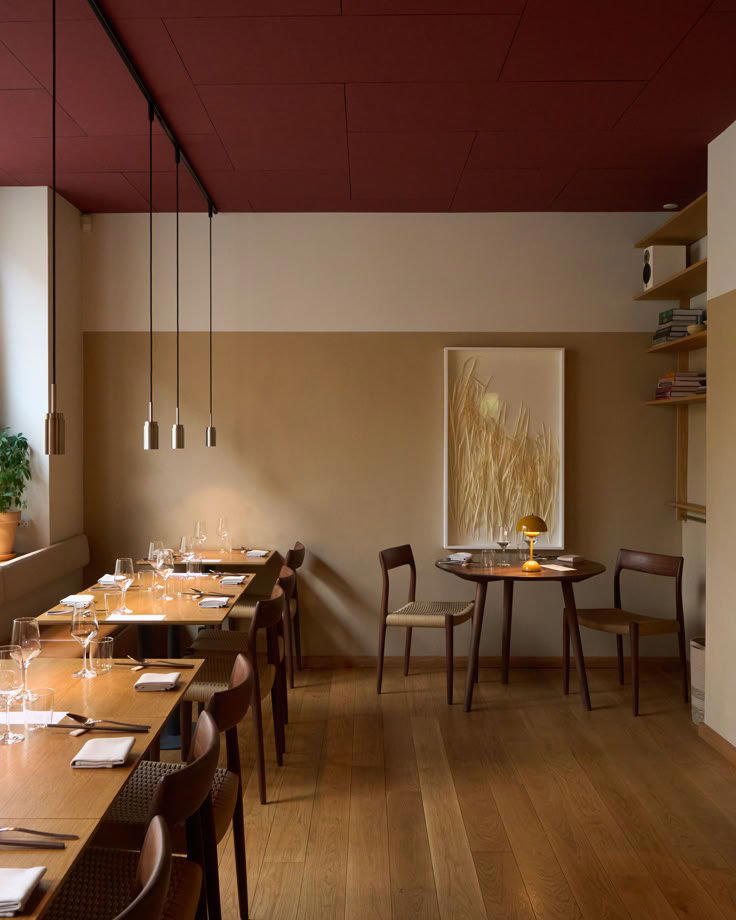
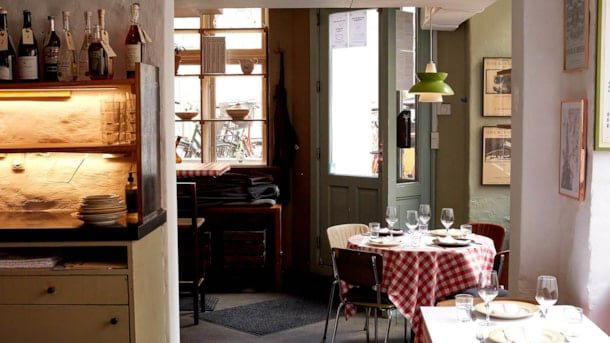
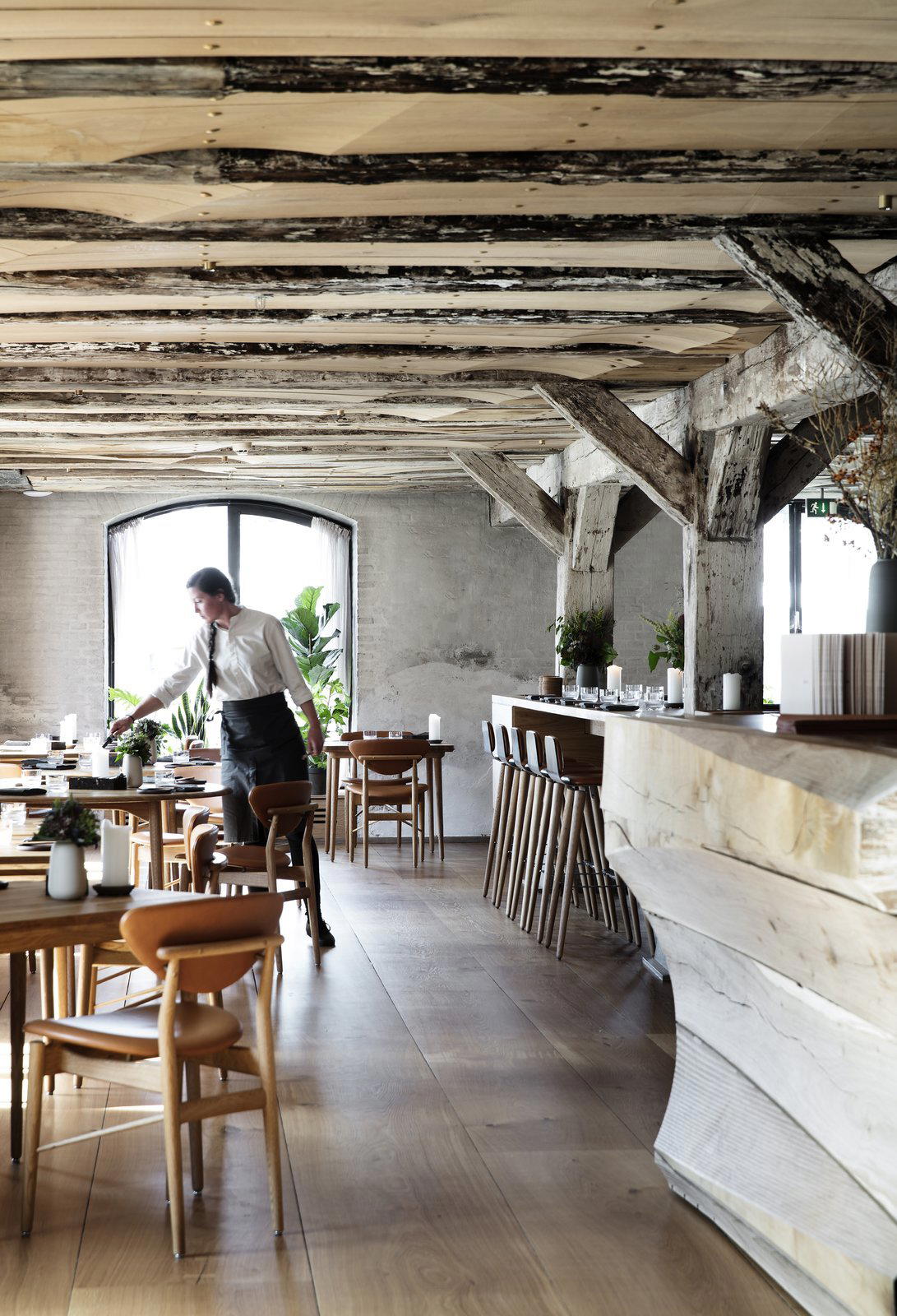
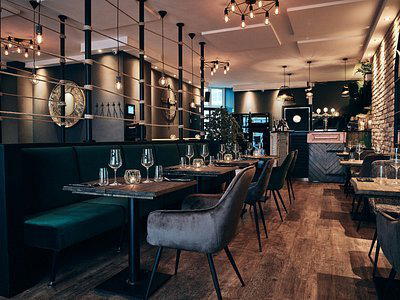
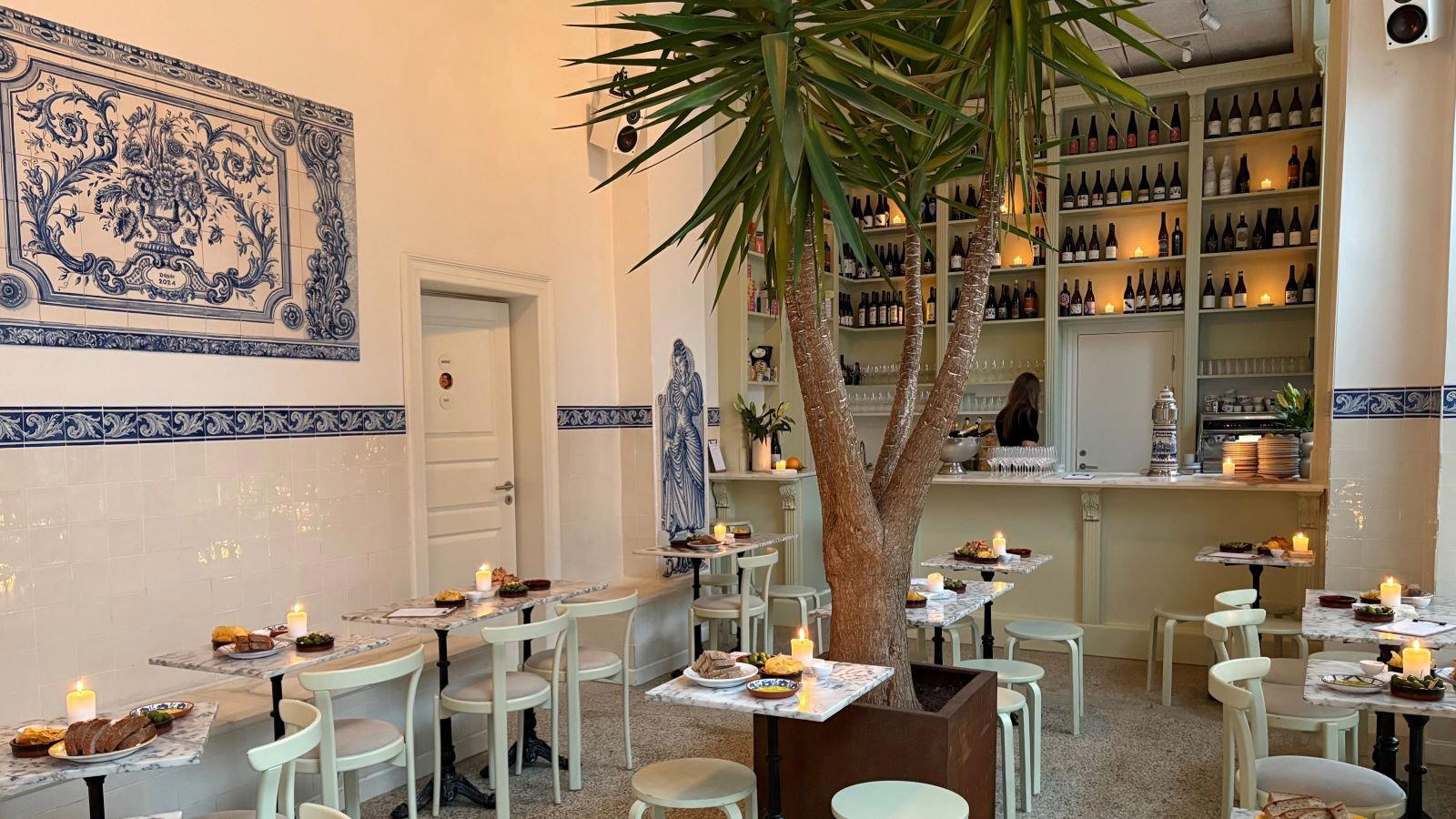
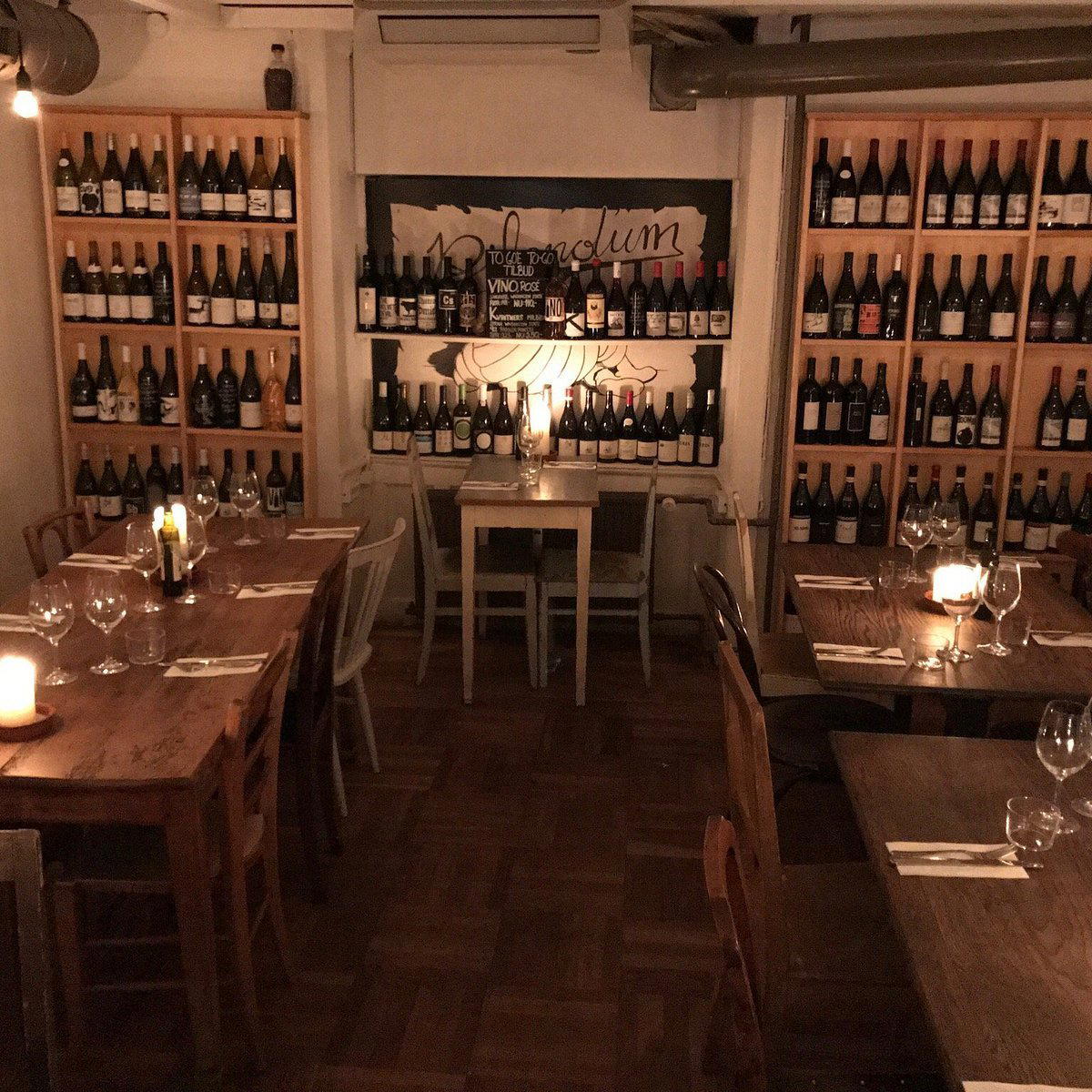
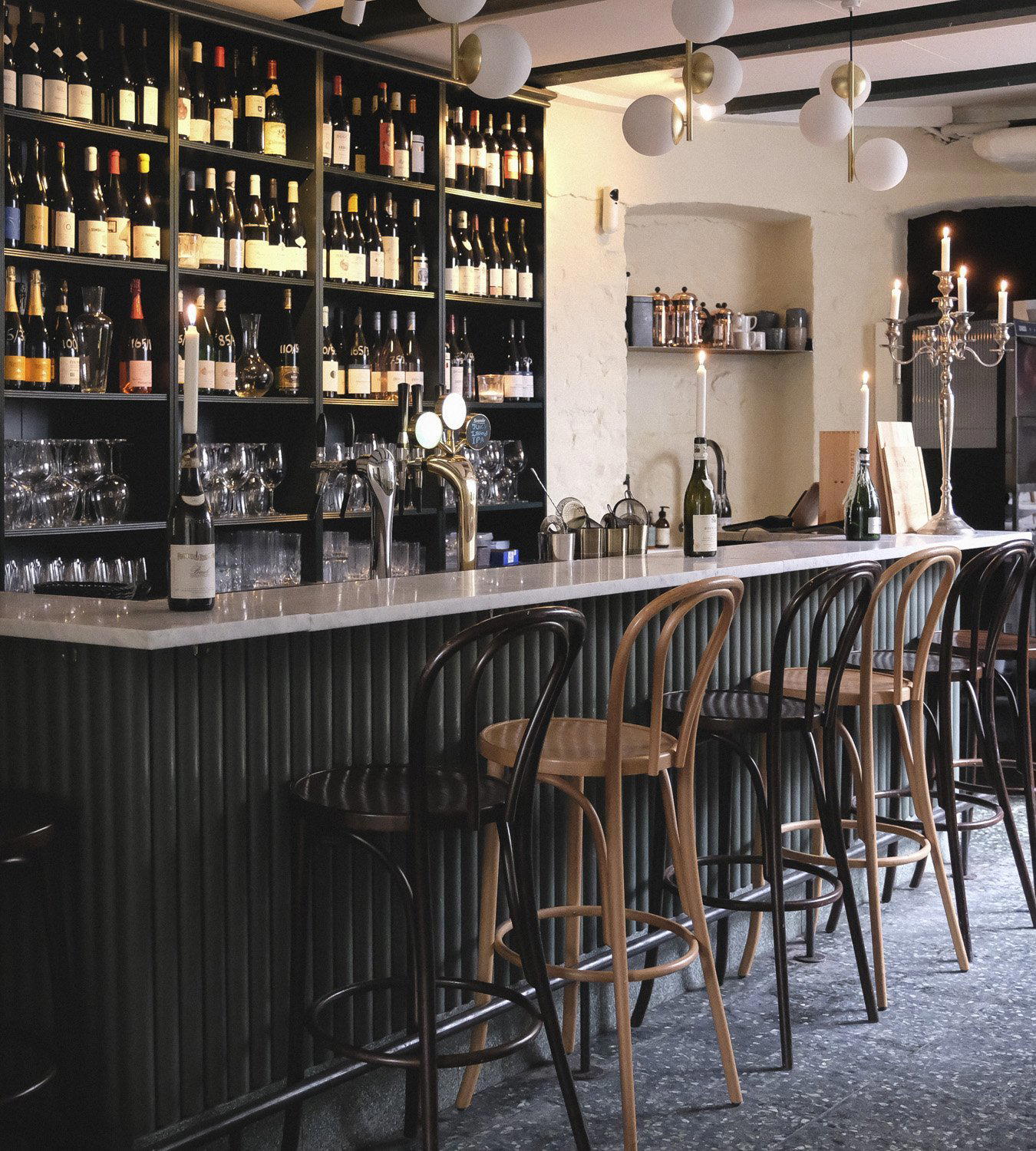
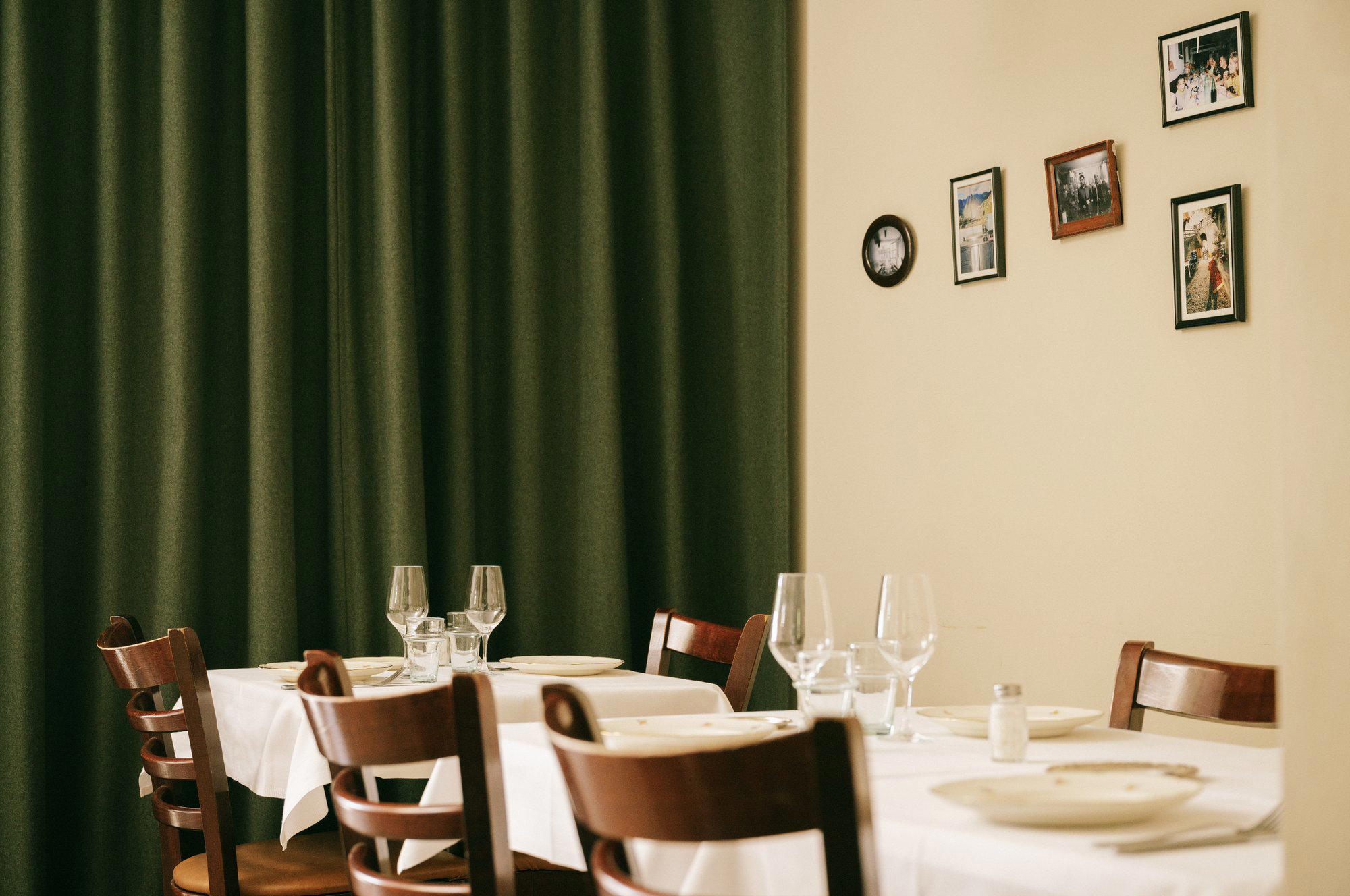
Nørrebro's dining spaces tend toward the unfussy: exposed brick, natural light through large windows, furniture that prioritises comfort over statement-making. Restaurants in this part of Copenhagen generally earn their following through consistency and a lack of pretension rather than through interior theatre. Graziano fits that neighbourhood pattern. The setting on Møllegade is compact and direct, the kind of room where proximity to neighbouring tables is a given and where the meal, not the architecture, carries the evening.
That physical intimacy affects how a multi-course progression lands. In a small room, courses arrive in a rhythm that feels closer to a dinner party than to a formal tasting counter, and that informality is, in dining rooms of this type, a considered choice rather than a constraint. It places Graziano in a different peer group than the high-production formats at Kadeau or the elaborately staged experiences at Alchemist.
Reading the Progression
The editorial angle on Graziano is leading understood through the arc of a meal rather than through any single dish or credential. Italian-rooted cooking at a serious level has its own internal logic: the sequence tends to move through lighter, brighter openings toward richer, more sustained courses, with the middle of the meal doing the structural work that, in Nordic tasting menus, often falls to the fermented and aged elements.
In that tradition, antipasti function as calibration: they set acidity, establish seasoning, and signal whether the kitchen is working with restraint or abundance. Pasta courses, when present, act as the meal's centre of gravity. They demand more from a kitchen than almost any other element in Italian cooking, the margin between correct and slightly off is narrower than it appears, and diners with any reference point for the form will notice immediately. The secondi, whether fish or meat, carry the final weight before the meal moves toward its close.
What makes Graziano relevant to this framework is that it operates in a city where this particular progression is not the default. Copenhagen's Nordic tasting menus are built around different structural logic, one that tends toward accumulation and surprise. A kitchen working in the Italian mode is, in Copenhagen, making a case for a different kind of depth, one measured in technique and product rather than in novelty of combination.
For comparative reference, the Nordic multi-course tradition is well represented across Denmark's restaurant circuit, from Jordnær in Gentofte to Frederikshøj in Aarhus, Henne Kirkeby Kro, Alimentum in Aalborg, ARO in Odense, Domæne in Herning, Dragsholm Slot Gourmet, Frederiksminde in Præstø, LYST in Vejle, and MOTA in Nykøbing Sjælland. Graziano's Italian register sets it apart from nearly all of them.
For diners whose reference points extend beyond Scandinavia, the comparison that clarifies Graziano's positioning most usefully is against Italian-influenced fine dining in other European cities: a category where product sourcing, pasta technique, and wine depth tend to define reputation at the upper end. In that international frame, the closest analogues are kitchens like Le Bernardin in New York in the sense of a cuisine-defining commitment to a non-local tradition, or the kind of Korean fine dining precision found at Atomix, not in style, but in the shared logic of bringing a non-native culinary tradition to a high level of seriousness in a city where that tradition is not the default.
Planning a Visit
Møllegade 13 sits in northern Nørrebro, reachable by bicycle in minutes from most of central Copenhagen or by a short walk from the 5C bus corridor along Jagtvej. The neighbourhood rewards arriving with time to spare: the stretch around Nørrebro Runddel and the streets feeding into it have a concentration of wine bars and cafés that function well as a pre-dinner holding pattern.
For context on where the Nørrebro dining scene sits within Copenhagen's broader restaurant geography, the full Copenhagen restaurants guide maps the city's key areas and formats in detail.
Frequently asked questions
What part of town is Graziano in?
Graziano is located at Møllegade 13, 2200 København, Denmark, Copenhagen.
How does Graziano differ from other Italian restaurants in Copenhagen?
Most Italian restaurants in Copenhagen operate in a trattoria or casual format aimed at broad accessibility. Graziano, at Møllegade 13 in Nørrebro, takes a different approach: the meal is structured as a deliberate progression, giving it a closer relationship with Copenhagen's tasting-menu culture than with its Italian-restaurant peers. That positioning makes it relevant to diners who follow the city's serious dining circuit, not just those seeking a familiar cuisine.
What dish is Graziano famous for?
Graziano's reputation is built on the arc of a meal rather than a single signature dish. The kitchen works within an Italian-rooted framework, meaning the progression across courses carries more weight than any one plate. Specific menu items change, so the most reliable way to understand what's on is to check the venue's official channels at Møllegade 13.
How hard is it to get a table at Graziano?
Graziano operates in northern Nørrebro, a Copenhagen neighbourhood where demand for well-regarded restaurants consistently exceeds available seats. No formal booking data is published, but for weekend sittings, reserving at least two to three weeks ahead is a reasonable working assumption. Weeknight availability tends to be more flexible.
What has Graziano built its reputation on?
Graziano occupies a distinct position in Copenhagen by anchoring its cooking in Italian tradition rather than the New Nordic framework that has defined the city's fine dining conversation for over a decade. That contrast is itself a credential: in a city where foraged herbs and fermented dairy are the default, a kitchen committed to Italian-rooted progression draws a specific and loyal audience.
What if I have allergies at Graziano?
The restaurant is located at Møllegade 13, 2200 Copenhagen, and the most direct course of action is to contact them in advance of your visit. Italian-rooted menus frequently involve dairy, gluten, and tree nuts at multiple points in the progression, so early communication gives the kitchen the best opportunity to accommodate specific requirements.
Is eating at Graziano worth the cost?
Pricing information is not published, which places Graziano outside the bracket of restaurants that compete on transparency. What the kitchen offers is a counter-point to Copenhagen's dominant New Nordic template: Italian-rooted cooking in Nørrebro, a neighbourhood not typically associated with destination dining. For a reader specifically seeking that register, the value proposition is clear.
The Short List
Comparable venues nearby, for context on price, style, and recognition.
| Venue | Cuisine | Price | Awards | Notes |
|---|---|---|---|---|
| GrazianoThis venue (the venue you are viewing) | Rustic Tuscan Peasant Food | $30–50 | Michelin Bib Gourmand | Not listed |
| Diamond Slice | New York-Style Pizza | $20–30 | Not listed | Nørrebro, New York-Style Pizza |
| Il gusto giusto | Italian Pizza and Pasta | $20–30 | Not listed | Østerbro, Italian Pizza and Pasta |
| Ristorante Italiano | Traditional Italian Trattoria | Not listed | Not listed | Indre By, Traditional Italian Trattoria |
| La Trinacria | Sicilian Café | $20–30 | Not listed | Indre By, Sicilian Café |
| Scarpetta | Modern Italian Trattoria | $30–50 | Not listed | Nørrebro, Modern Italian Trattoria |
Recognition history
Dated appearances from independent guides and award organizations, with the underlying list record or original source where available.
Michelin Bib Gourmand
Michelin
White Guide Denmark Restaurants - Very Fine Level
White Guide