Daniela Pasta & Pastries
On Baltimore's Hampden strip, Ristorante Daniela occupies a corner of West 36th Street where Italian-American dining tradition meets a neighbourhood that has spent two decades reinventing its own identity. The kitchen takes a menu architecture approach rooted in recognisable regional Italian categories, offering a throughline between the casual and the considered that is increasingly rare in mid-Atlantic Italian dining.
Pearl is the En Primeur Club membership app — saves, bookings, and concierge access live there. Same editors, same standards.
- Address
- 824 W 36th St, Baltimore, MD 21211
- Phone
- +14437599320
- Website
- danielaristorante.com
- Directions
- Get directions
 Saves & bookings on Pearl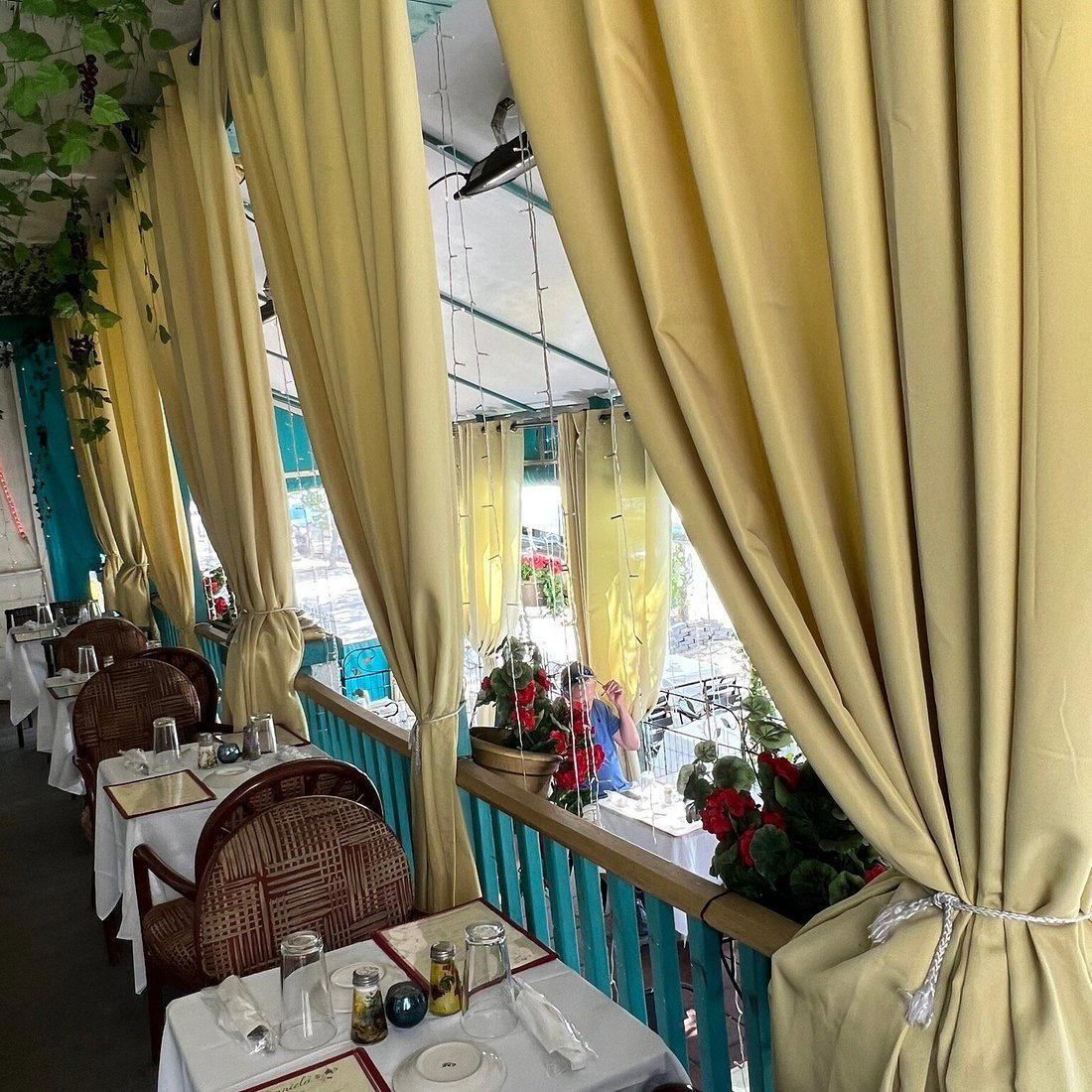
West 36th Street and the Italian Table
Hampden's main commercial corridor, known locally as "The Avenue," has a particular rhythm to it: independent storefronts, a mixed crowd running from long-time residents to design-school graduates, and a dining scene that rewards slower investigation over headline-chasing. Ristorante Daniela sits at 824 W 36th St inside that texture, a neighbourhood Italian address operating in a city whose dining identity is more often framed around seafood counters and crab shacks than the pasta course. That contrast matters. Baltimore does not have a deep bench of mid-to-upper Italian restaurants competing on menu architecture and regional specificity, which means the few that do focus there occupy relatively clear space.
Approaching from the street, the address reads as a controlled, unpretentious room — the kind of Italian restaurant that signals its seriousness through the absence of decorative excess rather than through it. In Italian dining generally, this is often the correct register. The trattorias that have outlasted trends in Rome and Bologna tend to look exactly like this from the outside: modest, confident, not working hard to explain themselves.
How the Menu Is Built, and What That Reveals
Italian menus, at their structural core, are an argument about sequence and balance. The progression from antipasto through primo and secondo is not arbitrary ceremony; it reflects a culinary logic in which starches, proteins, and vegetables each occupy a defined role rather than competing on the same plate. Restaurants that respect this architecture tend to produce a fundamentally different dining experience from those that flatten the menu into a single tier of shareable plates. Ristorante Daniela operates within the traditional Italian sequential format, which in the American mid-Atlantic context is itself a positioning statement.
The significance of that choice becomes clearer when you map it against what Baltimore's Italian dining scene more typically offers. Much of the city's Italian-inflected dining sits either at the red-sauce neighborhood-staple end or at the modern small-plates end, where the Italian-ness is a flavour profile rather than a structural commitment. An address that holds the line on the traditional course architecture, while operating in Hampden's informal register, is working an interesting middle position: accessible without being casual, traditional without being stiff.
For readers comparing Baltimore's Italian options to what they might encounter at a place like 8 1/2 Otto e Mezzo Bombana (Hong Kong) in Hong Kong or the tasting-format precision of Alinea in Chicago, the context is deliberately different. Daniela is not a destination tasting-menu restaurant in the way that The French Laundry in Napa or Single Thread Farm in Healdsburg are. It is closer in spirit to what Blue Hill at Stone Barns in Tarrytown does for American farm-table dining — a restaurant that earns its place by doing one thing with conviction rather than chasing breadth.
Baltimore's Italian Dining in Context
Baltimore has a historically Italian-American neighbourhood in Little Italy, southeast of the Inner Harbor, and much of the city's understanding of Italian dining has been shaped by that tradition: long-established family restaurants, familiar red-sauce repertoires, and an emphasis on portion scale over refinement. That tradition has value, but it has also meant that Italian restaurants working outside that grammar have sometimes struggled to find their footing in the local conversation.
Hampden offers a different context entirely. It is a neighbourhood that, since the early 2000s, has attracted a dining scene with more international range, dede (Turkish), which holds a place at the serious end of Baltimore's Turkish dining, operates in this same general zone, and Angeli's Pizzeria addresses the casual Italian segment nearby. The presence of these addresses confirms that Hampden diners are comfortable with both specificity and variety. Within that context, a restaurant building a more structured Italian menu has a more receptive audience than it might find elsewhere in the city.
Baltimore's broader serious dining tier, represented by addresses like Cindy Wolf's Charleston at the upper end of the local fine-dining register, and 16 On The Park and Akbar in their respective categories, reflects a city that has developed genuine dining range without always receiving the national coverage that accompanies comparable programs in Washington or Philadelphia. For a fuller picture of where Daniela sits within the city's broader options, our full Baltimore restaurants guide maps the scene by neighbourhood and category.
Regional Italian and the American Mid-Atlantic
One useful frame for understanding where Italian restaurants in American cities either succeed or lose clarity is the question of regional specificity. Generic Italian-American cooking, a synthesis that developed over generations of immigration and adaptation, is not the same thing as cooking rooted in a specific Italian region: the butter-and-sage register of Lombardy, the seafood-forward traditions of Sicily, the slow-braised economy of Calabria. Restaurants that commit to a regional identity tend to produce more coherent menus, because the constraints of a regional tradition force genuine choices rather than the crowd-pleasing accumulation of familiar dishes.
The American Northeast and mid-Atlantic have seen a wave of Italian restaurants making exactly this shift over the past decade, influenced partly by the success of New York addresses that built reputations on Northern Italian specificity and partly by a broader move in American dining toward sourcing transparency and culinary precision. The same forces that shaped programs at Le Bernardin in New York City (in the sense of an insistence on French regional discipline applied to seafood) and at Providence in Los Angeles (seasonal ingredient commitment) have influenced how Italian restaurants at the more serious end of the American market now think about their menus. Whether Ristorante Daniela operates in this regionalised mode or maintains a broader Italian-American synthesis is the kind of detail that shapes how a visit should be planned and what the diner should expect from the sequenced menu.
Planning a Visit
Ristorante Daniela is located at 824 W 36th St in Hampden, accessible by car from central Baltimore in under fifteen minutes under normal traffic conditions. Street parking on The Avenue and surrounding blocks is available but competitive on weekend evenings, when Hampden's dining strip is at its most active. Diners coming from outside the city might reasonably combine a visit with other Hampden stops or with addresses elsewhere in the north Baltimore corridor. For reservation and contact details, checking directly through local search or the restaurant's own channels is the practical approach, as booking policies and hours for neighbourhood Italian restaurants in this tier can shift seasonally. Dress expectations in Hampden tend toward relaxed; this is not a room that requires formality, though the dining format rewards the kind of attention you would bring to a meal you are meant to pace properly.
For context on how this address compares to destination-tier Italian and American fine dining further afield, including Atomix in New York City, Addison in San Diego, Emeril's in New Orleans, Lazy Bear in San Francisco, and The Inn at Little Washington in Washington, the difference is one of scale and ambition rather than conviction. Daniela is a neighbourhood restaurant that takes its format seriously, which in this city and in this category is a meaningful credential.
Continue exploring
More in Baltimore
Restaurants in Baltimore
Browse all →
Bars in Baltimore
Browse all →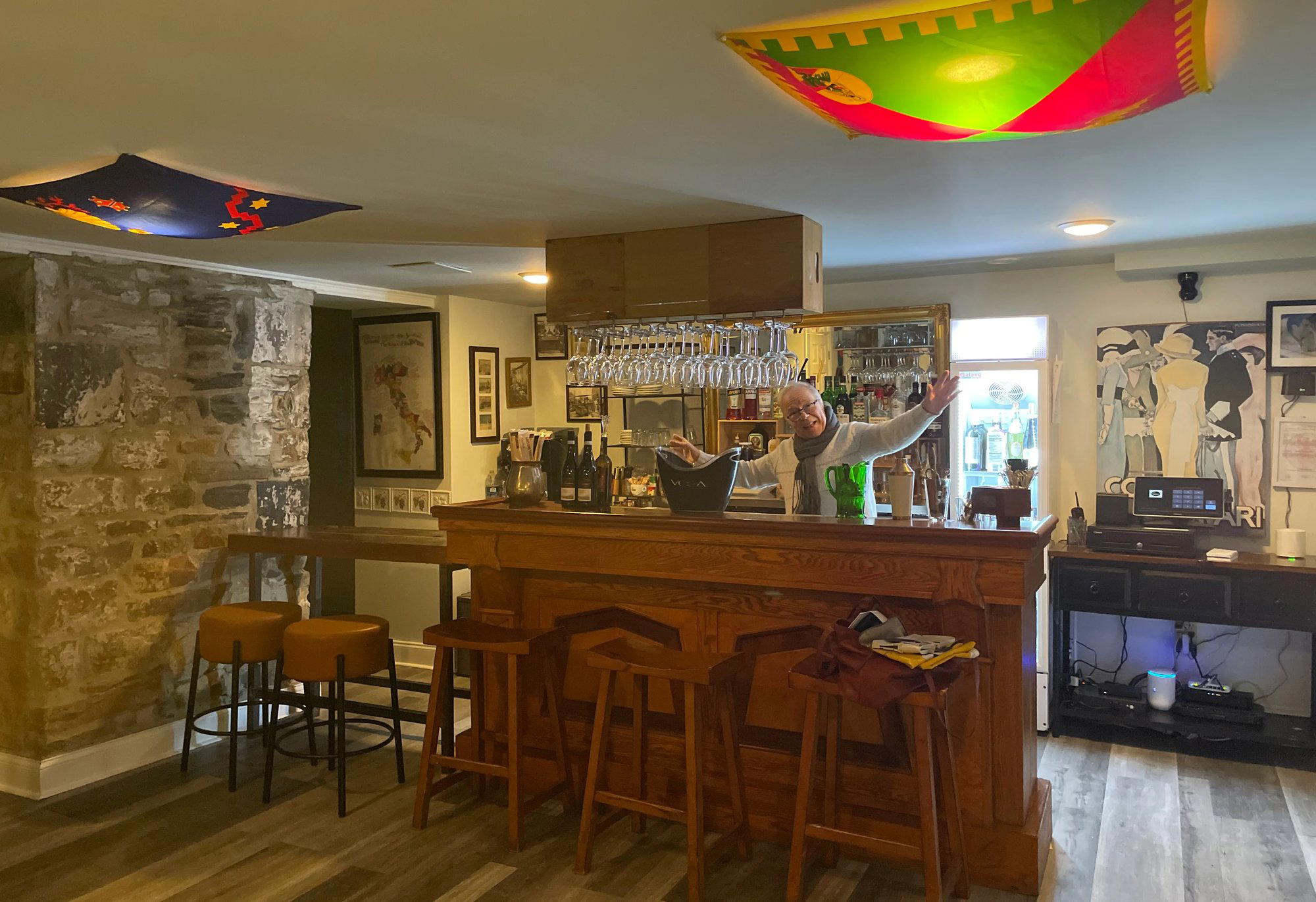

At a Glance
- Cozy
- Intimate
- Classic
- Date Night
- Special Occasion
- Private Dining
Current opening hours
- Monday
- Closed
- Tuesday
- 11 AM–9 PM
- Wednesday
- 11 AM–9 PM
- Thursday
- 11 AM–9 PM
- Friday
- 11 AM–10 PM
- Saturday
- 11 AM–10 PM
- Sunday
- 11 AM–9 PM
Hours can change for holidays and private events. Last verified .
Cozy farmhouse-style interior with subtle lighting, comfortably sized tables, and a homey atmosphere like dining in an Italian relative's home.
Know Before You Go
- Getting there
- 824 W 36th St, Baltimore, MD 21211