Ristorante Amadeus
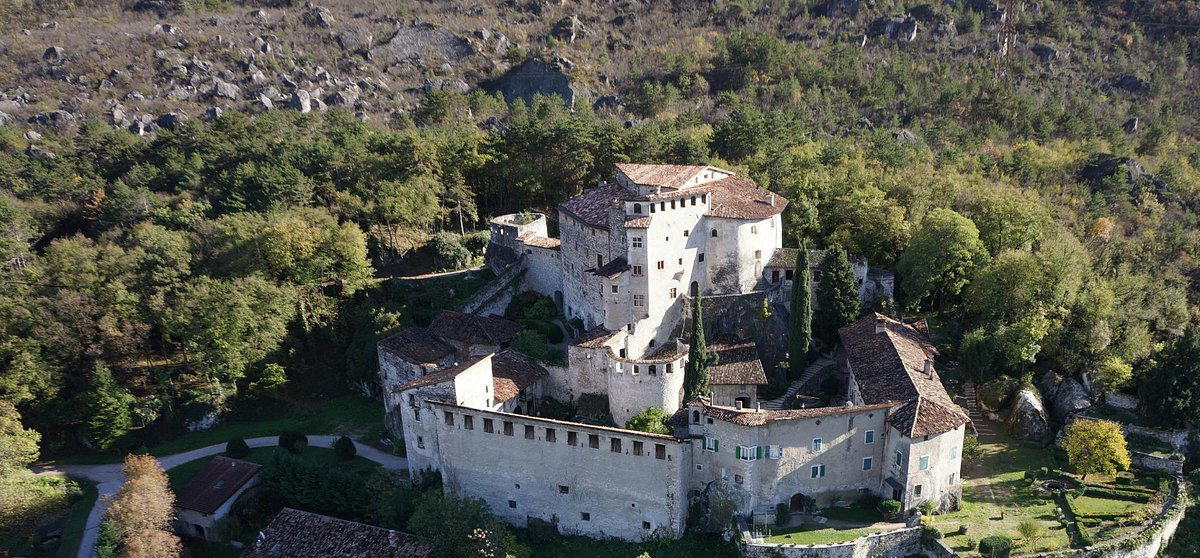
Ristorante Amadeus sits on the edge of Cortina d'Ampezzo at Località Verocai, placing it within the quieter residential arc of the Dolomites resort town rather than the central corso. The setting frames it as a counterpoint to the high-traffic dining options on the main strip, with alpine surroundings that shape the dining context before a dish arrives. Confirm details directly with the venue before visiting.
Pearl is the En Primeur Club membership app — saves, bookings, and concierge access live there. Same editors, same standards.
- Address
- Località Verocai, 73, 32043 Cortina d'Ampezzo BL, Italy
- Phone
- +39436867541
- Website
- ristoranteamadeuscortina.it
- Directions
- Get directions
 Saves & bookings on Pearl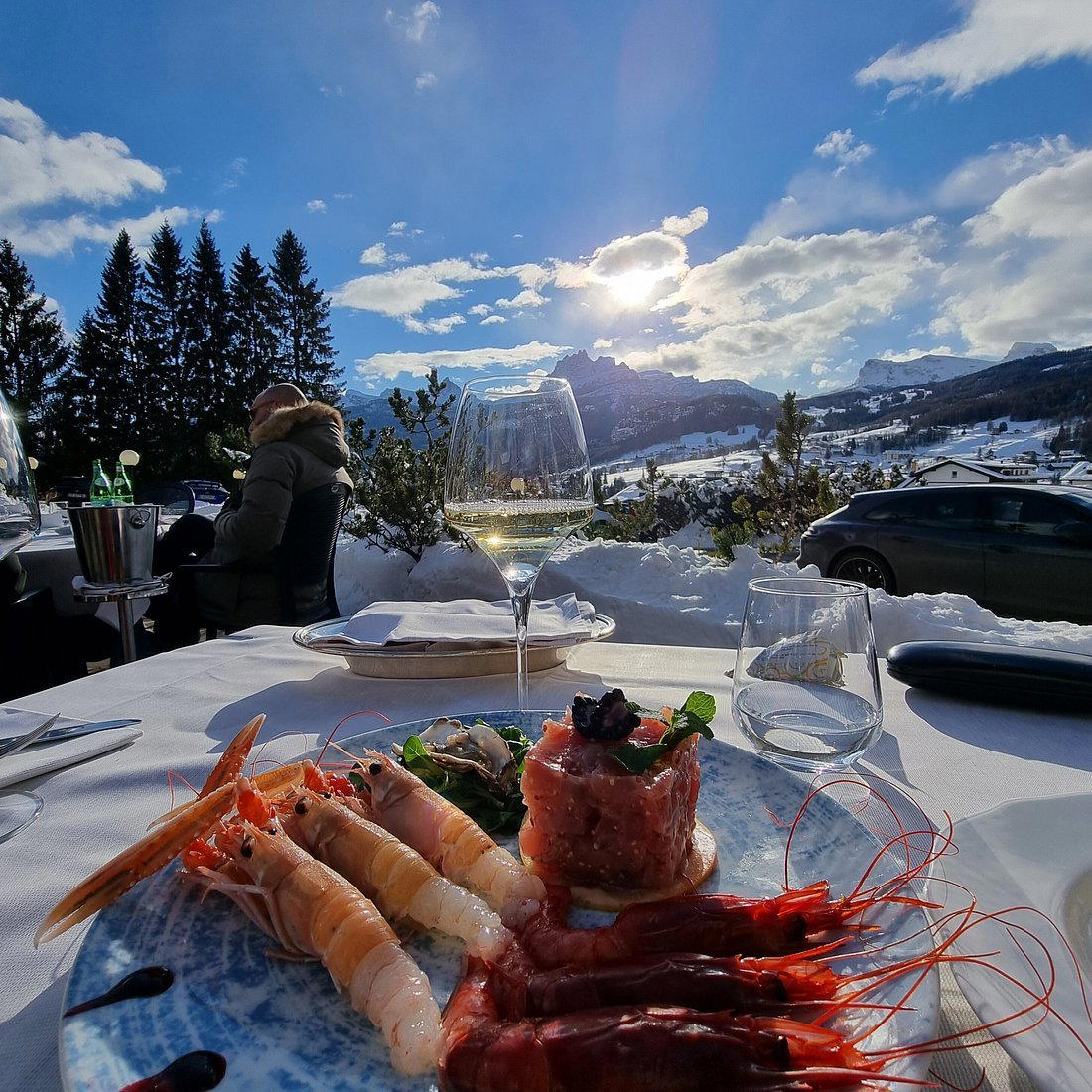
Where the Dolomites Set the Table
Ristorante Amadeus is a restaurant in Cortina d'Ampezzo serving Traditional Venetian Seafood. Cortina d'Ampezzo has long occupied an unusual position in Italian dining: a mountain resort town where the cooking traditions of Veneto and South Tyrol converge, and where the tourist trade presses against a genuine local food culture that predates the ski industry. The restaurants that endure here are rarely the loudest ones. They tend to draw identity from the landscape rather than from trend cycles, and they position themselves against a local comparable set that includes everything from €€ country kitchens like Al Camin and Baita Fraina to the contemporary end of the spectrum represented by SanBrite and Tivoli.
Ristorante Amadeus at Località Verocai, 73 sits outside the central corso, in a quieter residential arc of the town. That address alone positions it differently from the restaurant strip that runs through the historic centre. In Cortina, the restaurants that pull away from the pedestrian zone typically do so for one of two reasons: they are attached to a hotel property drawing captive guests, or they are confident enough in their reputation to ask diners to seek them out.
The Cultural Roots of Alpine Italian Cooking
The culinary tradition that Cortina d'Ampezzo sits within is shaped by both Venetian and Alpine influences. The Dolomites were part of the Habsburg Empire until 1919, and the cooking of the area carries that inheritance visibly: canederli (bread dumplings) served in broth, cured speck, polenta cuts, and game preparations that would be equally at home in Bolzano or Innsbruck as in Venice. Restaurants in the area operate on a spectrum between those that foreground this Germanic-Alpine inheritance and those that frame the same ingredients through a more explicitly Italian lens.
At the higher end of Italian mountain dining, this negotiation produces some of the country's most interesting cooking. Atelier Moessmer Norbert Niederkofler in Brunico represents one pole: a rigorous, ingredient-led approach to the alpine pantry that has earned sustained critical attention. Cortina's own scene is less concentrated at the leading, but the town's dining options span a wide enough range that visitors can find both traditional and contemporary interpretations of the same regional tradition within a few minutes of each other. Alajmo Cortina brings a family name associated with Le Calandre in Rubano to the mountain setting, while the broader Italian fine dining circuit, anchored by houses like Osteria Francescana in Modena, Dal Pescatore in Runate, and Enoteca Pinchiorri in Florence, provides the wider context against which Cortina's restaurants define their own ambitions.
Reading Amadeus in Its Local Context
Placing Ristorante Amadeus within Cortina's dining structure requires a look at its location. The Verocai address positions the restaurant on the southern edge of town, away from the concentrated dining competition of the central streets. In a resort town, this can mean one of several things: a quieter, more local clientele; a property that relies on word of mouth across return visitors; or an association with accommodation that provides a built-in audience.
What is clear is that Cortina's dining market has become increasingly differentiated over the past decade. The arrival of internationally recognised names and the renovation of several legacy properties have pushed the ceiling of the local scene upward, which in turn sharpens the positioning question for mid-range and unlabelled restaurants. Against properties like SanBrite, which operates at the €€€€ tier with a modern Italian and alpine identity, a restaurant at the €€€ price tier is asking diners to make a decision based on location, atmosphere, or personal recommendation.
Italy's broader fine dining circuit rewards patience with that kind of restaurant. Some of the country's most satisfying meals happen outside the credentialled tier. Piazza Duomo in Alba, Uliassi in Senigallia, and Reale in Castel di Sangro have all demonstrated that durable reputations in Italian cooking often build slowly and outside the major urban circuits. The same logic applies, on a smaller scale, to mountain resort restaurants that develop loyal followings among returning seasonal visitors.
Planning a Visit
Cortina d'Ampezzo operates on two distinct seasonal rhythms: a winter peak centred on the ski season, which runs roughly from December through late March, and a summer peak tied to hiking and the broader Dolomites tourism that intensifies from July through August. Restaurants in the town calibrate their opening periods accordingly, and several operate on reduced schedules or close entirely in the shoulder months of May and November.
Within Cortina, the Verocai locality is reachable on foot from the central corso in approximately fifteen to twenty minutes, or by the local bus network. Visitors exploring the full dining range of the town will find the Cortina d'Ampezzo restaurants guide a useful reference for mapping the tiers and traditions across the scene, from country cooking at Al Camin to the contemporary formats at Tivoli. For Italian fine dining beyond the Veneto, Enrico Bartolini in Milan and Quattro Passi in Marina del Cantone represent the range of contexts in which serious Italian cooking operates at the national level; for international reference points, Le Bernardin in New York City and Atomix in New York City show how cuisine rooted in specific cultural traditions translates at the summit of the global market.
Price Lens
Comparable venues nearby, for context on price, style, and recognition.
| Venue | Price | Awards | Notes |
|---|---|---|---|
| Ristorante AmadeusThis venue — the venue you are viewing | $$$ | Not listed | Not listed |
| El Brite de Larieto | $$$ | Michelin Plate | Cortina d'Ampezzo, Traditional Dolomites Alpine Italian |
| Chalet Tofane | $$$ | Not listed | Lacedel, Traditional Italian Pizza & Ampezzo Cuisine |
| Alajmo Cortina | $$$$ | Michelin Plate | Localita Ronco, Modern Italian Mountain Cuisine |
| Baita Fraina | $$$ | Michelin Plate | Fraina, Regional Italian Mountain Cuisine |
| Pontejel | $$ | Not listed | Centro Cortina, Tyrolean & Veneto Alpine Cuisine |
Continue exploring
More in Cortina d'Ampezzo
Restaurants in Cortina d'Ampezzo
Browse all →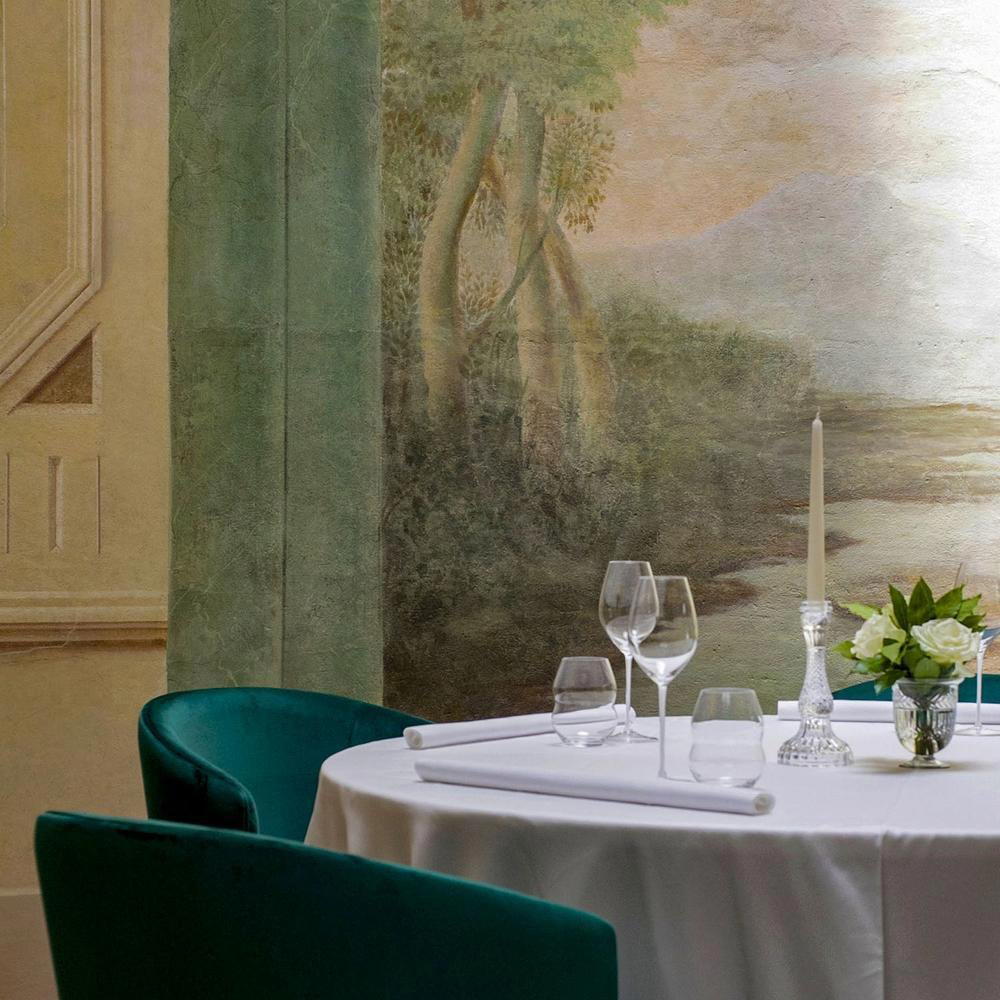
Bars in Cortina d'Ampezzo
Browse all →
Hotels in Cortina d'Ampezzo
Browse all →
Wineries in Cortina d'Ampezzo
Browse all →
At a Glance
- Romantic
- Elegant
- Cozy
- Sophisticated
- Date Night
- Special Occasion
- Historic Building
- Extensive Wine List
- Mountain
Current opening hours
- Monday
- 12:30–2:30 PM, 7–9:30 PM
- Tuesday
- 12:30–2:30 PM, 7–9:30 PM
- Wednesday
- 12:30–2:30 PM, 7–9:30 PM
- Thursday
- 12:30–2:30 PM, 7–9:30 PM
- Friday
- 12:30–2:30 PM, 7–9:30 PM
- Saturday
- 12:30–2:30 PM, 7–9:30 PM
- Sunday
- 12:30–2:30 PM, 7–9:30 PM
Hours can change for holidays and private events. Last verified .
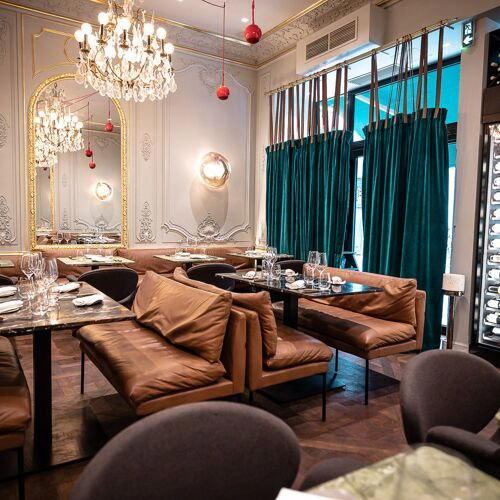
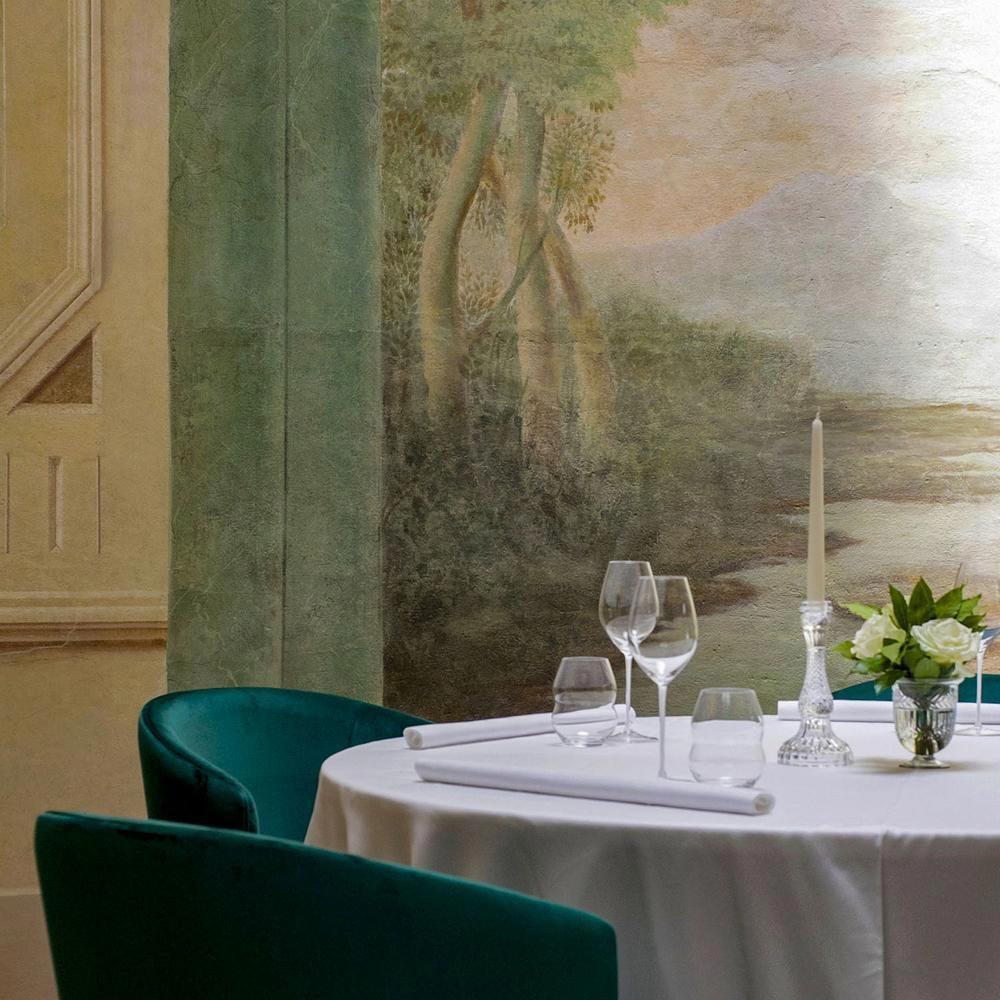
Sophisticated mountain atmosphere with pine wood paneling, antique furniture, and valley views, ideal for candlelit dinners.