Pontejel
Pontejel sits at the heart of Cortina d'Ampezzo's dining scene, where the Dolomites shape not just the backdrop but the pantry. Set on Largo delle Poste, the address places it within walking distance of the town's alpine social core. For visitors mapping Cortina's range of tables, from rustic malga cooking to contemporary mountain cuisine, Pontejel belongs on the shortlist worth investigating before arrival.
Pearl is the En Primeur Club membership app — saves, bookings, and concierge access live there. Same editors, same standards.
- Address
- Largo delle Poste, 11, 32043 Cortina d'Ampezzo BL, Italy
- Phone
- +39394362525
- Website
- pontejelbierstube.it
- Directions
- Get directions
 Saves & bookings on Pearl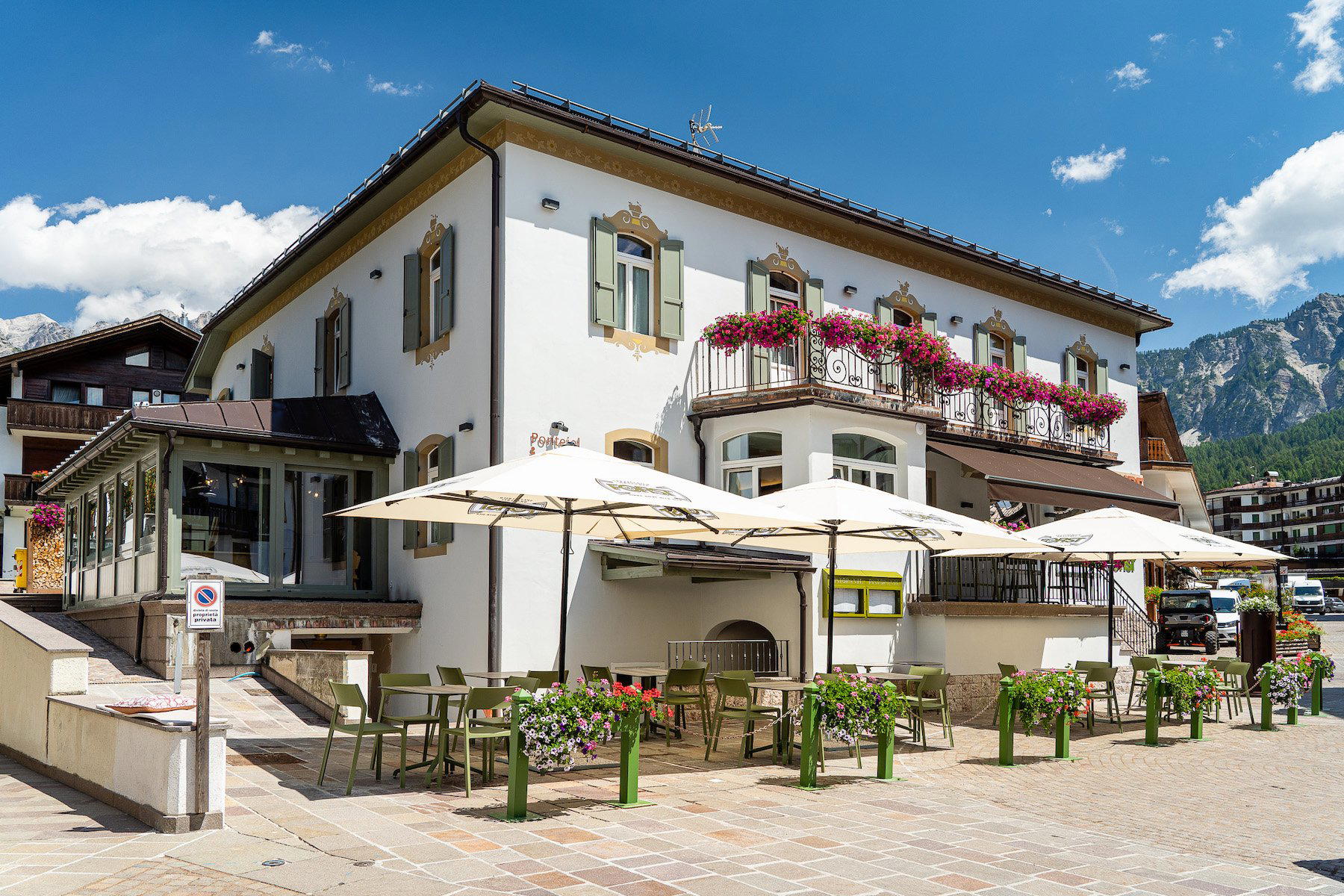
Where the Dolomites Set the Table
Cortina d'Ampezzo has a particular relationship with its ingredients that most ski resorts can only approximate. At altitude in the Veneto's Dolomite range, the surrounding valleys, pastures, and forests have long fed the town's tables with cured meats from mountain-raised pigs, dairy from grazing herds, mushrooms from the forests that edge the pistes, and game shaped by the hunting calendar. Pontejel, at Largo delle Poste 11, sits inside that tradition, occupying a central address that places it at the social and geographic core of Cortina itself.
The setting matters to understanding what a Cortina table can mean. Largo delle Poste is a central address, placing Pontejel in the pedestrian flow of one of Italy's most self-conscious alpine resorts. In winter, that foot traffic is international and informed. The dining expectations it brings have shaped every credible kitchen in the centre, pushing them toward a standard that sits between honest mountain fare and a more polished product.
The Ingredient Logic of Alpine Cortina
In the broader context of Italian alta cucina, the Dolomite approach to sourcing has attracted serious attention over the past decade. Norbert Niederkofler's work at Atelier Moessmer in Brunico codified a philosophy of strict mountain-sourced cooking that has influenced kitchens well beyond South Tyrol, and that influence reaches Belluno province, where Cortina sits. The premise is that altitude and seasonality impose a discipline that the leading chefs treat as creative constraint rather than limitation. What grows here, what grazes here, and what the season permits becomes the framework for the menu rather than a footnote on the sourcing statement.
This is the lens through which Pontejel's position becomes most legible. Cortina's dining spectrum currently runs from direct country cooking, represented by places like Al Camin and Baita Fraina, through mid-tier alpine restaurants, up to the more technically ambitious rooms such as SanBrite, Tivoli, and Alajmo Cortina. Each tier makes a different argument about what alpine ingredients are worth and how they should be handled. The town is small enough that positioning within this spectrum is immediately felt by anyone eating their way through more than two or three meals in a stay.
A Town That Takes Its Tables Seriously
Cortina's dining culture carries some weight that its compact size might not suggest. The resort's clientele has long included Italian industrialists, northern European skiing families with multi-generational Dolomite habits, and an international set whose frame of reference runs from Osteria Francescana in Modena to Le Bernardin in New York. That audience knows what a properly aged cheese should taste like, what a correctly braised venison should yield, and when a kitchen is treating its produce with the seriousness the produce deserves. It is a demanding room in the way that resort towns with serious money always become demanding rooms.
That context defines what it means to hold a central address in Cortina. The competition is not simply other restaurants in the valley; it is the accumulated experience of a clientele that has eaten at Le Calandre, Piazza Duomo in Alba, and Dal Pescatore in Runate, and carries those reference points into every Cortina meal. Kitchens that hold their own in this environment tend to do so through precision on the plate and clear thinking about where their ingredients originate.
Cortina in Context: The Wider Italian Table
Italy's upper-tier restaurant geography has always been dispersed rather than concentrated in one metropolitan centre, which is part of what makes the alpine north an interesting data point. While the headline addresses, from Enrico Bartolini in Milan and Enoteca Pinchiorri in Florence to Uliassi in Senigallia, Quattro Passi in Marina del Cantone, and Reale in Castel di Sangro, are distributed across the peninsula, the mountain north represents a distinct culinary register that those coastal and urban addresses do not replicate. The Dolomite kitchen operates within parameters of altitude, seasonality, and isolation that produce a different set of flavours and techniques.
That distinctiveness is the commercial and editorial argument for Cortina as a dining destination rather than simply a skiing one. Visitors who arrive in late December or early March, when the resort is at its most animated, are also arriving at a moment when the local ingredient calendar is at its most defined: winter game, aged alpine dairy, preserved summer vegetables, and the dried and cured traditions that Belluno's food culture has refined over generations.
Planning a Visit to Pontejel
Pontejel's address on Largo delle Poste makes it accessible on foot from most of Cortina's central accommodation, which is practical in a town where driving and parking during high season require patience. The central position also means it sits within the natural circuit of an evening in Cortina, where aperitivo, dinner, and a post-dinner walk through the corso form the social rhythm of the resort. Visitors planning around the busiest weeks, the Christmas-New Year window and the February half-term period, should approach bookings well in advance; Cortina's restaurant supply is finite and the demand concentration during those windows is acute.
Side-by-Side Snapshot
Comparable venues nearby, for context on price, style, and recognition.
| Venue | Cuisine | Price | Awards | Notes |
|---|---|---|---|---|
| PontejelThis venue — the venue you are viewing | Tyrolean & Veneto Alpine Cuisine | $$ | Not listed | Not listed |
| Baita Fraina | Regional Italian Mountain Cuisine | $$$ | Michelin Plate | Fraina |
| Chalet Tofane | Traditional Italian Pizza & Ampezzo Cuisine | $$$ | Not listed | Lacedel |
| El Brite de Larieto | Traditional Dolomites Alpine Italian | $$$ | Michelin Plate | Cortina d'Ampezzo |
| Ristorante Amadeus | Traditional Venetian Seafood | $$$ | Not listed | Cortina d'Ampezzo |
| Alajmo Cortina | Modern Italian Mountain Cuisine | $$$$ | Michelin Plate | Localita Ronco |
Continue exploring
More in Cortina d'Ampezzo
Restaurants in Cortina d'Ampezzo
Browse all →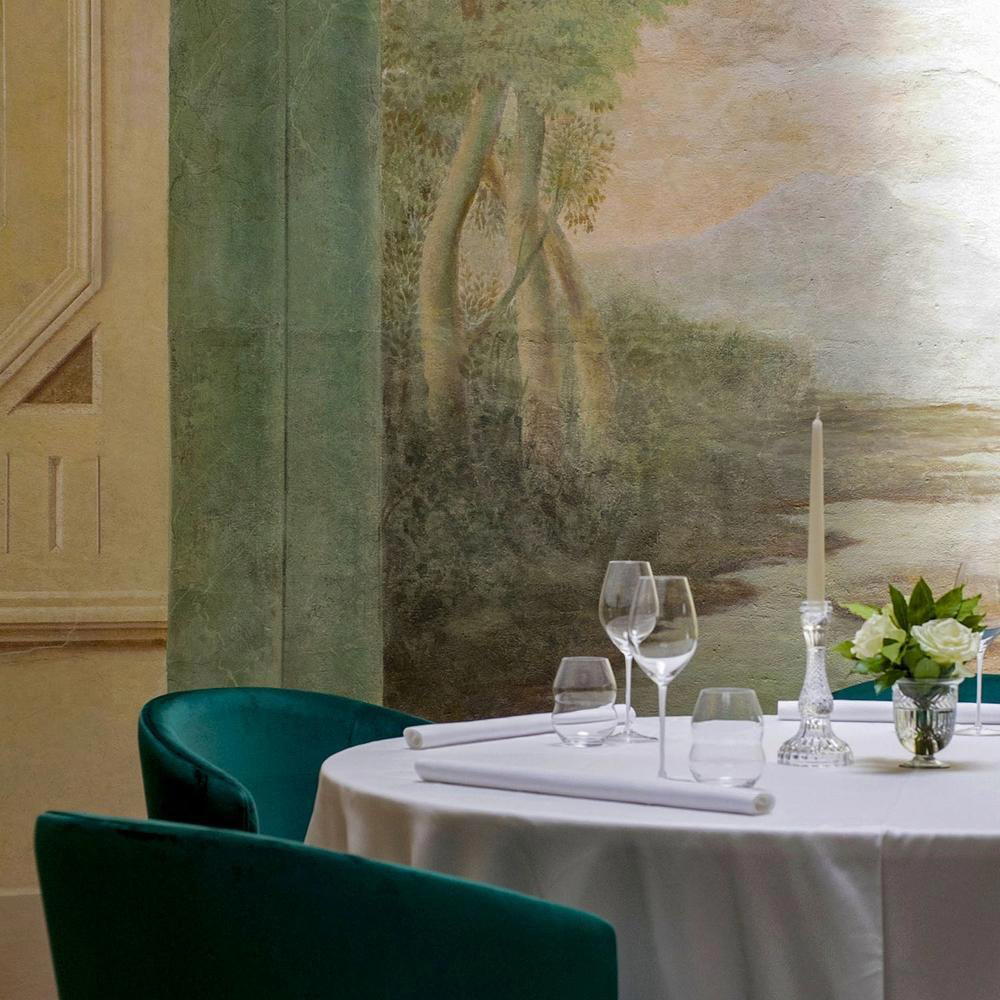
Bars in Cortina d'Ampezzo
Browse all →
Hotels in Cortina d'Ampezzo
Browse all →
Wineries in Cortina d'Ampezzo
Browse all →
At a Glance
- Rustic
- Cozy
- Classic
- Quiet
- Casual Hangout
- Family
- Group Dining
- After Work
- Terrace
- Historic Building
- Standalone
- Beer Program
- Extensive Wine List
- Local Sourcing
Current opening hours
- Monday
- 11 AM–10 PM
- Tuesday
- 11 AM–10 PM
- Wednesday
- Closed
- Thursday
- 11 AM–10 PM
- Friday
- 11 AM–10 PM
- Saturday
- 11 AM–10 PM
- Sunday
- 11 AM–10 PM
Hours can change for holidays and private events. Last verified .
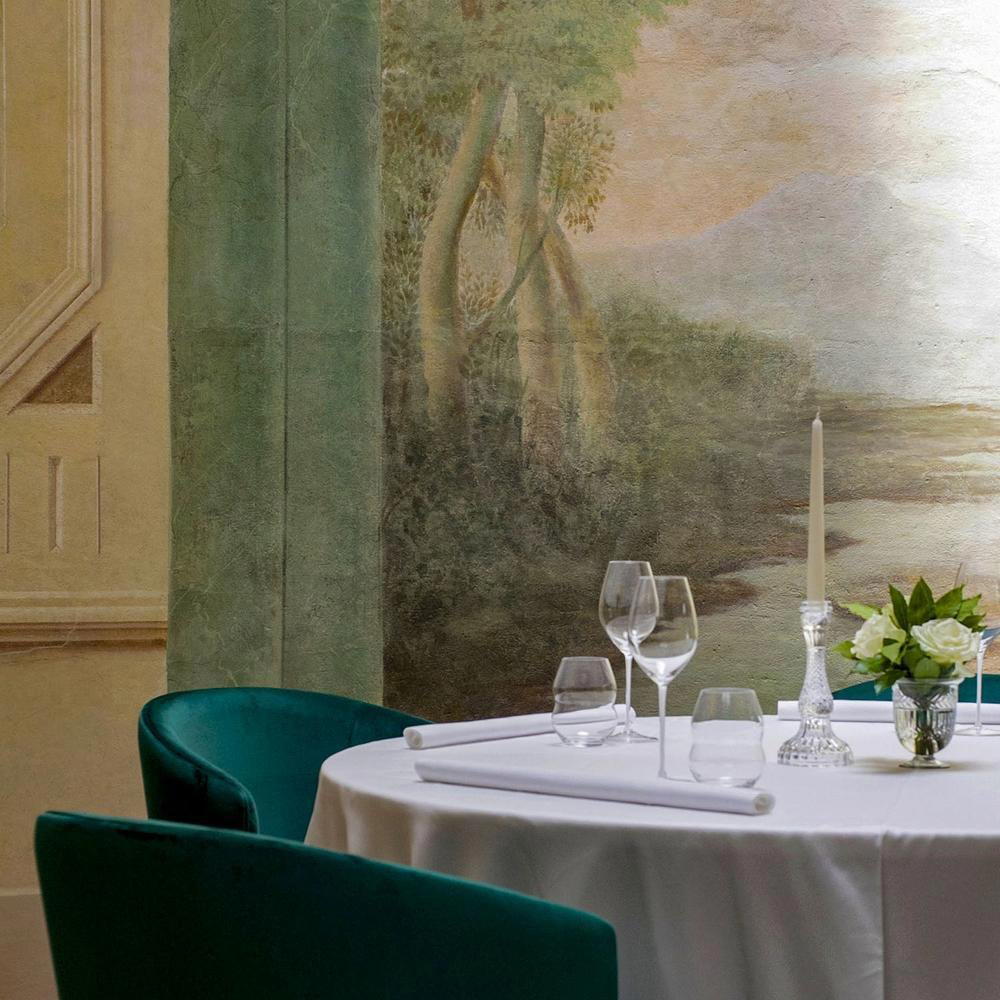
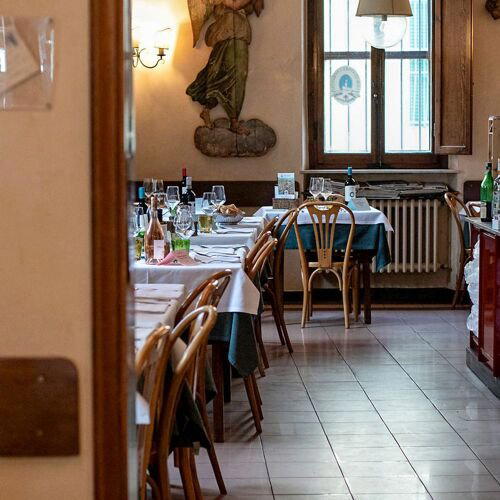
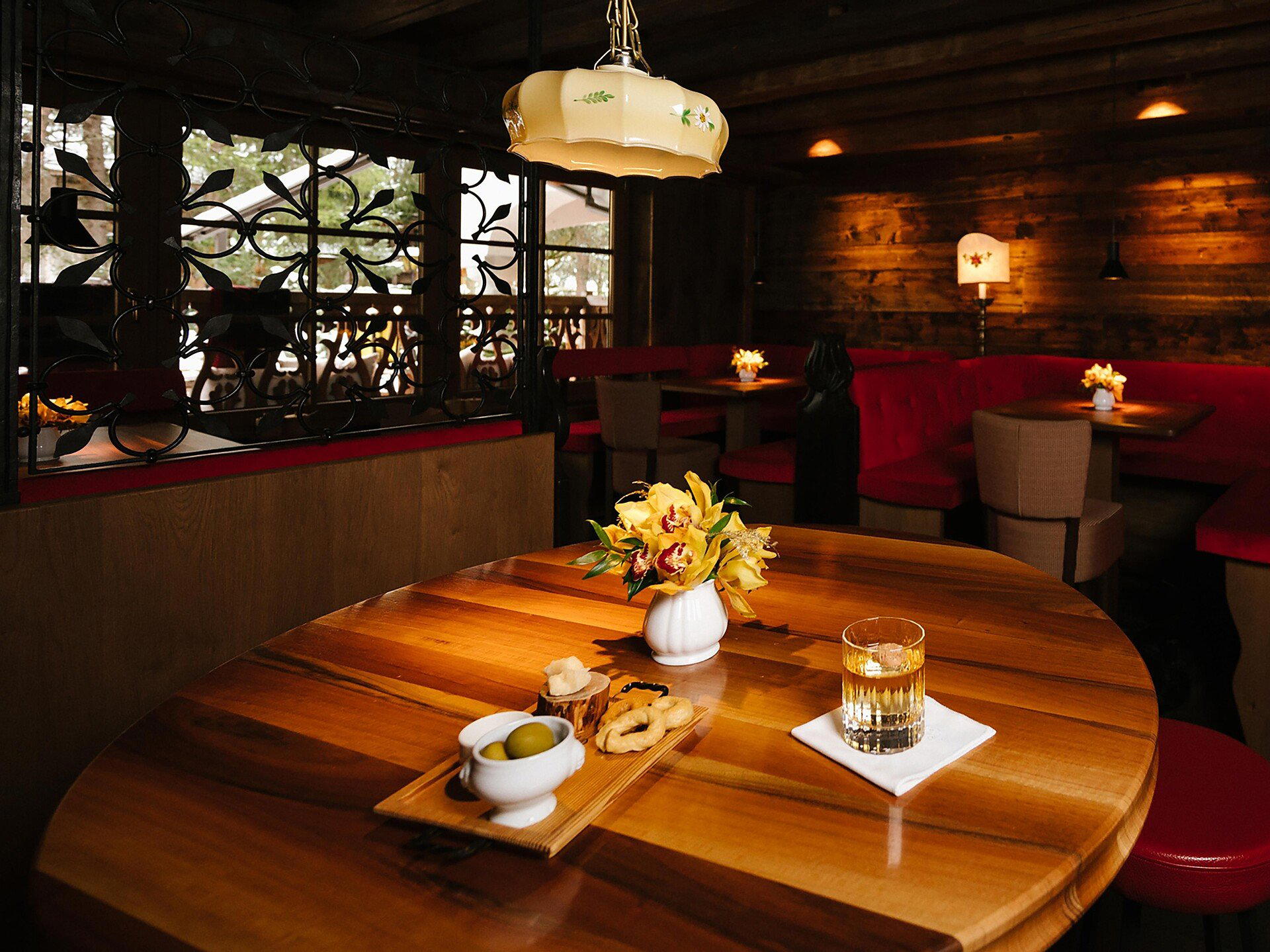
Warm wood-paneled dining rooms with pastel Austro-Hungarian decorations; veranda styled like historic Dolomite railway carriages; outdoor summer seating in adjacent pedestrian square.