Baita Fraina

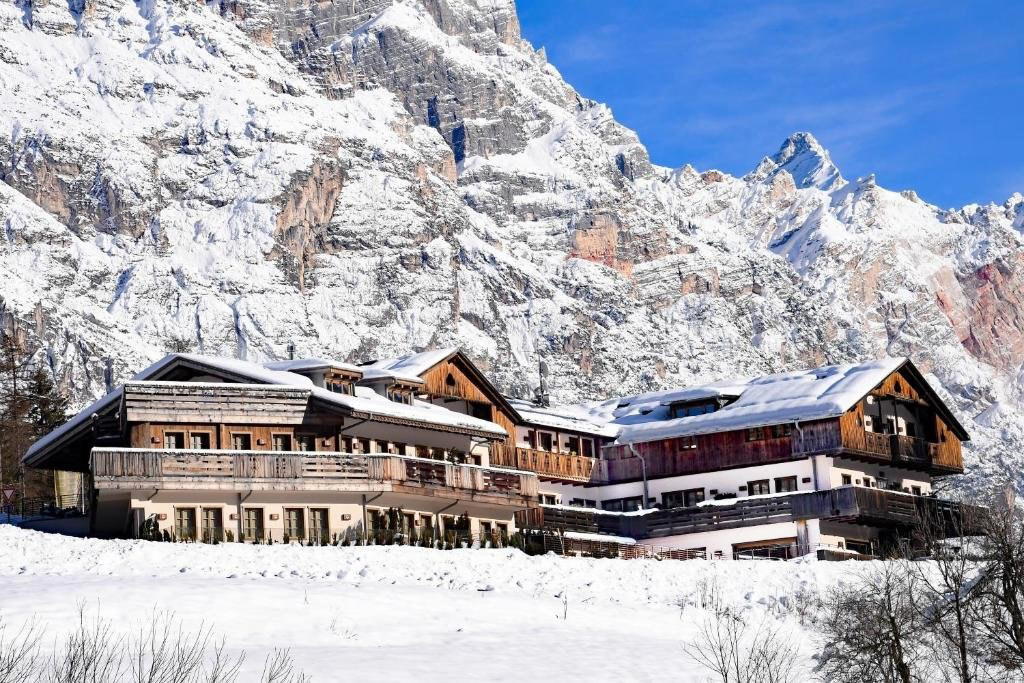
A Michelin Plate-recognised mountain hut sitting in isolation above Cortina d'Ampezzo, Baita Fraina trades the resort's social theatre for regional Dolomite cooking served at the unhurried pace of alpine tradition. Warm Stube-style rooms, a summer terrace, and country dishes rooted in the Veneto highlands make it the counterpoint to Cortina's more polished dining tier.
Pearl is the En Primeur Club membership app — saves, bookings, and concierge access live there. Same editors, same standards.
- Address
- Località Fraina, 1, 32043 Cortina d'Ampezzo BL, Italy
- Phone
- +39 0436 3634
- Website
- baitafraina.it
- Directions
- Get directions
 Saves & bookings on Pearl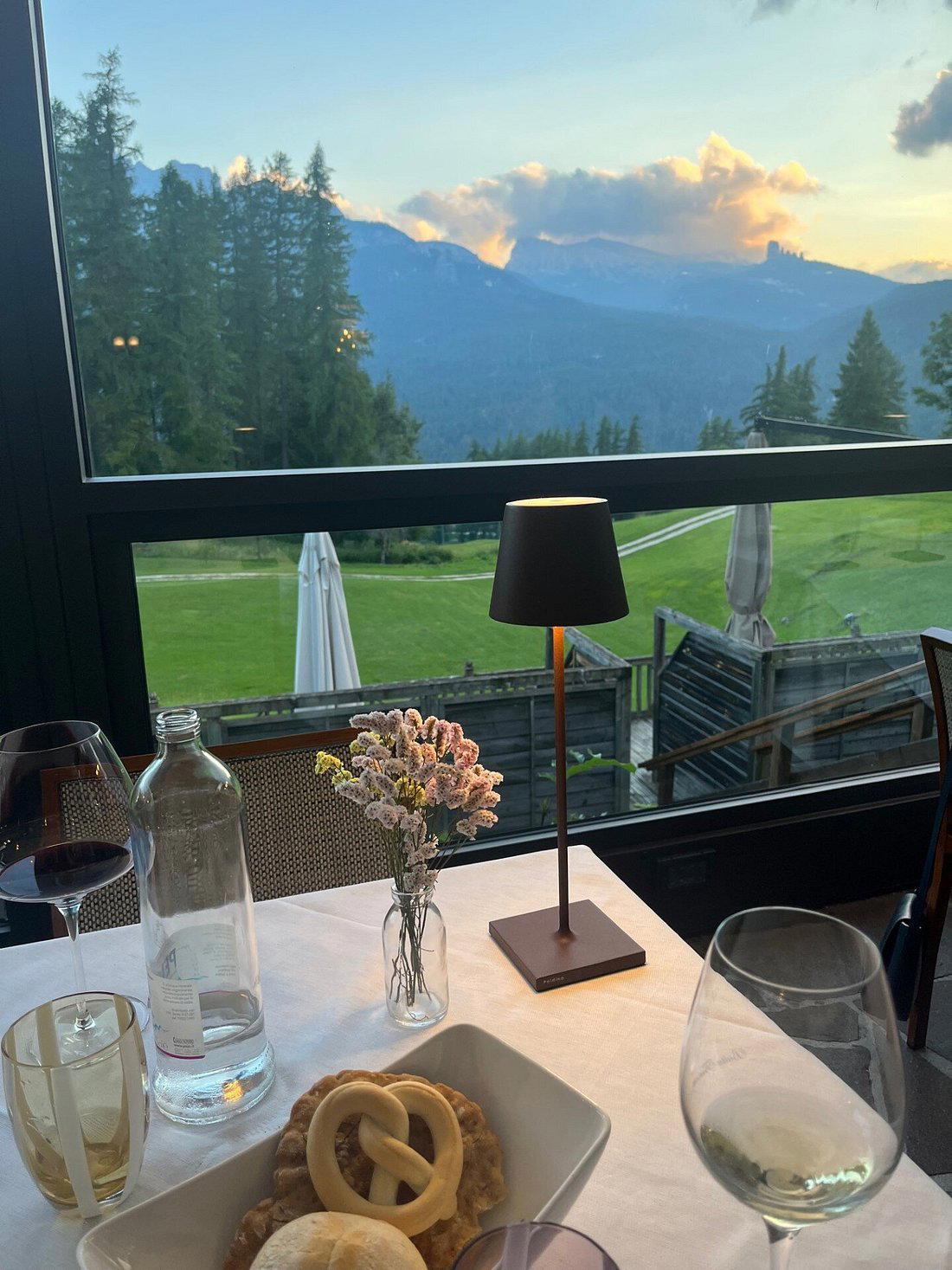
Above the Noise: Mountain Hut Dining in the Dolomites
Baita Fraina is a restaurant in Cortina d'Ampezzo, serving Regional Italian Mountain Cuisine at €€€ pricing. The resort centre of Cortina d'Ampezzo, with its fur-collared pedestrians and aperitivo terraces, gives way to a quieter road as the altitude climbs. What arrives is a baita, the Dolomite term for a mountain hut, sitting in a silence that feels less like absence and more like a deliberate removal from the rhythms of one of Italy's most socially charged winter resorts. That contrast is the point. Cortina's dining scene runs a wide spectrum, and Baita Fraina positions itself at the opposite end of that axis: honest country cooking, rooms that feel lived-in, and a pace governed by the mountains rather than the reservation clock.
The Stube Tradition and What It Means at This Altitude
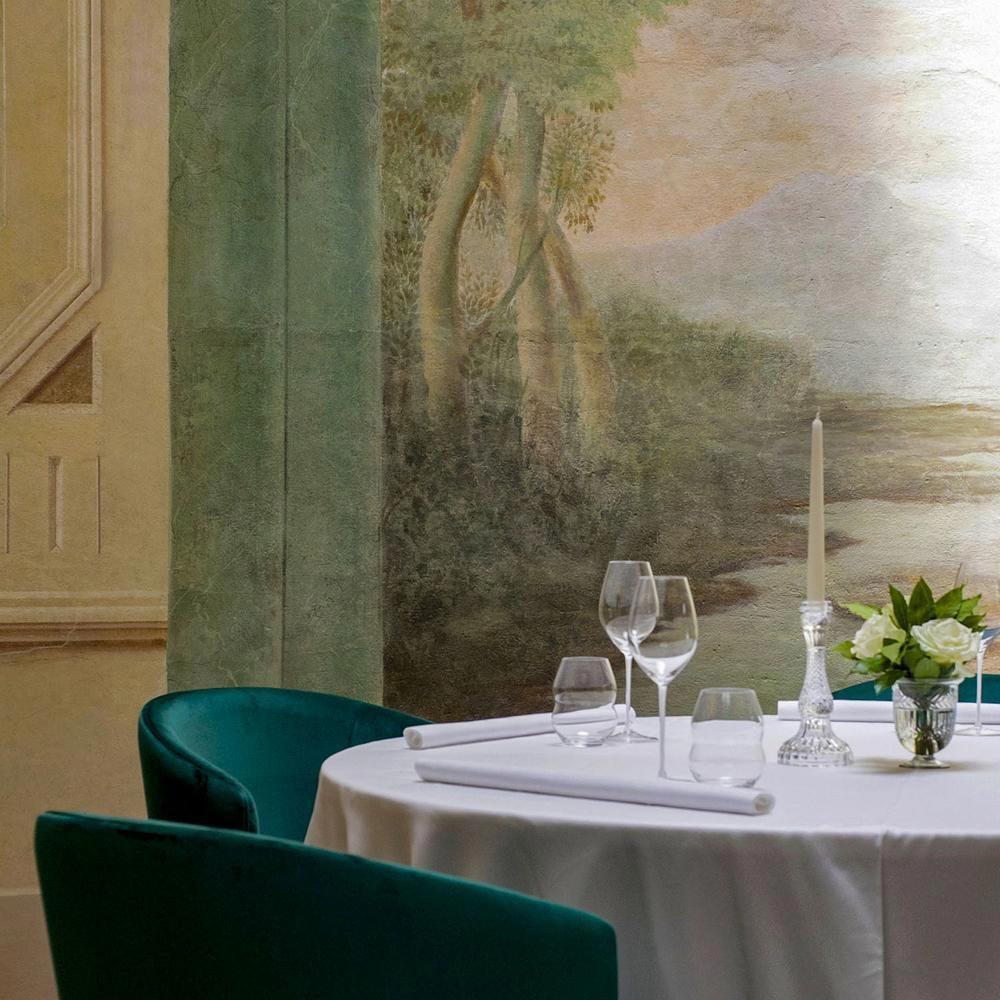
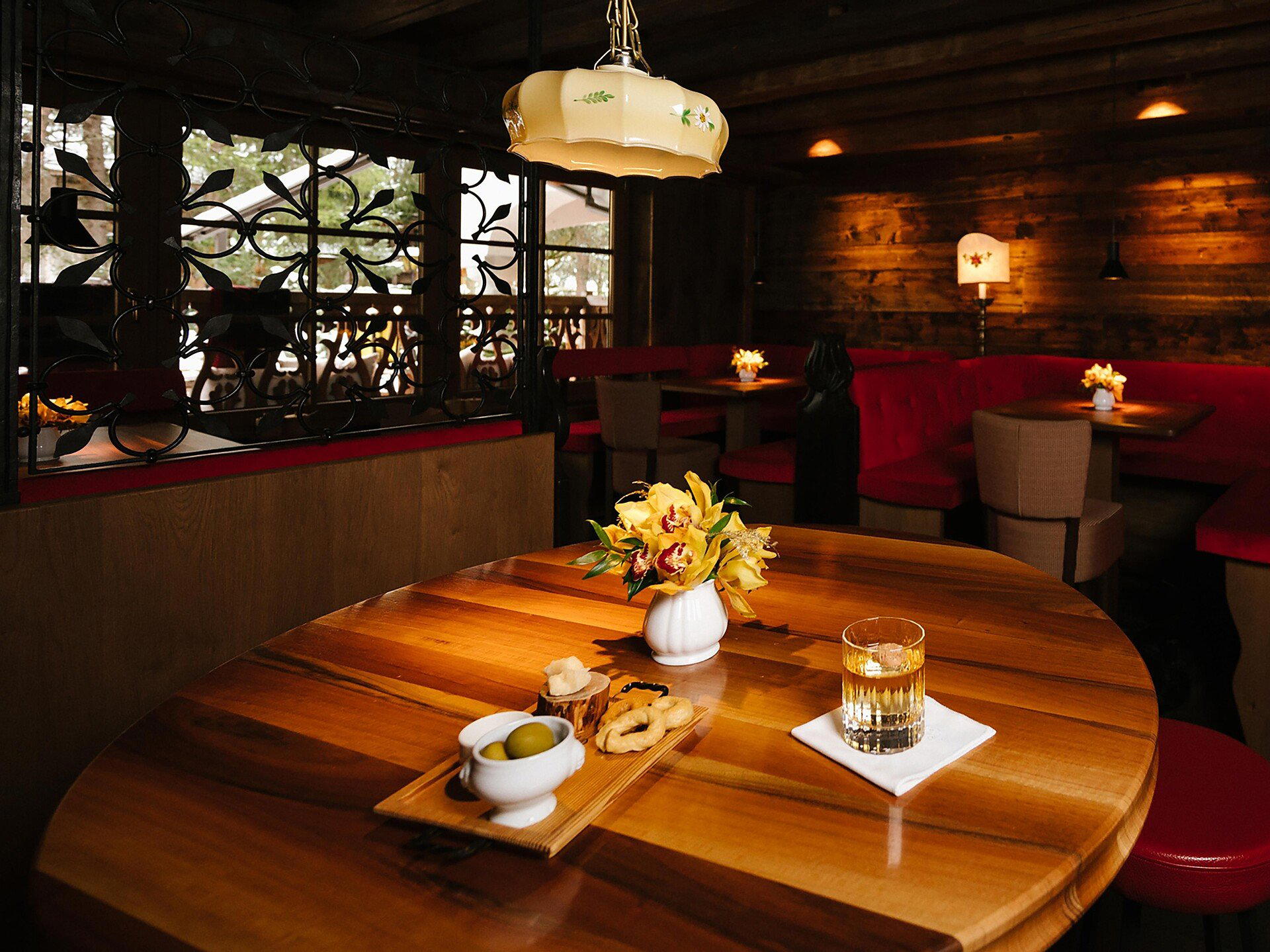
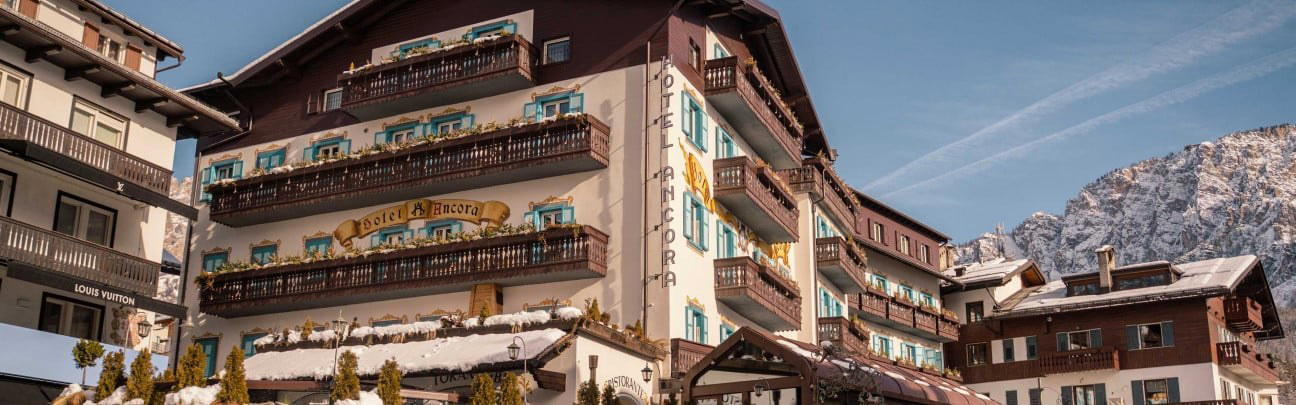
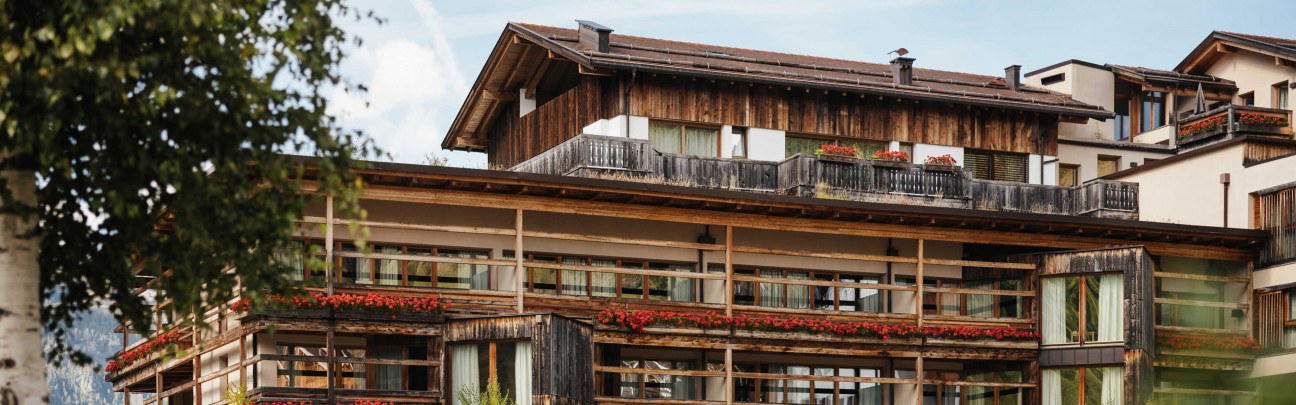
The interior language of Baita Fraina belongs to a specific Alpine typology. The bar rooms draw from the Stube tradition, the small panelled drinking and gathering rooms found across German-speaking Alpine culture and carried south through South Tyrol and into the Veneto highlands. In that tradition, warmth is structural rather than decorative: the room wraps around the diner rather than showcasing itself. Colourfully furnished in warm tones, the rooms at Baita Fraina reflect an understanding that mountain hospitality is about enclosure against the cold outside, not display. Comparable properties operating in this register elsewhere in the Italian Alps, such as Baita Piè Tofana, carry the same logic: the architecture frames the meal as an act of shelter as much as sustenance. In summer, a terrace opens that flips the premise, turning the surrounding landscape into the dining room itself.
The Ritual of Regional Cooking
Country cooking in the Dolomites follows a set of customs that have more to do with season, altitude, and proximity to supply than with culinary fashion. The dishes that define this tradition across the Veneto highlands and South Tyrol, canederli in broth, cured meats from valley farms, polenta with game, aged local cheeses, are not relics. They are the living record of how people at altitude sustained themselves across centuries, and any kitchen working in this mode is in conversation with that record whether it acknowledges it or not. The restaurant's Michelin Plate recognition in both 2024 and 2025 signals that the kitchen is executing within this tradition at a level worth attention: the Plate designation, awarded by Michelin's inspectors, identifies restaurants that prepare food to a good standard without reaching for star territory, which at a mountain hut is exactly the right ambition. Reaching for technical complexity in this format would misread the genre.
The dining ritual here is unhurried. Mountain hut meals in the Alpine tradition are not events structured around progression and ceremony in the way a tasting menu imposes its own timeline. They expand to fill the afternoon or the evening. An order of regional dishes arrives as the surrounding quiet deepens, and the logic of the meal is replenishment rather than performance. This is a meaningfully different mode from the experience at a starred house like Atelier Moessmer Norbert Niederkofler in Brunico, where the pacing and sequence are tightly controlled instruments of the kitchen's argument. At the restaurant, the guest sets the pace. That distinction is not a limitation; it is the format's identity.
Where Baita Fraina Sits in Cortina's Dining Hierarchy
Cortina's restaurant offering is more stratified than its compact geography suggests. At the leading, the starred houses charge prices that put them in the same conversation as urban fine dining in Milan or Rome, venues like Enrico Bartolini or the longer-established Osteria Francescana in Modena set national benchmarks, but Cortina's starred tier competes within a resort premium bracket. Below that, the mid-range country cooking tier, where the restaurant operates at €€€, occupies a different logic. Its peer is not Tivoli or the contemporary ambitions of Alajmo Cortina; it is closer in spirit to Al Camin, the fireside country cooking address that holds steady at €€ and maintains its own loyal following. The restaurant prices a tier above Al Camin, reflecting the isolated location and the residential rooms, but the editorial argument both make is the same: Cortina's dining identity is not exhausted by its starred houses.
Country cooking at altitude elsewhere in northern Italy, at places like 21.9 in Piobesi d'Alba or Andrea Monesi - Locanda di Orta, reinforces the same pattern: regional tradition executed with care and context holds its own as a category even when starred cooking dominates the conversation.
Rooms and Staying On
The restaurant offers accommodation alongside its kitchen, which changes the logic of a visit. Staying on means the meal becomes part of a longer immersion in the isolated setting rather than a destination in itself. The rooms are described as colourfully furnished in warm tones, consistent with the Stube-adjacent interior register of the bar and dining areas. For visitors using Cortina as a base for the wider Dolomites, a night at a mountain hut above the resort operates as a different kind of stay from the hotel options closer to the centre.
Planning a Visit
The restaurant's isolation above Cortina means a car or arranged transfer is the practical approach; arriving on foot works for those already on the trails above town, but the mountain location means planning around weather and daylight, particularly in winter. The €€€ price range places it in the middle tier of Cortina dining, and the Michelin Plate recognition over consecutive years gives a reasonable basis for confidence in the kitchen's consistency. Booking ahead is advisable, particularly in the high winter season from December through February and across the summer peak in July and August, when the terrace adds capacity but demand across Cortina's dining options rises sharply. For anyone building a wider picture of eating and drinking in the area, the resort's broader dining and activity scene extends well beyond the restaurant. Fine dining comparisons outside the region include Le Calandre in Rubano, Dal Pescatore in Runate, and Enoteca Pinchiorri in Florence, though the register at the restaurant is deliberately removed from that kind of ambition.
What It’s Closest To
Comparable venues nearby, for context on price, style, and recognition.
| Venue | Cuisine | Price | Awards | Notes |
|---|---|---|---|---|
| Baita FrainaThis venue — the venue you are viewing | Regional Italian Mountain Cuisine | $$$ | Michelin Plate | Not listed |
| Ristorante de LEN | Modern Northern Italian Dolomite Cuisine | $$$$ | Michelin Plate | Cortina d'Ampezzo |
| El Brite de Larieto | Traditional Dolomites Alpine Italian | $$$ | Michelin Plate | Cortina d'Ampezzo |
| Al Camin | Modern Italian Alpine | $$$ | Michelin Plate | Località Alverà |
| Baita Piè Tofana | Italian | $$$$ | Michelin Plate | Not listed |
| Alajmo Cortina | Modern Italian Mountain Cuisine | $$$$ | Michelin Plate | Localita Ronco |
Recognition history
Dated appearances from independent guides and award organizations, with the underlying list record or original source where available.
Michelin Plate
Michelin
Michelin Plate
Michelin
Michelin Plate
Michelin
Continue exploring
More in Cortina d'Ampezzo
Restaurants in Cortina d'Ampezzo
Browse all →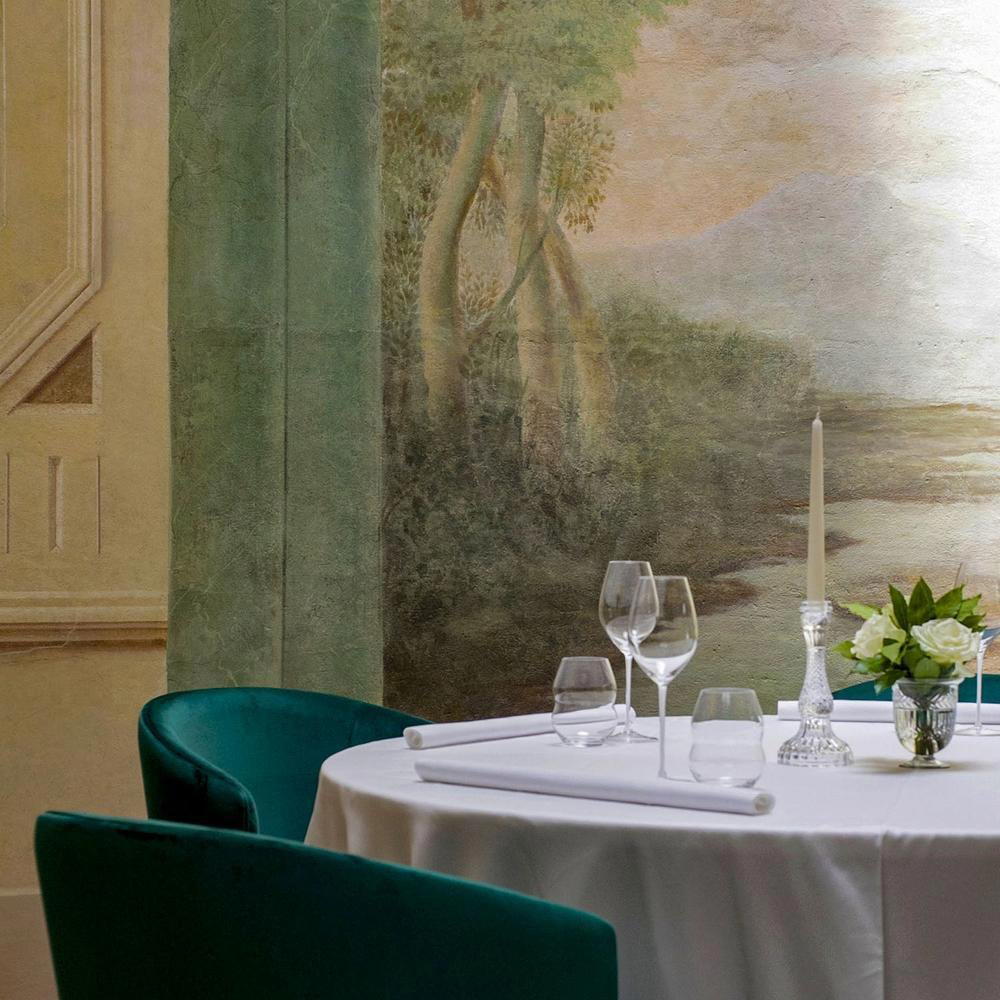
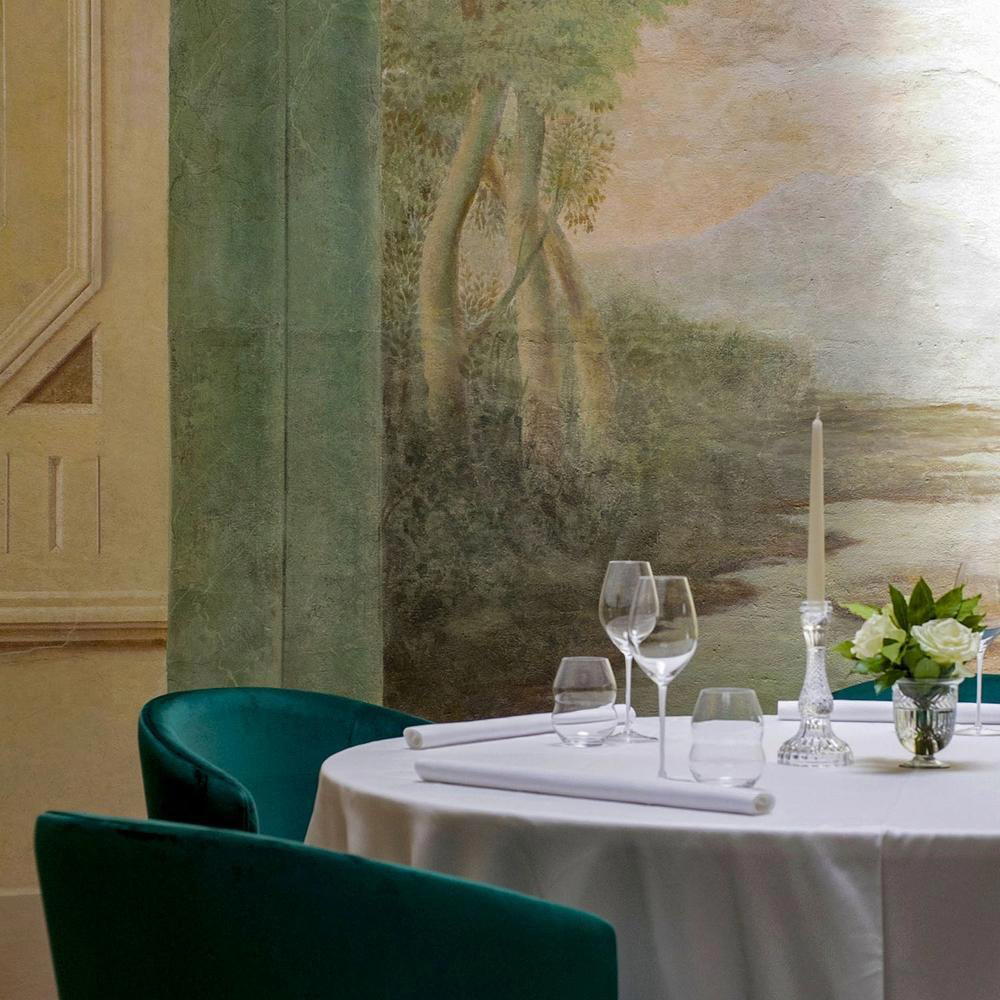
Bars in Cortina d'Ampezzo
Browse all →
At a Glance
- Rustic
- Cozy
- Scenic
- Elegant
- Special Occasion
- Family
- Group Dining
- Terrace
- Panoramic View
- Extensive Wine List
- Local Sourcing
- Mountain
Warm wooden stube rooms with colorful furnishings evoking mountain hut charm, plus a summer terrace for enjoying mountain scenery.