Al Camin

On the road to Lago di Misurina, Al Camin occupies a distinct position in Cortina d'Ampezzo's dining scene: a mid-priced address where Dolomite regional tradition meets modern technique, without the formality or price point of the town's starred restaurants. Chef-sommelier Fabio Pompanin oversees both kitchen and a wine list of approximately 200 labels, making it one of the more complete mid-range tables in the valley.
Pearl is the En Primeur Club membership app — saves, bookings, and concierge access live there. Same editors, same standards.
- Address
- Località Alverà, 99, 32043 Cortina d'Ampezzo BL, Italy
- Phone
- +39 0436 862010
- Website
- ristorantealcamin.it
- Directions
- Get directions
 Saves & bookings on Pearl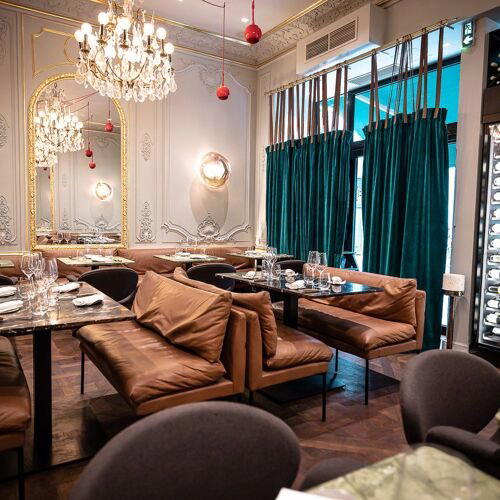
Where the Road to Misurina Meets the Table
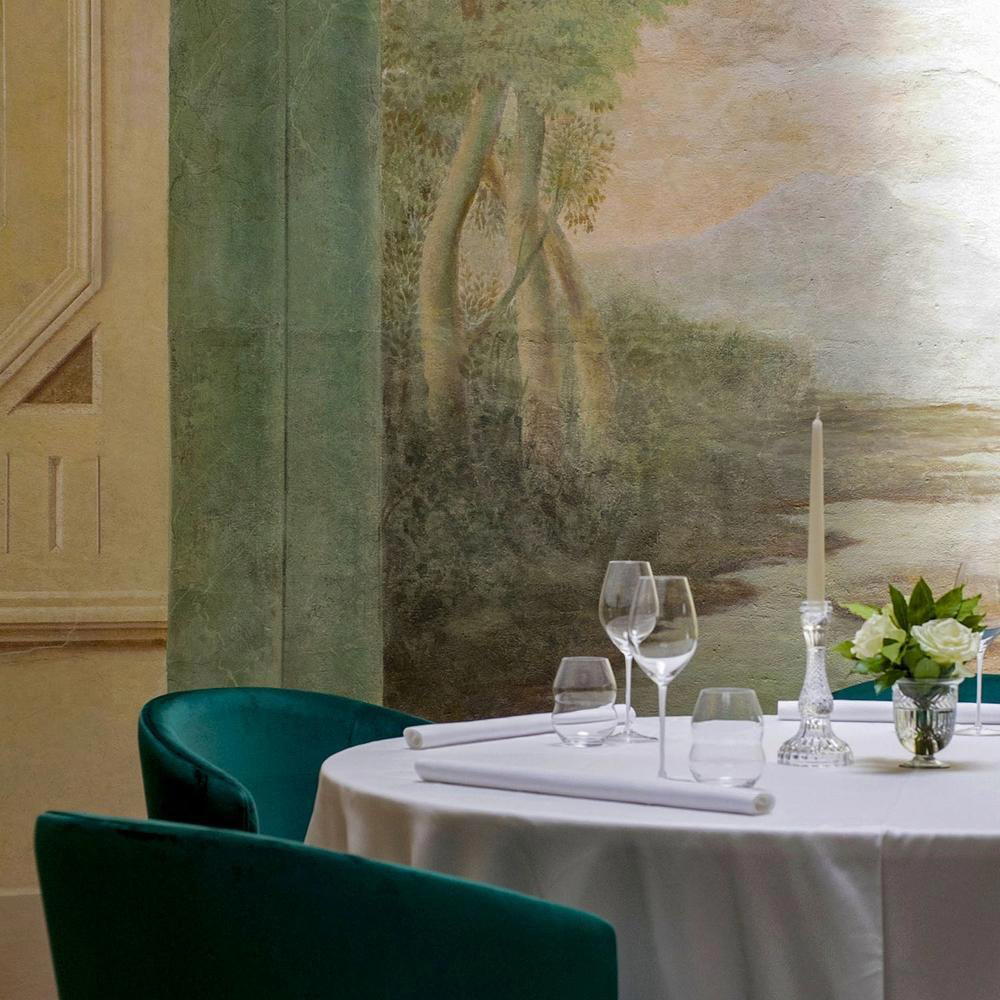
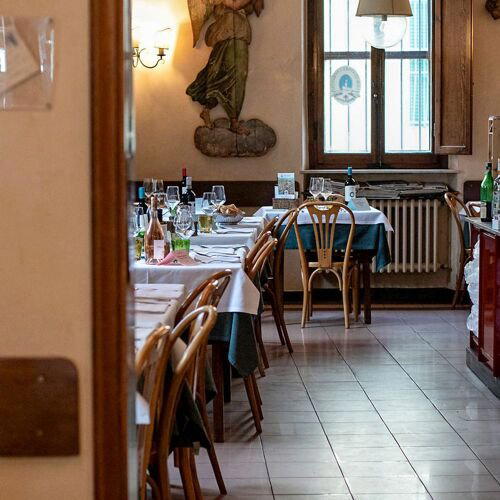
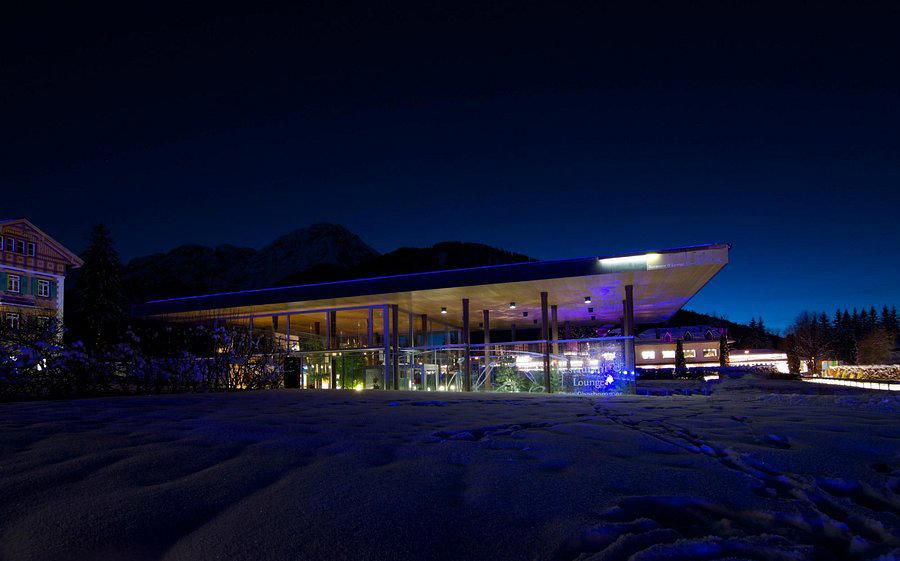
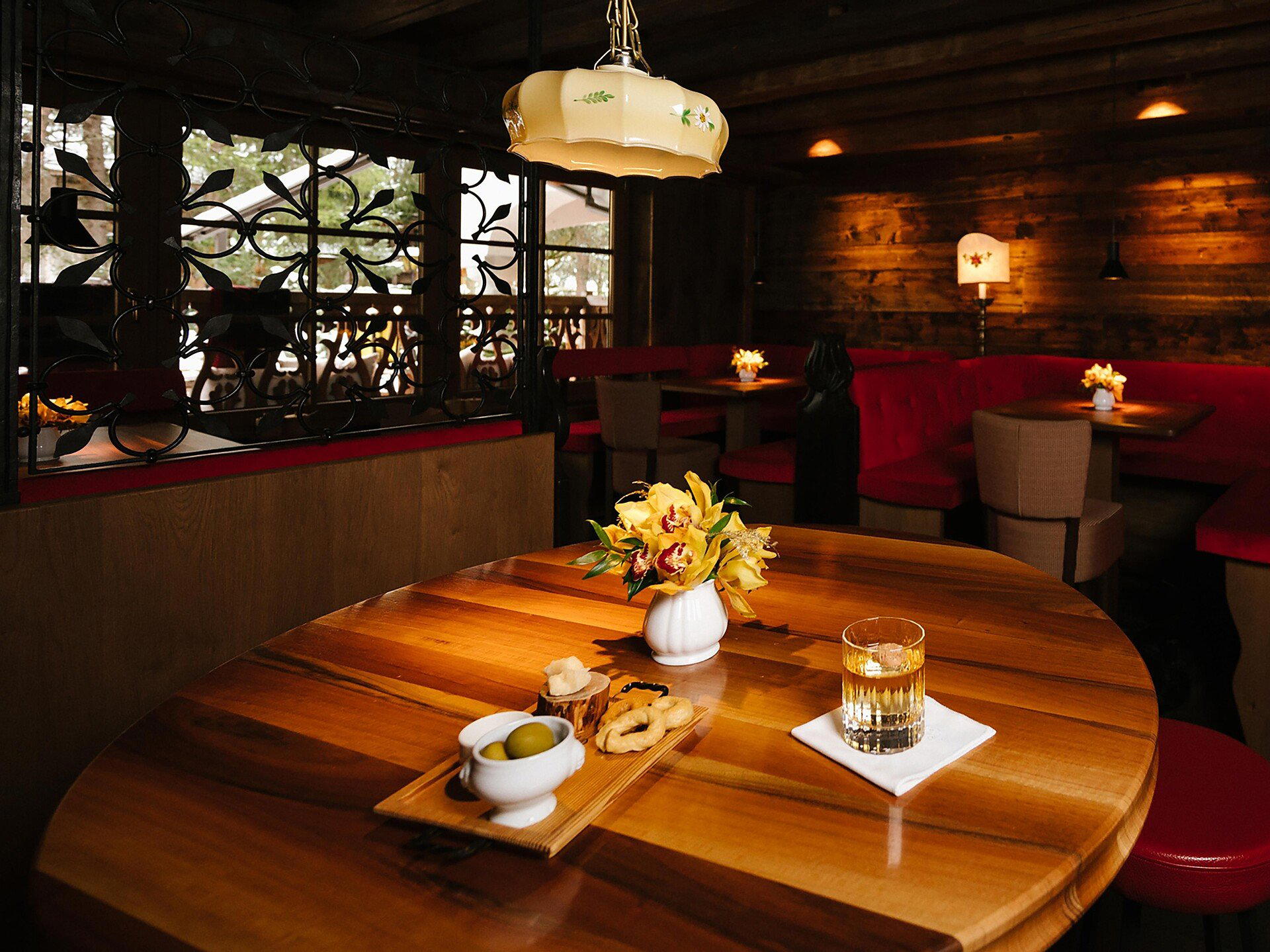
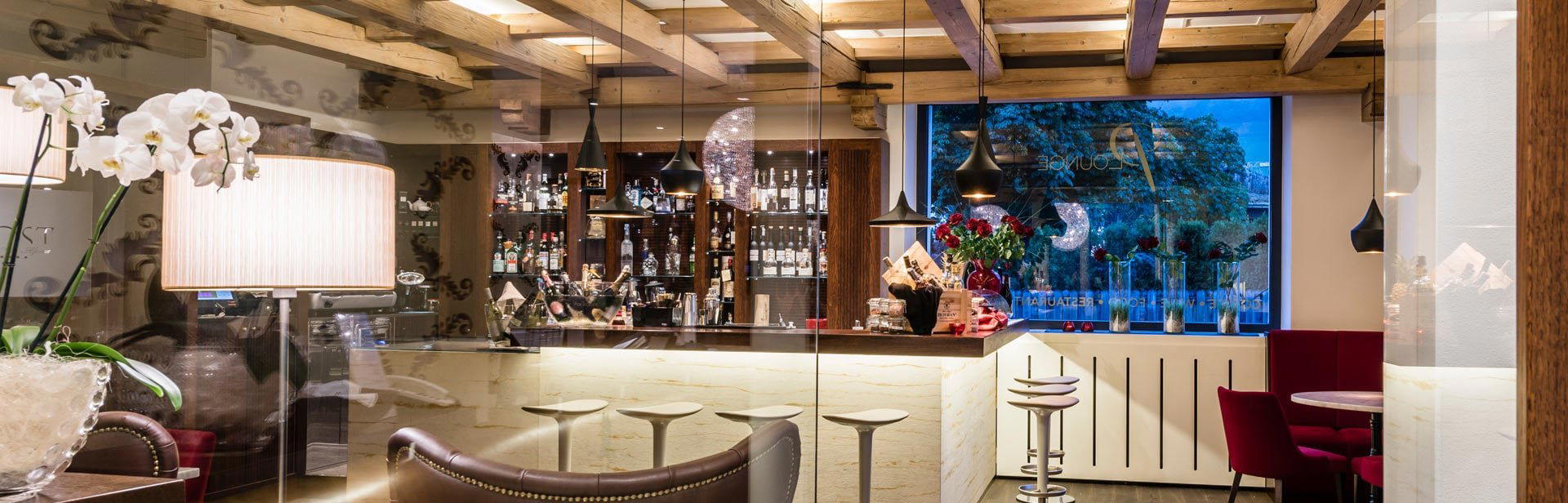
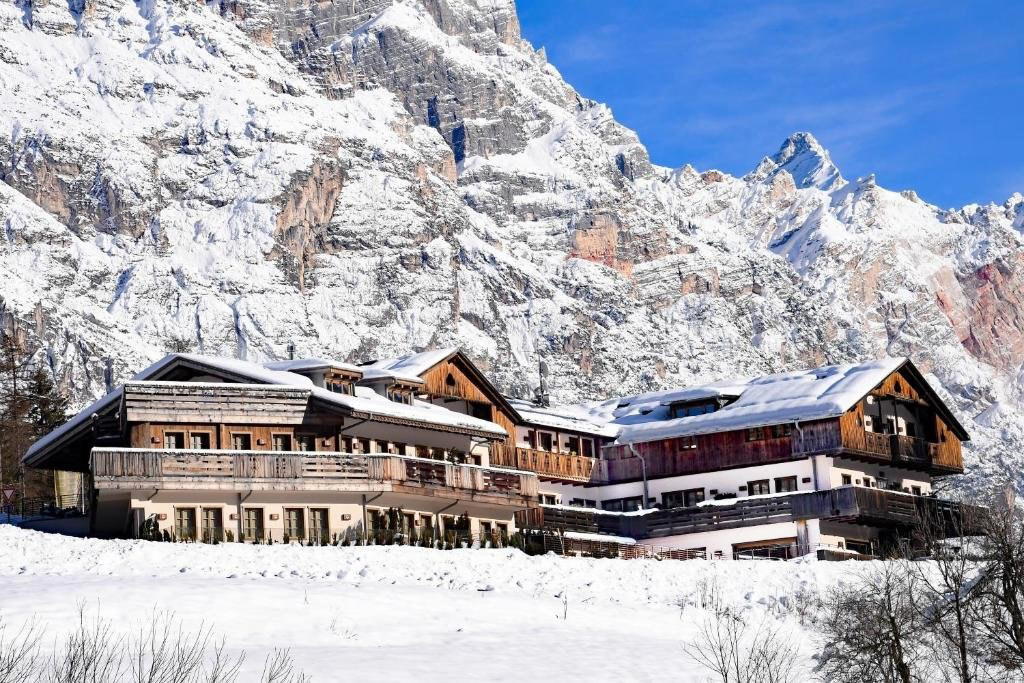
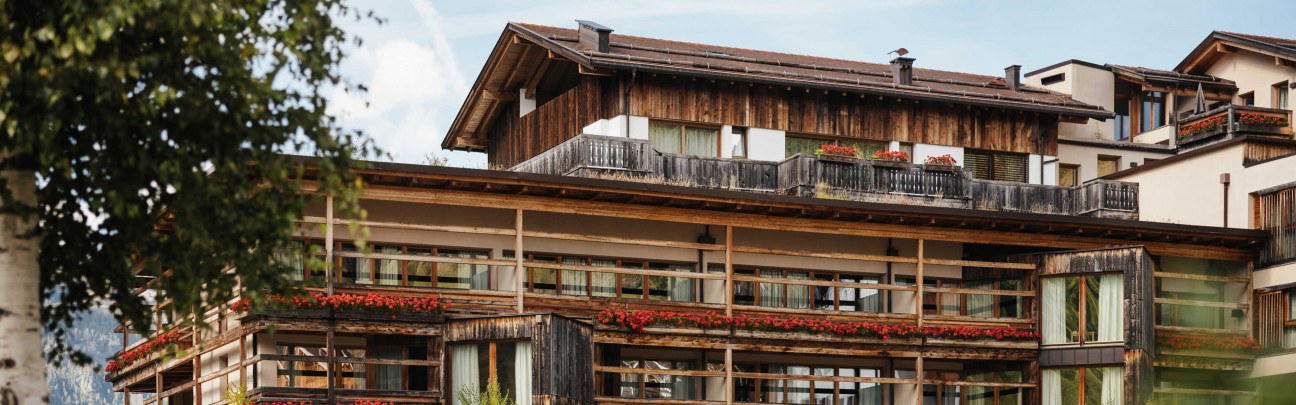
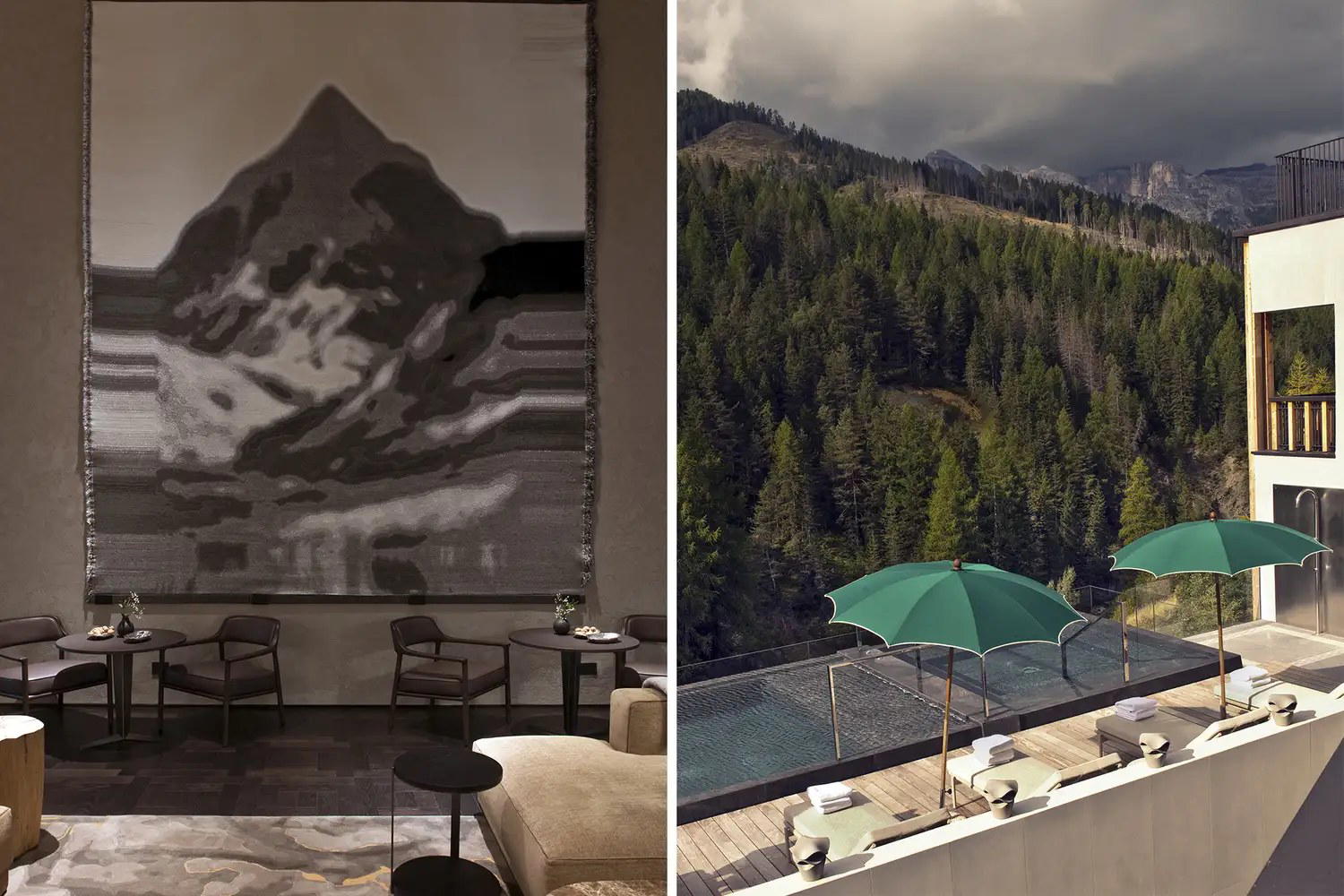
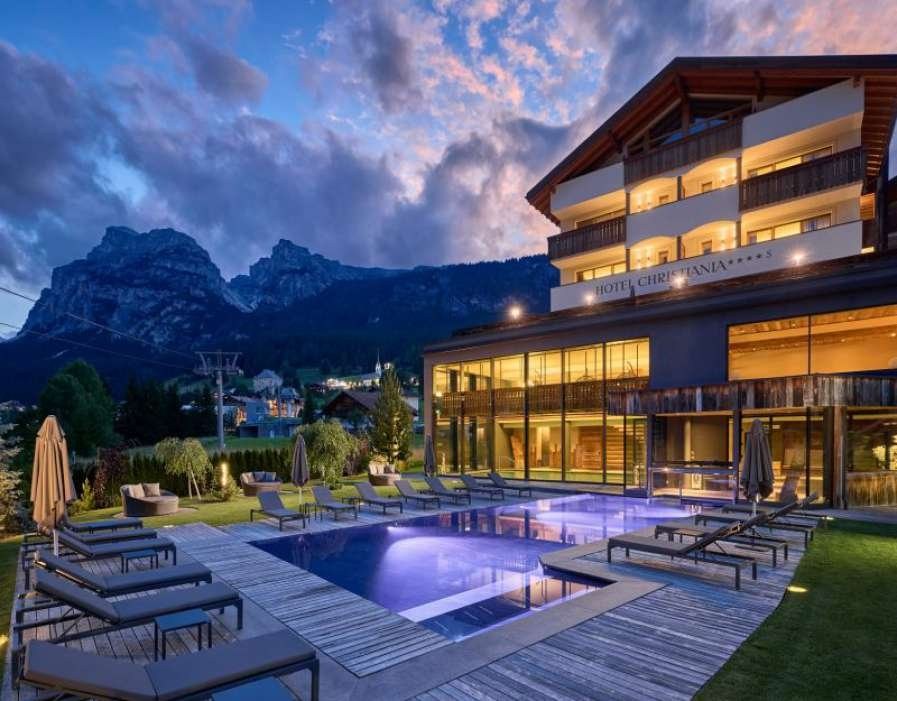
The drive along Località Alverà toward Lago di Misurina is the kind of route that sharpens appetite before arrival: forested slopes, the Dolomite skyline shifting with each bend, a gradual departure from Cortina's resort-town centre. Al Camin sits along this road in a way that feels less like a destination planted on a map and more like a place that has always been there, waiting at the right moment in the journey. The interior reads as modern Alpine, a design language that has spread across the region's better trattorie over the past decade, trading heavy timber clichés for cleaner lines while keeping the warmth that makes mountain dining work in winter. In the warmer months, the open-air service extends that environment outward, which changes the rhythm of a meal considerably.
Cortina's dining scene has split into roughly three tiers in recent years. At the apex sit addresses like SanBrite and Tivoli, both carrying Michelin stars and pricing at the €€€€ level, where the expectation is a structured tasting experience built around Alpine-contemporary cooking. Below that sits a middle tier, represented by places like Baita Fraina and Al Camin, where regional tradition drives the menu and the format is closer to a proper meal than a composed dining event. Al Camin prices at €€, which in Cortina's context means genuine value relative to its surroundings, not merely a cheaper version of something else.
Regional Cooking as a Discipline, Not a Default
Country cooking in the Ampezzo valley has specific reference points: cep mushrooms, speck dry-cured pork, potatoes prepared in the local style, venison and beef sourced from high-altitude farming traditions. These are not decorative flourishes added to a generic Italian menu. They are load-bearing ingredients in a cuisine that developed across centuries of geographic isolation, long winters, and a proximity to both Venetian and Austrian culinary influence. The Dolomites sat at a cultural crossroads for centuries, and that history shows in a kitchen that uses cured pork with the confidence of a Central European larder while still treating pasta and risotto as foundational forms.
Al Camin works within this tradition but does not treat it as a constraint. The kitchen applies modern technique to established regional material, a tendency also visible at Baita Piè Tofana and, at a higher register of ambition and price, at Alajmo Cortina. The beef tenderloin wrapped in speck with cep mushrooms and Ampezzo-style potatoes is the clearest signal of the kitchen's method: a recognisably local combination of ingredients, brought together with enough precision in execution to feel considered rather than habitual. The speck wrapping is not merely for flavour; it performs a structural and textural role in the dish that a less technically minded kitchen would leave to chance.
This approach to country cooking connects to a broader movement in Italian regional restaurants, where chefs who trained through classical routes are returning to local material with skills developed elsewhere. You see the same orientation, at different price points and levels of ambition, at 21.9 in Piobesi d'Alba and Andrea Monesi at Locanda di Orta in Orta San Giulio. The premise is consistent: inherited regional forms, applied technique, and enough restraint not to let the modernisation overwrite the source material.
Fabio Pompanin: Kitchen and Cellar in the Same Hands
When a chef also serves as the sommelier, the effect is operational and experiential: the wine list and the kitchen menu are shaped from a single perspective, without the translation step between two separate decision-makers. In Italian fine dining at the higher end, these roles are almost always separated, with dedicated sommeliers at addresses like Enoteca Pinchiorri in Florence, Dal Pescatore in Runate, or Le Calandre in Rubano occupying a distinct and senior position. At the restaurant's scale and price point, the consolidation of those roles into one person has a different effect: it means the wine list and the kitchen menu are developed from a single perspective, without the translation step between two separate decision-makers.
The practical result is a wine list of about 200 labels, substantial for a restaurant at this price tier. For comparison, many mid-range Alpine restaurants in the Dolomites carry far smaller selections, often focused narrowly on Alto Adige whites and a handful of local reds. A 200-label list at this price tier suggests deliberate investment in the cellar as part of the restaurant's identity, not simply a compliance requirement. The regional and Italian coverage that would serve Dolomite cuisine well, from structured Alto Adige whites to Northeastern Italian reds, is well represented.
For context on what serious Italian wine curation looks like at the extreme upper end, Osteria Francescana in Modena and Enrico Bartolini in Milan set the national benchmark. The restaurant operates in an entirely different register, but the 200-label commitment at the €€ tier places it clearly above the average in its category. At Atelier Moessmer Norbert Niederkofler in Brunico, the cellar is integral to the full dining proposition. The restaurant is not competing in that tier, but the scale of its wine offering suggests similar seriousness of intent at a more accessible price point.
Al Camin in the Cortina Context
Cortina d'Ampezzo has a dining market that skews toward high-end resort spending, particularly during ski season and in peak summer. The presence of starred restaurants, contemporary addresses, and hotel dining rooms oriented at international visitors creates real pressure on mid-range tables to either retreat into undifferentiated tourist fare or find a reason to hold their ground. The restaurant holds its ground through specificity: a clear regional identity, a wine list serious enough to be taken seriously, and a location that removes it from the competitive noise of central Cortina.
At that volume, a 4.6 score is not a function of a small loyal audience inflating numbers; it reflects a broad and consistent pattern of satisfaction across many types of visitors. That consistency matters more than the number itself. For planning purposes, the open-air terrace service during warmer months is worth factoring into timing decisions; the outdoor setting along the Misurina road creates a different experience from the interior dining room, and summer evenings in the Dolomites at altitude carry a quality of light that the covered terrace at a ski-season lunch cannot replicate.
Visitors building a broader itinerary around Cortina's dining scene should consider the full range of options across price tiers, from the modern Alpine formats at SanBrite to the country cooking register that restaurant and Baita Fraina share, though at different price points. The full Cortina d'Ampezzo restaurants guide covers this range in detail, and the hotels guide, bars guide, wineries guide, and experiences guide provide the fuller picture for planning a stay in the valley.
Planning Your Visit
The restaurant is located at Località Alverà, 99, on the road toward Lago di Misurina, which places it outside the central pedestrian zone of Cortina and makes it most naturally suited to arrival by car. The mid-range pricing at €€ means a full meal with wine from the 200-label list remains accessible relative to the starred alternatives in town. Open Monday, Tuesday, Thursday, Friday, Saturday, and Sunday for lunch from 12:00 to 2:30 PM and dinner from 7:00 to 10:00 PM, with Wednesday closed. Reservations are recommended.
Side-by-Side Snapshot
Comparable venues nearby, for context on price, style, and recognition.
| Venue | Cuisine | Price | Awards | Notes |
|---|---|---|---|---|
| Al CaminThis venue — the venue you are viewing | Modern Italian Alpine | $$$ | Michelin Plate | Not listed |
| El Brite de Larieto | Traditional Dolomites Alpine Italian | $$$ | Michelin Plate | Cortina d'Ampezzo |
| Ristorante de LEN | Modern Northern Italian Dolomite Cuisine | $$$$ | Michelin Plate | Cortina d'Ampezzo |
| Alajmo Cortina | Modern Italian Mountain Cuisine | $$$$ | Michelin Plate | Localita Ronco |
| Chalet Tofane | Traditional Italian Pizza & Ampezzo Cuisine | $$$ | Not listed | Lacedel |
| Baita Fraina | Regional Italian Mountain Cuisine | $$$ | Michelin Plate | Fraina |
Recognition history
Dated appearances from independent guides and award organizations, with the underlying list record or original source where available.
Michelin Plate
Michelin
Michelin Plate
Michelin
Michelin Plate
Michelin
Continue exploring
More in Cortina d'Ampezzo
Restaurants in Cortina d'Ampezzo
Browse all →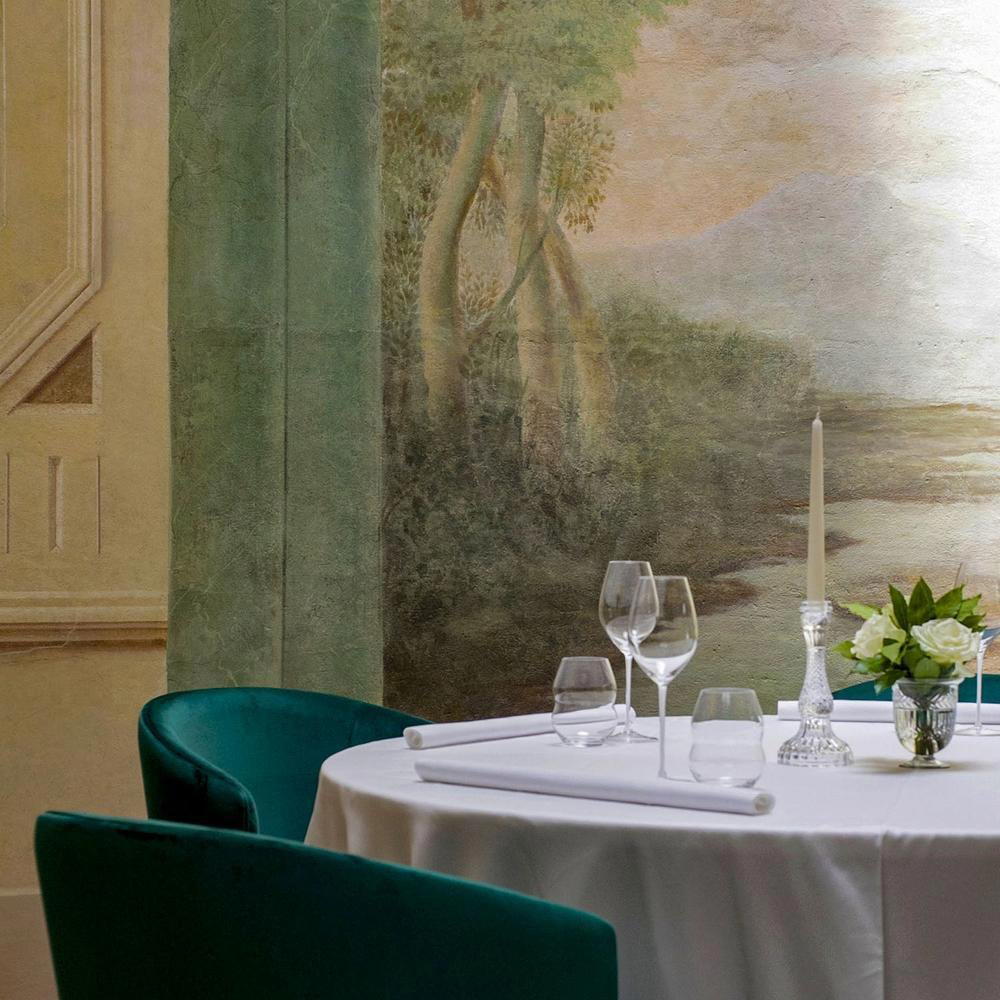
Bars in Cortina d'Ampezzo
Browse all →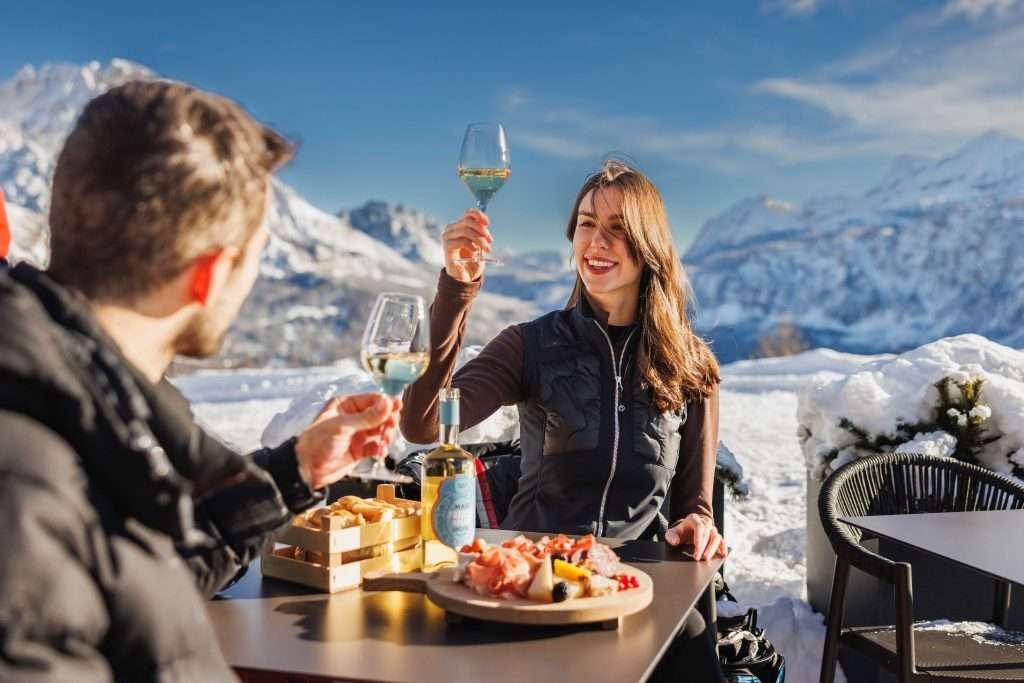
At a Glance
- Cozy
- Elegant
- Rustic
- Scenic
- Intimate
- Date Night
- Special Occasion
- Family
- Business Dinner
- Terrace
- Open Kitchen
- Extensive Wine List
- Local Sourcing
- Mountain
Current opening hours
- Monday
- 12–2:30 PM, 7–10 PM
- Tuesday
- 12–2:30 PM, 7–10 PM
- Wednesday
- Closed
- Thursday
- 12–2:30 PM, 7–10 PM
- Friday
- 12–2:30 PM, 7–10 PM
- Saturday
- 12–2:30 PM, 7–10 PM
- Sunday
- 12–2:30 PM, 7–10 PM
Hours can change for holidays and private events. Last verified .
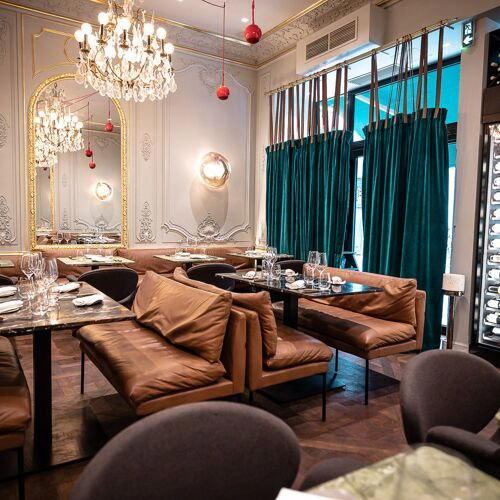
Cozy and warm mountain-style interior with elegant rustic decor, natural materials, and a welcoming atmosphere enhanced by warm lighting and hospitable service.