
Riki Chan Oosaka toyonaka ten belongs to Osaka’s higher-priced yakiniku tier, where beef selection, grill discipline, and wine pairing matter more than sheer variety. The Toyonaka address, 16-seat scale, reservation-only format, and Tabelog 100 Yakiniku WEST 2025 selection place it far from casual station-front barbecue and closer to a focused regional specialist.
Pearl is the En Primeur Club membership app — saves, bookings, and concierge access live there. Same editors, same standards.
- Address
- 大阪府豊中市螢池中町4-3-13
- Phone
- +818044975716
- Website
- tabelog.com
 Saves & bookings on Pearl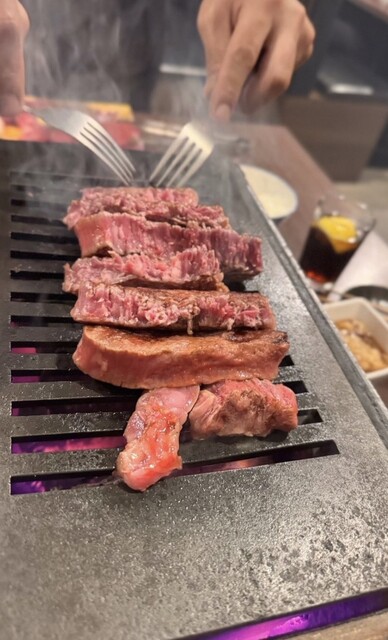
Approaching Hotarugaike, Osaka’s dining map changes register. Central Osaka sells immediacy: counters under rail tracks, department-store basements, late trains, quick bowls, and the democratic appetite that made the city famous. Toyonaka asks for a slower read. In this northern pocket near the Hankyu Takarazuka Line and Osaka Monorail, yakiniku is less about volume than control: a small room, narrow service rhythm, beef at the center, and wine brought into a category too often reduced to beer and smoke.
That is the lens for Riki Chan Oosaka toyonaka ten. The restaurant sits in the premium Osaka yakiniku bracket, with a listed dinner budget of JPY 15,000 to JPY 19,999 and a 16-seat room. It was selected for Tabelog 100 Yakiniku WEST 2025, after selections in the same western Japan yakiniku category in 2023 and 2024. Those signals matter because Kansai yakiniku ranges from casual neighborhood grills to tightly managed beef counters where cut selection, pacing, and drink structure carry the experience.
Osaka yakiniku, tightened around beef and wine
Osaka’s reputation abroad still leans on takoyaki, okonomiyaki, kushikatsu, and market eating, but its serious dining culture has always been broader. Yakiniku belongs to that deeper grammar. The format rewards repeat locals, confident ordering, and an understanding of how fat, char, sauce, salt, and rice interact. At the premium end, it becomes restraint: fewer distractions, more sequence, and a drink program that does more than cool the grill.
The wine note is not incidental. Beef-led restaurants in Japan often split between sake, highballs, beer, and wine, but wine changes the tempo, moving yakiniku from quick-drink model to longer table, especially around richer cuts. Riki Chan Oosaka toyonaka ten lists wine as the drink focus, placing it among the smaller group of yakiniku rooms where pairing logic matters. That does not imply a sprawling cellar; it means wine is part of the stated dining architecture, not an afterthought.
The menu identity is similarly concentrated. The public format describes a reservation-only specialty shop focused on Hélène Chateaubriand, with little emphasis on a broad alternative menu. In Osaka terms, that departs from the expansive yakiniku playbook of tongue, skirt, rib, offal, soup, noodles, and rice dishes. The editorial point is narrower: a beef restaurant operating through focus rather than range. For travelers, the distinction matters. This is not the place to learn every branch of yakiniku; it is where a premium cut can define a meal’s structure.
Why Toyonaka changes the decision
Location is part of the character. Hotarugaike is not Namba, Umeda, or Fukushima, and that changes the evening. Osaka visitors often build dining days around central neighborhoods, moving from coffee to lunch to bars without losing momentum. A northern Toyonaka dinner is more deliberate. It suits travelers already near Osaka International Airport, staying in the northern suburbs, or willing to trade central-city convenience for a compact beef-focused room.
The comparison inside Toyonaka is instructive. Nearby Osaka listings such as Soba Kappou Soba Fuji, Kodou, Toyonaka Mente Tsu, Soratobu Udon Yamabuki Ya, and AT THE 21 sit in lower listed budget ranges, many around JPY 1,000 to JPY 2,999 or the mid-thousands. Against that frame, Riki Chan Oosaka toyonaka ten reads as a special-occasion yakiniku choice, priced against destination beef rooms rather than casual noodle shops or lunch counters.
That does not make the experience formal in the Western fine-dining sense. Yakiniku remains physical and table-driven: heat, timing, portion control, and the judgment of when meat should leave the grill. At this tier, the room gives fewer places to hide. With 16 seats, pacing becomes part of the meal. A small restaurant also shifts the social pitch: not silent, not rowdy by default, but dependent on the tables present and the discipline of the seating.
For a broader Osaka itinerary, treat this as one point in a larger dining map, not the city’s whole story. Casual bakery and café stops such as .cafe and 52CHO-ME BAKERY serve a different function. The famous takeaway energy of 551 Horai (551蓬莱) belongs to another Osaka rhythm entirely. Italian addresses such as 99 Pizza Napoletana Gourmet and a canto (Italian) show how international formats have been absorbed into the city’s dining culture. For planning across categories, use Our full Osaka restaurants guide, with parallel reads for Our full Osaka hotels guide, Our full Osaka bars guide, Our full Osaka wineries guide, and Our full Osaka experiences guide.
A compact room for diners who know what they want
The strongest argument for this restaurant is focus. Osaka has countless places where dinner can sprawl pleasantly across snacks, noodles, fried dishes, and another round. This is not that genre. The Tabelog 100 Yakiniku WEST recognition, narrow seating scale, and beef-specialist format point to a dining decision made with intent. Diners seeking many Japanese categories in one night should look elsewhere. Diners wanting a concentrated yakiniku evening, with wine part of the calculation, will understand the appeal quickly.
There is also a practical consequence to the room. Children are allowed, but the aisles are narrow and strollers are not accepted inside. Private rooms are not listed, keeping the experience in the shared-room category rather than the sealed-off business-dinner model. Credit cards are accepted, while electronic money and QR code payments are not. Those details shape expectations before any broader romance about Japanese beef takes over.
Travelers comparing premium meat meals across Japan should note how category and setting alter value. -Grilled beef Sukiyaki- KAMAKURA TANUKIAN 鎌倉 たぬき庵 in Kamakura frames beef through sukiyaki rather than grill culture. Tokyo izakaya formats such as. 鮪と炭火焼き うお炭 秋葉原店 in Tokyo spread attention across tuna and charcoal dishes. Regional addresses including.know in Kumamoto, (Shoku) Vietnam in Kawasaki, [Curry Senmon Ten] Maruyama Kyoju. in Sapporo, and [ki:] in Kyoto underline the same point: Japan rewards specificity. Even overseas Japanese-leaning venues such as Jōdo Saké Bar in Los Angeles and Onigiri Time in Pasadena work from narrower formats. Riki Chan Oosaka toyonaka ten belongs to that school: decide what the night is about, then commit.
Compact Comparison
Comparable venues to anchor price and recognition.
| Venue | Cuisine | Price | Notes |
|---|---|---|---|
| Riki Chan Oosaka toyonaka tenThis venue — the venue you are viewing | Not listed | $$$ | Not listed |
| Osaka Teppanyaki Kobe Beef TATARA | Not listed | $$$ | Kita, Kobe beef teppanyaki with French-influenced courses |
| Yakitori Saihi | Chūō, Yakitori | $$$ | Not listed |
| Sumibi Yakitori Kibitaki | Not listed | $$$ | Chūō, Charcoal-Grilled Yakitori & Japanese Cuisine |
| Sumi Daruma | Not listed | $$$ | Kita, Seasonal Seafood & Yakitori Izakaya |
| Yasubee | Konohana, Japanese Yakiniku | $$$ | Not listed |
Recognition history
Dated appearances from independent guides and award organizations, with the underlying list record or original source where available.
Tabelog 100 #36 · No. 36
Tabelog · Tabelog 100 - Yakiniku - WEST - 2025
Continue exploring
More in Osaka
Restaurants in Osaka
Browse all →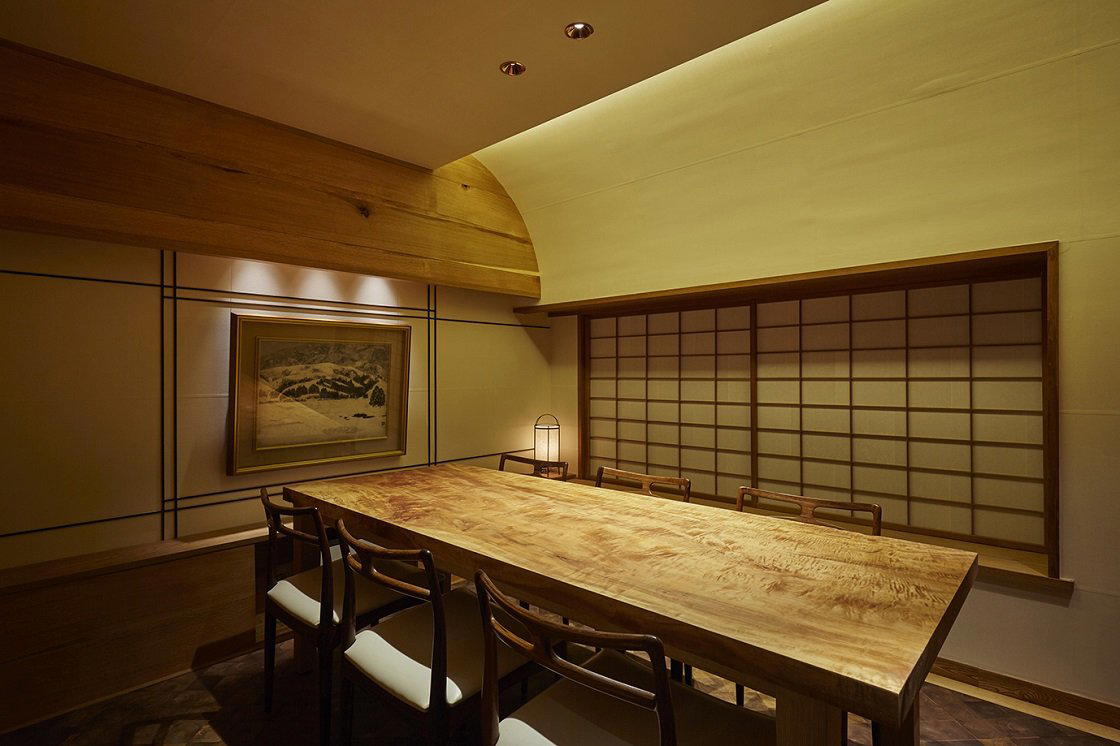




Bars in Osaka
Browse all →




Hotels in Osaka
Browse all →


Wineries in Osaka
Browse all →
At a Glance
- Elegant
- Intimate
- Classic
- Sophisticated
- Special Occasion
- Celebration
- Date Night
- Business Dinner
- Standalone
- Beer Program
- Sake Program
- Extensive Wine List
- Local Sourcing
Compact, reservation-only, and focused on an upscale meat-first experience with limited seating and a narrow-aisle layout; the atmosphere is best described as intimate and serious rather than casual.