
Sumibi Yakitori Kibitaki belongs to Osaka’s polished yakitori tier, where charcoal work, counter pacing, and drinks service matter as much as the skewers. Its Tabelog 100 Yakitori WEST selections in 2024 and 2025 give it a credible place in the Shinsaibashi dining circuit without pushing it into formal kaiseki territory.
Pearl is the En Primeur Club membership app — saves, bookings, and concierge access live there. Same editors, same standards.
- Address
- Japan, 〒542-0085 Osaka, Chuo Ward, Shinsaibashisuji, 2 Chome−1−10 Samboa Bldg, 3F
- Phone
- +81 70-1762-3066
- Website
- yakitori-kibitaki.com
 Saves & bookings on Pearl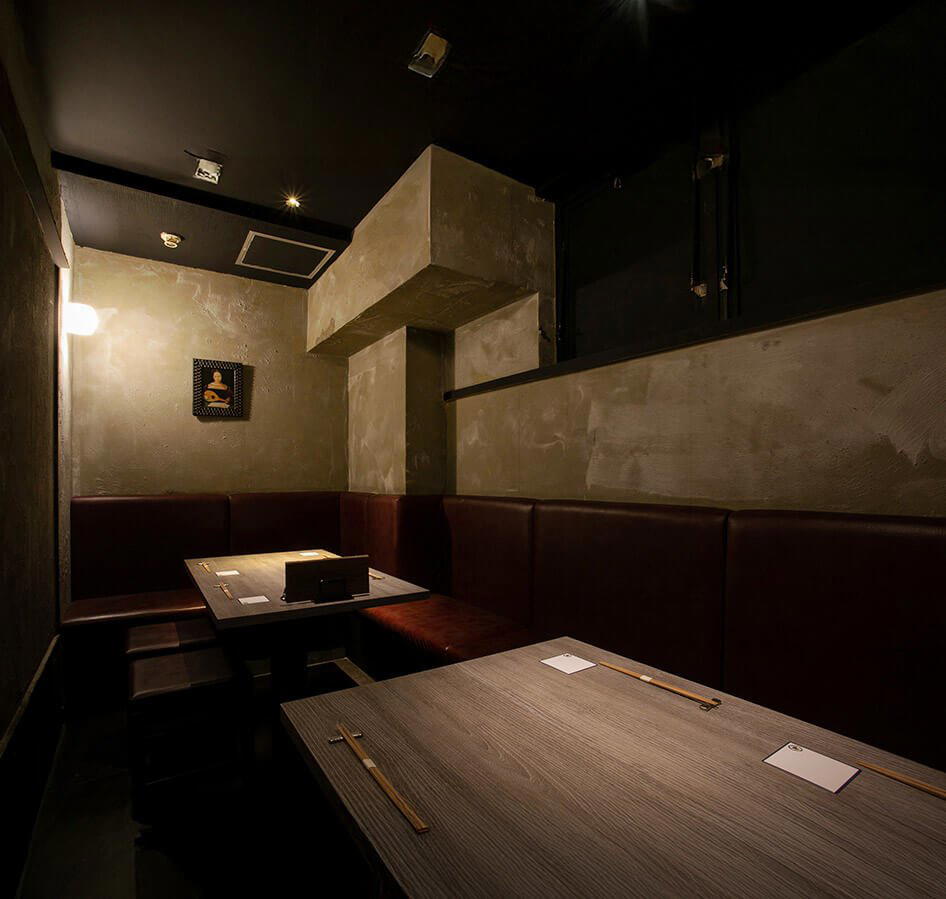
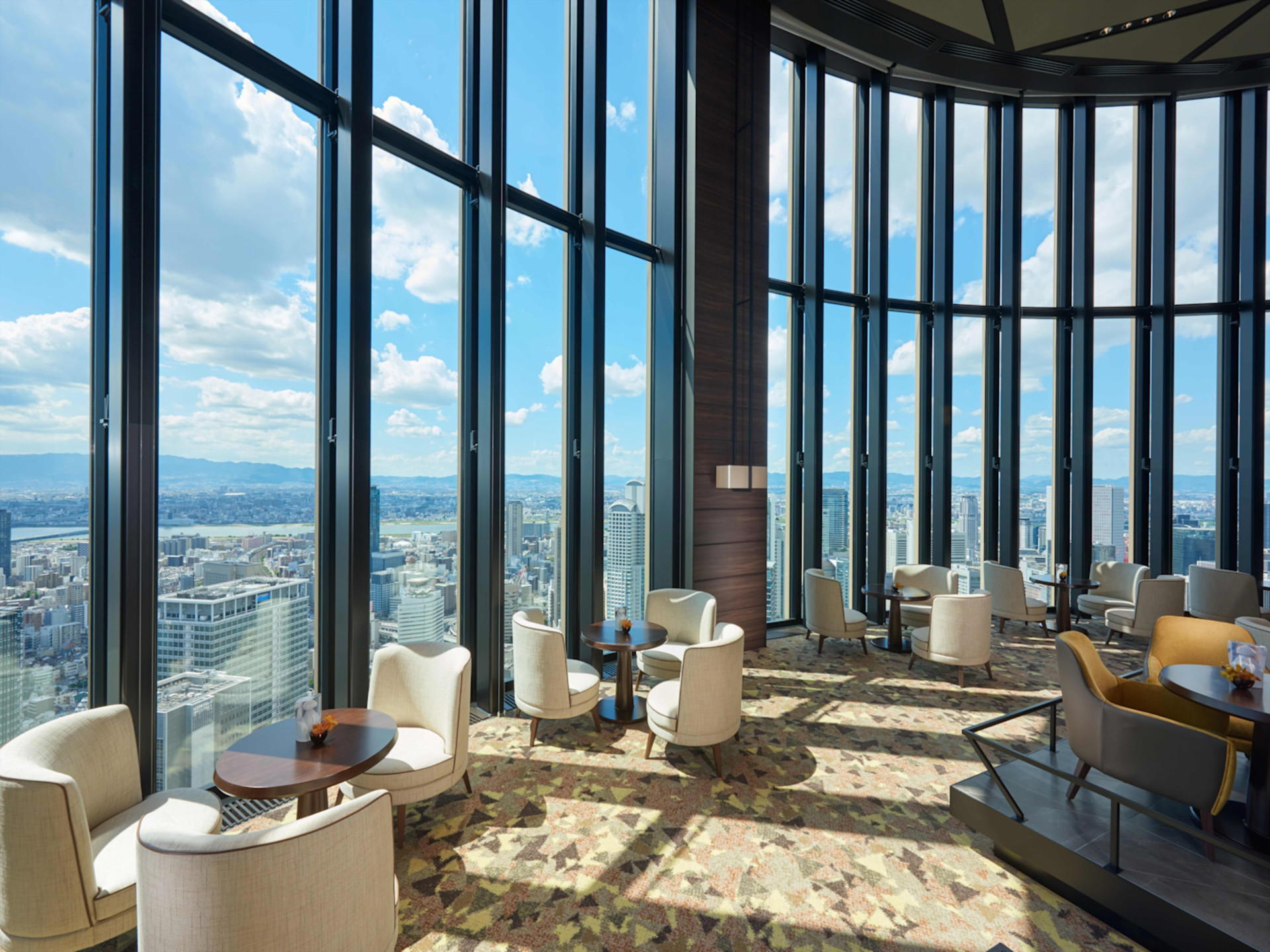
The room reads as a controlled pause above Shinsaibashi’s street-level appetite: counter seats, semi-private tables, no smoking in the dining area, and the quiet theatre of charcoal doing its work. Osaka is often reduced to takoyaki, kushikatsu, and late-night appetite, but the city’s more serious yakitori rooms have become a distinct category of their own, less ceremonial than kaiseki and more disciplined than izakaya grazing.
That distinction matters. Yakitori at this level is not just grilled chicken on sticks; it is a service format built around timing, heat management, sequencing, and drink pairing. The strongest rooms depend on a coordinated pass between the grill, the floor, and the person steering sake, shochu, or wine. Sumibi Yakitori Kibitaki sits inside that bracket, with Tabelog 100 Yakitori WEST selections in both 2024 and 2025 and a Tabelog score of 3.64, a useful signal in a category where local diners reward consistency more than spectacle.
Charcoal, pacing, and the Osaka yakitori middle ground
Osaka’s serious Japanese dining often splits into two moods. One side is formal and seasonal, the world of kaiseki represented in the city by restaurants such as Momen. The other is casual, fast, and transactional, the culture that makes a stop at 551 Horai (551蓬莱) feel as much like civic infrastructure as eating. Yakitori occupies the useful middle: it can carry craft and ceremony without demanding the full ritual of a multi-course counter.
In that middle ground, Kibitaki’s category listing tells the story: yakitori, chicken dishes, and izakaya. The izakaya tag should not be misread as loose or unfocused. In Japan, the better versions of this format use the informality of drinking culture to support a tightly managed sequence from the grill. Sake, shochu, and wine are all part of the equation here, which places the room closer to a coordinated dinner counter than a simple skewer stop.
The Osaka comparison set is instructive. Yoshitaka points toward oden and a more simmered, broth-led Japanese idiom; Momen points toward kaiseki formality; Angetsu sits in a lower spend band. Yakitori at Kibitaki instead asks the diner to read craft through repetition: different cuts, different textures, different moments of heat, and a rhythm that depends on the kitchen and front-of-house staying in step.
The team dynamic matters more than a chef biography
There is no need to inflate the format with personality mythology. In a compact yakitori room, the experience is collaborative by design. The grill controls the pace, the floor manages the room’s tempo, and the drinks side has to respond to fat, salt, smoke, and sauce without flattening the meal. When wine appears beside sake and shochu, the service team is making a statement about range: this is not a nostalgia-only yakitori counter.
That range is also what separates a polished Shinsaibashi dinner from a generic night out in Namba. The area supports everything from bakery stops such as 52CHO-ME BAKERY and casual coffee at .cafe to Italian rooms such as a canto (Italian) and 99 Pizza Napoletana Gourmet. The better dining decisions in Osaka come from matching the evening’s appetite to the format, not chasing a single genre.
Kibitaki is strongest as a dinner for guests who want Japanese craft without kaiseki stiffness. The counter gives the clearest reading of the format, while semi-private table seating changes the energy toward conversation. Private-room availability also makes the restaurant more flexible than many counter-only yakitori rooms, especially for small groups who want privacy without moving into banquet dining.
How to place it in a wider Osaka itinerary
For visitors building several meals in the city, this is the kind of reservation that works after a day spent moving through Minami rather than as a destination detached from its neighbourhood. Shinsaibashi and Namba reward short walking distances and late dining energy; yakitori fits that pattern because the meal can feel structured without ending the night too early.
The practical reading is simple: choose this for charcoal-led Japanese dining with credible local recognition, not for vegetarian breadth or chef-driven storytelling. The Tabelog 100 Yakitori WEST selections are the trust signal, and the format is the reason to go. Diners looking for a broader city plan should use Our full Osaka restaurants guide alongside Our full Osaka bars guide, since the after-dinner drink decision often shapes a Shinsaibashi evening as much as the meal itself.
For context beyond one city, Japan’s dining culture is wide enough that yakitori sits beside different specialist formats: beef sukiyaki at -Grilled beef Sukiyaki- KAMAKURA TANUKIAN 鎌倉 たぬき庵 in Kamakura, charcoal seafood at. 鮪と炭火焼き うお炭 秋葉原店 in Tokyo, contemporary dining at.know in Kumamoto, Vietnamese cooking at (Shoku) Vietnam in Kawasaki, curry specialization at [Curry Senmon Ten] Maruyama Kyoju. in Sapporo, and Kyoto dining at [ki:] in Kyoto. Outside Japan, places such as Jōdo Saké Bar in Los Angeles and Onigiri Time in Pasadena show how Japanese formats travel, but Osaka’s advantage is density: the city lets a diner compare categories over consecutive nights.
That broader planning should include more than restaurants. Our full Osaka hotels guide helps anchor the stay, while Our full Osaka wineries guide and Our full Osaka experiences guide round out the city beyond the dinner table. Within that map, Sumibi Yakitori Kibitaki is not the loudest Osaka meal; it is a focused one, built for diners who understand that yakitori’s pleasure comes from discipline repeated skewer by skewer.
Awards and Standing
Comparable venues to calibrate price, style, and recognition.
| Venue | Cuisine | Price | Notes |
|---|---|---|---|
| Sumibi Yakitori KibitakiThis venue — the venue you are viewing | Charcoal-Grilled Yakitori & Japanese Cuisine | $$$ | Not listed |
| Karen Oosaka shinsaibashi ten | Kagoshima Wagyu Shabu-shabu & Sukiyaki | $$$ | Chūō |
| Osaka Teppanyaki Kobe Beef TATARA | Kobe beef teppanyaki with French-influenced courses | $$$ | Kita |
| Kuma no Yakitori 106 | Members-only Yakitori Omakase | $$$ | Kita |
| Hari Ju Doutonbori honten | Traditional Wagyu Sukiyaki & Shabu-shabu | $$$ | Chūō |
| Yakiniku Futoro | Casual Wagyu Yakiniku Counter | $$$ | Kita |
Recognition history
Dated appearances from independent guides and award organizations, with the underlying list record or original source where available.
Tabelog 100 #8 · No. 8
Tabelog · Tabelog 100 - Yakitori - WEST - 2025
Continue exploring
More in Osaka
Restaurants in Osaka
Browse all →




Bars in Osaka
Browse all →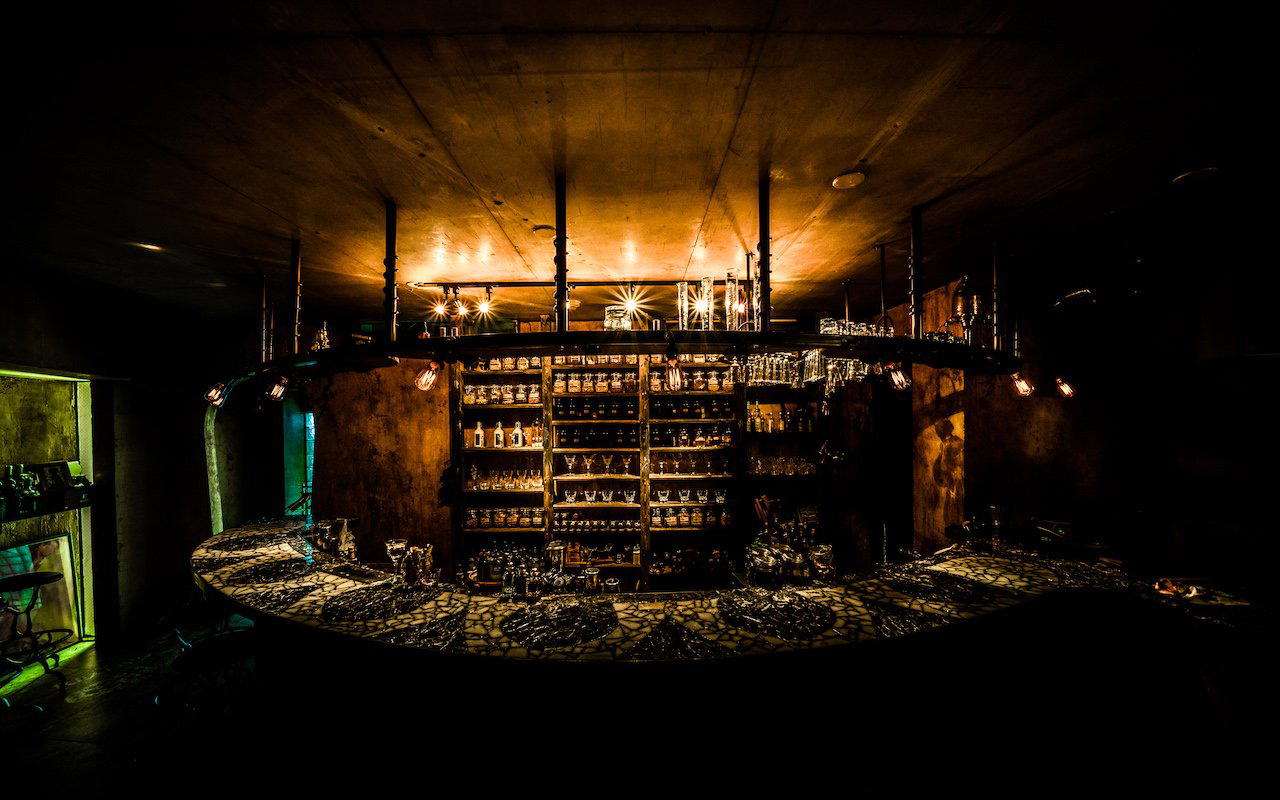


Hotels in Osaka
Browse all →



Wineries in Osaka
Browse all →
At a Glance
- Cozy
- Elegant
- Intimate
- Modern
- Date Night
- Group Dining
- After Work
- Casual Hangout
- Special Occasion
- Chefs Counter
- Open Kitchen
- Private Dining
- Standalone
- Design Destination
- Sake Program
- Local Sourcing
Current opening hours
- Monday
- 6 PM–12 AM
- Tuesday
- 6 PM–12 AM
- Wednesday
- Closed
- Thursday
- 6 PM–12 AM
- Friday
- 6 PM–12 AM
- Saturday
- 6 PM–12 AM
- Sunday
- 6 PM–12 AM
Hours can change for holidays and private events. Last verified .
A chic, softly lit adult hideaway with a warm wooden counter, semi-private rooms, and a calm, sophisticated atmosphere suited to dates and small gatherings.