On the Dalmatian coast south of Šibenik, Restoran Agape occupies a quiet address in Primošten, a peninsula town where the dining rhythm follows the sea rather than any metropolitan clock. The restaurant sits within a local tradition of unhurried, produce-led meals that define this stretch of the Croatian coast. For travellers moving between Split and the Kornati islands, it represents a grounded stop in a town that rewards slowness.
Pearl is the En Primeur Club membership app — saves, bookings, and concierge access live there. Same editors, same standards.
- Address
- Ul. Put Briga 10, 22202, Primošten, Croatia
- Phone
- +385953633855
- Website
- agape.hr
- Directions
- Get directions
 Saves & bookings on Pearl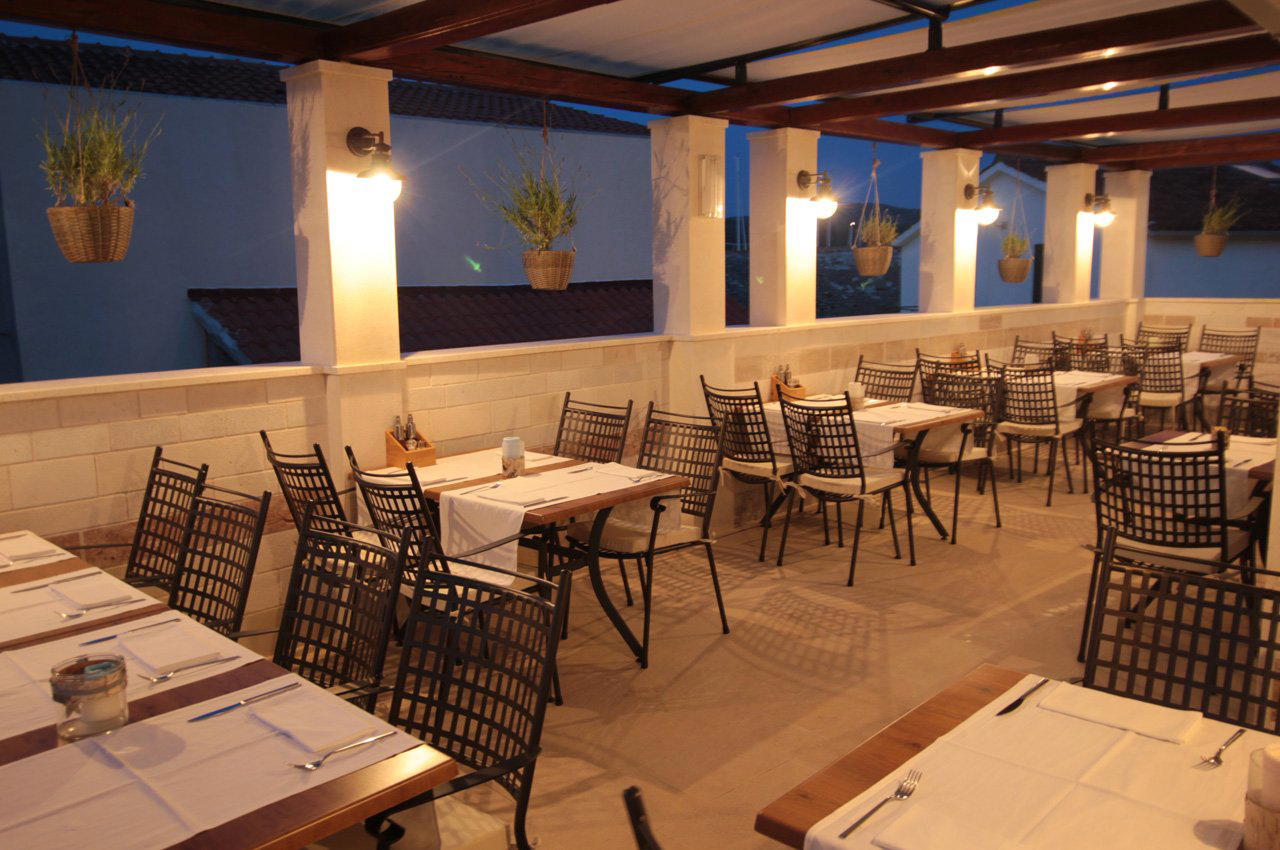
Where the Pace of Eating Matches the Pace of the Sea
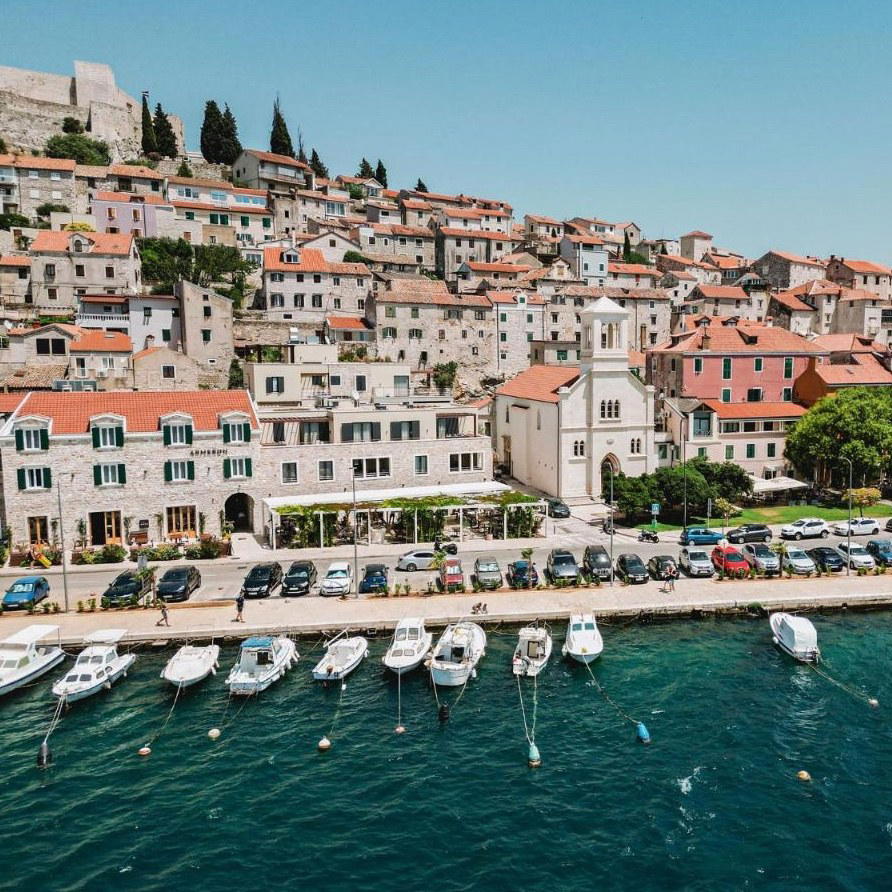
Primošten earns its reputation not through scale but through compression: a compact old town on a causeway-connected peninsula, where the streets narrow quickly and the Adriatic is never more than a few minutes away on foot. Dining here operates on a different clock than Split or Dubrovnik. Meals tend to run long by design, courses arrive when they are ready, and the expectation is that the table is yours for the evening. Restoran Agape is a Mediterranean Seafood & Grill restaurant at Ul. Put Briga 10 in Primošten, Croatia, and it suits the town's unhurried rhythm.
That coastal Dalmatian dining ritual, where eating is understood as the evening's primary event rather than a prelude to something else, is what distinguishes small-town Adriatic restaurants from their city counterparts. In Šibenik, venues like Pelegrini in Sibenik have formalised that approach into a structured contemporary format. In Primošten, the tradition tends to stay closer to its roots: fewer courses, more direct sourcing, a wine list that leans on local production, and a room where the conversation between courses is considered part of the meal.
The Ritual of a Dalmatian Evening Table
Across this stretch of the Croatian coast, the grammar of a proper dinner has remained relatively stable for decades. It begins with something from the sea, typically raw or lightly prepared, whether that is salted anchovies from the nearby waters, fresh oysters if the season allows, or simply good olive oil and bread. The middle of the meal is where the kitchen's confidence shows: grilled fish priced by weight, slow-cooked lamb or veal prepared under a peka (the cast-iron dome that functions as a low-heat oven buried in embers), and seasonal vegetables that arrive as sides rather than afterthoughts. Dessert is rarely the point, though local fig preparations and honey-forward pastries appear consistently along this coastline.
What matters in this format is pacing. The pause between courses is not a service failure; it is the structure. Dalmatian dining at this level assumes that the table wants time, and the kitchen respects that. Restaurants operating in smaller towns like Primošten tend to be more attuned to this rhythm than their larger-city peers, partly because the tourist demographic skews toward longer-stay visitors rather than one-night transients. For context on how this compares to Croatia's more formally structured contemporary dining, LD Restaurant in Korčula and Agli Amici Rovinj in Rovinj both demonstrate how the same coastal ingredient logic can be pushed into a more composed tasting format, though neither retains the unhurried informality that smaller Dalmatian towns preserve.
Primošten as a Dining Destination
Primošten occupies a specific position on the Dalmatian coast: south of Šibenik, north of Trogir, and removed enough from Split's gravitational pull that it maintains its own character. The town's food culture is shaped partly by geography. The surrounding hills produce Babić, a red grape variety found almost nowhere else, giving local wine lists a distinctiveness that restaurants in more touristed areas cannot easily replicate. Babić-based wines, often tannic and mineral-edged when made traditionally, pair with the grilled and roasted proteins that anchor most menus here.
The local restaurant scene is not large. Primošten supports a small number of establishments year-round, with the season running most actively from late spring through early autumn. Within that scene, the choice tends to fall between konoba-style settings, where the food is traditional and the atmosphere is stripped back, and slightly more composed restaurants that retain Dalmatian ingredient logic while offering a more considered service experience. Konoba Tereza and Mediteran represent different points on that spectrum within the town. Restoran Agape occupies its own position on that local axis, and understanding where it sits relative to these neighbours matters more, practically, than comparing it to headline venues in Split or Dubrovnik.
For travellers building a broader Croatian itinerary around food, the Dalmatian coast offers a range of registers. Krug in Split and Restaurant 360 in Dubrovnik represent the higher end of the city-based format, while island options like Boskinac in Novalja and Alfred Keller in Mali Losinj show how Croatian producers are increasingly anchoring destination-level dining beyond the obvious urban centres. Smaller-town restaurants like those in Primošten fit a different brief: they are for travellers who want the texture of a place rather than a performative meal.
Planning a Visit
Primošten is accessible by road from Split in under an hour, making it viable as a day trip, though the town rewards an overnight stay. The restaurant sits on Ul. Put Briga, on the mainland side approaching the old town peninsula, which means it is reachable on foot from most accommodation in the area. Given the seasonal nature of Dalmatian coastal dining, visiting between June and September gives the widest range of active restaurants, though shoulder months in May and October carry their own advantage: fewer visitors and a more local atmosphere at the table. Booking ahead is advisable during the high summer weeks, when the town's accommodation fills and restaurant capacity becomes a constraint. Booking ahead is recommended, especially in summer.
For those whose itinerary extends inland or to other parts of Croatia, Dubravkin Put in Zagreb, Korak in Jastrebarsko, and Nebo by Deni Srdoč in Rijeka represent how Croatian cooking reads in its northern and continental registers, where the Adriatic ingredient logic gives way to a different larder entirely. Further afield, BioMania Bistro Bol in Bol, Bodulo in Pag, and Burin in Crikvenica each reflect how island and coastal communities are shaping their own dining identities beyond the Split-Dubrovnik corridor.
Category Peers
Comparable venues nearby, for context on price, style, and recognition.
| Venue | Cuisine | Price | Notes |
|---|---|---|---|
| Restoran AgapeThis venue — the venue you are viewing | Mediterranean Seafood & Grill | $$ | Not listed |
| Konoba Tereza | Traditional Dalmatian Seafood & Meat | $$ | Primosten |
| Mediteran | Modern Dalmatian Seafood | $$ | Old Town Primosten |
| Konoba Barba | Traditional Dalmatian Seafood & Grill | $$ | Komiza |
| Konoba Toma | Traditional Dalmatian Seafood | $$ | historic_center |
| Konoba Matejuska | Authentic Dalmatian Seafood | $$ | Varoš |
Continue exploring
More in Primosten
Restaurants in Primosten
Browse all →

At a Glance
- Cozy
- Romantic
- Rustic
- Intimate
- Elegant
- Date Night
- Family
- Special Occasion
- Historic Building
- Terrace
- Extensive Wine List
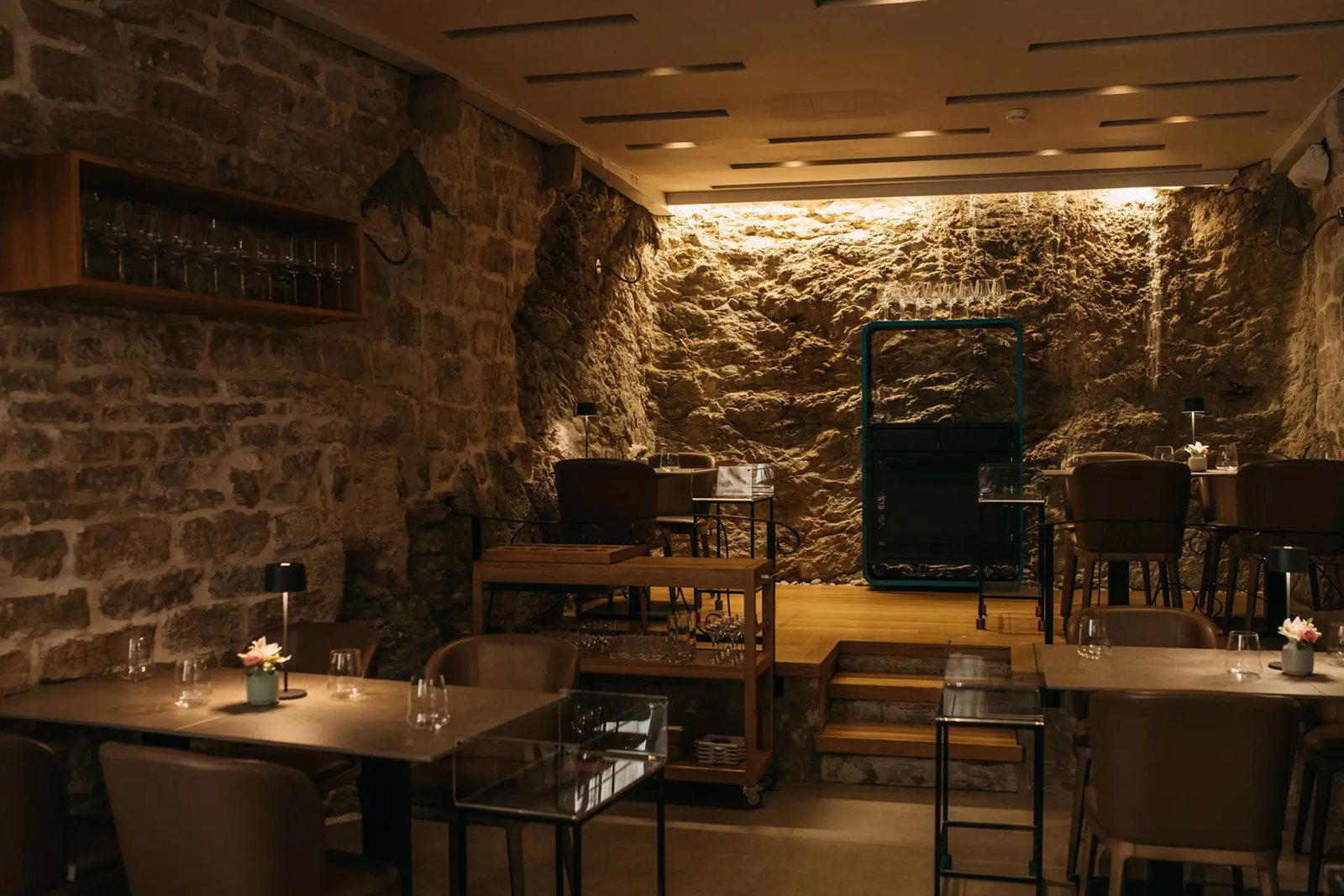
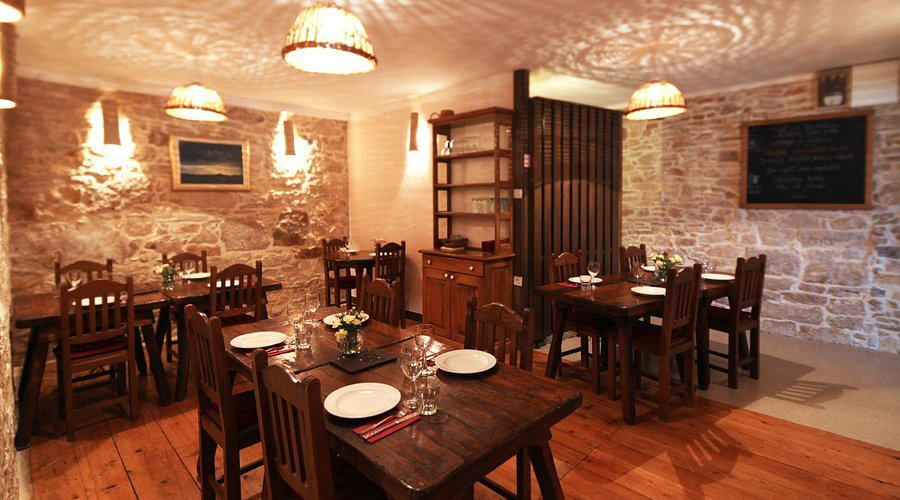
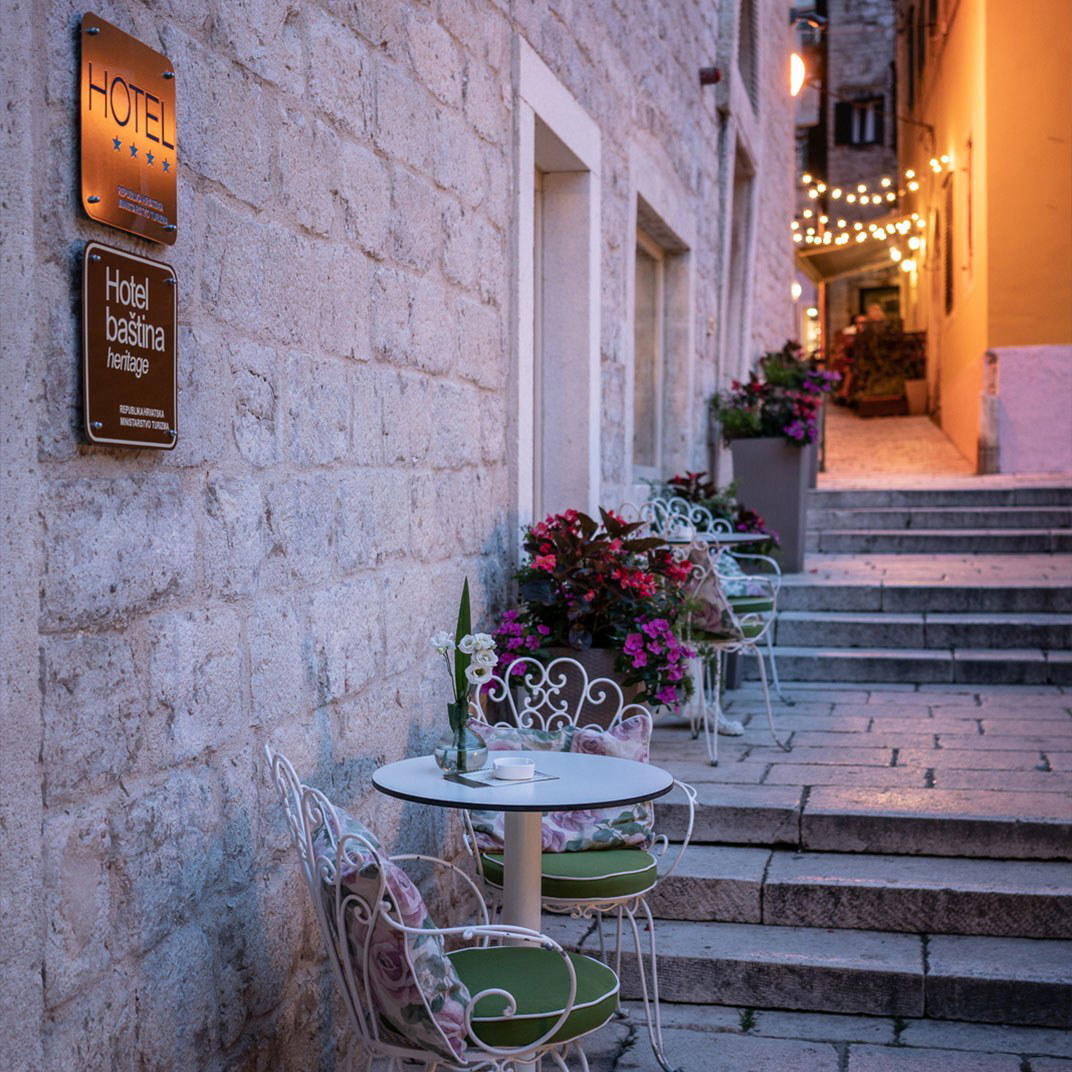
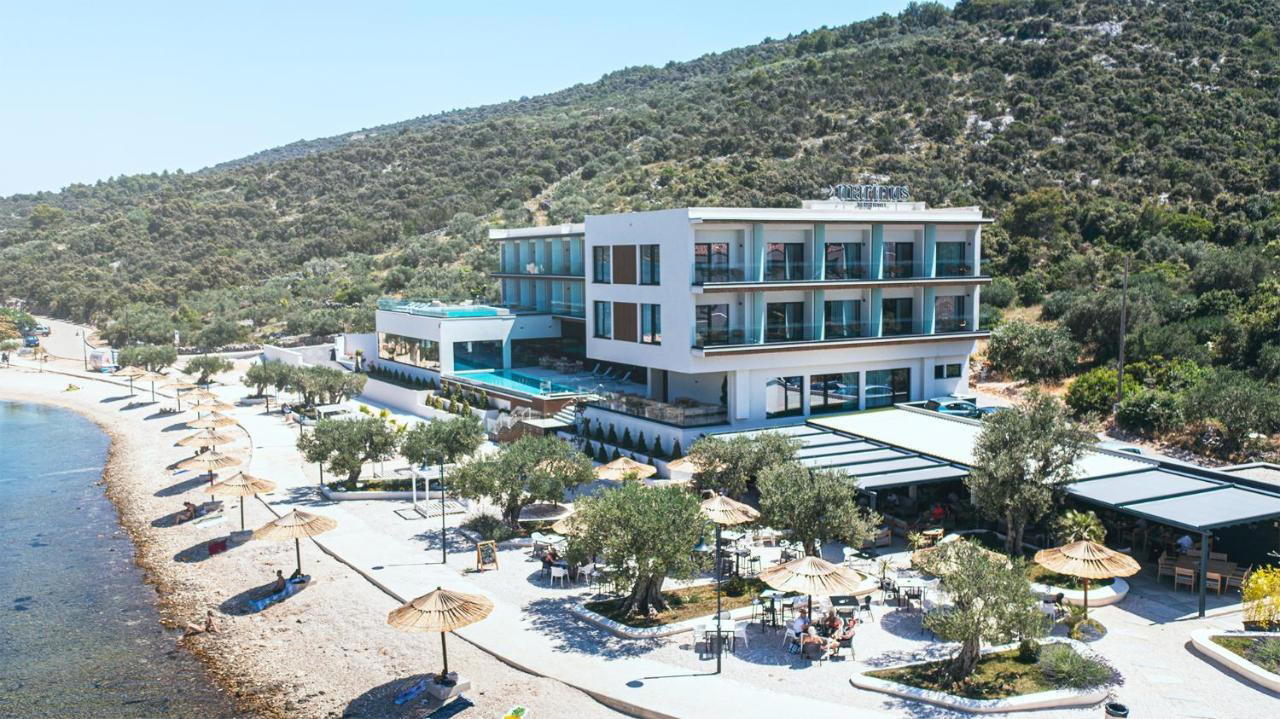
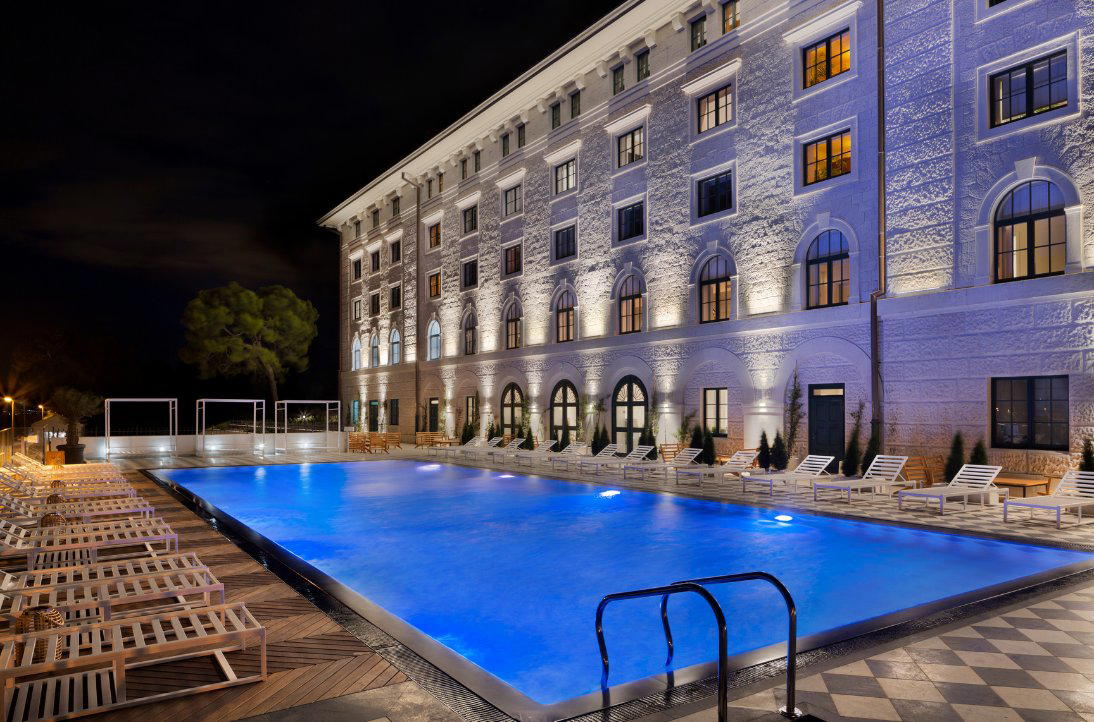
Cozy and authentic atmosphere in an ancient stone building with warm welcoming service, rooftop terrace, and beautifully presented dishes.