On Primošten's pedestrian old-town peninsula, Konoba Tereza operates within the konoba tradition that has defined Dalmatian coastal eating for generations: local catch, slow techniques like peka, and Dalmatian wines from the terraced hillsides above town. It is the kind of address that rewards visitors willing to eat according to what the sea and land have provided that day, rather than a fixed menu.
Pearl is the En Primeur Club membership app — saves, bookings, and concierge access live there. Same editors, same standards.
- Address
- Ul. Grgura Ninskog 1 A, 22202, Primošten, Croatia
- Phone
- +385915152823
- Website
- facebook.com
- Directions
- Get directions
 Saves & bookings on Pearl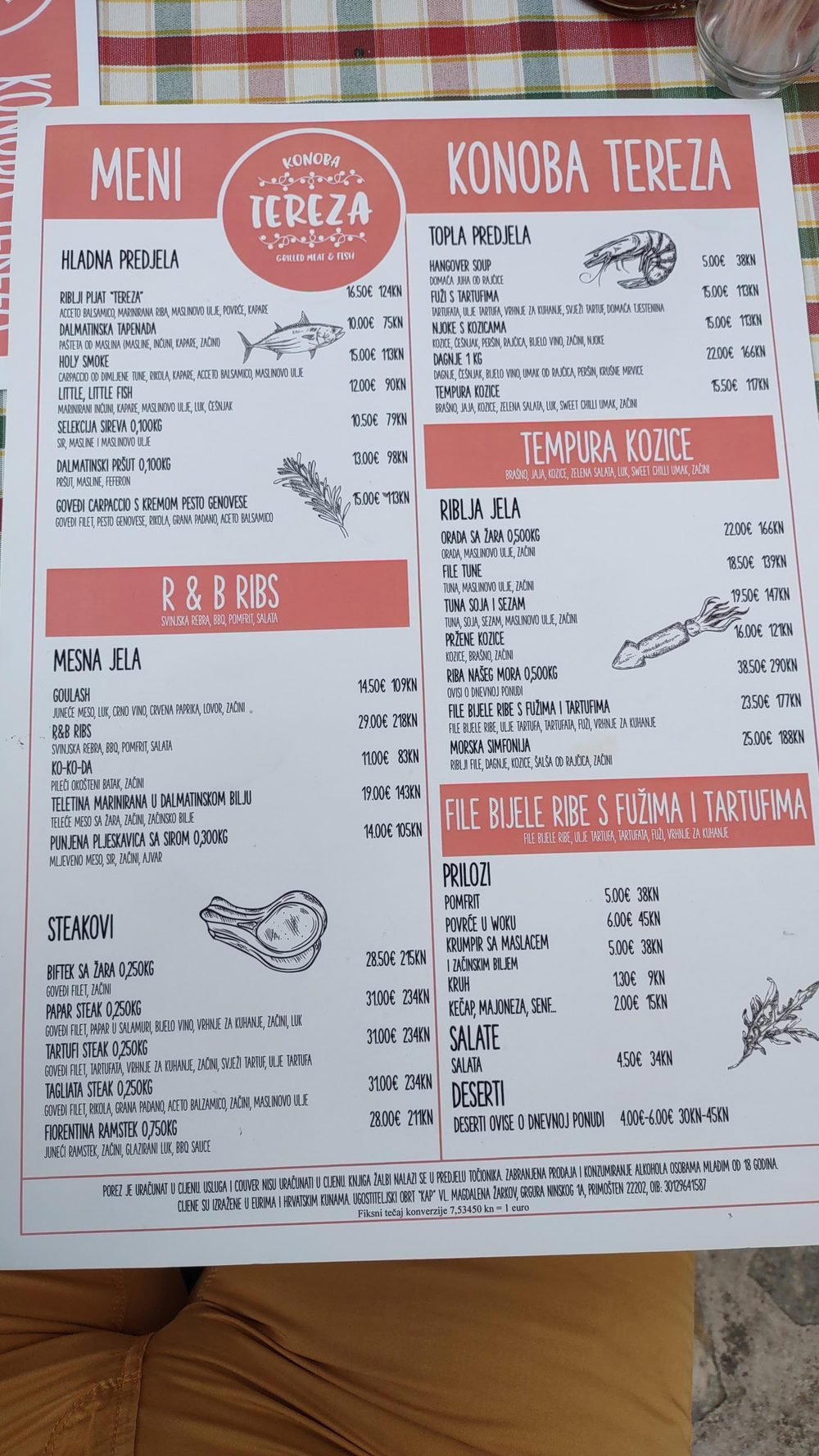
Where the Dalmatian Coast Eats Like It Always Has
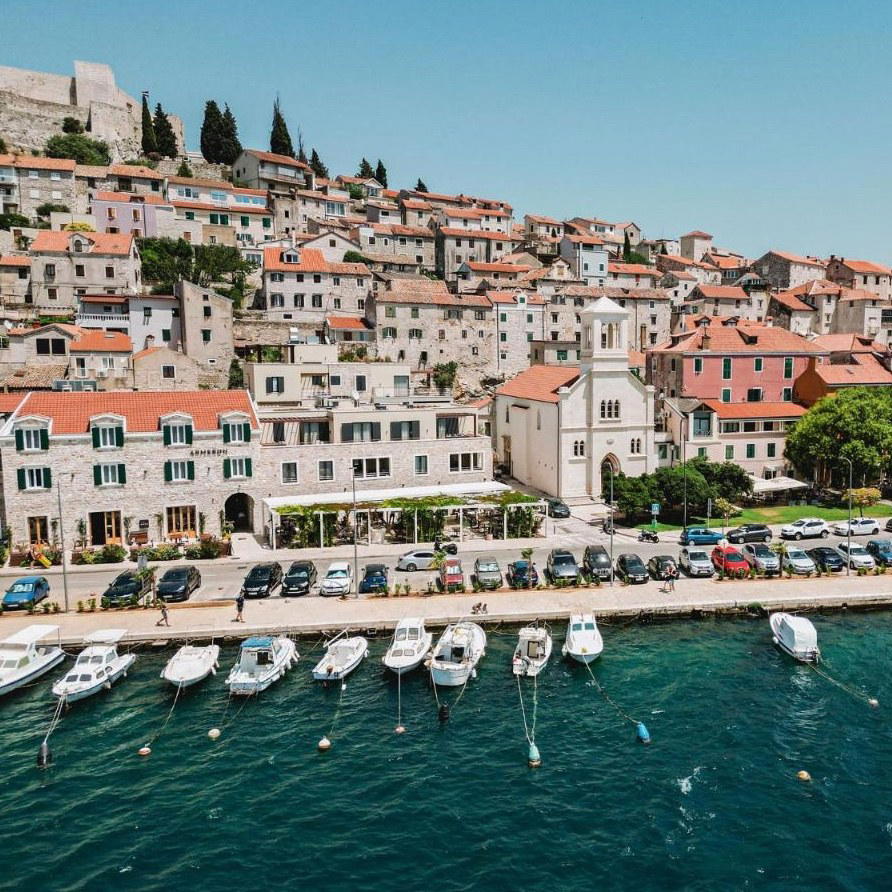
Primošten sits on a small peninsula jutting into the Adriatic, connected to the mainland by a narrow causeway and insulated, to a degree unusual for the central Dalmatian coast, from the resort infrastructure that has transformed larger neighbours. The old town climbs steeply, the lanes are too narrow for vehicles, and the dining scene that has developed here reflects a community that still fishes, still tends vines on the terraced hillsides above town, and still eats according to seasons rather than menus engineered for tourist throughput. Konoba Tereza, on Ul. Grgura Ninskog in Primošten, occupies that local tradition rather than departing from it.
The term konoba carries specific weight in Dalmatia. It is not simply a casual restaurant; historically it refers to a household wine cellar and storage room that doubled as a dining space, where food came directly from what the family produced or caught. The contemporary konoba has evolved considerably, but the ones that retain credibility share a commitment to short supply chains: fish from local boats, vegetables from nearby gardens, olive oil pressed in the region, wine from Dalmatian producers. That sourcing logic, rather than any single dish or presentation style, is what separates a functioning konoba from a restaurant that has borrowed the name for atmosphere.
The Source Question on the Dalmatian Table
Central Dalmatia's ingredient story is among the more coherent in the Mediterranean. The sea between Šibenik and Split produces dentex, sea bass, bream, and shellfish in quantities sufficient to keep local restaurants supplied without relying on farmed imports, provided a kitchen is willing to work with what is available rather than guaranteeing fixed menus. On land, the Primošten hills carry particularly distinctive viticulture in Croatia: the Babić grape, grown in rocky terraces above town with minimal soil and significant limestone, produces wines that pair instinctively with the iodine character of Adriatic seafood. Inland from the coast, Dalmatian lamb grazed on herb-covered scrubland carries a flavour profile that chefs at more formal addresses, including Pelegrini in Sibenik, have spent considerable effort presenting in refined formats.
At the konoba level, that same lamb appears without the architectural plating, typically slow-cooked under a peka, the domed iron bell buried in embers that is the defining slow-cooking technique of the Dalmatian interior. A kitchen willing to do it properly is signalling something about its approach to time and sourcing that goes beyond any single menu item.
This sourcing discipline is precisely what the wider Croatian dining conversation has been working through. Restaurants like Boskinac in Novalja and LD Restaurant in Korčula have built formal, award-recognised programs around Croatian produce and wine. The konoba tradition arrives at similar conclusions through a different route: not through chef-driven innovation but through continuity with how coastal Dalmatia has always fed itself.
Reading Primošten Against the Regional Scene
The Dalmatian coast restaurant scene has stratified noticeably over the past decade. At the formal end, addresses in Dubrovnik and Split, including Restaurant 360 in Dubrovnik and Krug in Split, price against international fine-dining peers and operate with the staffing, technique, and ambition that position implies. A tier below, mid-range coastal restaurants have increasingly adopted modern presentation while retaining Croatian ingredients. The functioning konoba operates in a third register: lower price points, smaller physical footprint, menus that change with supply rather than season-to-season concept shifts, and a dining rhythm that is unhurried in a way that cannot be performed.
Primošten supports a small cluster of restaurants for a town of its scale. Mediteran and Restoran Agape round out the local options, giving visitors a short but considered set of choices rather than the diluted sprawl of menus that characterises larger resort towns. That concentration makes decisions easier: diners who want a formal tasting format should look toward Šibenik or Split; those who want to eat well within Primošten itself are working with a focused local shortlist.
Further afield, Agli Amici Rovinj in Rovinj, Nebo by Deni Srdoč in Rijeka, and Dubravkin Put in Zagreb represent the more formal end of Croatian dining across different regions. Alfred Keller in Mali Lošinj, Korak in Jastrebarsko, BioMania Bistro Bol in Bol, Bodulo in Pag, and Burin in Crikvenica illustrate how the country's mid-tier and specialist dining has developed across the coast and islands. For reference points beyond Croatia, Le Bernardin in New York City and Atomix in New York City show how seafood-focused and tasting-format dining operate at the highest international tier.
Planning a Visit
Primošten is reachable from Split in roughly 45 minutes by car. The town's old peninsula is pedestrian-only, so arriving by car means parking on the mainland side of the causeway and walking in. Konoba Tereza is located at Ul. Grgura Ninskog 1A. Outside peak season, the dining experience changes: fewer covers, more of the kitchen's attention per table, and a slightly slower pace that suits the format better.
Fast Comparison
Comparable venues nearby, for context on price, style, and recognition.
| Venue | Cuisine | Price | Notes |
|---|---|---|---|
| Konoba TerezaThis venue — the venue you are viewing | Traditional Dalmatian Seafood & Meat | $$ | Not listed |
| Mediteran | Modern Dalmatian Seafood | $$ | Old Town Primosten |
| Restoran Agape | Mediterranean Seafood & Grill | $$ | Primosten old town |
| Corto Magarese | Mediterranean | $$ | Vis |
| Antonijo | Traditional Croatian Seafood | $$ | historical part of Rogoznica |
| Bronzin | Traditional Croatian Mediterranean Grill | $$ | Old Town |
Continue exploring
More in Primosten
Restaurants in Primosten
Browse all →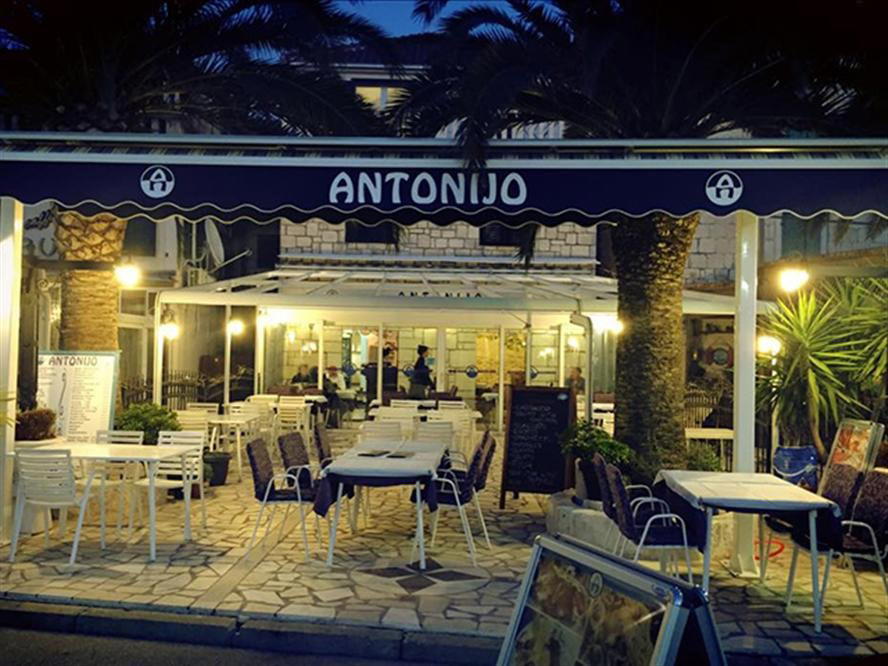

At a Glance
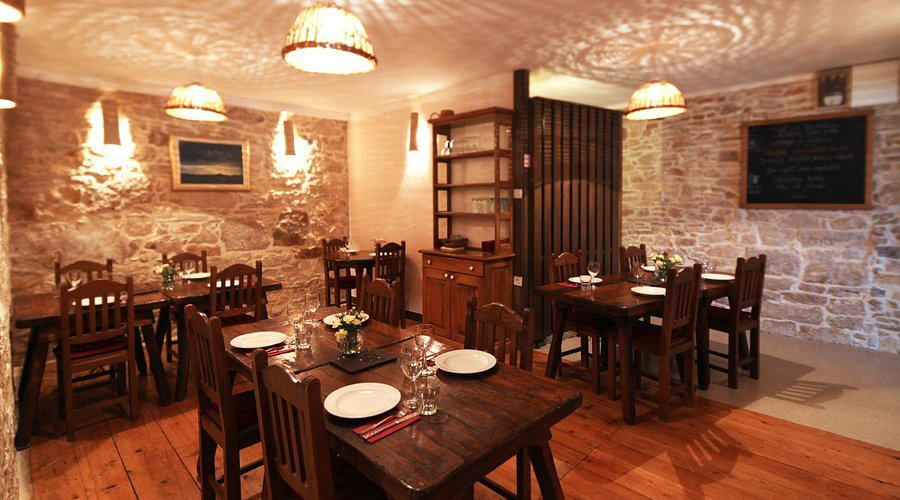
- Rustic
- Cozy
- Intimate
- Family
- Casual Hangout
- Terrace
Current opening hours
- Monday
- 1–10 PM
- Tuesday
- 1–10 PM
- Wednesday
- 1–10 PM
- Thursday
- 1–10 PM
- Friday
- 1–10 PM
- Saturday
- 1–10 PM
- Sunday
- 1–10 PM
Hours can change for holidays and private events. Last verified .
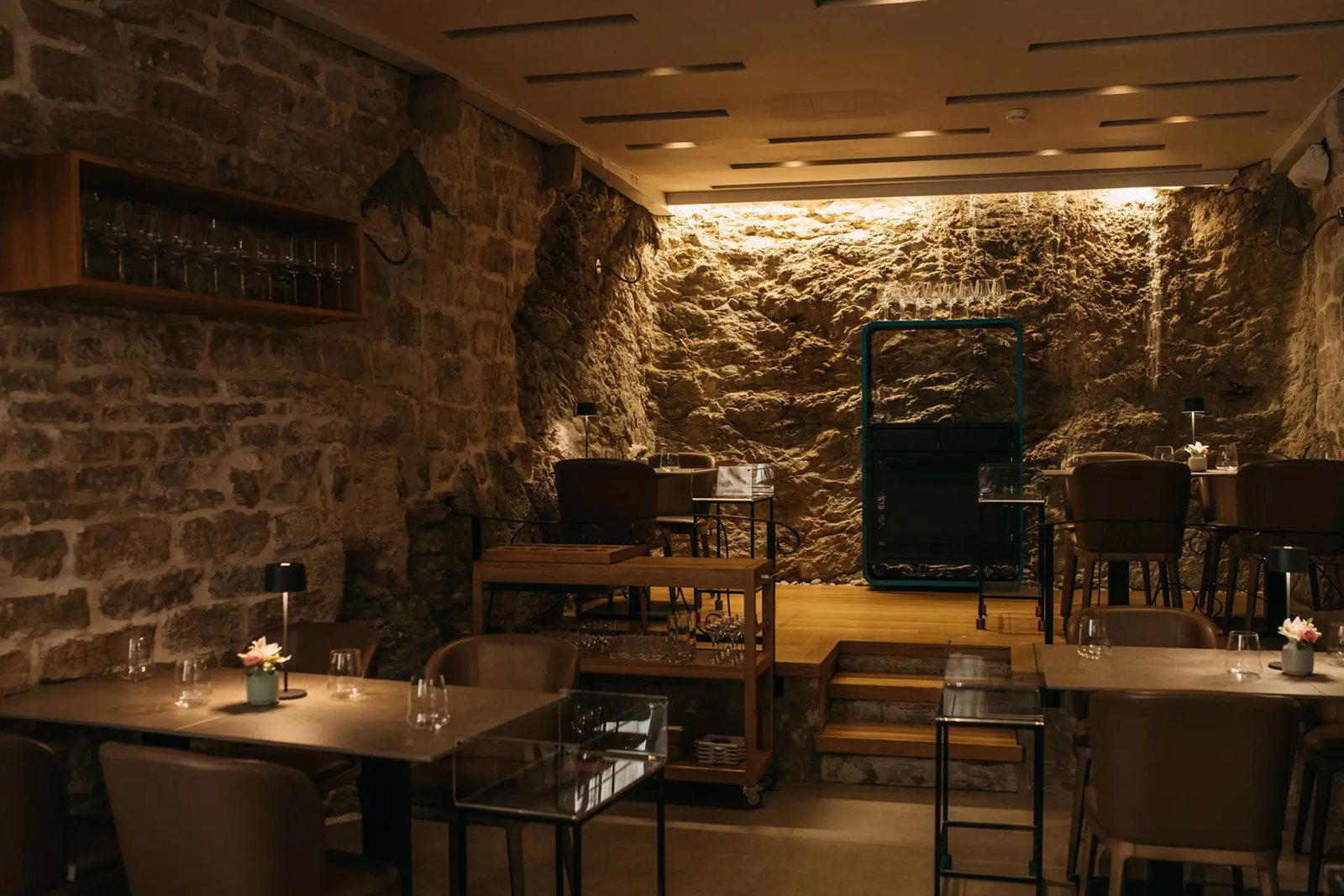
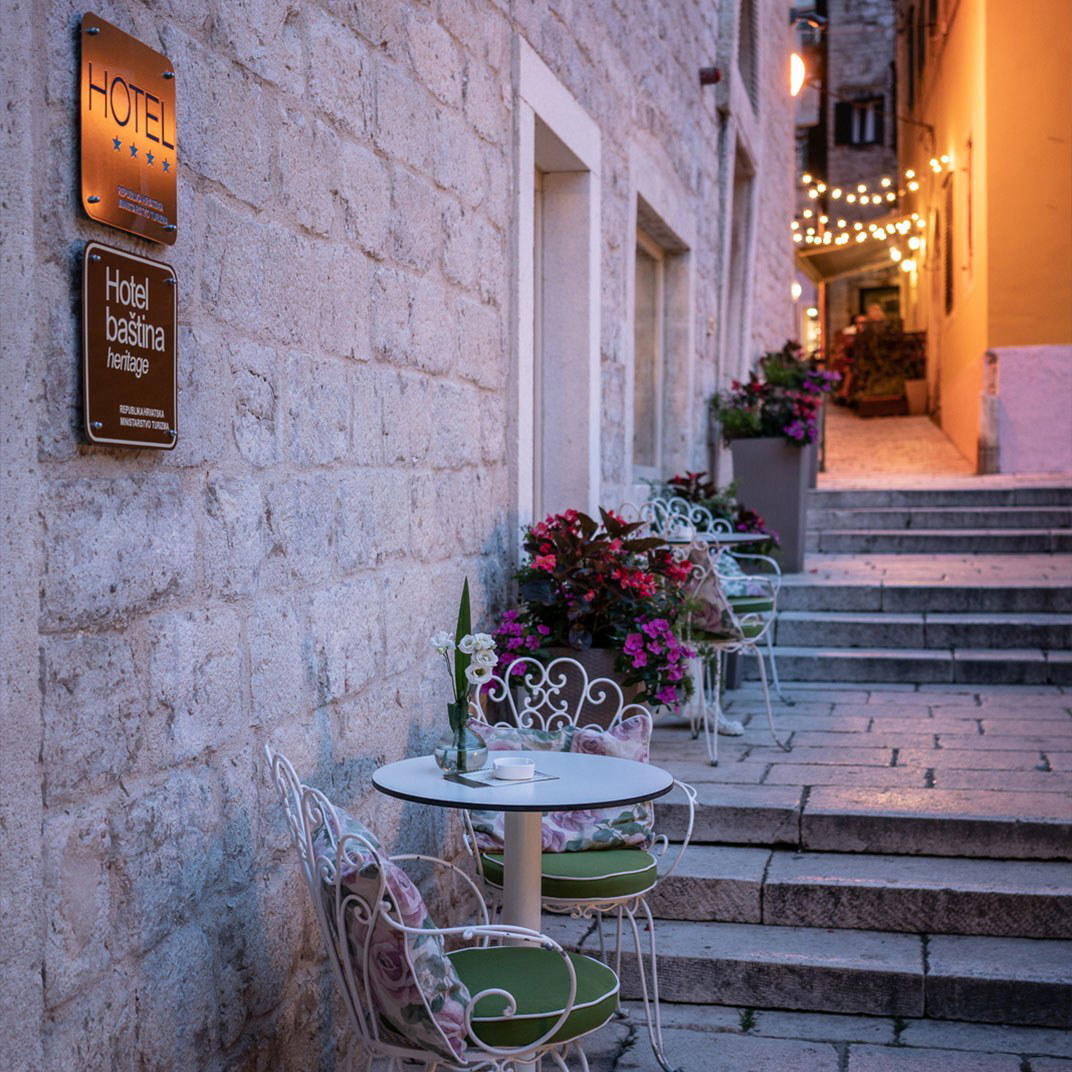
Pleasant and quiet courtyard setting in an old stone house with a romantic, intimate terrace protected from outside views.