On Rogoznica's working harbour, Antonijo occupies a stretch of the Obala Kneza Domagoja waterfront where the day's catch arrives a short walk from the kitchen. The restaurant draws on the central Dalmatian coast's tradition of letting proximity to the sea define what appears on the plate, placing it alongside a small set of Rogoznica addresses where locality is the menu's organising principle. For travellers moving along the Dalmatian corridor, it represents a grounded alternative to the more formal dining rooms further south.
Pearl is the En Primeur Club membership app — saves, bookings, and concierge access live there. Same editors, same standards.
- Address
- Obala Kneza Domagoja 35, 22203, Rogoznica, Croatia
- Phone
- +38522559411
- Website
- restoran-antonijo.hr
- Directions
- Get directions
 Saves & bookings on Pearl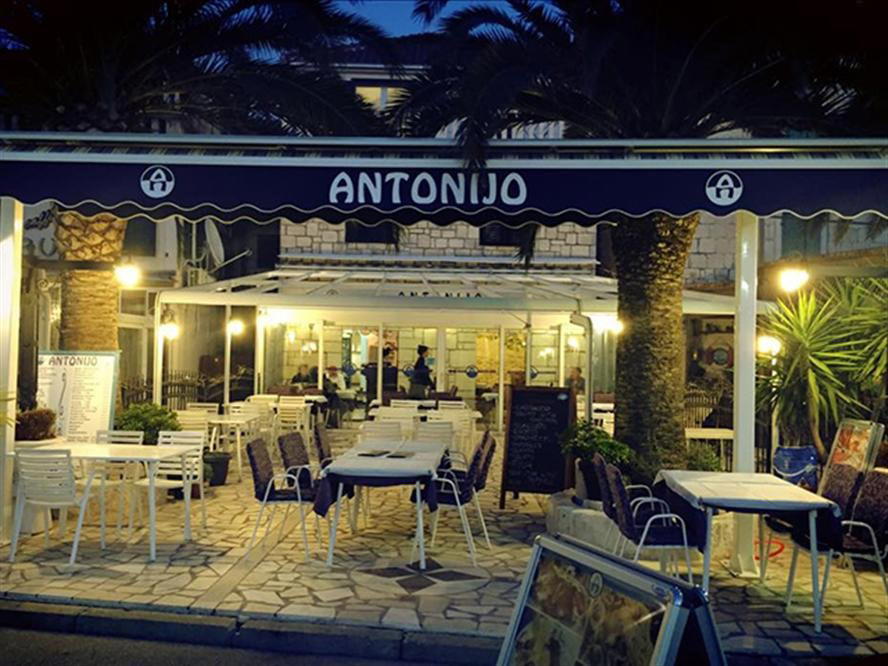
Where the Adriatic Sets the Menu
The central Dalmatian coast between Split and Šibenik operates differently from Croatia's more photographed dining destinations. There is little of the self-consciousness that has crept into restaurant culture in Dubrovnik or Rovinj. What there is, on a stretch of waterfront like Rogoznica's Obala Kneza Domagoja, is a direct line between the sea and the kitchen that remains largely unmediated by culinary fashion. Antonijo sits on that waterfront at number 35, where the physical address is itself an argument: the harbour is not a backdrop, it is the supply chain.
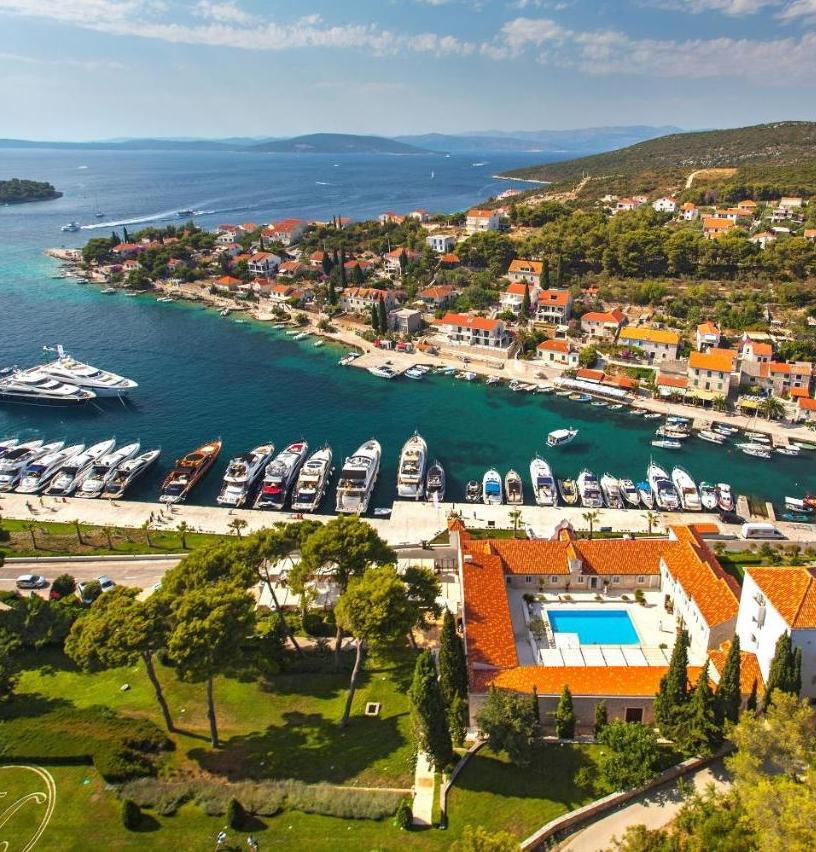
Rogoznica is a small coastal settlement built on a peninsula connected to the mainland by a narrow causeway, with a natural harbour that has shaped local life for generations. The town sits roughly halfway between Split and Šibenik, which means it draws a mix of sailing traffic, domestic Croatian visitors, and travellers who have deliberately detoured off the main coastal route. It is not a town that performs for tourists in the way that some Dalmatian ports do, and that quality carries through to its restaurants. The dining here tends to be direct, ingredient-led, and tied to what the local fishermen land.
The Sourcing Logic of the Dalmatian Waterfront
Along Croatia's central coast, the strongest restaurants are typically those that have organised themselves around supply rather than around a fixed menu. The Adriatic supports sea bass, sea bream, red mullet, John Dory, various shellfish, and cephalopods including octopus and squid, all of which appear in varying abundance depending on season and conditions. A waterfront address in a working harbour like Rogoznica shortens that supply chain to a degree that landlocked or resort-town kitchens cannot replicate. Fish sold in the morning at a harbour-side market and plated the same evening carries a freshness that is detectably different from fish that has travelled further.
This sourcing model is common to the stronger end of Dalmatian coastal dining. Pelegrini in Sibenik, roughly 25 kilometres up the coast, has built a Michelin-starred programme partly on the same logic of coastal proximity, though it operates in a higher formality bracket and at a price tier that positions it differently. LD Restaurant in Korčula and Restaurant 360 in Dubrovnik represent how that sourcing story can be packaged into high-concept formats in more prominent tourist destinations. Antonijo in Rogoznica belongs to a quieter tier of that tradition, where the format is less elaborate and the connection to local supply is the main proposition rather than the supporting narrative for a broader dining concept.
That positioning matters for what a visit actually delivers. Restaurants organised around proximity to ingredient sources rather than around culinary ambition tend to produce food that reads as uncomplicated but is in practice demanding to execute well: the quality of the raw material is fully exposed, and there is little technique to hide behind if the fish itself is not excellent. The leading Dalmatian konoba kitchens have understood this for decades. It is why cooking a whole grilled fish or a simply dressed seafood plate on the Dalmatian coast can represent a higher standard than a more complicated dish elsewhere.
Rogoznica in the Dalmatian Dining Picture
Rogoznica's restaurant scene is small and closely tied to the rhythm of the sailing season. The harbour fills with charter boats from late spring through early autumn, and most of the town's dining addresses calibrate to that pattern. Within the town, Mario is the other address that registers for visitors comparing options on the waterfront. Elsewhere along the Dalmatian corridor, travellers with more time and a higher budget will find a more formally structured tier at Pelegrini in Sibenik or, further along the coast, options like Boskinac in Novalja and Alfred Keller in Mali Lošinj in the Kvarner Gulf, each of which operates a distinct local-sourcing programme with greater structural complexity.
For the broader Croatian picture, Travellers making longer coastal journeys who want to map the range of ingredient-led cooking across Croatia's regions can also consider Agli Amici Rovinj in Rovinj for the Istrian approach to sourcing, Nebo by Deni Srdoč in Rijeka for the Kvarner interpretation, Korak in Jastrebarsko and Dubravkin Put in Zagreb for how the inland Croatian kitchen operates, or Krug in Split for a coastal city register. Further afield, San Rocco in Brtonigla, EatIstria in Pluj, Humska Konoba in Hum, and Restaurant Filippi in Curzola each offer a distinct regional angle on Croatian produce. For international reference points where ingredient sourcing is similarly the editorial and kitchen organising principle, Le Bernardin in New York City and Lazy Bear in San Francisco sit at the far end of the ambition scale but share that same foundational commitment to supply chain as culinary argument.
Planning a Visit
Rogoznica is accessible by car from Split in under an hour, and the waterfront is compact enough that Obala Kneza Domagoja is easy to locate on arrival. The town is at its busiest from June through August, when harbour traffic peaks and restaurant demand follows; visiting outside those months means fewer crowds and a more direct sense of the town's character as a working coastal settlement rather than a sailing stopover. Given the small scale of most Rogoznica restaurants, arriving without a reservation during high season carries real risk, particularly for dinner. Reservations are recommended.
Comparison Snapshot
Comparable venues nearby, for context on price, style, and recognition.
| Venue | Cuisine | Price | Notes |
|---|---|---|---|
| AntonijoThis venue — the venue you are viewing | Traditional Croatian Seafood | $$ | Not listed |
| Mario | Traditional Dalmatian Seafood | $$ | old part of Rogoznica |
| ALKA | Traditional Dalmatian Mediterranean Seafood | $$ | Old Town |
| Don Dino Restaurant | Modern Dalmatian Seafood | $$ | Trogir Old Town |
| Kopačina | Authentic Dalmatian | $$ | Donji Humac |
| Terasa Ciccio POP | Traditional Dalmatian | $$ | Nerezišća |
Continue exploring
More in Rogoznica
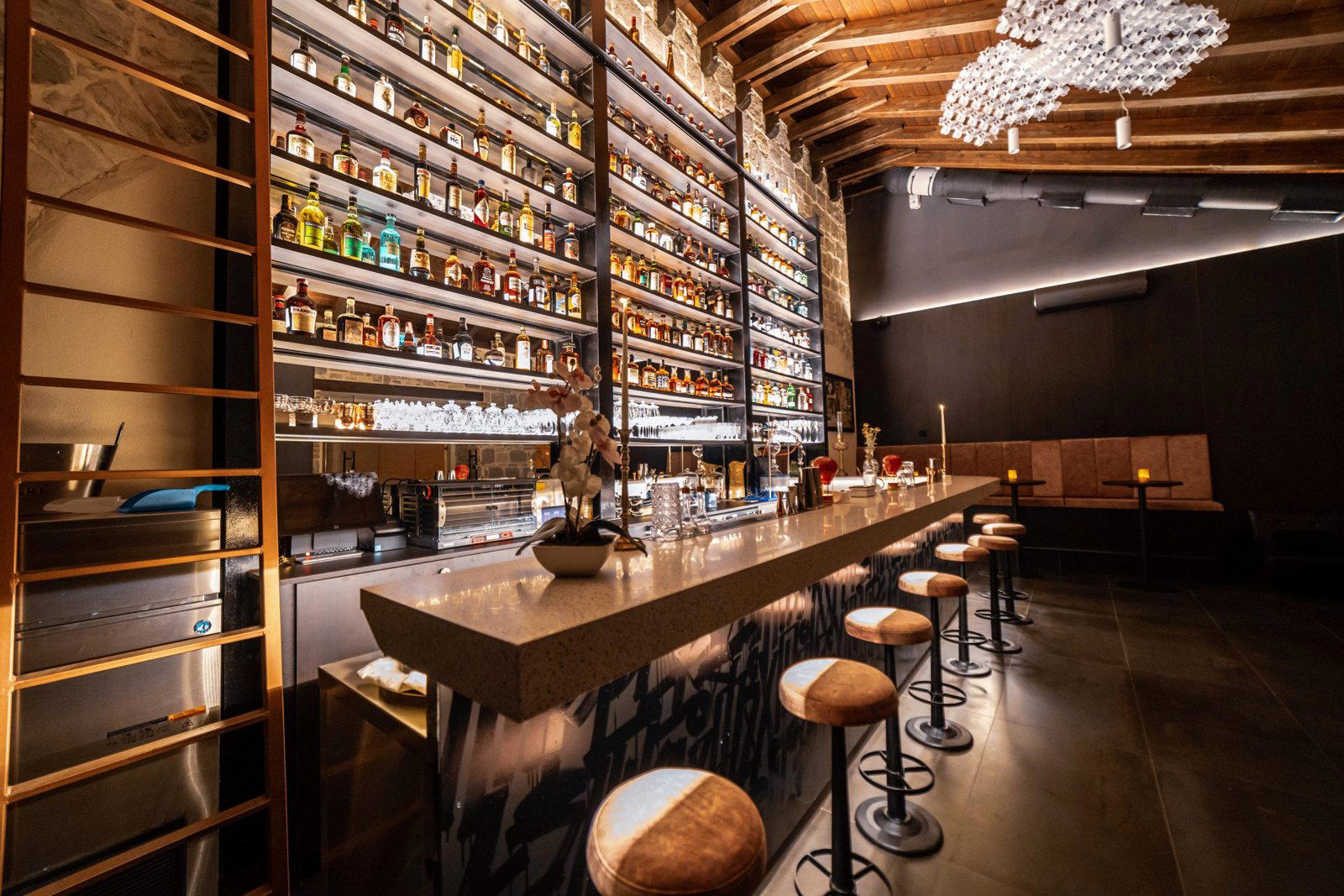
Restaurants in Rogoznica
Browse all →
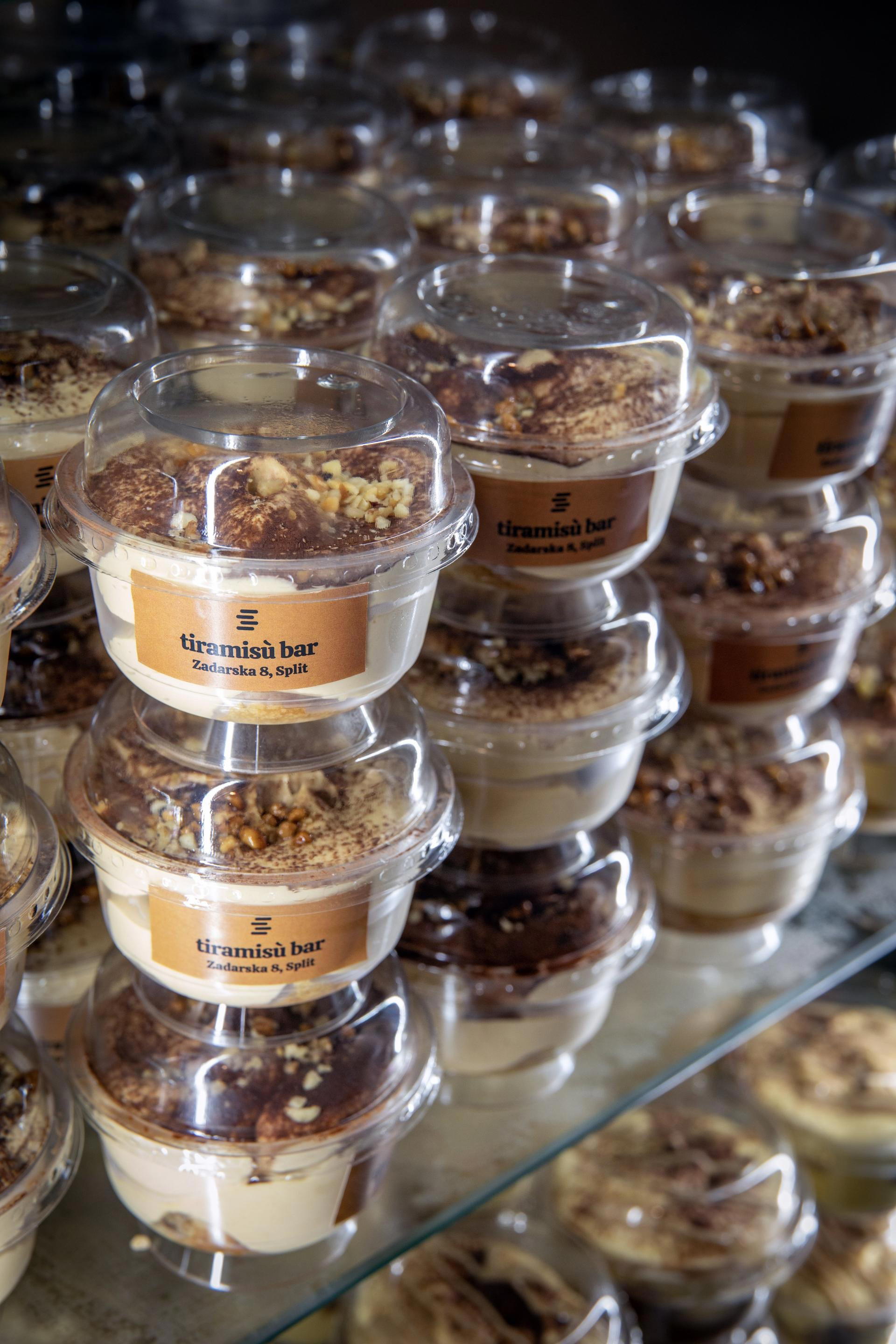
Bars in Rogoznica
Browse all →
Hotels in Rogoznica
Browse all →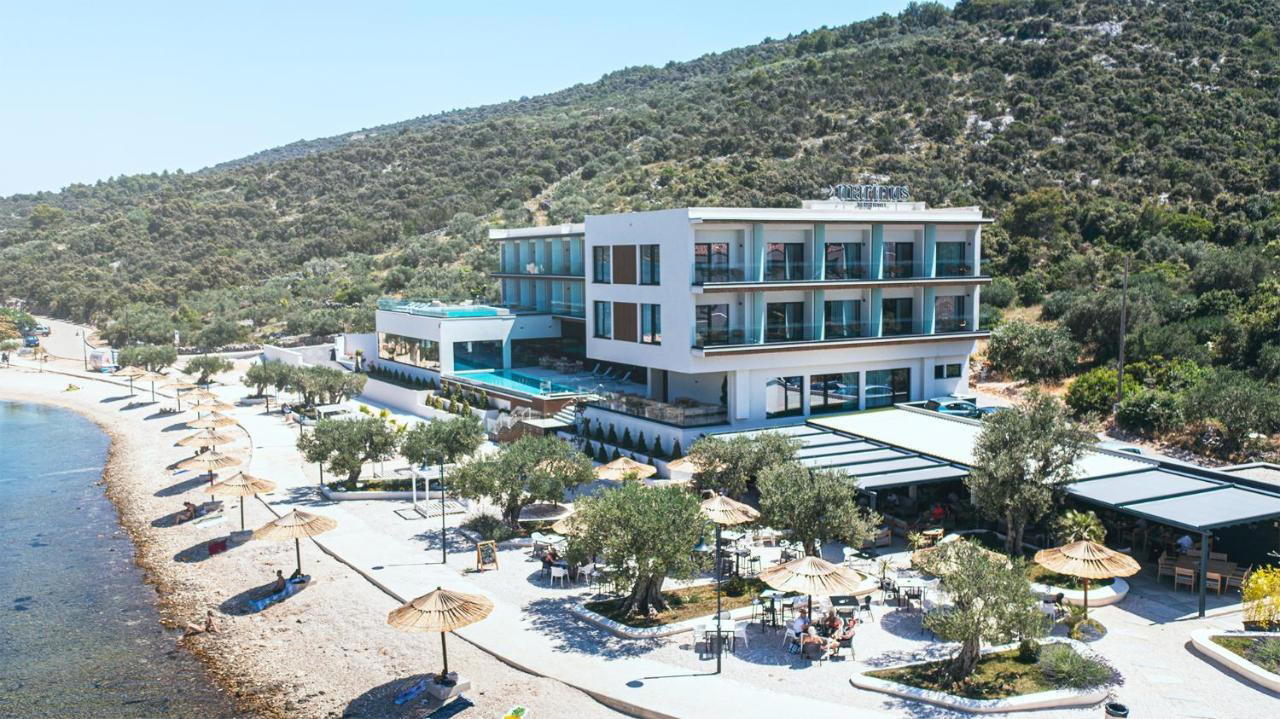

At a Glance
- Cozy
- Scenic
- Rustic
- Intimate
- Date Night
- Family
- Casual Hangout
- Waterfront
- Terrace
- Waterfront
Current opening hours
- Monday
- 11 AM–10 PM
- Tuesday
- 11 AM–10 PM
- Wednesday
- 11 AM–10 PM
- Thursday
- 11 AM–10 PM
- Friday
- 11 AM–10 PM
- Saturday
- 11 AM–10 PM
- Sunday
- 11 AM–10 PM
Hours can change for holidays and private events. Last verified .
Charming seaside terrace shaded by palm trees amid stone houses, with a warm, welcoming family atmosphere.