Restaurante Punta occupies a address on Carrer d'Enric Granados, one of L'Eixample's most architecturally considered pedestrian corridors. The restaurant sits within Barcelona's competitive creative dining tier, where design-led spaces and culinary ambition tend to reinforce each other. For travellers mapping the city's serious restaurant options, Punta warrants attention alongside the neighbourhood's broader modern Spanish offer.
Pearl is the En Primeur Club membership app — saves, bookings, and concierge access live there. Same editors, same standards.
- Address
- Carrer d'Enric Granados, 147, L'Eixample, 08008 Barcelona, Spain
- Phone
- +34932203711
- Website
- puntabcn.com
- Directions
- Get directions
 Saves & bookings on Pearl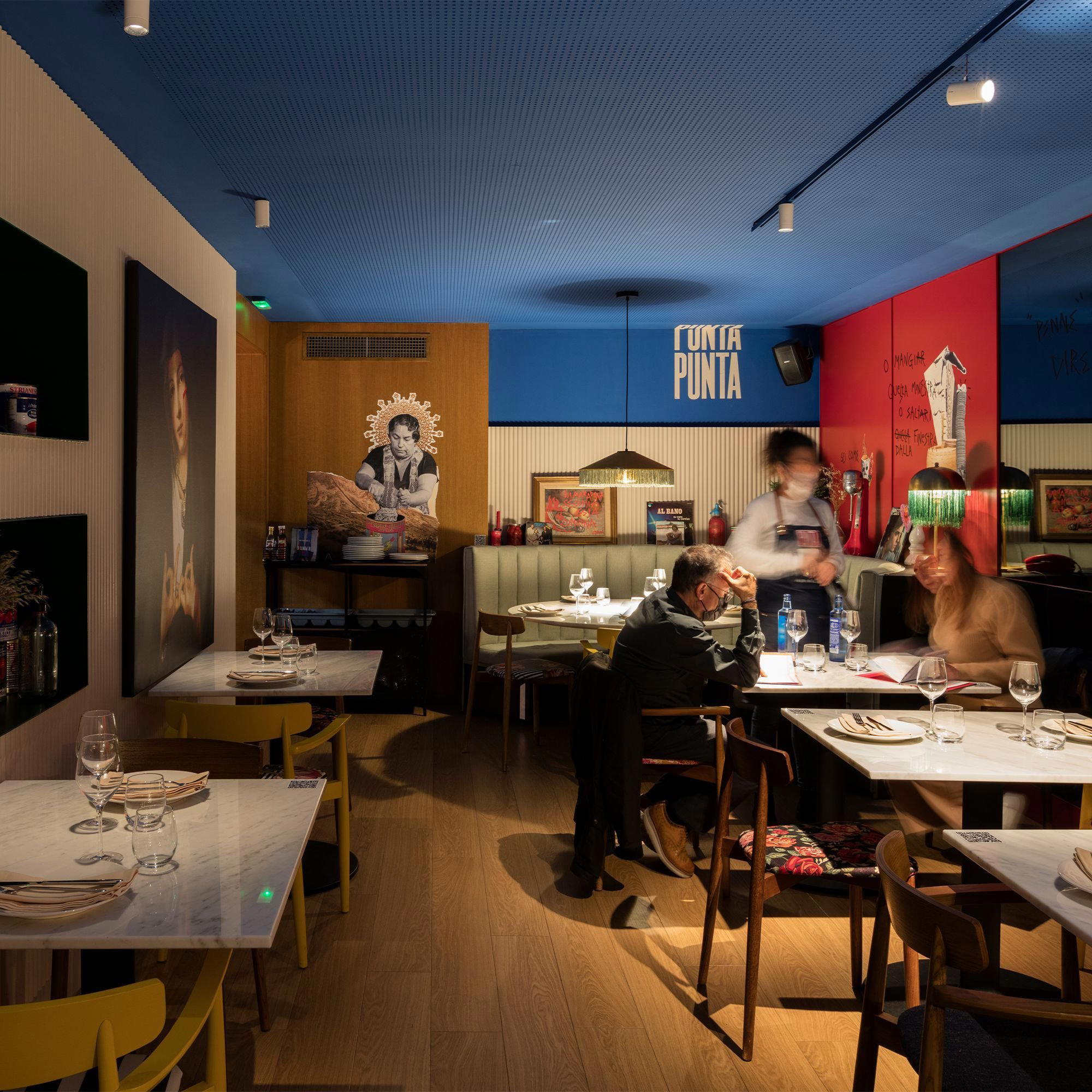
Carrer d'Enric Granados and the Architecture of Eating in L'Eixample
Carrer d'Enric Granados does not behave like most streets in Barcelona. Widened into a pedestrian rambla in 2012, it runs through the heart of L'Eixample as a slow-moving corridor of Modernista facades, terrace tables, and ground-floor restaurant frontages that face outward rather than inward. The physical character of the street shapes how dining works here: rooms open onto pavement life, natural light carries further into interiors, and the visual relationship between inside and outside is more porous than in the city's tighter Gothic lanes. It occupies a position toward the upper end of this stretch, where the street begins to thin and the residential density of the Eixample grid reasserts itself.
In a city where restaurant design has become a competitive signal, L'Eixample's better addresses tend to attract operators who treat the physical container as part of the proposition. The neighbourhood's Cerdà grid produces elongated rectangular floor plans with high ceilings and large street-facing apertures, a typology that rewards considered interior architecture rather than hiding it. Across Barcelona's creative dining tier, from Enigma to ABaC, the spatial experience increasingly functions as an editorial statement about what kind of cooking happens inside.
Where Punta Sits in Barcelona's Creative Restaurant Tier
Barcelona's serious restaurant scene divides into a handful of distinct operating modes. At the leading, three-Michelin-star houses like Disfrutar and Lasarte run structured tasting menus with extended kitchen teams and dining rooms designed around ceremony. One tier down, places like Cocina Hermanos Torres occupy a middle ground where culinary ambition meets a slightly less formalized rhythm. Below that sits a broader band of creative-leaning addresses that operate with more flexibility on format, price, and occasion type.
Restaurante Punta sits within this Barcelona ecosystem on Enric Granados, a street that functions as something of a self-selecting filter: operators choose it for visibility and foot traffic, but the pedestrian character keeps the energy neighbourhood-level rather than destination-tourist. That positioning tends to attract a local-leaning clientele alongside visitors staying in the immediate area, which pulls the dining room energy in a particular direction. The comparison set for Punta is not the city's tasting-menu flagships but the tier of modern Spanish restaurants that take technique seriously without requiring a long commitment or advance booking months out.
Spain's broader creative dining tradition, running from El Celler de Can Roca in Girona through Mugaritz in Errenteria and down to coastal operators like Aponiente in El Puerto de Santa María and Quique Dacosta in Dénia, has established Spain as one of the more productive environments for serious cooking in Europe. Barcelona absorbs that influence while adding its own Catalan specificity: local produce networks, a Mediterranean coastal sensibility, and a design culture that treats restaurant interiors with the same seriousness applied to fashion or architecture.
The Physical Logic of the Space
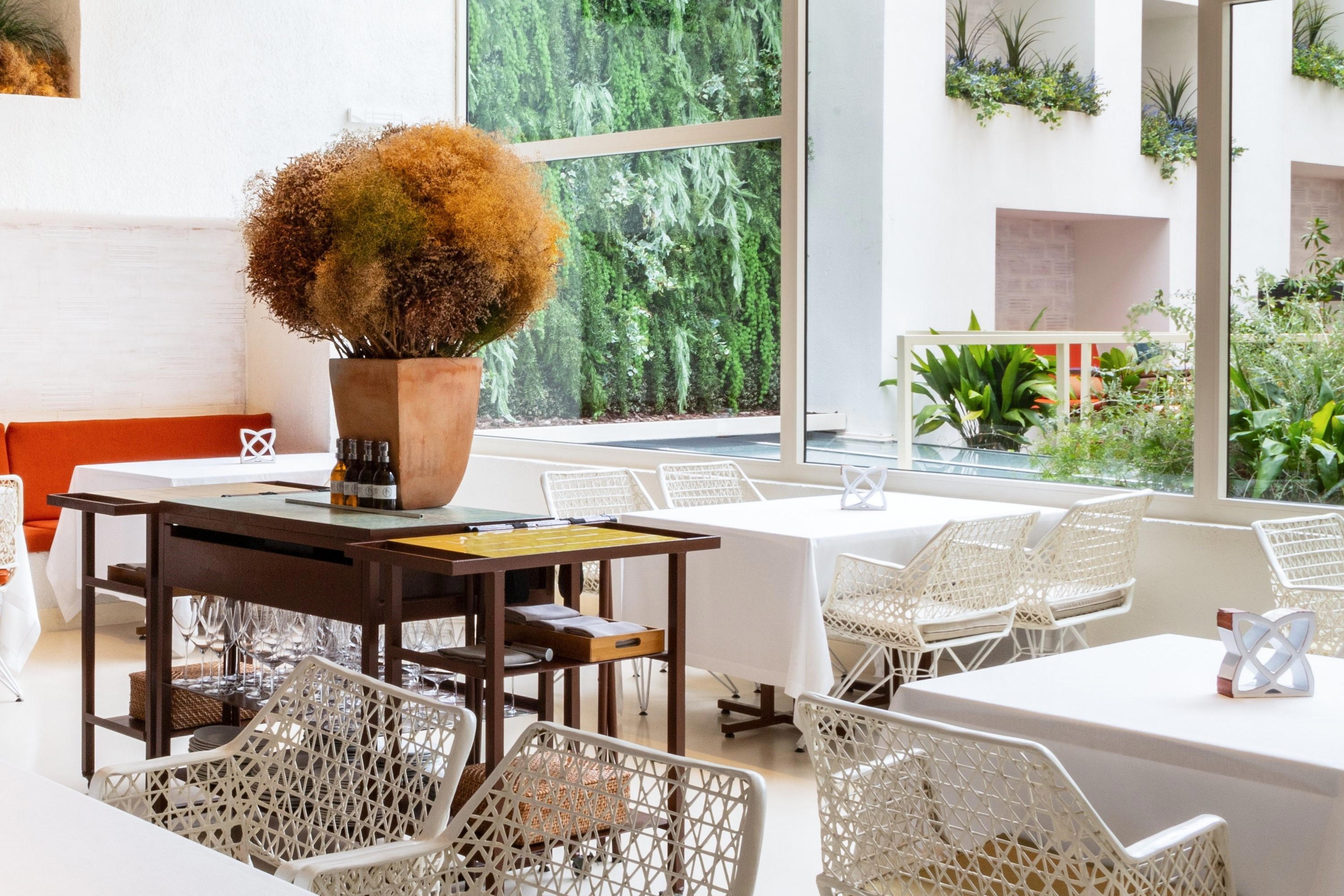
The Eixample typology works in Punta's favour architecturally. Ground-floor restaurant spaces on this grid typically benefit from the neighbourhood's characteristic high ceilings, often four metres or more in older buildings, which prevent the acoustic compression that plagues lower-ceilinged rooms when they fill. The street-facing position on Enric Granados adds a visual depth that purely interior rooms lack: even diners seated away from the window have sightlines that extend outward to the pedestrian boulevard rather than terminating at a wall.
Barcelona's creative dining tier has progressively treated interior architecture as a differentiator rather than a backdrop. The trajectory runs from the deliberately theatrical spatial programming of Enigma, where movement through the room is choreographed, to the converted greenhouse drama of Cocina Hermanos Torres, to formats that use restraint and materiality to signal culinary seriousness. Where Punta lands on that spectrum shapes the experience as much as what arrives on the plate.
Spain's Dining Geography and Barcelona's Role
Visitors building a serious Spain itinerary tend to anchor on the Basque Country, Arzak in San Sebastián, Azurmendi in Larrabetzu, Martin Berasategui in Lasarte-Oria, and treat Barcelona as the Mediterranean counterpoint. That framing undersells the city. Barcelona's restaurant density in the creative tier is higher than any comparable Spanish city, and the neighbourhood-level quality across L'Eixample means that addresses without international profiles can punch well above what their visibility would suggest.
The broader Spanish context also includes Madrid's contribution through DiverXO and Extremadura's through Atrio in Cáceres, both representing different poles of the country's creative range. Internationally, the technical ambition of Spain's creative dining culture holds comparison with destination-level operators globally, including Le Bernardin in New York City and Atomix in New York City, which operate in different culinary traditions but at comparable levels of intentionality. Ricard Camarena in València offers another regional point of reference for the Mediterranean strand of Spanish cooking that Barcelona restaurants often draw from.
Cuisine and Credentials
Comparable venues nearby, for context on price, style, and recognition.
| Venue | Cuisine | Price | Notes |
|---|---|---|---|
| Restaurante PuntaThis venue — the venue you are viewing | Southern Italian Pizzeria | $$ | Not listed |
| Parking Pizza | Modern Italian Pizza | $$ | Sant Gervasi - Galvany |
| Pizzeria Av. Corrientes | Argentine Pizzeria | $$ | la Maternitat i Sant Ramon |
| Doppietta | Modern Northern Italian Salumeria | $$ | Sant Antoni |
| Le Cucine Mandarosso | Authentic Southern Italian Pasta | $$ | Sant Pere, Santa Caterina i la Ribera |
| Pizzeria Rosmarin | Authentic Italian Pizza | $$ | el Fort Pienc |
Continue exploring
More in Barcelona
Restaurants in Barcelona
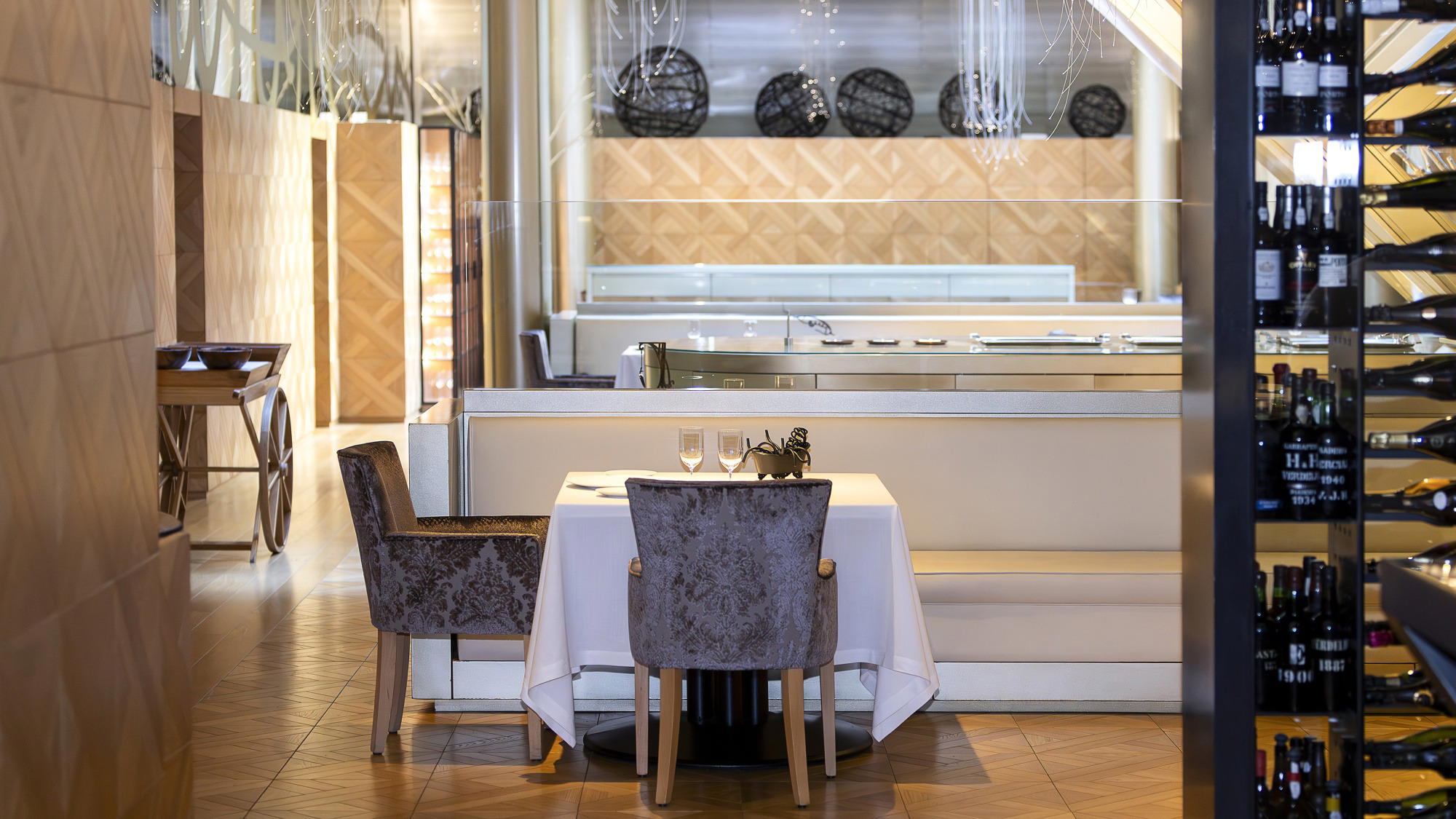
Browse all →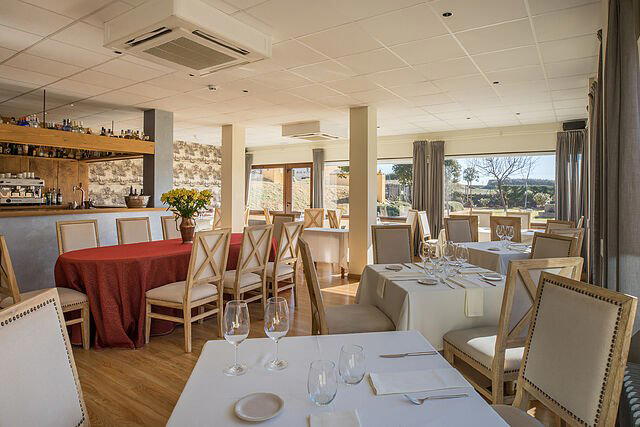
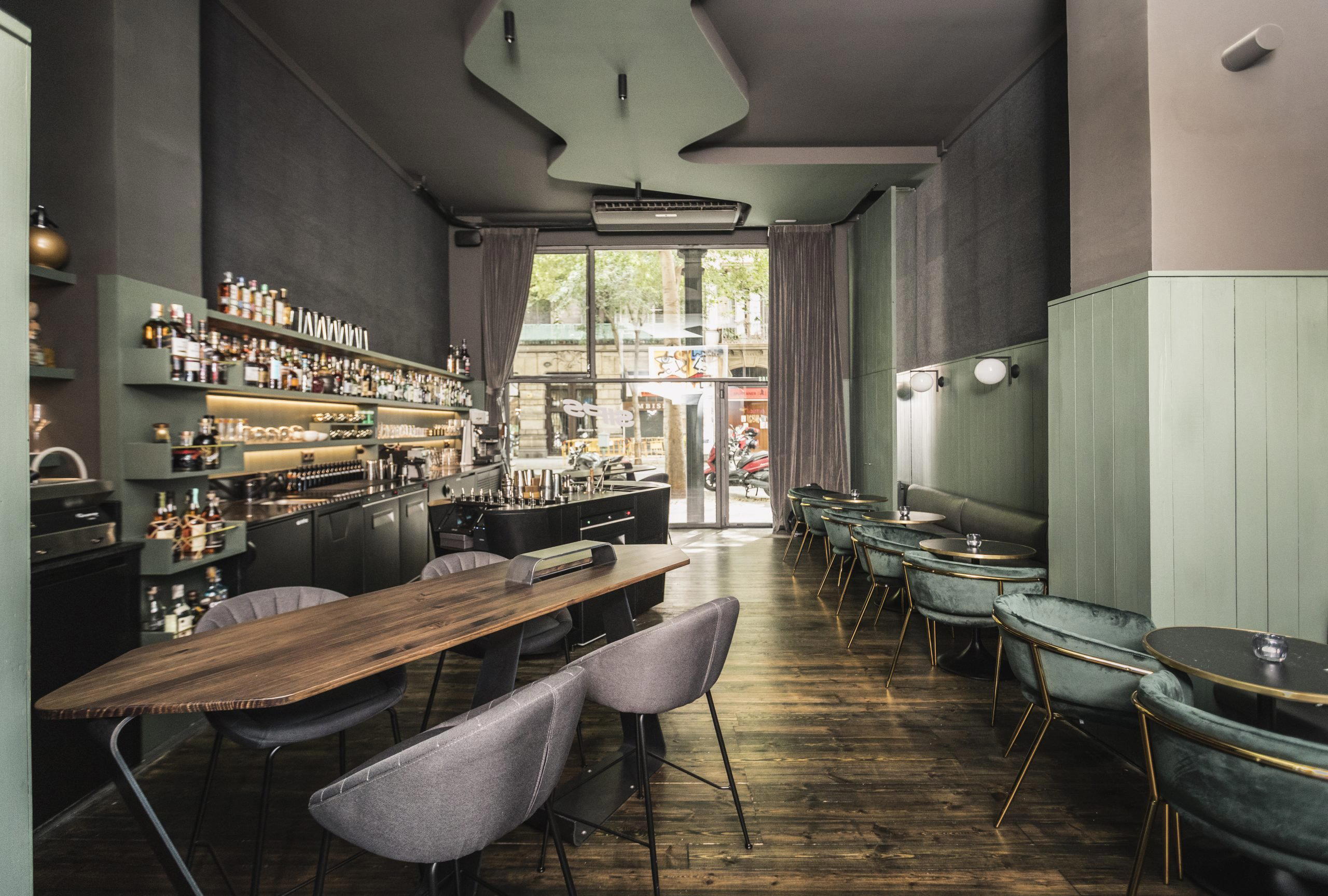
Bars in Barcelona
Browse all →
Hotels in Barcelona
Browse all →
At a Glance
- Cozy
- Intimate
- Classic
- Date Night
- Casual Hangout
- Family
- Open Kitchen
- Extensive Wine List
Current opening hours
- Monday
- Closed
- Tuesday
- 1–4:30 PM, 7:30 PM–12 AM
- Wednesday
- 1–4:30 PM, 7:30 PM–12 AM
- Thursday
- 1–4:30 PM, 7:30 PM–12 AM
- Friday
- 1–5 PM, 7 PM–1 AM
- Saturday
- 1 PM–1 AM
- Sunday
- 1–5 PM, 7–11 PM
Hours can change for holidays and private events. Last verified .
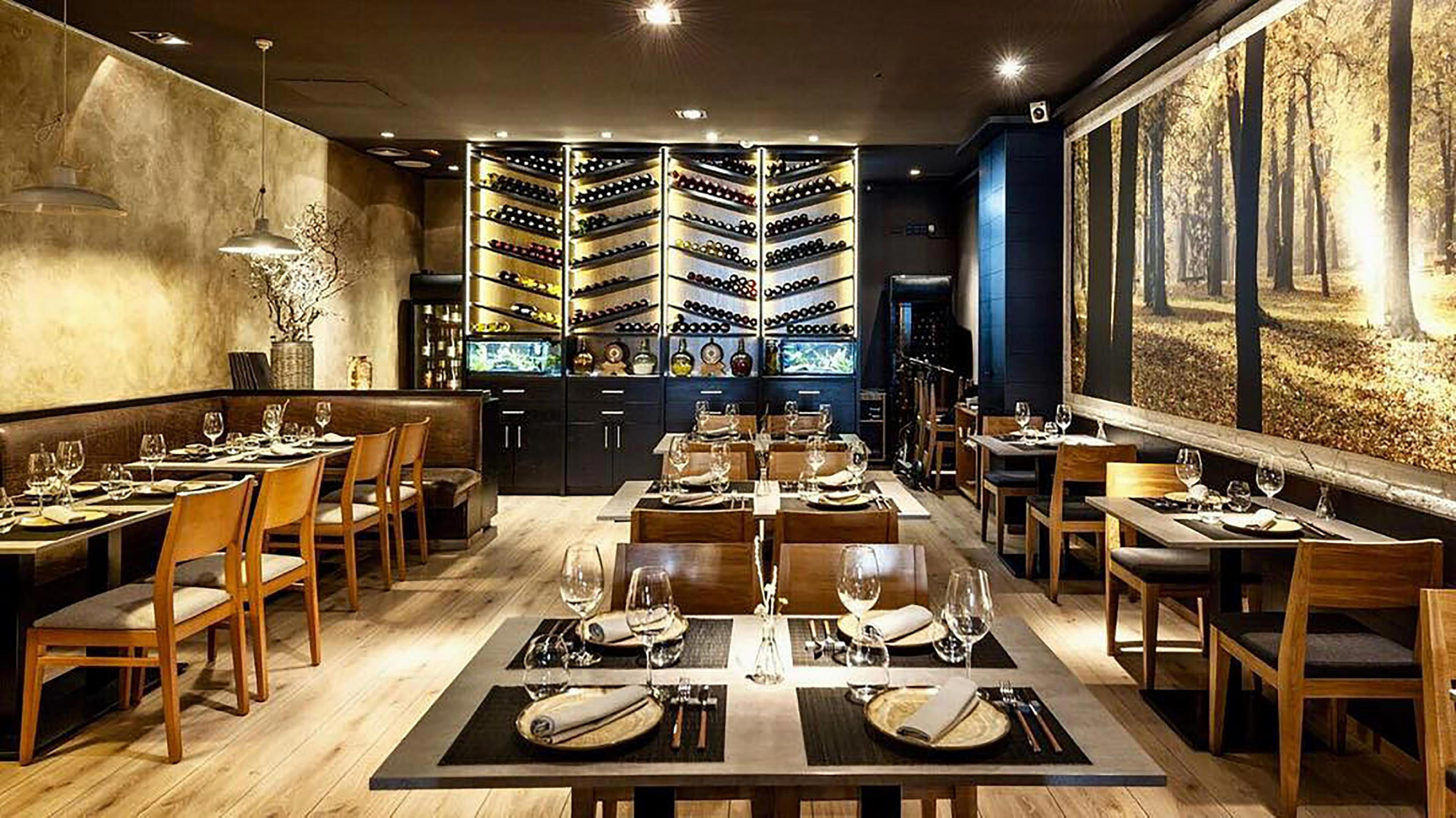
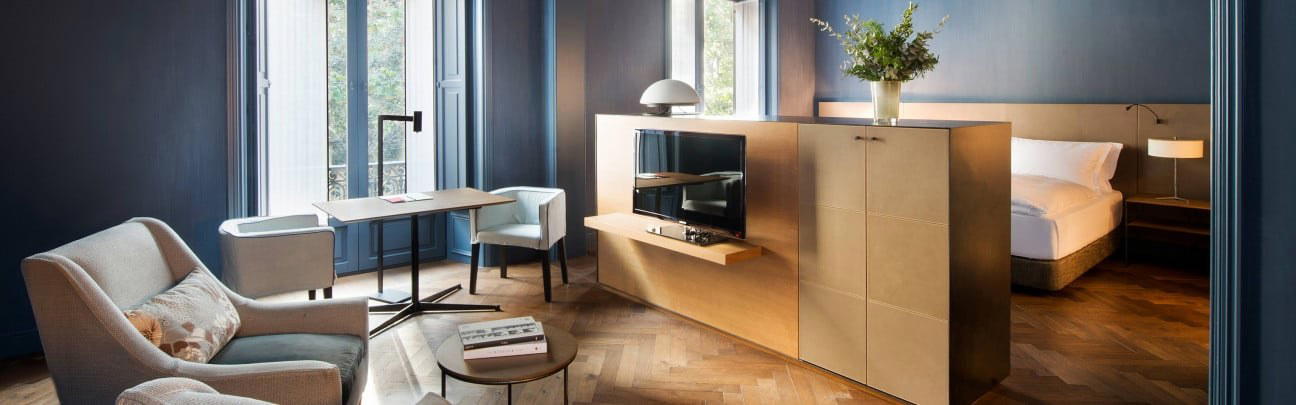
Cozy and intimate with a warm, home-like atmosphere described as slightly dark and refined down to the smallest aesthetic details.