
Macarfi 6.9 Food Rating
Our verdict
Doppietta occupies a quiet passage in L'Eixample, where the address alone signals the kind of neighbourhood-first positioning that defines Barcelona's emerging mid-tier dining scene. The kitchen sits at the intersection of imported culinary methods and Catalan and Iberian produce, a combination that has become one of the city's most discussed formats. Reservations carry weight here, and the room fills accordingly.

Pearl is the En Primeur Club membership app, where members save venues, book tables and use the concierge.

The menu
What to order
- Tasting Board
- Vitello tonnato
- Tagliatelle ragù di mamma Luciana
A Passatge, a Format, and What It Tells You About L'Eixample Right Now
Passatge de Pere Calders runs through one of L'Eixample's quieter residential grids, the kind of address that requires deliberate navigation rather than casual foot traffic. Barcelona has a long tradition of placing serious cooking in secondary streets and interior passages, away from the rambla-facing tourist circuits that dominate the city's more recognisable dining corridors. Doppietta occupies one of these positions, and in a city where the dining room location carries as much signal as the menu format, that placement is a genuine editorial data point rather than a coincidence.
L'Eixample has been the engine of Barcelona's contemporary dining scene for more than a decade. The neighbourhood hosts several of the city's most demanding creative kitchens, including Cocina Hermanos Torres, Disfrutar, and Lasarte, all of which operate at the upper tier of Spain's progressive creative canon. Doppietta sits in the same district but occupies a different register: a street-level address that draws neighbourhood regulars alongside intentional visitors rather than the destination-pilgrimage crowd that moves between three-Michelin-star tables.
Local Ingredients, Imported Method: The Format That Has Defined Barcelona's Middle Tier
The most consistent pattern across Barcelona's non-starred but critically noticed kitchens is the synthesis of technique drawn from outside Catalonia or Spain and applied to produce with strong regional identity. This is not a new tension in Spanish cooking. The country's most discussed restaurants have long drawn on French classical frameworks, Japanese precision, and Nordic fermentation logic while remaining anchored in local ingredients. Enigma and ABaC operate this model at a higher price point and with greater formal complexity. What the mid-tier does is compress that same ambition into a more accessible format, often at a neighbourhood scale where the sourcing relationships are more visible and the margin for theatrical presentation is deliberately narrower.
Doppietta's name, Italian for the double shot or the double-barrelled action, suggests a deliberate pairing logic at the conceptual level. Whether that translates to a dual-heritage approach to the menu or a structural tasting format is something the kitchen signals through the work itself rather than through explicit framing. What the address and category position together indicate is a kitchen operating within the broader Mediterranean crossover tradition that has given Barcelona much of its creative identity over the past fifteen years: Catalan and Spanish larder meeting a technique vocabulary that owes as much to Italy, France, and further afield as it does to local tradition.
This is the format that has earned Spain its extended run as one of Europe's most discussed dining destinations. El Celler de Can Roca in Girona built its reputation on exactly this synthesis, as did Mugaritz in Errenteria and Arzak in San Sebastián. The point is not that Doppietta belongs in that conversation at that level, but that the broader tradition it draws from is one of the most studied and consistently productive in contemporary European gastronomy. Understanding where a smaller, neighbourhood-anchored kitchen sits relative to that lineage is how you read its ambition correctly.
Seasonal Timing and Why Spring and Autumn Are the Productive Windows
Barcelona's dining scene operates on a rhythm that diverges from the tourist calendar in useful ways. August compresses the local dining room considerably: many Barcelonins leave the city, and kitchens that depend on regular neighbourhood clientele rather than walk-in tourist volume tend to either close for several weeks or operate at reduced capacity. The most productive windows for this kind of dining are late spring, when the market produce transitions from root-heavy winter supply to the broader Mediterranean range of spring vegetables and coastal fish, and autumn, when Catalan mushroom season and the early arrival of game and aged products give kitchens with local-sourcing commitments their strongest material to work with.
This seasonal logic applies across the Barcelona mid-tier. Ricard Camarena in València operates with a similar seasonal rigour, as does Quique Dacosta in Dénia, both of whom have made the relationship between coastal and inland Iberian produce and global technique central to their public identity. For a Barcelona kitchen on Passatge de Pere Calders, the same seasonal markers define when the kitchen is operating with its fullest range of material.
Where Doppietta Sits Among Barcelona Peers
Positioning a neighbourhood dining room against the starred tier is not a category error; it is a useful way to understand what a city's mid-tier is actually doing.
| Venue | Neighbourhood | Price Tier | Format | Primary Credential |
|---|---|---|---|---|
| Doppietta | L'Eixample (Passatge) | Not confirmed | Not confirmed | Address and category positioning |
| Cocina Hermanos Torres | L'Eixample | €€€€ | Creative tasting | Two Michelin stars |
| Disfrutar | L'Eixample | €€€€ | Progressive creative | Three Michelin stars, World's 50 Best |
| Lasarte | L'Eixample | €€€€ | Progressive Spanish | Three Michelin stars |
| Enigma | L'Eixample | €€€€ | Creative immersive | One Michelin star |
The honest read of this table is that confirmed data for Doppietta is limited at the time of writing. That absence is itself a logistical signal: this is a kitchen that does not operate through the promotional architecture of the starred tier, and visitors should approach it with the same verification habits they would apply to any neighbourhood address without a major reservation platform footprint.
Planning Your Visit: What the Address Tells You
Passatge de Pere Calders sits within walking distance of the Sant Antoni market, which has become one of Barcelona's most discussed food neighbourhoods over the past five years. The wider Sant Antoni zone, where a post-renovation market building now anchors a dense cluster of cafes, bars, and casual dining, gives the immediate area around Doppietta a strong food culture context even before you reach the door.
For visitors building a broader Spain itinerary, Barcelona sits at the western end of a dining circuit that extends to Azurmendi in Larrabetzu, Martin Berasategui in Lasarte-Oria, and Aponiente in El Puerto de Santa María, all of which operate in the same local-produce-global-technique tradition at a higher formal register. DiverXO in Madrid and Atrio in Cáceres extend the circuit further. Doppietta is not in that tier, but understanding that tier clarifies what the neighbourhood mid-range in Barcelona is doing in its own register.
For international reference points outside Spain, Le Bernardin in New York City and Lazy Bear in San Francisco both demonstrate what happens when imported technique meets a strong local produce identity at a sustained level over time. The pattern holds across cities; Barcelona's version of it runs through addresses like this one.
See our full Barcelona restaurants guide for neighbourhood-level mapping and category comparisons across the city's full dining range.
Frequently asked questions
Where do I go for Doppietta?
Doppietta is located at Passatge de Pere Calders, 4, L'Eixample, 08015 Barcelona, Spain, Barcelona.
Is Doppietta a good option for a dinner near Sant Antoni market in Barcelona?
Doppietta sits on Passatge de Pere Calders in L'Eixample, within walking distance of Sant Antoni market, which has become one of Barcelona's most discussed food neighbourhoods over the past decade. The Italian-inflected kitchen at this address places it among the small group of non-starred rooms in the area that draw a local rather than tourist-led clientele. For a dinner that reflects the current direction of Barcelona's mid-tier dining scene, the Sant Antoni proximity and the cross-Mediterranean format make it a coherent choice.
What's the signature dish at Doppietta?
Confirmed dish-level detail for Doppietta is not something public sources have documented with enough precision to report responsibly. The name itself, an Italian term for a paired or double action, points toward a kitchen built around cross-Mediterranean combinations rather than a single anchor dish. The clearest approach is to check directly with the restaurant before visiting, as neighbourhood kitchens at this address level in L'Eixample tend to run seasonal menus that shift the focus regularly.
How far ahead should I plan for Doppietta?
L'Eixample neighbourhood kitchens with a clear format identity, particularly those near the Sant Antoni food corridor, typically fill weekend tables two to three weeks out during spring and autumn. August, when local residents leave Barcelona and the city shifts toward tourists, can open availability at shorter notice. Booking at least two weeks ahead for a Friday or Saturday sitting is a reasonable working assumption for an address like Passatge de Pere Calders.
Nearby-ish Comparables
Comparable venues nearby, for context on price, style, and recognition.
| Venue | Cuisine | Price | Awards | Notes |
|---|---|---|---|---|
| DoppiettaThis venue (the venue you are viewing) | Modern Northern Italian Salumeria | $20–30 | Macarfi 6.9 Food Rating | Not listed |
| Parking Piizza / Parking Pita | Neapolitan Pizza | $20–30 | Not listed | la Dreta de l'Eixample |
| PIANO B Food Experience | Authentic Italian | $20–30 | Not listed | el Poble Sec |
| Delias Pizza | Greek-Italian Pizza | Not listed | Not listed | Sant Antoni |
| Parking Pizza | Modern Italian Pizza | $20–30 | Macarfi 7 Food Rating | Sant Gervasi - Galvany |
| Disío | Authentic Sicilian Trattoria | $10–20 | Not listed | Sant Gervasi - Galvany |
Recognition history
Dated appearances from independent guides and award organizations, with the underlying list record or original source where available.
Macarfi 6.9 Food Rating
Macarfi
Continue exploring
More in Barcelona
Restaurants in Barcelona
All restaurants in Barcelona →
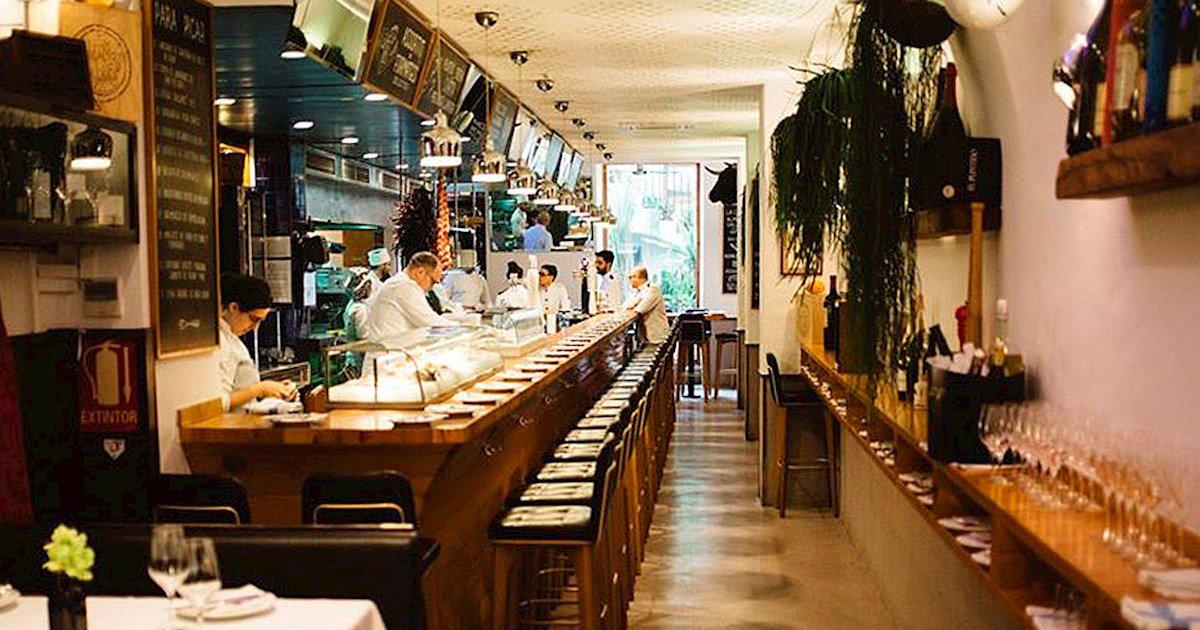
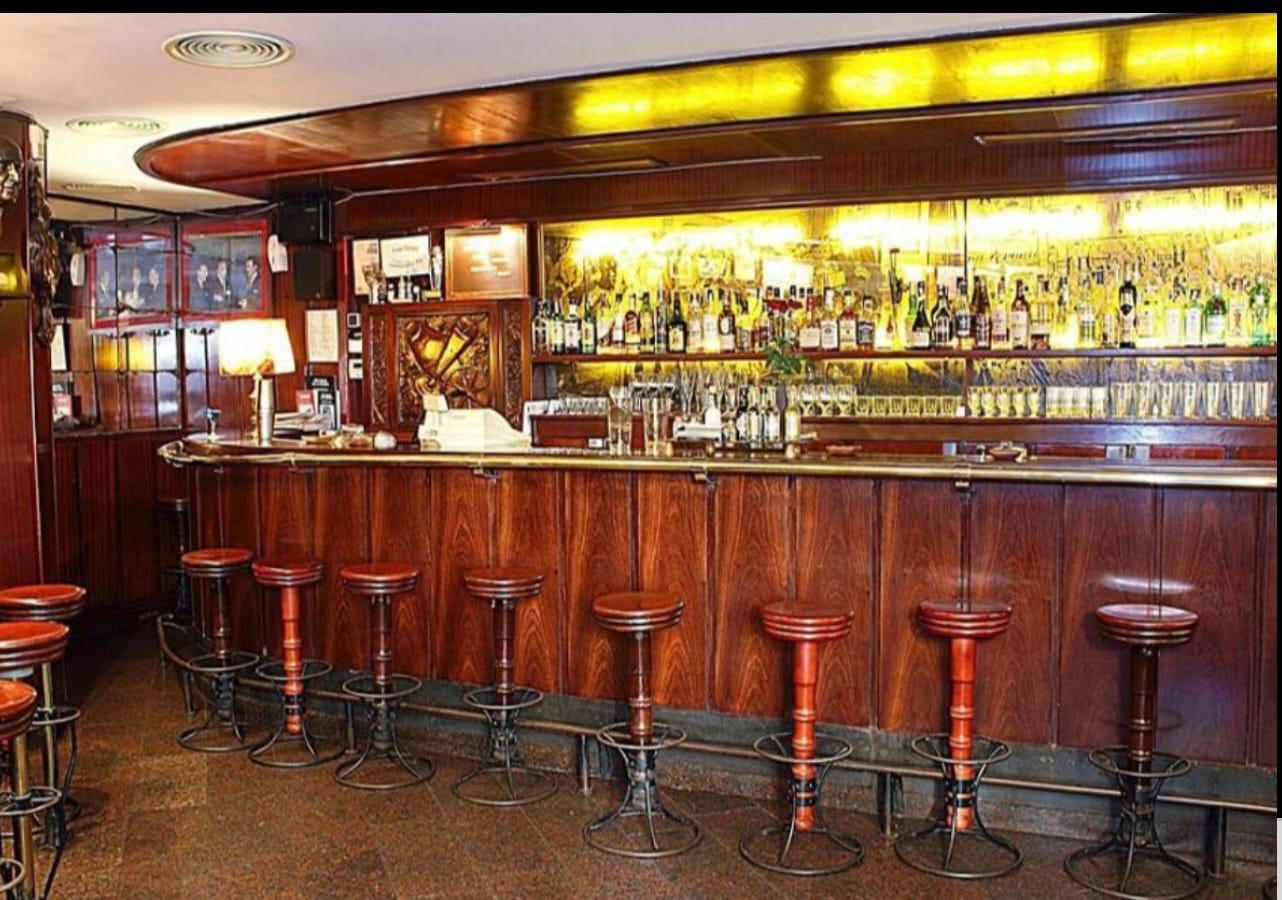
Bars in Barcelona
All bars in Barcelona →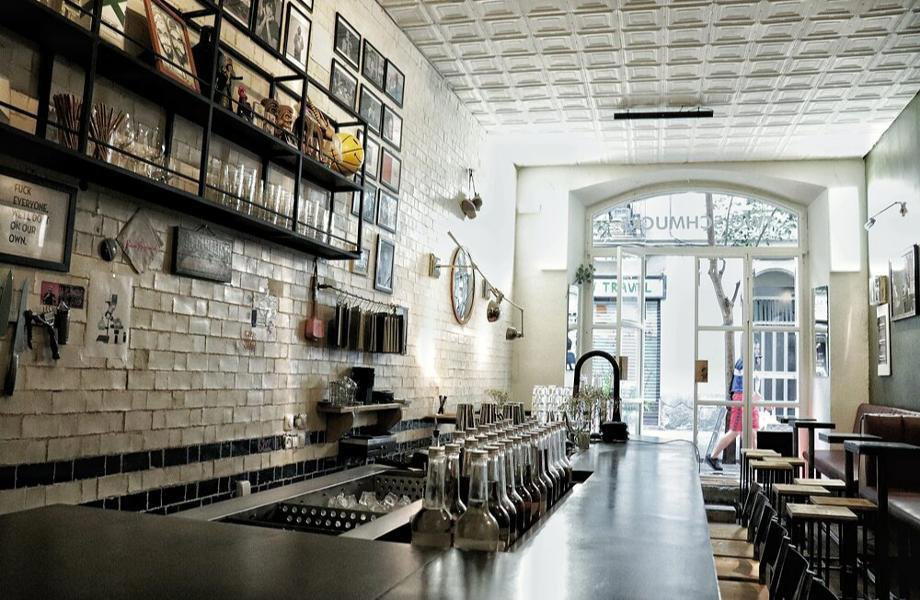


Details
- Cozy
- Modern
- Trendy
- Date Night
- Casual Hangout
- Brunch
- Open Kitchen
- Terrace
- Craft Cocktails
- Local Sourcing
- Small Plates
- A La Carte
- Craft Cocktails
- Italian Wines
- Local Beers
Current opening hours
- Monday
- Closed
- Tuesday
- Closed
- Wednesday
- 7 PM–12 AM
- Thursday
- 7 PM–12 AM
- Friday
- 7 PM–12:30 AM
- Saturday
- 1:30–5:30 PM, 7 PM–12:30 AM
- Sunday
- 1:30–5:30 PM
Hours can change for holidays and private events. Hours as of .
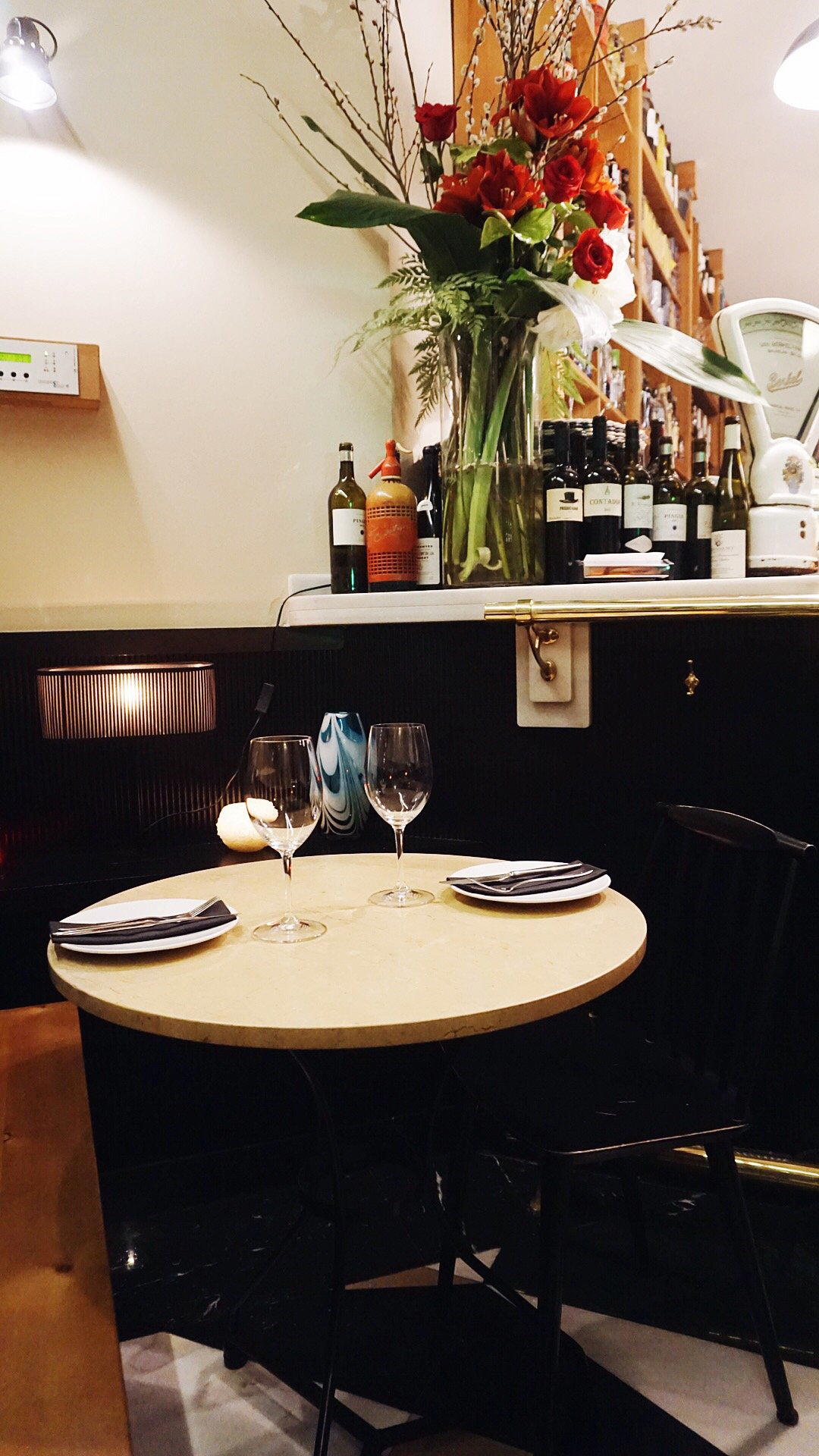
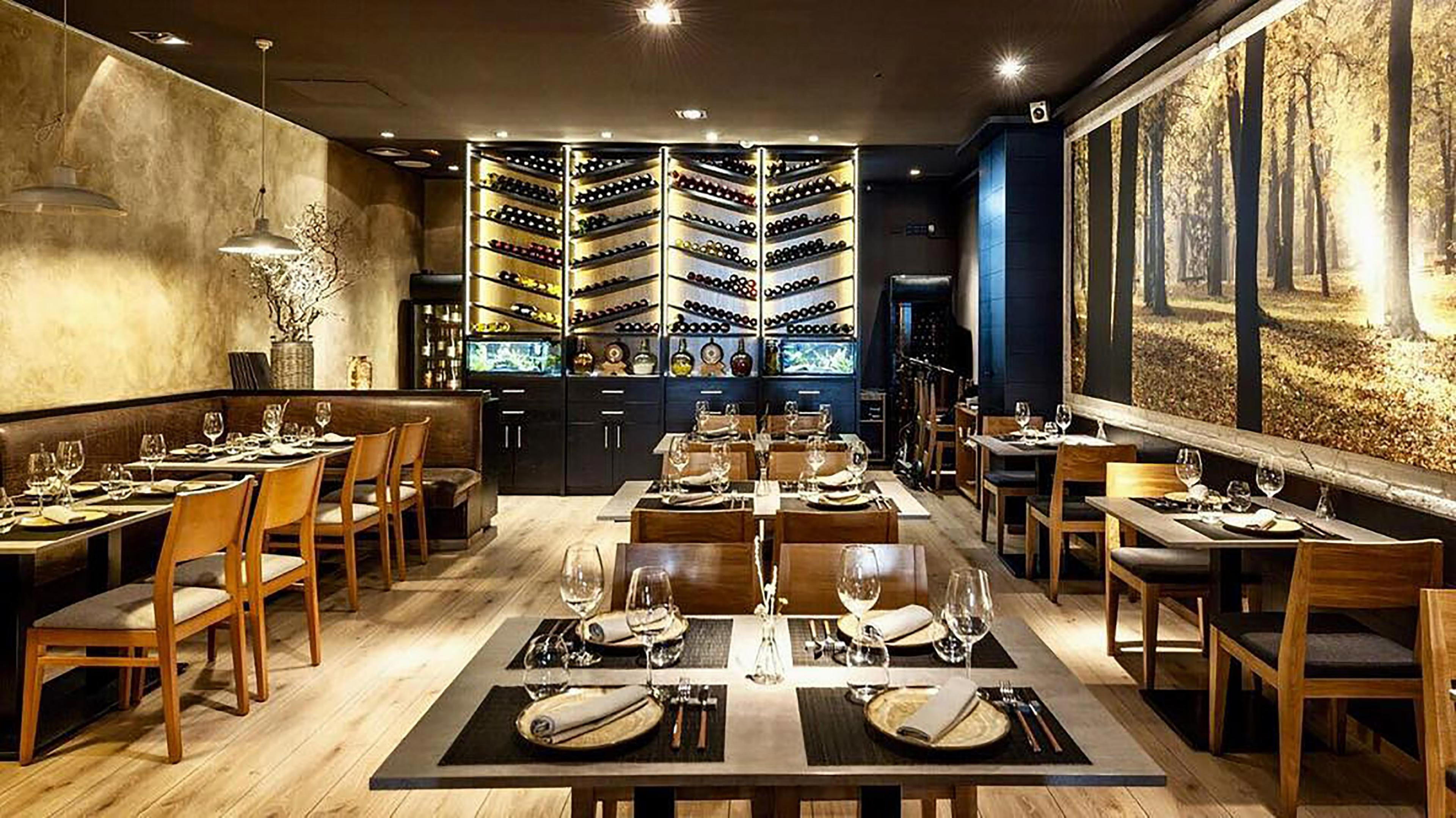
Cozy atmosphere with vintage touches, good vibes, great music, and a cool hip vibe as per guest reviews.