On Calle Francos in Seville's Casco Antiguo, Restaurante El Pintón occupies a slice of the old city where Andalusian tradition and contemporary technique share a table. The restaurant sits within a neighbourhood that rewards slow exploration, and its address places it steps from the cathedral quarter's densest concentration of serious cooking. Expect a meal structured around progression, where each course builds a clearer argument for what southern Spanish cuisine is doing right now.
Pearl is the En Primeur Club membership app — saves, bookings, and concierge access live there. Same editors, same standards.
- Address
- C. Francos, 42, Casco Antiguo, 41004 Sevilla, Spain
- Phone
- +34 955 07 51 53
- Website
- elpinton.com
 Saves & bookings on Pearl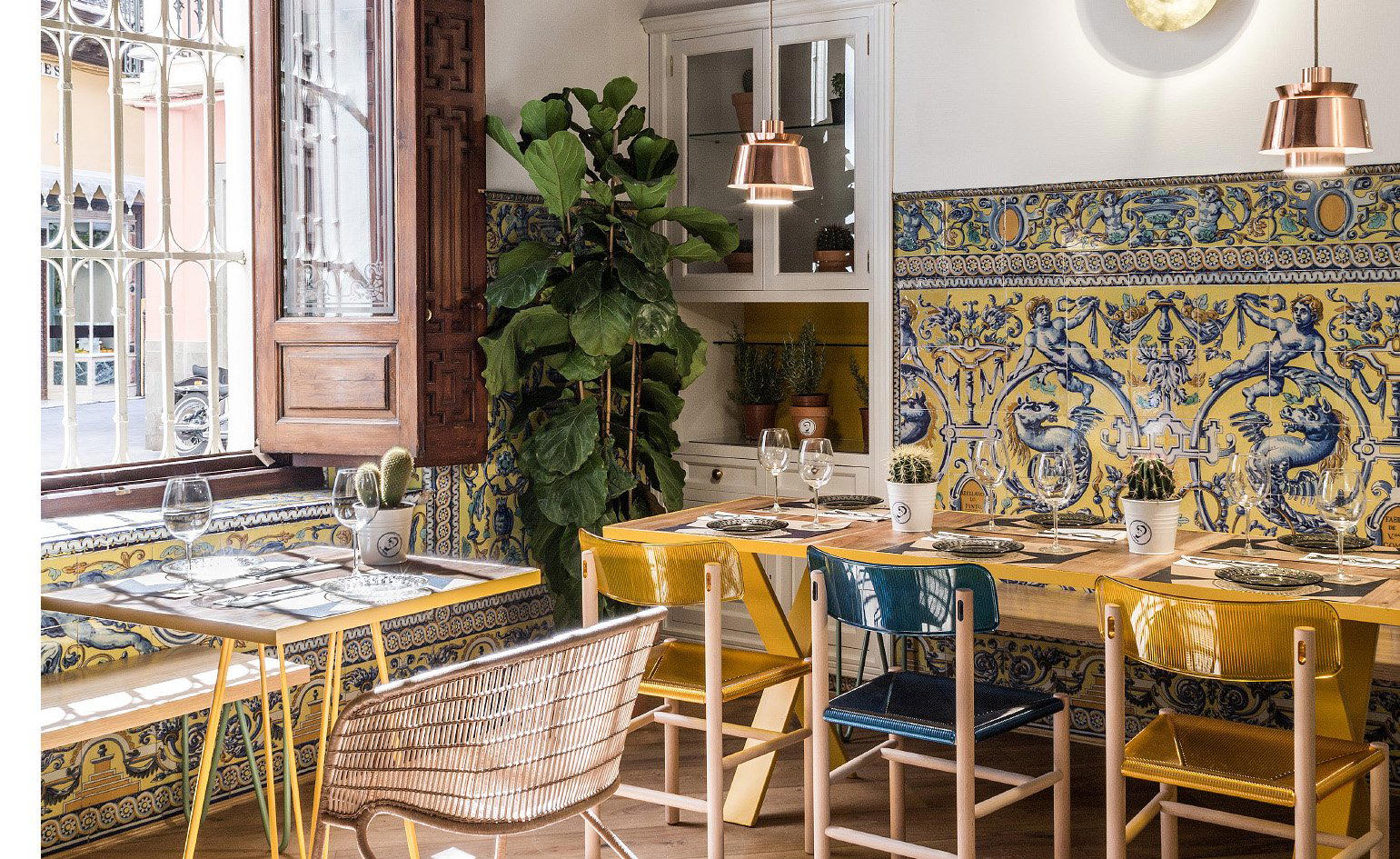
Where the Casco Antiguo Sets the Table
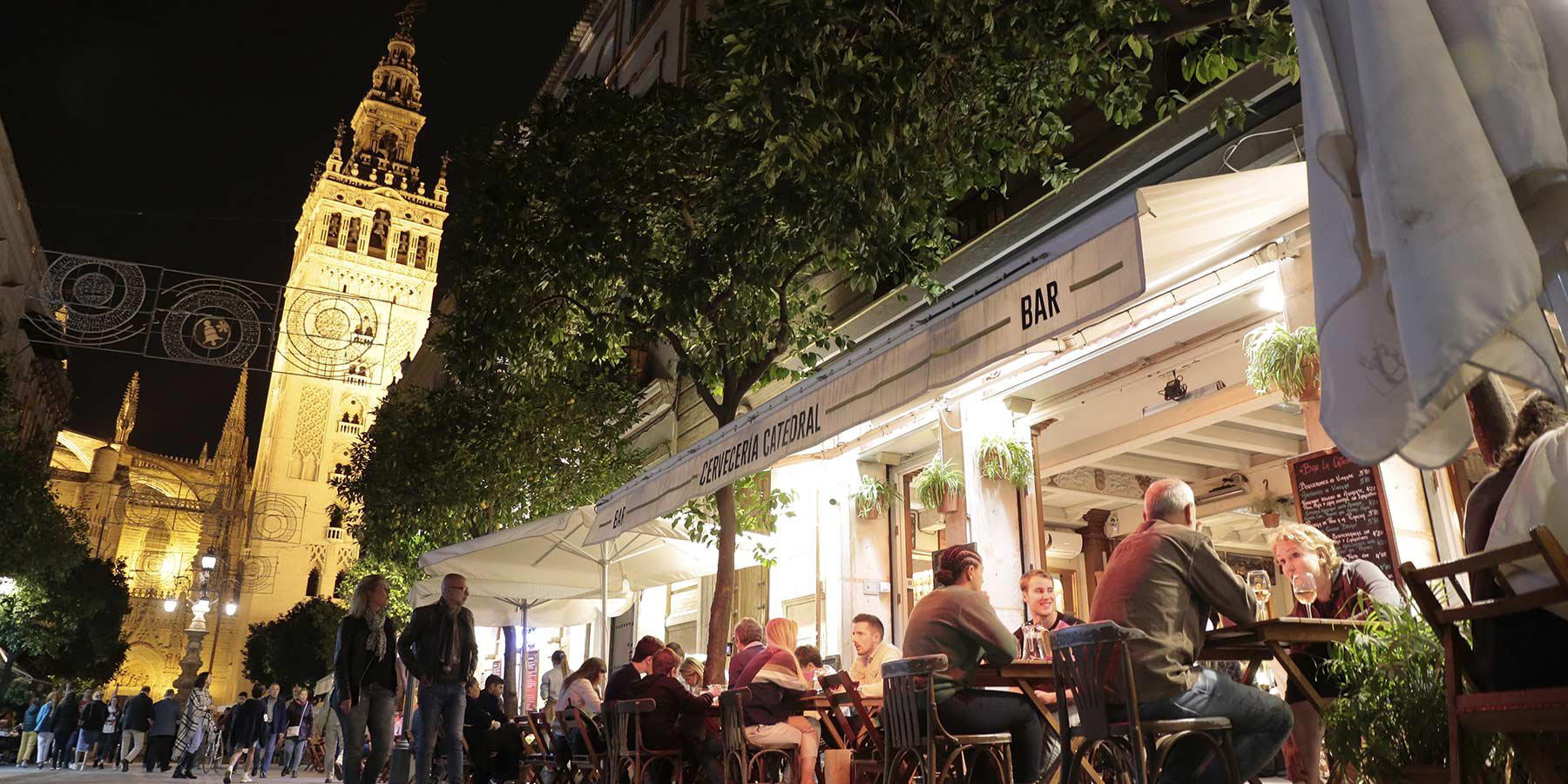
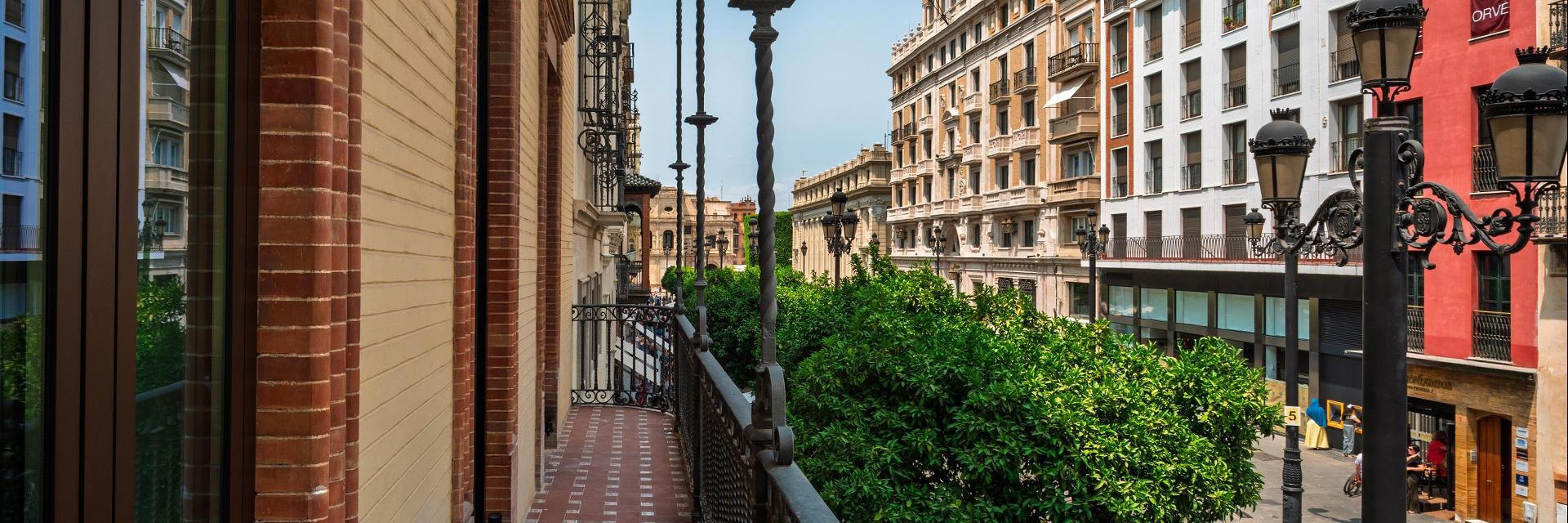
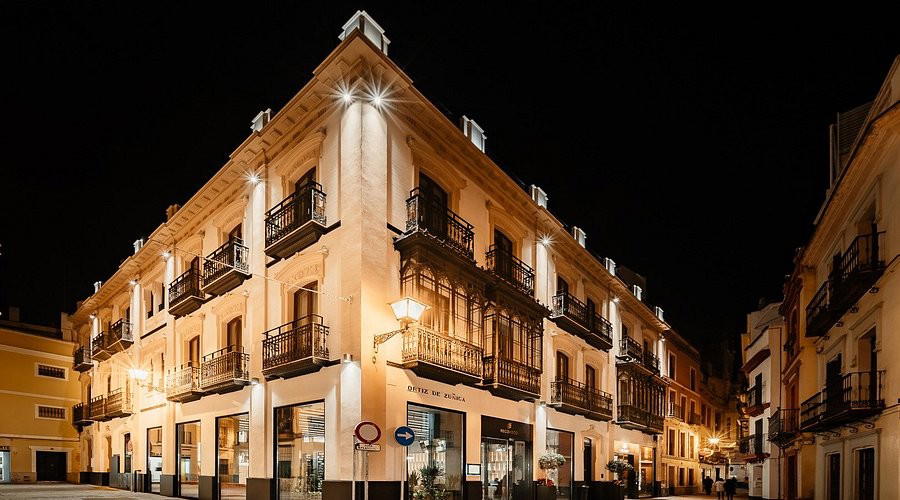
Calle Francos runs through one of the most compressed blocks of serious dining in southern Spain. The street belongs to Seville's Casco Antiguo, a neighbourhood where Moorish geometry still organises the alleyways and where restaurants have quietly accumulated over the past decade into something resembling a genuine scene. Arriving here in the early evening, when the stone facades catch the last of the Andalusian light and the ambient temperature finally drops below difficult, you begin to understand why this particular corridor has attracted kitchens willing to do more than serve tourists a plate of jamón. Restaurante El Pintón sits at number 42 on this street, and its location is both its context and its argument.
Seville has spent the better part of two decades developing a credible fine-dining ecosystem. The benchmark has largely been set by addresses like Abantal and Cañabota. El Pintón enters this conversation from the Casco Antiguo, an address with historical weight and a neighbourhood character that leans more atmospheric than clinical.
The Arc of the Meal
The most useful way to think about dining at El Pintón is as a structured progression. Andalusian cooking has a natural sequence baked into its culture: the aperitivo moment, the transition through cold preparations, the move toward heat and protein, and the closing argument made by something sweet and local. Contemporary kitchens in Seville have learned to frame this sequence more deliberately, and the better rooms in the city treat a multi-course meal not as a list of dishes but as a building argument about regional identity.
That framework connects El Pintón to a broader movement visible across Spain's most serious restaurants. At Aponiente in El Puerto de Santa María, the tasting progression has become almost philosophical, rooted entirely in marine ingredients from the Bay of Cádiz. At El Celler de Can Roca in Girona and Mugaritz in Errenteria, the arc of a menu functions as the primary medium. These are the poles of the conversation El Pintón is joining, scaled to a Sevillian register.
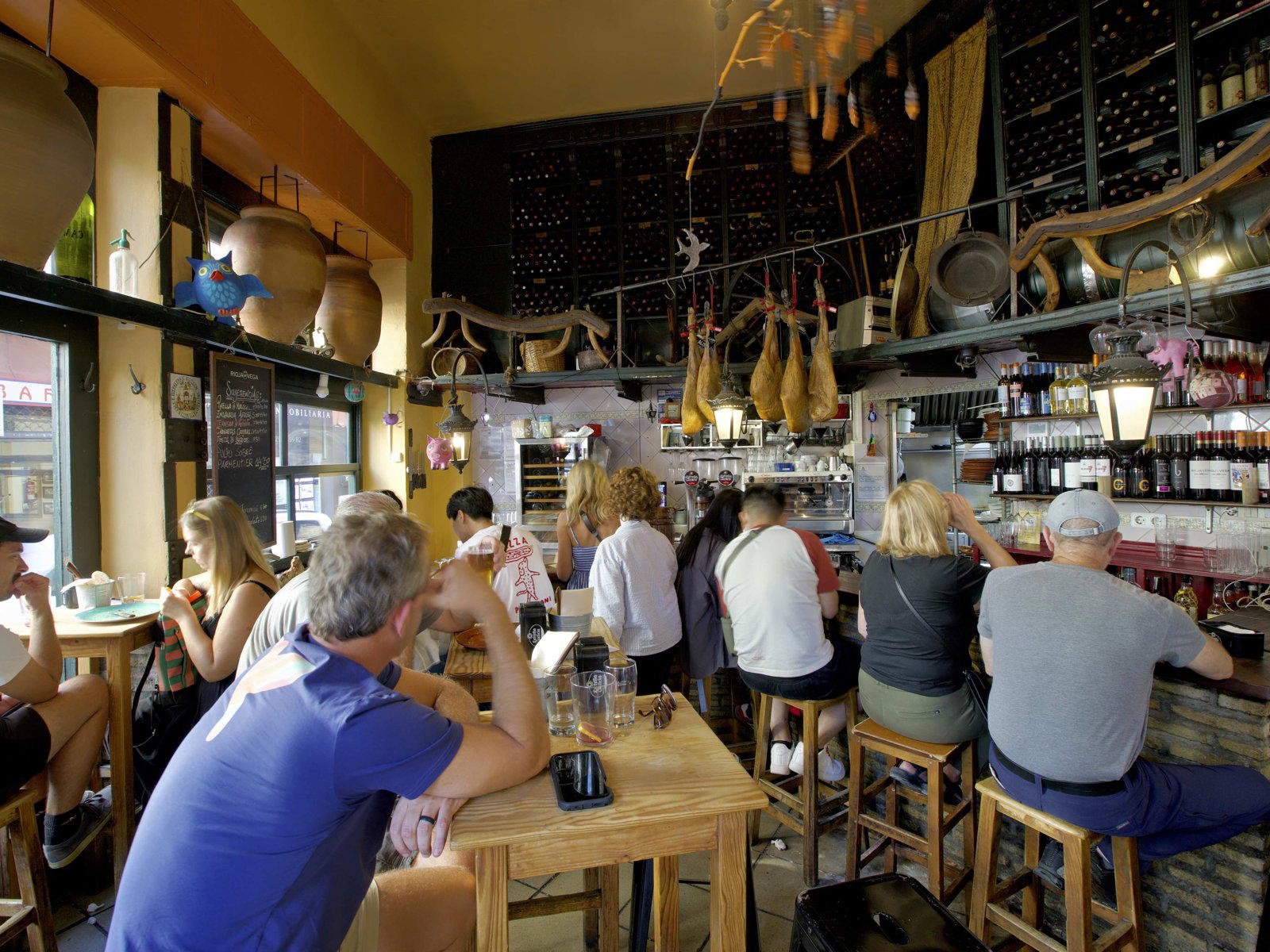
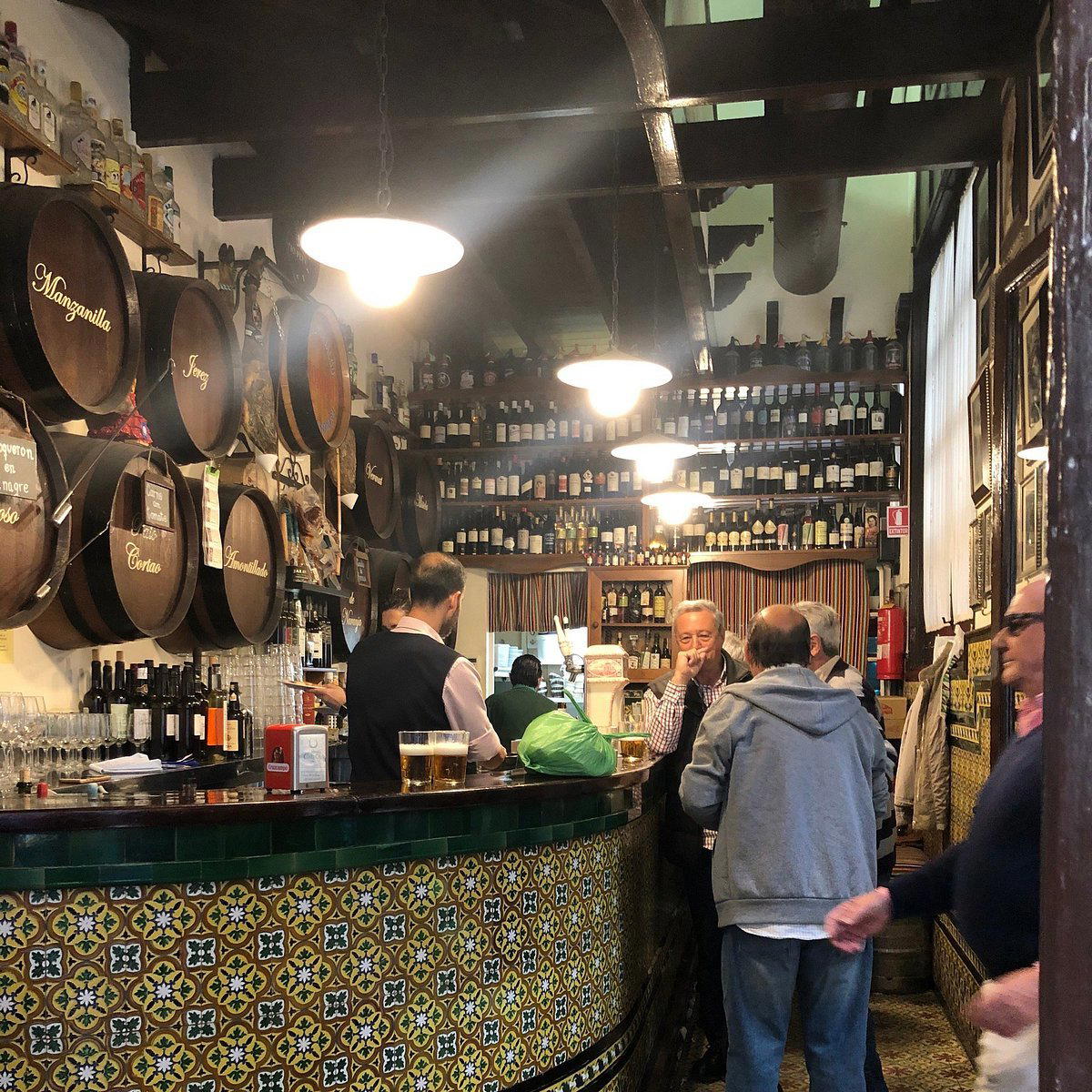
In the Casco Antiguo specifically, a meal's progression also carries the weight of the physical surroundings. Old city dining in Seville tends toward interiors that compress the experience: tiled walls, relatively modest square footage, a sense that the room itself has a history of hospitality. The physical environment at Calle Francos 42 frames expectation before a single course arrives.
Seville's Mid-Tier and Where El Pintón Fits
The city's restaurant tier below full tasting-menu formality has expanded considerably. Addresses like Az-Zait and Balbuena y Huertas sit in the contemporary bracket and compete on technique and sourcing rather than on ceremony. Almansa · Pasión & brasas occupies the asador position, where live fire is the organising principle. El Pintón's address in the Casco Antiguo places it in a part of the city where the audience skews toward visitors with genuine appetite alongside a local clientele that treats the neighbourhood as a destination in its own right.
Spain's national fine-dining conversation runs at a different altitude. DiverXO in Madrid, Arzak in San Sebastián, Martin Berasategui in Lasarte-Oria, and Azurmendi in Larrabetzu represent the formal upper register of Spanish cooking. Quique Dacosta in Dénia, Ricard Camarena in València, and Cocina Hermanos Torres in Barcelona anchor the Mediterranean flank. Seville's own contribution to that national picture has historically been modest relative to the city's cultural weight, which is precisely why El Pintón's position in the Casco Antiguo matters: the city is still building the case that it belongs in that broader conversation, and restaurants on streets like Calle Francos are the evidence.
Andalusian Cooking as Context
The ingredients that define Andalusian cooking at its most honest are not complicated to name: olive oil from the province's massive production, fresh fish moving north from the Cádiz coast and the Atlantic, Ibérico pork from estates in Huelva and Extremadura, vegetables from the Guadalquivir valley, and sherry from the Marco de Jerez, which remains one of Spain's most underused pairing tools despite decades of critical advocacy. A kitchen in Seville's old city that takes these materials seriously has a genuine argument to make, and the multi-course format gives it room to make that argument sequentially rather than all at once.
The comparison to what Andalusia's Atlantic coast has done with similar ingredients is instructive. The leading kitchens in Cádiz province have turned regional sourcing into a complete identity. The question Seville's better restaurants are answering is whether an inland city, one with extraordinary produce and a deep culinary history, can generate the same kind of focused, progressive dining narrative. El Pintón's address puts it squarely in that project.
Planning a Visit
Restaurante El Pintón is located at C. Francos, 42, in the Casco Antiguo district, postcode 41004. The street is within walking distance of Seville's cathedral and the Alcázar, making it a practical choice for visitors already circulating in the historic centre. Given the Casco Antiguo's popularity, reserving ahead is the sensible approach rather than arriving without a booking.
El Pintón speaks that language from a Casco Antiguo address with six centuries of culinary history behind it.
Recognition, Side-by-Side
Comparable venues nearby, for context on price, style, and recognition.
| Venue | Cuisine | Price | Awards | Notes |
|---|---|---|---|---|
| Restaurante El PintónThis venue — the venue you are viewing | Modern Mediterranean Tapas | $$ | , | |
| conTenedor | Modern Mediterranean Slow Food | $$ | , | San Julian |
| Casa Manolo León | Modern Andalusian | $$ | , | San Lorenzo |
| La Brunilda | Modern Spanish Tapas | $$ | , | Museo |
| No-lugar the art company | Mediterranean Fusion Tapas | $$ | , | Encarnación-Regina |
| Ispal | Modern Sevillian Tapas | $$$ | , | San Bernardo |
At a Glance
- Trendy
- Cozy
- Rustic
- Date Night
- Group Dining
- Brunch
- Terrace
- Open Kitchen
- Craft Cocktails
- Extensive Wine List
- Local Sourcing
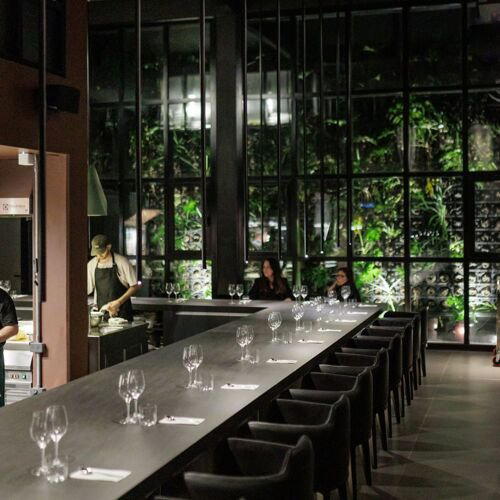
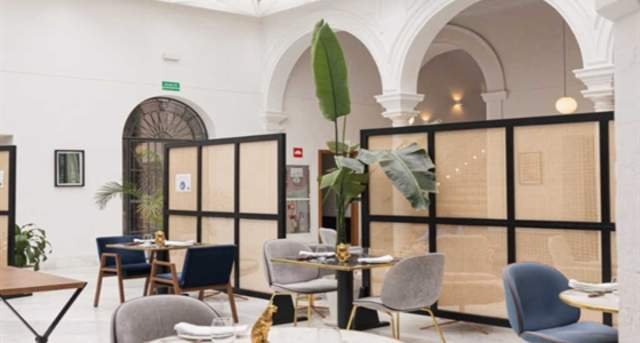
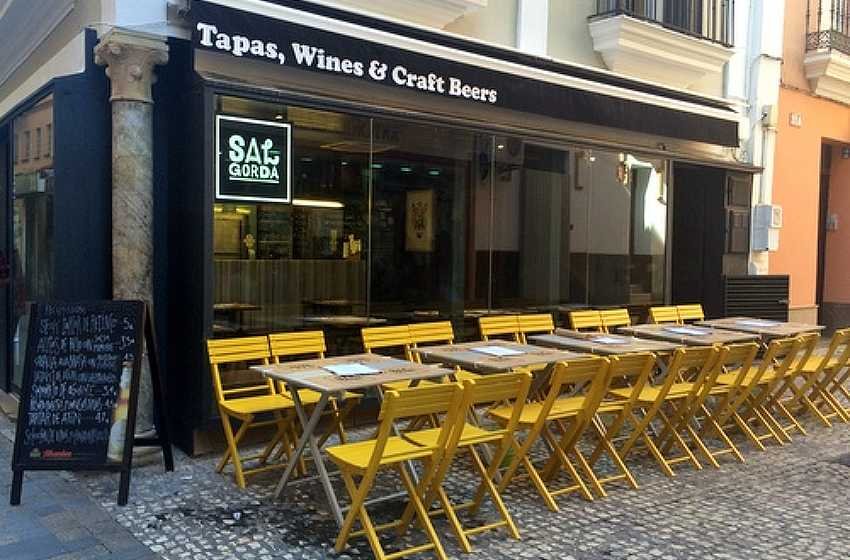
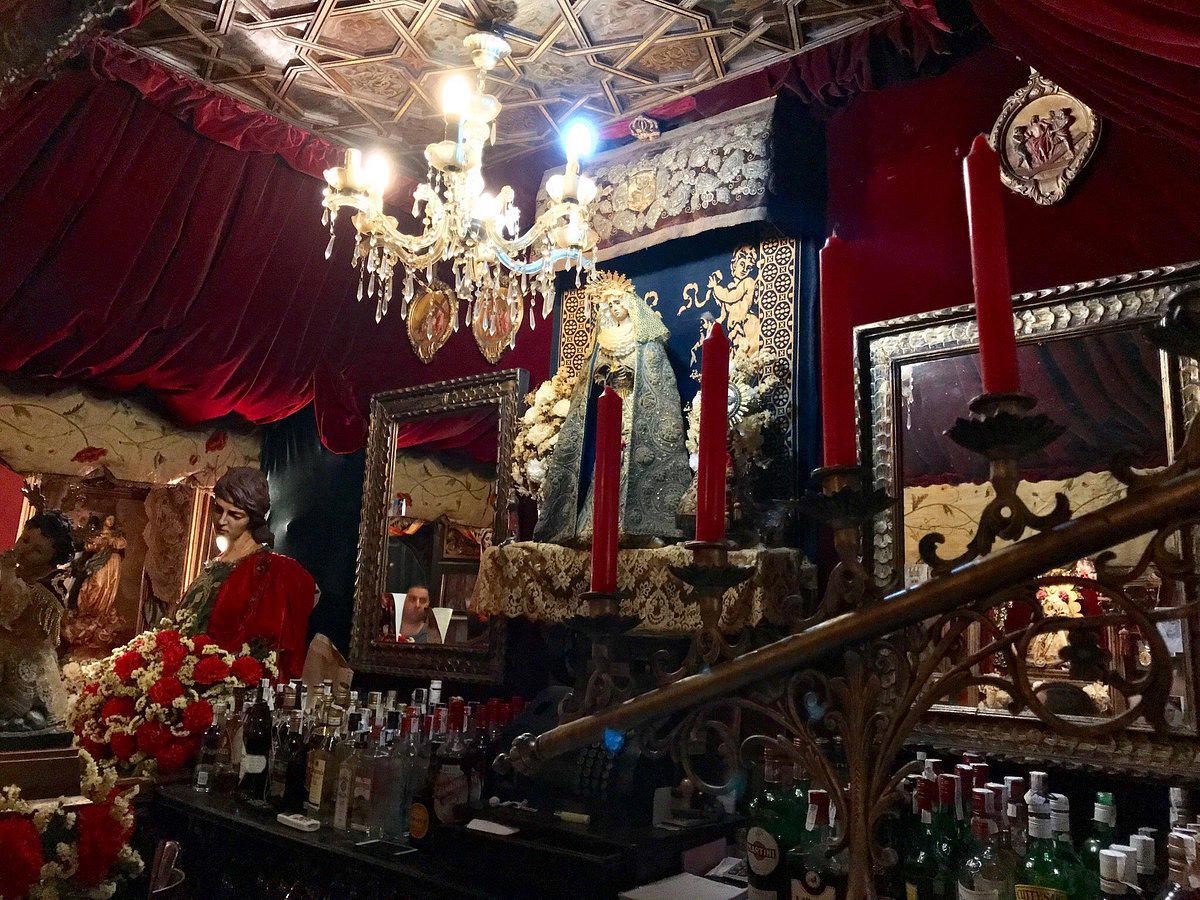
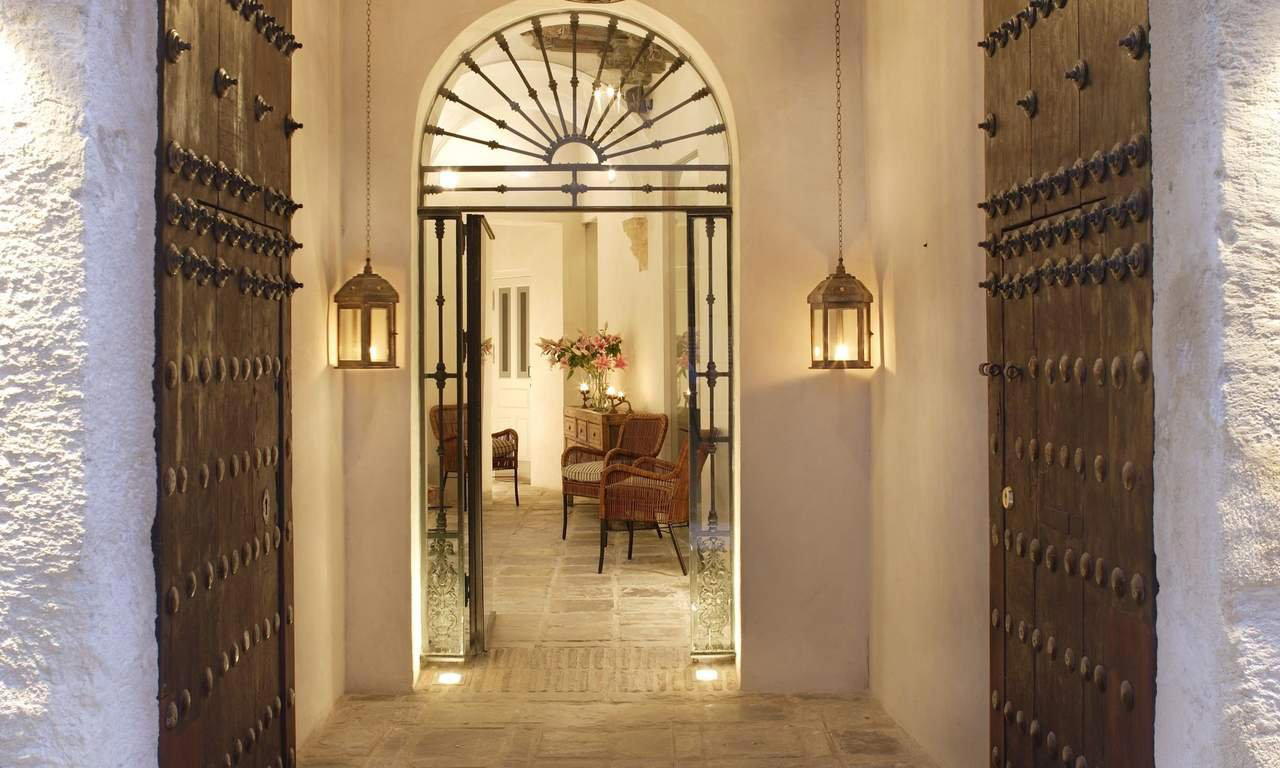
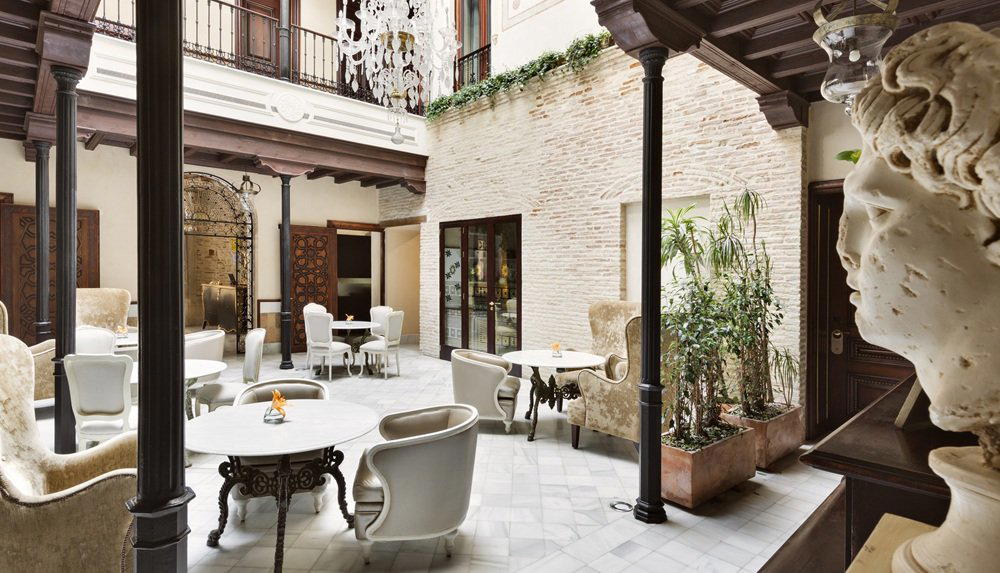
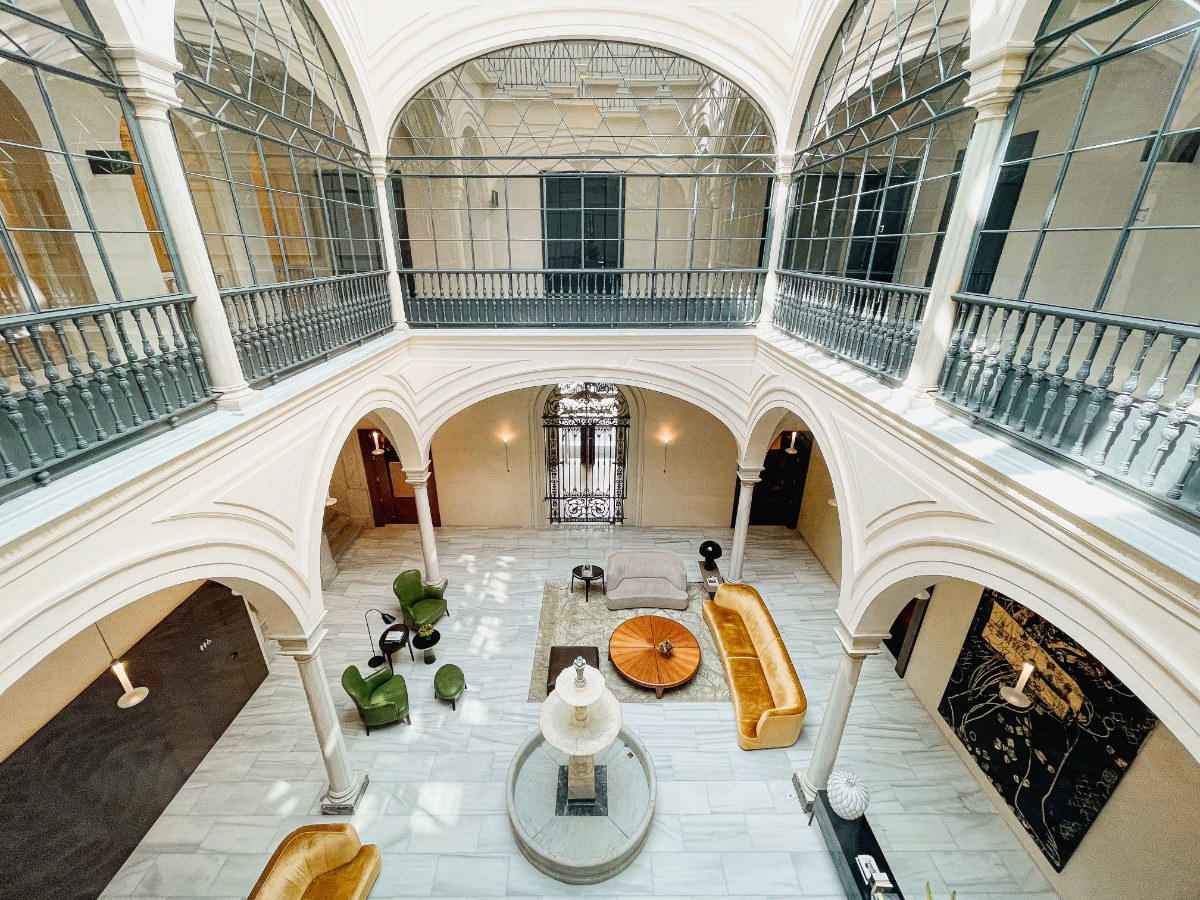
Warm and welcoming atmosphere with colorful Sevillian tiles, brightly colored chairs, and original dark wood surroundings from the early 1800s creating a charming farmhouse feel.[1][6]