


Leartá occupies a quiet address off the Plaza de la Gavidia in Seville's Casco Antiguo, where a young kitchen team runs a single tasting menu built on southern Spanish produce: Iberian ham from Cumbres Mayores, white prawns from Isla Cristina, honey from Aznalcóllar. Holding a Michelin Plate in 2025, it sits a tier below Seville's starred rooms and offers a more considered, produce-driven entry into the city's contemporary dining scene.
Pearl is the En Primeur Club membership app — saves, bookings, and concierge access live there. Same editors, same standards.
- Address
- C. Padre Tarín, 6, Casco Antiguo, 41002 Sevilla, Spain
- Phone
- +34 614 34 23 84
- Website
- leartasevilla.com
- Directions
- Get directions
 Saves & bookings on Pearl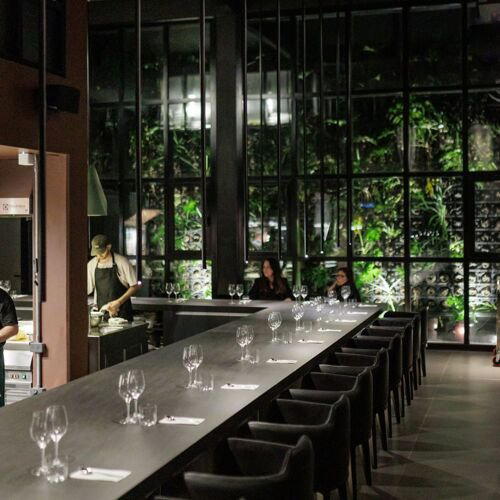
A Table in the Old Quarter
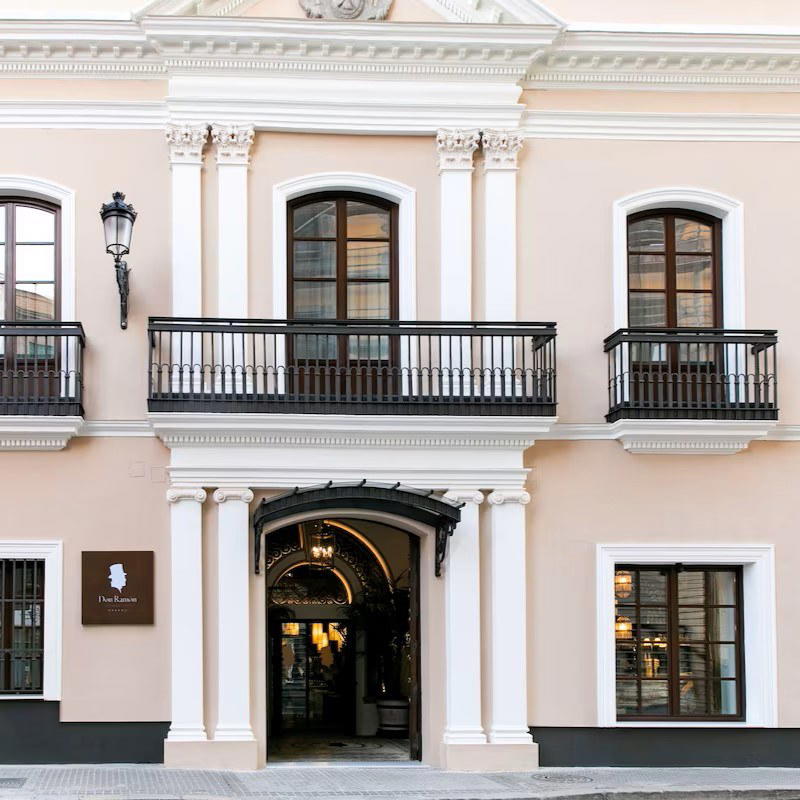
Calle Padre Tarín is not a street that announces itself. Leartá is a restaurant in Seville's Casco Antiguo at C. Padre Tarín, 6, serving Contemporary Andalusian cuisine. Michelin Plate 2025. Arriving at Leartá, there is no grand entrance designed to signal fine dining. The context is architectural modesty, which is consistent with what follows inside: a meal that asks to be read, not just consumed.
That restraint is deliberate. The restaurant's name references a historic Andalucian concept of a gathering place where different trades and skills converged, and the kitchen treats the meal in similar terms: a meeting point for producers, techniques, and regional traditions rather than a platform for any single culinary voice. For the diner, this means the pacing and framing of service carry more weight than at a conventional à la carte table. You are not choosing a meal; you are committing to a sequence.
The Format and Its Demands
Single tasting menu formats now operate across multiple tiers in Seville. At the upper end, Abantal (Modern Spanish, Creative, €€€€) has held a Michelin star and represents the highest local commitment to tasting menu discipline. Leartá, priced at €€€ and holding a Michelin Plate in 2025, positions itself a tier below in cost and recognition, but within the same structural logic: a fixed sequence, a kitchen in control of pacing, and no meaningful concession to casual ordering.
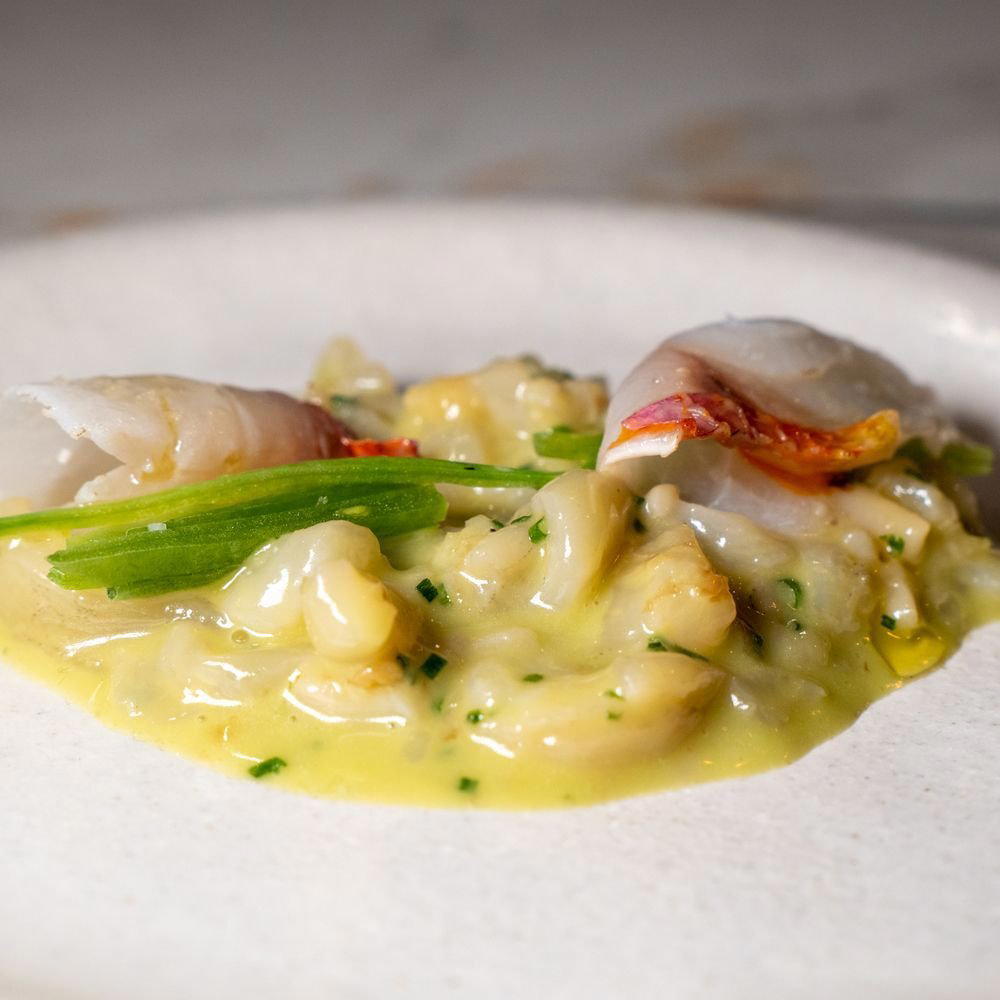
This format places specific demands on the diner. A tasting menu in Seville's contemporary scene typically runs through multiple small courses with pronounced shifts in register, moving between cold preparations and warm broths, between restrained vegetable courses and more protein moments. At Leartá, the young team at the helm leans into that rhythm deliberately, with what reviewers and published sources describe as an interesting play of textures and highly delicate sauces and broths running across the sequence. The meal is structured to be read, with each course functioning as evidence for the kitchen's argument about southern Spanish cuisine and its ingredients.
Southern Spain on the Plate
Andalusia has among the more geographically diverse larders in the Iberian Peninsula. The Atlantic coast from Huelva to Cádiz produces shellfish of considerable quality; the sierra interior yields cured pork products with protected origin designations; the olive groves, beehives, and vegetable gardens of the wider region contribute produce that rarely travels far before it reaches a kitchen. Contemporary Andalucian restaurants increasingly use the tasting menu format to map this geography explicitly, and Leartá follows that pattern with a specificity that is more committed than typical.
The sourcing is documented: Iberian ham from Cumbres Mayores, a municipality in the sierra north of Huelva with long-standing production credentials; white prawns from Isla Cristina, a fishing port whose gambas blancas are considered among the more prized on the Spanish Atlantic coast; honey from Aznalcóllar, a small municipality northwest of Seville. These are not generic regional claims. They are named-origin decisions that impose a clear geographic identity on the menu, tying each course to a specific part of the Andalucian map.
At the wider Spanish level, the ambition to anchor contemporary cooking in hyper-local sourcing connects Leartá to a broader national conversation that includes kitchens like Aponiente in El Puerto de Santa María, where marine produce from the Bay of Cádiz forms the conceptual foundation, and Azurmendi in Larrabetzu, where estate-grown ingredients and Basque Country producers define the kitchen's seasonal logic.
Where Leartá Sits in Seville's Dining Scene
Seville's contemporary restaurant scene has developed a more defined upper tier over the past decade, with a small cluster of kitchens operating tasting-menu formats at €€€ and €€€€ price points. Alongside Leartá, venues including Az-Zait, El Disparate, and Ivantxu Espacio Bistronómico represent different approaches to modern Andalucian cooking at similar price points, while Balbuena y Huertas takes a more casual format. The city's tasting menu tier remains more compact than Madrid or Barcelona, which gives individual kitchens more room to establish a distinct identity without competing against the density of starred restaurants found in larger Spanish cities.
Leartá's kitchen balances plant, sea, and land courses, with a menu that foregrounds Andalusian produce.
For comparison at the international contemporary end, kitchens like Jungsik in Seoul and César in New York City operate within the same broad contemporary tasting menu format, placing regional produce within a global fine dining structure. Leartá's approach is more locally inflected and less architectural in its presentation ambitions, but shares the same fundamental commitment to a single authored sequence.
Planning Your Visit
Leartá is on Calle Padre Tarín, 6, in the Casco Antiguo, a short walk from the Plaza de la Gavidia. Given the single tasting menu format and the kitchen's growing visibility, booking ahead is advisable, particularly for weekend services. Guests should allow a full evening for the meal; fixed menus at this level of ambition are not rushed formats. The Casco Antiguo's concentration of historic architecture makes the neighbourhood worth arriving in early to walk before sitting down, and Seville's evening dining rhythm means a late reservation, by northern European standards, is entirely normal here.
The Minimal Set
Comparable venues nearby, for context on price, style, and recognition.
| Venue | Cuisine | Price | Notes |
|---|---|---|---|
| LeartáThis venue — the venue you are viewing | San Vicente, Contemporary Andalusian | $$$$ | Not listed |
| Chicarreros | Not listed | $$$ | Santa Cruz, Contemporary Spanish with French Influences |
| Lalola de Javi Abascal | Feria, Modern Iberian Pork Specialist | $$$ | Not listed |
| Basque Eneko | Alfalfa, Modern Basque Fine Dining | $$$$ | Not listed |
| Espacio Eslava | Not listed | $$$ | San Lorenzo, Traditional Andalusian Tapas |
| Az-Zait | Not listed | $$$ | San Vicente, Modern Spanish with Moroccan Influences |
Recognition history
Dated appearances from independent guides and award organizations, with the underlying list record or original source where available.
Guía Repsol 1 Sol
Guía Repsol
Michelin Plate
Michelin
Michelin Plate
Michelin
We're Smart World 1 Radish
We're Smart World
Michelin Plate
Michelin
At a Glance
- Elegant
- Intimate
- Modern
- Sophisticated
- Date Night
- Special Occasion
- Celebration
- Open Kitchen
- Standalone
- Historic Building
- Extensive Wine List
- Sommelier Led
- Local Sourcing
- Farm To Table
Current opening hours
- Monday
- Closed
- Tuesday
- Closed
- Wednesday
- 8:30–11 PM
- Thursday
- 8:30–11 PM
- Friday
- 2–4 PM, 8:30–11 PM
- Saturday
- 2–4 PM, 8:30–11 PM
- Sunday
- 2–4 PM, 8:30–11 PM
Hours can change for holidays and private events. Last verified .
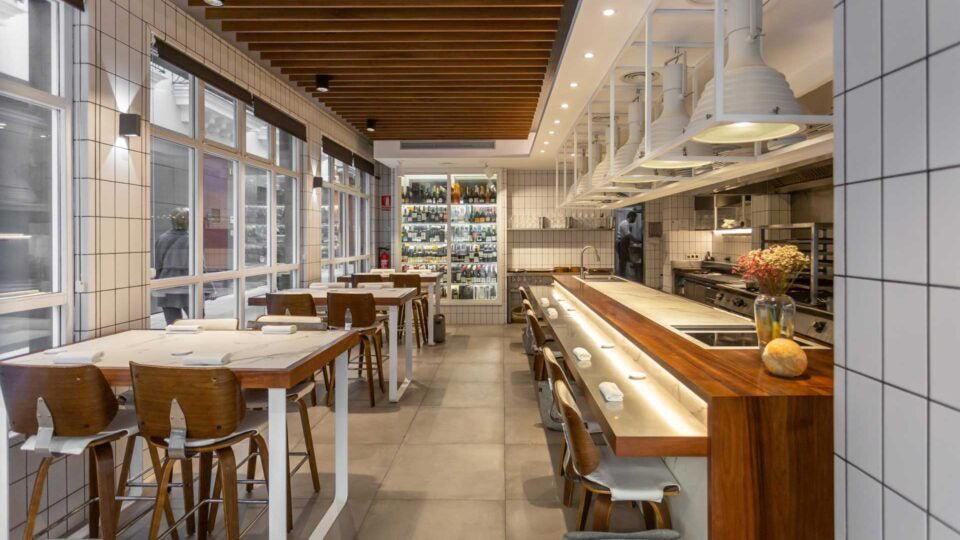
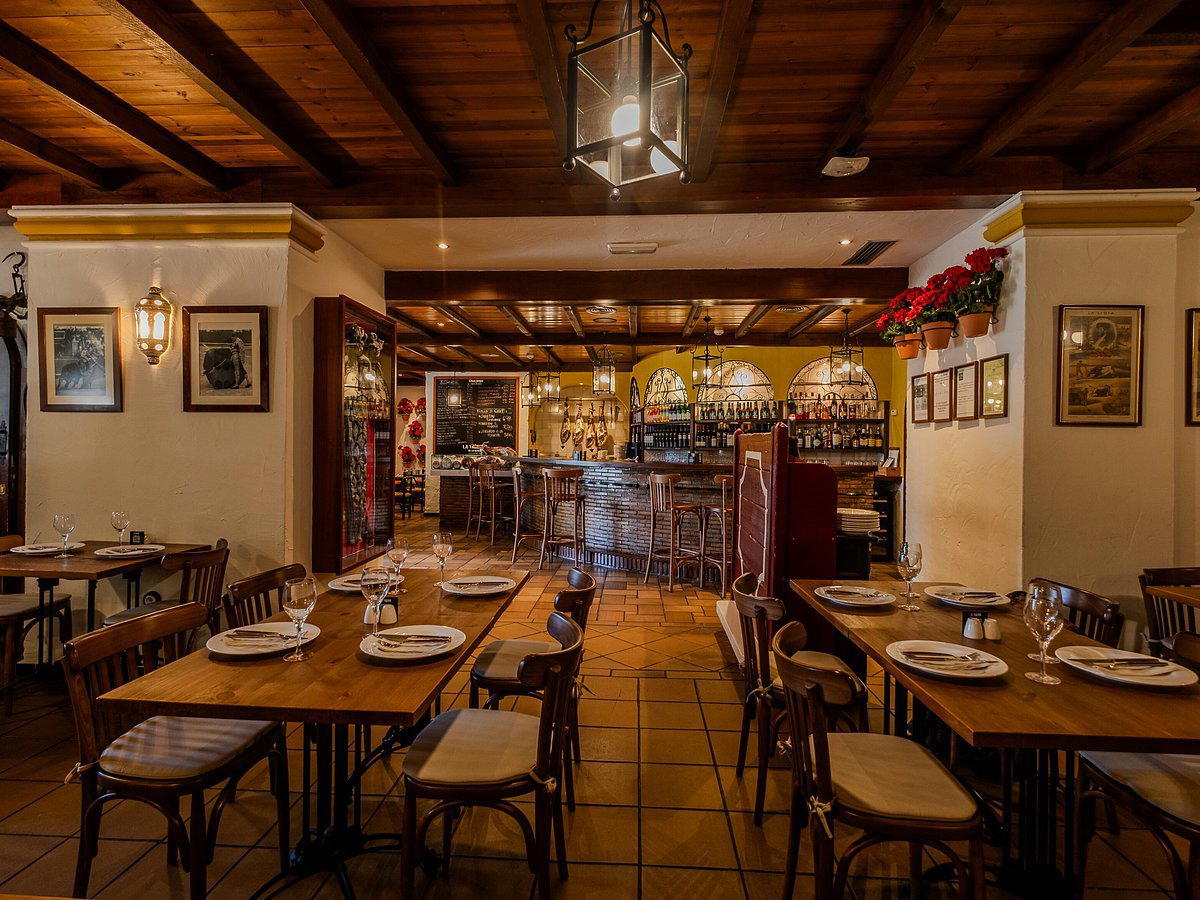
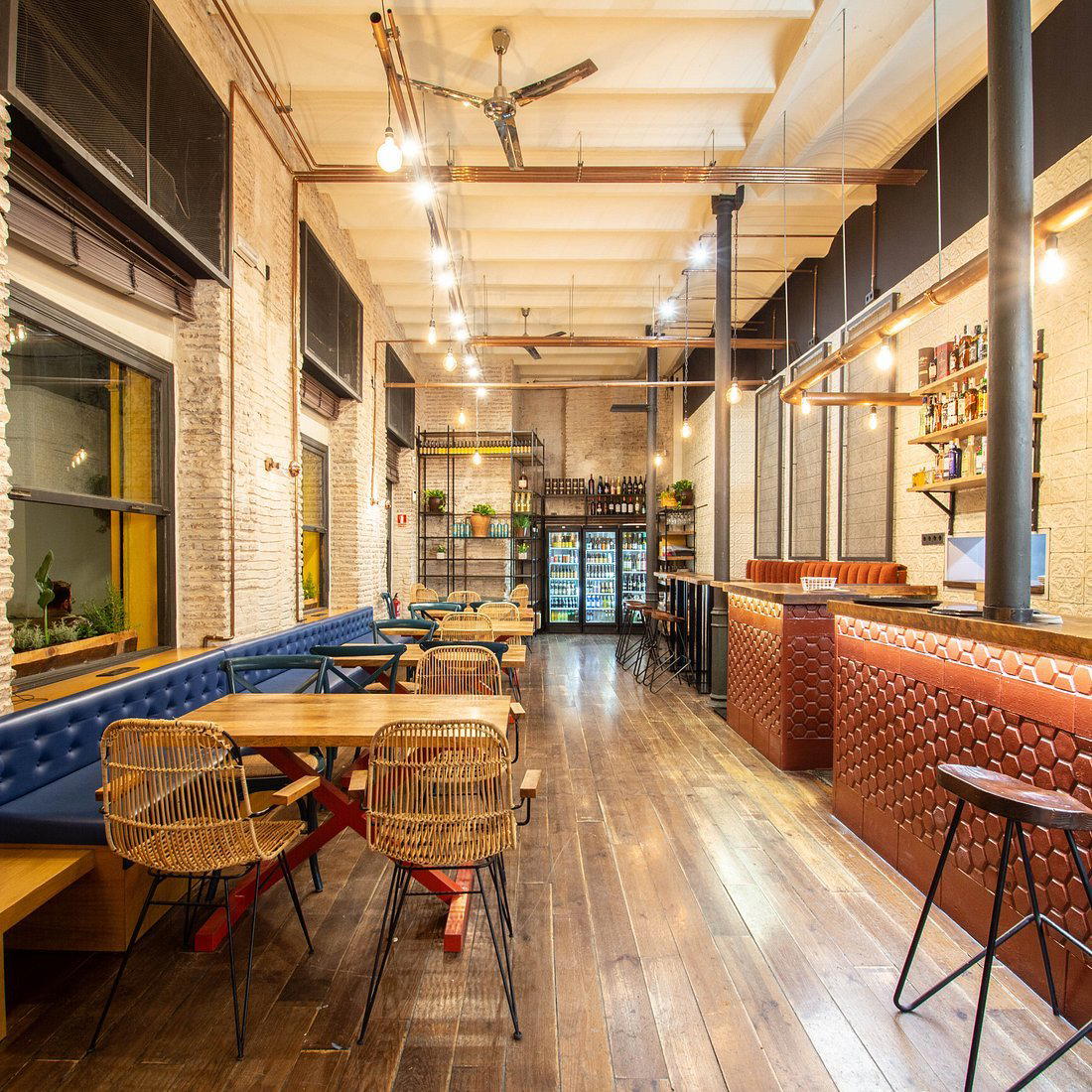
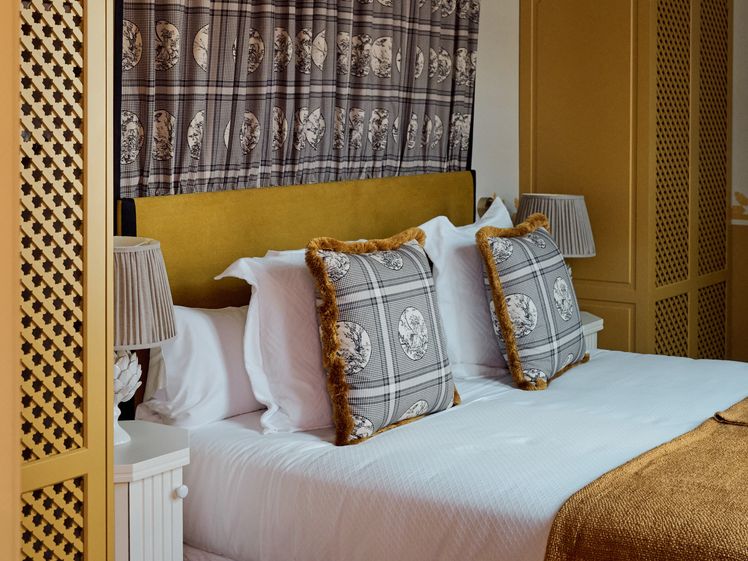
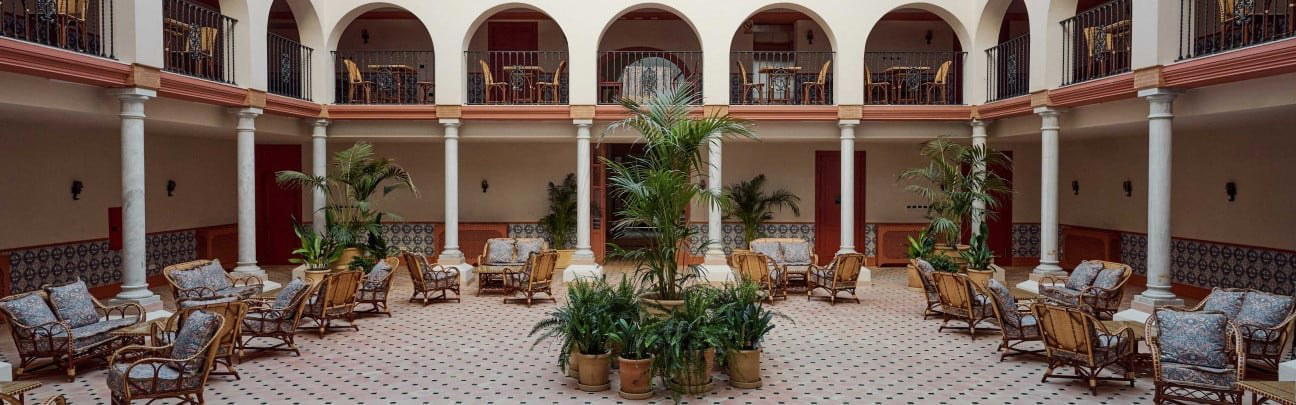
Small, tastefully decorated space with modern design elements and traditional reminiscences; intimate atmosphere with open kitchen; described as diaphanous and clean with careful attention to detail in tiles, tableware, and decor.