
A reservation-only French counter in Shimonoseki with eight seats, a Tabelog score of 4.13, and consecutive Bronze Award wins in 2025 and 2026. Priced at JPY 20,000 to 29,999 per person, it sits inside the Tabelog French WEST Top 100 and operates as one of western Japan's most recognised French tables outside the major metropolitan centres.
Pearl is the En Primeur Club membership app — saves, bookings, and concierge access live there. Same editors, same standards.
- Address
- Japan, 〒750-0014 Yamaguchi, Shimonoseki, Hananocho, 13−7 蜂谷ビル 蜂屋ビル1F
- Phone
- +81 83-234-2299
- Website
- restaurant-takatsu.com
- Directions
- Get directions
 Saves & bookings on Pearl
French Cuisine at the Edge of Honshu
Shimonoseki occupies a particular position in Japan's culinary geography. Sitting at the southwestern tip of Honshu, where the Kanmon Strait separates the main island from Kyushu, the city has long been defined by the sea. Fugu, the tiger puffer fish that gave Shimonoseki its national culinary identity, draws visitors who rarely look beyond that singular obsession. The presence of a serious French counter operating at JPY 20,000 to 29,999 per person, with a Tabelog score of 4.13 and back-to-back Bronze Award wins in 2025 and 2026, represents something the city's broader reputation doesn't fully prepare you for.
France's classical kitchen and Japan's coastal ingredient culture have a longer shared history than the geography suggests. The relationship between produit de la mer and the precision of French technique has produced particularly compelling restaurants in western Japan, from HAJIME in Osaka to Goh in Fukuoka. RESTAURANT TAKATSU operates within that tradition but from a city that has largely sat outside it, which is precisely what makes its consistent Tabelog recognition worth taking seriously.
The Counter Format and What It Signals
The eight-seat counter format at RESTAURANT TAKATSU belongs to a specific category of Japanese dining that has nothing to do with casualness. In Japan, the counter is the seat of authority. Whether at a Ginza sushi bar or a Kyoto kappo table, counter seating means proximity to the kitchen's logic: you see the sequence, you understand the pace, and the chef communicates intent through the meal's structure rather than through printed explanation. French cuisine adapted to this format in Japan has produced restaurants that sit in a competitive tier of their own, distinct from both the grand-salle French dining of Tokyo's hotel restaurants and the izakaya-casual bistro sector.
The maximum party size of nine and the counter's eight seats mean this is not a venue that accommodates groups in the conventional sense. The entire space can be booked for private use for up to twenty people, which changes the format entirely. For the standard counter experience, the reservation-only policy and limited seating mean lead time matters. First-time visitors planning around a Shimonoseki trip should treat this as the anchor booking rather than an afterthought. The restaurant opened on 1 March 2017, giving it eight years of operation and enough critical history to support its Tabelog ranking with depth.
Regional Ingredients Inside a French Frame
Tabelog listing flags an explicit focus on fish, which in Shimonoseki means access to one of Japan's most productive and distinctive coastal larders. The Kanmon Strait's tidal currents produce seafood with characteristics that chefs in larger cities actively seek out. Applying French technique to that material is not a novelty act. It is the same logic that made Le Bernardin in New York City a reference point: the argument that classical French structure can be one rigorous possible frame for serious seafood, rather than its opposite.
Across western Japan, the French restaurants that have earned sustained Tabelog recognition tend to share a similar positioning: they draw on local produce with specificity, they work at small scale, and they treat the French tradition as a living methodology rather than a fixed catalogue of dishes. akordu in Nara and Abon in Ashiya operate in comparable registers, each anchored to regional ingredient logic within a European structural frame. RESTAURANT TAKATSU's selection for the Tabelog French WEST Top 100 in both 2023 and 2025 places it in that comparable set, distinguished from the metropolitan French fine dining exemplified by institutions like HAJIME primarily by its deliberate rootedness in a single coastal city.
The Award Record in Context
The Tabelog Award system draws on aggregated diner scores across Japan's largest restaurant review platform, with Bronze recognition indicating sustained performance above a threshold that filters out a significant proportion of nominally fine-dining establishments. A score of 4.13 at the 2026 award places RESTAURANT TAKATSU at rank 367 nationally in that cycle. For context, the French WEST Top 100 designation covers the entire western Japan region, a geography that includes Osaka, Kobe, Hiroshima, and Fukuoka alongside smaller cities. Earning that selection from a Shimonoseki address is a different achievement from earning it from a dense urban restaurant district.
For visitors calibrating expectations against other recognised Japanese French tables, it is useful to note where the restaurant sits relative to the broader category. Restaurants like affetto akita in Akita and Aji Arai in Oita demonstrate that Japan's French dining scene now extends well into secondary cities and regional prefectures. The restaurant's consecutive Bronze wins suggest it has maintained rather than peaked, which is the more meaningful signal for a reservation being made months in advance.
Wine, Sake, and the Drinks Program
The drinks list includes both wine and sake, with the listing noting a particular focus on wine. The combination is not unusual at this tier of Japanese French dining, where sommeliers have increasingly built lists that treat Burgundy alongside Yamaguchi's own nihonshu producers. Western Japan has a developing sake geography that serious drinkers track separately from the Niigata and Tohoku prefectures that dominate the national conversation. Payment accepts VISA, Mastercard, JCB, AMEX, Diners, and QR code via PayPay; cash-only planning would be a mistake at this price level.
Getting There and Planning the Visit
The address at 13-7 Hananocho in Shimonoseki places the restaurant approximately 1,262 metres from Shimonoseki Station's east exit, a twenty-minute walk or a short Sanden Bus ride alighting at the Irieguchi stop. The listed location attributes include an ocean view, which given the Kanmon Strait proximity is consistent with the city's geography. No parking is available on-site; the restaurant's website directs drivers to a nearby lot. The space is described as wheelchair accessible, counter-seated, and non-smoking inside, with an outdoor smoking area.
Dinner operates from 19:00 on weekdays; Saturday and Sunday add a lunch service from 12:00. Private booking start times may vary. Closure days are not fixed, which means confirming availability directly before travel planning is the correct approach rather than assuming a standard weekly schedule. The reservation-only policy makes walk-in attempts pointless. Phone contact is +81-83-234-2299. For the broader Shimonoseki and Yamaguchi dining context, le-sorcier is worth including in any itinerary built around the prefecture's French and European dining. Visitors planning a wider Yamaguchi trip can reference our full Yamaguchi restaurants guide, our full Yamaguchi hotels guide, our full Yamaguchi bars guide, our full Yamaguchi wineries guide, and our full Yamaguchi experiences guide.
The regional French dining scene in western Japan continues to attract attention from Tokyo-based critics who previously treated anything outside Osaka as peripheral. The restaurant's position in that shifting conversation, consistent in its recognition and specific in its coastal focus, is the clearest argument for treating Shimonoseki as a dining destination rather than just a transit point en route to Kyushu. For comparison with how similar French-meets-local-seafood ambitions play out at different scales and in different cities, 1000 in Yokohama, 6 in Okinawa, and Atomix in New York City offer instructive reference points across a spectrum of scale, geography, and culinary premise.
Cost Snapshot
Comparable venues nearby, for context on price, style, and recognition.
| Venue | Cuisine | Price | Notes |
|---|---|---|---|
| RESTAURANT TAKATSUThis venue — the venue you are viewing | Not listed | $$$$ | Not listed |
| le-sorcier | Not listed | $$$$ | Shunan, Modern French with Local Yamaguchi Ingredients |
| Mitsuwa | Suo Sayama, Farm-to-Table French | $$$ | Not listed |
| 菜のはな | Yuda Onsen, Modern Creative Fusion | $$$ | Not listed |
| Kyo-no-kaze | Yuda-onsen, Traditional Japanese Izakaya | $$ | Not listed |
| カーザ・トランクイッラ | Not listed | $$$ | Kurohawa (黒川), Traditional Italian Trattoria |
Recognition history
Dated appearances from independent guides and award organizations, with the underlying list record or original source where available.
Tabelog Bronze #367
Tabelog
Tabelog 100 #95 · No. 95
Tabelog · Tabelog 100 - French - WEST - 2025
Tabelog Bronze
Tabelog
Continue exploring
More in Yamaguchi
Restaurants in Yamaguchi
Browse all →
Bars in Yamaguchi
Browse all →
At a Glance
- Intimate
- Modern
- Elegant
- Sophisticated
- Minimalist
- Date Night
- Special Occasion
- Chefs Counter
- Open Kitchen
- Historic Building
- Extensive Wine List
- Sake Program
- Sommelier Led
- Local Sourcing
Current opening hours
- Monday
- 7–10 PM
- Tuesday
- 7–10 PM
- Wednesday
- Closed
- Thursday
- 7–10 PM
- Friday
- 7–10 PM
- Saturday
- 12–2 PM, 7–10 PM
- Sunday
- 12–2 PM, 7–10 PM
Hours can change for holidays and private events. Last verified .
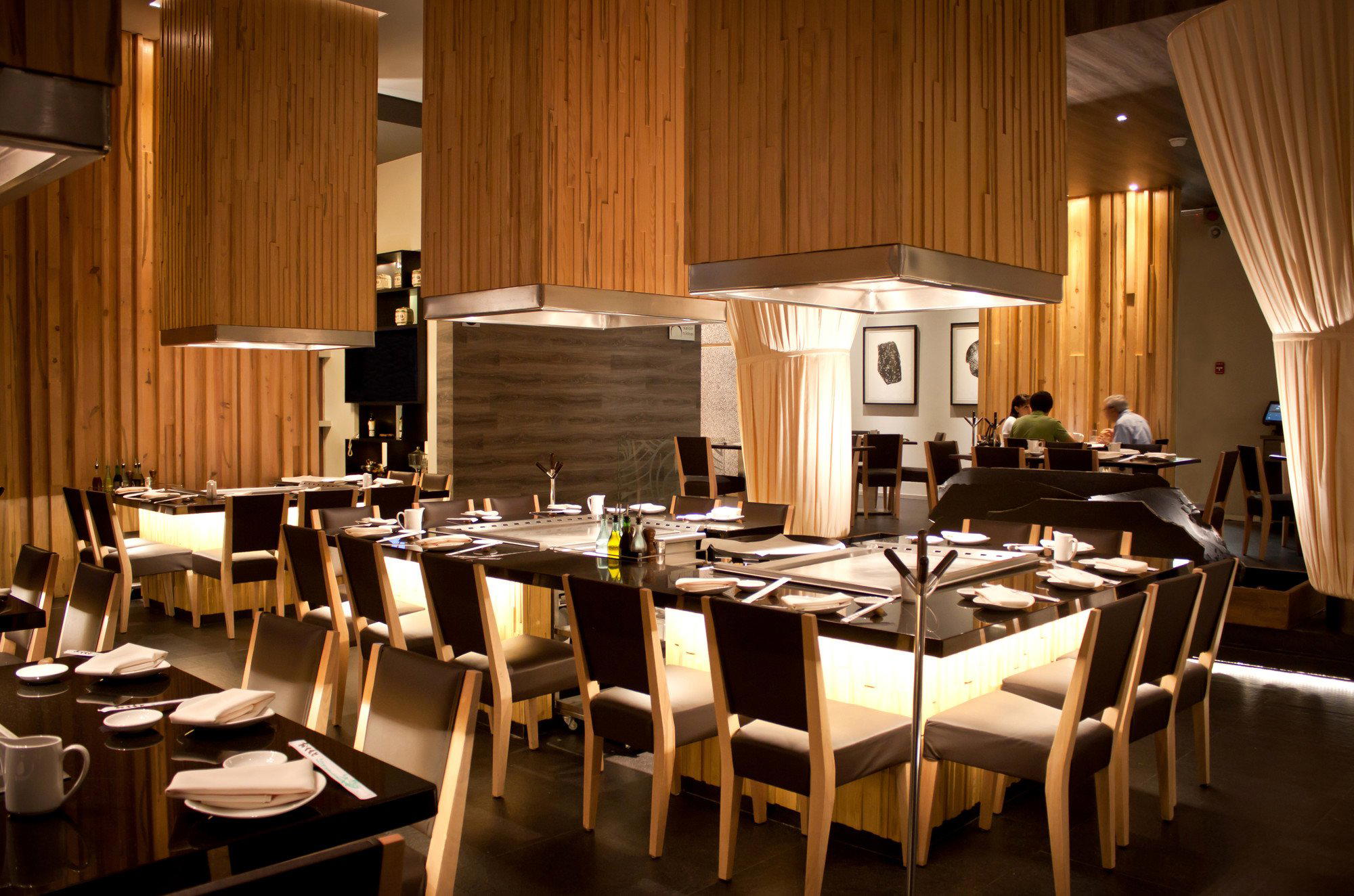
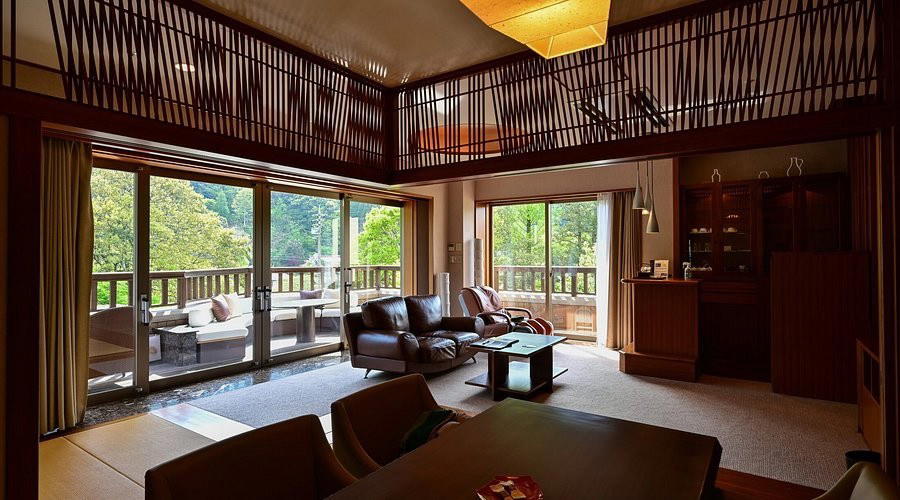
Minimal modern interior with gritty walls, steel-like counter, low music, restrained lighting, and open kitchen view creating a calm, stylish atmosphere.