Restaurant Smink

1 Michelin Star
Our verdict
Inside a national monument dating to 1625, Restaurant Smink holds a Michelin star in Wolvega, Friesland, a province where fine dining is defined more by agricultural roots than urban restaurant culture. Chef Jan Smink's surprise menus work with textures and temperatures in ways that feel rooted in the northern Dutch countryside without defaulting to rusticism. It is among the most compelling reasons to drive into the Frisian interior.

Pearl is the En Primeur Club membership app, where members save venues, book tables and use the concierge.
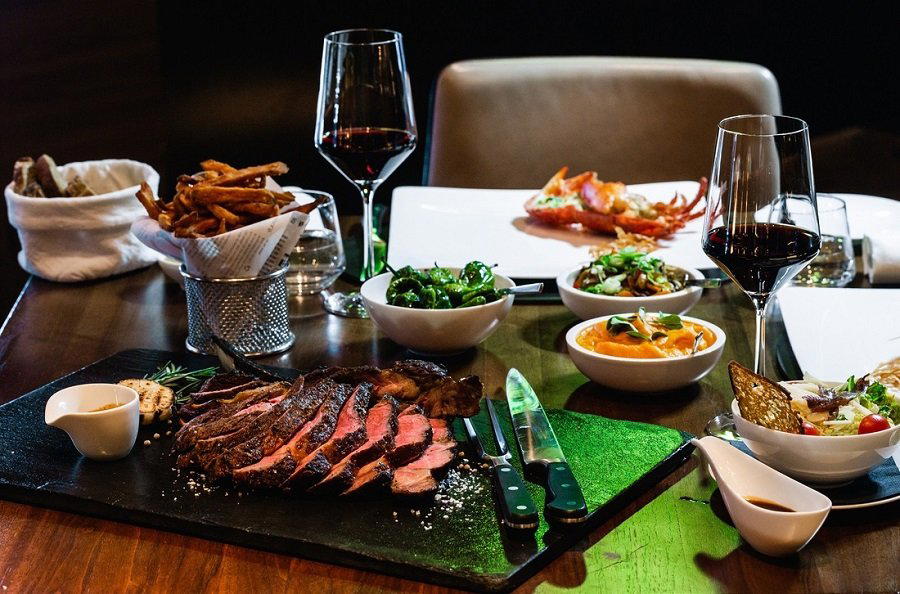
The menu
What to order
- Jerusalem artichoke with eel and caviar
- Steamed Jerusalem artichoke with smoked eel
A National Monument as Dining Room
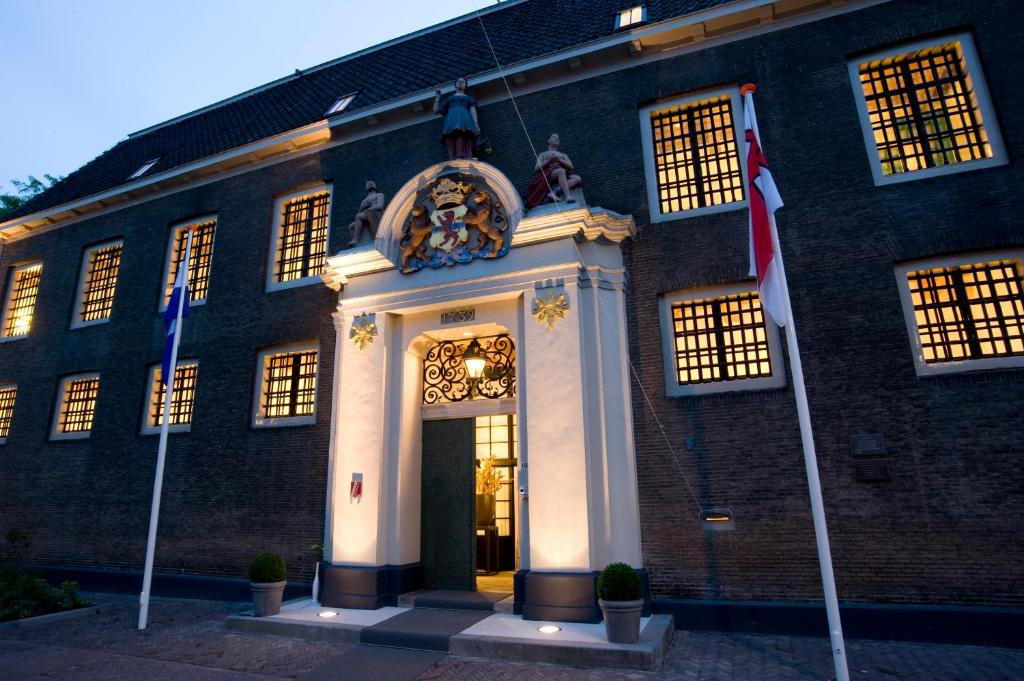
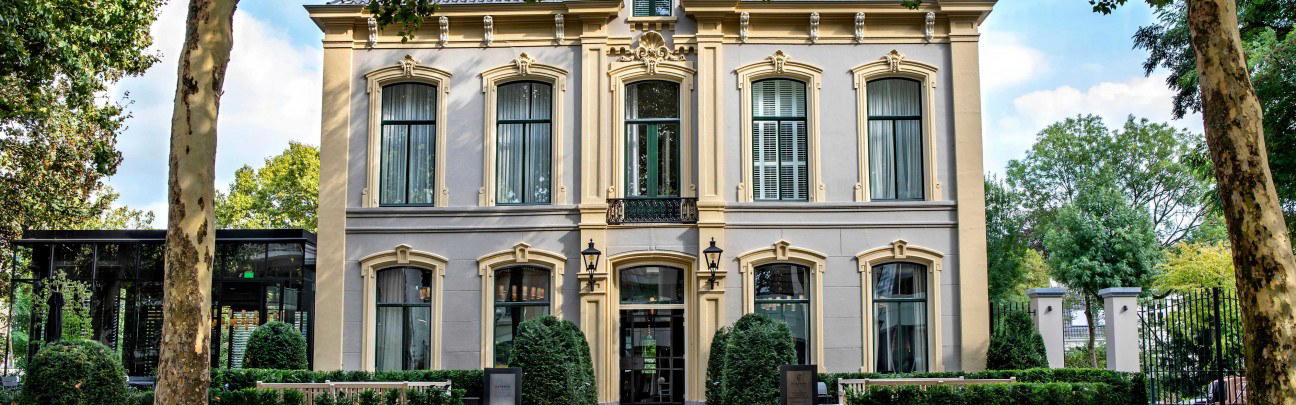
The approach to Huize Lindenoord sets a particular tone before you reach the door. Built in 1625, the building at Van Harenstraat 37 carries national monument status, and its exterior, flanked by parkland and a formal garden, reads less like a restaurant entrance than the kind of country estate that has quietly survived several centuries of Dutch agricultural history. The surrounding range of northern Friesland reinforces that impression: flat, pastoral, and resistant to the noise of urban dining culture.
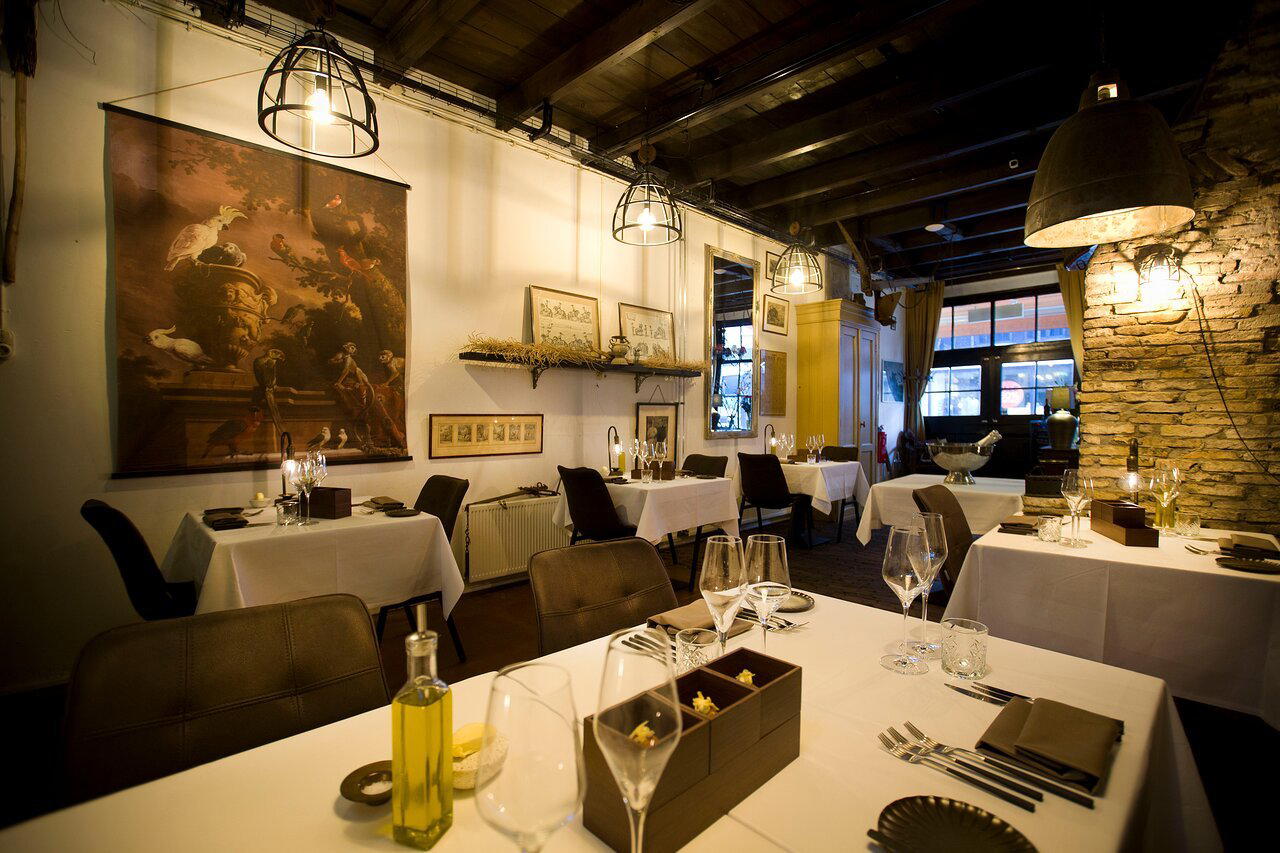
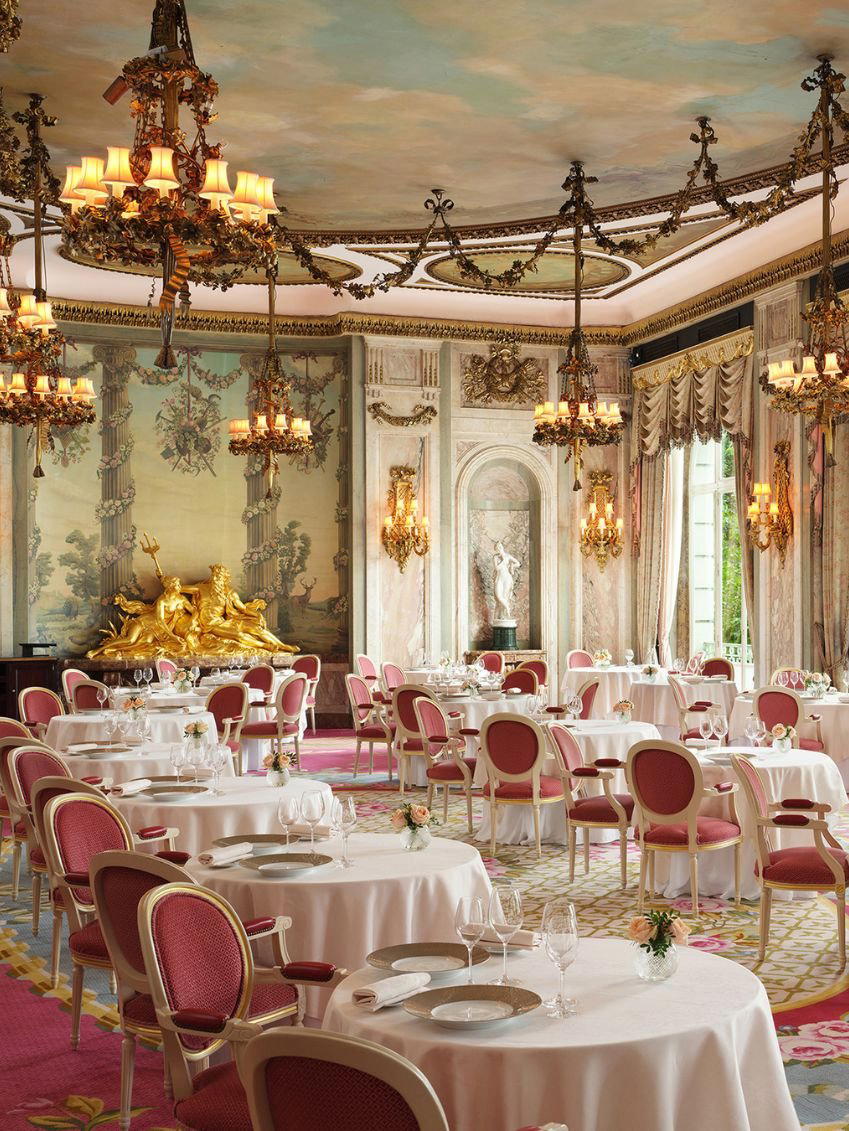
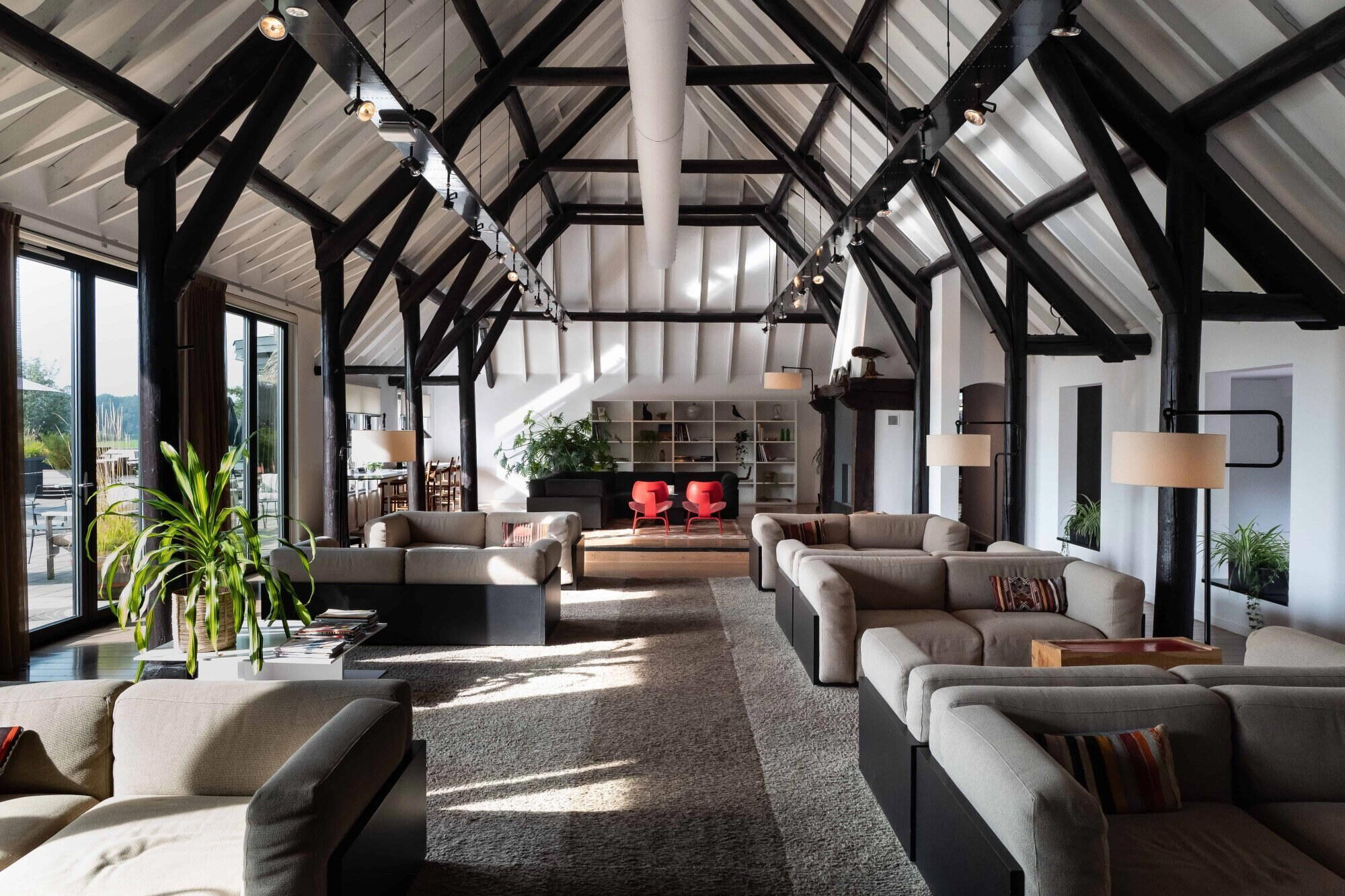
Inside, the ornate ceilings and chandeliers have been preserved rather than stripped back, which places the room in a small category of Dutch fine-dining settings where historical architecture and contemporary cooking actually coexist without friction. The graceful curves of the original plasterwork sit alongside modern upscale decor without either element apologising for itself. For guests arriving from Amsterdam or the Randstad, the contrast with the stripped-back industrial dining rooms that dominate metropolitan fine dining is immediate and deliberate.
Frisian Produce and the Argument for Cooking from Where You Stand
Much of what defines the creative cooking at Restaurant Smink is inseparable from its geography. Friesland is dairy country, grain country, and a province where the distance between farm and kitchen can be measured in kilometres rather than supply chains. Chef Jan Smink, who grew up as a farmer's son in this region, brings that proximity to sourcing into a kitchen that holds a Michelin star as of 2024, not by importing prestige ingredients from elsewhere, but by applying serious technical skill to what the northern Dutch landscape actually produces.
That orientation towards local and agricultural sourcing is not unusual in contemporary Dutch fine dining, but it carries different meaning in Friesland than in, say, the horticultural belt around Aalsmeer or the fishing ports of Zeeland. Here, the provenance story is specifically inland, dairy-heavy, and tied to a farming tradition that still shapes the regional economy. When potato mousseline, foraged morels, and asparagus from Dutch growing regions appear together on the same plate, the dish is making an argument about place as much as technique. The Michelin description notes a dish built around velvety potato mousseline with chives, sautéed morels, al dente white asparagus with melted pancetta, and briny caviar, all brought together by a beurre blanc enriched with pancetta oil. The layering of fat, brine, and earth in that construction reflects a kitchen working with ingredients that have distinct textural and flavour identities rather than smoothing everything into a neutral luxury register.
White asparagus, in particular, carries significant seasonal weight in the Netherlands. The harvest window runs roughly from late April through late June, and Dutch growers produce some of the most sought-after spears in northern Europe. For a Frisian kitchen to feature it alongside pancetta and caviar is to place a regional seasonal vegetable inside a frame that amplifies rather than conceals its character. That editorial instinct, knowing when a primary ingredient can carry a dish if supported rather than overshadowed, is a reliable marker of cooking that understands sourcing as a culinary position rather than a marketing point.
The broader approach at Smink is a surprise menu format, which means sourcing decisions follow what is available and in condition rather than a fixed card that stays constant across seasons. That model is now common across Dutch one-star and two-star restaurants, from De Groene Lantaarn in Staphorst to De Lindenhof in Giethoorn, and it suits a kitchen whose identity is tied to seasonal and regional availability. The constraint of the surprise format also makes the visit repeatable in a way that a fixed menu does not: what arrives at the table in May is structurally different from what the kitchen builds in October.
Where Smink Sits in the Dutch Fine-Dining Map
The Netherlands has a concentrated and increasingly well-mapped fine-dining circuit, and Smink occupies a specific position within it. At the €€€ price tier with a single Michelin star, it sits a bracket below restaurants like De Librije in Zwolle, Aan de Poel in Amstelveen, and Fred in Rotterdam, which operate at €€€€ and hold multiple stars. That price differential matters: a three-course creative menu at the €€€ level in the Netherlands generally sits in a range accessible to a wider audience than the top-tier tasting menus that now push well past €200 per person at the country's two- and three-star tables.
Closest geographic peer in the creative Dutch single-star category is arguably De Lindenhof in Giethoorn, another northern Netherlands destination that draws guests partly for its setting and partly for its kitchen. The comparison underlines a pattern in Dutch fine dining outside the Randstad: setting and landscape become more central to the proposition when the restaurant is not in a city where foot traffic and neighbourhood reputation do the work. Smink's national monument status, parkland, and garden are not decorative supplements to the cooking, they are part of what makes the visit make sense as a destination rather than a local dinner.
For readers mapping a broader Dutch fine-dining itinerary, Smink pairs logically with De Nieuwe Winkel in Nijmegen and Codium in Goes as examples of creative cooking in Dutch cities and towns outside Amsterdam, a growing category as the country's Michelin map fills out beyond the capital. Ciel Bleu in Amsterdam, Brut172 in Reijmerstok, Inter Scaldes in Kruiningen, and 't Amsterdammertje in Loenen aan de Vecht round out a circuit that demonstrates how distributed Dutch fine dining has become across the country's provinces.
Planning a Visit
Wolvega is the main town of the Weststellingwerf municipality in southwest Friesland, roughly an hour's drive from Groningen and about 90 minutes from Amsterdam by car. The restaurant is closed Sunday, Monday, and Tuesday, and opens for dinner Wednesday through Saturday from 6 PM to 9 PM, with an additional lunch service on Friday and Saturday from 12 PM to 2:30 PM. For guests combining a visit with broader Frisian travel, the EP Club's Wolvega hotels guide covers accommodation options in the area, while the Wolvega bars guide and Wolvega wineries guide are worth consulting for a fuller itinerary. The Wolvega restaurants guide and Wolvega experiences guide provide additional context for the town and its surroundings.
Frequently asked questions
What should I order at Restaurant Smink?
The kitchen runs a surprise menu format, so ordering in the conventional sense does not apply. The Michelin citation describes the approach as a sequence built around textures, temperatures, and flavour contrasts, with dishes like potato mousseline with morels and asparagus used as illustrations of the style. Given the one-star recognition and the sourcing orientation toward seasonal Frisian produce, the menu changes with what is available. The practical answer is to trust the sequence: the format is the order.
Is Restaurant Smink formal or casual?
The setting inside a 1625 national monument with ornate ceilings and chandeliers reads formal by Dutch provincial standards, and the €€€ price tier and Michelin star place it in the upper tier of restaurants in this part of the Netherlands. That said, the kitchen's character, described in the Michelin notes as charismatic and personality-driven rather than austere, suggests the room does not enforce the rigidity sometimes associated with heritage architecture. For context, comparable one-star creative restaurants in the Netherlands tend to receive guests in smart casual dress without enforcing jacket requirements, though the monument setting at Smink may encourage guests to dress toward the occasion rather than below it.
Is Restaurant Smink okay with children?
At the €€€ price tier with a surprise tasting menu format and a Michelin-starred kitchen in Wolvega, the experience is structured for adults with a deliberate interest in the cooking. The multi-course surprise format, which does not offer a simplified children's option, makes it less suited to young children than a restaurant with à la carte flexibility. Older children with an appetite for tasting menus are a different question, but families should factor in the format and the heritage dining room setting when deciding whether to book.
Fast Comparison
| Venue | Cuisine | Price | Awards | Notes |
|---|---|---|---|---|
| Restaurant SminkThis venue (the venue you are viewing) | Creative Modern Dutch Fine Dining | $100–150 | 1 Michelin Star | Not listed |
| De Librije | Modern Dutch Fine Dining | $200–300 | 3 Michelin Stars · World's 50 Best #46 | Modern Cuisine |
| Aan de Poel | Modern French Fine Dining | $150–200 | 2 Michelin Stars · La Liste Top Restaurants | Creative |
| De Lindehof | Contemporary Dutch, Creative | Not listed | Michelin 2 Star | Not listed |
| Fred | Modern French Fine Dining | $200–300 | 2 Michelin Stars · La Liste Top Restaurants | Creative French |
| De Nieuwe Winkel | Botanical Fine Dining | $300–500 | 2 Michelin Stars · La Liste Top Restaurants | Organic |
Recognition history
Dated appearances from independent guides and award organizations, with the underlying list record or original source where available.
Michelin 1 Star
Michelin
Full recognition history (2 entries)
Michelin 1 Star
Michelin
Continue exploring
More in Wolvega
Details
- Elegant
- Modern
- Cozy
- Sophisticated
- Date Night
- Special Occasion
- Historic Building
- Extensive Wine List
- Local Sourcing
- Garden
- Tasting Menu
- Vegetarian Friendly
Current opening hours
- Monday
- Closed
- Tuesday
- Closed
- Wednesday
- 6–9 PM
- Thursday
- 6–9 PM
- Friday
- 12–2:30 PM, 6–9 PM
- Saturday
- 12–2:30 PM, 6–9 PM
- Sunday
- Closed
Hours can change for holidays and private events. Hours as of .
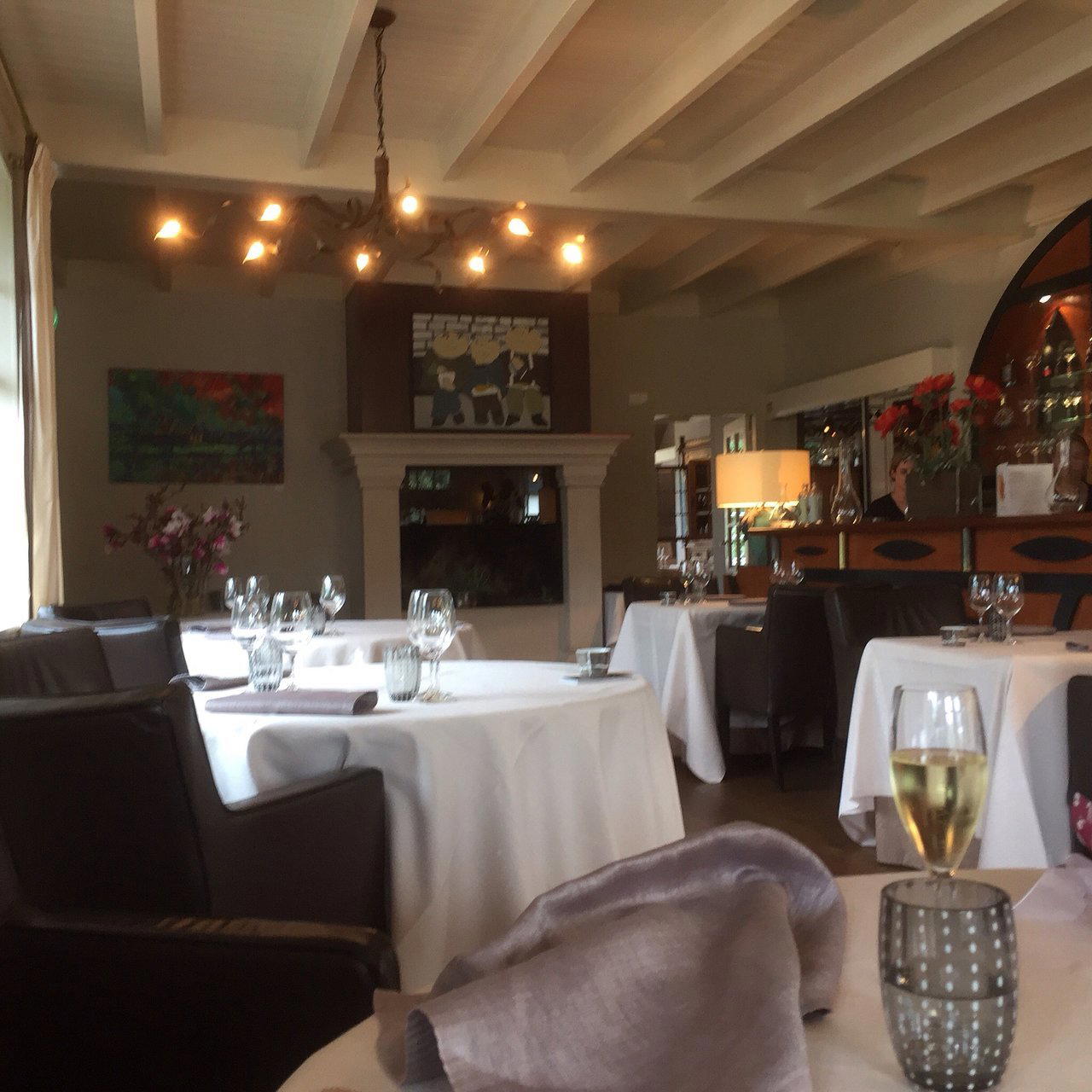
Warm and inviting modern upscale decor with natural materials, ornate historical ceilings, chandeliers, and surrounding parkland and garden creating a sumptuous yet cozy atmosphere.