Brass Boer Thuis

On Zwolle's Nieuwe Markt, Brass Boer Thuis holds a Michelin star while deliberately keeping the mood relaxed and convivial. The kitchen, guided by Jonnie and Thérèse Boer, draws on local Overijssel produce and a wood fire to build dishes that are original without being theatrical. It occupies a distinct position in Zwolle's dining scene: star-level technique served at a pace that feels closer to a long dinner with friends than a formal tasting.
Pearl is the En Primeur Club membership app — saves, bookings, and concierge access live there. Same editors, same standards.
- Address
- Nieuwe Markt 21, 8011 PG Zwolle, Netherlands
- Phone
- +31 38 792 0110
- Website
- brassboer.com
- Directions
- Get directions
 Saves & bookings on Pearl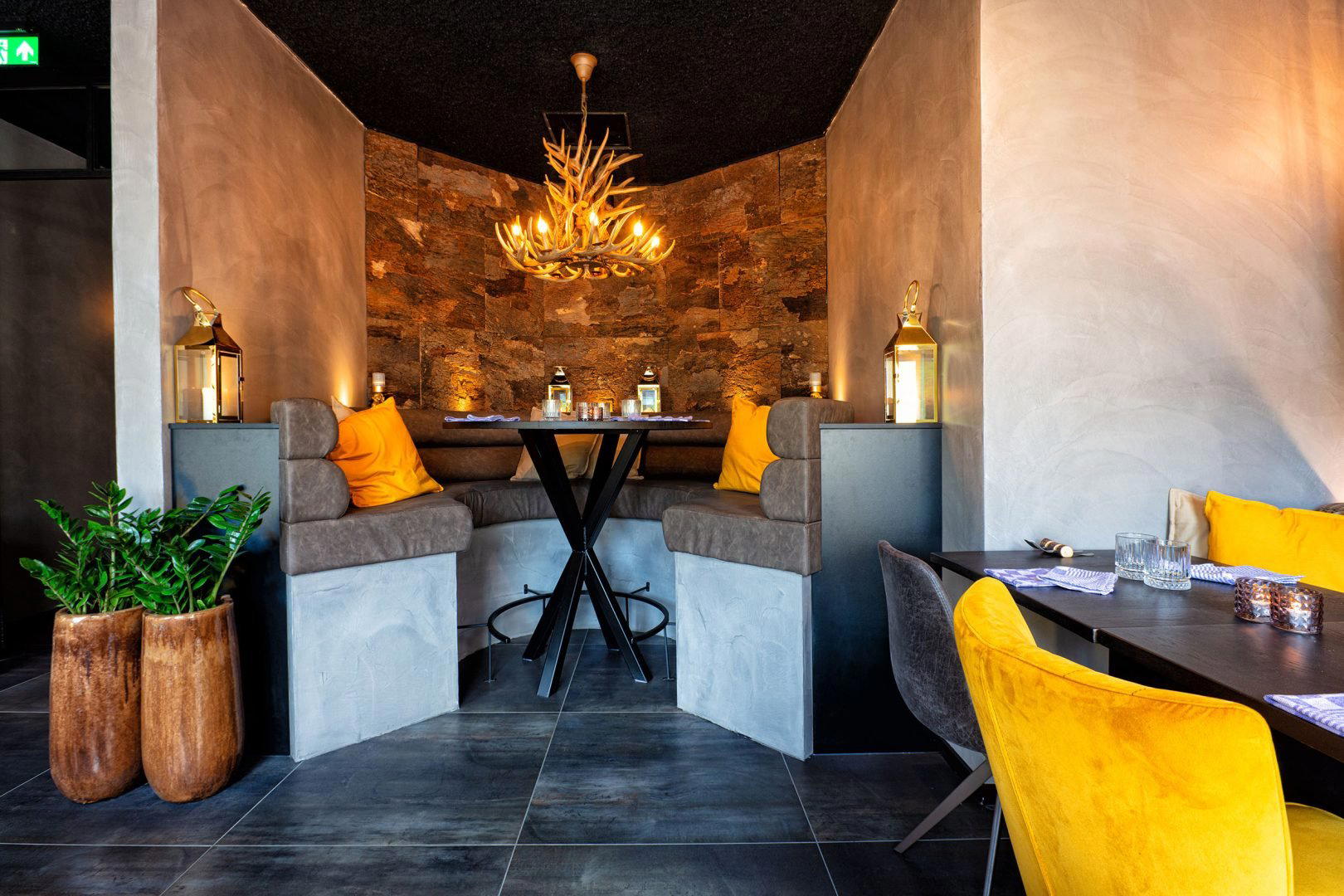
A Square, a Terrace, and a Meal That Takes Its Time
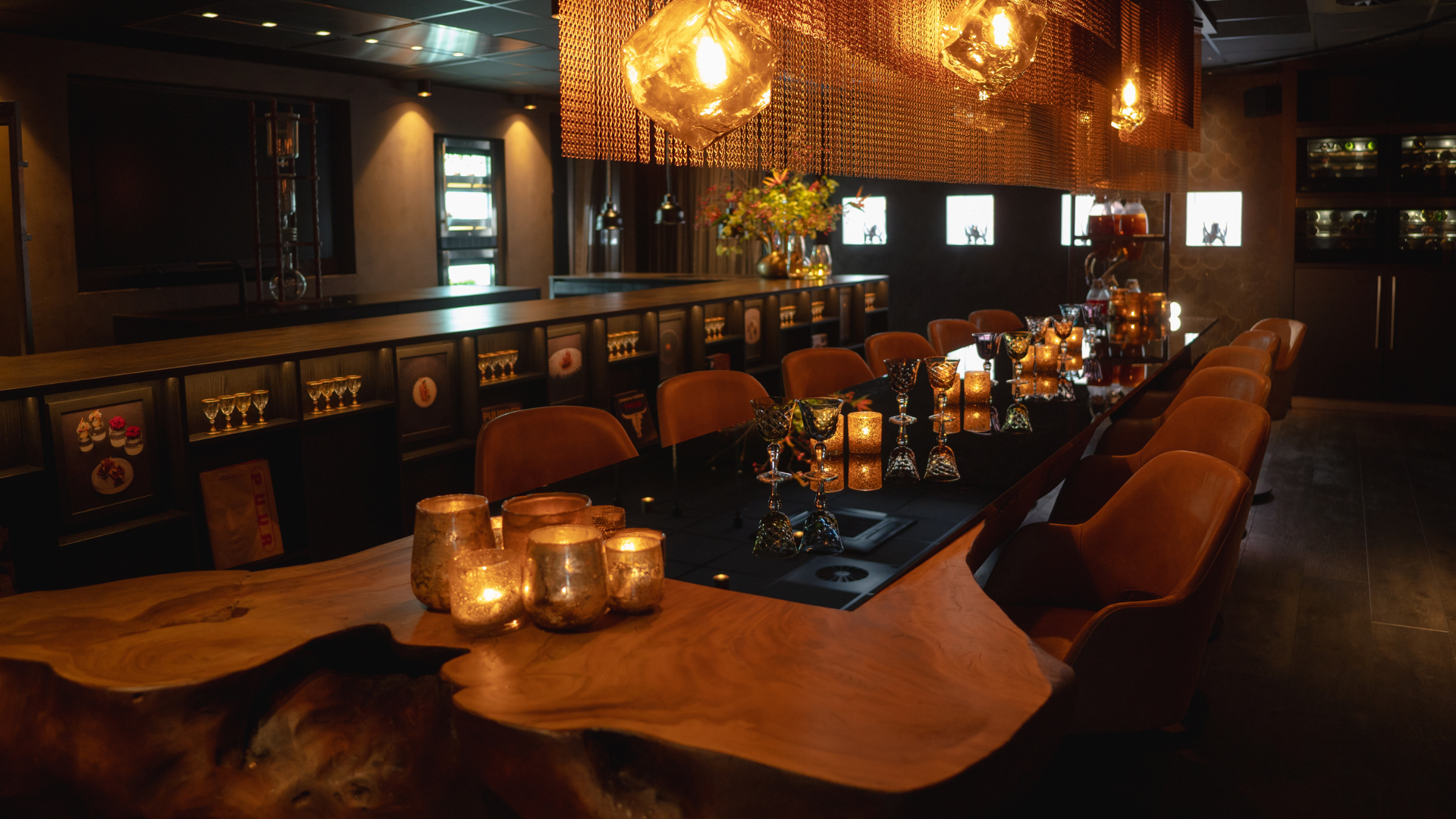
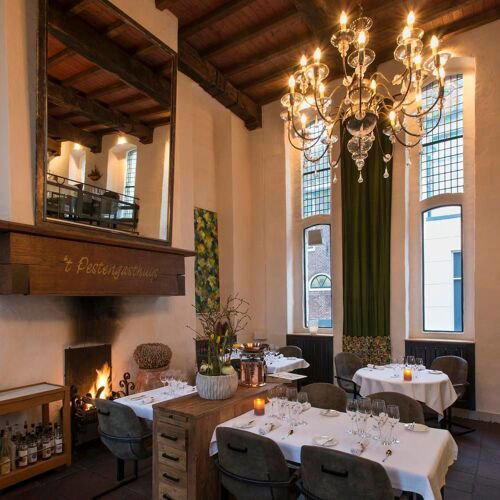
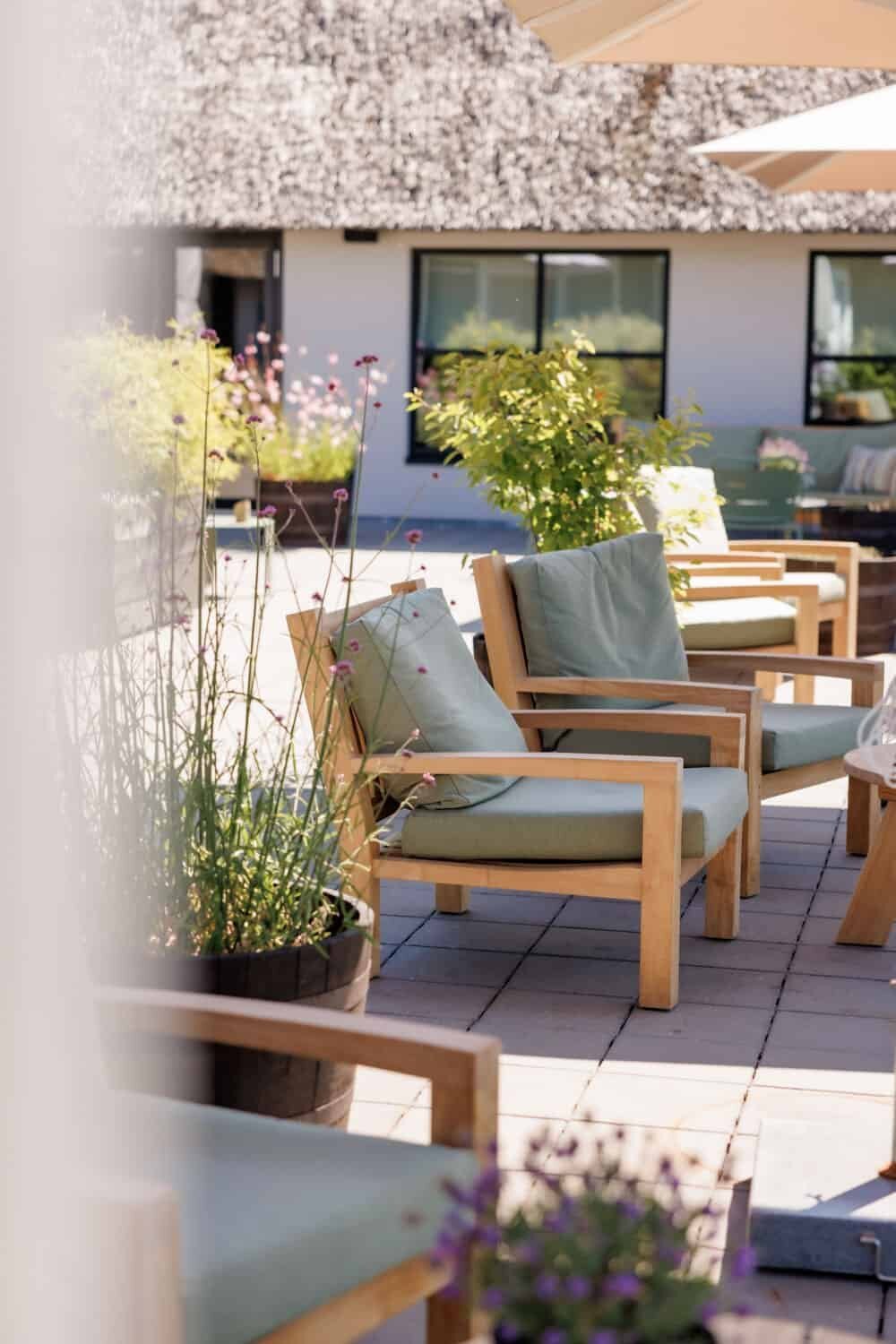
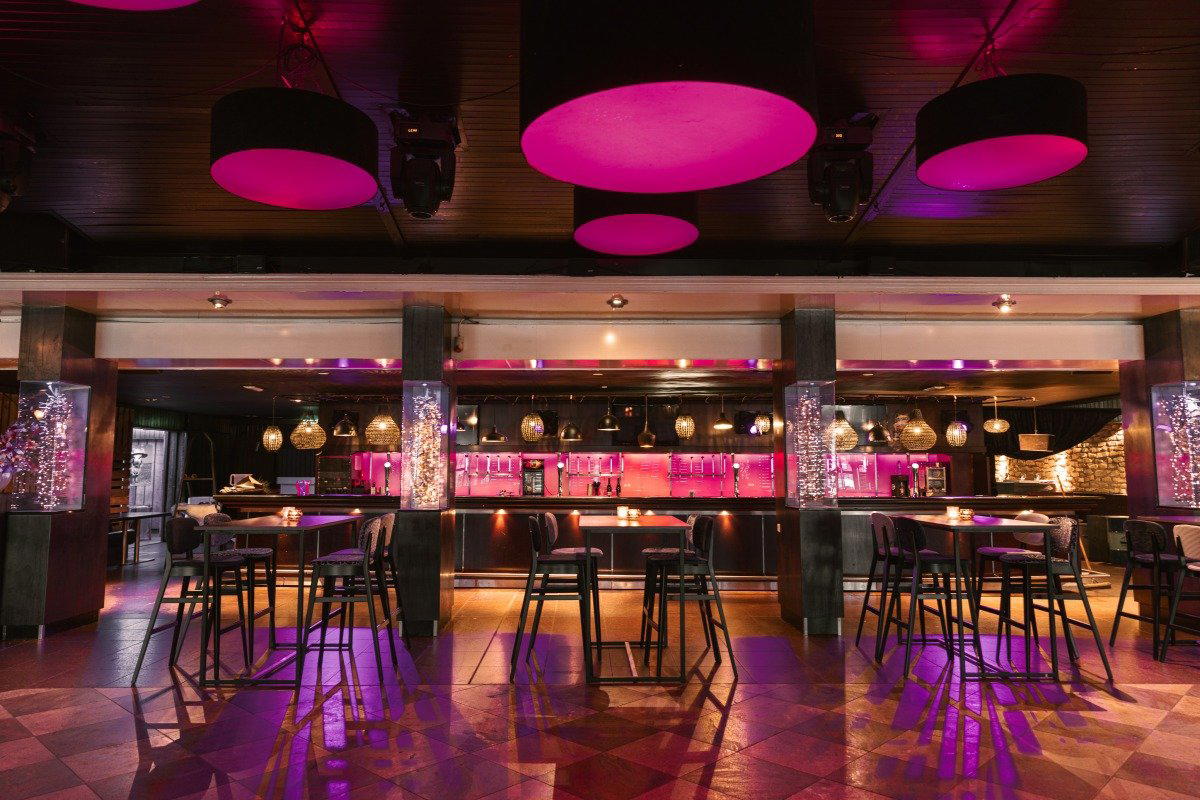
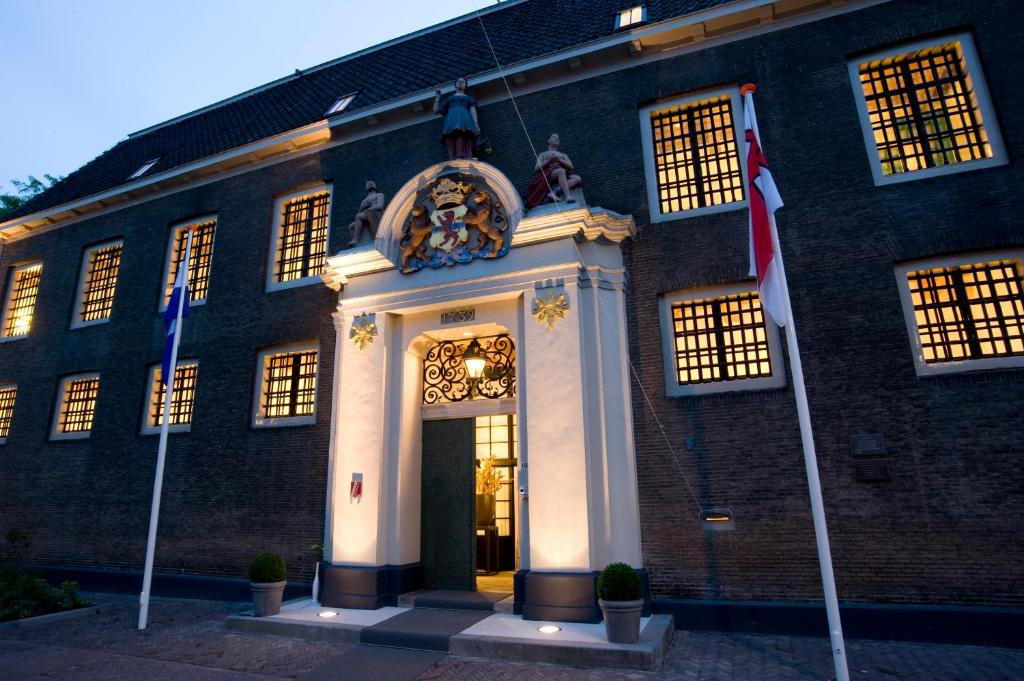
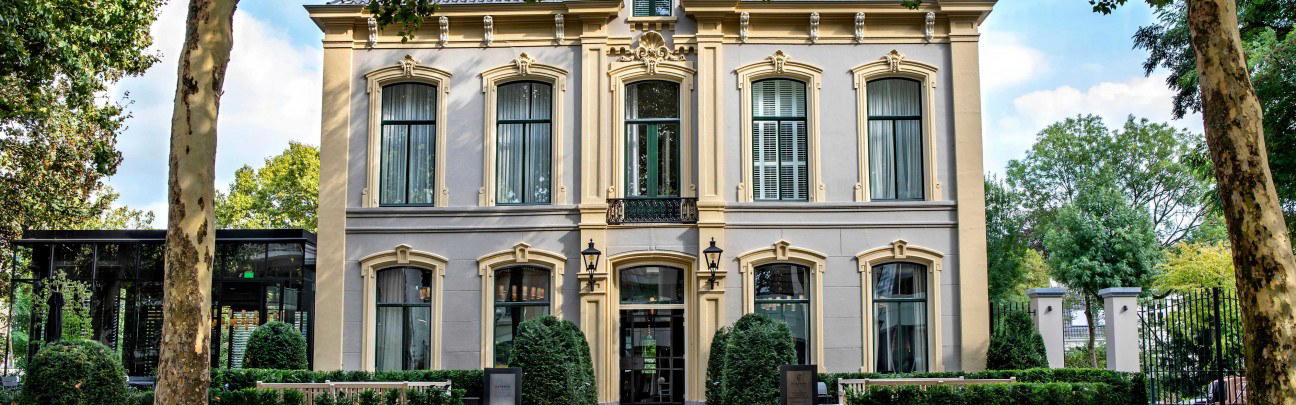
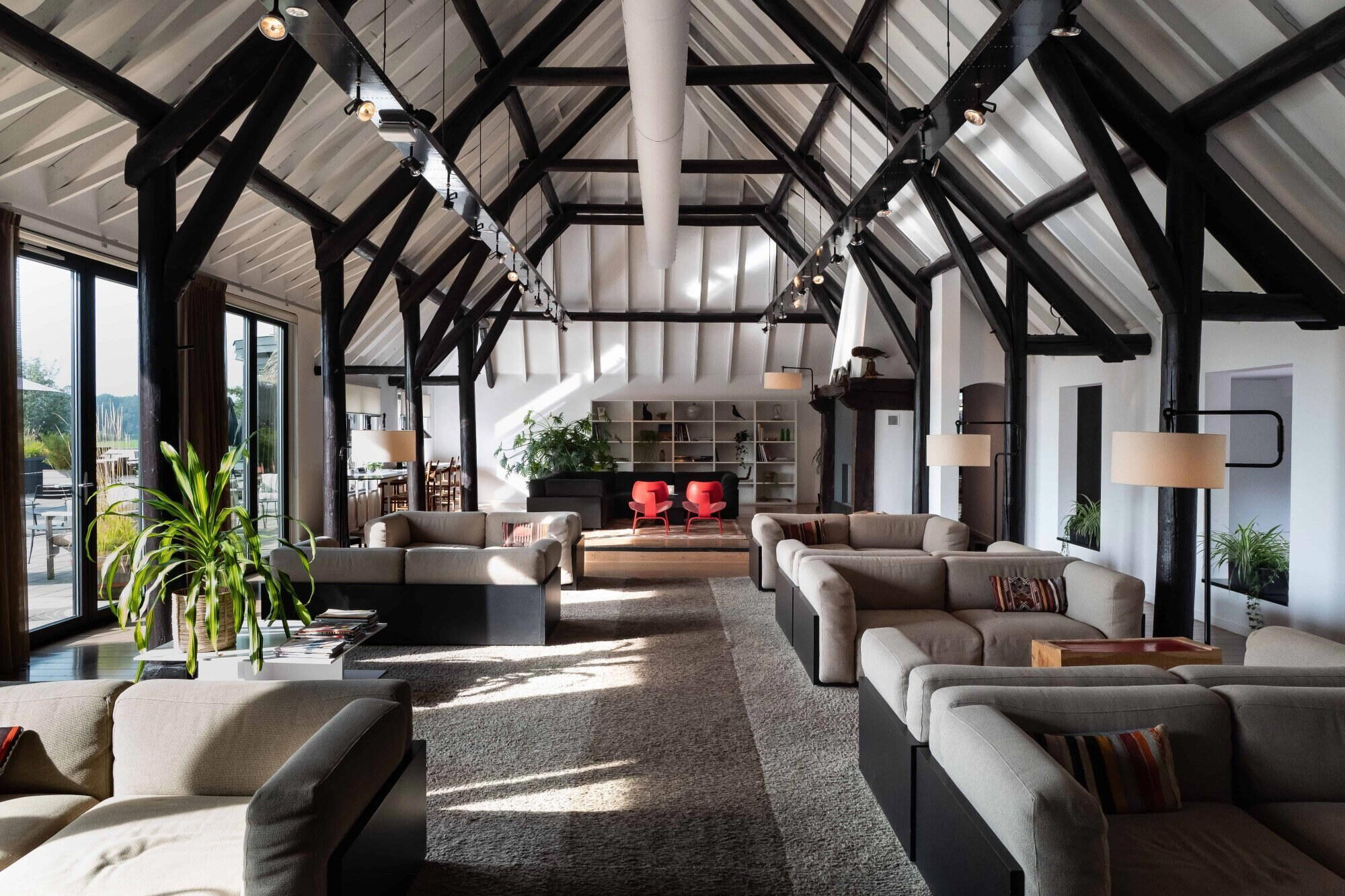
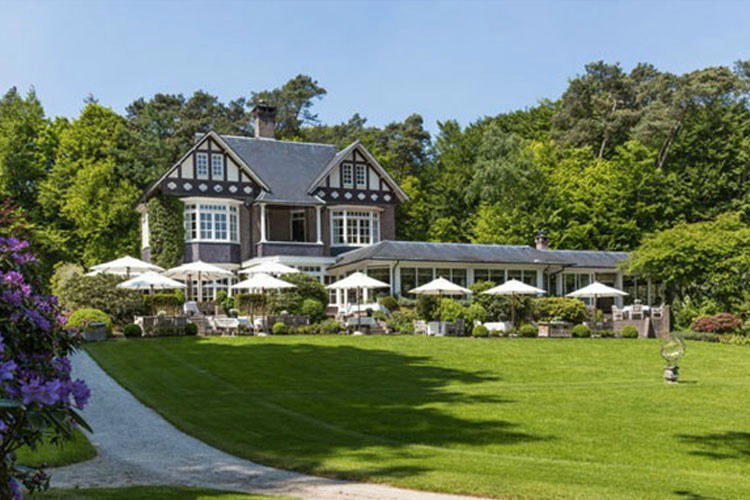
The approach to Brass Boer Thuis sets a particular expectation. Nieuwe Markt is one of Zwolle's more characterful squares, and the restaurant's terrace faces directly onto it, placing diners inside the rhythm of the city rather than apart from it. Spring and autumn are the natural seasons for this arrangement: March and April bring the first reliable outdoor weather to the Hanseatic city, while November evenings push the crowd inside, where driftwood and drying herbs hang from the ceiling and a large wine wall anchors one wall of the contemporary interior. Brass Boer Thuis is a one-Michelin-star restaurant in Zwolle serving modern Dutch regional cuisine. The room feels considered rather than designed-for-effect, and that distinction matters. A great deal of Michelin-starred dining in the Netherlands tilts toward formal minimalism. Brass Boer Thuis moves in a different direction: warmth, visual texture, and a sense that the space has accumulated its character over time.
That tonal contrast is worth holding onto as context, because it shapes everything about how a meal here unfolds. The dining ritual here typically runs at a pace determined by the kitchen, with courses arriving according to a choreography the diner follows rather than directs. Here, the pacing feels less imposed. Tables appear to linger. The extensive menu structure is designed so that diners come to have a good time rather than to submit to a sequence. That is a meaningful editorial point about a category of restaurant where a certain reverent seriousness has become almost conventional.
The Logic of the Kitchen and the Menu
The wood fire is not a decorative gesture. In the current Dutch fine dining moment, several ambitious kitchens have moved back toward live-fire techniques, partly as a response to the over-reliance on precision-instrument cooking that dominated the previous decade. Brass Boer Thuis uses it as a primary cooking method, and the influence is apparent in the texture and flavour register of the dishes. Michelin's inspectors flagged a combination of veal sweetbreads with crispy texture, a subtly sweet glaze, raw and deep-fried shrimps, crunchy vegetable elements, and a peanut sauce that tied the components together into something more coherent than the list of parts suggests. That kind of dish, layering technique across multiple preparations of different proteins and textures, is characteristic of a kitchen that is thinking structurally about a plate, not just sourcing well and plating carefully.
The Boer name carries weight in this context. Jonnie and Thérèse Boer built one of the Netherlands' most recognised restaurants in De Librije, which holds three Michelin stars and occupies a completely different price tier at €€€€. The restaurant operates at €€€ and functions as a different proposition: still ambitious, still producing technically demanding food, but calibrated for a less formal occasion. The two restaurants are not in competition; they serve different reader decisions and different evenings. For visitors to Zwolle who want to understand the Boer kitchen's sensibility without the full commitment of a three-star evening, this is the practical entry point.
Zwolle's dining scene has developed enough range that placing the restaurant within it is a useful exercise. Restaurant Affect, also Michelin-starred and also at the €€€ tier, represents the modern cuisine strand of the city's better restaurants. L'église covers a similar price point with a modern cuisine approach. 't Pestengasthuys takes the farm-to-table direction more explicitly. Bai Yok operates at a different register entirely. Within that spread, the restaurant holds a specific position: regional produce, live fire, Michelin recognition, and a deliberate informality that distinguishes it from both the three-star formality of De Librije and the more neutral register of its €€€ peers.
Regional Produce as a Structural Commitment
Dutch regional cuisine is not a category with the international recognition of, say, Basque or Burgundian cooking, but it has developed a coherent identity in the past fifteen years, driven partly by the network of producers in Overijssel and Gelderland and partly by chefs willing to treat local sourcing as a culinary constraint rather than a marketing position. The restaurant uses produce from Zwolle and its surroundings as a genuine organising principle for the menu. The result is cooking that changes with the season in ways that are visible to a returning diner: spring menus in March and April will reflect the first green harvests of the Overijssel countryside, while autumn visits in November find the kitchen working with aged, preserved, and root-heavy preparations. Neither period is obviously superior; they are different expressions of the same commitment.
This approach places the restaurant in a broader national conversation about what regional cooking means at a starred level. Comparable examples from elsewhere in the Netherlands include De Groene Lantaarn in Staphorst, which has built its identity around Overijssel provenance, and Brut172 in Reijmerstok in the south, which takes a similarly ingredient-led position. Further afield, Aan Sjuuteeänjd in Schinnen and Morille in Koudekerke represent the €€€ regional cuisine tier operating in their respective Dutch regions. The pattern across all of them is a rejection of the kind of ingredient cosmopolitanism that characterised European fine dining in the 2000s and a turn toward specificity of place.
Bold Flavours and the Balance Question
Michelin's inspector note on the restaurant draws attention to something that is genuinely difficult to achieve at the starred level: bold flavours that stay in balance. The tendency in technically accomplished kitchens is to default toward refinement, pulling back from intensity in favour of precision. The kitchen here does the opposite, at least according to the inspection record. Peanut sauce, deep-fried shrimp, crispy sweetbreads: these are not restrained ingredients or timid techniques. The claim is that they cohere, and that the balance is maintained not by moderating each component but by understanding how they interact.
That is the kind of cooking that a wood fire encourages. High direct heat produces flavour compounds that precise, low-temperature cooking does not, and a kitchen comfortable with fire tends to develop a different intuition about how much intensity a dish can carry. Whether that approach sustains across a long menu is the question that rewards a return visit.
Planning the Evening
The restaurant is open from noon on Fridays, Saturdays, and Sundays, and from 2 PM on Mondays and Thursdays, making it one of the more accessible lunch options among Zwolle's starred restaurants. Wednesday evenings open from 5:30 PM, and the restaurant is closed on Tuesdays. The address at Nieuwe Markt 21 is in the historic centre of Zwolle, within the same neighbourhood as the city's other listed dining options.
Those extending the trip beyond Zwolle can cross-reference 't Nonnetje in Harderwijk, Aan de Poel in Amstelveen, Ciel Bleu in Amsterdam, and De Bokkedoorns in Overveen for regional context on where this style of cooking sits within the wider Dutch scene.
Style and Standing
Comparable venues nearby, for context on price, style, and recognition.
| Venue | Cuisine | Price | Awards | Notes |
|---|---|---|---|---|
| Brass Boer ThuisThis venue — the venue you are viewing | Modern Dutch Regional | $$$ | Michelin 1 Star | Not listed |
| Restaurant Affect | Modern French Fine Dining | $$$$ | Michelin 1 Star | City Center |
| Sukerieje | Modern Vegetable-Focused Fine Dining | $$$ | Michelin Plate | city center |
| 't Pestengasthuys | Modern French-Dutch Fine Dining | $$$ | Michelin Plate | city center |
| Ember | Comfort Fine Dining with Open Fire | $$$ | Not listed | city center |
| Waber | Modern Indonesian | $$$ | Not listed | Zwolle Centrum |
Recognition history
Dated appearances from independent guides and award organizations, with the underlying list record or original source where available.
Michelin 1 Star
Michelin
Michelin 1 Star
Michelin
Continue exploring
More in Zwolle
Restaurants in Zwolle
Browse all →
At a Glance
- Cozy
- Elegant
- Modern
- Intimate
- Date Night
- Special Occasion
- Open Kitchen
- Terrace
- Extensive Wine List
- Local Sourcing
- Street Scene
Current opening hours
- Monday
- 6–10 PM
- Tuesday
- Closed
- Wednesday
- 6–10 PM
- Thursday
- 6–10 PM
- Friday
- 12–10 PM
- Saturday
- 12–10 PM
- Sunday
- 12–10 PM
Hours can change for holidays and private events. Last verified .
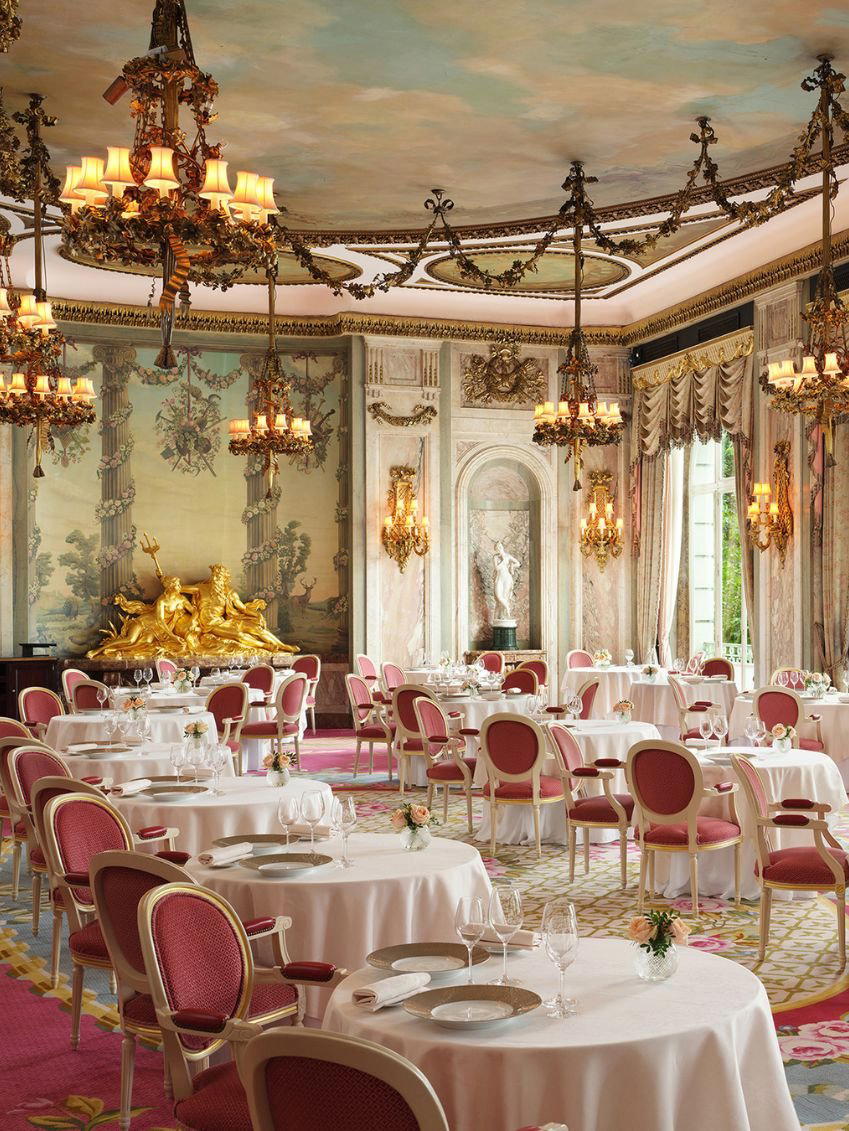
Stylish and warm with contemporary decor featuring details like drying fish on the ceiling and a large wine wall, creating a cozy and relaxed vibe.