Monarh


Set inside a 125-year-old former monastery on Tilburg's southern edge, Monarh earned a Michelin star in 2024 and a White Star listing from Star Wine List in 2023. Chef Paul Kappé works in a creative register that pairs technically precise cooking with bold, layered flavours. At the €€€€ tier, it sits well above Tilburg's broader restaurant scene and competes directly with the Netherlands' provincial fine-dining houses.
Pearl is the En Primeur Club membership app — saves, bookings, and concierge access live there. Same editors, same standards.
- Address
- Bredaseweg 204-08, 5038 NK Tilburg, Netherlands
- Phone
- +31 13 536 5805
- Website
- monarh.nl
- Directions
- Get directions
 Saves & bookings on Pearl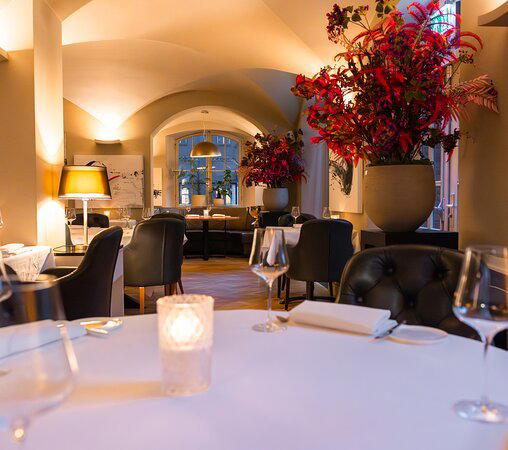
A Former Monastery, a Michelin Star, and Tilburg's Case for Fine Dining
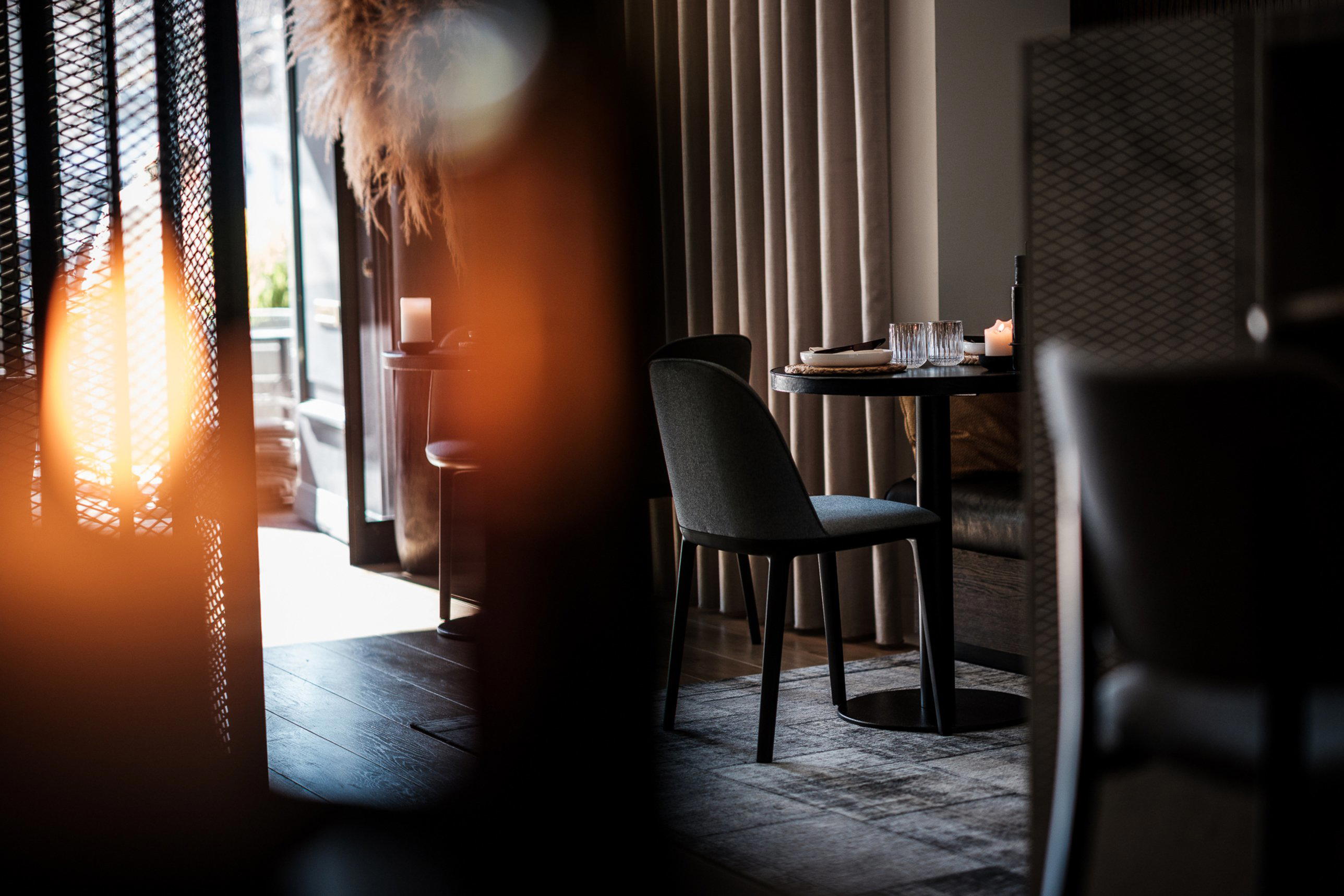
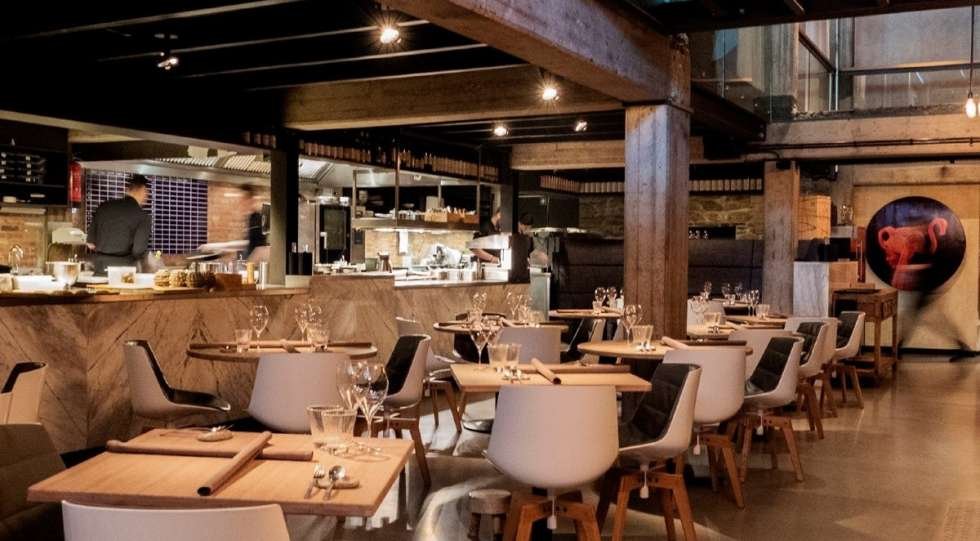
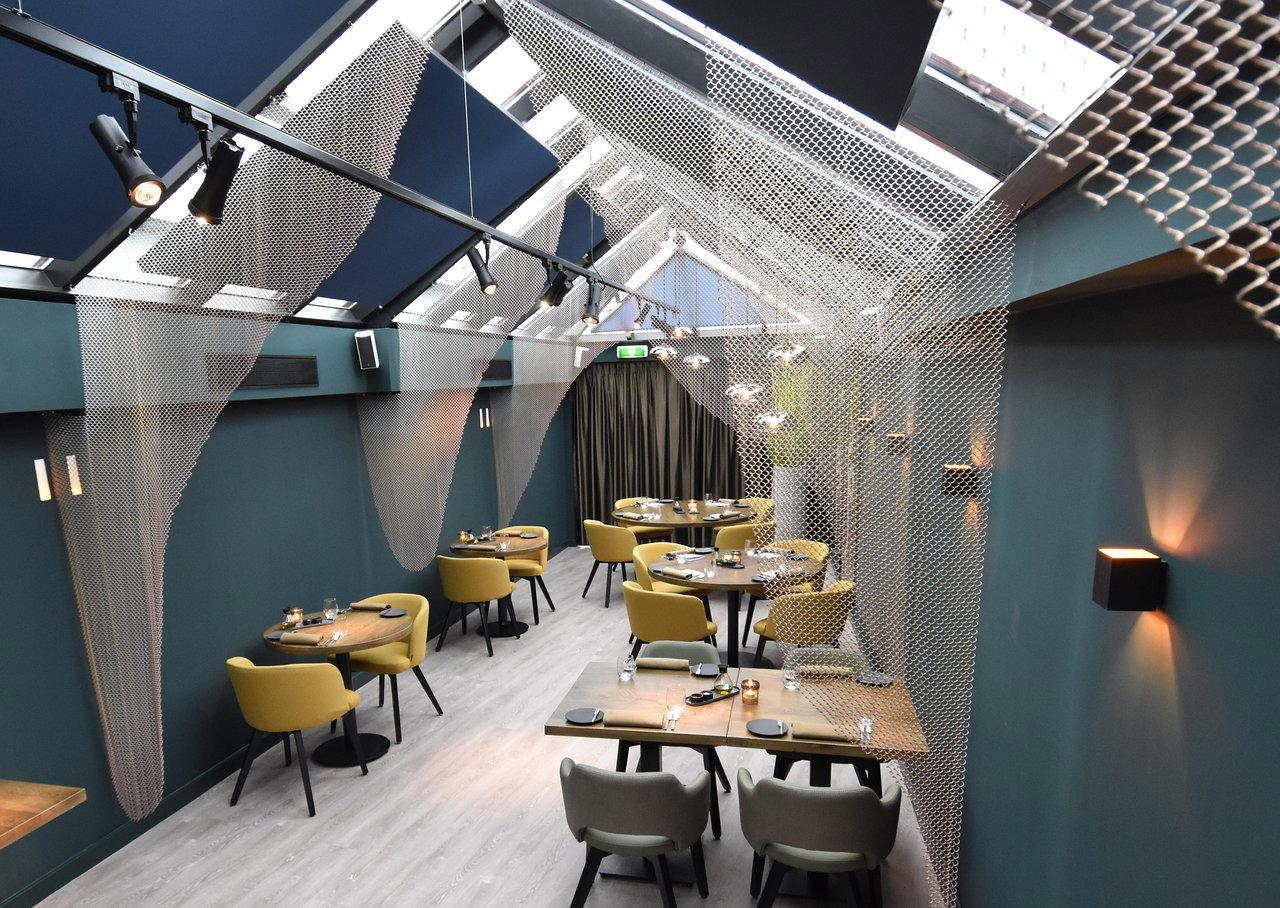
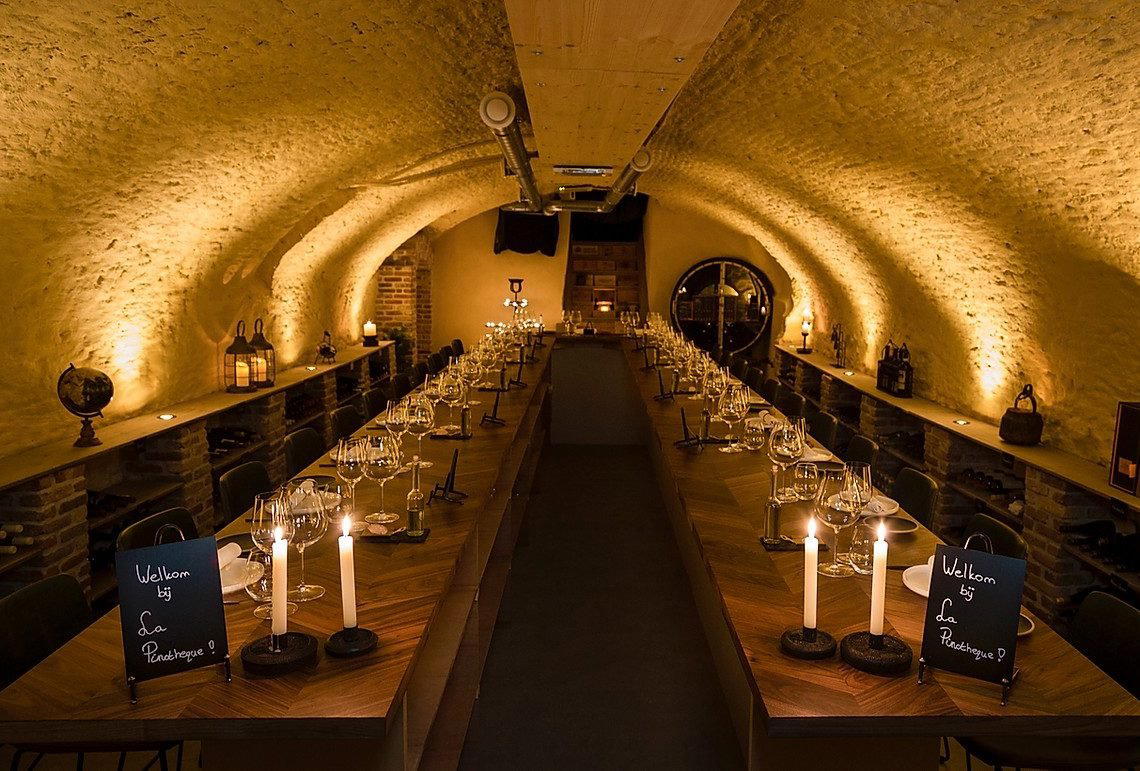
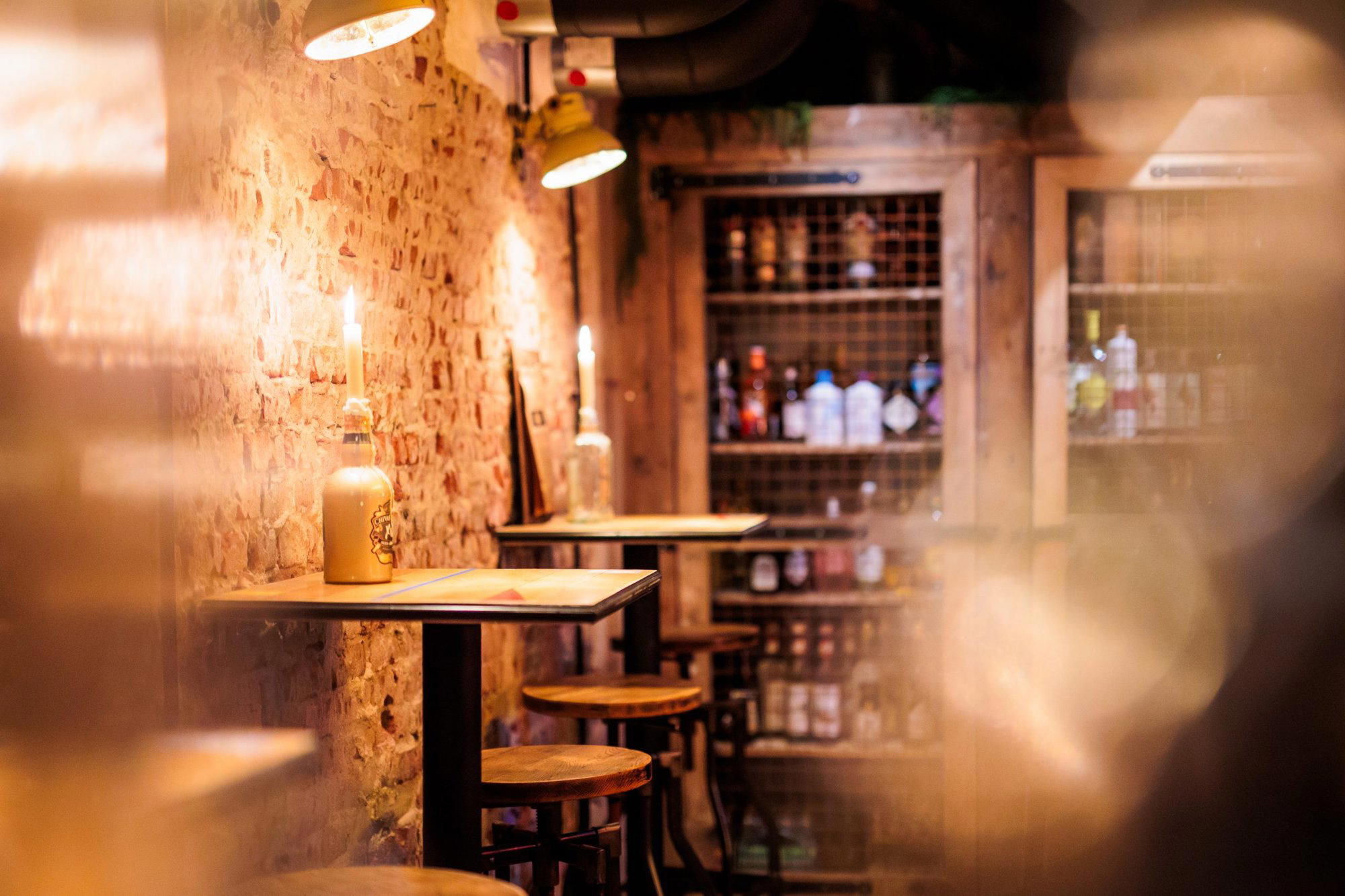
Approach Bredaseweg 204 and you are confronted with a building that resists the usual assumptions about restaurant architecture. The structure dates back more than 125 years, originally built as a monastery, and the weight of that history is present in every detail: vaulted ceilings, exposed brickwork, stonework that has absorbed decades of silence. Inside, that monastic shell has been reinterpreted rather than erased. The private dining space sits beneath those original arches, while the main interior is spare and deliberate, stripped of ornament in a way that draws attention to the food arriving at the table. The contrast between the ancient container and the sleek contemporary fit-out is not accidental. It defines the register of the whole experience.
Tilburg is not a city that appears frequently in Netherlands fine-dining conversations dominated by Amsterdam, Rotterdam, and the occasional provincial breakout. That structural reality makes Monarh's position more legible when placed against its peer group. The Netherlands' one-star tier includes properties spread across smaller cities and towns, from De Lindehof in Nuenen to De Groene Lantaarn in Staphorst, demonstrating that Michelin has long been willing to recognize serious kitchens operating outside the metropolitan centres. Monarh's 2024 star places it in that provincial one-star cohort, a group where the competition for attention is quieter than in Amsterdam but the cooking ambition is rarely lower.
The Cooking: Technique in Service of Flavour
At the €€€€ price tier, the expectation is not simply refinement but a distinct point of view. Dutch creative fine dining in the current period tends to divide into two broad positions: kitchens that anchor themselves in local and seasonal produce with minimal intervention, and those that reach for technical complexity and layered flavour construction. Monarh sits in the second category. The kitchen applies classical technique, smoking, glazing, beurre noisette, and frothy beurre blanc as instruments of intensity rather than display.
The Michelin inspectors, in their 2024 recognition, highlighted a halibut preparation as emblematic: the fish sautéed in beurre noisette and finished with a light but concentrated beurre blanc, accompanied by cauliflower in multiple forms, including sugared crisps from the stem and a couscous version seasoned with tarragon and tarragon vinegar. The dish demonstrates a recurring structural logic in the kitchen: a single primary ingredient approached through contrasting textures and a consistent flavour thread running through each component. The plating is precise and considered, with visual coherence that reflects the same attention given to the flavour architecture.
Star Wine List recognized Monarh with a White Star in May 2023. In the fine-dining context, wine list quality at this tier is rarely incidental; it tends to be an active part of how the experience is calibrated.
What the Setting Means for the Experience
The relationship between a restaurant's physical setting and its cuisine is rarely direct. Heritage buildings can become traps, with the architecture doing narrative work that the kitchen hasn't earned. At Monarh, the monastery context functions differently. The private dining room beneath vaulted ceilings and exposed brick creates a genuinely distinct spatial register that most purpose-built fine-dining rooms cannot replicate. For a city like Tilburg, which lacks the density of heritage restaurant spaces found in Amsterdam's canal belt or Utrecht's medieval centre, this building gives Monarh a competitive advantage that goes beyond aesthetics.
The broader dining context in Tilburg is worth understanding before arriving. The city's restaurant scene is predominantly pitched at the €€ tier, with places like Brasserij Kok Verhoeven working the seafood register, Hofstede de Blaak focusing on regional cuisine, and Te Koop in Tilburg covering an international menu. At the €€€ level, La nouvelle Auberge occupies the farm-to-table position. Monarh at €€€€ sits above this entire tier, and the gap between it and the next level down is meaningful: this is not a restaurant where you arrive for a slightly more formal version of a regular meal. It is a different category of experience, and the pricing reflects that distinction honestly.
For visitors approaching Tilburg as a dining destination rather than a city they happen to be passing through, the context in the broader Dutch provincial fine-dining circuit is useful. Kitchens like De Lindenhof in Giethoorn and Brut172 in Reijmerstok represent the type of serious, location-specific cooking that has made provincial Dutch fine dining a legitimate reason to travel. Monarh fits that pattern: the building, the setting, and the cooking together create an argument for Tilburg as a destination visit rather than a stopover.
Tilburg in the Wider Netherlands Fine-Dining Map
Placing Monarh against peers in other Dutch cities clarifies what the kitchen is doing and what tier of ambition it is working within. Restaurants like Aan de Poel in Amstelveen and Fred in Rotterdam represent the one-star cohort in more urban or peri-urban contexts. De Bokkedoorns in Overveen and De Librije in Zwolle anchor the higher end of the provincial conversation. Monarh's 2024 star positions it inside this group, and the White Star from Star Wine List suggests a complete package rather than a kitchen coasting on food alone.
Creative cuisine at the €€€€ level in the Netherlands has reference points beyond the country's borders as well. The technical vocabulary Kappé employs, including classical French technique applied to contemporary compositions, has parallels in Hungarian fine dining at properties like Platán Gourmet in Tata, where European classical training shapes a modern tasting format. The pattern across these kitchens is consistent: rigorous technique used not as an end in itself but as the mechanism for achieving precision in flavour delivery.
Planning Your Visit
Monarh operates a schedule that reflects both the demands of serious kitchen work and the rhythms of Tilburg's dining week. The kitchen is closed on Mondays and Sundays. Tuesday runs evenings only, from 6 PM to midnight. Wednesday through Friday opens at noon for a lunch service running to 4 PM, then reopens for dinner from 6 PM to midnight. Saturday is evening-only, matching Tuesday's hours. The address is Bredaseweg 204-08, 5038 NK Tilburg, on the southern edge of the city. Given the €€€€ positioning and Michelin recognition, booking ahead is the sensible approach.
The Minimal Set
Comparable venues nearby, for context on price, style, and recognition.
| Venue | Cuisine | Price | Notes |
|---|---|---|---|
| MonarhThis venue — the venue you are viewing | Creative | $$$$ | Not listed |
| Brasserij Kok Verhoeven | Spoorzone, Seafood Brasserie | $$$ | Not listed |
| Hofstede de Blaak | Zuid Tilburg, Modern French Bistro | $$ | Not listed |
| La nouvelle Auberge | Not listed | $$$$ | :null, French Fine Dining with Local Focus |
| Te Koop in Tilburg | Armhoefse Akkers, Modern European Bistro | $$ | Not listed |
| Gourmet Market Central Station | Not listed | $$ | Spoorzone, International Street Food Market |
Recognition history
Dated appearances from independent guides and award organizations, with the underlying list record or original source where available.
Star Wine List
Star Wine List
Michelin 1 Star
Michelin
Michelin 1 Star
Michelin
At a Glance
- Elegant
- Romantic
- Sophisticated
- Intimate
- Date Night
- Special Occasion
- Business Dinner
- Open Kitchen
- Private Dining
- Historic Building
- Extensive Wine List
- Sommelier Led
- Local Sourcing
Current opening hours
- Monday
- Closed
- Tuesday
- 6 PM–12 AM
- Wednesday
- 12–4 PM, 6 PM–12 AM
- Thursday
- 12–4 PM, 6 PM–12 AM
- Friday
- 12–4 PM, 6 PM–12 AM
- Saturday
- 6 PM–12 AM
- Sunday
- Closed
Hours can change for holidays and private events. Last verified .
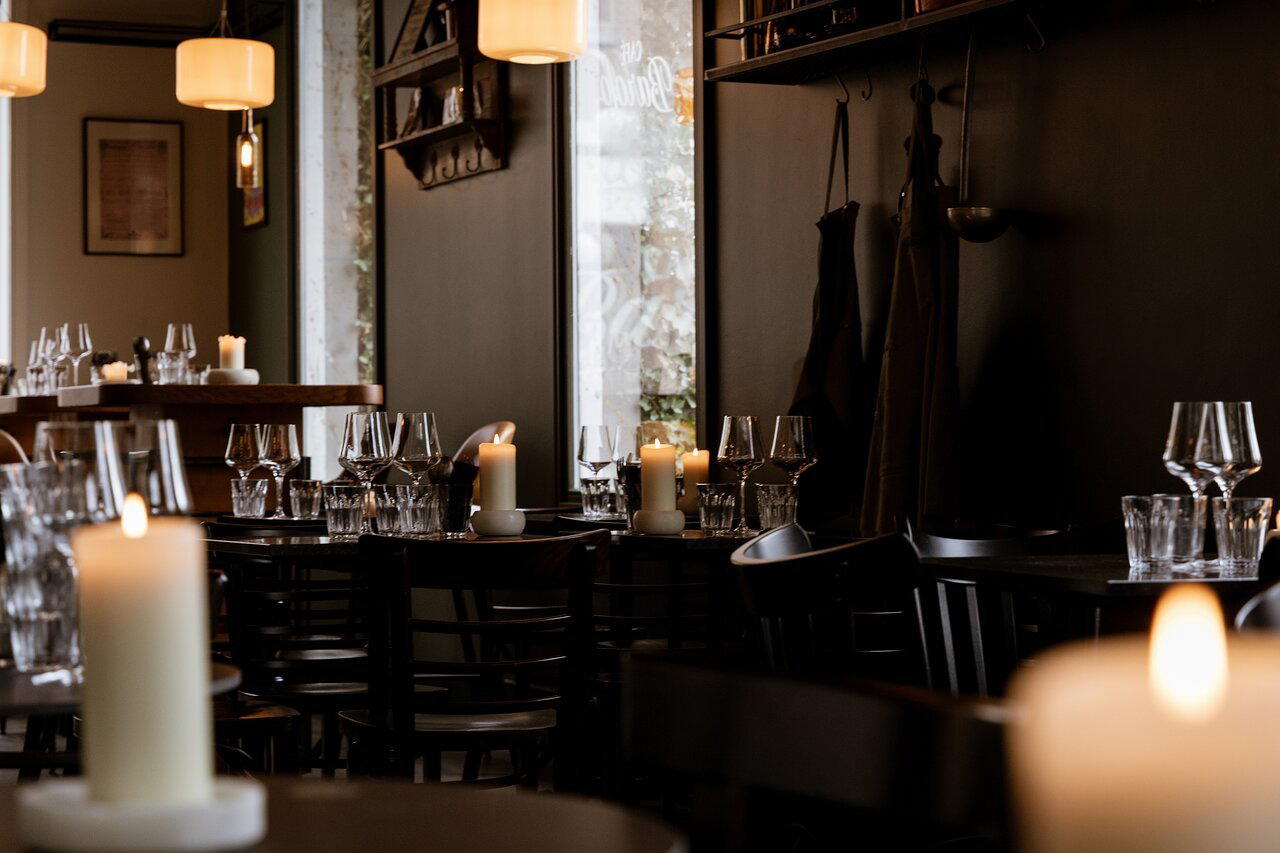
Warm, elegant, and welcoming with sleek stylish interior, exposed brickwork, vaulted ceilings, and subtle luxury.