Google: 4.4 · 419 reviews
Restaurant Schote
.png)

A Michelin-starred address in Bergisch Gladbach, Restaurant Schote earns its 2025 MICHELIN Star recognition through a commitment to Cooking Classics — a format that prizes technical discipline over novelty. With a Google rating of 4.5 across 384 reviews and a price range sitting at the €€€ tier, it occupies a serious but accessible position within the city's fine-dining scene.
 Discover on Pearl
Pearl is the En Primeur Club membership app — saves, bookings, and concierge access live there. Same editors, same standards.
Where German Fine Dining Holds Its Ground
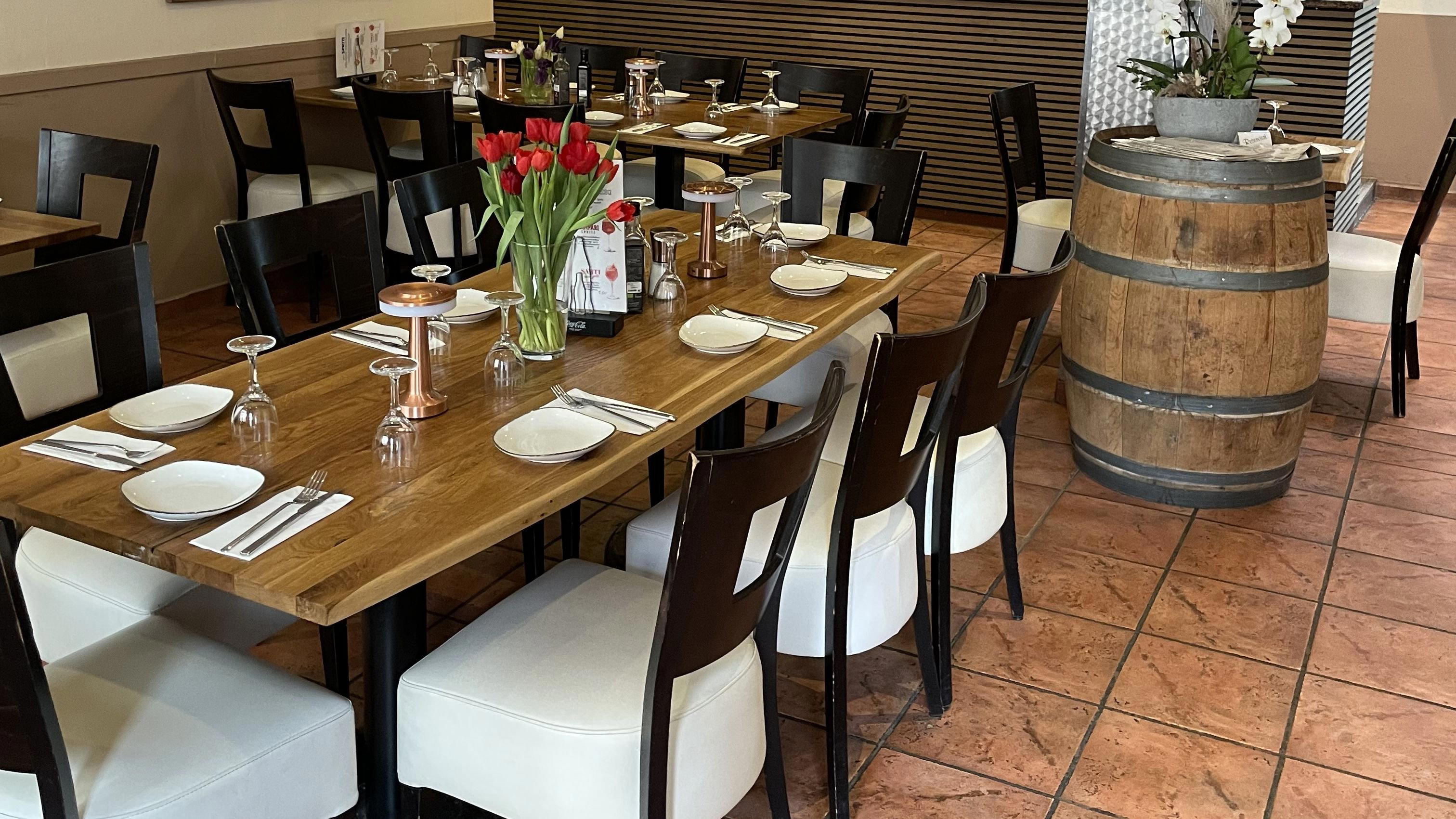
Bergisch Gladbach sits close enough to Cologne to benefit from the city's appetite for serious dining, yet far enough removed to maintain a quieter register. The address at Diepeschrather Weg 80a places Restaurant Schote on a residential edge of the town, the kind of location that, across Germany, has long been associated with a certain type of destination restaurant: one where the drive is part of the decision, and the room rewards the effort. This is not the street-level visibility of a city-centre brasserie. It is the considered remove of a kitchen that expects its guests to seek it out.
That positioning matters because it frames the dining experience before a course is served. In German fine dining, the out-of-town or semi-rural setting has historically carried a specific cultural weight — from the storied forest hotels of the Black Forest (see Schwarzwaldstube in Baiersbronn) to the Moselle valley rooms like Schanz in Piesport and Waldhotel Sonnora in Dreis. These are places where the meal is the destination, not an accompaniment to another purpose. Restaurant Schote reads within that tradition.
The Cooking Classics Designation and What It Signals
The Michelin Guide's 2025 recognition of Restaurant Schote carries two distinct signals: a star, and the COOKING CLASSICS highlight. The second designation is worth pausing on. In Michelin's framework, Cooking Classics identifies restaurants where the cuisine is grounded in established technique and traditional forms rather than experimental or contemporary departures. It is not a consolation category — it is an editorial statement about what the kitchen is doing and why it matters.
Across Europe, this approach has gained renewed credibility as the fine-dining conversation has shifted. A generation of chefs pushed Nordic minimalism, hyper-local foraging, and avant-garde technique to the foreground; the pendulum has swung back toward craft in classical form. The restaurants now earning most sustained recognition are often those that have committed to a lane and deepened it, rather than chasing the menu format of the moment. Within German fine dining specifically, this has produced a renewed respect for kitchens that execute the canon with precision rather than reimagining it season by season.
Restaurant Schote's Michelin Plate (2025) and star together confirm that the kitchen sits inside the formal recognition tier, not merely adjacent to it. A Google rating of 4.5 from 384 reviews reinforces consistency across guest experience, not just critical moments.
Bergisch Gladbach's Fine-Dining Concentration
For a mid-sized town in North Rhine-Westphalia, Bergisch Gladbach carries a disproportionate density of serious tables. Vendôme, operating at the €€€€ tier with a Modern European and Creative format, represents the leading end of the local hierarchy. Diepeschrather Mühle holds a German Fine Dining position, while Dröppelminna covers the broader German category at the same €€€ price tier as Schote.
This concentration is partly a function of the town's proximity to Cologne and Düsseldorf, both cities with high-income populations whose dining habits extend outward into the surrounding region. The result is a local dining scene with more internal differentiation than most towns of comparable size. Schote occupies the starred, classically-oriented segment of that scene , a position distinct from Vendôme's creative European register and from the more accessible German formats nearby. For an overview of where Schote sits within the broader local picture, the full Bergisch Gladbach restaurants guide maps the complete field.
Modern German Cuisine and the Classics Argument
German Modern as a cuisine designation covers a broad range, from the deconstructed regional plates of kitchen-lab formats to the refined but recognisable cooking Schote's Michelin highlight describes. What the Cooking Classics framework specifically evokes is a kitchen working in dialogue with German culinary heritage: the technical disciplines of classical European cookery applied to the ingredients and flavour traditions of the region.
This is a meaningful distinction at a moment when German fine dining has fragmented considerably. At one end, kitchens like CODA Dessert Dining in Berlin operate as concept-first formats where the boundary between savoury and sweet is methodically dissolved. At the other, long-established rooms like Restaurant Haerlin in Hamburg hold to a classical European grammar. Schote's designation places it closer to the latter tradition, though the German Modern tag indicates it is not simply replicating the past. The classics provide structure; the modernity provides edit.
Internationally, this tension between classical grounding and contemporary relevance defines many of the most durable fine-dining rooms. Le Bernardin in New York City has sustained decades of recognition precisely because its commitment to classical French technique never required disruption to remain compelling. Atomix in New York City takes the opposite position, building a contemporary Korean tasting format that earns its recognition through concept rigour. Both strategies work; what fails is inconsistency. Schote's Michelin recognition suggests the kitchen has found its register and holds it.
Situating the Price Point
The €€€ pricing at Restaurant Schote places it inside the mid-to-upper tier of German fine dining , below the multi-star rooms commanding €€€€ price points like Aqua in Wolfsburg or ES:SENZ in Grassau, but above the everyday regional restaurant market. For a Michelin-starred address, this positions Schote as accessible relative to its peer tier , one of those rooms where the formal recognition does not translate into a prohibitive spend. In a city like Cologne or Düsseldorf, this price-to-recognition ratio would attract a consistent queue; in Bergisch Gladbach, it likely creates a loyal local following with room for destination visitors.
The comparison with JAN in Munich, another starred German Modern address, is instructive in how regional fine dining calibrates its pricing against local market depth rather than against national or international peer sets.
Planning a Visit
Restaurant Schote is located at Diepeschrather Weg 80a in Bergisch Gladbach, reachable from Cologne in under 30 minutes by car. Given the destination-restaurant positioning and Michelin recognition, advance reservations are advisable; the combination of a relatively small potential table count typical of classical fine-dining rooms and consistent critical recognition tends to compress availability, particularly on weekends. The €€€ pricing suggests a full evening's investment rather than a quick booking, so plan accordingly. For those combining the visit with a broader stay in the region, the Bergisch Gladbach hotels guide, bars guide, wineries guide, and experiences guide round out the picture for a full itinerary.
Cuisine-First Comparison
A fast peer set for context, pulled from similar venues in our database.
| Venue | Cuisine | Price | Awards |
|---|---|---|---|
| Restaurant SchoteThis venue — the venue you are viewing | German Modern | €€€ | |
| Vendôme | Modern European, Creative | €€€€ | Michelin 2 Star |
| Diepeschrather Mühle | German Fine Dining | ||
| Dröppelminna | German | €€€ |
Continue exploring
More in Bergisch Gladbach
Restaurants in Bergisch Gladbach
Browse all →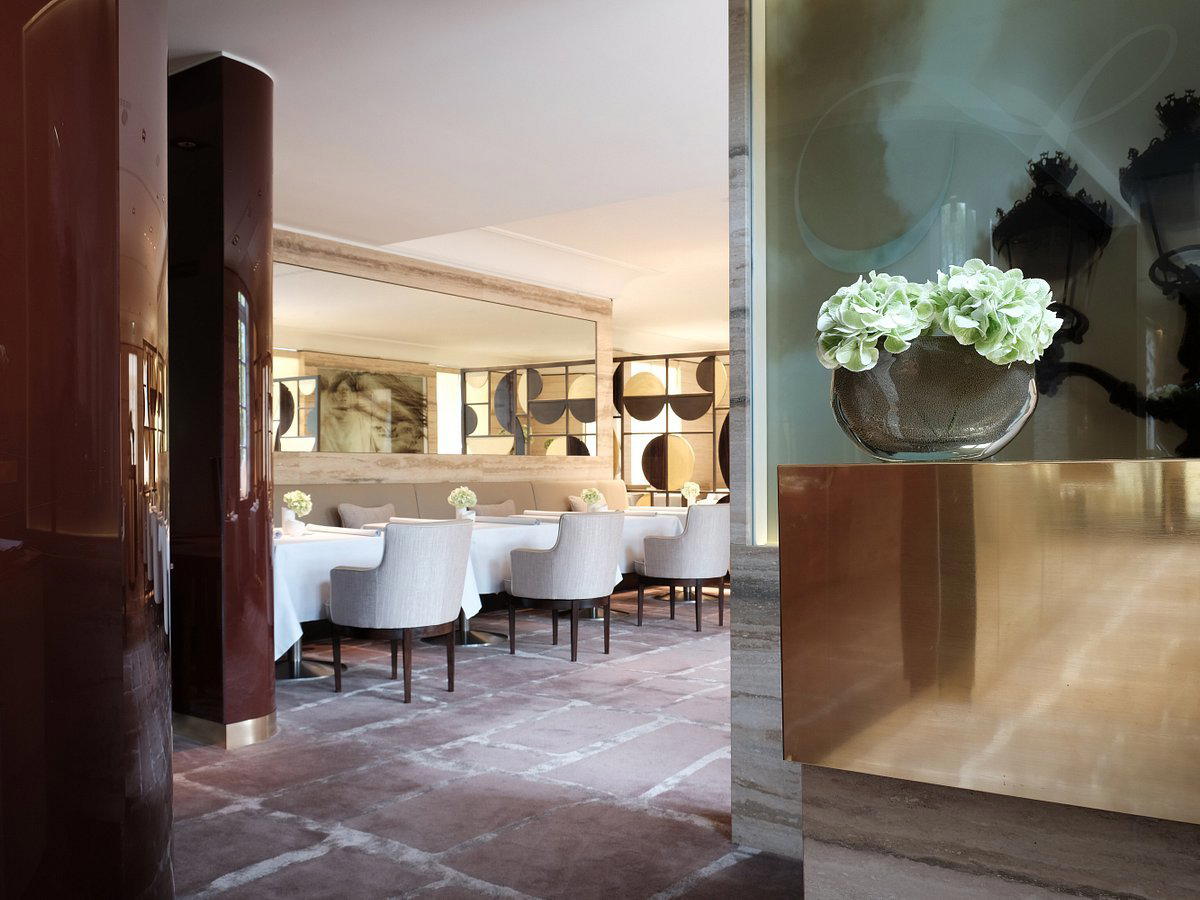
Bars in Bergisch Gladbach
Browse all →
Hotels in Bergisch Gladbach
Browse all →
At a Glance
- Elegant
- Sophisticated
- Intimate
- Scenic
- Special Occasion
- Date Night
- Celebration
- Private Dining
- Garden
- Historic Building
- Hotel Restaurant
- Terrace
- Sommelier Led
- Local Sourcing
- Farm To Table
- Garden
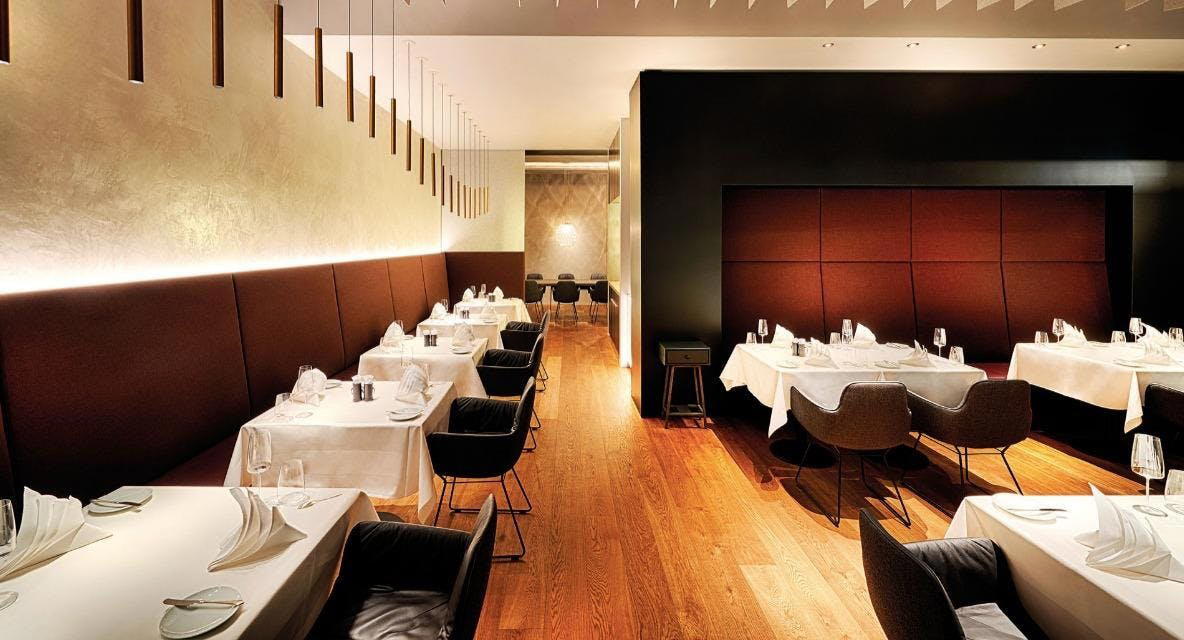
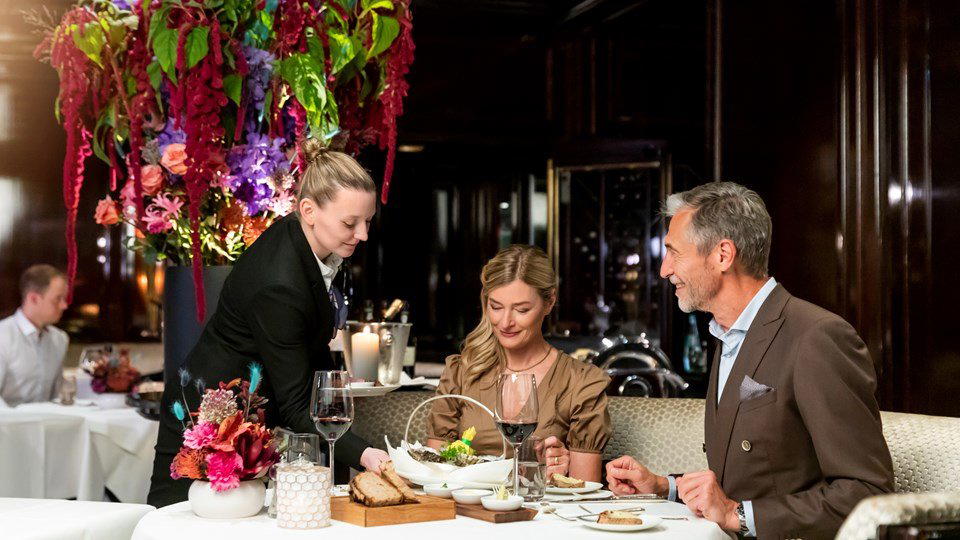
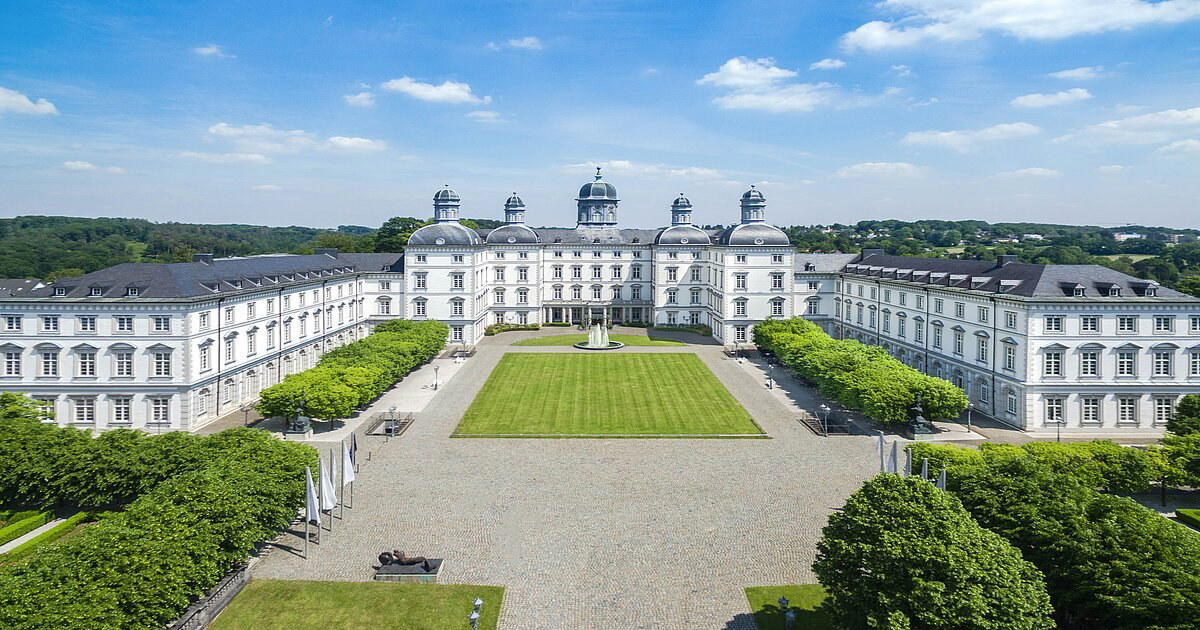
Refined and tranquil setting in a historic property surrounded by natural countryside, with attentive service and beautifully presented courses creating a sophisticated gourmet experience.