Our verdict
Situated on Rue Pierre Semard in Saint-Uze, a small commune in the Drôme department of the Rhône-Alpes corridor, Restaurant Philip-Liversain occupies a corner of rural France where the agricultural rhythm of the Drôme valley shapes what ends up on the plate. The address places it well outside the circuits of metropolitan fine dining, making it a reference point for understanding how serious cooking operates at remove from the major cities.

Pearl is the En Primeur Club membership app, where members save venues, book tables and use the concierge.
Drôme Valley Cooking and the Logic of Place
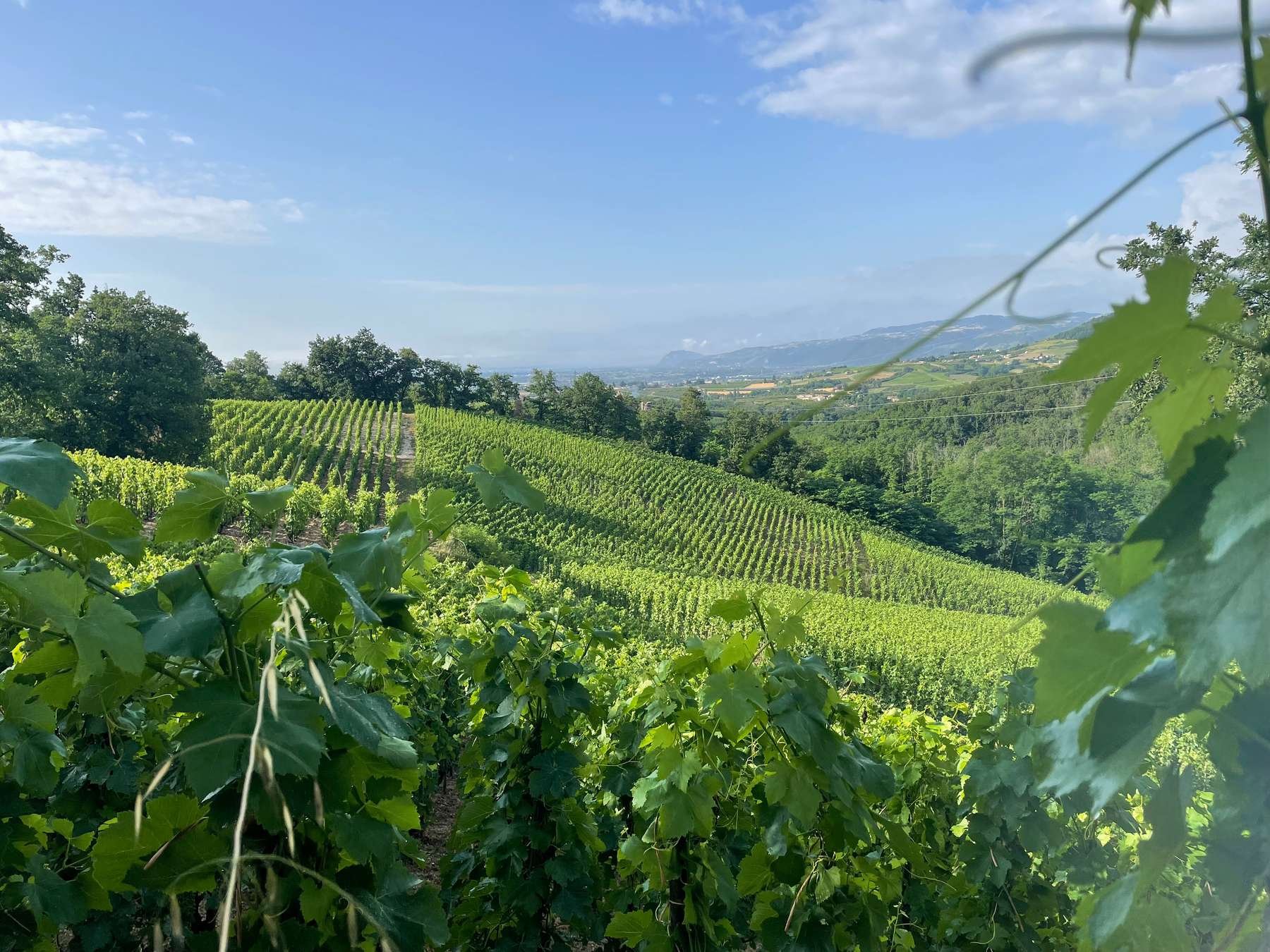
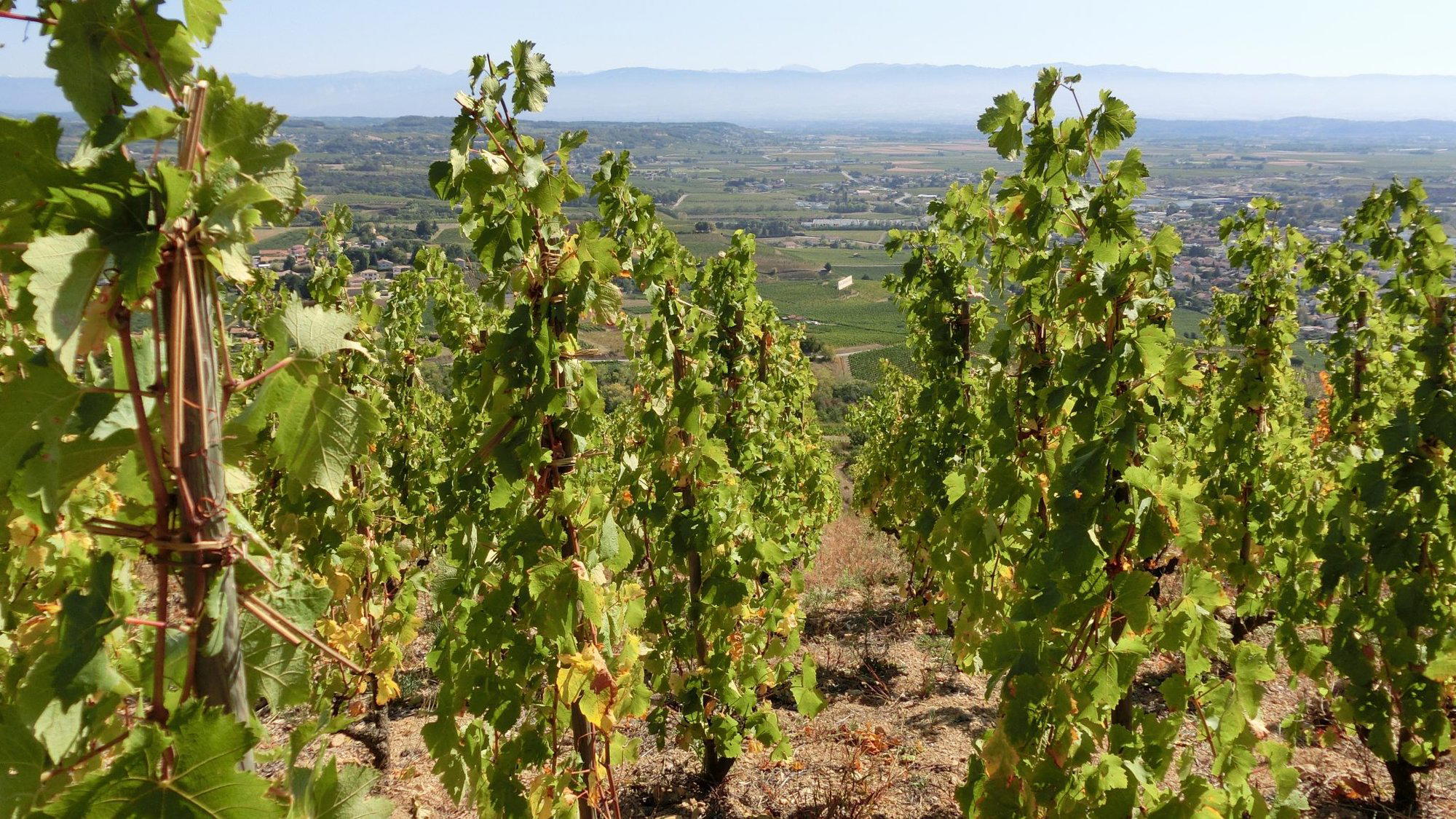
The Drôme department sits between Lyon to the north and Provence to the south, and that geography is not incidental to how its restaurants source and cook. The valley floor produces stone fruit, walnuts, and aromatic herbs in quantities that make them default ingredients rather than seasonal indulgences. Sheep graze on hillside scrub that imparts a particular mineral quality to the meat. The Rhône corridor, cutting through from north to south, acts as a supply chain that connects the kitchen to producers operating at distances measurable in minutes rather than hours. In this context, the question of ingredient sourcing is less a marketing position and more a structural fact about how cooking here functions. Restaurant Philip-Liversain, at 117 Rue Pierre Semard in Saint-Uze, sits inside that agricultural logic. Saint-Uze is a commune of roughly 1,500 residents in the northern Drôme, small enough that the surrounding land is immediately legible from the village edge. For our full Saint Uze restaurants guide, this address represents one of the more considered dining propositions in the area.
The Position of Rural French Restaurants in a Starred Hierarchy
France's serious restaurant culture has always operated on two parallel tracks: the metropolitan flagship and the destination country house. The latter tradition, represented at its furthest reach by addresses like Bras in Laguiole or Auberge du Vieux Puits in Fontjoncouse, makes the journey itself part of the argument. The logic is that proximity to source material, combined with a kitchen not competing for city-centre rents or a metropolitan clientele, can produce cooking that is more direct and less mediated than its urban equivalents. This does not guarantee quality, but it does change what quality looks like. In the Drôme, that means a different relationship to seasons than you find at, say, Alléno Paris au Pavillon Ledoyen, where creative ambition and a grand Parisian address set the terms of the cooking. It also means a different price architecture: country restaurants in this tier typically operate at a fraction of the cost of equivalent technical ambition in Paris or on the Côte d'Azur, where Mirazur in Menton commands premium positioning. The Drôme corridor, by contrast, has historically rewarded cooking that is grounded and seasonal over cooking that signals through luxury ingredient import.
What the Address Tells You About the Kitchen
A restaurant operating in a village of this scale is necessarily embedded in the local supply network in ways that urban restaurants are not. The walnut orchards of the Drôme, the lavender fields of the southern reaches, the goat farms on the plateau above the valley: these are not sources you call in from a distance. They are relationships maintained through proximity and regularity. French country cooking at its most coherent treats this not as constraint but as the basis of a menu. The seasonal calendar runs tighter here than in cities where global sourcing can extend any ingredient's window. Stone fruit arrives in summer and is gone by September. The walnut harvest in October defines an entire month of cooking. Lamb from the plateau peaks in spring. For a restaurant working within this framework, the menu is partly written by the calendar before the kitchen touches it. This sourcing structure connects the Drôme to a broader tradition of French regional cooking that runs from the Alsatian addresses like Auberge de l'Ill in Illhaeusern to the Atlantic coast represented by Christopher Coutanceau in La Rochelle and the mountain kitchens of Flocons de Sel in Megève. In each case, the region's specific larder defines the kitchen's vocabulary.
Reaching Saint-Uze and Planning Your Visit
Saint-Uze sits on the D51, accessible from the A7 autoroute at Chanas or from the N7 through the Rhône valley. The nearest significant rail hub is Tain-l'Hermitage, roughly 15 kilometres to the south, or Valence further south on the TGV line. Visitors combining the restaurant with the broader Drôme and northern Ardèche circuit will find accommodation in the area ranges from chambres d'hôtes in surrounding villages to the hotel infrastructure of Romans-sur-Isère to the east. The village itself is not a tourist destination in the conventional sense, which means the restaurant draws from a local and regional clientele rather than an international one. For travellers accustomed to the booking infrastructure of starred addresses like Georges Blanc in Vonnas or Troisgros in Ouches, the process here will likely be more direct and less structured.
The Broader French Provincial Dining Argument
France's provincial restaurant culture has been in a productive tension with its Parisian centre for decades. The grands restaurants of Paris, from Paul Bocuse's Auberge du Pont de Collonges outward, established a template for serious French cooking that the provinces both drew from and pushed against. The result is a distributed network of addresses where cooking can be technically accomplished and conceptually grounded without the scale or visibility of metropolitan flagships. In the south-east specifically, from the Rhône valley down through Provence to the Mediterranean, this network includes ambitious urban kitchens like AM par Alexandre Mazzia in Marseille and L'Oustau de Baumanière in Les Baux, alongside smaller village addresses where the cooking is quieter but the sourcing is often more direct. Restaurant Philip-Liversain occupies a position in the latter category, a reminder that French fine dining's geography extends well beyond the addresses that appear in international press coverage or on lists benchmarked against Assiette Champenoise or starred rooms from Au Crocodile in Strasbourg.
Frequently asked questions
Is Restaurant Philip-Liversain a family-friendly restaurant?
Saint-Uze is a village-scale commune, and restaurants operating in this context tend to serve a broad local clientele that includes families. The address on Rue Pierre Semard suggests a neighbourhood setting rather than a formal destination-only room. check the venue's official channels to confirm arrangements for children or specific seating needs, as no formal family policy is documented.
Is Restaurant Philip-Liversain better for a quiet night or a lively one?
A restaurant in a village of Saint-Uze's size, serving a community embedded in the Drôme Valley, typically runs at a pace set by its local regulars rather than late-night urban crowds. Expect a room that favours conversation over volume. For evenings with specific atmosphere requirements, calling ahead to gauge the week's bookings is the sensible approach given the village setting.
Is Restaurant Philip-Liversain worth the drive from Tain-l'Hermitage or the A7?
Saint-Uze is accessible from the A7 autoroute at the Chanas exit and sits within a short drive of Tain-l'Hermitage, which is the nearest significant rail hub in the area. Restaurants in the Drôme Valley at this address point occupy a well-documented position in the French provincial dining tradition, drawing on local supply networks that urban kitchens cannot replicate. Whether the specific journey is merited depends on current programming, so checking directly with the restaurant before travelling is advised.
What do regulars order at Restaurant Philip-Liversain?
The Drôme department's produce network, which runs from walnut groves to Rhône-adjacent market gardens, gives kitchens in this corridor a seasonal larder that shapes what lands on repeat-visitor tables. No specific menu details are documented for Restaurant Philip-Liversain at this time. Contacting the restaurant before your visit will give you the clearest picture of current dishes and any standing favourites.
Where exactly is Restaurant Philip-Liversain?
Restaurant Philip-Liversain is located at 117 Rue Pierre Semard, 26240 Saint-Uze, France, Saint Uze.
Can I walk in to Restaurant Philip-Liversain?
Saint-Uze sits on the D51 and draws visitors travelling the Rhône corridor between Lyon and Provence, which means the dining room can fill without advance notice. No published booking policy is available for Restaurant Philip-Liversain. Reserving a table before making the journey is the practical step, particularly if you are arriving from the A7 at Chanas or from Tain-l'Hermitage by rail.
Side-by-Side Snapshot
Comparable venues nearby, for context on price, style, and recognition.
| Venue | Cuisine | Price | Notes |
|---|---|---|---|
| Restaurant Philip-LiversainThis venue (the venue you are viewing) | French Terroir Bistro | Not listed | Not listed |
| Chez francois | Traditional French Bistro & Pizzeria | $20–30 | ZA Pole 2000 |
| Le Terroir | Traditional French Bistro with Pizzas | Not listed | Clérieux |
| Arsenic | Modern French Gastropub | $30–50 | Quartier Mutualité Préfecture Moncey |
| Table et Partage | French Bistronomic | $30–50 | Quartier Villette Paul Bert |
| Le Petit Meunier | Refined French Bistro | $50–100 | Messimy |
Continue exploring
More in Saint Uze
Restaurants in Saint Uze
All restaurants in Saint Uze →
Hotels in Saint Uze
Browse all →
Details
- Rustic
- Cozy
- Classic
- Date Night
- Family
- Standalone
- Local Sourcing
- A La Carte
- Gluten Free Options
Current opening hours
- Monday
- Closed
- Tuesday
- 8:30 AM–4 PM
- Wednesday
- 8:30 AM–4 PM
- Thursday
- 8:30 AM–4 PM, 6–11 PM
- Friday
- 8:30 AM–4 PM, 6–11 PM
- Saturday
- 8:30 AM–4 PM, 6–11 PM
- Sunday
- 8:30 AM–4 PM
Hours can change for holidays and private events. Hours as of .
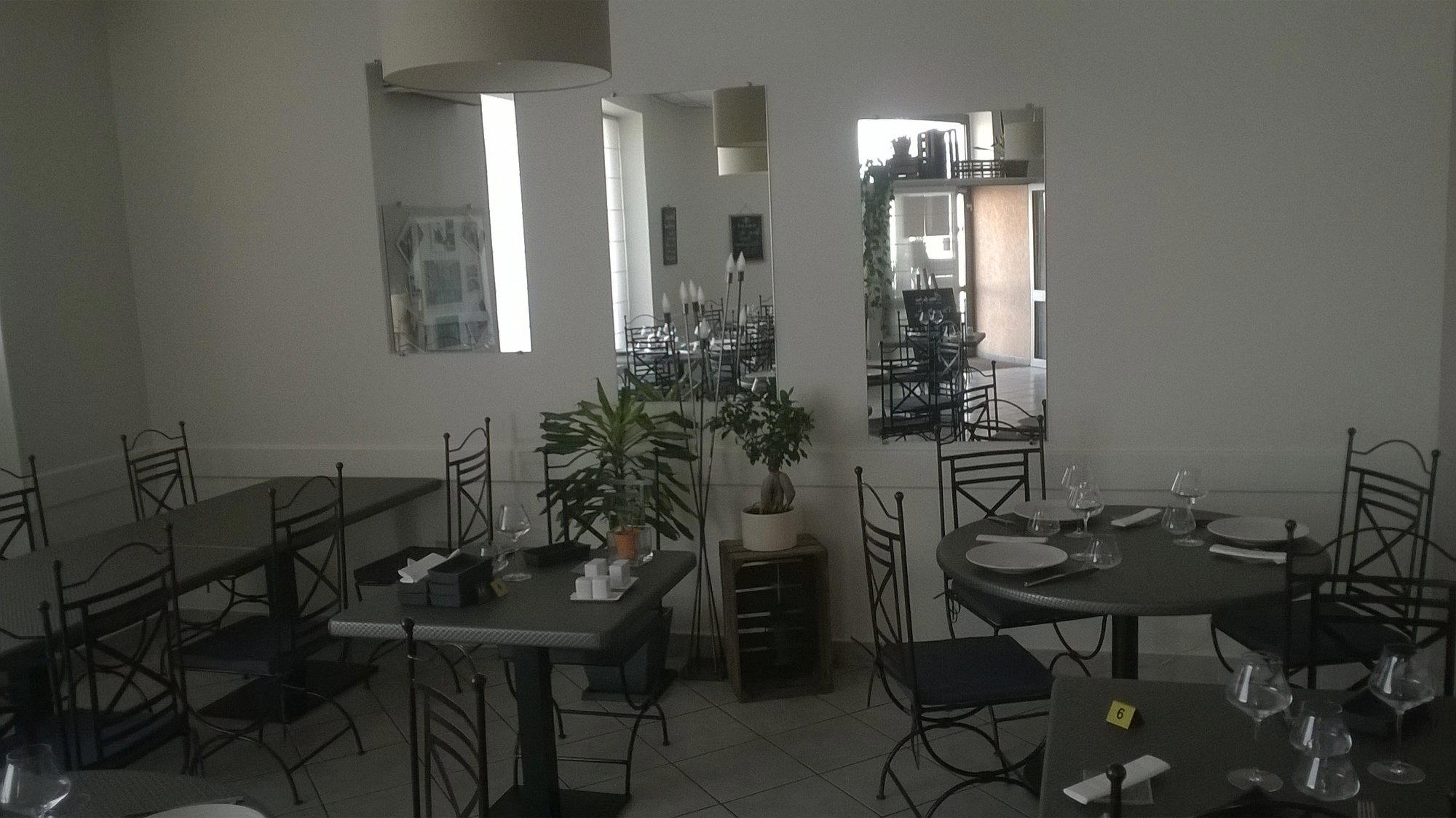
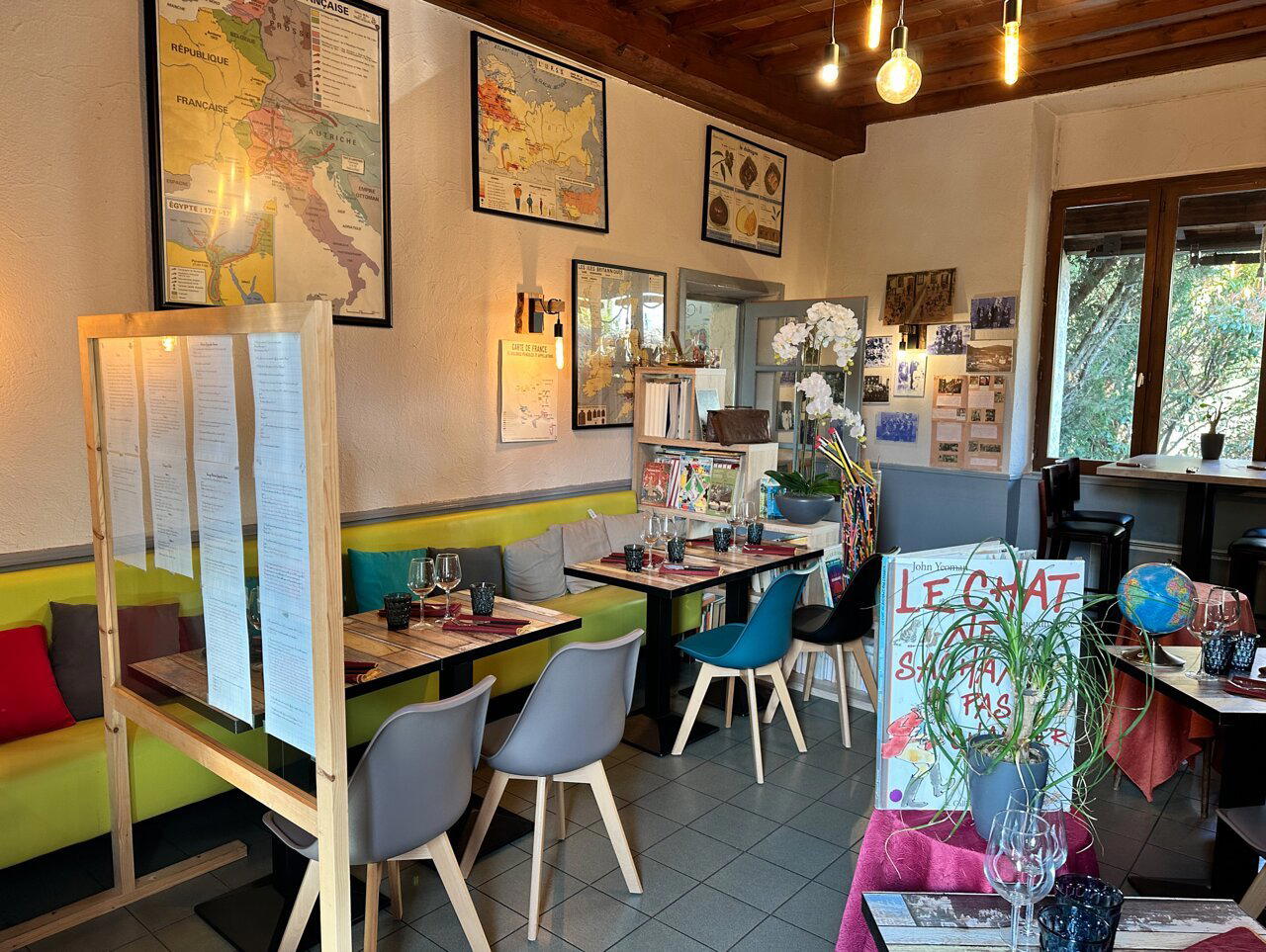
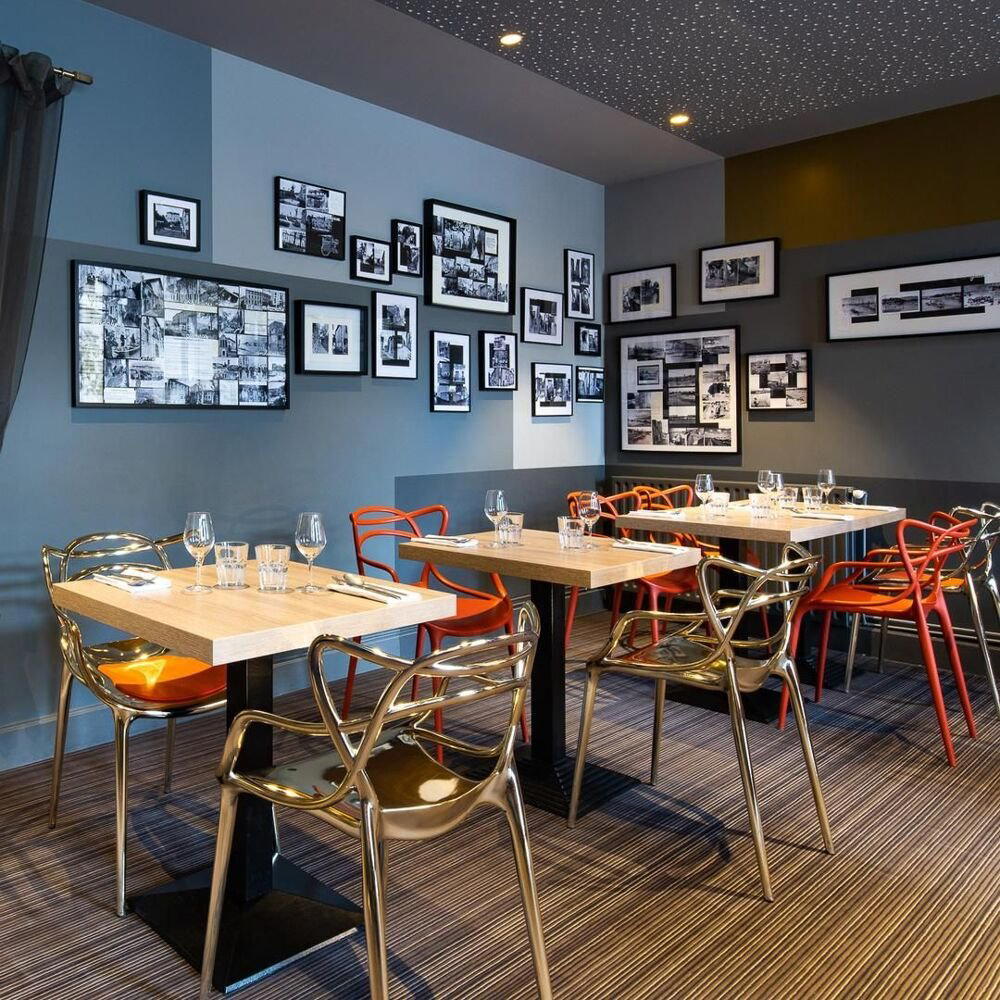
Welcoming with pretty forged style chairs and beautiful presentation of dishes, though some suggest warmer, more modern decor.