Our verdict
Le Petit Meunier sits along the Garon river on the edge of Messimy, a village southwest of Lyon in the Coteaux du Lyonnais. The setting, a converted mill beside moving water, places it firmly in the French tradition of riverside auberge dining, where proximity to farmland and waterways has long shaped what ends up on the plate. For those exploring the regional table beyond Lyon's bouchons, it represents a quieter, more rural register of the same culinary tradition.

Pearl is the En Primeur Club membership app, where members save venues, book tables and use the concierge.
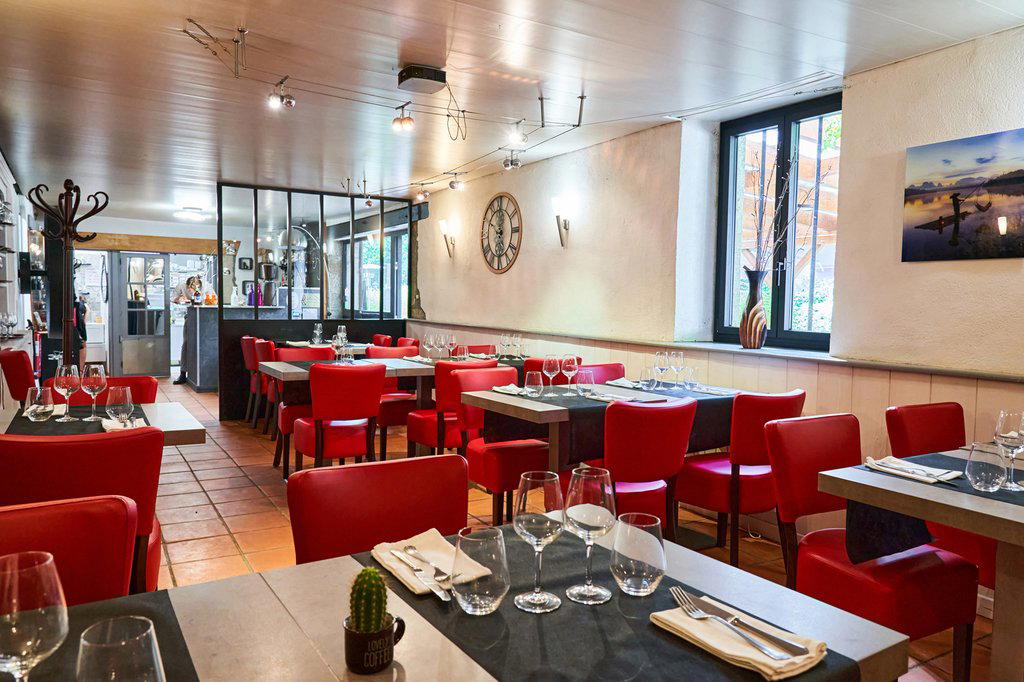
The menu
What to order
- Sphère en chocolat noir with pineapple sorbet
- Terrine de foie gras mi-cuit
The Garon Valley Table: Riverside Dining Southwest of Lyon
There is a particular character to French dining that happens beside rivers. The building arrived first, a mill, a farmhouse, an old stone auberge, and the kitchen followed, shaped by what the surrounding land and water could supply. Le Petit Meunier occupies that tradition with some literalness: the address, au bord du garon on the Chemin des Moulins in Messimy, places it at the edge of the Garon river, in a valley that sits roughly twenty kilometres southwest of Lyon's centre. The countryside here belongs to the Coteaux du Lyonnais, a range of small farms, market gardens, and wine plots that feed the broader Lyonnais table, the same regional supply chain that underpins some of the most seriously regarded kitchens in France.
Messimy itself is a commune of a few thousand residents, without the gastronomic profile of Vonnas or the historical weight of Collonges-au-Mont-d'Or. That relative obscurity is partly the point. Dining in this register, a village mill beside a small river, removed from the city's competitive density, tends to attract a different kind of attention than a destination restaurant. The audience is local, the rhythm is slower, and the relationship between kitchen and surrounding terrain is often more direct than anything achievable inside urban service operations. For a comparative sense of what Loire and Rhône-adjacent French kitchens can achieve at the highest level, see Georges Blanc in Vonnas or Paul Bocuse - L'Auberge du Pont de Collonges in Collonges-au-Mont-dOr, both within an hour's drive.
Ingredient Logic in the Coteaux du Lyonnais
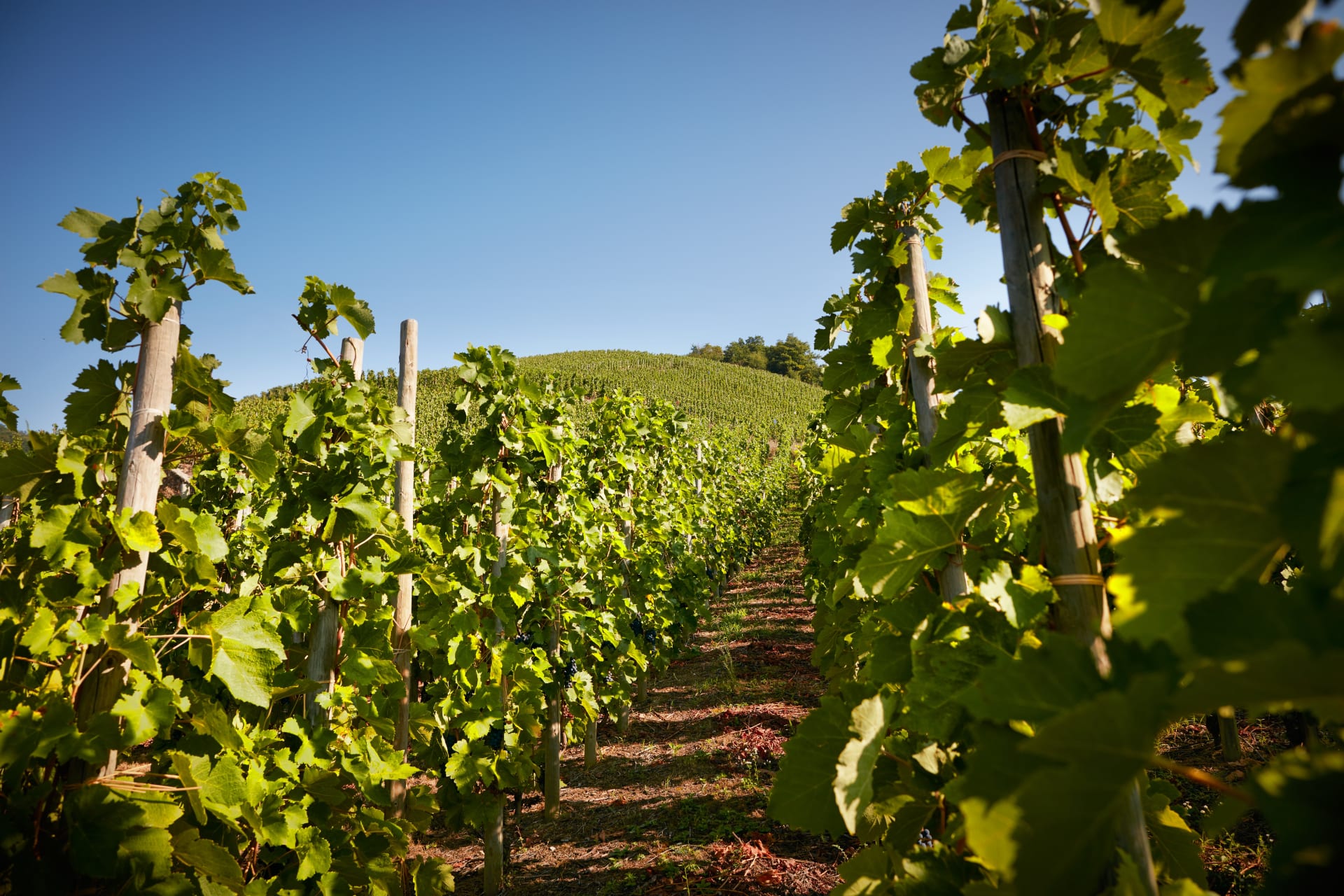
The Coteaux du Lyonnais sits between the Monts du Lyonnais to the west and the Rhône corridor to the east, producing a range of market goods, vegetables, small livestock, fruit, and some of France's least-exported but quietly respected AOC wines, that feed regional kitchens at every price point. The logic of a mill-site restaurant in this zone is direct in historical terms: mills processed grain, grain drew farmers, farmers brought produce, and produce defined the table. That connection between physical site and agricultural supply still carries editorial weight when assessing what a kitchen in this position can plausibly do with its sourcing.
France's most celebrated rural restaurants have long made ingredient provenance central to their identities. Bras in Laguiole built its international reputation on Aubrac plateau specificity. Auberge du Vieux Puits in Fontjoncouse draws from the garrigue. Mirazur in Menton operates its own gardens. At every tier of ambition, the pattern holds: place-specific sourcing is not decorative, it is structural. A kitchen beside the Garon, in a region producing its own AOC wines and surrounded by small farms, has the conditions to work within that same tradition, regardless of whether it pursues formal recognition.
For readers interested in how French kitchens at the institutional level handle sourcing and terroir, Troisgros - Le Bois sans Feuilles in Ouches and Auberge de l'Ill in Illhaeusern each represent different regional models, the former rooted in Loire-adjacent produce, the latter in Alsatian riverine tradition, with the Ill river itself informing the kitchen's access and identity.
The Mill Setting and What It Signals
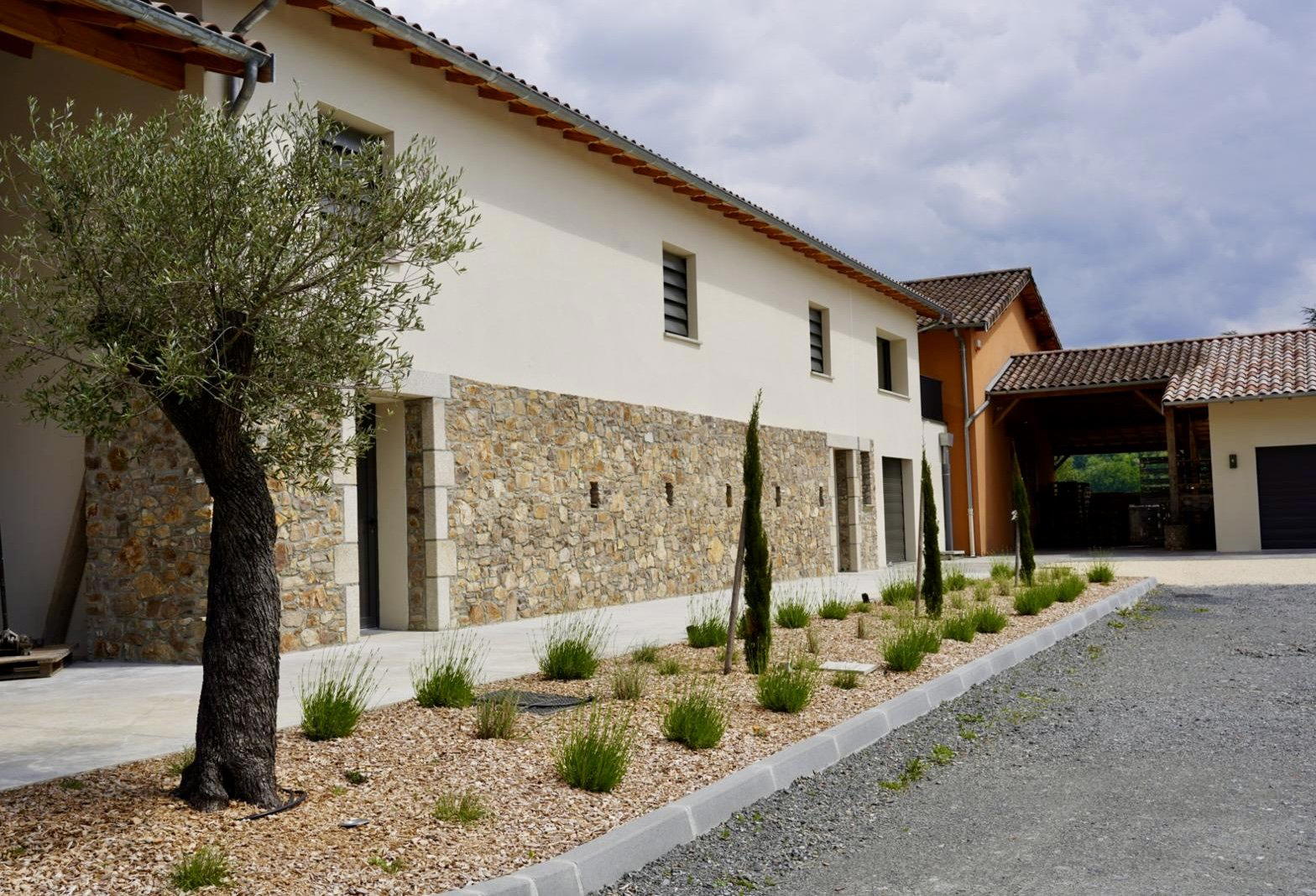
Converting a mill into a restaurant is a recurring move in French provincial hospitality, and it succeeds or fails based on how honestly the setting is used. When the physical structure becomes a working part of the dining experience, stone walls that retain cool air, proximity to water that affects ambient sound and temperature, a garden that contributes to the plate, the mill format earns its romance. When it is purely decorative, the conversion reads as nostalgia without content.
The Chemin des Moulins address in Messimy suggests the former type: a building beside a working watercourse, in a village without strong tourist pressure, where the clientele is predominantly regional. That pattern tends to produce more honest kitchens than those operating primarily for destination visitors, because the local audience applies a different and more consistent standard of expectation. The cooking must work as weekly dining, not just as a pilgrimage event.
This kind of embedded local restaurant, low profile, physically rooted, dependent on repeat custom from the surrounding valley, forms the backbone of French provincial eating in a way that the celebrated destination restaurants, from Alléno Paris au Pavillon Ledoyen in Paris to AM par Alexandre Mazzia in Marseille, necessarily cannot. The ambition is different, the audience is different, and the measure of success is different. Neither model is superior; they serve distinct purposes.
Positioning Within the Broader Lyon Dining Circuit
Lyon functions as France's most argued-over food city, with a dining culture that runs from three-star institutions to Michelin-listed bouchons to village restaurants in the surrounding communes. The villages of the Coteaux du Lyonnais, the Beaujolais, and the Dombes contribute dozens of addresses to the regional table that never appear in international coverage but draw consistent local traffic. Le Petit Meunier in Messimy sits within that orbit, accessible from Lyon but operating at a remove from the city's competitive intensity.
For context on the range of the Lyonnais and broader Rhône-Alpes dining circuit: Flocons de Sel in Megève represents the alpine end of the same regional tradition, with a sourcing philosophy built around mountain proximity. Further afield, the Atlantic coast produces a different register entirely, as seen at Christopher Coutanceau in La Rochelle and La Marine in Noirmoutier-en-l'île. The contrast is instructive: French regional dining at its most coherent is always in conversation with the specific terrain it occupies.
Our full Messimy restaurants guide maps the broader dining options in this part of the Coteaux du Lyonnais for readers planning a day or weekend in the valley.
Planning a Visit
Messimy sits roughly twenty kilometres southwest of central Lyon, reachable by car in under thirty minutes from the city depending on traffic. The Chemin des Moulins address is specific enough to navigate by GPS, though rural French roads in this zone reward patience. Given the venue's village scale and likely reliance on local custom, reservations are advisable, particularly for weekend lunch, which tends to be the dominant service for this category of French country restaurant.
Frequently asked questions
Does Le Petit Meunier work for a family meal?
The riverside mill setting on the Chemin des Moulins in Messimy suits a relaxed, unhurried pace rather than a formal occasion, which makes it more accommodating for groups spanning different ages. Messimy sits roughly twenty kilometres southwest of Lyon, so it functions well as a destination rather than a quick city-centre stop. The outdoor proximity to the Garon gives children somewhere to focus between courses, which matters on longer meals.
What's the vibe at Le Petit Meunier?
The address, au bord du Garon, tells you most of what you need to know: this is a riverside mill property in a village setting southwest of Lyon, not a city dining room. The atmosphere follows the building's logic, meaning stone walls, water nearby, and a pace set by the countryside rather than a kitchen brigade on a turn-and-burn schedule. Expect a French provincial register closer to Sunday lunch than to Lyon's bouchon circuit.
Is Le Petit Meunier worth the drive from Lyon for a weekday lunch?
Messimy is around twenty kilometres southwest of central Lyon, reachable in under thirty minutes by car, which makes the round trip realistic even on a workday. The converted mill on the Garon is a genuine destination rather than a neighbourhood stopgap, the kind of Coteaux du Lyonnais address that rewards a specific trip rather than an accidental discovery. Whether the kitchen justifies the journey on a given visit depends on current form, which is best checked through recent local reviews before booking.
What's the best thing to order at Le Petit Meunier?
The Coteaux du Lyonnais context is relevant, though: the zone between the Monts du Lyonnais and the Rhône corridor produces seasonal vegetables, fruit, and local proteins that regional kitchens in this area draw on. A menu built around that agricultural calendar is the reasonable expectation for a mill-setting restaurant at this address in Messimy.
Where exactly is Le Petit Meunier?
Le Petit Meunier is located at au bord du garon, 12 Chem. des Moulins, 69510 Messimy, France, Messimy.
Comparison Snapshot
Comparable venues nearby, for context on price, style, and recognition.
| Venue | Cuisine | Price | Notes |
|---|---|---|---|
| Le Petit MeunierThis venue (the venue you are viewing) | Refined French Bistro | $50–100 | Not listed |
| Le Comptoir d'Ainay - Fermé Définitivement | French Bistronomic with Lyonnais Specialties | Not listed | Quartier Bellecour Carnot |
| Les Adrets | Traditional Lyonnaise French Bistro | $30–50 | Quartier Quartiers Anciens |
| Le Val d'Isere | Authentic Bouchon Lyonnais | $20–30 | Quartier Voltaire Part-Dieu |
| Noham | French Patisserie & Australian-Style Brunch Café | $10–20 | Quartier Vaise Rochecardon Industrie |
| Café Luna | French Bistro with Spanish Accents | $20–30 | Quartier Quartiers Anciens |
Continue exploring
More in Messimy
Restaurants in Messimy
All restaurants in Messimy →
Bars in Messimy
Browse all →

Details
- Rustic
- Cozy
- Scenic
- Elegant
- Date Night
- Family
- Special Occasion
- Terrace
- Historic Building
- Local Sourcing
- A La Carte
- Vegetarian Friendly
Current opening hours
- Monday
- Closed
- Tuesday
- 12–2 PM
- Wednesday
- 12–2 PM
- Thursday
- 12–2 PM
- Friday
- 12–2 PM, 7–9:30 PM
- Saturday
- 12–2 PM, 7–9:30 PM
- Sunday
- Closed
Hours can change for holidays and private events. Hours as of .
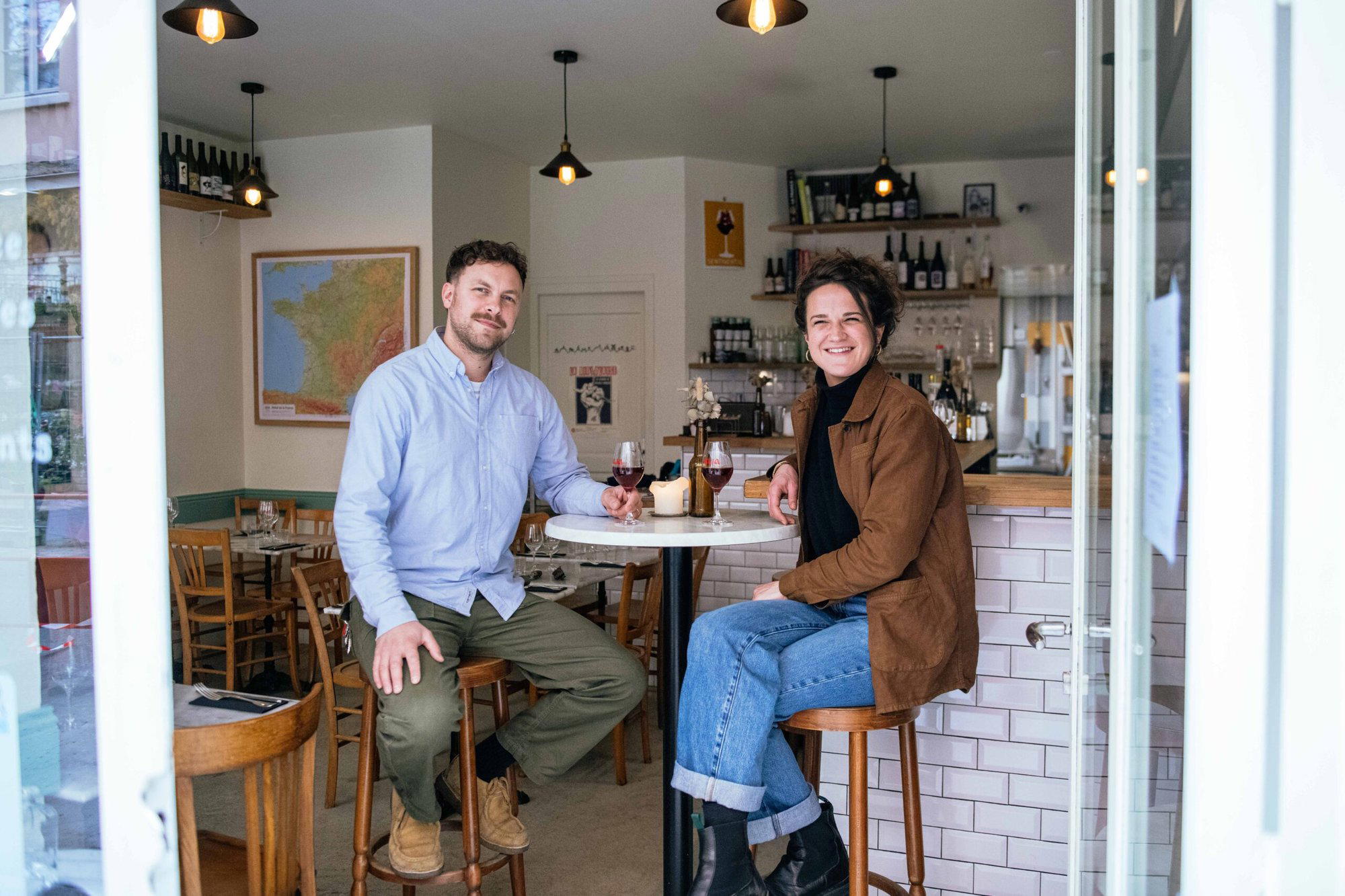
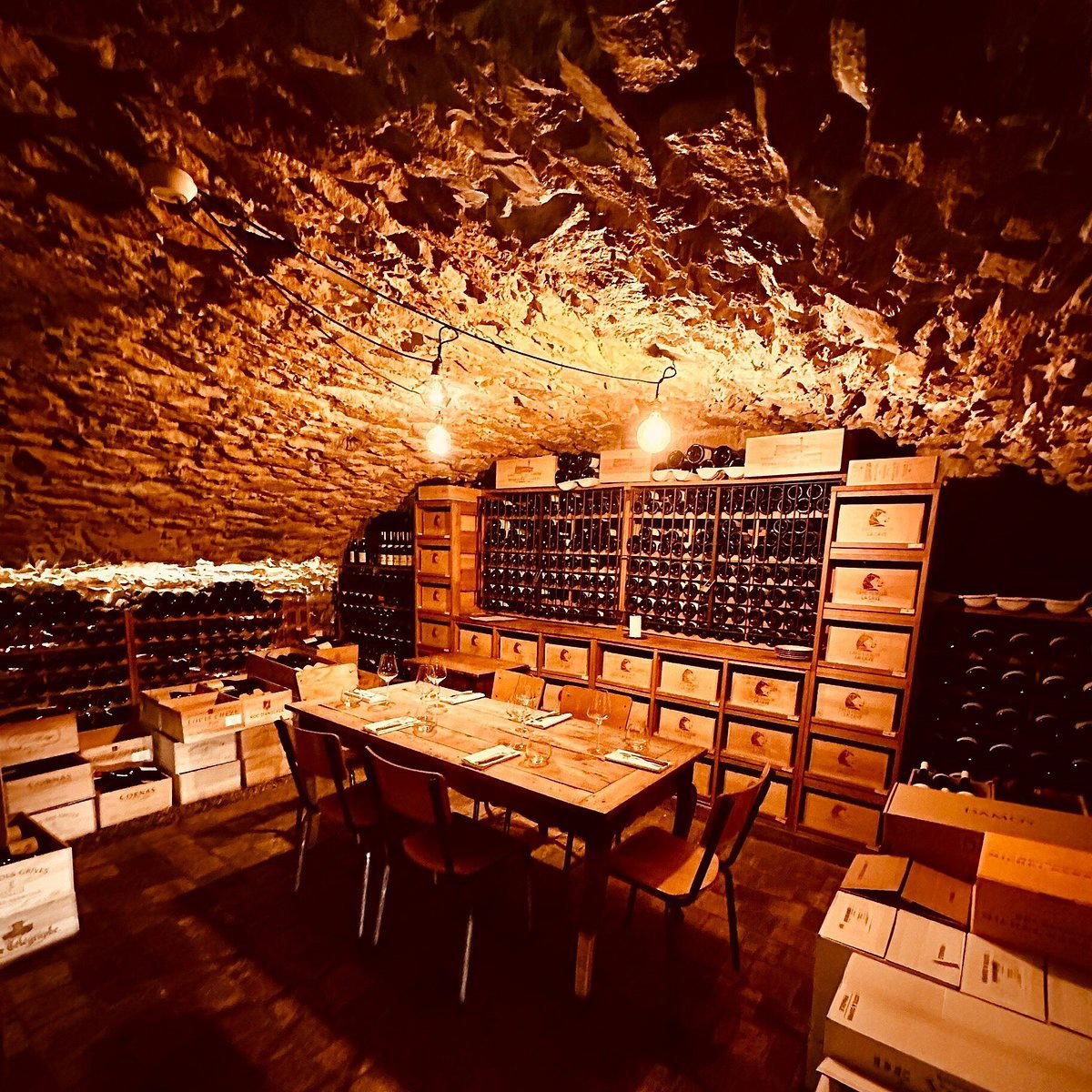
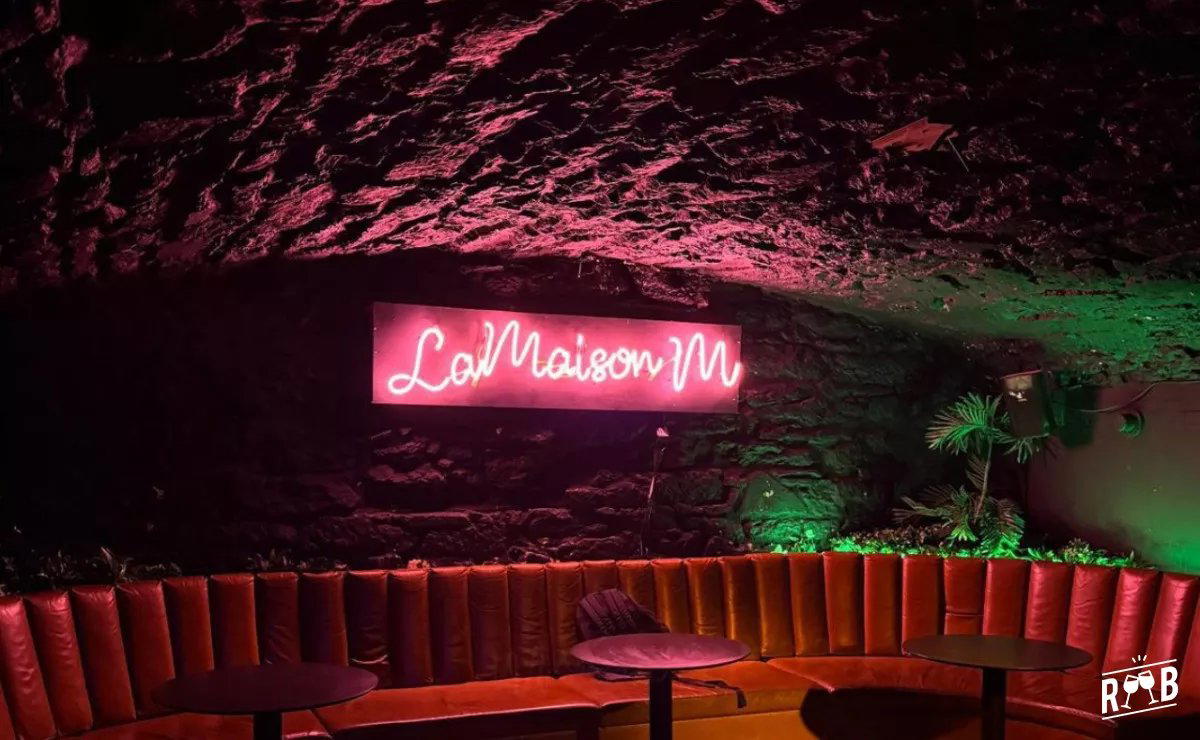
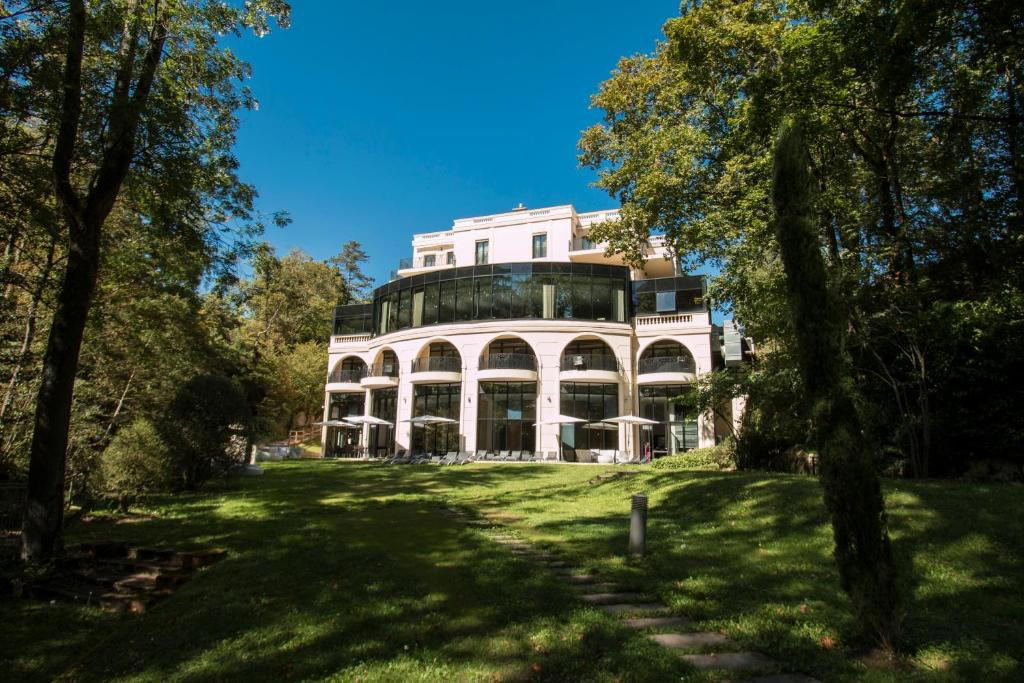
Pleasant bucolic setting with exposed stones, fireplace, and a friendly terrace, creating a warm and refined atmosphere.