Our verdict
Eclipse occupies a address on Heßstraße in Munich's Maxvorstadt district, a neighbourhood where gallery spaces and late-night bars share blocks with established restaurants. The venue sits within a city fine-dining scene that spans Michelin-decorated counters and creative tasting menus, placing it in a competitive bracket that rewards curiosity and careful advance planning.

Pearl is the En Primeur Club membership app, where members save venues, book tables and use the concierge.

The menu
What to order
- Tapas Israeli
- Falafel
- Shipud Keves
- Hummus Trio
A Street That Earns Its Reputation
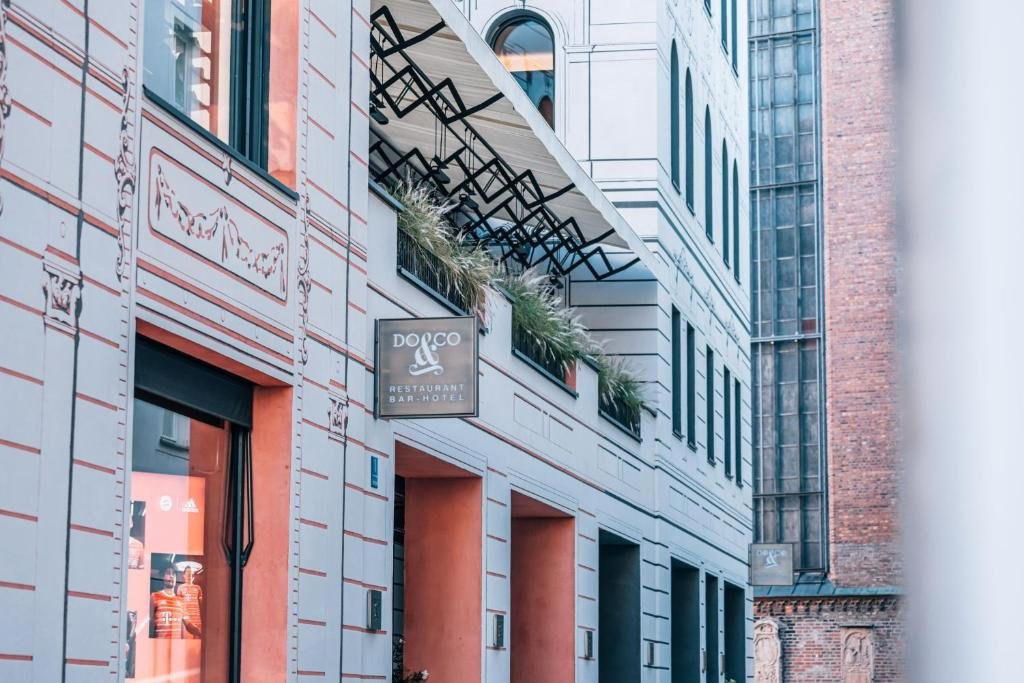
Maxvorstadt is not Munich's most obvious dining destination. The neighbourhood is better known for its museums, its student population, and a density of independent bars that outlast the gallery crowd by several hours. Yet Heßstraße, which cuts through its western edge, has quietly accumulated a concentration of places worth seeking out, and Eclipse at number 51 is among them. Arriving on foot from the Josephsplatz U-Bahn stop, the street reads as residential first, commercial second, which is precisely the register that defines a certain tier of Munich dining, one that prefers understatement to frontage.
That context matters because Munich's fine-dining offer has historically clustered around the city centre and the hotel-attached rooms that dominate the €€€€ bracket. The outliers, the restaurants that operate without lobby foot traffic or tourist-trail visibility, tend to build their audience through reputation alone. In a city where Tantris spent decades synonymous with Modern French cooking and Atelier has anchored creative French cuisine inside the Bayerischer Hof, a neighbourhood address in Maxvorstadt is a deliberate positioning choice.
The Room and What It Signals
In German fine dining, the physical room carries editorial weight. The country's most celebrated kitchens have tended to fall into two categories: the formal, occasion-driven dining room with tablecloths, distance between tables, and a service register inherited from French haute cuisine; and the newer counter or open-kitchen format that has gained ground across cities like Berlin and Munich over the past decade. Tohru in der Schreiberei is an example of the latter in Munich, where the Japanese-German fusion is inseparable from the intimacy of the format.
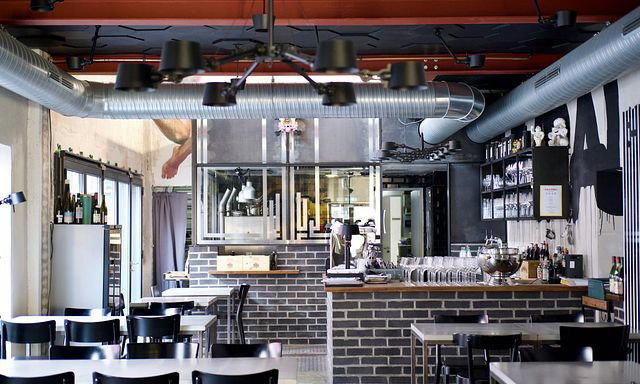
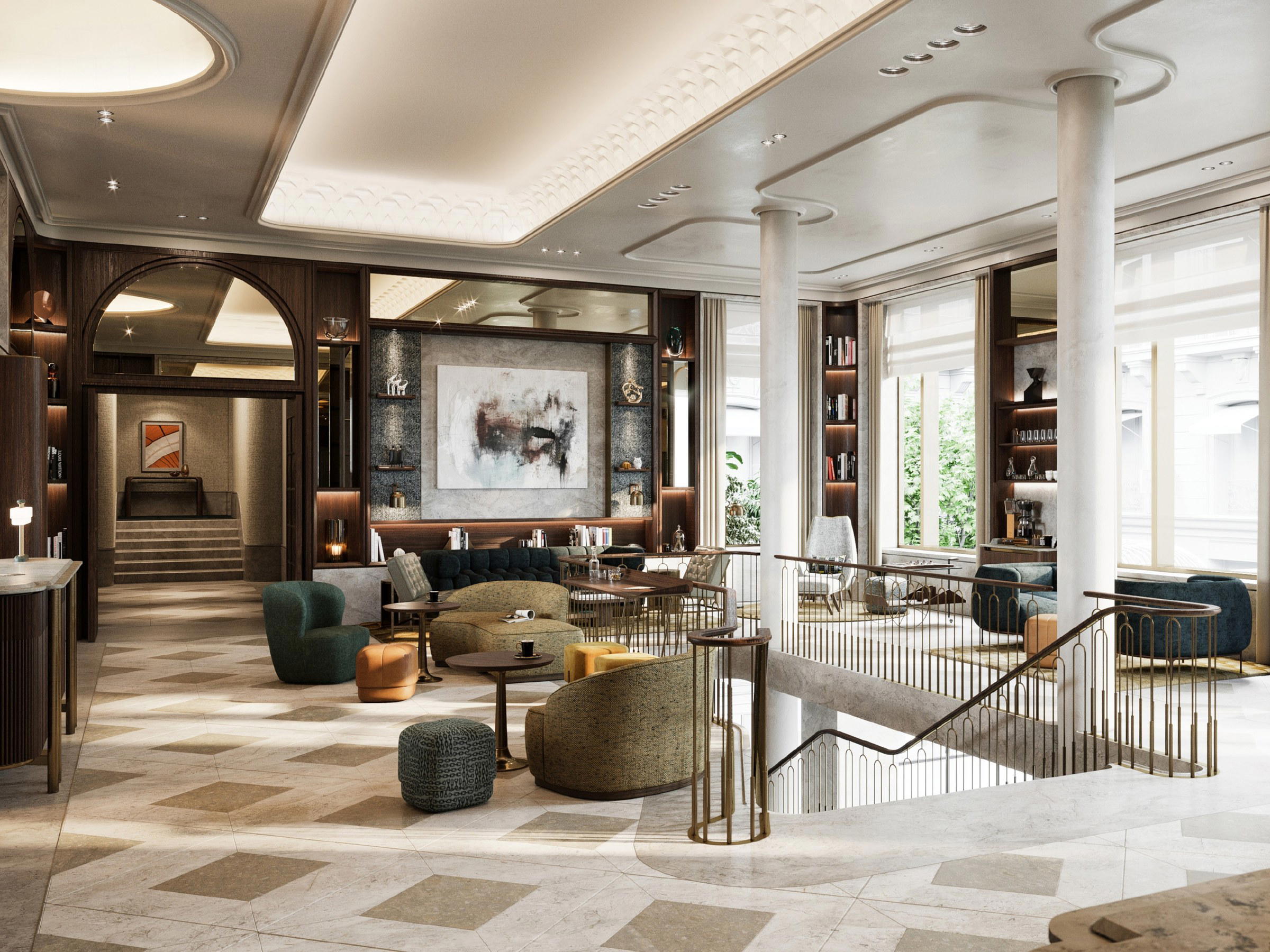
Eclipse's setting on Heßstraße places it in the residential-integrated tier of that spectrum, the kind of address where the dining room's atmosphere is shaped partly by the street outside, by the sound of the neighbourhood rather than the hush of a hotel corridor. That friction between everyday urban texture and serious cooking is one of the more productive tensions in contemporary European dining, and Munich, for all its conservatism in hospitality, has been generating more of it in recent years.
Munich's Fine-Dining Context in 2024
The city's top-tier dining scene is smaller than its economic weight might suggest. Where Hamburg has Restaurant Haerlin and Berlin has CODA Dessert Dining anchoring distinct identities, Munich's starred restaurants have often looked south and west for influence, to French technique, to Alpine ingredients, to the produce corridors that connect Bavaria to Tyrol and the Italian border regions. Alois at Dallmayr operates within that tradition of creative cooking grounded in exceptional sourcing, while JAN has built its identity around a more personal creative register.
That competitive set matters when reading any new or less-documented address in Munich. The city's diners are experienced and price-aware; the €€€€ bracket is not entered lightly, and restaurants that hold that positioning without the scaffolding of awards or long track records are making an implicit argument about quality. Germany's broader fine-dining geography, from Schwarzwaldstube in Baiersbronn to Aqua in Wolfsburg and Vendôme in Bergisch Gladbach, has set a high floor for what serious cooking looks like, and Munich sits within that national conversation.
Smaller regional addresses like ES:SENZ in Grassau, Schanz in Piesport, and Waldhotel Sonnora in Dreis demonstrate that decorated cooking in Germany does not require a major city address. That precedent has, if anything, raised the standard for what urban restaurants in Munich need to offer to justify serious attention, and it has made the neighbourhood-scale address more, not less, interesting as a format.
Sensory Register: What Neighbourhood Dining Feels Like Here
The atmospheric register of a Maxvorstadt dining room in the evening is distinct from what you encounter in Munich's centre. The neighbourhood quiets differently, the gallery visitors have left, the student cafes have turned over, and what remains is a residential stillness punctuated by late trams on the main thoroughfares. A restaurant on Heßstraße at 8pm operates inside that acoustic, which tends to create an intimacy that larger, more central venues cannot easily manufacture.
That intimacy is both an asset and a constraint. It means the cooking carries more of the weight of the experience, there is less spectacle, less theatre, fewer of the compensatory elements (view, lobby grandeur, name-chef celebrity) that larger venues deploy. It is the format that international parallels like Lazy Bear in San Francisco have built reputations around: the room steps back so the food steps forward. In Europe, the model is well-established, with French and German kitchens both producing celebrated examples at the neighbourhood scale.
For the Munich visitor who has already covered the headline rooms, or who is specifically looking to eat outside the hotel-dining orbit, a Maxvorstadt address like Eclipse represents a different kind of evening. The signal-to-noise ratio shifts. Whether that trade-off is the right one depends on what you're after, which is why it belongs on a considered shortlist rather than a reflexive one. For reference on Munich's broader offer, the full Munich restaurants guide maps the scene across neighbourhoods and price tiers.
For context on how Germany's leading creative kitchens have developed their identity through restraint and sourcing discipline, Victor's Fine Dining by Christian Bau in Perl and Bagatelle in Trier offer useful reference points across different regional expressions. Internationally, Le Bernardin in New York City remains a useful benchmark for how a focused format and unwavering discipline sustain a long-term reputation, a standard that Germany's most serious kitchens, urban and rural alike, are in active dialogue with.
Know Before You Go
Know Before You Go
- Address: Heßstraße 51, 80798 München, Germany
- Neighbourhood: Maxvorstadt, Munich
- Nearest transit: Josephsplatz (U2) is the closest U-Bahn stop; the walk is short and navigable on foot
- Booking: Contact details not publicly listed at time of writing, check current availability through Google or local booking platforms
- Hours: Not confirmed, verify directly before visiting
Frequently asked questions
What is the signature dish at Eclipse?
In the context of Munich's creative dining scene, where addresses like Alois at Dallmayr draw on Bavarian produce within a fine-dining framework, neighbourhood restaurants at this level typically build their identity around a tightly edited seasonal menu rather than a single anchor dish.
Do they take walk-ins at Eclipse?
In Munich's more serious dining tier, where rooms like Tantris operate on advance reservation and demand regularly outpaces covers, neighbourhood restaurants with a strong local following often fill quickly, particularly on Thursday through Saturday evenings. If advance booking is an option, it is the lower-risk approach regardless of price point or awards status.
Is Eclipse in Munich suitable for a special-occasion dinner?
Based on its address in Maxvorstadt and its positioning within Munich's independent restaurant tier, Eclipse suits diners who want a serious meal outside the city's hotel-dining orbit. The neighbourhood's residential character and the scale of a Heßstraße room tend to produce an atmosphere more intimate than occasion-driven, making it appropriate for smaller groups or two-leading dinners where the food carries the evening rather than the setting. Verify current format and service style directly, as details are limited in public-facing sources.
Comparable Spots, Quickly
Comparable venues nearby, for context on price, style, and recognition.
| Venue | Cuisine | Price | Notes |
|---|---|---|---|
| EclipseThis venue (the venue you are viewing) | Israeli Grill & Mediterranean | $20–30 | Not listed |
| TUTU Kitchen | Levantine Mezze & Fish & Chips Fusion | $10–20 | Neuhausen |
| Pivasta | Authentic Afghan | $20–30 | Isarvorstadt |
| Roshan Restaurant | Authentic Afghan | $30–50 | Milbertshofen |
| Schmock | Israeli-Arabic Mezze | $30–50 | Theresienwiese |
| Nana Eat & Run | Israeli Street Food | $10–20 | Haidhausen |
Continue exploring
More in Munich
Restaurants in Munich
All restaurants in Munich →
Bars in Munich
All bars in Munich →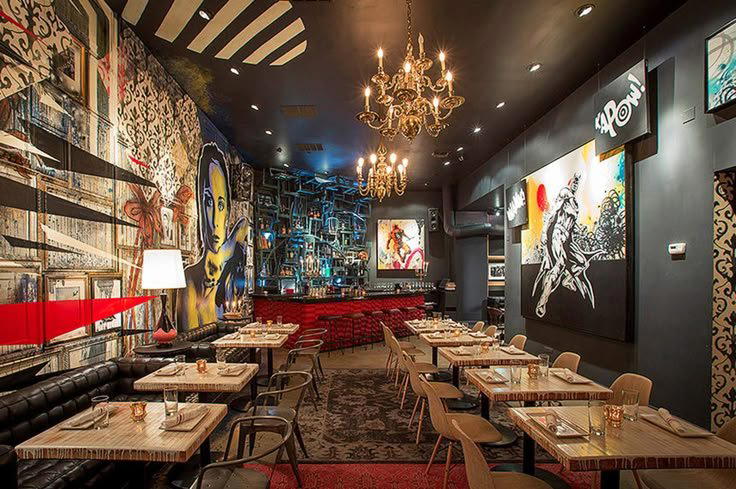
Details
- Lively
- Energetic
- Cozy
- Family
- Group Dining
- Casual Hangout
- Date Night
- Open Kitchen
- Craft Cocktails
- A La Carte
- Small Plates
- Vegetarian Friendly
- Vegan Options
- Gluten Free Options
- Kosher
Current opening hours
- Monday
- 5–11 PM
- Tuesday
- 5–11 PM
- Wednesday
- 5–11 PM
- Thursday
- 5–11 PM
- Friday
- 5–11:30 PM
- Saturday
- 12–11:30 PM
- Sunday
- 12–11 PM
Hours can change for holidays and private events. Hours as of .
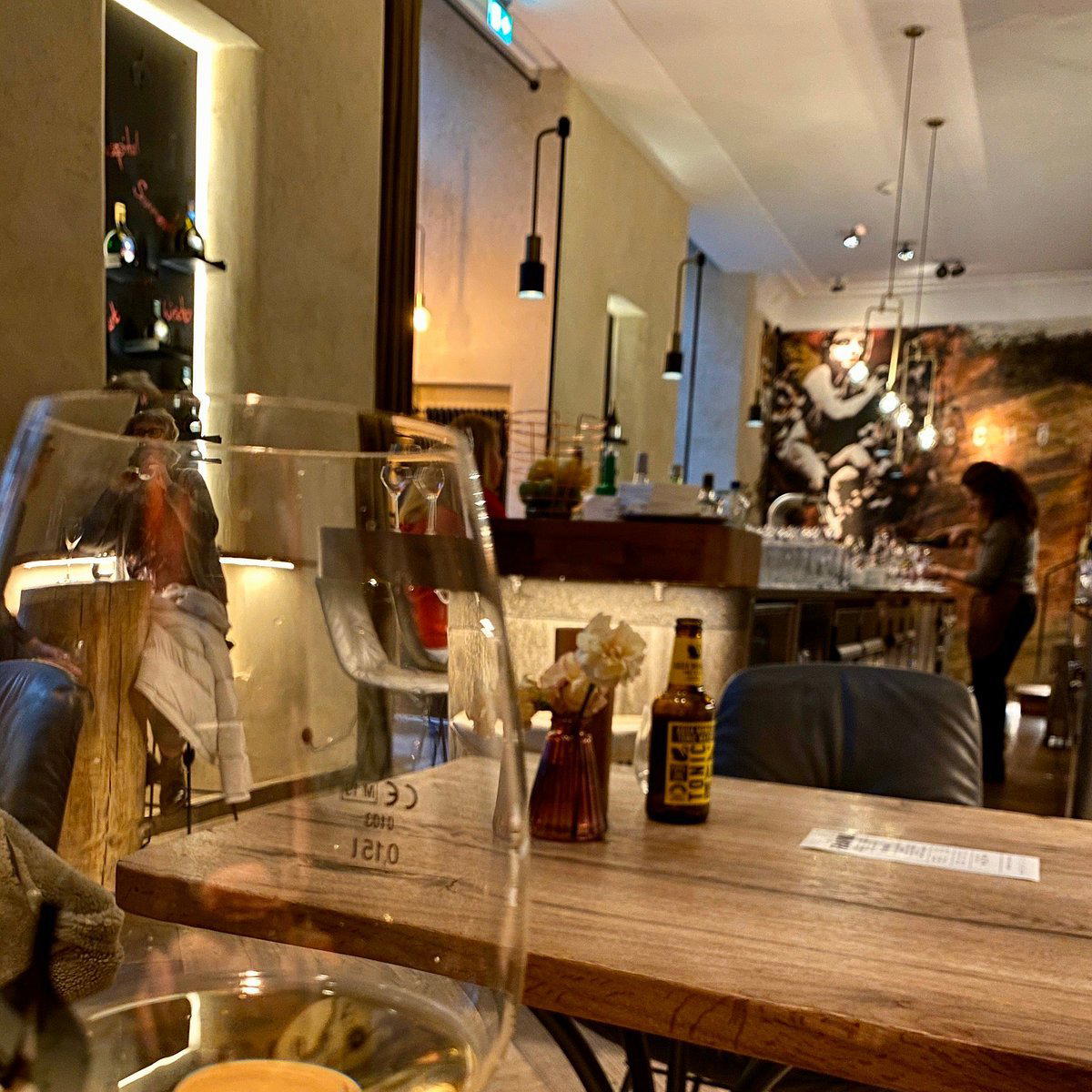
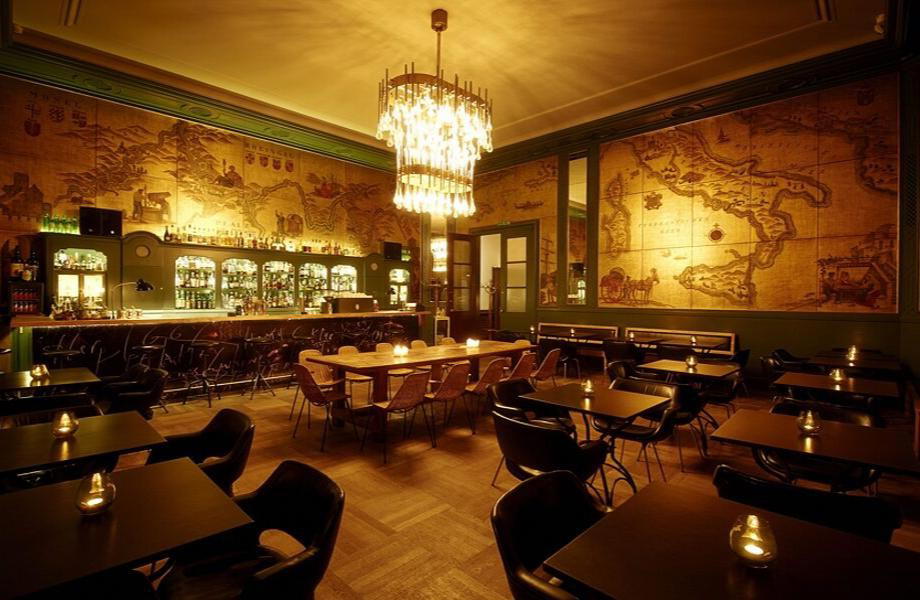
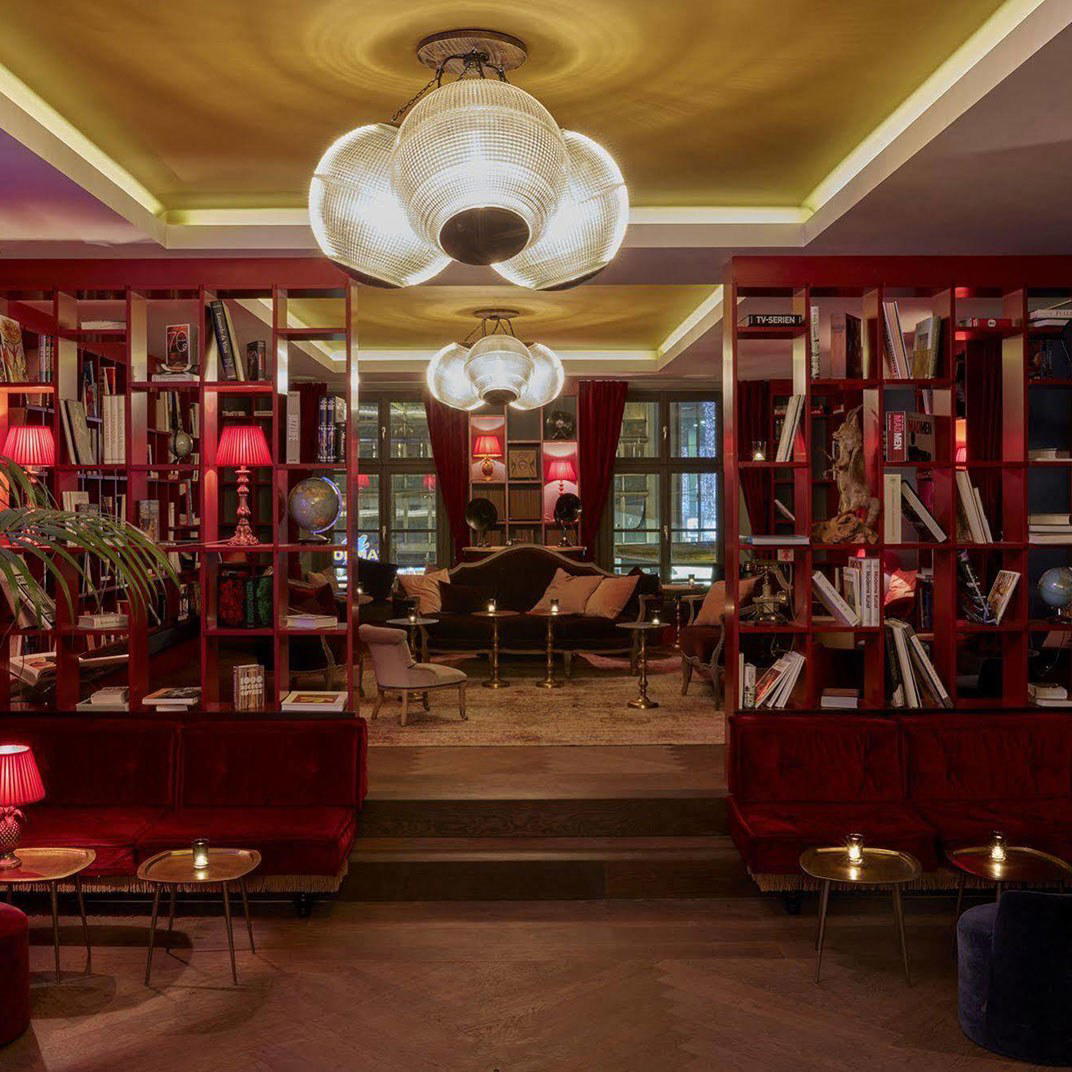
Energetic and welcoming with a great atmosphere, though a bit noisy, featuring friendly service and cozy seating.