Restaurant Dona Inés
Restaurant Dona Inés operates inside Hotel Casino Dreams in Punta Arenas, positioning it within a small tier of formal dining rooms at the southern tip of South America. The setting channels Patagonian geography into a structured dining ritual, making it a reference point for visitors seeking a considered meal in a city where polished sit-down options are genuinely limited.
Pearl is the En Primeur Club membership app — saves, bookings, and concierge access live there. Same editors, same standards.
- Address
- Hotel Casino Dreams, Punta Arenas, Región de Magallanes
 Saves & bookings on Pearl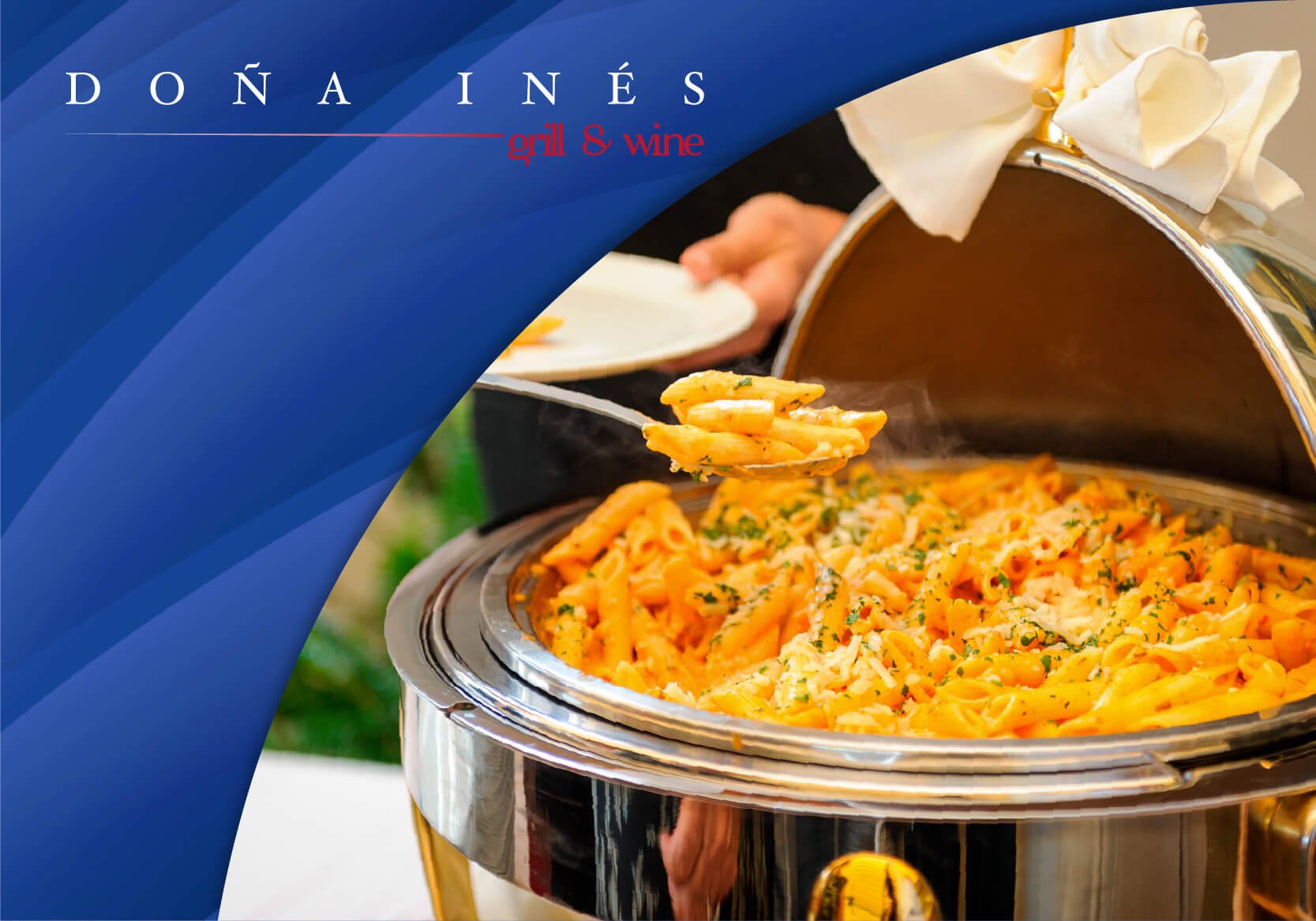
Dining at the Edge of the Continent
Punta Arenas sits closer to Antarctica than to Santiago, and that geographic isolation shapes every aspect of its restaurant scene. The city receives far fewer high-spend travellers than Chile's northern wine country or its capital, which means the tier of formal, hotel-anchored dining rooms carries disproportionate weight. Restaurant Dona Inés is a casual, price-tier 2 restaurant at Hotel Casino Dreams in Punta Arenas, Región de Magallanes. That fact alone changes how the dining ritual here should be read.
Hotel-anchored restaurants in remote destinations tend to fall into one of two categories: the perfunctory dining room that exists to serve guests who have no other option, or the room that takes its position seriously precisely because it knows it will be compared against a city backdrop that rarely offers better. The better versions of the latter type slow the meal down deliberately, using pacing and sequence to give the occasion weight. Its placement within a casino hotel complex suggests a venue designed for extended stays rather than quick turnover.
The Patagonian Dining Ritual
Across Patagonia's restaurant rooms, the pacing of a meal tends to reflect the region's relationship with time and distance. Produce travels far, kitchen teams are small relative to metropolitan standards, and the culture of eating in the deep south of Chile has always leaned toward the unhurried. A meal in Punta Arenas is structurally different from a meal in Santiago's Vitacura neighbourhood or at Ambrosia Bistro in Providencia, not necessarily worse, but differently paced, with different expectations on both sides of the table.
The regional proteins that define southern Chilean cooking are worth understanding before you sit down. Centolla, king crab from the Strait of Magellan, is the ingredient most associated with serious dining in Punta Arenas. Lamb from the Patagonian steppe, slow-raised on open grassland, is a second axis of the local repertoire. These are not ingredients that benefit from speed. A kitchen that handles them well is one that plans ahead and sequences a meal around their particular textures and weights. For visitors accustomed to the tasting-menu format at venues like Boragó in Santiago or the structured progression of Le Bernardin in New York City, the approach here is likely more direct but no less sincere in its relationship to local sourcing.
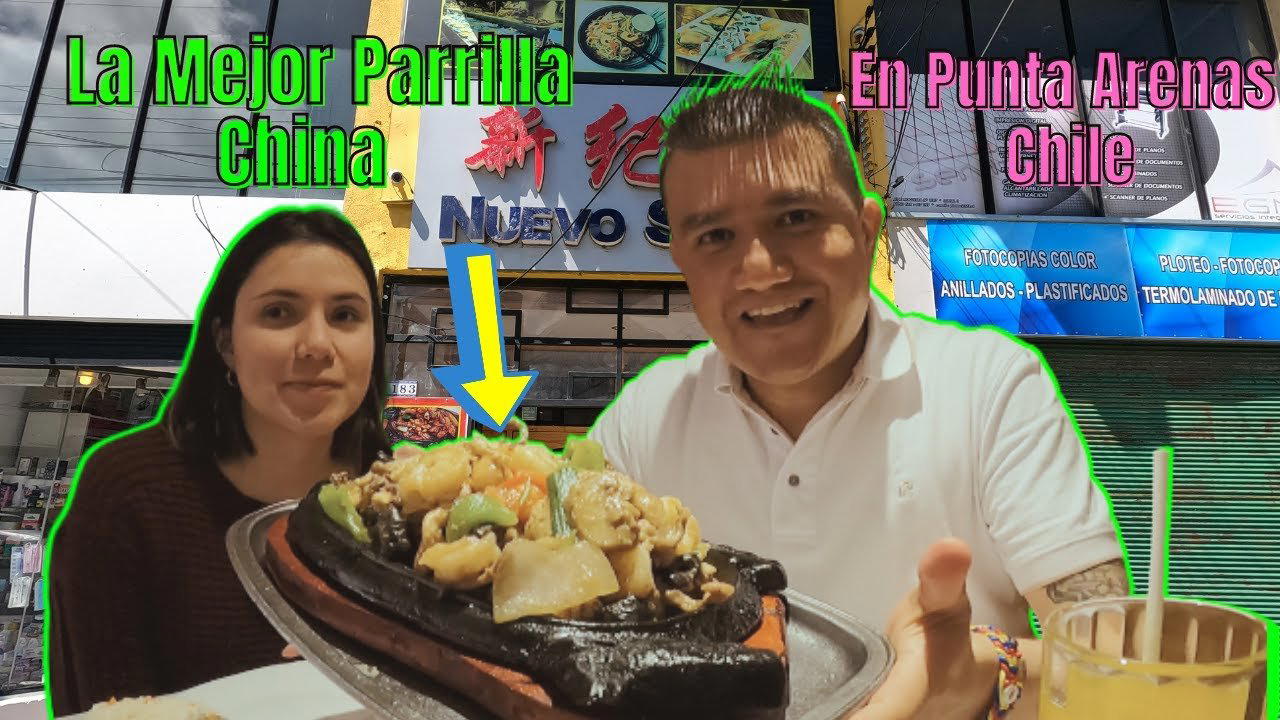
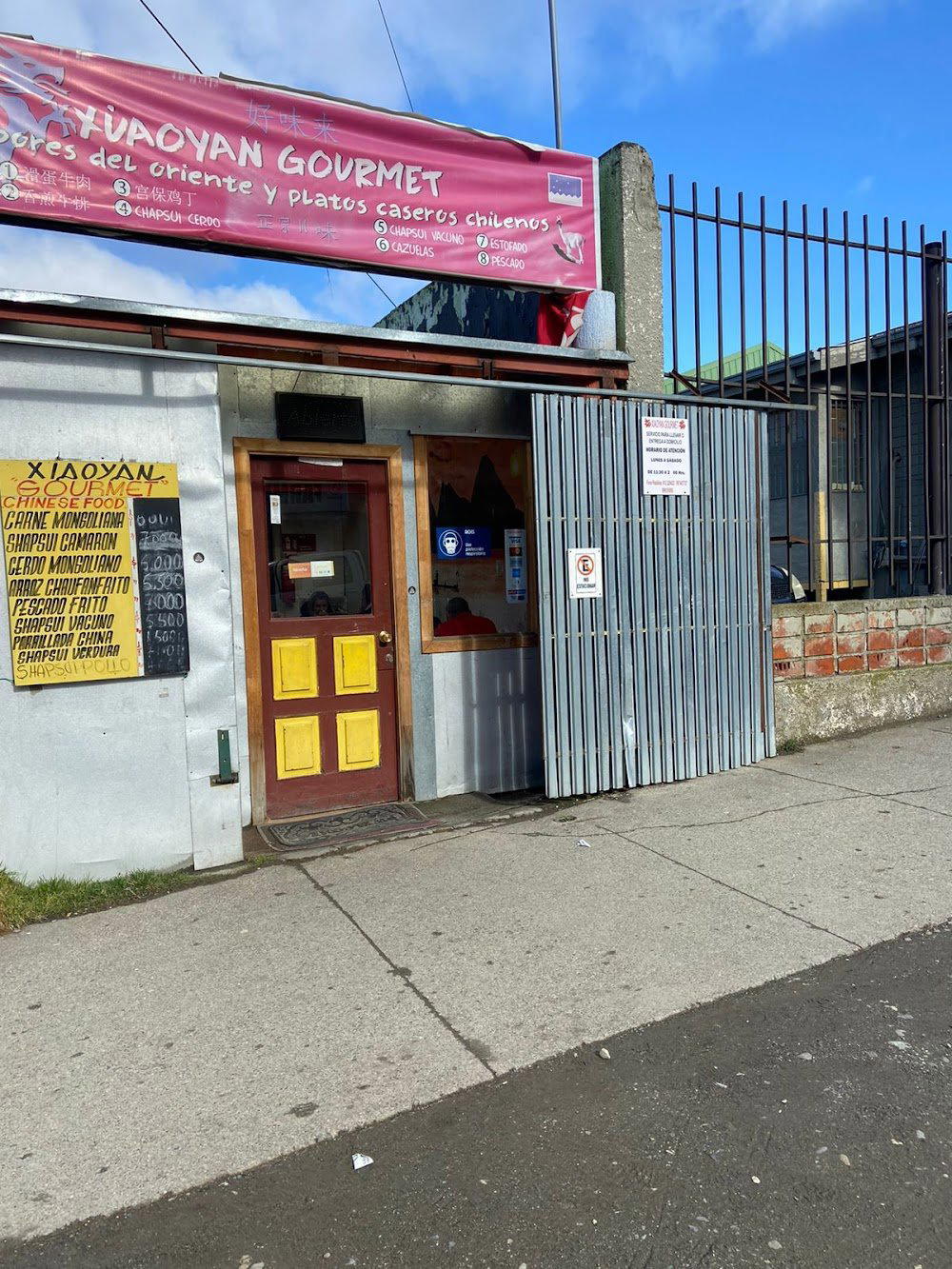
For comparison, the Chinese restaurant scene in Punta Arenas, represented by venues like Restaurant Comida China and Xiaoyan Gourmet, reflects the city's historical immigration patterns and offers a different register entirely: faster, family-oriented, built around volume and value rather than sequence and ceremony. Dona Inés operates in a separate tier from both, not in terms of quality judgment, but in terms of format and intent.
What the Setting Asks of You
A casino hotel restaurant in a remote city creates a specific social atmosphere. The room will typically draw a mix of travellers in transit to Torres del Paine or Cape Horn, business visitors to the region's logistics and energy sectors, and local diners marking occasions that warrant a more formal backdrop than the city's neighbourhood options. That mix tends to keep the tone measured rather than celebratory, and the staff calibrate accordingly. The service dynamic in rooms like this one across Patagonia generally favours attentiveness over informality, a style closer to the deliberate hospitality you find at La Concepción in Valparaíso than the relaxed neighbourhood energy of Casa del Barrio in Chillán.
Practically, the Casino Dreams location means parking is not a concern, and the hotel's position within Punta Arenas makes it accessible from the city centre without significant planning. Visitors coming off a flight to Presidente Carlos Ibáñez del Campo Airport, roughly 20 kilometres north of the city, will find the hotel among the more direct arrivals into a formal dining situation. Reservations are advisable, particularly during the austral summer season from November through February, when Torres del Paine visitor numbers push occupancy across Punta Arenas's better hotels to near capacity.
Situating Dona Inés Within Chilean Dining
Chile's restaurant scene has evolved significantly in the past decade, particularly in Santiago, where venues like Aquí está Coco in Vitacura have built sustained reputations on seafood sourced from Chilean waters, and where producers like Viña Concha y Toro in Pirque have brought international attention to the country's wine identity. That metropolitan energy does not translate directly to the Magallanes region, but it has raised the baseline expectation among Chilean travellers who arrive in Punta Arenas having eaten well further north.
In that sense, Dona Inés sits at an interesting pressure point: a room expected to perform at a level that reflects contemporary Chilean hospitality standards while operating in a supply-constrained, geographically isolated city where those standards are harder to sustain. The venues that navigate this well across Chile's secondary cities, places like Amares Bistro in Antofagasta or Aquí Jaime in Concón, tend to do so by anchoring hard to what their region produces rather than attempting to replicate metropolitan formats. For a room in Punta Arenas, that means centolla and Patagonian lamb are not just menu items; they are the entire editorial argument for why the restaurant merits a booking over the city's more casual alternatives.
Cuisine and Awards Snapshot
Comparable venues nearby, for context on price, style, and recognition.
| Venue | Cuisine | Price | Notes |
|---|---|---|---|
| Restaurant Dona InésThis venue — the venue you are viewing | Barbecue Specialties | $$ | Not listed |
| Restaurant Comida China | Chinese | $$ | Centro |
| Casino Dreams | Regional Chilean Seafood Buffet | $$$ | Strait of Magellan waterfront |
| Xiaoyan Gourmet | Authentic Chinese | $$ | :null |
| Los Dominicos | Traditional Chilean Cafe | $$ | Las Condes |
| Confitería Torres | Traditional Chilean | $$ | Centro Histórico |
Continue exploring
More in Punta Arenas
Restaurants in Punta Arenas
Browse all →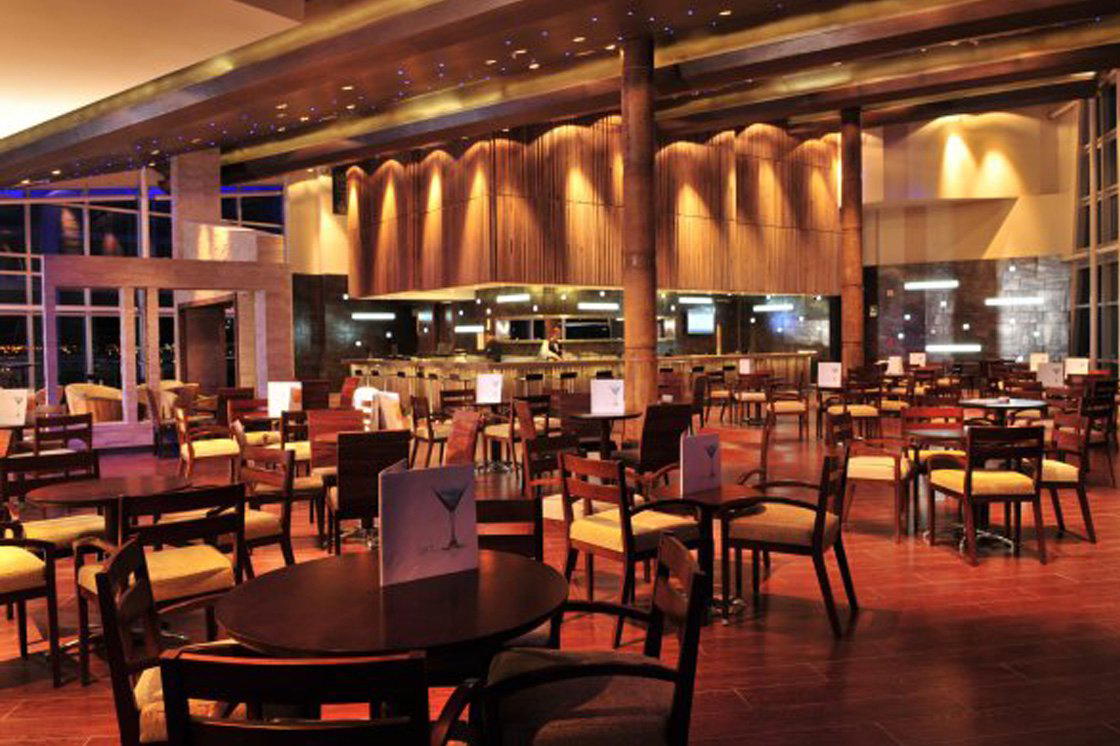
At a Glance
- Cozy
- Classic
- Business Dinner
- Hotel Restaurant
Classy decor in a light-filled historic building with a laid-back, friendly atmosphere.