Restaurant Comida China
Chinese food arrived in Punta Arenas the same way it reached most of Patagonia: through migration, trade routes, and the practical logic of feeding a port city. Restaurant Comida China sits within that tradition, offering a point of reference for how Chinese cooking has adapted to the far south of Chile, where lamb and seafood dominate the local diet but immigrant kitchens have held their ground for generations.
Pearl is the En Primeur Club membership app — saves, bookings, and concierge access live there. Same editors, same standards.
- Address
- Punta Arenas, Magallanes and Antartica Chilena
- Directions
- Get directions
 Saves & bookings on Pearl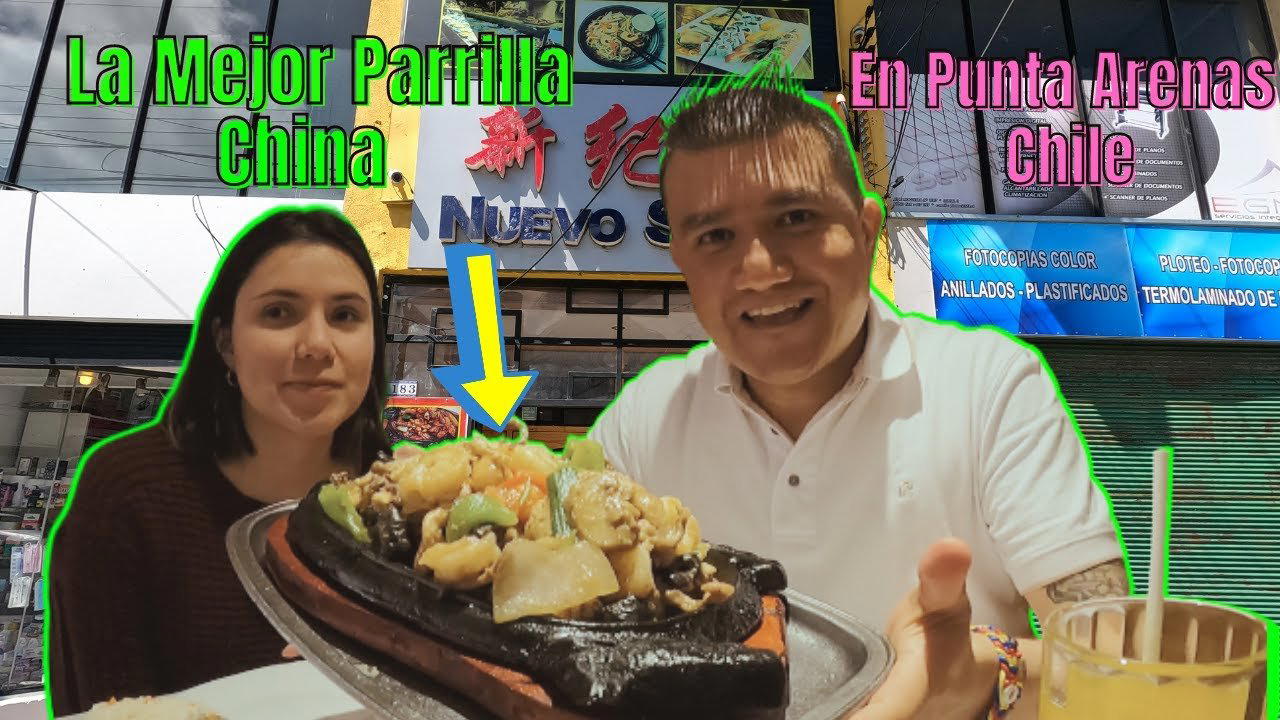
Chinese Cooking at the Edge of the World
Punta Arenas sits at roughly 53 degrees south latitude, closer to Antarctica than to Santiago, and the city's restaurant culture reflects a history shaped more by migration and maritime trade than by any single culinary tradition. Chinese restaurants have occupied a durable place in that history. From the early twentieth century onward, immigrant communities established food businesses across Chilean Patagonia, and the pattern that emerged in port cities like Punta Arenas was consistent: Chinese kitchens adapted to local supply chains, incorporating lamb, king crab, and cold-water fish alongside the rice dishes and stir-fried preparations that defined the original repertoire. Restaurant Comida China is one example of that longer arc.
The presence of Chinese restaurants in cities this far south is often underestimated by visitors who arrive expecting only Patagonian lamb and Fuegian seafood. In practice, Punta Arenas has long supported a diverse dining scene that reflects the port's history as a stopping point for ships rounding Cape Horn. Immigrant communities, including Chinese, Croatian, and British settlers, shaped the city's food culture in ways that persist today. A Chinese restaurant here is not an anomaly; it is a document of that layered history.
What the Cuisine Tells You About the City
Chilean-Chinese cooking, sometimes called comida chifa in reference to its South American adaptation (the term is more common in Peru, where the tradition runs deeper, but the underlying dynamic is similar), occupies a specific register in cities like Punta Arenas. It is neither strictly traditional Chinese cooking nor straightforwardly Chilean. The menus that developed in these southern port kitchens drew on Cantonese techniques and rice-based structures while incorporating whatever protein was abundant and affordable locally. In Patagonia, that meant lamb and shellfish entered dishes that would have used different proteins in the original context.
This kind of culinary adaptation is not distinctive to Chile. Chinese diaspora cooking across Latin America, from Lima's chifa restaurants to the Cantonese-influenced kitchens of Havana, followed similar logic: the techniques traveled, but the ingredients shifted. What distinguishes the Patagonian variant is the extreme geography. Supply chains to Punta Arenas have always been slower and more expensive than to northern Chilean cities, which pushed local kitchens, regardless of cuisine type, toward whatever was regionally available. For a Chinese restaurant in Punta Arenas, that constraint was also an opportunity to create something genuinely local.
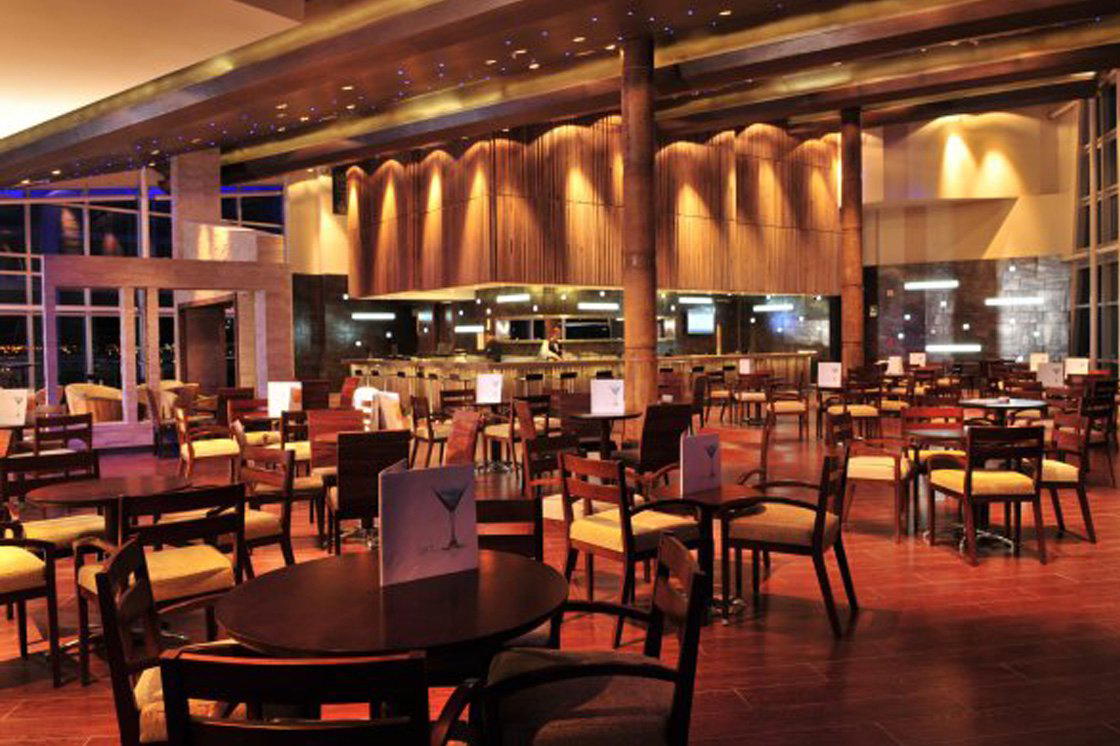
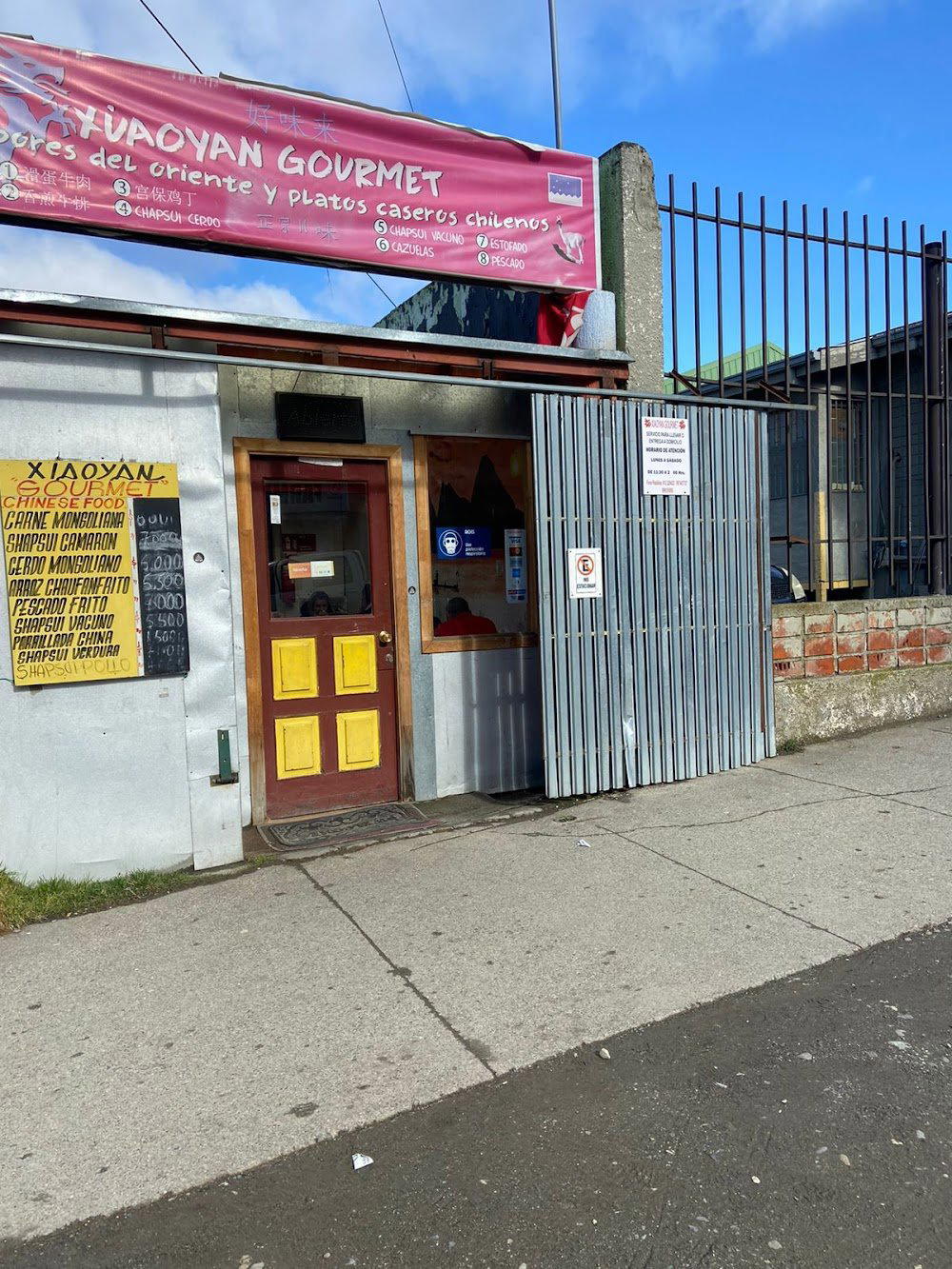
For travelers comparing options across the city, Punta Arenas offers a range of dining experiences across different traditions and price points. Casino Dreams operates at a larger, hotel-anchored scale, while Restaurant Dona Inés represents the local Chilean dining tradition. Restaurant Comida China fills a different position in that map. Visitors looking specifically for Chinese cooking in this context should also consider Xiaoyan Gourmet, which represents another point on the local Chinese-food spectrum.
The Broader Chilean Dining Scene
Understanding Restaurant Comida China within Punta Arenas is easier when set against Chile's wider restaurant culture. Santiago has developed a serious fine-dining tier, with Boragó in Santiago representing the country's most internationally discussed approach to native ingredients. Coastal cities like Valparaíso have their own distinct dining character, as seen at La Concepción in Valparaiso. Further north, Amares Bistro in Antofagasta shows how regional Chilean cooking adapts to desert climate and Pacific seafood.
Punta Arenas occupies a different register entirely. The city's dining scene is shaped by its remoteness, its weather, and its history as a transit point rather than a destination in the conventional tourist sense. Restaurants here tend toward practical, filling cooking suited to cold temperatures and long days on the water or in the field. Chinese cooking fits that context well: rice-based dishes, warming broths, and protein-forward preparations align naturally with what the local dining public expects from a meal. The adaptation is functional as much as it is cultural.
Across Chile, immigrant-influenced restaurants have proven more durable than trend-driven openings. Palacio Danubio Azul in Las Condes demonstrates how Chinese-Chilean cooking has developed in Santiago's more affluent neighborhoods. In Punta Arenas, the same tradition operates at a more grounded register, without the design investment or wine programs that characterize the capital's Chinese restaurants, but with a directness that reflects the city's character.
Planning a Visit
Punta Arenas is a working city and a gateway to Torres del Paine, Tierra del Fuego, and Antarctic expedition departures. Most visitors arrive between October and March, when the southern hemisphere spring and summer make the region more accessible, though the city operates year-round. Restaurant dining in Punta Arenas follows Chilean meal timing: lunch runs from roughly 1pm to 3pm and is often the main meal of the day, while dinner service starts later in the evening.
Travelers building a broader Chilean itinerary can use the restaurant as a marker of Punta Arenas's immigrant-influenced food culture, then trace similar patterns northward through the country's dining scene. For context on how Chinese and other Asian-influenced cooking has developed elsewhere in Chile, Palacio Danubio Azul in Las Condes and Xiaoyan Gourmet locally offer useful comparison points.
For travelers whose itineraries extend beyond Chile, the question of how immigrant cuisines adapt to extreme geographies is one that appears across South America. Izakaya Kotaro in Easter Island presents a parallel case: Japanese cooking adapted to one of the world's most isolated inhabited islands, with supply constraints shaping the menu in ways that produce something genuinely local rather than a direct transplant of the source cuisine.
Pricing, Compared
Comparable venues nearby, for context on price, style, and recognition.
| Venue | Cuisine | Price | Notes |
|---|---|---|---|
| Restaurant Comida ChinaThis venue — the venue you are viewing | Centro, Chinese | $$ | Not listed |
| Xiaoyan Gourmet | Not listed | $$ | :null, Authentic Chinese |
| Casino Dreams | Not listed | $$$ | Strait of Magellan waterfront, Regional Chilean Seafood Buffet |
| Restaurant Dona Inés | Centro, Barbecue Specialties | $$ | Not listed |
| Palacio Danubio Azul | Las Condes, Classic Chinese-American | $$$ | Not listed |
| sabko namaste | Not listed | $$ | Providencia, Authentic North Indian Tandoori |
Continue exploring
More in Punta Arenas
Restaurants in Punta Arenas
Browse all →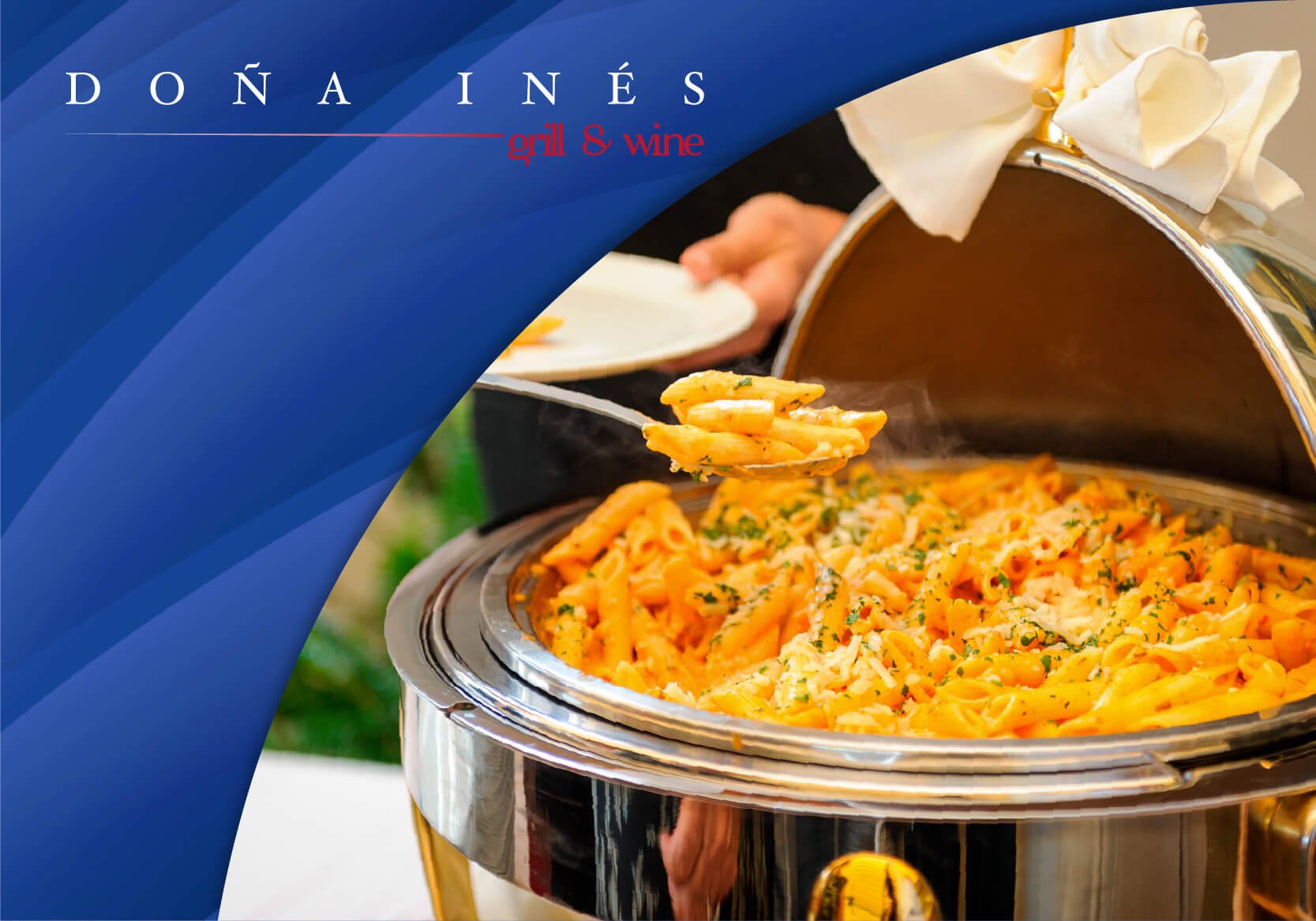
At a Glance
- Casual Hangout
Casual and welcoming with great service as per guest reviews.