Restaurant Bajazzo occupies a quiet address on Oßwaldstraße in Starnberg, a lakeside town south of Munich where the dining scene runs smaller and more considered than the city. The restaurant sits within a local circuit that includes creative and seafood-led neighbours, making it a reference point for the area's evolving restaurant culture. Visitors looking for a measured dinner in the Starnberger See corridor will find it worth investigating.
Pearl is the En Primeur Club membership app — saves, bookings, and concierge access live there. Same editors, same standards.
- Address
- Oßwaldstraße 16, 82319 Starnberg, Germany
- Phone
- +4981517396678
- Website
- bajazzo-sta.de
- Directions
- Get directions
 Saves & bookings on Pearl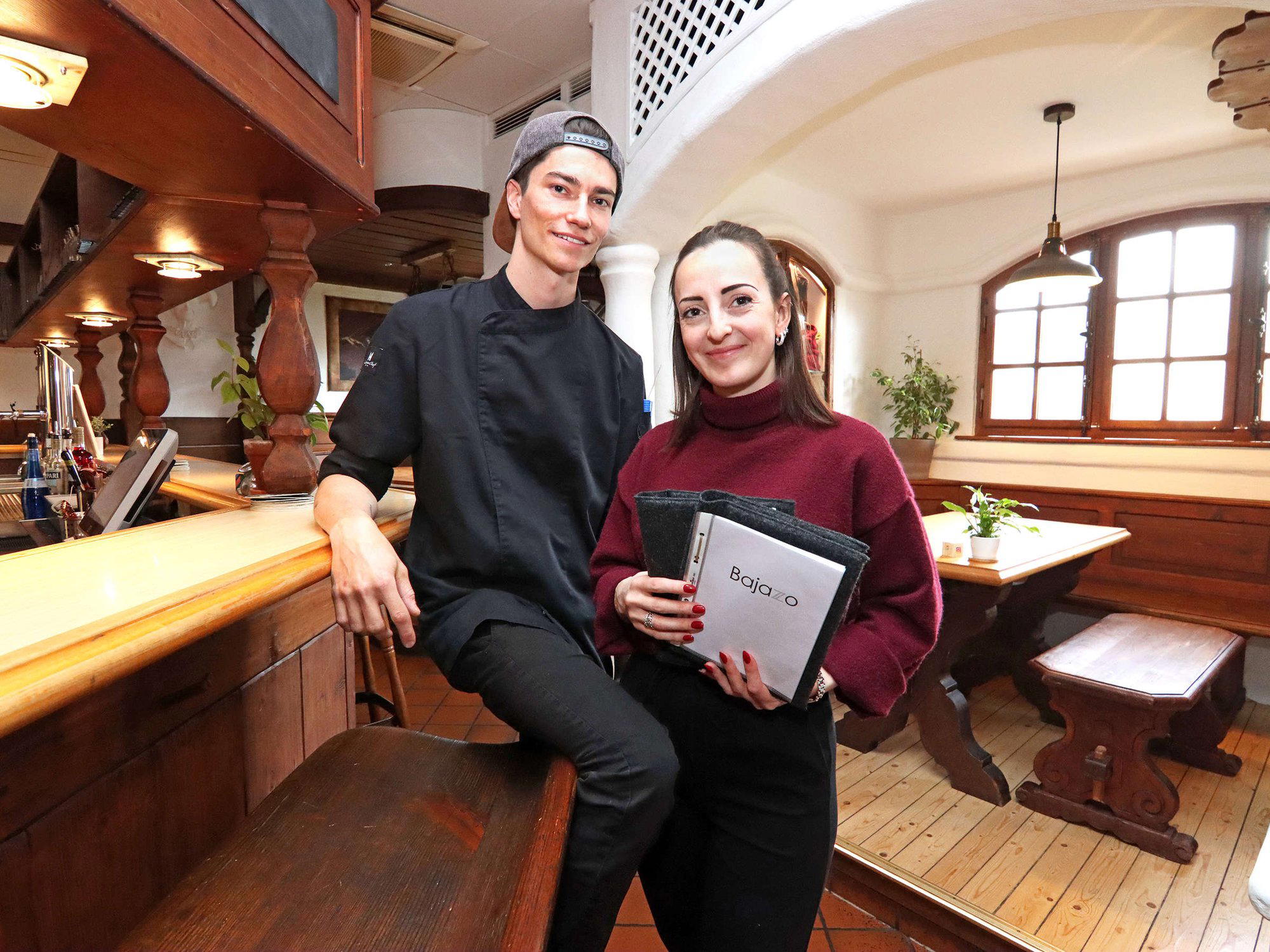
Starnberg's Dining Register: Where Bajazzo Sits
The towns ringing the Starnberger See operate on a different frequency from Munich's restaurant culture, roughly 30 kilometres to the north. This is prosperous commuter and weekend-retreat territory, where the dining rooms tend toward intimacy and the competition for serious attention is real but quiet. Restaurant Bajazzo, addressed at Oßwaldstraße 16 in Starnberg proper, belongs to that register: a local address in a town that punches above its population in restaurant quality, measured against peer tables such as Aubergine (Creative) at the €€€€ tier and Fisherman's and Restaurant Oliv's rounding out the immediate neighbourhood set.
Germany's fine-dining geography has long rewarded the unexpected provincial address. The pattern holds across the country: from Waldhotel Sonnora in Dreis to Schanz in Piesport, particularly focused cooking happens in towns that require deliberate travel. Starnberg is easier to reach than those examples, the S-Bahn from Munich Central takes under an hour, but the same logic applies: a smaller town often means a more concentrated restaurant identity, with less noise around it.
The Physical Setting and What It Signals
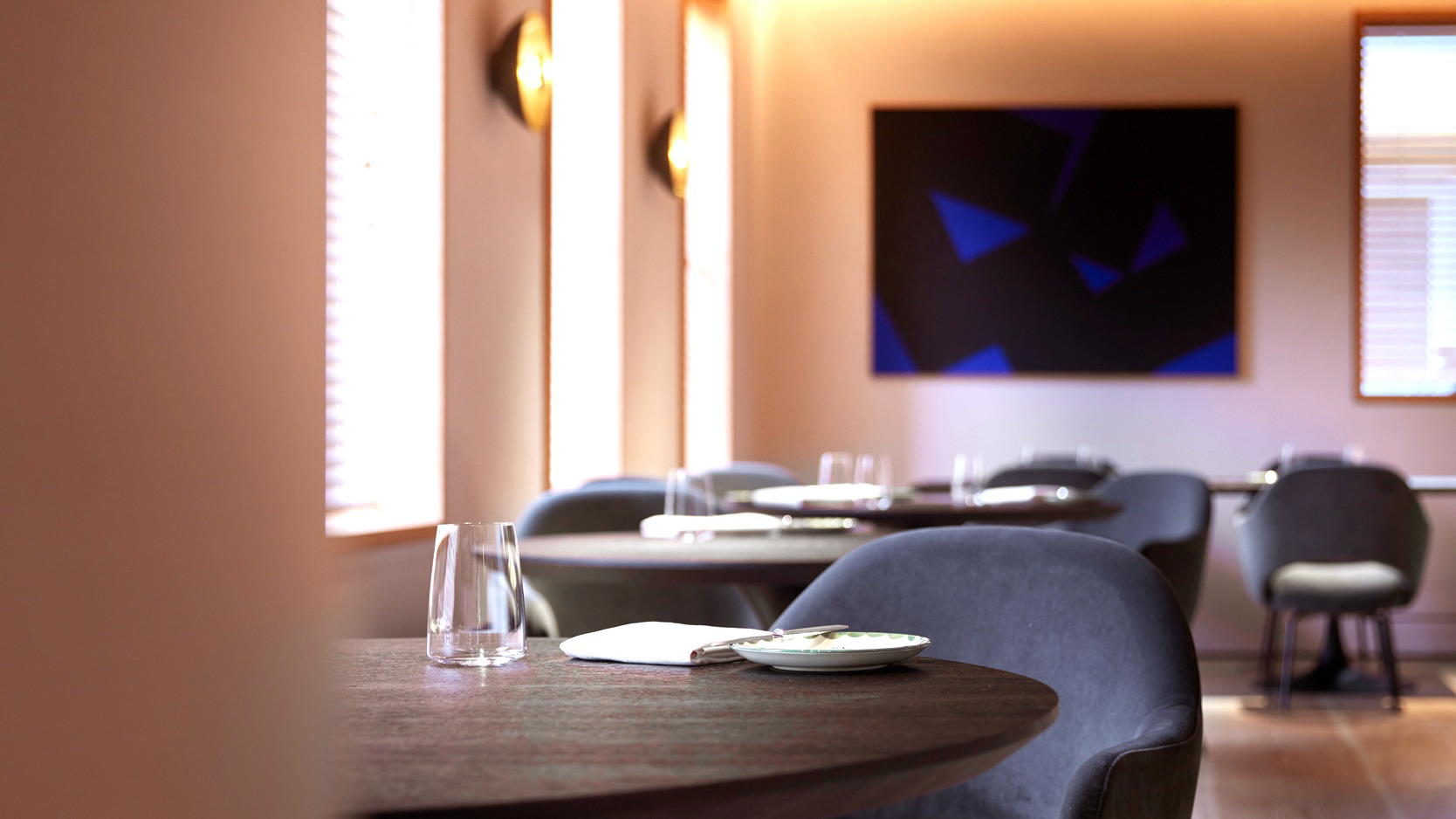
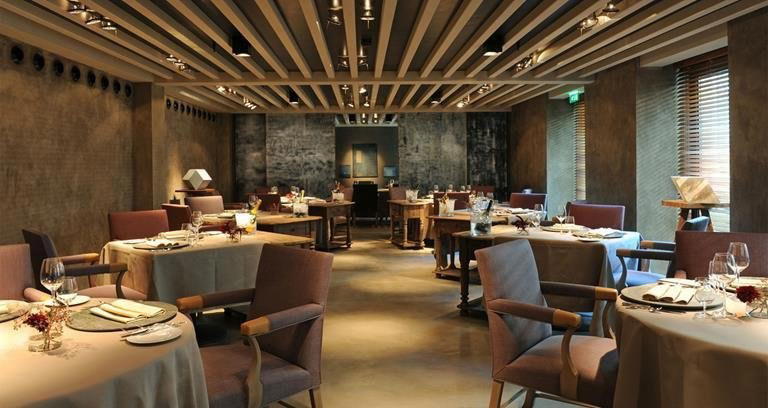
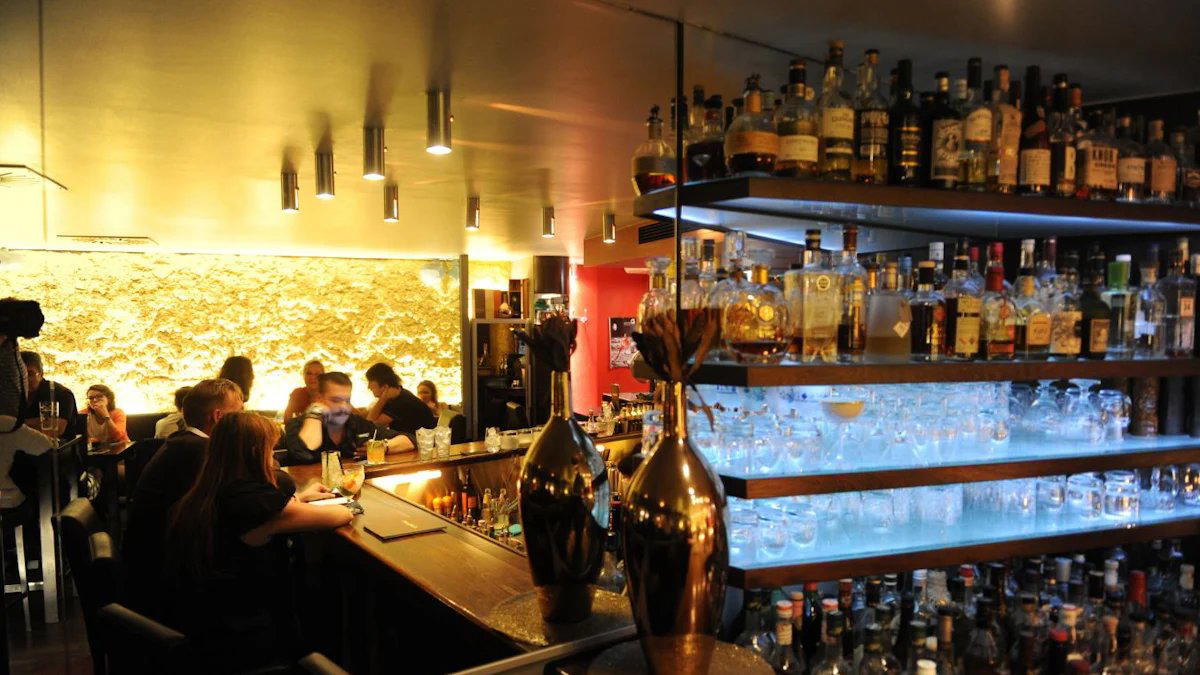
Approaching Oßwaldstraße, you are in a residential-commercial edge of a lakeside town rather than a curated gastro-district. That specificity matters. Restaurants that survive in locations without natural footfall typically do so through repeat local loyalty and deliberate destination visits rather than tourist-driven walk-ins. That dynamic tends to shape the atmosphere inside: rooms where regulars and intentional visitors share the same space tend to run warmer and less performative than those built around novelty or spectacle.
The Starnberg dining scene as a whole carries a sensibility shaped by the lake and its wealthy residential catchment. Expectations run high without the theatrical register of urban fine dining. Rooms are rarely oversized. The hosting style, across the town's better tables, tends toward attentive rather than formal.
Cultural Roots of the German Regional Restaurant
The German regional restaurant tradition, distinct from both the Michelin-chasing urban flagship and the rural Gasthof, occupies an important middle ground that is not always well understood by international visitors. It draws on Central European culinary habits: seasonal produce framed by local growing calendars, an expectation of substantive rather than minimalist portions, and wine lists that reflect the country's increasingly serious output alongside French and Austrian imports. The tradition prizes consistency across a long tenure over trend-responsiveness, and the leading examples in this category hold their audiences across decades rather than seasons.
Bavaria specifically carries additional cultural weight in this frame. The region's cooking vocabulary, game, freshwater fish from lakes including the Starnberger See itself, dairy, root vegetables, and a particular attentiveness to autumn and winter ingredients, gives Bavarian restaurants a distinct identity within Germany's broader restaurant map. For restaurants operating in this catchment, proximity to the lake and its agricultural surroundings tends to function as both supply chain and identity signal.
Comparisons elsewhere in Germany are instructive for understanding what serious regional cooking can achieve. Schwarzwaldstube in Baiersbronn has long demonstrated that a rural southern German address can anchor three-star cooking. Closer to Bavaria, ES:SENZ in Grassau operates in similarly lakeside Alpine territory and has attracted significant recognition. Starnberg's scale positions it between those benchmarks and the city-adjacent casual end, its better restaurants occupy a mid-serious tier where craft is real but the format stays approachable.
How Starnberg Fits the Wider German Fine-Dining Map
For visitors arriving from Munich, the Starnberg restaurant circuit offers a different evening proposition from the city's own serious tables. JAN in Munich operates at the recognised best of the city's creative end, while CODA Dessert Dining in Berlin and Aqua in Wolfsburg illustrate how Germany's award-holding restaurants span formats and geographies that reward travel. Starnberg is reachable as a day trip or short break, making its restaurant scene a plausible extension of a Munich itinerary rather than a standalone journey.
Germany's broader award geography also includes restaurants like Restaurant Haerlin in Hamburg, Vendôme in Bergisch Gladbach, and Victor's Fine Dining by Christian Bau in Perl, and more recently Bagatelle in Trier and ammolite - The Lighthouse Restaurant in Rust. That spread confirms that Germany's serious dining scene is not concentrated in a single city, and that provincial addresses can sustain genuine ambition. Starnberg and its peer tables fit that pattern, operating with the kind of focused local identity that tends to outlast trend cycles.
For those calibrating expectations against international reference points, Le Bernardin in New York City or Atomix in New York City represent a different tier and format entirely. The Starnberg circuit operates at a more accessible scale, which is part of its particular appeal for visitors who want serious food without the choreography of a destination-dining production.
Planning Your Visit
Restaurant Bajazzo is located at Oßwaldstraße 16, 82319 Starnberg, Germany. Starnberg is served by Munich's S-Bahn network (S6 line), placing it within commuting distance of the city centre and making it a practical evening excursion. The restaurant is recommended for reservations, and it opens Tuesday through Thursday from 4 PM to 12 AM, Friday and Saturday from 4 PM to 1 AM, with Monday and Sunday closed. The address is in a residential part of town rather than the waterfront, so planning transport in advance is advisable, particularly for evening dining when connections may be less frequent.
Budget Reality Check
Comparable venues nearby, for context on price, style, and recognition.
| Venue | Cuisine | Price | Awards | Notes |
|---|---|---|---|---|
| Restaurant BajazzoThis venue — the venue you are viewing | Starnberg, German Fusion Gastropub | $$$ | Not listed | Not listed |
| Restaurant Oliv's | Not listed | $$$ | Not listed | Stadt Starnberg, Regional German with French-Mediterranean influences |
| Fisherman's | Starnberg, Modern Japanese Sushi | $$ | Not listed | Not listed |
| Aubergine | Not listed | $$$$ | Michelin 1 Star | Starnberg, Michelin-Starred Contemporary Fine Dining |
| Klosterbräu 1719 | Not listed | $$$ | Not listed | Neuburg an der Donau, Seasonal Bavarian Cuisine |
| Gasthof zum Oberen Wirt | Gilching, Traditional Bavarian | $$ | Not listed | Not listed |
Continue exploring
More in Starnberg
Restaurants in Starnberg
Browse all →
Bars in Starnberg
Browse all →
At a Glance
- Sophisticated
- Elegant
- Date Night
- Standalone
Current opening hours
- Monday
- Closed
- Tuesday
- 4 PM–12 AM
- Wednesday
- 4 PM–12 AM
- Thursday
- 4 PM–12 AM
- Friday
- 4 PM–1 AM
- Saturday
- 4 PM–1 AM
- Sunday
- Closed
Hours can change for holidays and private events. Last verified .
Sophisticated ambience with pleasant atmosphere.