Klosterbräu 1719
A brewery-turned-gathering-place anchored on Kirchplatz in the Bavarian market town of Neuburg an der Donau, Klosterbräu 1719 carries its founding date in its name and its regional identity in its glass. The address places it at the centre of one of southern Germany's more quietly serious historic towns, where the Wittelsbacher Schloss still dominates the skyline and the Danube defines the pace of daily life.
Pearl is the En Primeur Club membership app — saves, bookings, and concierge access live there. Same editors, same standards.
- Address
- Kirchpl. 1, 86633 Neuburg an der Donau, Germany
- Phone
- +4949843167750
- Website
- zum-klosterbraeu.de
- Directions
- Get directions
 Saves & bookings on Pearl
A Square, a Brewery, and Three Centuries of Bavarian Brewing Culture
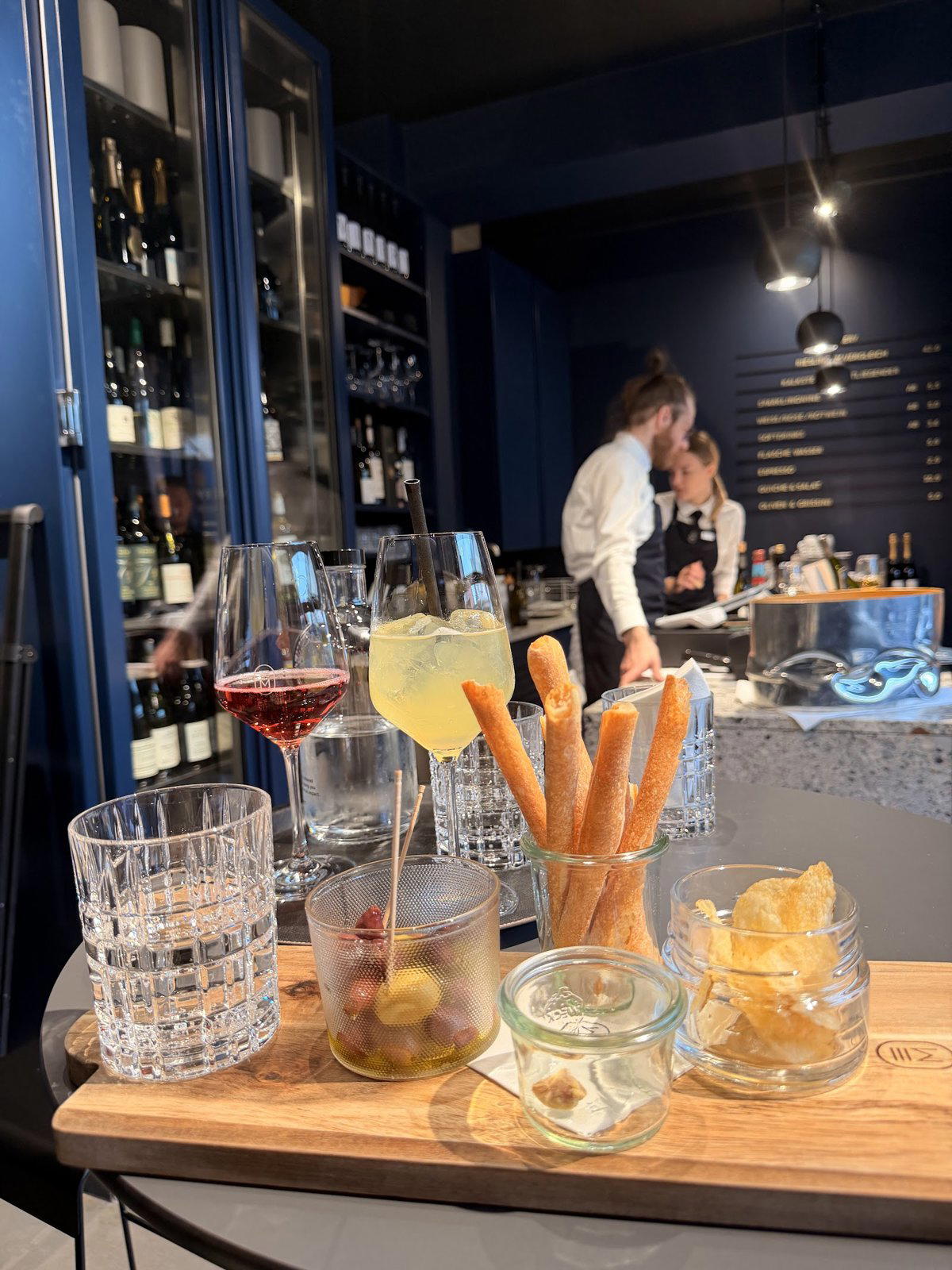
Kirchplatz in Neuburg an der Donau is the kind of town square that takes a moment to properly read. The Wittelsbacher dukes built their court here in the sixteenth century, and the architectural weight of that decision has never quite lifted. The monastery complex that eventually gave rise to Klosterbräu 1719 sits within that same civic fabric, and the brewery's founding date is not decorative shorthand. It marks one of the longer continuous threads in Bavarian brewing, a tradition that predates the Reinheitsgebot's widespread enforcement by more than a generation. To drink here is to sit inside that history rather than beside it.
Southern Bavaria has always supported a dense network of monastery breweries, market-town taprooms, and regional Gasthäuser where the beer and the food are treated as a single proposition rather than separate departments. Klosterbräu 1719 operates within that tradition, where the kitchen and the brewery share the same supply logic: sourcing from the surrounding agricultural region, working with ingredients shaped by the Danube valley's soils and seasonal rhythms. This is not a positioning choice in the modern marketing sense. It is simply how Bavarian monastery brewing towns have always organised their tables. For the reader accustomed to similar frameworks at destination restaurants, the comparison is instructive: where ES:SENZ in Grassau or AUGUST in Augsburg approach regional sourcing through a contemporary fine-dining lens, Klosterbräu 1719 works from the other direction, starting with the local ingredient as given and building tradition around it.
The Ingredient Geography of the Danube Valley
The land immediately around Neuburg an der Donau is productive in the way that river-adjacent agricultural zones across Bavaria tend to be: grain for malting, hops from nearby Hallertau, the largest hop-growing region on earth, and a livestock and dairy tradition that feeds directly into the pork, beef, and dairy preparations that define Bavarian tavern cooking. The Hallertau connection is particularly important context. The hop gardens that supply German brewing, including the monastery and civic breweries of this part of the country, are less than an hour's drive north of Neuburg. That proximity is not incidental. It is the material reason why beer culture in this corridor of Bavaria has depth rather than just age.
For a brewery founded in 1719, ingredient sourcing is less about farm-to-table as a contemporary concept and more about the absence of interruption: the local supply lines that existed before industrialisation became, in this part of Germany, the lines that endured. Bavarian monastery breweries did not pivot to regional sourcing. They never left it. That continuity is what gives establishments like Klosterbräu 1719 a credibility that newer operations working in similar registers, however accomplished, cannot simply acquire. It has to be earned across generations.
Where Klosterbräu 1719 Sits in the Broader German Dining Picture
Germany's restaurant culture has become increasingly tiered over the past decade. At the leading end, venues like Aqua in Wolfsburg, Schwarzwaldstube in Baiersbronn, and Vendôme in Bergisch Gladbach operate at the Michelin three-star level, competing on precision, invention, and sourcing provenance that is documented and narrativised on the plate. Below that tier, and largely distinct from it, lies the tradition of the regional Gasthaus and brewery taproom, where quality is measured by a different set of criteria: consistency, seasonal alignment, and fidelity to place. The restaurant operates in that second register, and the register itself deserves respect rather than qualification. Germany's food culture at its most coherent has always maintained both tiers without requiring one to justify itself against the other.
For those who want comparison points within Bavaria's finer end, JAN in Munich and AUGUST in Augsburg sit within an hour or so of Neuburg and operate at a different pitch. Neither displaces the other. They answer different questions about what a meal in Bavaria can mean. For those curious how Germany's most ambitious kitchens articulate regional identity through entirely different methods, Victor's Fine Dining by Christian Bau in Perl, Waldhotel Sonnora in Dreis, and Restaurant Haerlin in Hamburg represent the country's most decorated dining rooms. The distance in format and price between those rooms and a Bavarian brewery taproom is also part of the story of German food culture, not a flaw in either endpoint.
At the more experimental end of what German kitchens are doing with single-category concepts, CODA Dessert Dining in Berlin and ATAMA by Martin Stopp in Sankt Ingbert show how far the country's contemporary dining scene has moved from its Gasthaus roots. That movement makes the roots themselves more interesting to revisit, not less.
Planning a Visit
Neuburg an der Donau sits roughly 70 kilometres north of Munich and is accessible by regional rail, making it a viable half-day or full-day trip from the Bavarian capital. The town's compact historic centre means Kirchplatz and the Klosterbräu address are within a short walk of any central arrival point. For those building a broader itinerary through southern Bavaria's food and drink culture, pairing a visit here with a meal at Gaststube Zum Klosterbräu, also in Neuburg, gives a useful comparative reading of how the Bavarian Gasthaus tradition plays out across different formats within the same town. Reservations are recommended, and the venue sits at a price tier of about $50 per person.
Those extending their trip across the wider region might also consider Schanz in Piesport, Bagatelle in Trier, or ammolite in Rust as further data points on the range of serious German dining across different regions and formats. For international reference points at the highest level, Le Bernardin in New York City and Atomix in New York City illustrate what ingredient sourcing looks like when expressed through a completely different set of culinary languages.
Comparable Spots, Quickly
Comparable venues nearby, for context on price, style, and recognition.
| Venue | Cuisine | Price | Awards | Notes |
|---|---|---|---|---|
| Klosterbräu 1719This venue — the venue you are viewing | Seasonal Bavarian Cuisine | $$$ | Not listed | Not listed |
| Gaststube Zum Klosterbräu | Classic Bavarian Regional | $$ | Michelin Plate | Bergen bei Neuburg |
| Lenas am See | German Lakeside Bistro | $$$ | Not listed | Utting am Ammersee |
| Spatenhaus at the opera | Traditional Bavarian | $$$ | Not listed | Lehel |
| Kühners Landhaus | Modern Bavarian Steakhouse | $$$ | Not listed | Kissing |
| Platzhirsch Restaurant | Alpine Steakhouse | $$$ | Not listed | Olching |
Continue exploring
More in Neuburg an der Donau
Restaurants in Neuburg an der Donau
Browse all →
Bars in Neuburg an der Donau
Browse all →

Hotels in Neuburg an der Donau
Browse all →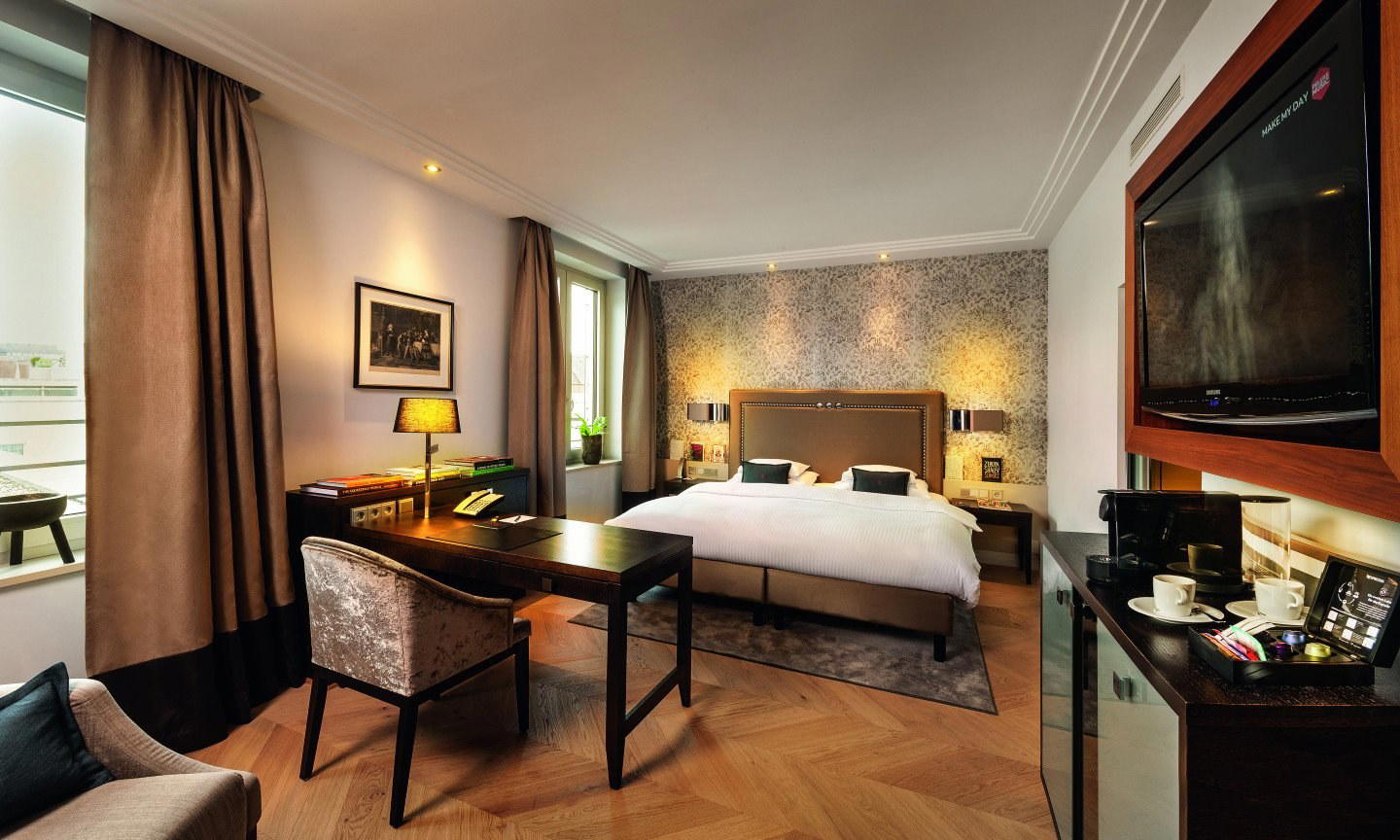
At a Glance
- Romantic
- Cozy
- Rustic
- Historic
- Intimate
- Special Occasion
- Date Night
- Historic Building
- Beer Program
- Local Sourcing
Cozy historic guest rooms with traditional atmosphere blending luxury and medieval heritage.