At Bahnhofplatz 16 in Starnberg, Fisherman's sits where Bavaria's lake culture and a serious approach to freshwater fish converge. The address places it squarely in a town defined by Starnberger See, one of Germany's largest alpine lakes, making sourcing provenance a matter of geography rather than marketing. For visitors drawn by the water, the kitchen's focus on what the region actually produces gives the meal a logic that most lakeside dining fails to establish.
Pearl is the En Primeur Club membership app — saves, bookings, and concierge access live there. Same editors, same standards.
- Address
- Bahnhofpl. 16, 82319 Starnberg, Germany
- Phone
- +4981519985221
- Website
- sushi-starnberg.de
- Directions
- Get directions
 Saves & bookings on Pearl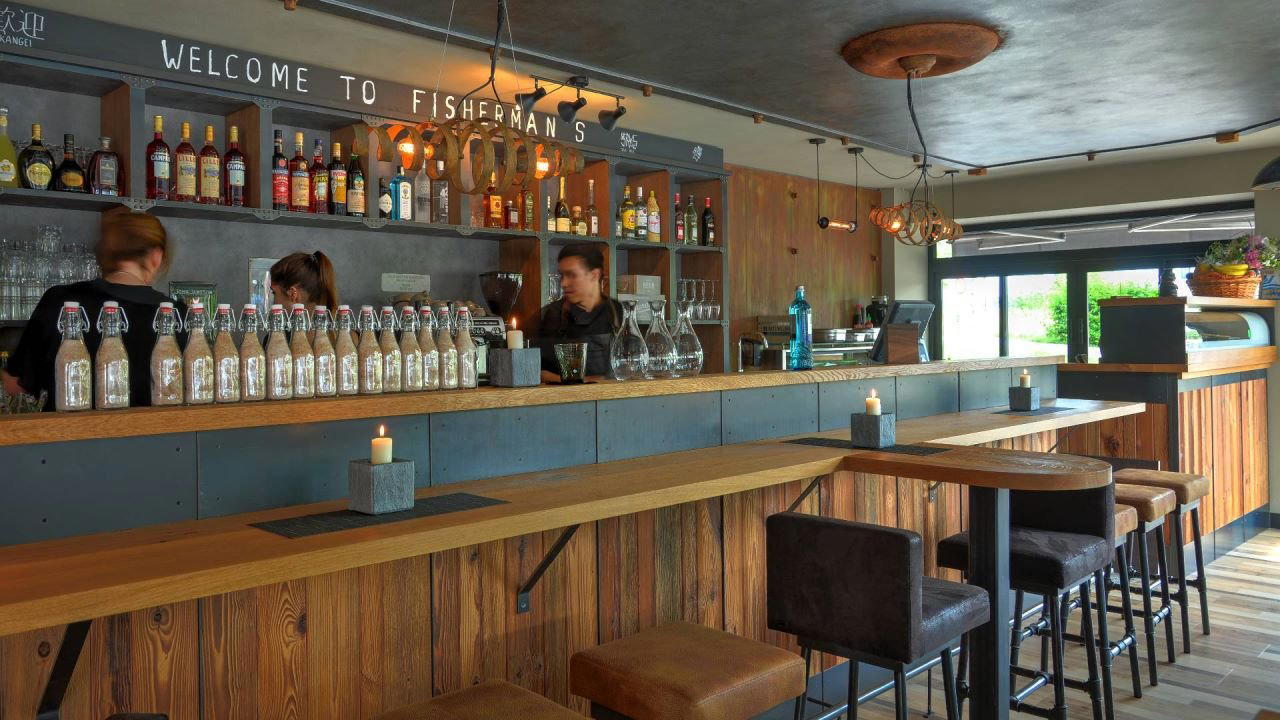
Where the Lake Ends and the Kitchen Begins
Starnberg is one of those towns where the physical environment dictates what ends up on the table. Starnberger See stretches nearly 21 kilometres south of Munich, its cold, clear water producing the kind of freshwater fish, Renke (whitefish), Hecht (pike), Zander (pike-perch), that has sustained the communities along its banks for centuries. When a restaurant bears a name like Fisherman's and sits at Bahnhofplatz 16, directly adjacent to the town's main rail connection, the implication is clear: this is a modern Japanese sushi restaurant oriented toward the lake, not toward generic European bistro programming. That geographic logic is worth taking seriously in a town with a small but genuinely varied dining scene, where Aubergine (Creative), operating at the €€€€ tier, pulls the market upward and more casual addresses fill the middle ground.
The Sourcing Argument at a Lakeside Address
In the broader conversation about regional German cooking, freshwater fish from inland lakes occupies an underappreciated position. The serious fine dining conversation in Germany tends to concentrate on kitchen technique and international reference points, addresses like Schwarzwaldstube in Baiersbronn, Aqua in Wolfsburg, or Vendôme in Bergisch Gladbach set benchmarks that are largely built on classical French architecture and premium imported product. What places like Fisherman's represent, at their leading, is a counter-argument: that proximity to a specific water source, and the discipline to cook what that source provides rather than what the market makes available, produces its own form of integrity.
Starnberger See's fish are seasonal. Renke, the lake's most prized catch, spawns in late autumn, and responsible sourcing means availability shifts through the year. A kitchen genuinely connected to local fishing operations will reflect that seasonality on the plate; one that treats "lake fish" as branding will not. The distinction matters to anyone eating their way through Bavaria's lakeside towns, where the gap between fish sourced that morning from the Starnberger See and fish supplied by a regional wholesaler is real, even if rarely disclosed on menus. This is the standard against which a restaurant called Fisherman's should be read.
Starnberg's Dining Position in the Munich Orbit
Starnberg sits approximately 25 kilometres south of Munich by rail, reachable on the S6 line in under 40 minutes from the city centre. That proximity makes it a credible day trip or weekend destination for Munich's dining public, and it shapes the competitive context for every restaurant in town. Visitors arriving from Munich carry expectations calibrated to a city with addresses like JAN on the map. The Starnberg restaurants that perform well in that context are the ones with a specific local argument, a reason to travel beyond the city that Munich itself cannot supply.
Freshwater fish from a specific named lake is exactly that kind of argument. It is also one that Germany's most ambitious kitchens have occasionally embraced: ES:SENZ in Grassau, operating in the Chiemgau region to the east, has drawn attention partly through its engagement with Bavarian alpine product. The logic applies at different price tiers, but the principle holds: geographic specificity, when it is genuine, provides a form of distinction that imported luxury product cannot replicate.
Within Starnberg itself, the dining options cover a meaningful spread. Restaurant Bajazzo and Restaurant Oliv's represent the town's mid-range alongside the restaurant, while Aubergine occupies the top tier. For a fuller orientation to what the town offers, the EP Club Starnberg restaurants guide maps the options across price points and styles.
Fish-Forward Cooking in Germany's Wider Context
Serious fish cooking in Germany tends to cluster at either end of the market: highly technical multi-course menus at three-Michelin-star addresses, or traditional Gaststätte operating largely unchanged for decades. The space between those poles is where a lakeside address with a clear sourcing identity can make its case. Internationally, the reference point for this kind of fish-focused discipline is somewhere like Le Bernardin in New York City, where the entire kitchen architecture is built around seafood; domestically, kitchens such as Restaurant Haerlin in Hamburg have demonstrated that fish cookery can carry multi-course ambition. The restaurant operates in neither of those registers, but the question the name poses is the same: does the kitchen treat its primary ingredient as a subject worth depth, or as a category to be checked?
For travellers building a broader German itinerary around serious eating, the comparison set extends well beyond Bavaria. Schanz in Piesport, Waldhotel Sonnora in Dreis, Bagatelle in Trier, L.A. Jordan in Deidesheim, and Victor's Fine Dining by Christian Bau in Perl represent Germany's upper dining tier in various regions. For something at a different register but with a distinct creative point of view, CODA Dessert Dining in Berlin and Lazy Bear in San Francisco show what format innovation can achieve when a kitchen commits to a specific identity.
Planning a Visit
The restaurant is located at Bahnhofplatz 16, Starnberg, placing it within easy walking distance of the S-Bahn station and the lake's northern shore. The address is practical for anyone arriving by rail from Munich, and the town is compact enough that the lake itself is visible within minutes on foot. Current contact details, hours, and booking arrangements are best confirmed directly. Given Starnberg's popularity as a weekend destination among Munich residents, and the limited capacity typical of smaller lakeside restaurants, arriving without a reservation on Friday or Saturday evenings carries real risk. Midweek visits or early weekend bookings are the more reliable approach.
Comparison Snapshot
Comparable venues nearby, for context on price, style, and recognition.
| Venue | Cuisine | Price | Awards | Notes |
|---|---|---|---|---|
| Fisherman'sThis venue — the venue you are viewing | Modern Japanese Sushi | $$ | Not listed | Not listed |
| Restaurant Bajazzo | German Fusion Gastropub | $$$ | Not listed | Starnberg |
| Restaurant Oliv's | Regional German with French-Mediterranean influences | $$$ | Not listed | Stadt Starnberg |
| Aubergine | Michelin-Starred Contemporary Fine Dining | $$$$ | Michelin 1 Star | Starnberg |
| Yuki Hana | Japanese Sushi | $$ | Not listed | Lehel |
| AOI Ramen | Japanese Ramen Izakaya | $$ | Not listed | Neuhausen |
Continue exploring
More in Starnberg
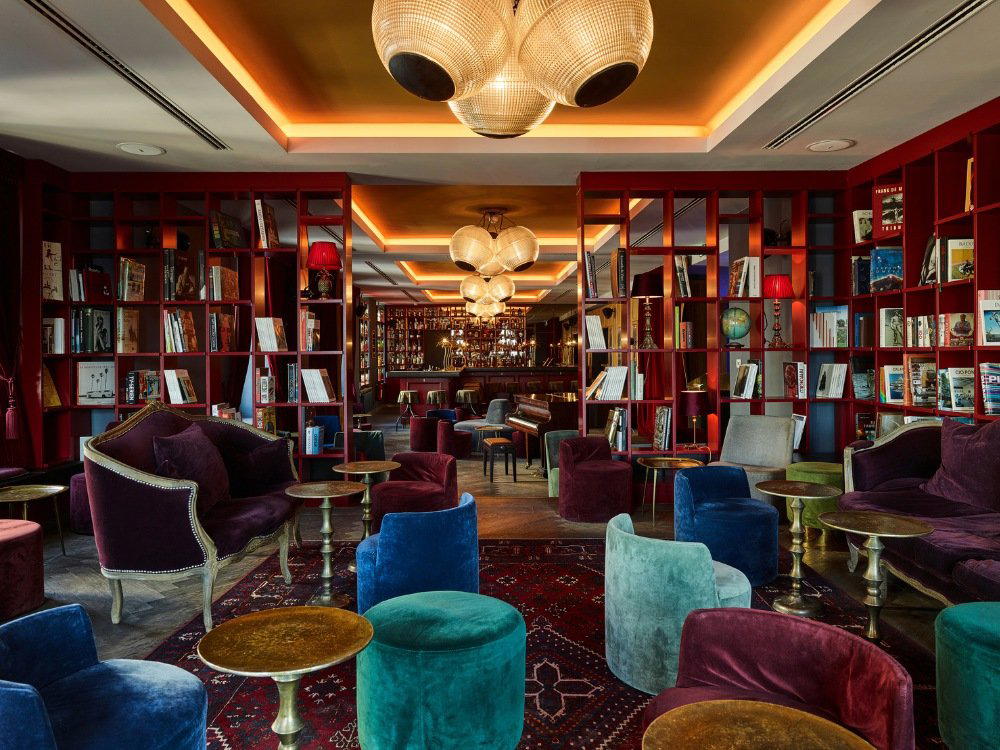
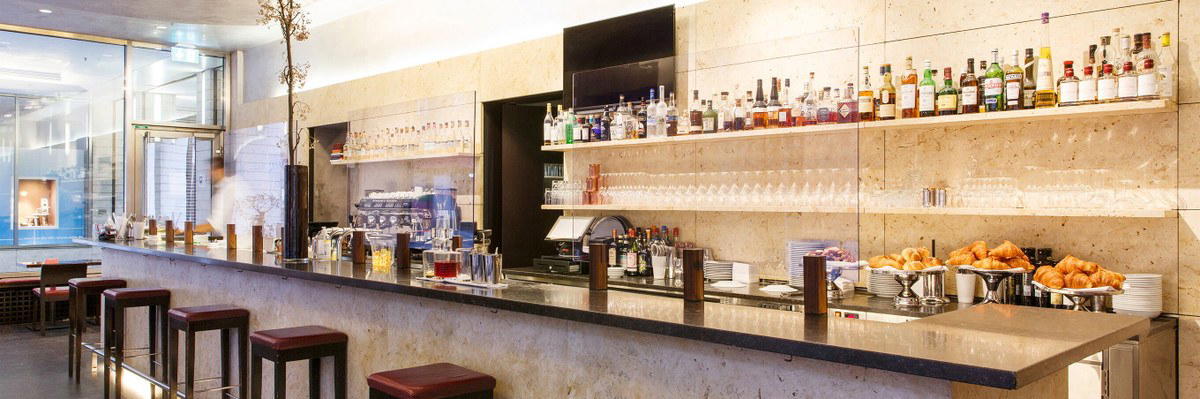
Restaurants in Starnberg
Browse all →
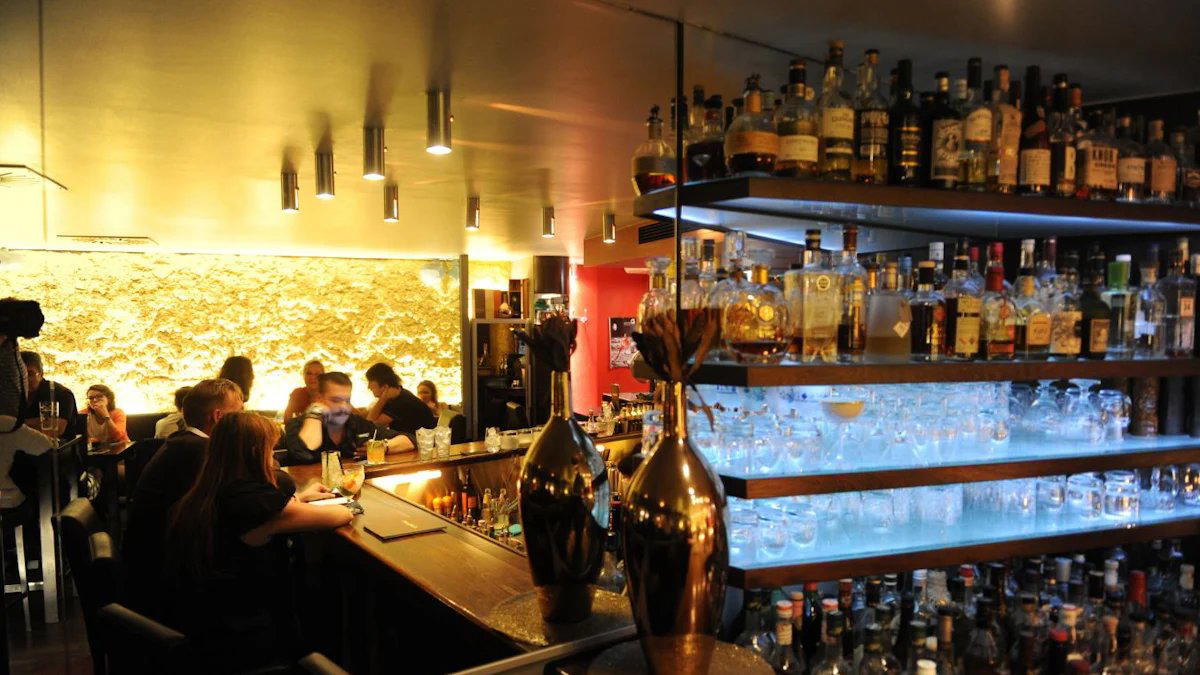
Bars in Starnberg
Browse all →
Hotels in Starnberg
Browse all →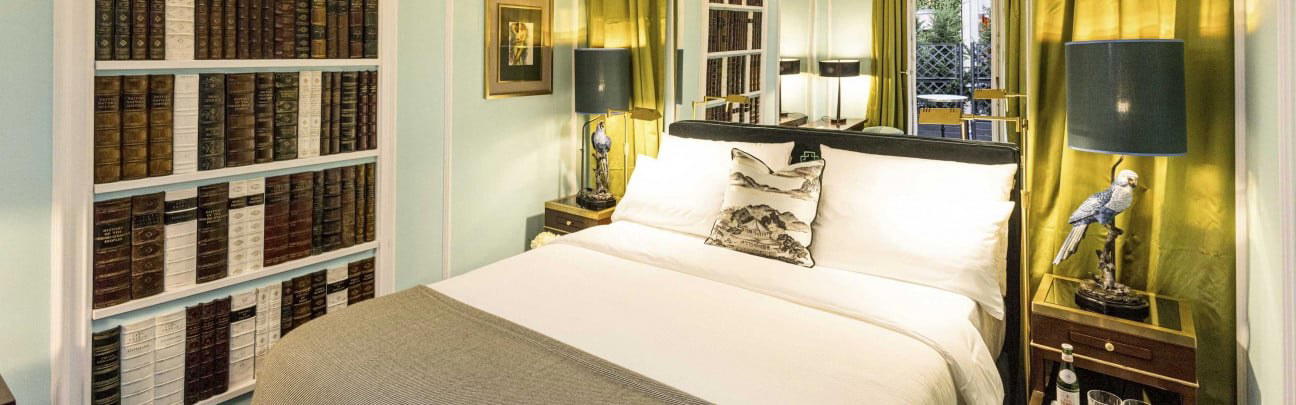


Wineries in Starnberg
Browse all →
At a Glance
- Elegant
- Cozy
- Romantic
- Modern
- Date Night
- Casual Hangout
- Group Dining
- Family
- Terrace
- Waterfront
- Standalone
- Craft Cocktails
- Sustainable Seafood
- Waterfront
Current opening hours
- Monday
- 5–10 PM
- Tuesday
- 5–10 PM
- Wednesday
- 5–10 PM
- Thursday
- 5–10 PM
- Friday
- 4–10 PM
- Saturday
- 4–10 PM
- Sunday
- 5–10 PM
Hours can change for holidays and private events. Last verified .
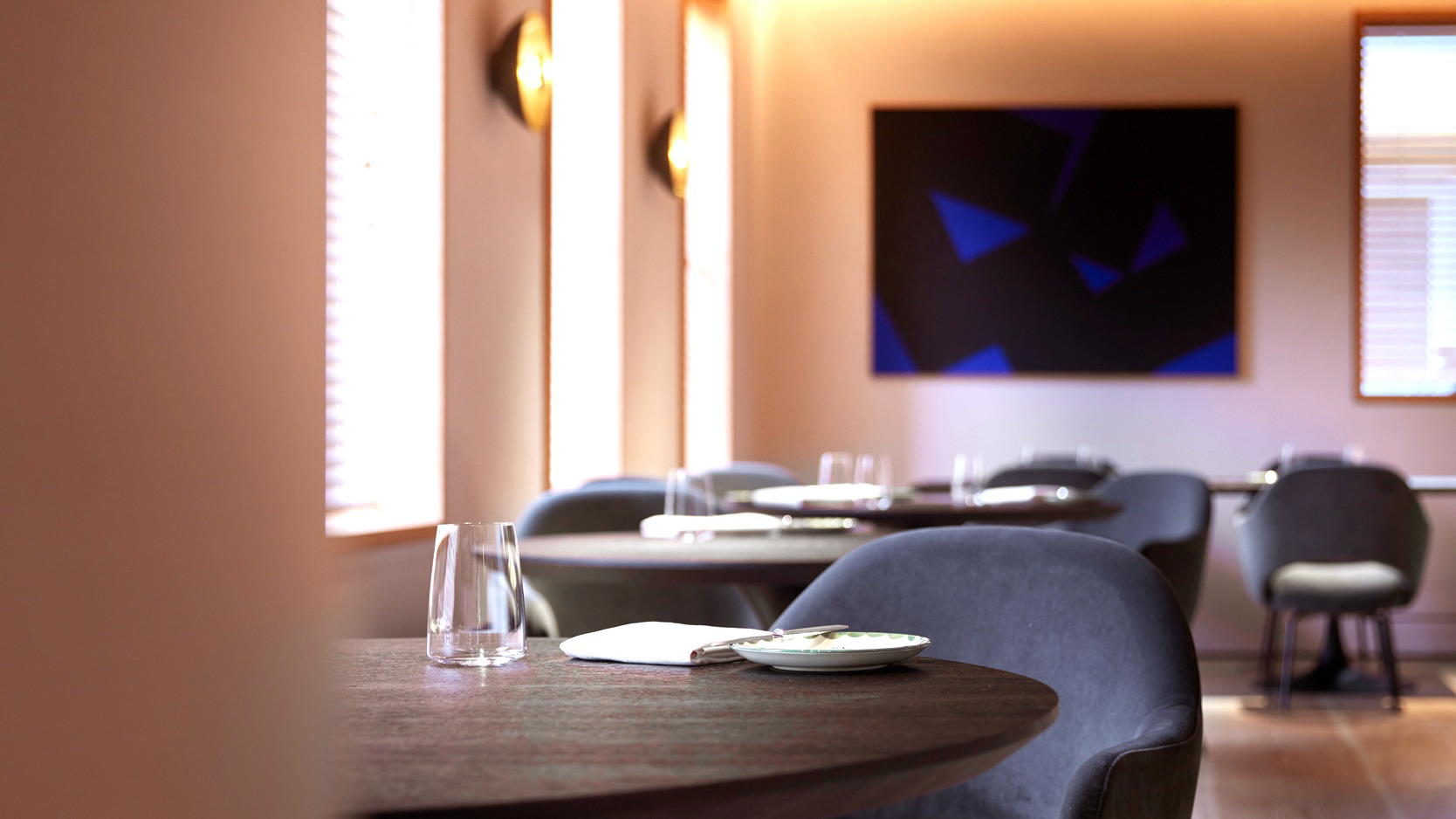
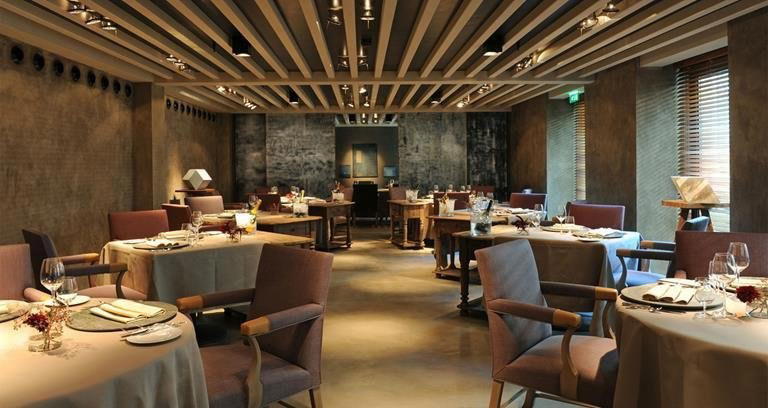
Stylish and comfortable with subtle lounge atmosphere; warm lighting and refined aesthetic; terrace seating available for sunset drinks.