A traditional Bavarian Gasthof on Schulstraße in Gilching, Gasthof zum Oberen Wirt represents the kind of rooted, community-anchored dining that anchors small-town Bavarian life. Where much of Germany's fine-dining conversation gravitates toward metropolitan tasting menus, this is the format that feeds the region daily: hearty, local, and tied to the agricultural rhythms of Upper Bavaria.
Pearl is the En Primeur Club membership app — saves, bookings, and concierge access live there. Same editors, same standards.
- Address
- Schulstraße 13, 82205 Gilching, Germany
- Phone
- +494981058517
- Website
- zumoberenwirt.de
- Directions
- Get directions
 Saves & bookings on Pearl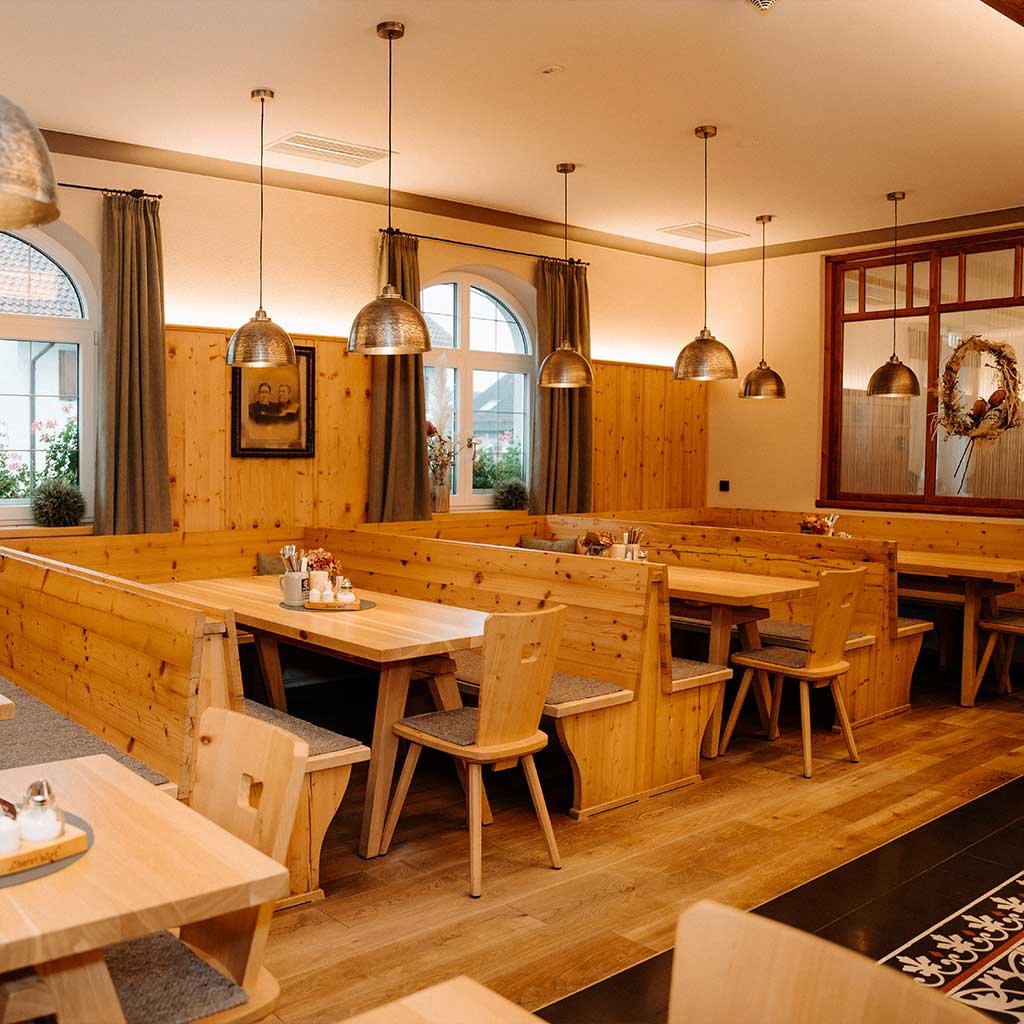
Where Gilching Eats Like Gilching
The Gasthof, as a format, predates the restaurant by several centuries in the German-speaking world. It was never conceived as a destination; it was conceived as a necessity — a place where travelers rested, where farmers gathered after the harvest, where the village conducted its social life over food and drink. Across Upper Bavaria, this format has survived the pressure of chain hospitality and urban migration, and in smaller communities like Gilching, the traditional Gasthof still functions as something closer to a community institution than a dining venue. Gasthof zum Oberen Wirt, located at Schulstraße 13 in central Gilching, operates within this tradition.
Gilching sits roughly 25 kilometres southwest of Munich, in a stretch of Upper Bavaria where the S-Bahn connection to the city has drawn residents outward without fully eroding the town's own identity. It is not a suburb in the dormitory sense. It has its own commercial centre, its own civic rhythm, and, crucially, its own dining culture. The Gasthof is part of that culture in a way that a modern restaurant concept would struggle to replicate quickly.
The Ingredient Argument for Regional Cooking
Upper Bavaria is one of Germany's most agriculturally coherent regions. The area around Gilching and the wider Fünfseenland district sits between dairy farmland, hop fields (Hallertau is not far north), and market gardens that have supplied Munich's markets for generations. This geography shapes what a Gasthof kitchen can plausibly put on the table without theatrical effort: pork from Bavarian farms, freshwater fish from nearby lakes, root vegetables, and dairy in quantities that make the region's cream-heavy, hearty cooking feel like an accurate expression of place rather than nostalgia.
This sourcing logic matters because it distinguishes the traditional Gasthof from two categories it is sometimes confused with: the tourist-facing Bavarian restaurant performing folklore for visitors, and the farm-to-table fine-dining operation making sourcing its own editorial statement. The Gasthof at its most functional does neither. It cooks with what is local because that is what has always been available and affordable at volume, and it serves it in a format built for regulars rather than one-time visitors. That distinction is meaningful, even if it rarely makes headlines. For a broader view of where Gilching dining sits across formats and price points, see our full Gilching restaurants guide.
The Physical Setting
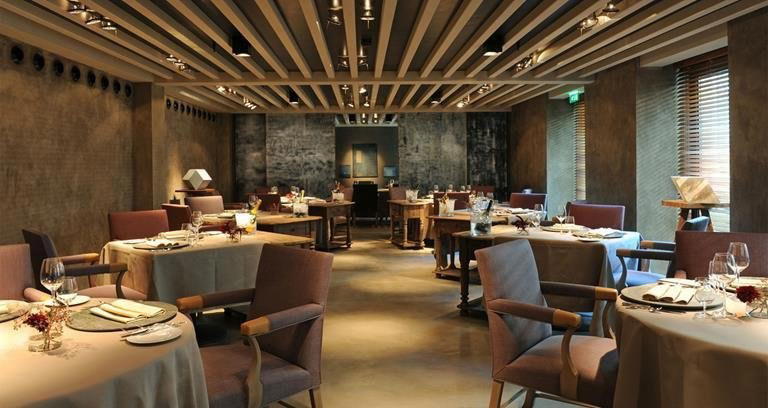
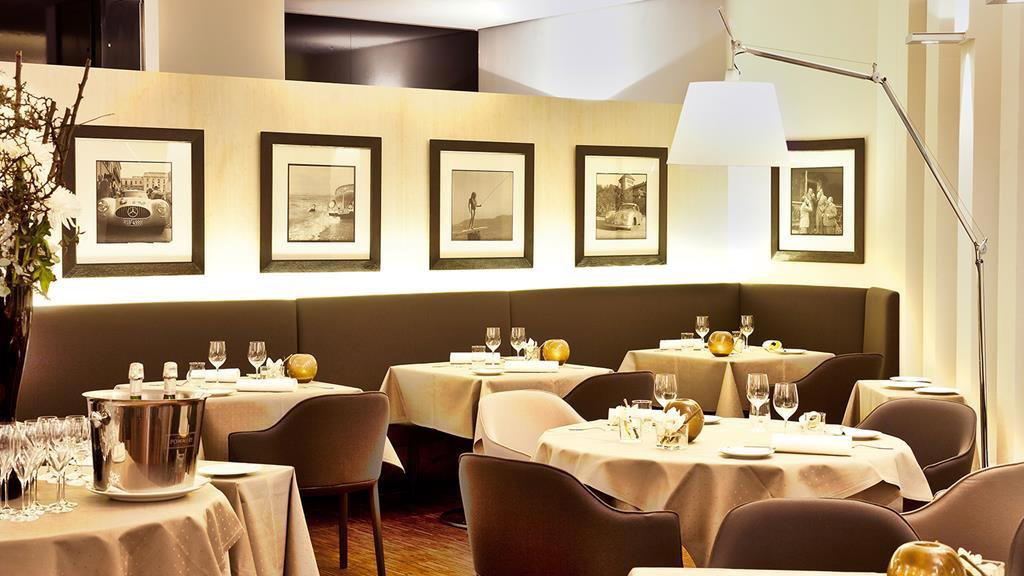
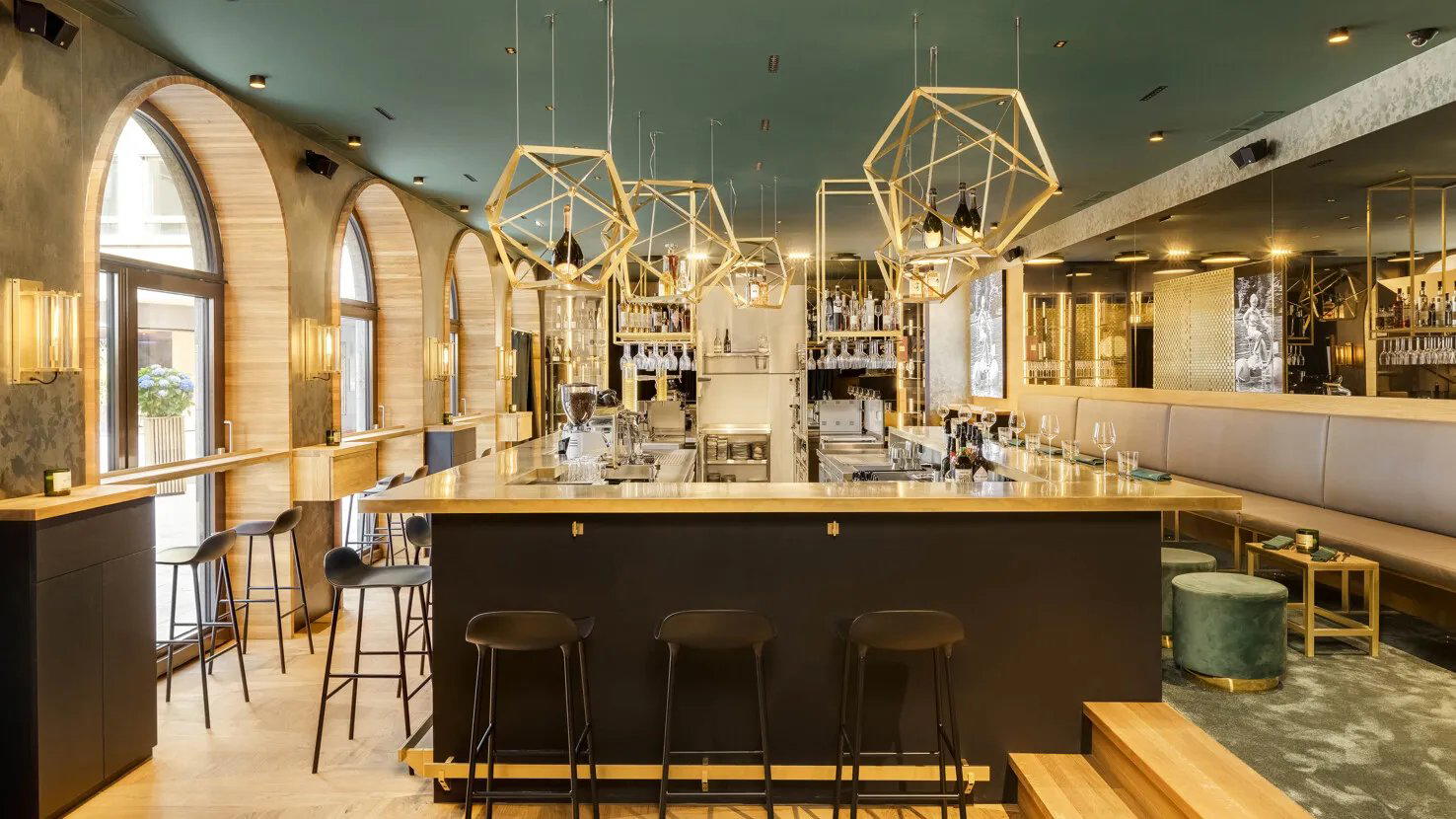
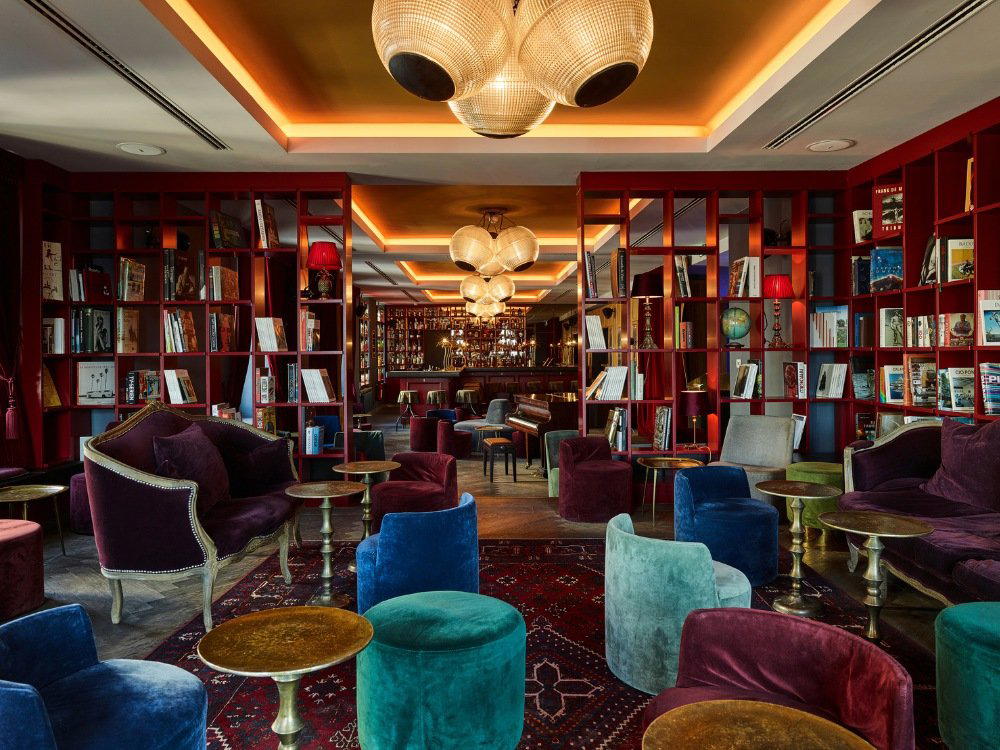
The Gasthof form carries recognizable architectural signals: a solid, often older building, frequently with a Wirtsgarten (beer garden) attached, interior spaces that prioritize capacity and practicality over atmospheric design, and a layout that separates the bar from the dining room without rigidly enforcing the division. These are not design choices in the contemporary sense. They are accumulated decisions made over decades, sometimes over a century, by people whose primary concern was function. The result, at its leading, is a room that feels genuinely used — worn into comfort rather than dressed for effect.
Approaching a Gasthof like this in a Bavarian market town, what you typically encounter is unhurried. There is no queue management system, no digital check-in, no background soundtrack tuned by a playlist curator. The sounds are the room itself: conversation, cutlery, the occasional burst of laughter from a regulars' table. For visitors accustomed to the high-specification environments of, say, JAN in Munich or the formal architecture of Schwarzwaldstube in Baiersbronn, the contrast is deliberate and informative. These are different formats answering different questions about what a meal is for.
Placing the Gasthof in Germany's Dining Range
Germany's restaurant conversation in international media concentrates heavily on its tasting-menu tier. Houses like Aqua in Wolfsburg, Vendôme in Bergisch Gladbach, and Victor's Fine Dining by Christian Bau in Perl represent a tier of cooking that operates in dialogue with French technique, global sourcing networks, and the Michelin guide's evaluation criteria. Below that, but structurally different rather than simply cheaper, sits Germany's Gasthof and Wirtshaus tradition, a format that has its own logic, its own metrics of success, and its own relationship to food production.
The critical difference is scale and frequency of use. A three-Michelin-star house like Waldhotel Sonnora in Dreis or Restaurant Haerlin in Hamburg is designed for occasions. A Gasthof is designed for Tuesday. That changes everything about what goes on the plate, how it is priced, who is cooking it, and who is eating it. For German dining culture, the Gasthof is not a lesser version of fine dining; it is a parallel system with different priorities, and in many rural and semi-rural communities, it is the more socially significant one.
For those exploring further afield in southern Germany, ES:SENZ in Grassau and Ösch Noir in Donaueschingen represent how the region's contemporary fine-dining properties have absorbed local ingredient logic into more technically ambitious formats. They share sourcing geography with a place like Oberen Wirt while deploying it toward entirely different ends.
Getting There and Planning Your Visit
Gilching is accessible from Munich via the S8 S-Bahn line, making it a direct day excursion or a stopping point for those exploring the Fünfseenland area, which includes the Ammersee and Starnberger See. The address, Schulstraße 13, places the Gasthof in the town's central residential and commercial zone, within walking distance of the station. For a venue of this type, calling ahead for a reservation on busier weekends and during local events is advisable, particularly if arriving as a larger group; Gasthöfe of this scale and community standing typically fill with regulars rather than walk-ins during peak times. Contact details should be confirmed locally, as operating hours follow the rhythm of the town rather than extended hospitality hours.
Those building a broader Gilching dining itinerary might also consider Trattoria Rusticone Gilching, which represents the Italian trattoria format that has become a fixture in Bavarian market towns alongside the traditional Wirtshaus.
How Gasthof zum Oberen Wirt Gilching compares with similar nearby venues.
| Venue | Cuisine | Price |
|---|---|---|
| Fürstenfelder | Contemporary | €€ |
At a Glance
- Cozy
- Rustic
- Classic
- Family
- Group Dining
- Casual Hangout
- Historic Building
- Terrace
- Beer Program
Current opening hours
- Monday
- 10 AM–11 PM
- Tuesday
- 10 AM–11 PM
- Wednesday
- Closed
- Thursday
- 10 AM–11 PM
- Friday
- 10 AM–11 PM
- Saturday
- 10 AM–11 PM
- Sunday
- 10 AM–11 PM
Hours can change for holidays and private events. Last verified .
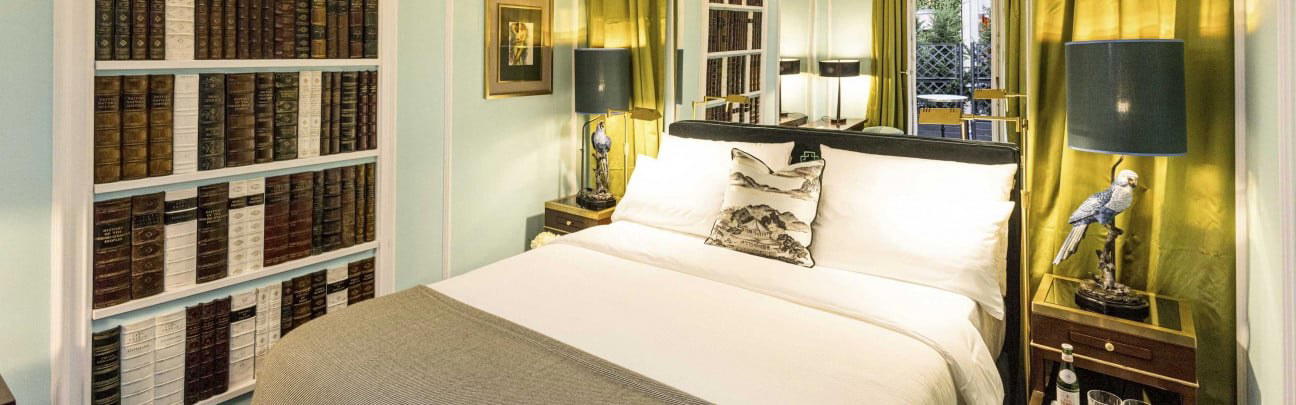
Gemütliche Gaststube with traditional yet not outdated decor, warm and welcoming atmosphere.