Restaurant Bachstelze
Restaurant Bachstelze serves Austrian with Mediterranean influences at Hotel Böhlerstern in Kapfenberg, with local sourcing and conversational pacing for lunch or dinner.
Pearl is the En Primeur Club membership app — saves, bookings, and concierge access live there. Same editors, same standards.
- Address
- Friedrich-Böhler-Straße 13, 8605 Kapfenberg, Austria
- Phone
- +433862206375
- Website
- bachstelze.at
- Directions
- Get directions
 Saves & bookings on Pearl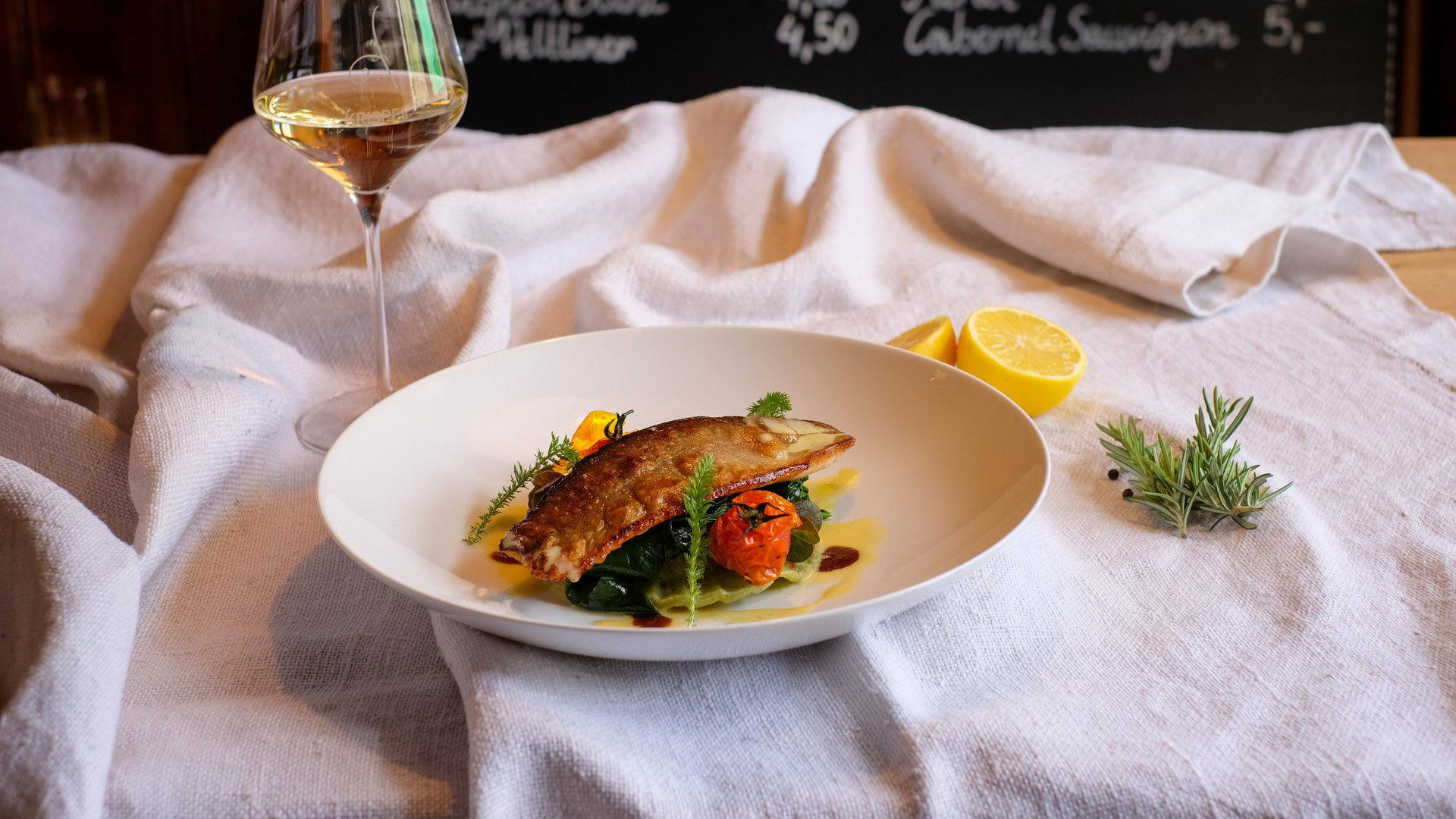
Kapfenberg's Dining Character and Where Bachstelze Sits Within It
Kapfenberg is a working industrial town in Styria's upper Mur valley, better known for steel production than restaurant culture. That context matters when reading the local dining scene: the restaurants that earn loyalty here do so not through destination theatre but through consistency and a genuine connection to the surrounding region's produce. Friedrich-Böhler-Straße, where Restaurant Bachstelze occupies number 13, sits within a part of the city that reflects this unpretentious character. Arriving on foot or by car, the approach is functional rather than scenic, which tends to set expectations in a useful direction. What you find inside typically defines whether a place in this tier of Austrian provincial dining is worth your time.
Styria as a food region is underappreciated relative to its output. The province grows some of Austria's most distinctive ingredients: pumpkin seed oil pressed from the Styrian oil pumpkin, which carries a protected designation of origin; Vulcano ham, air-dried in the volcanic foothills; and a broad range of cultivated and foraged produce from the forested hills that run east toward the Slovenian border. Restaurants operating in this region, whether in Graz or in smaller towns like Kapfenberg, have access to a sourcing ecosystem that peers in other parts of Austria often have to replicate through supply chains. That proximity to raw material is part of what gives Styrian cooking its particular weight and authority.
Sourcing and Ingredient Logic in Styrian Provincial Restaurants
The ingredient sourcing argument for Styrian restaurants rests on geography as much as philosophy. The compressed distance between farm, forest, and kitchen in towns like Kapfenberg means that what arrives on the plate tends to carry a seasonal specificity that larger urban restaurants can approach only with deliberate effort. Autumn in this part of Austria brings the pumpkin harvest, which shapes menus region-wide; spring produces asparagus from the southern Styrian flatlands; summer opens access to wild herbs and mushrooms from the hillside forests.
This regional specificity is a structural feature of Styrian cooking, not a trend adopted for marketing purposes. Restaurants like Döllerer in Golling an der Salzach and Kräuterreich by Vitus Winkler in Sankt Veit im Pongau have built recognised programs around ingredient provenance in comparable Austrian provincial settings, demonstrating that this approach is viable and credible well outside Vienna. At the summit of the Austrian dining register, Steirereck im Stadtpark in Vienna has for years anchored its reputation on precisely this kind of sourcing discipline, making the case nationally that Austrian ingredients merit serious culinary attention. What distinguishes smaller operations in towns like Kapfenberg is the absence of a destination-dining premium: the same raw materials, handled without the fanfare.
For comparison, the alpine dining circuit, Gourmetrestaurant Tannenhof in Sankt Anton am Arlberg, Griggeler Stuba in Lech, and Stüva in Ischgl, builds sourcing identity around altitude and season. Styrian restaurants build it around soil type, volcanic geology, and river valley agriculture. The two traditions are distinct, and Bachstelze sits firmly within the Styrian one.
The Atmosphere You Should Expect
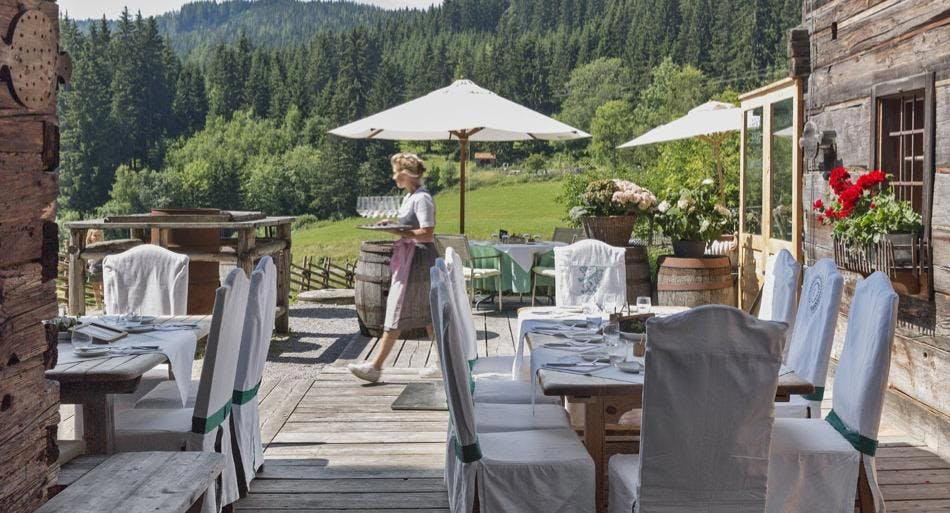
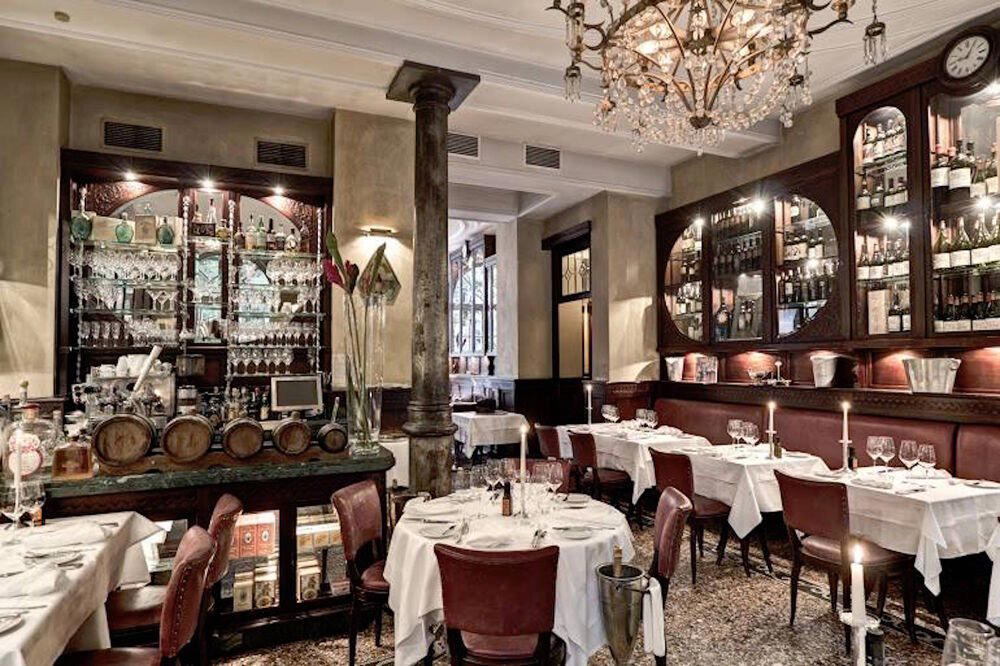
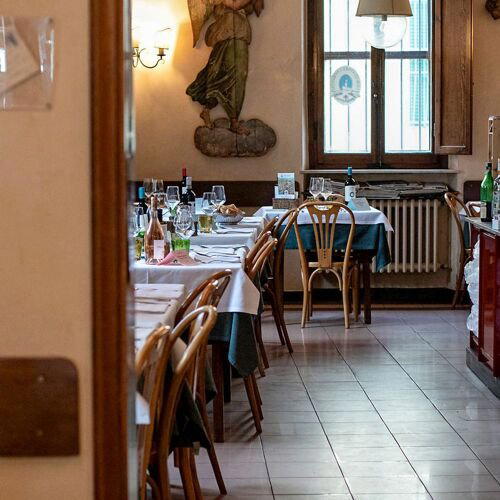
Austrian provincial restaurants in the Bachstelze price and style bracket tend toward a settled, unhurried atmosphere that is distinct from both the polish of Vienna's formal dining rooms and the ski-season energy of alpine restaurants. The Styrian interior vernacular leans toward warm materials, modest scale, and a sense of purpose: people come to eat, not to be seen. In a town like Kapfenberg, where the dining audience is predominantly local rather than tourist, the room tends to carry a regulars' comfort that is harder to engineer in high-traffic destinations.
If you are coming from Graz, the journey northeast along the Mur takes roughly 45 minutes by regional train or a similar time by car on the S6 corridor. Visitors to Artis in Graz looking to extend their Styrian eating across a day trip will find Kapfenberg accessible without an overnight stay, though the town offers accommodation for those combining the meal with a broader Upper Styria itinerary.
The atmosphere at restaurants in this register is best approached without assumptions borrowed from international fine dining comparisons. It is worth noting how differently atmosphere functions in restaurants like Le Bernardin in New York City or Atomix in New York City, where the room itself is part of the constructed dining proposition. In Kapfenberg, the room serves the meal rather than the reverse.
Bachstelze in the Broader Austrian Regional Dining Map
Austrian regional dining outside the major cities has consolidated around two broad models over the past decade. The first is the destination-restaurant format, where the restaurant itself justifies a journey: Obauer in Werfen, Landhaus Bacher in Mautern an der Donau, and Taubenkobel in Schützen am Gebirge each operate in this tier, drawing diners who plan trips around the table. The second model is the locally-embedded restaurant that earns its standing through repeated visits by a regional clientele, with occasional discovery by travellers passing through.
Bachstelze operates in the second model's territory. This is not a criticism; it is a category definition. The restaurants in this tier often carry significant knowledge of local ingredient networks and are capable of cooking that matches destination peers on technique and material quality, without the accompanying price premium or booking difficulty. For a reader already in Kapfenberg or planning to be in the area, this is the relevant comparison to hold.
For further context on how other Austrian restaurants in comparable smaller-town settings have built their programs, see Ois in Neufelden, Atelier Fischer in Sankt Gilgen, and Schwarzer Adler in Hall in Tirol, each of which has built recognisable identity in towns that receive far less dining press than Vienna or Salzburg. Ikarus in Salzburg and Restaurant 141 by Joachim Jaud in Mieming represent the more destination-facing end of the Austrian non-Vienna spectrum for further comparison.
Planning Your Visit
Bachstelze is located at Friedrich-Böhler-Straße 13 in Kapfenberg's central area, reachable by regional rail from Graz (Kapfenberg station is on the main line northeast). Bachstelze is recommended for reservations, and the kitchen is open Monday to Friday from 7 AM to 9 PM, with Saturday and Sunday closed.
Side-by-Side Snapshot
Comparable venues nearby, for context on price, style, and recognition.
| Venue | Cuisine | Price | Notes |
|---|---|---|---|
| Restaurant BachstelzeThis venue — the venue you are viewing | Austrian with Mediterranean Influences | $$ | Not listed |
| DELIKATERIE | Modern Austrian Bistro | $$ | Bad Gleichenberg |
| trude & töchter | Modern Viennese | $$ | Staatsoper |
| Krennmayers | Classic Austrian with Mediterranean Touches | $$ | city center |
| Tancredi | Modern Austrian-Mediterranean | $$ | Wieden |
| Ludwig & Adele | Modern Austrian | $$ | Staatsoper |
Continue exploring
More in Kapfenberg
Restaurants in Kapfenberg
Browse all →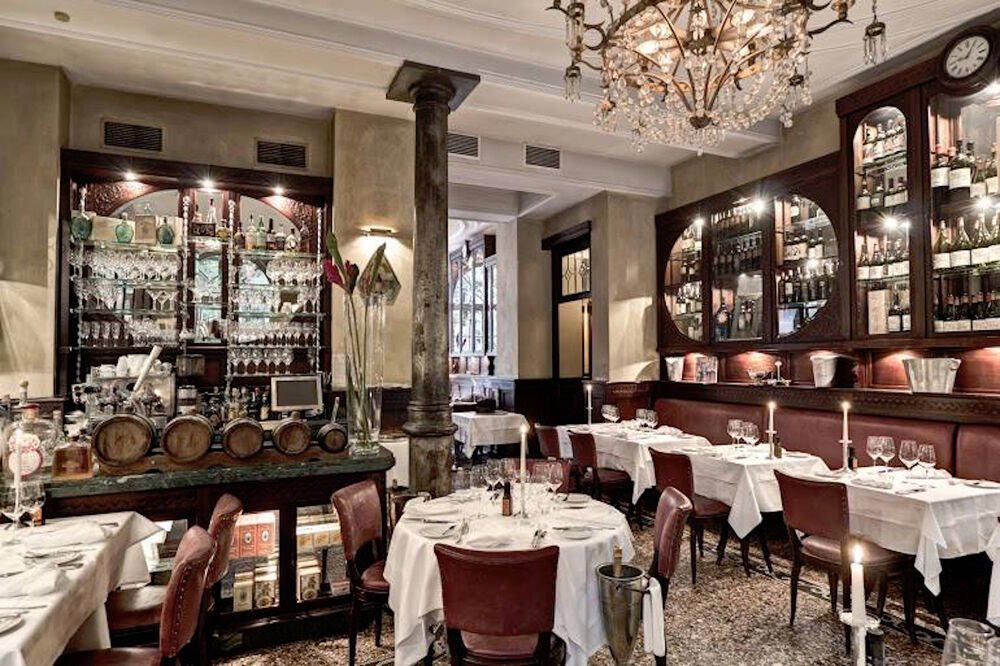

Bars in Kapfenberg
Browse all →

Hotels in Kapfenberg
Browse all →
Wineries in Kapfenberg
Browse all →
At a Glance
- Cozy
- Elegant
- Brunch
- Business Dinner
- Hotel Restaurant
- Private Dining
- Local Sourcing
Current opening hours
- Monday
- 7 AM–9 PM
- Tuesday
- 7 AM–9 PM
- Wednesday
- 7 AM–9 PM
- Thursday
- 7 AM–9 PM
- Friday
- 7 AM–9 PM
- Saturday
- Closed
- Sunday
- Closed
Hours can change for holidays and private events. Last verified .
Elegant and cosy ambience with culinary flights of fancy.