Krennmayers occupies a address on Rathausgasse in Baden bei Wien, placing it within a compact town centre where Biedermeier architecture and spa-town tradition shape the expectations diners bring through the door. Baden's restaurant scene sits between Vienna's fine-dining orbit and the Wachau wine corridor, giving it a distinct regional character that rewards exploration.
Pearl is the En Primeur Club membership app — saves, bookings, and concierge access live there. Same editors, same standards.
- Address
- Rathausgasse 3, 2500 Baden, Austria
- Phone
- +432252253263
- Website
- krennmayers.at
- Directions
- Get directions
 Saves & bookings on Pearl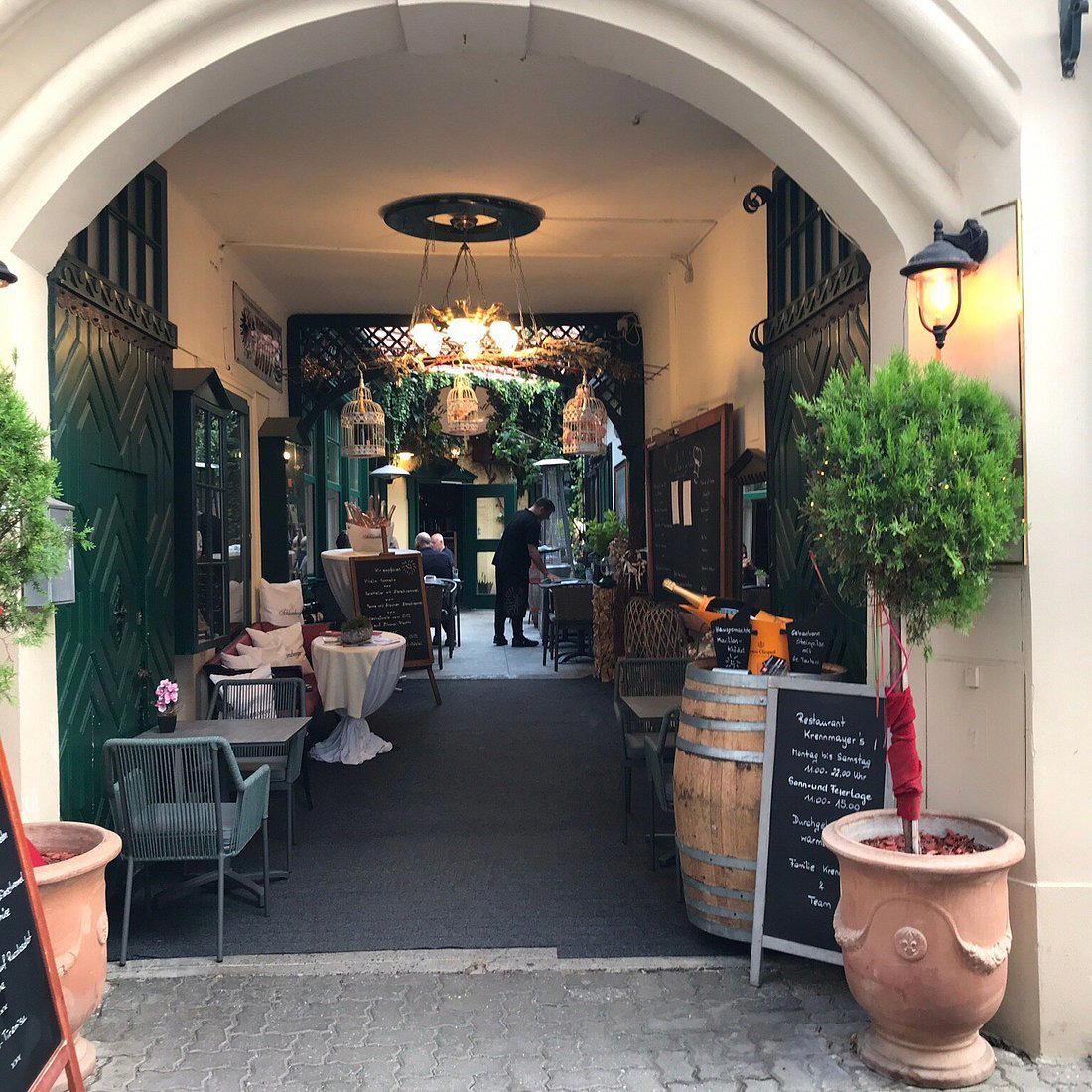
Baden bei Wien and the Weight of a Spa Town Address
Rathausgasse 3 is not a neutral address. Baden bei Wien's central lanes were laid out for a bourgeoisie that came to take the sulphur waters and stayed for the theatre and the Heuriger. The architecture is Biedermeier-restrained, the street scale is intimate, and the cultural expectation placed on restaurants here differs markedly from Vienna's Innere Stadt. A dining room on Rathausgasse is, implicitly, in conversation with that history: the spa-town tradition of long, ceremonious meals, the expectation of regional produce, the gravitational pull of Lower Austrian wine. Krennmayers is a restaurant serving Classic Austrian with Mediterranean Touches at Rathausgasse 3 in Baden, Austria, with. Krennmayers sits inside that frame before a single dish reaches the table.
Baden bei Wien occupies a specific position in Austria's dining geography. It is close enough to Vienna, roughly 26 kilometres south, to draw day-trippers and weekend visitors from the capital, yet far enough to have developed its own hospitality identity rooted in the Wienerwald and the northern edge of Thermenregion wine country. That proximity creates a competitive dynamic: restaurants in Baden price and programme against Vienna's mid-to-upper tier, while also serving a local clientele with deep familiarity with the region's seasonal rhythms. The result is a scene that rewards specificity over spectacle.
Where Krennmayers Sits in the Baden Restaurant Picture
Baden's current restaurant offering spans a meaningful range. At the upper end of modern technique, Le Gavrinis operates a contemporary cuisine programme at the €€€ price point, positioning itself as the town's clearest fine-dining signal. More casual registers are covered by Amterl and ArteMia, while the Casino Restaurant Baden brings a particular occasion-dining atmosphere tied to its setting. For something lighter, the Crêperie La Goélette represents the kind of informal European street-food tradition that has found a natural home in spa-town pedestrian zones across Austria and Germany. Krennmayers enters this picture from a central address that suggests mid-tier positioning, consistent with its $25 per person price point. For a fuller map of what the town offers, the EP Club Baden restaurants guide covers the field in detail.
The Austrian Regional Tradition Krennmayers Inherits
Lower Austria's culinary identity is built around a set of deeply embedded practices: the use of Marchfeld vegetables from the alluvial plains east of Vienna, freshwater fish from the Danube system, game from the Wienerwald, and wine from the Thermenregion and Wachau appellations that bracket the region on either side. These are the supply lines that have shaped what Austrian restaurants at this latitude serve and how they price. A restaurant on Rathausgasse in Baden stands in the middle of that supply network, closer to its sources than any Vienna address.
The Viennese tradition of the Bürgerliche Küche, middle-class cooking that refined everyday ingredients through technique rather than luxury imports, remains a reference point for Austrian regional restaurants at every level. It explains why restraint and product quality tend to outrank theatrical presentation in the regional dining culture, and why a well-executed Tafelspitz or a precise Wiener Schnitzel can carry as much critical weight here as a modernist tasting menu. Internationally, Austrian regional cooking has received sustained attention: Steirereck im Stadtpark in Vienna holds two Michelin stars and regularly appears in the World's 50 Best conversation, while Landhaus Bacher in Mautern an der Donau has maintained long-term Michelin recognition as a benchmark for regional fine dining along the Danube. Obauer in Werfen and Döllerer in Golling an der Salzach demonstrate how intensely regional sourcing and Michelin-level ambition coexist in Austria's provincial dining circuit. That broader national context is useful for understanding the local dining standard.
Further afield within Austria's alpine and sub-alpine dining circuit, addresses like Gourmetrestaurant Tannenhof in Sankt Anton am Arlberg, Griggeler Stuba in Lech, Ikarus in Salzburg, Kräuterreich by Vitus Winkler in Sankt Veit im Pongau, Ois in Neufelden, and Restaurant 141 by Joachim Jaud in Mieming collectively illustrate how distributed and regionally specific Austria's serious restaurant tier has become. Baden's proximity to Vienna situates it differently from those alpine addresses, but the same appetite for grounded, product-led cooking runs across all of them.
What the Spa-Town Setting Does to a Restaurant
Spa towns shape the rhythm of restaurants. Baden bei Wien has long attracted visitors with time on their hands: guests at the thermal baths, audiences for the summer operetta season, walkers in the Helenental valley. That visitor profile has historically supported a style of hospitality that privileges unhurried service and multi-course formats over quick covers and aggressive turnover. It is a different pressure than the lunch-trade urgency of an urban dining room, and it tends to produce a different kind of atmosphere: quieter, more deliberate, with a pace that suits long wine lists anchored in Thermenregion Rotgipfler and Zierfandler, or Wachau Grüner Veltliner brought in from producers forty-five minutes north along the A22.
That wine geography is worth underscoring for visitors arriving from outside Austria. The Thermenregion, whose northern boundary runs close to Baden itself, produces white wines from autochthonous varieties that are almost entirely absent from international markets. A restaurant on Rathausgasse that sources locally can put glasses on the table that a diner would be hard-pressed to find in London, New York, or Tokyo, a contrast worth considering against the globally calibrated wine programmes at addresses like Le Bernardin in New York City or Atomix in New York City.
Planning a Visit to Krennmayers
Krennmayers is located at Rathausgasse 3 in Baden bei Wien's pedestrianised town centre, walkable from the main Kurpark and the Josefsplatz within a few minutes. Baden is served by the Badner Bahn light rail from Vienna's Oper/Karlsplatz terminus, with a journey time of approximately 55 minutes, making it a practical half-day or full-day excursion from the capital. Krennmayers is open Mon to Sat from 10 AM to 10 PM and Sun from 10 AM to 3 PM. Reservations are recommended.
Booking and Cost Snapshot
Comparable venues nearby, for context on price, style, and recognition.
| Venue | Cuisine | Price | Notes |
|---|---|---|---|
| KrennmayersThis venue — the venue you are viewing | Not listed | $$ | Not listed |
| Kostbar | Weingarten, Modern Mediterranean Cuisine | $$$ | Not listed |
| Le Rendez-vous | Baden bei Wien, French Fine Dining | $$$$ | Not listed |
| Marktamt | Baden bei Wien, Seafood & Mediterranean | $$$ | Not listed |
| Restaurant Rudolfshof | Not listed | $$ | Gaminger Berg, Traditional Austrian Home-Style |
| Casino Restaurant Baden | Centre, Austrian Fine Dining | $$$ | Not listed |
Continue exploring
More in Baden
Restaurants in Baden
Browse all →![[aend] restaurant in Vienna](https://cdn.enprimeurclub.com/storage/v1/object/public/images/locations/recsVyRkMfzCxPmp0/hero2.jpg?width=3840&quality=75)
Bars in Baden
Browse all →

Hotels in Baden
Browse all →
At a Glance
- Cozy
- Classic
- Date Night
- Group Dining
- Family
- Courtyard
Current opening hours
- Monday
- 10 AM–10 PM
- Tuesday
- 10 AM–10 PM
- Wednesday
- 10 AM–10 PM
- Thursday
- 10 AM–10 PM
- Friday
- 10 AM–10 PM
- Saturday
- 10 AM–10 PM
- Sunday
- 10 AM–3 PM
Hours can change for holidays and private events. Last verified .
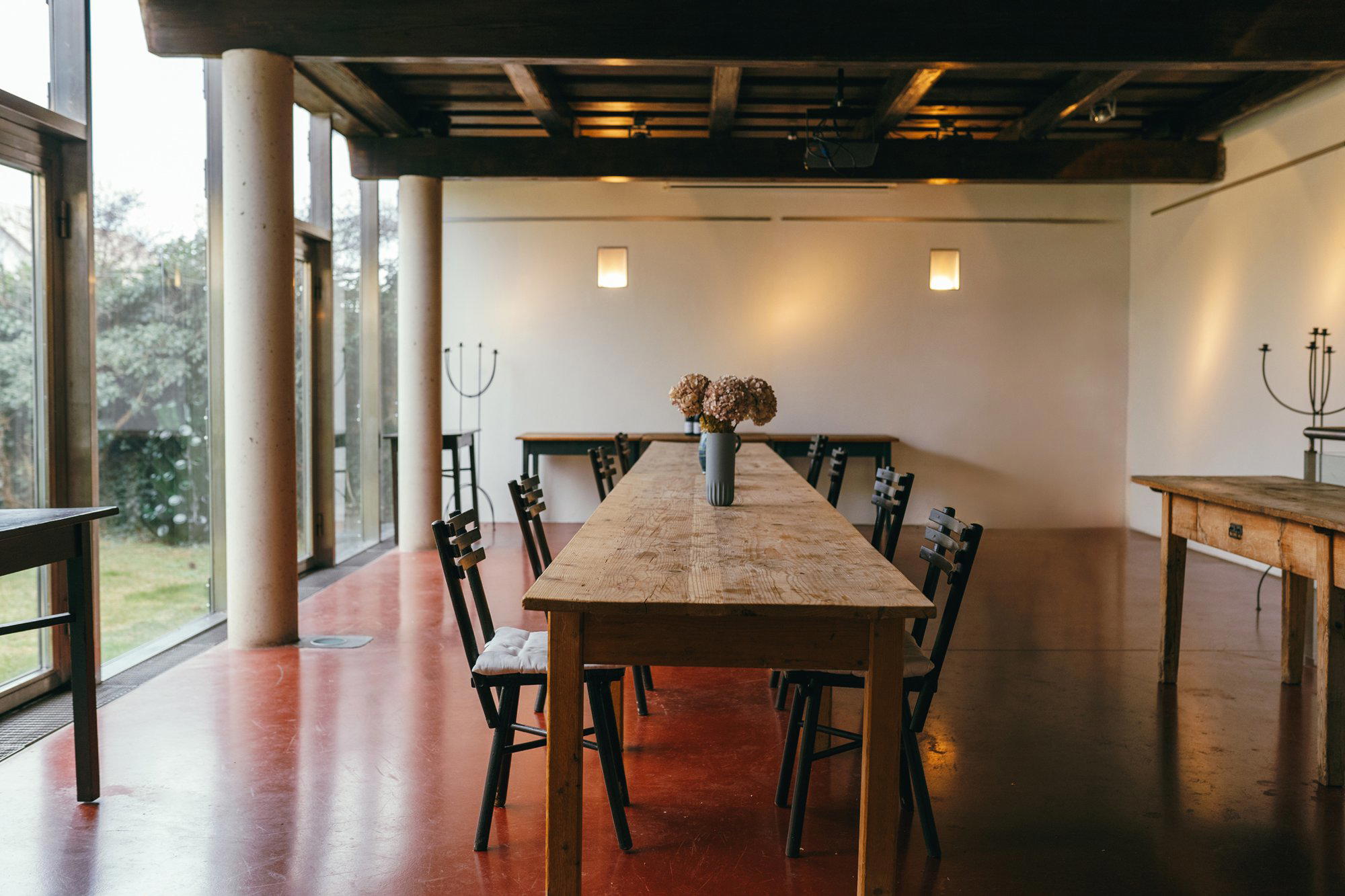
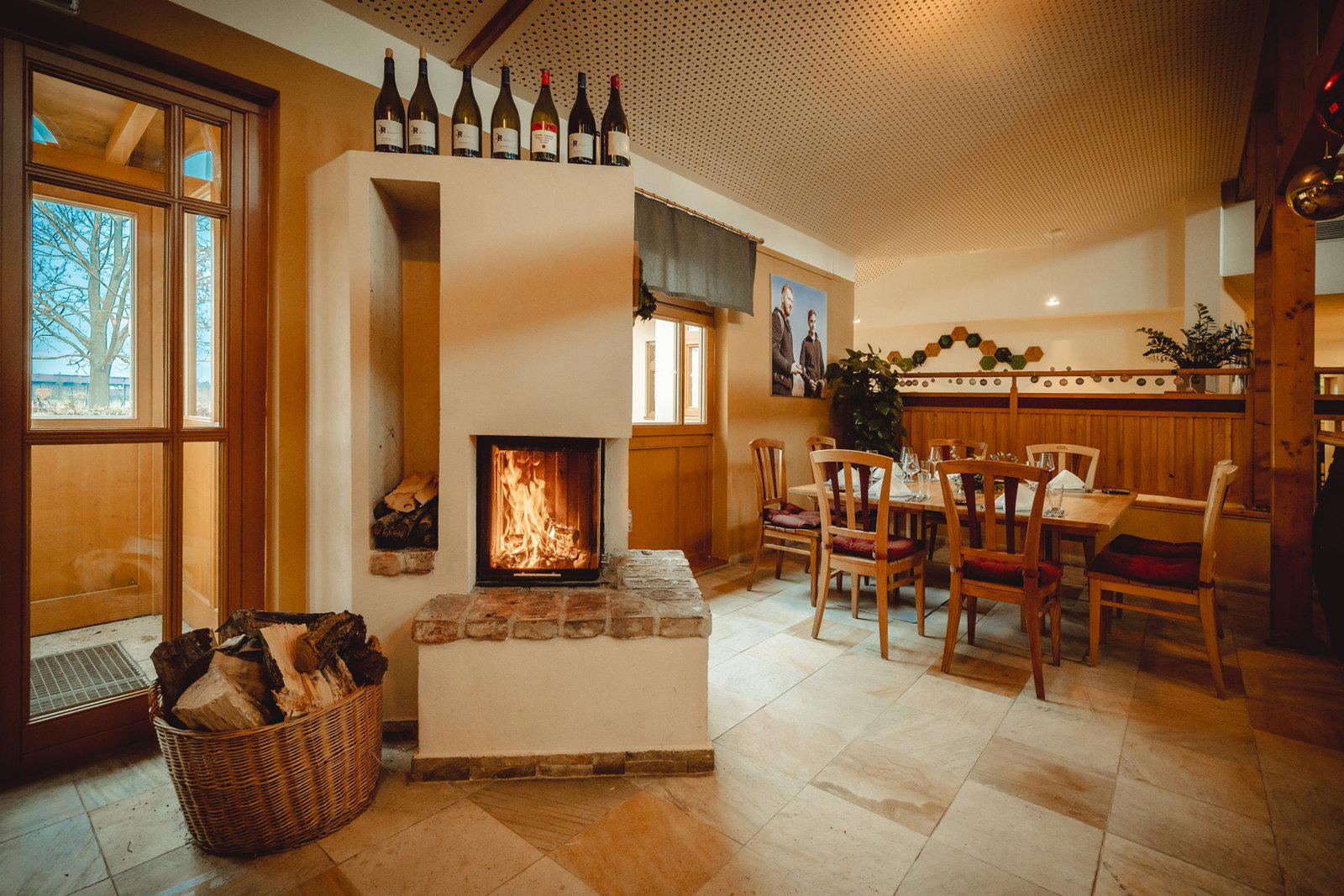
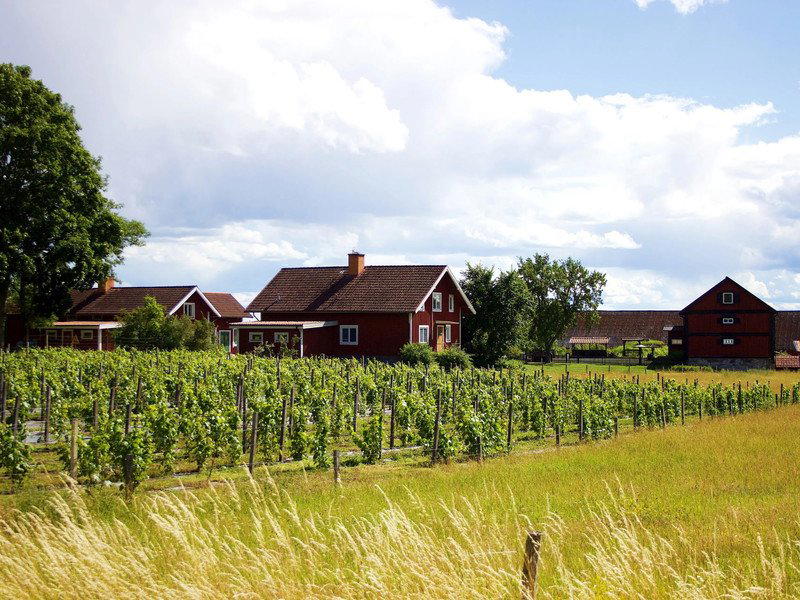
Relaxed and welcoming with a cozy garden atmosphere praised for its appeal.