Restaurant Azucena Zapoteca
Our verdict
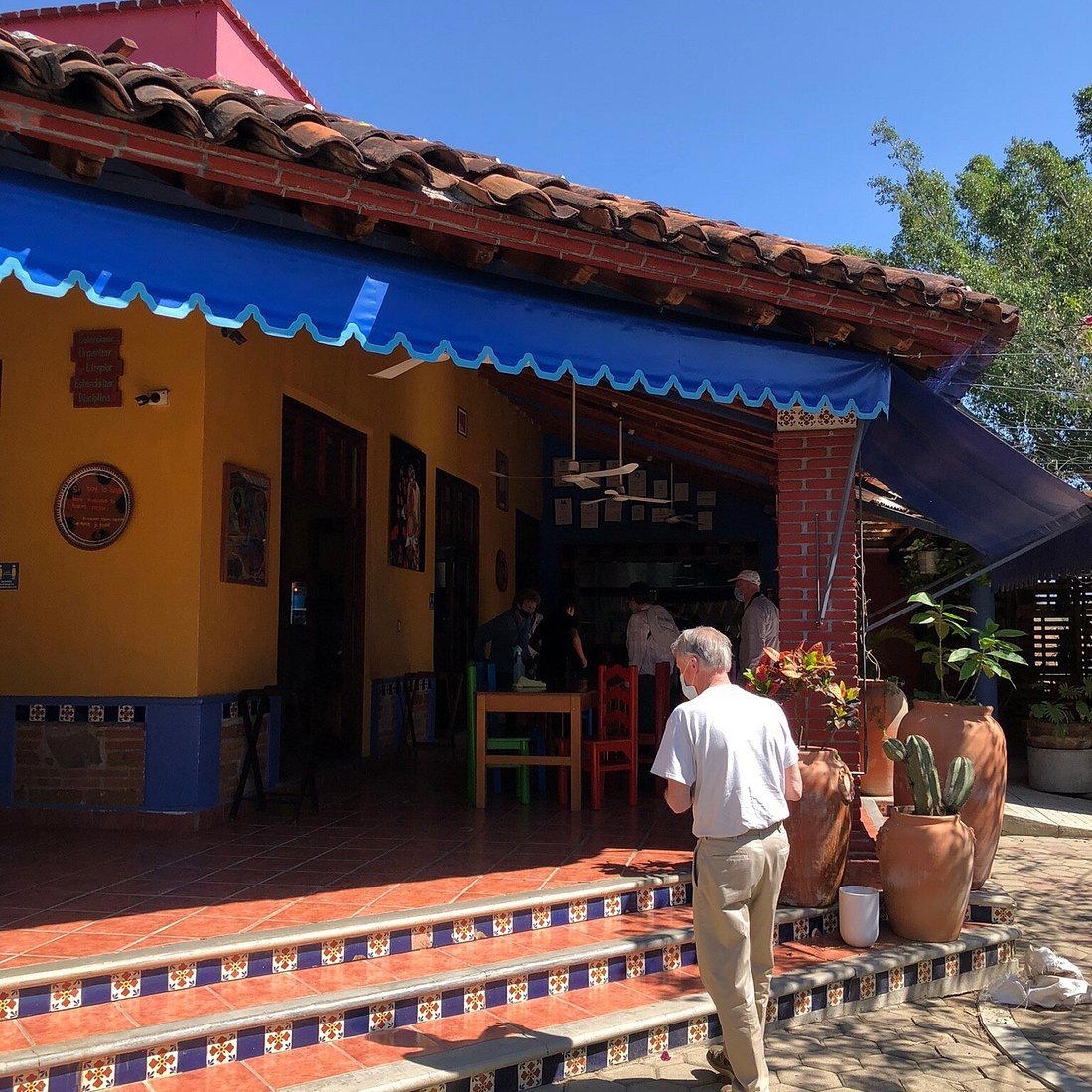
Situated along the Oaxaca–Puerto Ángel highway at the edge of San Martín Tilcajete, Restaurant Azucena Zapoteca draws on the deep culinary inheritance of the Central Valleys rather than the tourist circuit of Oaxaca city. The kitchen works within a tradition where the sourcing radius and the cultural identity of the cuisine are essentially the same thing — Zapotec cooking made from Zapotec land.

Pearl is the En Primeur Club membership app — saves, bookings, and concierge access live there. Same editors, same standards.
- Address
- Oaxaca - Puerto Angel km 23.5, 71506 San Martín Tilcajete, Oax., Mexico
- Phone
- +52 951 253 5971
- Hours
- Daily 8 AM–6 PM
- Website
- azucenazapoteca.com
- Directions
- Get directions
The menu
What to order
- Chili en Nogales
- Enmoladas
- Costillas al Horno
Where the Road Meets the Valley Kitchen
The Oaxaca–Puerto Ángel highway (km 23.5) is not a dining corridor most visitors plan around. It moves quickly through the Central Valleys, past carved-wood workshops and milpa fields, and most travelers treat it as a transit route between the state capital and the coast. Restaurant Azucena Zapoteca sits along this stretch, in the village of San Martín Tilcajete — a place better known internationally for its alebrijes than for its food. That geography matters. Dining here is not a detour from Oaxacan cuisine; it is, in many respects, closer to the source of it. For more context on what the broader region offers at the table, see our full San Martin Tilcajete restaurants guide.
Zapotec Cooking and the Logic of Place
The Central Valleys have sustained Zapotec agricultural and culinary traditions for millennia. The crops that define the regional table — corn in its dozens of native varieties, black beans, chiles like pasilla negro and chilhuacle, wild greens, tomatillos, squash, are not imported into this kitchen from elsewhere. They grow within the immediate geography of San Martín Tilcajete and the surrounding valleys. That sourcing proximity is not a marketing position; it is the structural condition of how cooking has worked in this region for generations before restaurant culture existed.
This stands in contrast to the dynamic at higher-profile addresses in Oaxaca city, where the language of local sourcing often accompanies menus that aggregate ingredients from across the state or beyond. Restaurants like Levadura de Olla Restaurante in Oaxaca operate within the city's more developed dining infrastructure, where the sourcing conversation is more explicitly curated for a cosmopolitan audience. At a village-road kitchen like Azucena Zapoteca, the sourcing is simply the default, a function of where you are, not a choice layered on top of the cooking.
Mexico's broader wave of ingredient-forward, regionally anchored restaurants, from Pujol in Mexico City to Animalón in Valle de Guadalupe, has made native corn, heirloom chiles, and traditional fermentation central to the national conversation about what Mexican cooking can be. But much of that conversation happens at price points and in formats far removed from the roadside comedores and village kitchens where those ingredients were always being used. Azucena Zapoteca occupies the earlier part of that chain.
The Character of the Setting
San Martín Tilcajete has the unhurried texture of a working craft village. The main street carries foot traffic between the artisan workshops where the brightly painted animal figures are carved and lacquered, and the pace of the town is dictated by local rhythms rather than tourist programming. A restaurant along the highway here is not performing rusticity for visitors, it exists within it. The physical environment around km 23.5 is open valley, with the Sierra Juárez in the distance and agricultural land close to the road. Eating here means sitting within that landscape rather than looking at photographs of it on a menu.
That register of dining, unhurried, spatially grounded, without the ambient self-consciousness of a destination restaurant, is increasingly rare in Mexico's more-visited culinary destinations. Compare the setting to the designed environments at places like Arca in Tulum or Le Chique in Puerto Morelos, both of which use physical atmosphere as part of a premium proposition. The atmosphere at Azucena Zapoteca is unreconstructed, which is either exactly what you are looking for or something you should know before making the drive.
Ingredient Sourcing as Cultural Continuity
Zapotec cuisine is not a monolith. It varies by microclimate, by altitude, by which sierra or valley a community sits in, and by the ceremonial calendar that shapes when certain foods are made. The Central Valleys tradition, which San Martín Tilcajete belongs to, centers black mole, tlayudas, memelas, tasajo, and the fermented corn drinks and chocolate preparations that run through Oaxacan life at every level. These are not dishes invented for restaurants. They move between home kitchens, market stalls, village celebrations, and roadside fondas in a continuous, overlapping circuit.
When a restaurant operates in this environment and draws on local supply, the sourcing question becomes less about provenance certificates and more about cultural continuity. The dried chiles come from the market in Ocotlán or from a grower a few kilometers away. The corn may be ground at a nearby molino. The cheese arrives from producers in the Etla Valley. This distributed, informal supply chain is how the Central Valleys have fed themselves for centuries, and it produces cooking that tastes specifically of this place in a way that deliberate sourcing programs at urban restaurants approximate but rarely replicate.
For comparison, kitchens like KOLI Cocina de Origen in Monterrey, Alcalde in Guadalajara, and Olivea Farm to Table in Ensenada have built explicit regional-sourcing identities as a point of culinary differentiation in their markets. In each case, that identity is constructed and communicated. In a village kitchen along the Oaxaca–Puerto Ángel road, the regional sourcing identity precedes the restaurant, it is the condition the kitchen inherits.
Planning a Visit
San Martín Tilcajete is roughly 25 kilometers south of Oaxaca city on the road toward Puerto Ángel, making it a logical stop on any drive toward the coast or a half-day excursion from the capital. The village is small and the highway frontage at km 23.5 is not difficult to locate, though visitors accustomed to mapped booking systems and confirmed reservations should calibrate expectations: the restaurant operates within the informal structures typical of village dining in the Central Valleys, where walk-in timing and local rhythms govern the experience more than advance reservation systems. Phone and website information are not publicly listed, which means the most reliable approach is arriving with flexibility built into the day. Pairing the meal with a visit to the alebrije workshops, San Martín Tilcajete is among the handful of villages that originated the form, makes the logistics of the detour easier to justify. Those coming from further afield and comparing against other experiences on Mexico's culinary map might also find Huniik in Merida, HA' in Playa del Carmen, or Casa Barroca in Puebla useful reference points for understanding where village-tradition cooking sits relative to Mexico's more formally positioned regional restaurants.
Frequently asked questions
Would Restaurant Azucena Zapoteca be comfortable with kids?
San Martín Tilcajete is a working craft village with an unhurried pace, and a roadside stop at km 23.5 on the Oaxaca–Puerto Ángel highway is generally a low-pressure environment suited to families on a drive through the Central Valleys. Zapotec cooking is rooted in corn, beans, and local produce — familiar building blocks that tend to work across generations.
What should I expect atmosphere-wise at Restaurant Azucena Zapoteca?
The setting is San Martín Tilcajete, a village known for its alebrije woodcarving workshops and foot traffic between artisan studios along the main street. At km 23.5 on the Oaxaca–Puerto Ángel road, the restaurant sits where the highway moves through the Central Valleys rather than in a curated dining district, giving it the character of a place that exists for the region first and tourism second. Expect a working-village rhythm rather than a polished restaurant-row atmosphere.
Is Restaurant Azucena Zapoteca worth stopping at on a drive from Oaxaca city to the coast?
At km 23.5 on the Oaxaca–Puerto Ángel highway, Azucena Zapoteca sits almost exactly where a driver would want a natural break — roughly 25 kilometers south of Oaxaca city, before the road climbs toward the sierra. San Martín Tilcajete already draws stops for its alebrije workshops, making the village a logical pause rather than a detour. For anyone making the coastal run, a meal grounded in Central Valleys Zapotec cooking is a more specific reason to stop here than the craft market alone.
What do people recommend at Restaurant Azucena Zapoteca?
Azucena Zapoteca is grounded in Zapotec culinary tradition from the Central Valleys of Oaxaca, where corn, regional chiles, and locally sourced ingredients define the table. Visiting without a fixed agenda and eating what is offered that day is consistent with how this style of regional cooking is meant to be experienced.
Side-by-Side Snapshot
Comparable venues nearby, for context on price, style, and recognition.
| Venue | Cuisine | Price | Notes |
|---|---|---|---|
| Restaurant Azucena ZapotecaThis venue — the venue you are viewing | Traditional Oaxacan | $10–20 | Not listed |
| La Casa de la Abuela | Traditional Oaxacan | Not listed | 2006700010952 |
| Tlayudas Libres Doña Martha | Oaxacan Tlayudas | $10–20 | 2006700010204 |
| Tacos de la santa cruz | Traditional Mexican Taqueria | $10–20 | Aguacate |
| Las Guacamayas | Authentic Mexican Taqueria | $10–20 | San José del Cabo |
| Comedor María Teresa | Traditional Oaxacan | $10–20 | 2006700010952 |
Continue exploring
More in San Martin Tilcajete
Restaurants in San Martin Tilcajete
Browse all →
Bars in San Martin Tilcajete
Browse all →

Hotels in San Martin Tilcajete
Browse all →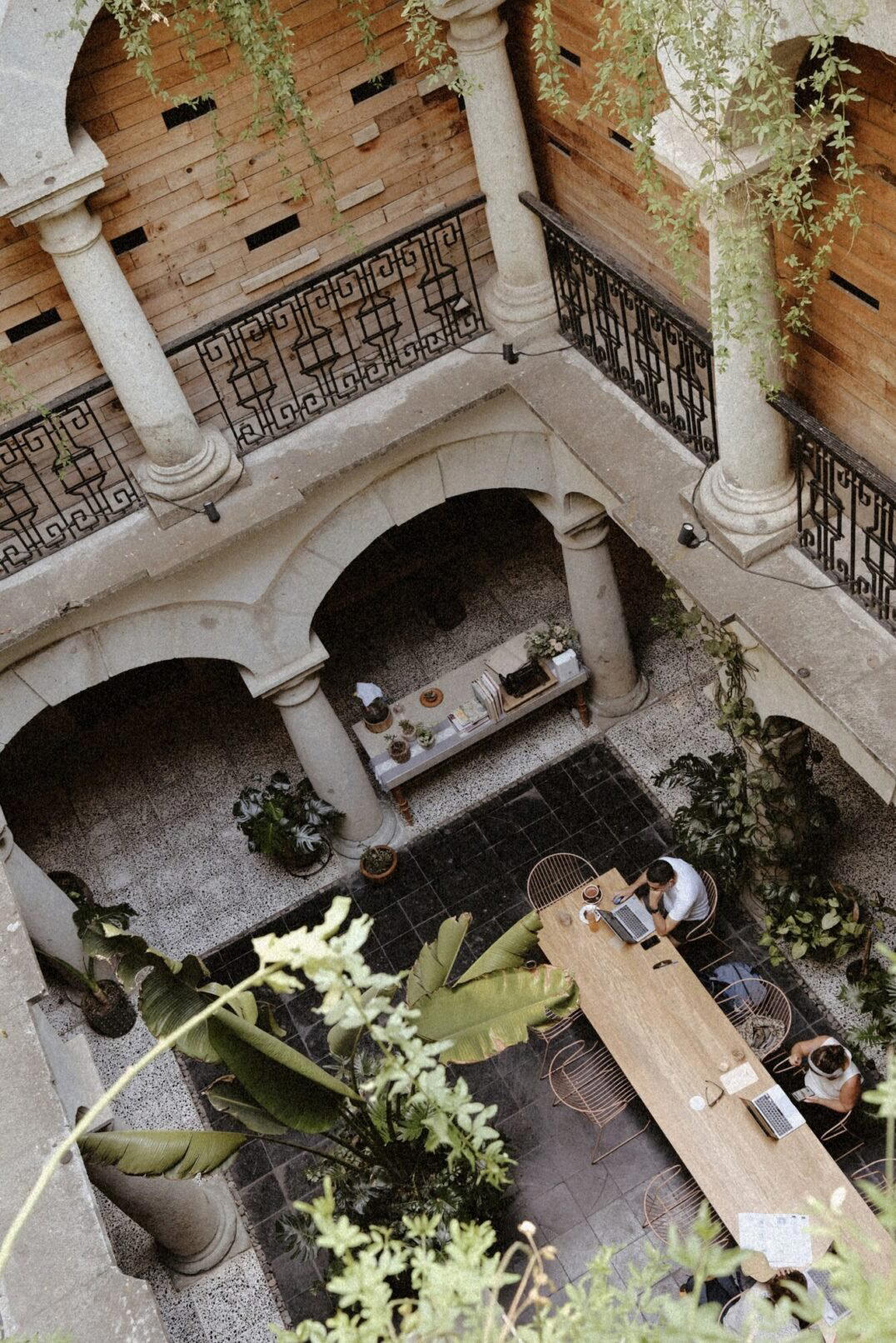

Details
- Rustic
- Cozy
- Scenic
- Family
- Casual Hangout
- Open Kitchen
- Garden
- Local Sourcing
- A La Carte
- Family Style
- Vegetarian Friendly
- Vegan Options
Current opening hours
- Monday
- 8 AM–6 PM
- Tuesday
- 8 AM–6 PM
- Wednesday
- 8 AM–6 PM
- Thursday
- 8 AM–6 PM
- Friday
- 8 AM–6 PM
- Saturday
- 8 AM–6 PM
- Sunday
- 8 AM–6 PM
Hours can change for holidays and private events. Last verified .
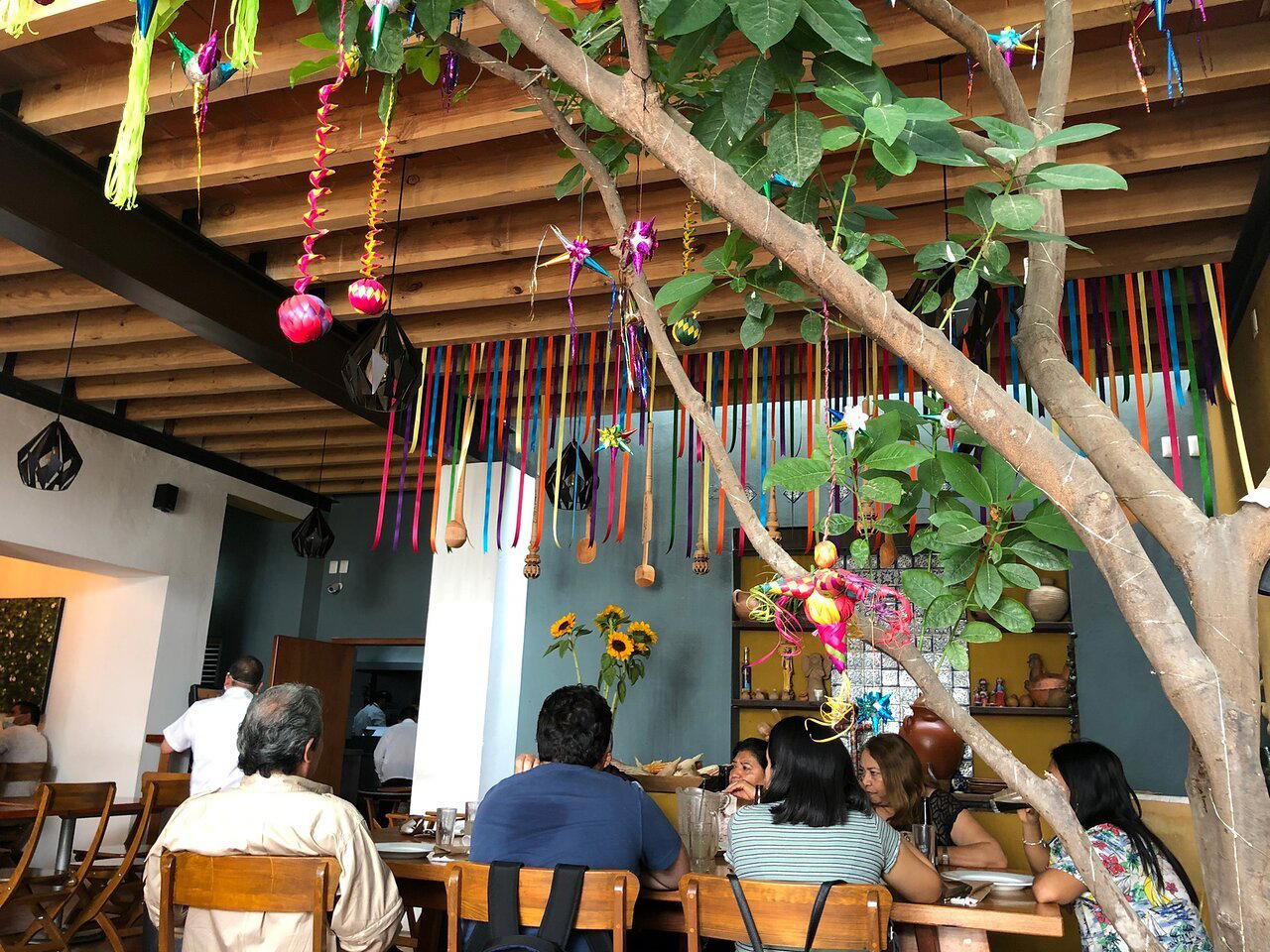
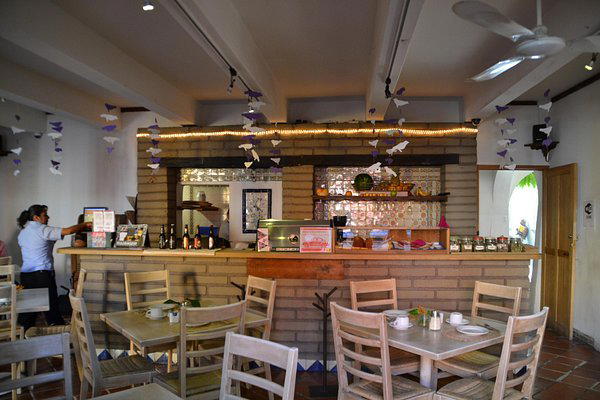
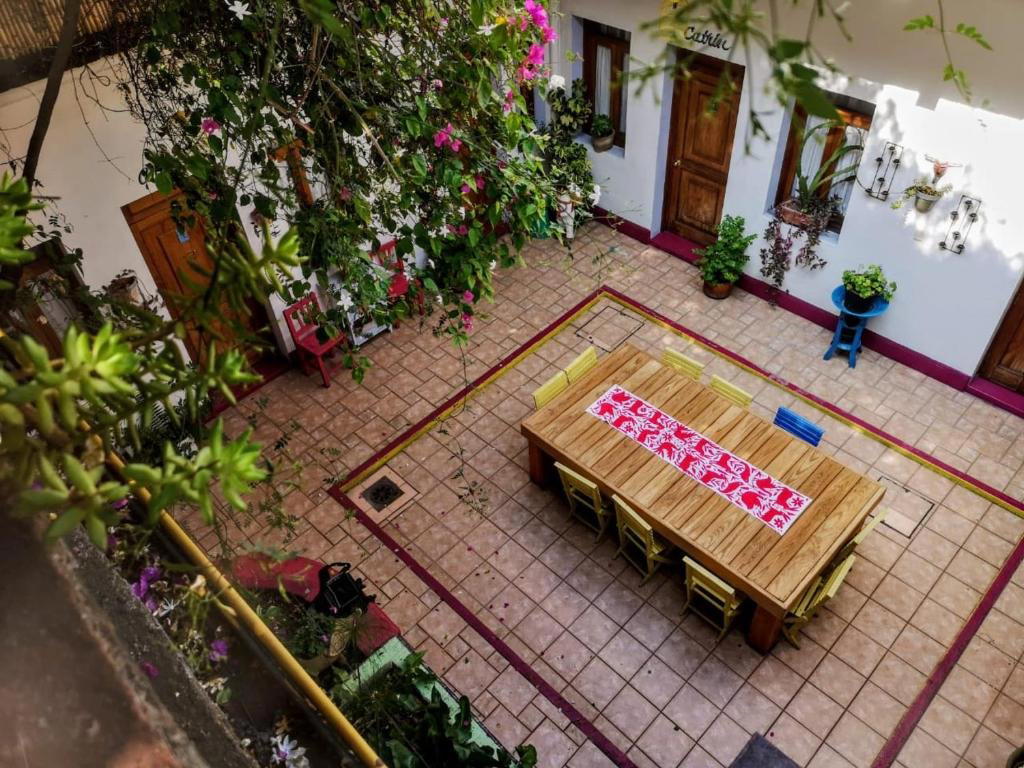
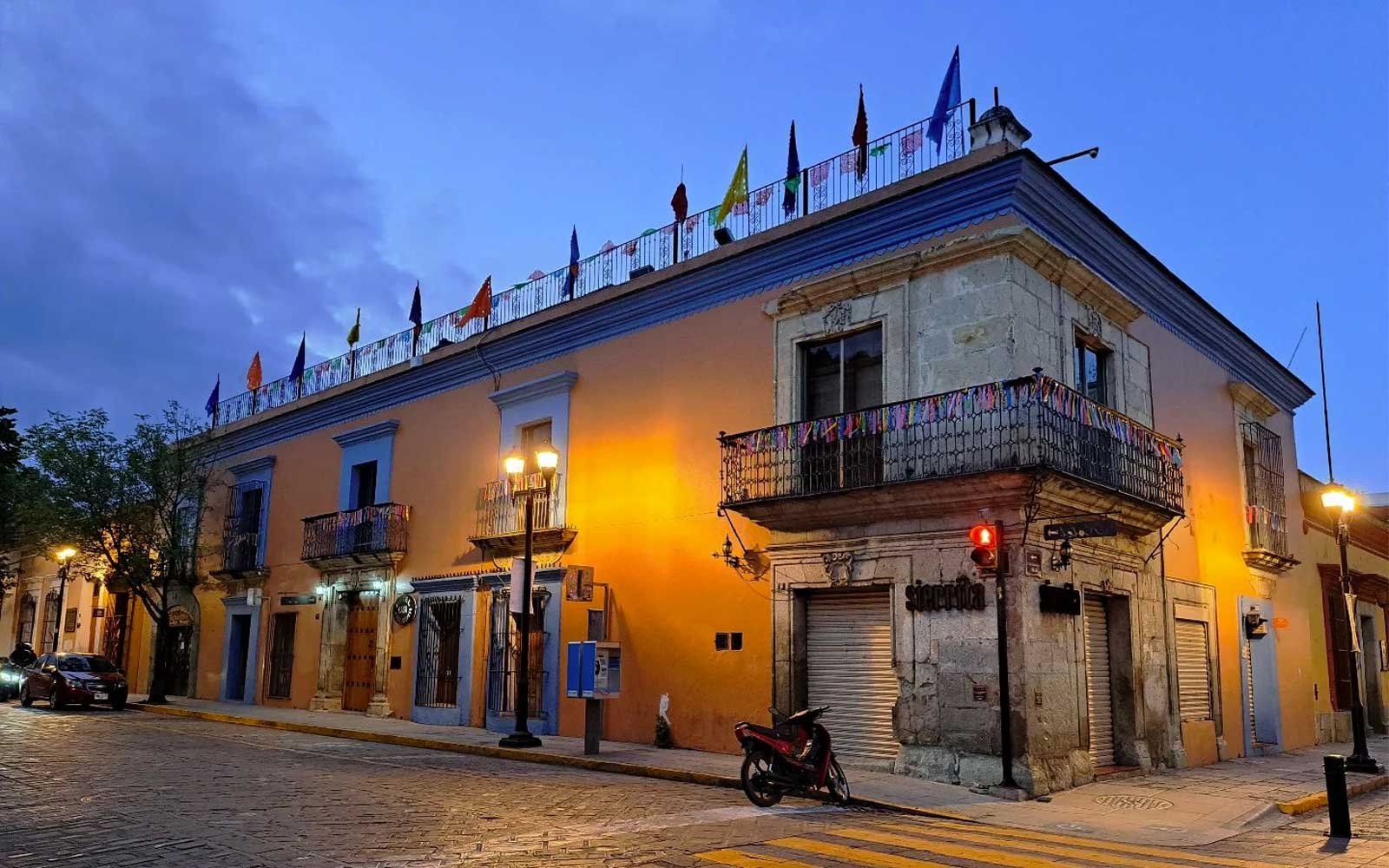
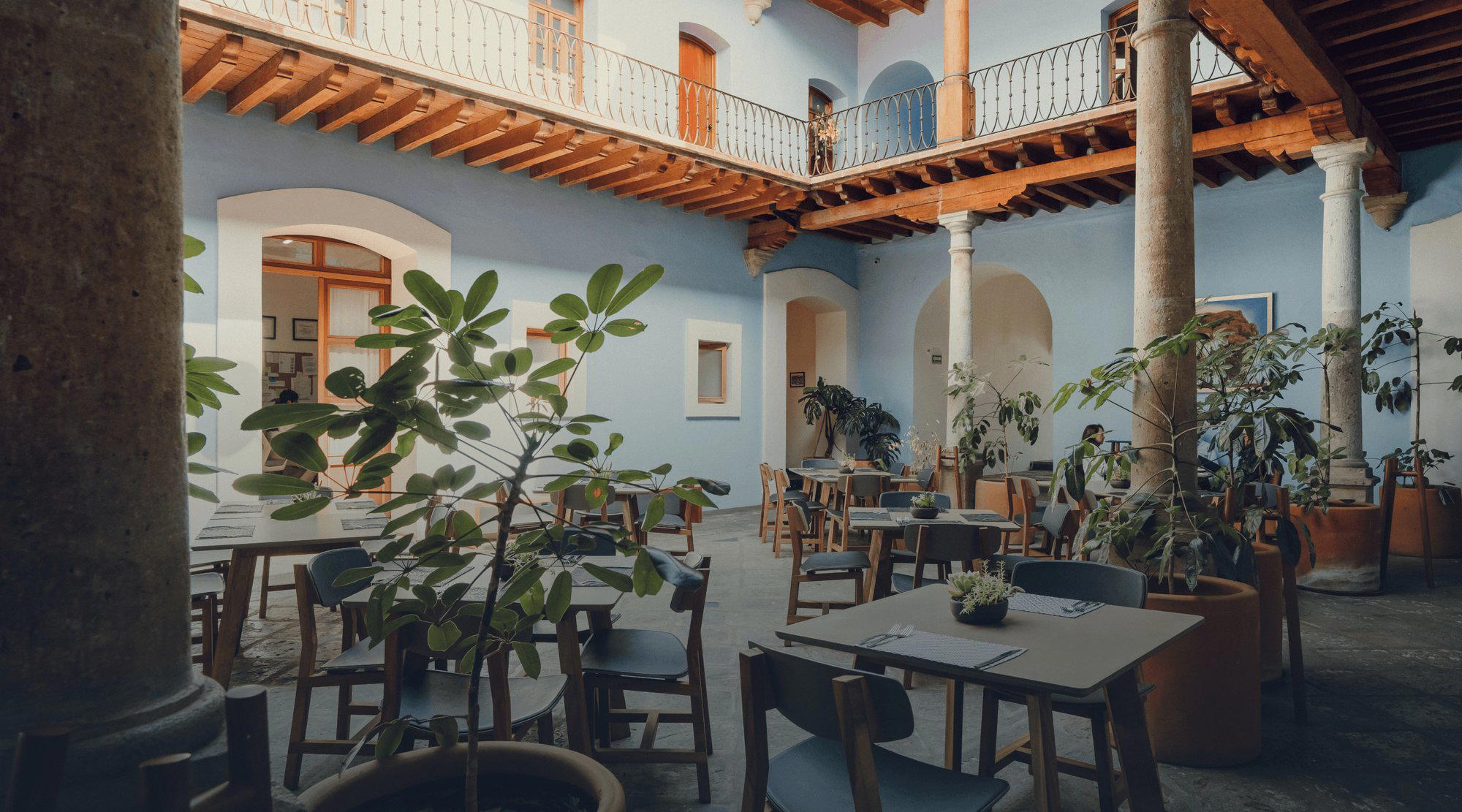
Laid-back with beautiful traditional decorations, indoor and outdoor seating, and a colorful, cultural atmosphere.