La Gare
La Gare sits in Le Mesnil-sur-Oger, a village at the heart of the Côte des Blancs, where Chardonnay-driven Champagne production has defined the local identity for generations. The address places it within walking distance of particularly celebrated Grand Cru vineyards in the Marne. For travellers moving through the Champagne region, it represents a stop shaped entirely by its agricultural surroundings.
Pearl is the En Primeur Club membership app — saves, bookings, and concierge access live there. Same editors, same standards.
- Address
- 3 Pl. de la Gare, 51190 Le Mesnil-sur-Oger, France
- Phone
- +33326515955
- Website
- lagarelemesnil.com
- Directions
- Get directions
 Saves & bookings on Pearl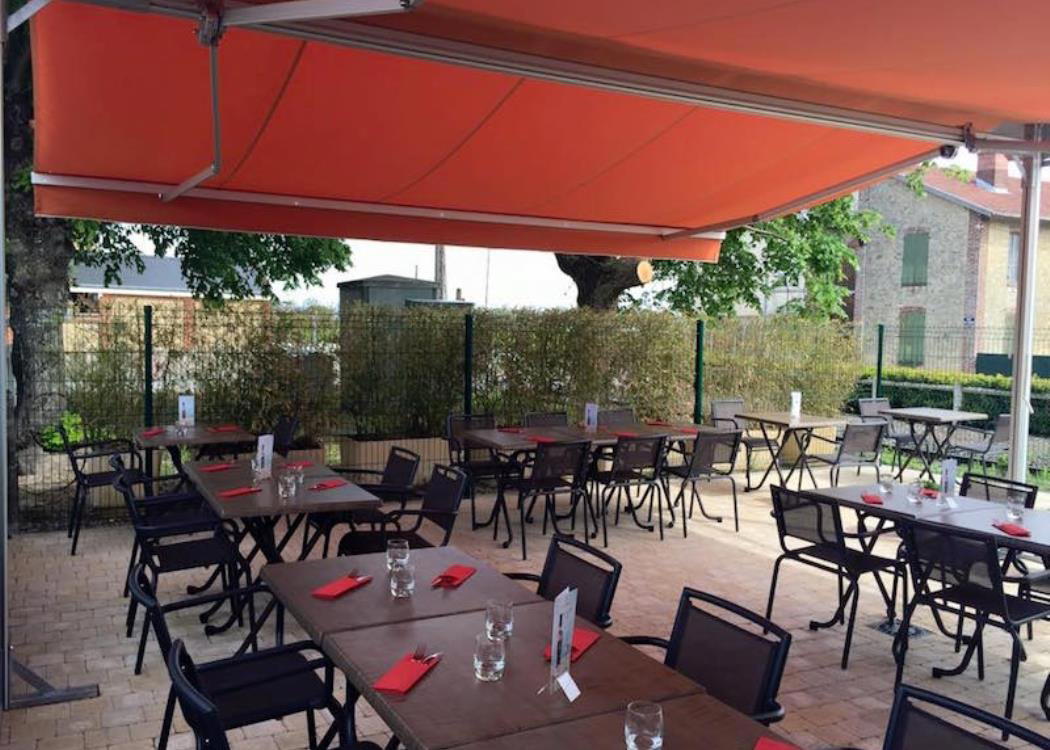
A Village Address in Grand Cru Territory
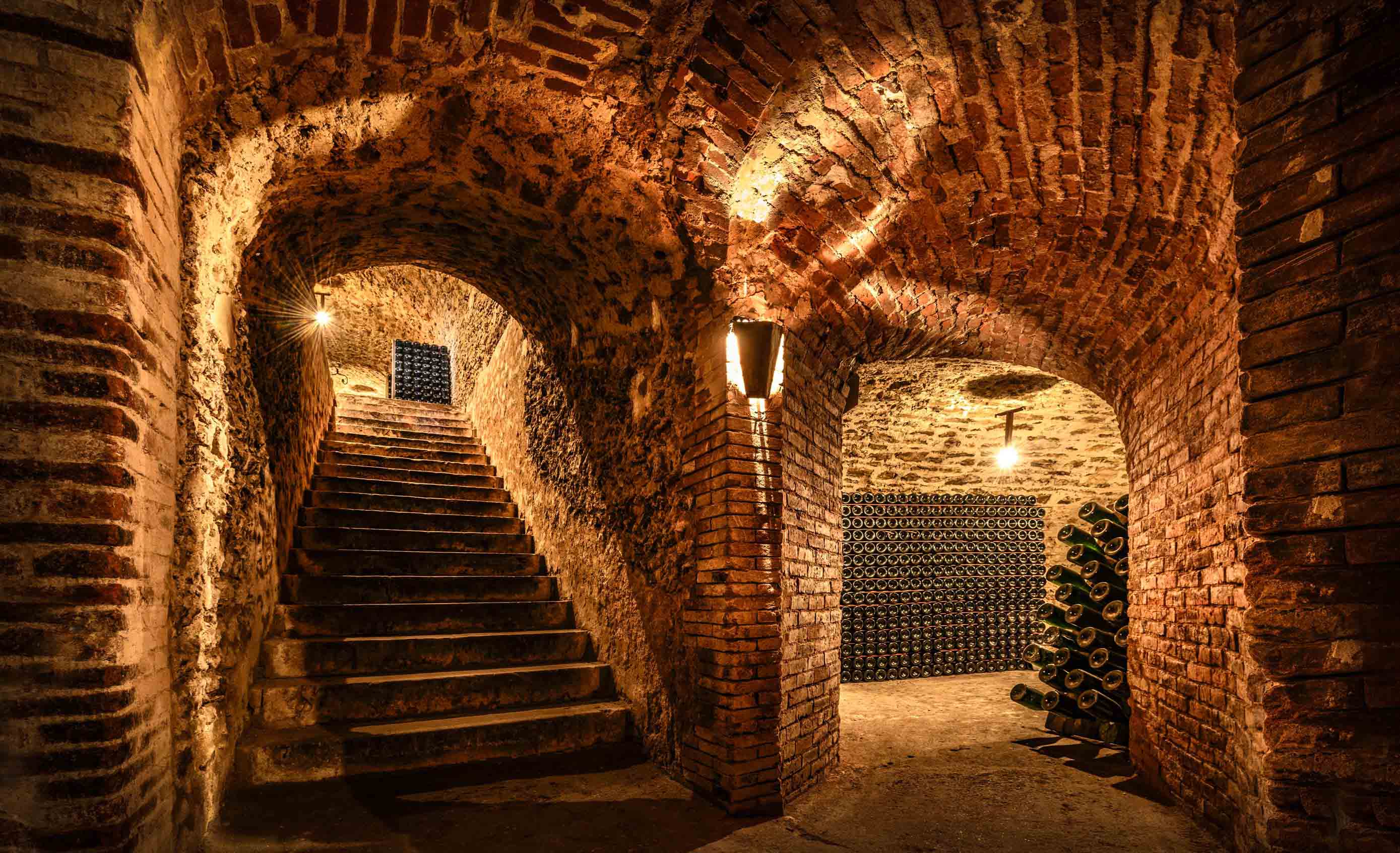
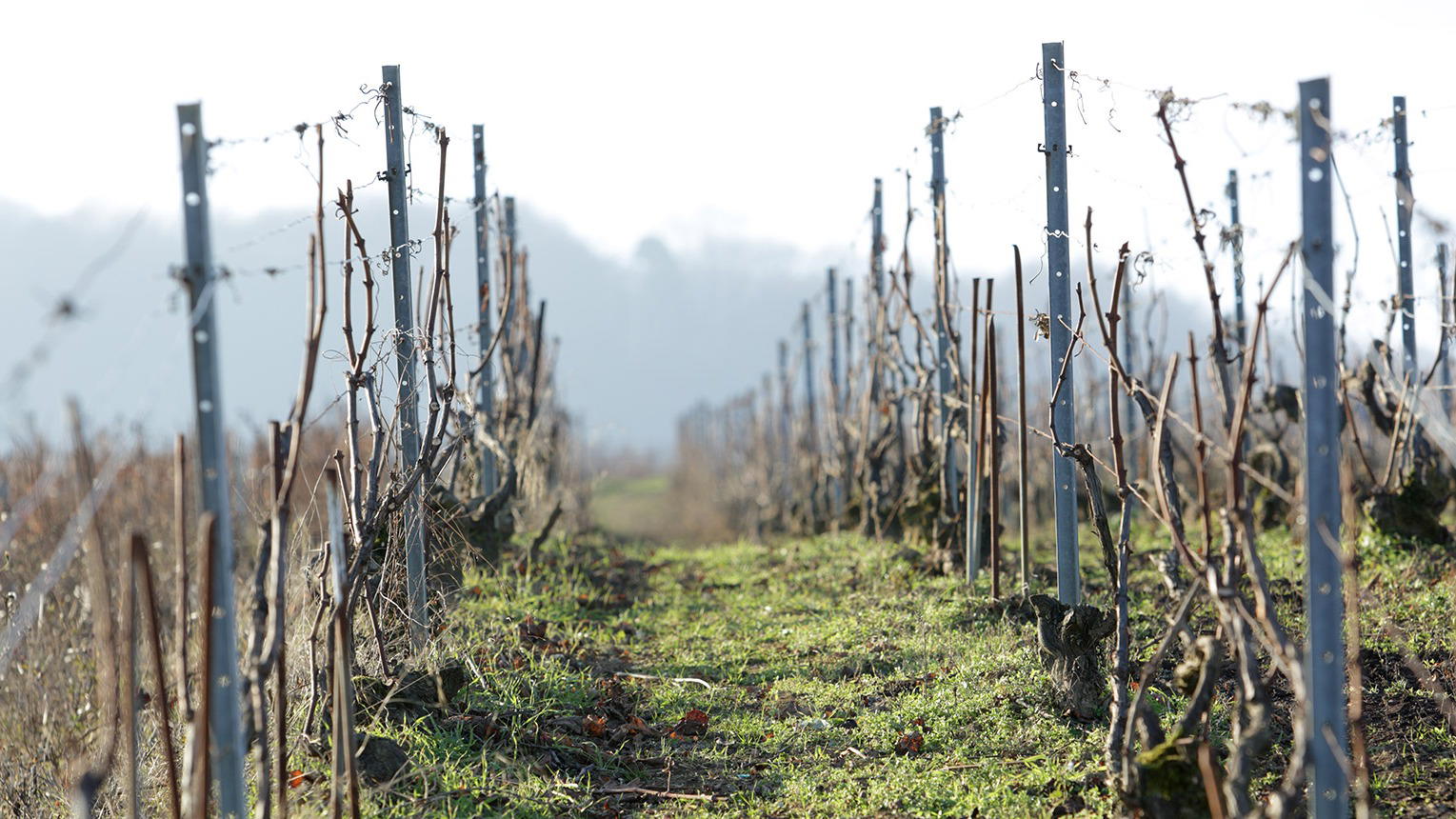
Le Mesnil-sur-Oger is not a town that announces itself loudly. The village sits on the Côte des Blancs, the chalk-ridge strip running south of Épernay where Chardonnay grapes produce particularly sought-after still and sparkling wines in France. Arriving at Place de la Gare, the old station square that gives La Gare its name, you are standing in a community whose agricultural calendar, social rhythms, and table habits have been shaped almost entirely by viticulture. The surrounding Grand Cru vineyards shape everything that happens here. What the Champagne region produces, and what arrives at the table, reflects a geography that French gastronomy has spent centuries taking seriously.
The Côte des Blancs is primarily a white-grape corridor, but the broader Champagne region around it sustains a significant food culture that often goes unacknowledged by visitors focused solely on the fizz. Épernay, roughly twelve kilometres north, anchors the commercial side of Champagne. Reims, another forty kilometres beyond, holds the institutional weight, including Assiette Champenoise, one of the region's most recognised fine dining addresses. Le Mesnil-sur-Oger operates at a different register, quieter, more agricultural, with the kind of local eating that follows seasonal availability rather than constructed tasting menus. La Gare is positioned within that local register, at the old station square of a village whose economy runs on vine and harvest.
What the Champagne Region Puts on the Table
Understanding what a restaurant in this part of France can realistically source requires some knowledge of the regional larder. The Marne department produces more than Champagne grapes. The surrounding countryside yields game in autumn, freshwater fish from rivers including the Marne itself, and vegetables from kitchen gardens that have supplied local tables for generations. Champagne cuisine, in its traditional form, is not light: it runs to potée champenoise (a slow-cooked pork and vegetable dish), andouillette sausage from Troyes, boudins, and preparations that use the sparkling wine not as a garnish but as a genuine cooking medium for fish, cream sauces, and braises.
That tradition is what distinguishes dining in the Champagne villages from the contemporary French fine dining scene concentrated in Paris and Lyon. At the level of Alléno Paris au Pavillon Ledoyen or Mirazur in Menton, the sourcing story is highly curated. In a village restaurant like La Gare, the sourcing is more likely to be unremarkably local: a butcher from the next town, a vegetable supplier from a nearby farm, fish from whatever channel the region's inland waterways and wholesale markets can supply. That ordinariness is, depending on your perspective, either a limitation or a feature. For travellers who have already done the Grand Cru cellar tours and want to understand how the people who actually work these vineyards eat, it is closer to the latter.
The Competitive Context: Village Dining in a Wine Region
Across France's great wine regions, the relationship between viticultural prestige and restaurant quality is not always linear. Burgundy has Beaune, with a dense concentration of serious dining relative to its size. Bordeaux has the city itself. The Champagne region's dining scene, outside Reims and Épernay, is much thinner at the leading end. That gap is partly by design: Champagne's village communities have historically oriented their hospitality towards the trade, négociants, importers, journalists, rather than towards tourist restaurant infrastructure. The result is that village-level eating in Le Mesnil-sur-Oger and its neighbours tends toward the functional and local rather than the destination-driven. It sits in a different category from the celebrated regional tables of France: the kind of multi-generation institution represented by Auberge de l'Ill in Illhaeusern, the terroir-first approach at Bras in Laguiole, or the coastal precision of Christopher Coutanceau in La Rochelle. The restaurant belongs to a more modest, more embedded category of French dining, the kind that serves the village rather than drawing visitors to it.
That is not a dismissal. Some of France's most instructive eating happens in exactly this register. The brasseries and bistros attached to wine-producing communities often carry a directness that more self-conscious restaurant concepts lack. Dishes exist because the region makes them, not because a chef decided to riff on them. The wine list, in a place like this, is often better value and more focused than one in a comparable city restaurant.
Getting There and Planning Your Visit
Le Mesnil-sur-Oger sits between Vertus and Oger on the D10, the road that traces the Côte des Blancs. Driving from Épernay takes roughly twenty minutes; from Reims, allow forty-five. There is no meaningful public transport connection to the village, so a car or a hired driver is the practical solution for most visitors. The village itself is compact enough to walk; Place de the restaurant, where the restaurant is located, is at the northern edge of the central area. Given the density of Grand Cru producers in the immediate vicinity, Salon, Krug, Pierre Péters among those with cellars here or nearby, the restaurant fits naturally into a day organised around winery visits, with lunch anchoring the schedule. The restaurant is recommended for reservations and typically serves lunch Monday through Saturday, with dinner on Thursday through Saturday.
For travellers building a broader Champagne itinerary, the region's dining options beyond Le Mesnil-sur-Oger extend across a range of formats and ambitions. The contrast between a village address like La Gare and a destination table in another French region, say, Flocons de Sel in Megève or L'Oustau de Baumanière in Les Baux, is instructive precisely because it illustrates the range of what French regional dining actually contains, from the internationally recognised to the resolutely local.
In Context: Similar Options
Comparable venues nearby, for context on price, style, and recognition.
| Venue | Cuisine | Price | Notes |
|---|---|---|---|
| La GareThis venue — the venue you are viewing | Seasonal French Bistro | $$$ | Not listed |
| Comptoir De Vie | Modern French Tasting Counter-Bar | $$$ | 2nd Arrondissement |
| Momento | Modern French-Mexican Fusion | $$$ | Bué |
| Le Recommandé | French Tapas & Champagne Bar | $$$ | Avize |
| L'inattendu | French Bistronomy | $$$ | Chauny |
| La Flambée | Traditional French Grill Restaurant | $$$ | Villers-Pol |
Continue exploring
More in Le Mesnil-sur-Oger
Restaurants in Le Mesnil-sur-Oger
Browse all →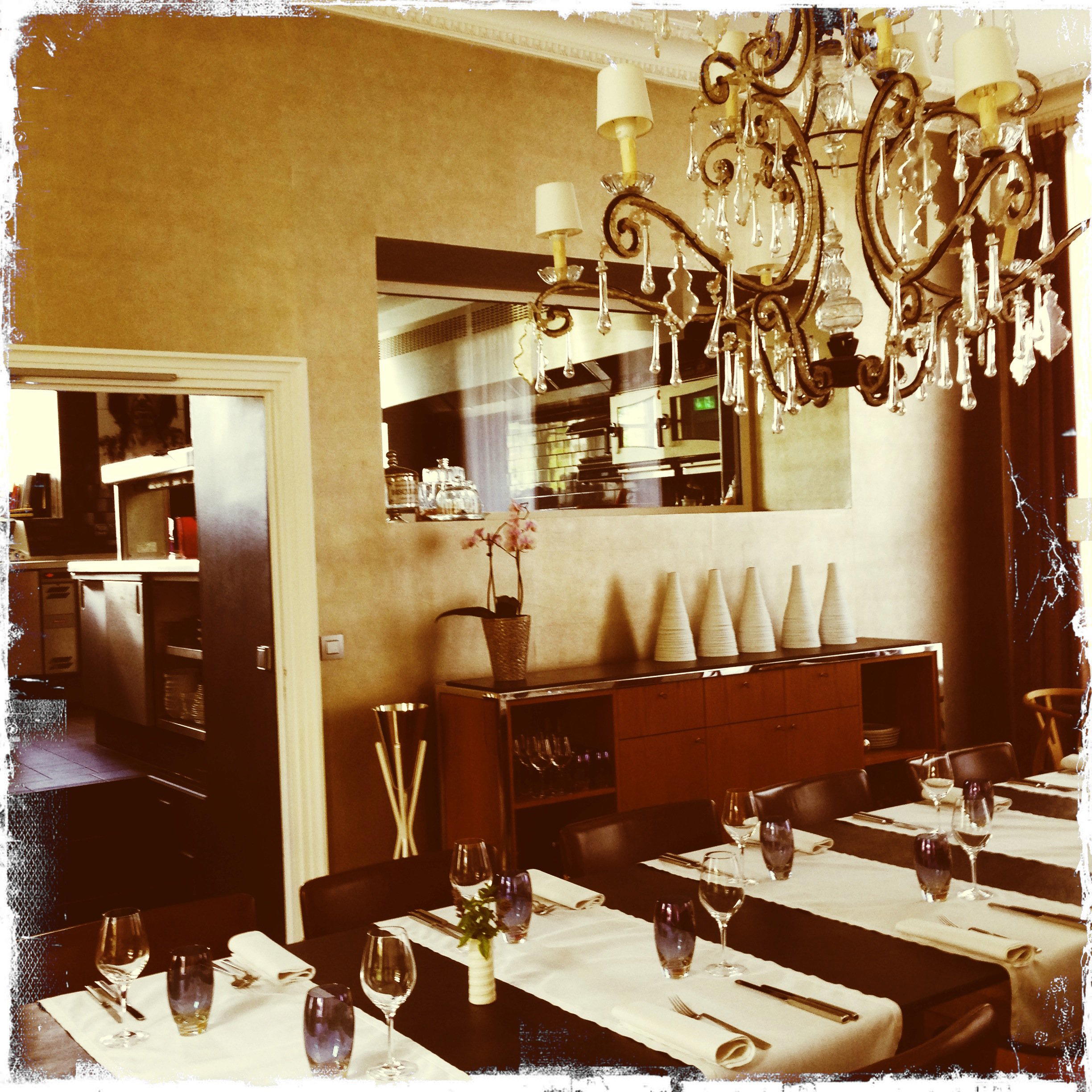
Bars in Le Mesnil-sur-Oger
Browse all →
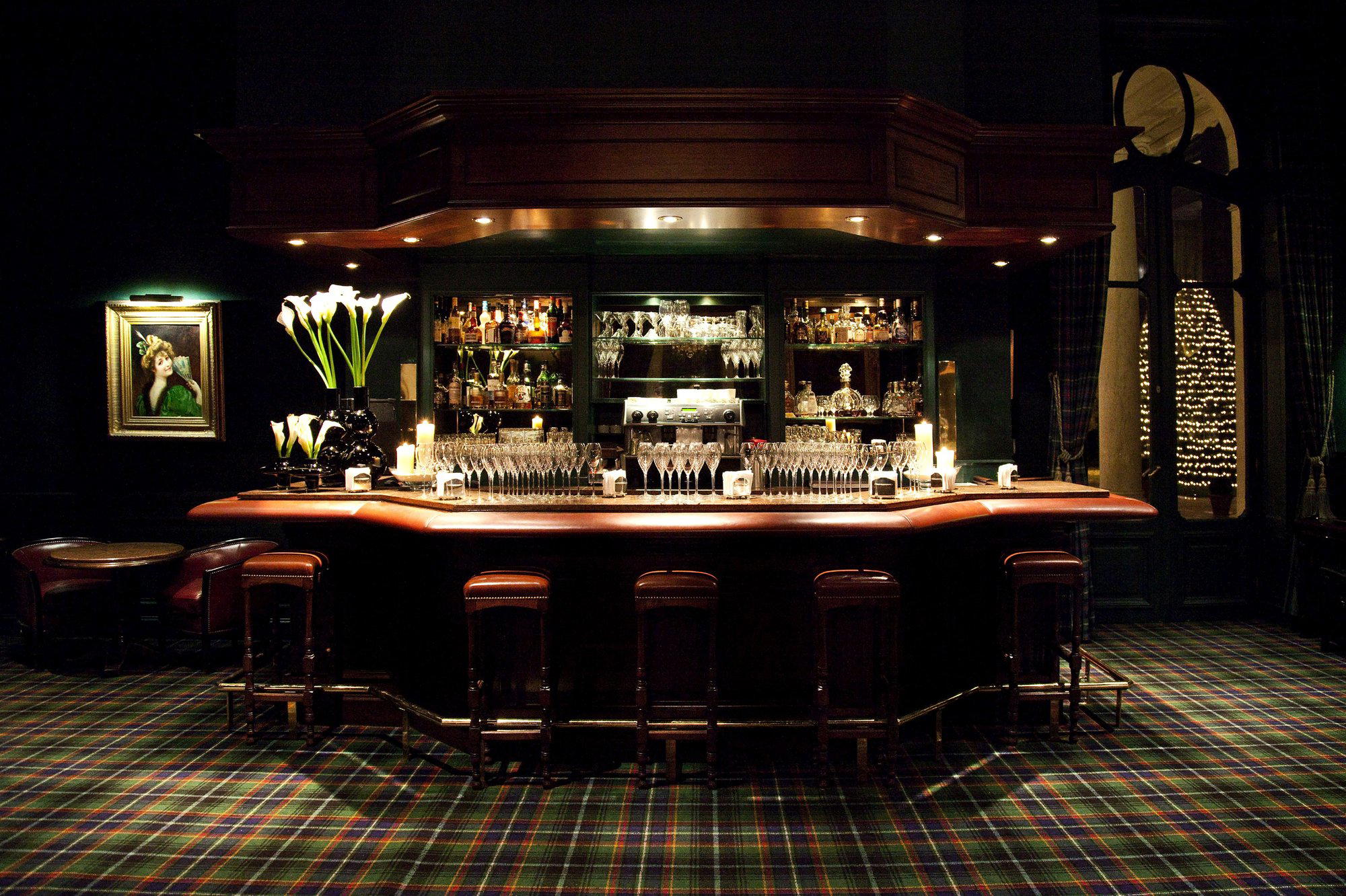
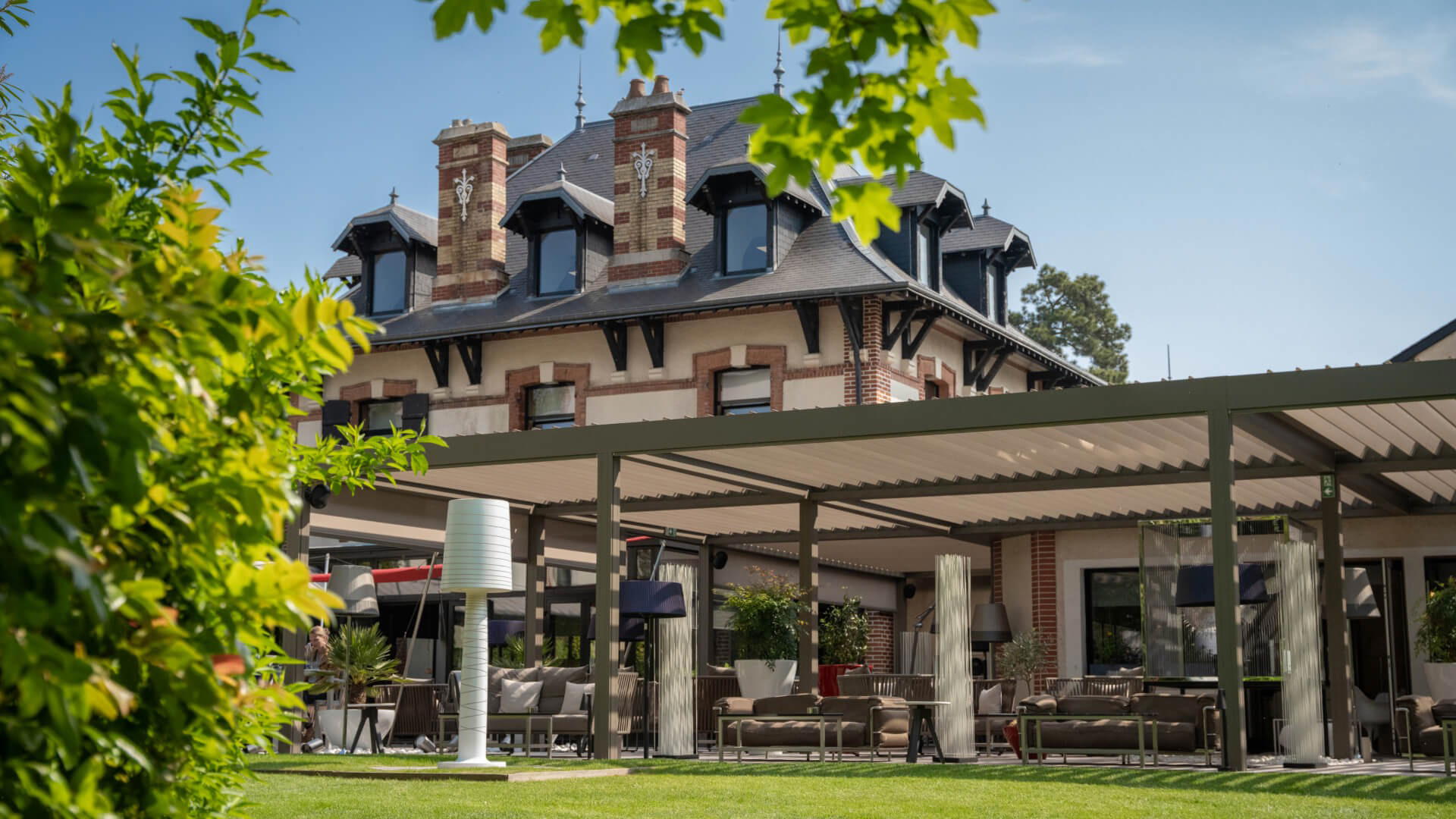
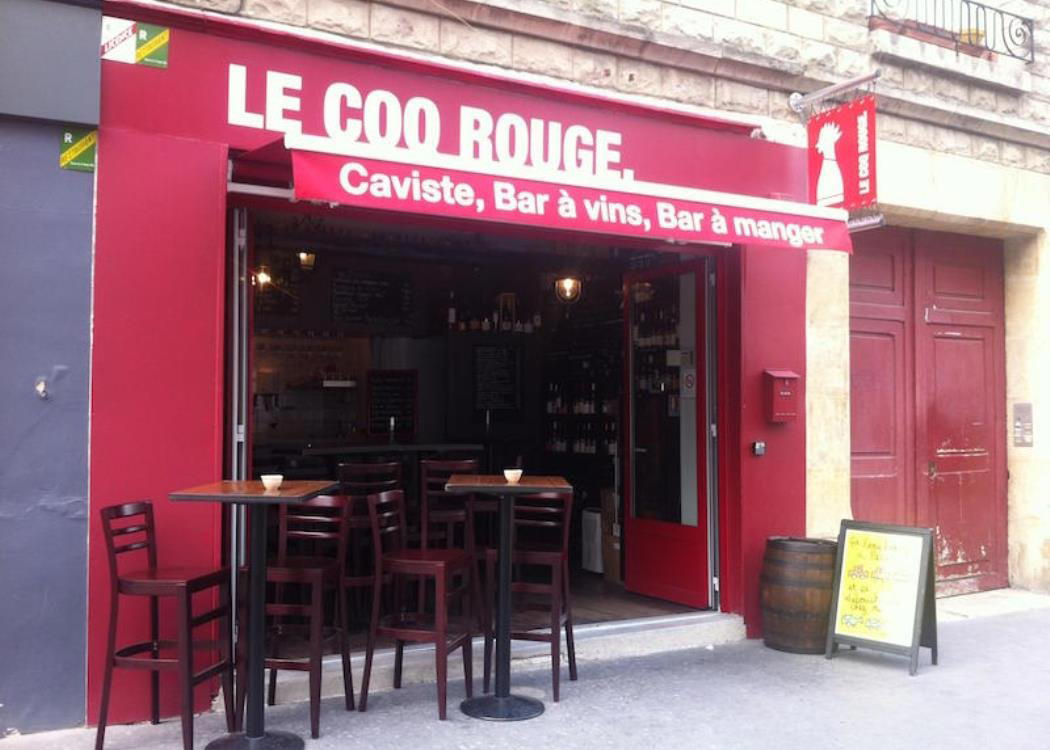
Hotels in Le Mesnil-sur-Oger
Browse all →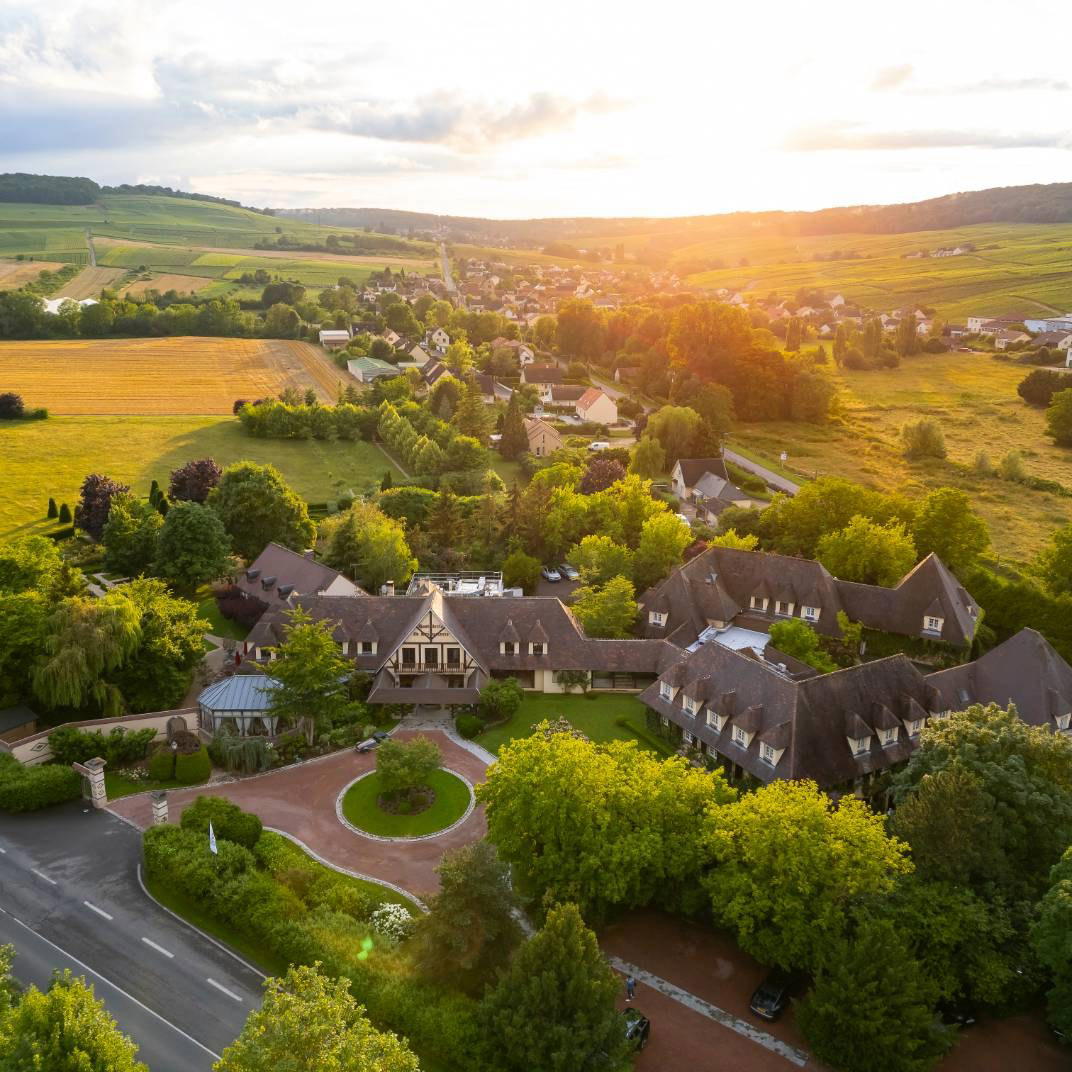
At a Glance
- Cozy
- Elegant
- Classic
- Lunch
- Dinner
- Historic Building
- Extensive Wine List
- Local Sourcing
Current opening hours
- Monday
- 12–1:30 PM
- Tuesday
- 12–1:30 PM
- Wednesday
- 12–1:30 PM
- Thursday
- 12–1:30 PM, 7–8:30 PM
- Friday
- 12–1:30 PM, 7–8:30 PM
- Saturday
- 12–1:30 PM, 7–8:30 PM
- Sunday
- Closed
Hours can change for holidays and private events. Last verified .
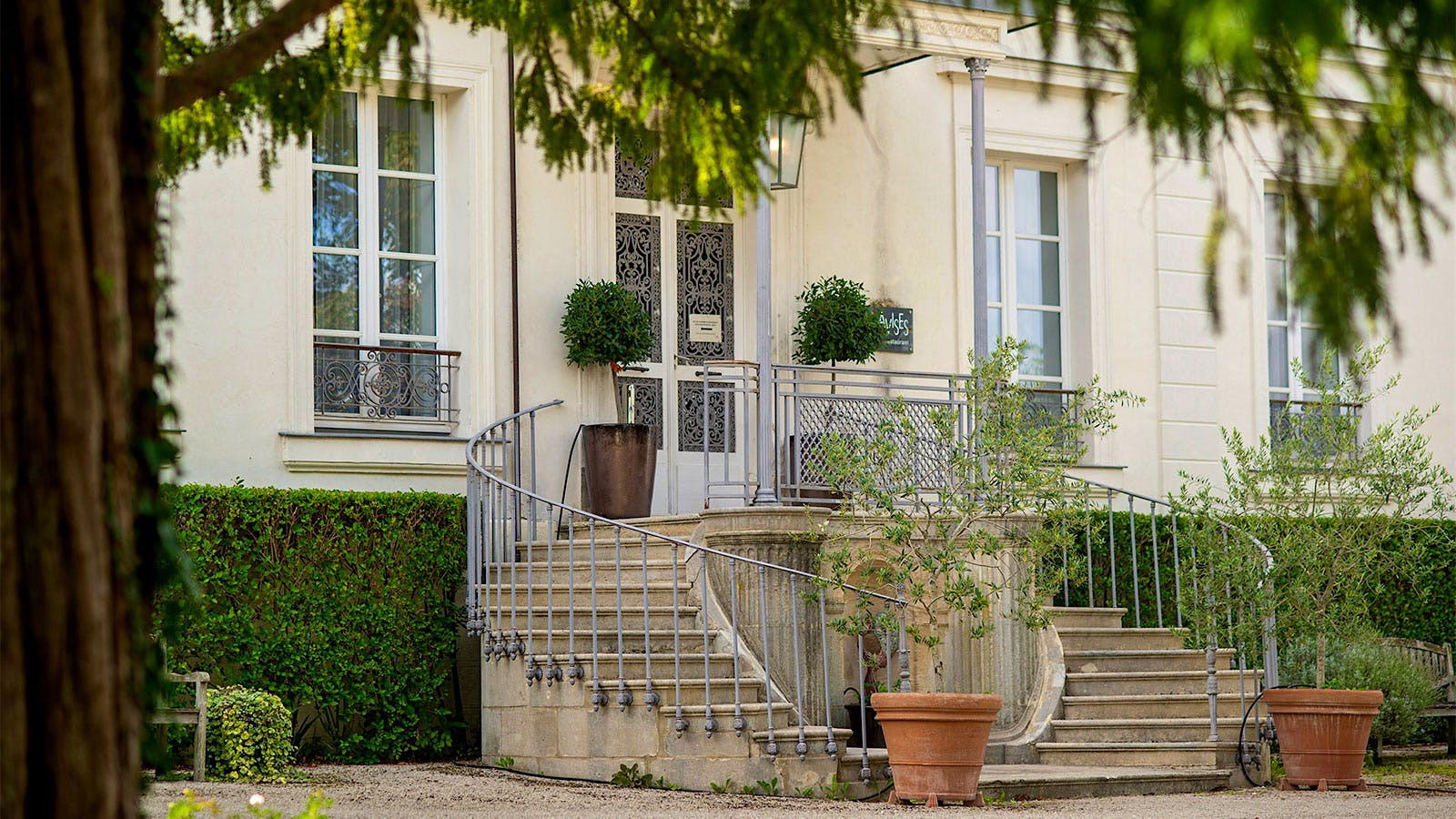
Warm and convivial atmosphere in a sober contemporary setting blending authentic historic charm with modern red, black, and white decor.