On Boulevard Richard-Lenoir in the 11th arrondissement, CACTUS by La Finca occupies a stretch of Paris where neighbourhood dining has quietly grown more ambitious. The address sits within an area better known for its weekend market than its restaurant scene, which makes the concept, a meeting point between Latin American produce sensibilities and European kitchen discipline, all the more worth tracking. For Paris diners looking beyond the well-mapped €€€€ tier, this is a useful reference point.
Pearl is the En Primeur Club membership app — saves, bookings, and concierge access live there. Same editors, same standards.
- Address
- 44 Bd Richard-Lenoir, 75011 Paris, France
- Phone
- +33147005277
- Website
- casalafinca.com
- Directions
- Get directions
 Saves & bookings on Pearl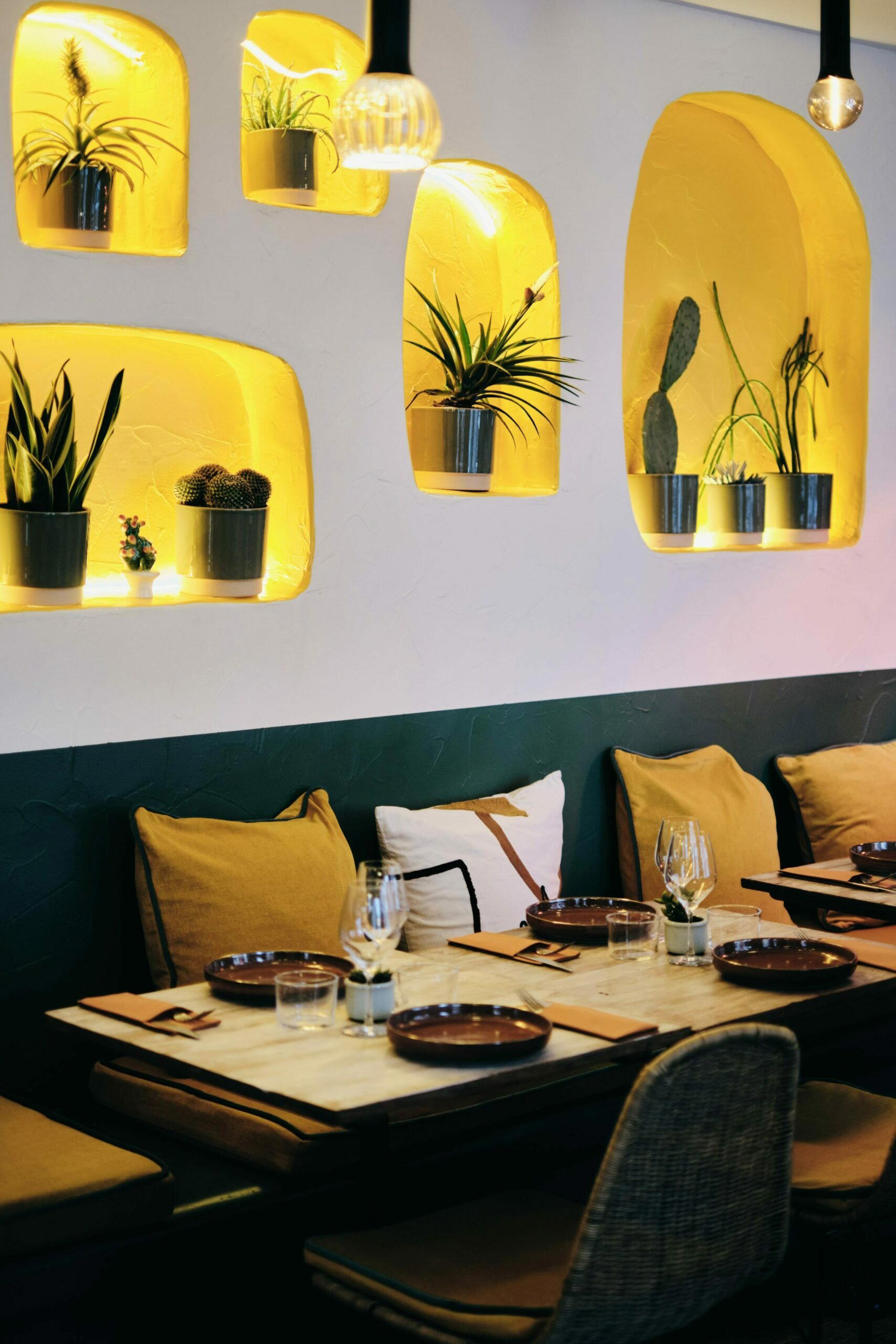
The 11th and the Question of Where Paris Eats Now
Boulevard Richard-Lenoir runs north from the Bastille, parallel to Canal Saint-Martin's lower reach, through a stretch of the 11th arrondissement that has absorbed successive waves of independent restaurant openings since the early 2010s. CACTUS by La Finca is a restaurant in Paris's 11th arrondissement, serving a Seasonal French Bistro menu and priced at about $35 per person. The neighbourhood sits outside the circuit that connects Alléno Paris au Pavillon Ledoyen, Le Cinq, and L'Ambroisie, the grand-tier addresses that define Paris dining for international visitors. What the 11th offers instead is a more compressed format: smaller rooms, menus shaped by what the chef can source and execute rather than by institutional expectations, and a clientele that skews toward residents rather than tourists. CACTUS by La Finca sits at 44 Boulevard Richard-Lenoir inside that local logic.
"La Finca" carries agricultural weight in Spanish, a working estate, a plot, a place where things are grown. Paired with "CACTUS," the reference leans toward arid-climate produce, specifically the kind of ingredients associated with Latin American and Iberian traditions: drought-tolerant plants, preserved vegetables, fermented preparations that developed in regions where refrigeration came late and necessity drove technique. In the context of Paris in the 2020s, that reference set is neither accidental nor merely decorative.
Indigenous Ingredients, Imported Discipline
A useful frame for understanding what addresses like this one are doing in contemporary Paris is the tension between ingredient origin and cooking method. French technique, classical brigade structure, sauce-forward logic, precision-led preparation, has exported itself across the world for two centuries. Kitchens in Paris increasingly draw on produce traditions, preservation methods, and flavour profiles from outside Europe and treat French kitchen discipline as the lens through which those traditions get rendered.
The better comparison is to how Kei in the 1st arrondissement positioned Japanese ingredient sensibility inside classically structured French execution, earning three Michelin stars in the process. Or how Mirazur in Menton built its identity around garden-led sourcing from the Franco-Italian border, produce first, technique second. The question CACTUS by La Finca poses is what happens when the ingredient logic comes from one place and the cooking grammar from another.
The cactus itself, as a culinary subject, has serious grounding. Nopal, the paddles of the prickly pear cactus, has been a staple of Mexican cooking for millennia, eaten raw, griddled, pickled, and stewed. Prickly pear fruit appears in drinks, sauces, and desserts across Mexico and the American Southwest. In Spain and the Canary Islands, cacti arrived with returning colonial trade routes and embedded themselves into local food culture. Bringing that lineage to a Paris address on a neighbourhood boulevard is a specific editorial choice, not a novelty gesture.
Where This Address Sits in the Paris Conversation
Paris's restaurant scene has never been monolithic, but it has historically been legible by arrondissement and price tier. The 8th holds the palace-dining addresses. The 6th holds the brasserie heritage. The 1st and the areas around the Palais-Royal have attracted the technically ambitious mid-tier. The eastern arrondissements, 10th, 11th, 20th, developed a different profile: higher tolerance for risk, lower rent, chefs willing to operate without institutional backing.
CACTUS by La Finca occupies that eastern register. Its address on Richard-Lenoir places it near the Oberkampf and Bréguet-Sabin metro stops, in walking distance of the Marché Bastille on weekends. The neighbourhood context matters because it shapes the kind of dining contract on offer. This is not a room where the room itself is the statement, the grand chandelier, the tablecloth depth, the sommelier-to-diner ratio. It is a room where the food carries the argument. That is a different kind of ambition, and in Paris's current climate, a more interesting one.
For comparison, the formal French houses that define the city's upper tier, Arpège, Paul Bocuse - L'Auberge du Pont de Collonges, Bras in Laguiole, Auberge de l'Ill in Illhaeusern, are operating in a tradition that took decades to calcify. The eastern Paris independent operates in a tradition that is still forming. That carries risk and reward in roughly equal measure.
The Broader Trend This Address Reflects
Paris has seen a sustained wave of chefs arriving from Latin America, Spain, and Portugal who bring with them ingredient vocabularies that do not map neatly onto the French pantry. Mole bases, fermented chilli preparations, cured fish techniques from coastal South America, the use of masa as a structural element, these are appearing in small Paris addresses at an increasing rate. The city's wholesale markets, particularly Rungis, have adapted: the range of non-European produce available to professional kitchens in Paris today is significantly wider than it was a decade ago.
What distinguishes the better addresses in this trend from the merely fashionable ones is seriousness of sourcing and consistency of execution. A kitchen that imports the name of a tradition without its depth reads immediately as decoration. A kitchen that treats, say, the preparation of nopal with the same attention a French brigade gives to the preparation of haricots verts, precision, respect for texture, understanding of how the ingredient functions in a composed plate, produces something coherent. The La Finca framing suggests the latter orientation.
Other cities have navigated this same question with notable results. Lazy Bear in San Francisco built a format around American regional produce rendered through fine-dining technique. Le Bernardin in New York City turned French seafood discipline into the grammar for an entirely non-French ingredient set. The template, imported rigour, local or indigenous product, is transferable. The 11th arrondissement is becoming one of the Paris addresses where that transfer is being attempted.
Planning Your Visit
The restaurant is at 44 Boulevard Richard-Lenoir, 75011 Paris, reachable via Bréguet-Sabin (line 5) or Bastille (lines 1, 5, 8). Reservations: booking in advance is advisable for any independently operated address in this neighbourhood, particularly on weekend evenings when the area draws a strong local crowd alongside visitors staying in the Marais and Bastille zones. Dress: the 11th operates on a smart-casual register; the formal codes of the 8th arrondissement houses do not apply here. Timing:
For the formal French tradition operating in a different register entirely, Les Prés d'Eugénie - Michel Guérard in Eugénie-les-Bains, Troisgros - Le Bois sans Feuilles in Ouches, Flocons de Sel in Megève, La Table du Castellet in Le Castellet, Auberge du Vieux Puits in Fontjoncouse, and Georges Blanc in Vonnas represent the provincial French tradition at its most anchored.
Side-by-Side Snapshot
Comparable venues nearby, for context on price, style, and recognition.
| Venue | Cuisine | Price | Notes |
|---|---|---|---|
| CACTUS by La FincaThis venue — the venue you are viewing | Seasonal French Bistro | $$$ | Not listed |
| Le Diamant Bleu - Dîner Croisière | French Gastronomic Dinner Cruise | $$$ | Austerlitz |
| Angelina | Classic French Patisserie & Tea Room | $$$ | 1st arrondissement |
| Aux Dés Calés 18 - Moreau | French Bistronomic Bistro | $$$ | Butte-Montmartre |
| A La Frégate | Classic French Seafood Bistro | $$$ | Bercy/Nation |
| Chez Santa | Offal-Focused French Bistro | $$$ | Republique |
Continue exploring
More in Paris
Restaurants in Paris
Browse all →
Bars in Paris
Browse all →
Hotels in Paris
Browse all →

At a Glance
- Modern
- Elegant
- Business Dinner
- Casual Hangout
- Hotel Restaurant
Current opening hours
- Monday
- Closed
- Tuesday
- 12–2:30 PM, 7:30–10:30 PM
- Wednesday
- 12–2:30 PM, 7:30–10:30 PM
- Thursday
- 12–2:30 PM, 7:30–10:30 PM
- Friday
- 12–2:30 PM, 7:30–10:30 PM
- Saturday
- 12–2:30 PM, 7–10:30 PM
- Sunday
- Closed
Hours can change for holidays and private events. Last verified .
Cozy and elegant atmosphere with seasonal decor in a modern hotel restaurant.