Restaurant Atelier

1 Michelin Star
Our verdict
A Michelin-starred address on Gulpen's historic market square, Restaurant Atelier pairs classical French technique with Asian-inflected flavour contrasts under chef Hans Kinkartz. The half-timbered setting and an infectious wine program from hostess Ellen make it the most compelling dinner destination in the South Limburg hills. Tuesday through Saturday evenings, with Friday and Saturday lunch also available.

Pearl is the En Primeur Club membership app, where members save venues, book tables and use the concierge.
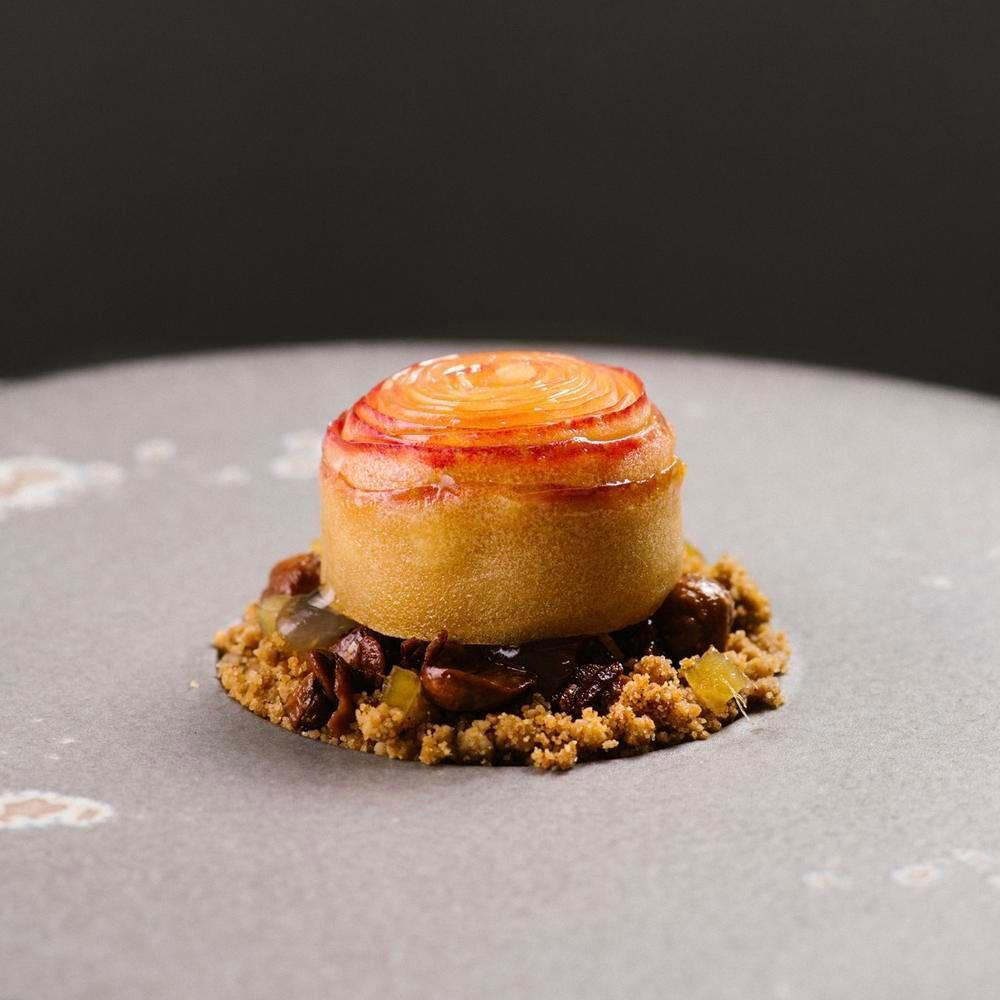
A Market Square Setting That Sets Expectations Early
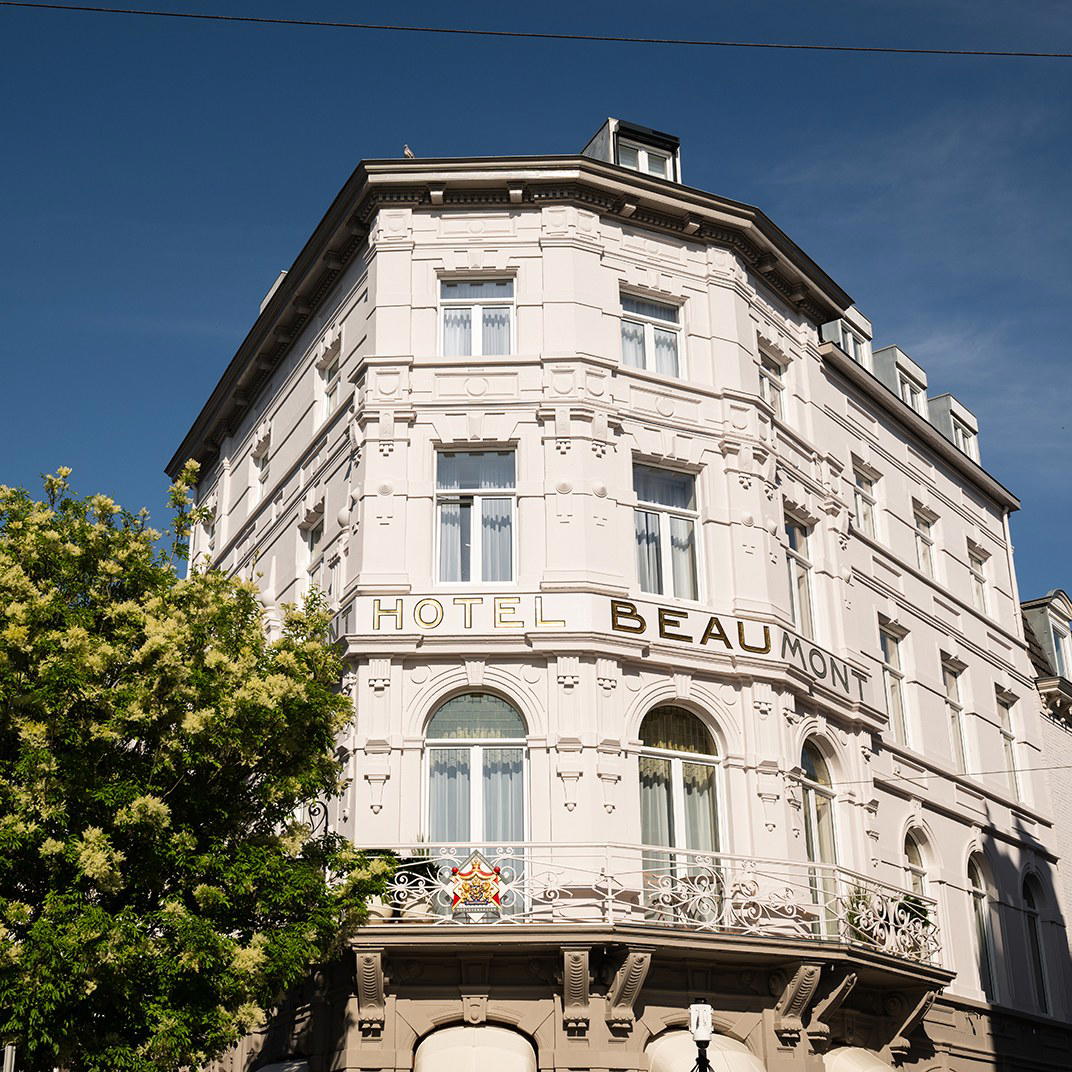
Gulpen's Markt sits at the soft centre of South Limburg, a region of rolling chalk hills and half-timbered villages that feels geographically closer to the Ardennes than to Amsterdam. The square is small, the buildings are old, and the pace is unhurried. Walking up to number nine, the facade of the historic half-timbered house offers little indication of what the kitchen produces inside. That gap between exterior modesty and interior precision is, in its own way, the editorial story of creative fine dining in the Dutch provinces: ambition that does not announce itself from the street.
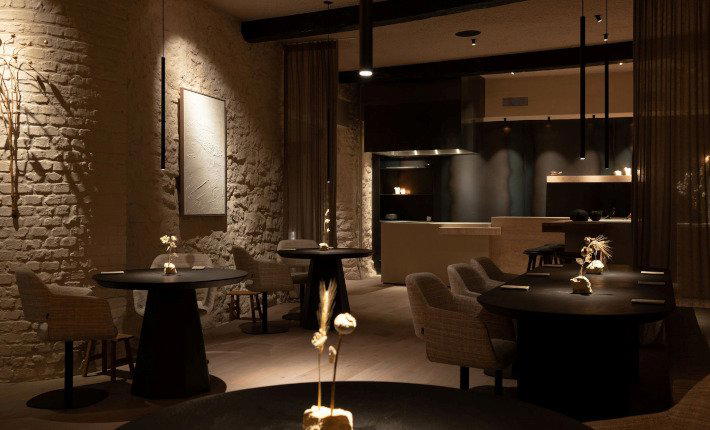
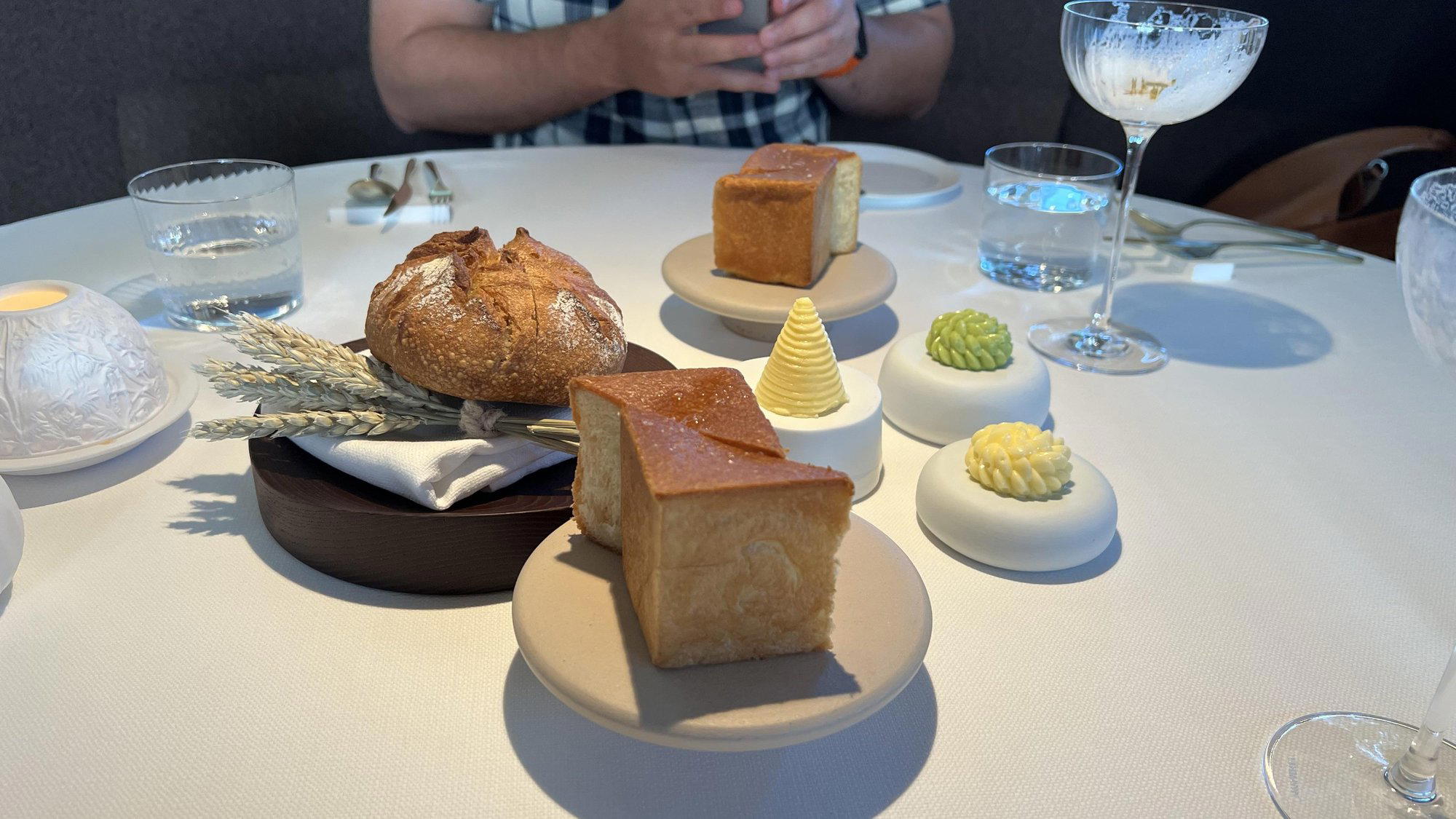
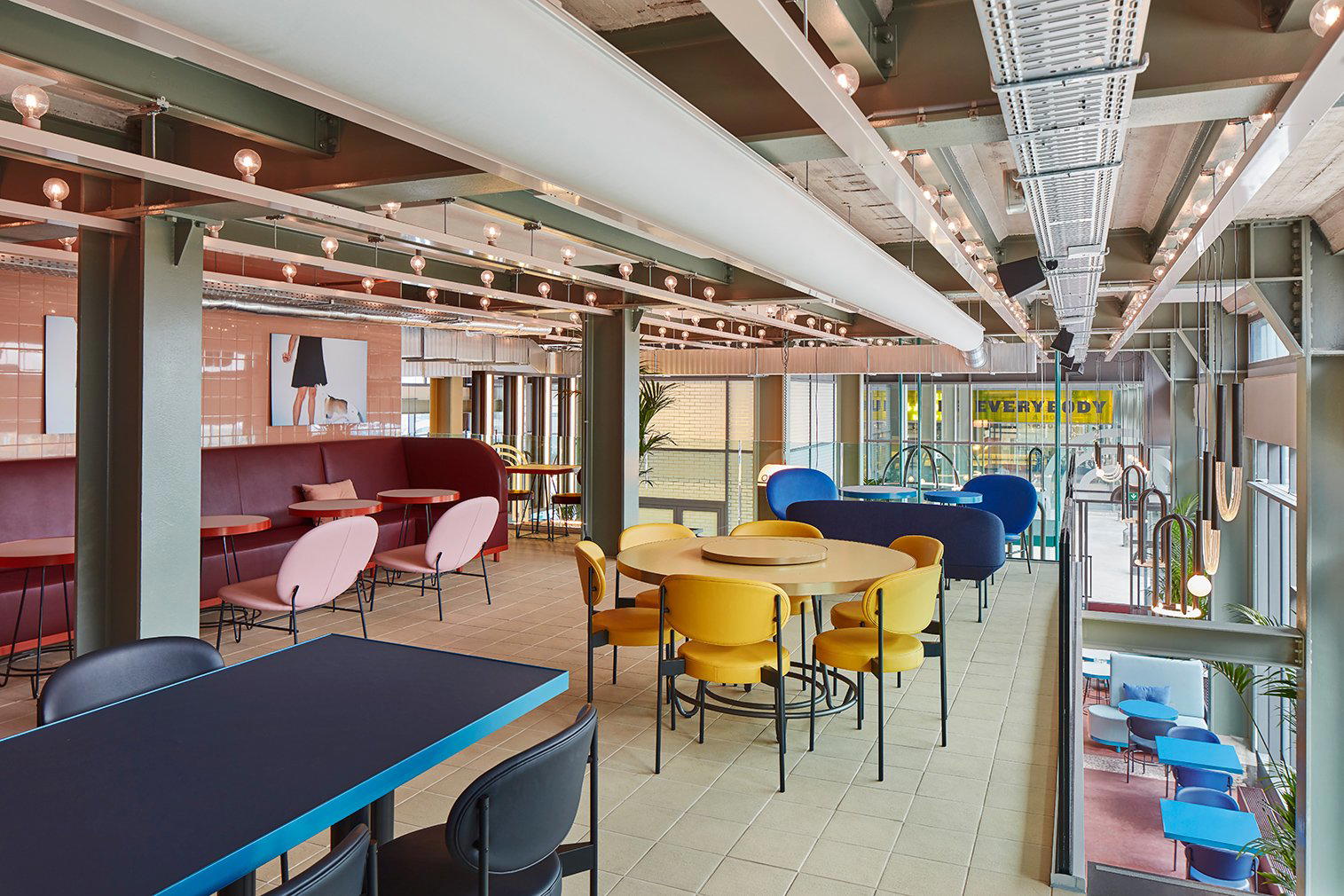
Inside, the room navigates a deliberate tension between the building's age and its contemporary fit-out. The design approach leans into industrial austerity rather than softening the space with conventional warmth, and the result is an interior that frames the food rather than competing with it. For a broader sense of where to eat and stay in the area, see our full Gulpen restaurants guide, our full Gulpen hotels guide, and our full Gulpen bars guide.
Creative French in the South Limburg Context
The Netherlands has developed a scattered but serious fine-dining geography outside its major cities. Michelin-starred addresses appear in Zwolle, Kruiningen, Overveen, and Nuenen, among others, each operating in towns that require deliberate travel rather than casual walk-ins. Restaurant Atelier sits in that provincial tier. Its 2024 Michelin one-star positions it within a Dutch creative-French category that includes Fred in Rotterdam and La Provence in Driebergen-Rijsenburg, as well as LIZZ in Gouda, though the price point here at €€€ runs a tier below the €€€€ brackets occupied by De Librije in Zwolle, Aan de Poel in Amstelveen, and De Lindehof in Nuenen.
That pricing distinction matters. Creative French cooking at the €€€ level in the Netherlands often means tighter menus and fewer courses, but Atelier's Michelin recognition confirms that restraint in price has not translated into restraint in ambition. The star is the clearest available signal that the kitchen operates above the level its address and cost might initially suggest.
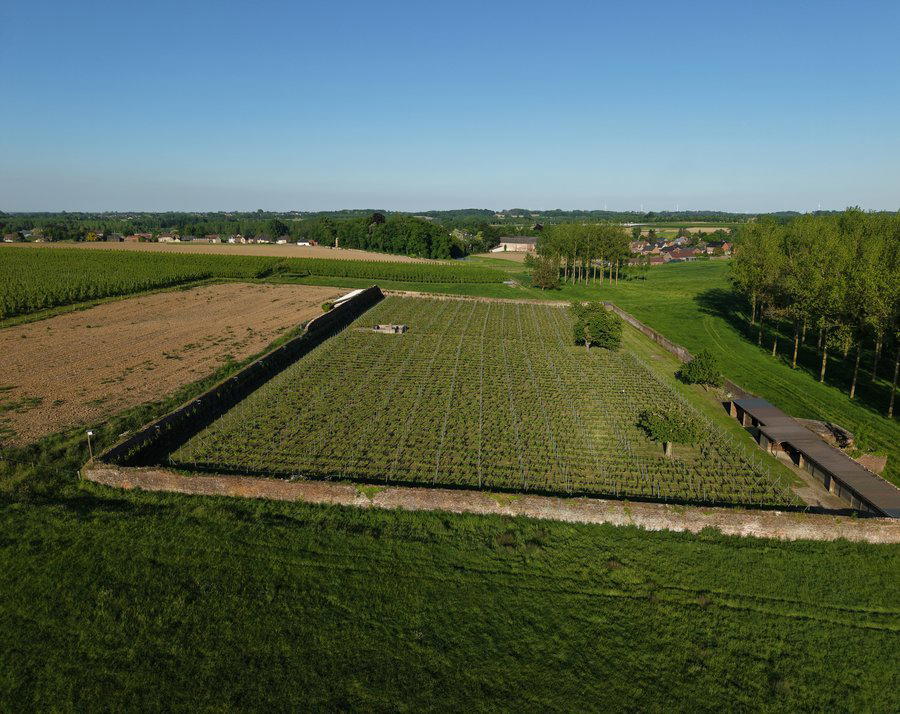
South Limburg itself provides an interesting backdrop for provenance-conscious cooking. The region produces some of the Netherlands' only wines, and its agricultural character, shaped by proximity to Belgium and Germany, gives local chefs access to a supply chain that differs from what's available in the Randstad. The chalk-rich soils of the Jekerdal and Geuldal valleys support herb cultivation and small-scale produce, and the Limburg hills generally sit within easy sourcing distance of both Ardennes game and North Sea fish routed through regional distributors.
The Kitchen's Flavour Logic
The Michelin citation for Atelier does something unusual: it describes specific dishes in enough detail to map the kitchen's flavour grammar. Pan-seared red mullet arrives with crispy skin and is paired with briny mussels and lardo di Colonnata, the celebrated Italian cured fatback from the Apuan Alps. A barigoule sauce (the Provençal artichoke preparation that signals classical French grounding) sits alongside an espuma seasoned with baharat, the Middle Eastern spice blend. The construction is layered: French technique, Italian cured product, Levantine spicing, all applied to a fish common to both the Mediterranean and the Atlantic coast.
A second Michelin-cited dish moves further east. Barbecued pineapple, ginger, umeboshi (Japanese pickled plum), and chai ice cream occupy the same plate, with the smoky char of the pineapple offset by the fermented tartness of the umeboshi. This is not French-Asian fusion in the broad, blunt sense of the 1990s. It is closer to a working method in which Asian ingredients provide acidity, fermentation, and aromatic complexity to dishes that are otherwise structured around Western culinary logic.
Chef Hans Kinkartz's use of Asian flavour references is documented in the Michelin notes as a consistent characteristic rather than an occasional flourish. In this respect Atelier connects to a broader movement among European fine-dining kitchens, particularly in Belgium and the Netherlands, where chefs trained in classical technique have incorporated Japanese, Korean, and Southeast Asian ingredients not as novelty but as tools for building depth. Nearby, Brut172 in Reijmerstok represents another South Limburg address working at the edge of classical and contemporary, and the cluster of serious cooking in this small geographic area says something about the region's appetite for precision dining.
The Wine Program as a Structural Element
In many Michelin-tier restaurants, the sommelier or wine host functions as a support role, deferring to the kitchen. At Atelier, the Michelin citation specifically names hostess Ellen and describes her passion for wine as infectious, with exceptional pairings. That level of front-of-house recognition in a Michelin citation is not routine; it indicates that the wine program is understood as integral to the experience rather than supplementary to it.
For a kitchen that moves between Provençal technique, Italian cured meats, and Japanese fermented condiments within a single tasting arc, pairing wines requires genuine flexibility. The logic that works for a barigoule-based course is unlikely to carry through to chai ice cream and umeboshi. A pairing program sophisticated enough to track those shifts is, in itself, a creative act. For those who follow wine programs closely across the Dutch dining scene, our full Gulpen wineries guide offers regional context.
Dutch fine dining at the starred level is well-documented but geographically dispersed. Inter Scaldes in Kruiningen and De Bokkedoorns in Overveen represent the coastal and polder-adjacent poles of the country's starred map; De Groene Lantaarn in Staphorst and De Lindenhof in Giethoorn push into the northeast. Atelier occupies the southeastern corner, a part of the Netherlands that shares a culinary border with Belgian Liège cuisine and the brasserie tradition of the German Rhineland.
Ciel Bleu in Amsterdam and De Nieuwe Winkel in Nijmegen share Michelin recognition but differ substantially in format and philosophy. The Atelier proposition is specific: a smaller room, a single evening sitting structure, and cooking that uses provenance and technique as complementary rather than competing values.
At the starred level in small Dutch towns, where a bad run of evenings can move aggregate scores sharply, that figure reflects operational steadiness.
Planning a Visit
Restaurant Atelier at Markt 9, Gulpen operates Tuesday through Thursday for dinner only (6:30 PM to 9:30 PM), with Friday and Saturday offering both a lunch service (noon to 1:30 PM) and the evening sitting. Sunday and Monday are closed. The dinner-only structure from Tuesday to Thursday means the kitchen runs a focused service rather than a full-day operation, which tends to concentrate quality at those sittings. Gulpen is accessible by car from Maastricht (roughly 15 kilometres southeast) and sits within the broader South Limburg touring circuit. For visitors combining the meal with accommodation or further exploration, our full Gulpen experiences guide covers the region in detail.
Frequently asked questions
Is Restaurant Atelier suitable for children?
The €€€ price point and Michelin-starred format indicate a formal dinner environment focused on multi-course tasting. The kitchen's approach, which draws on fermented Japanese condiments, cured Italian fats, and complex spice blends, is oriented toward adult palates with broad reference points. Gulpen is a small market town with limited alternative dining options in the same tier, so families visiting the area with younger children may find the format better suited to an adults-only occasion rather than a family dinner.
What is the atmosphere like at Restaurant Atelier?
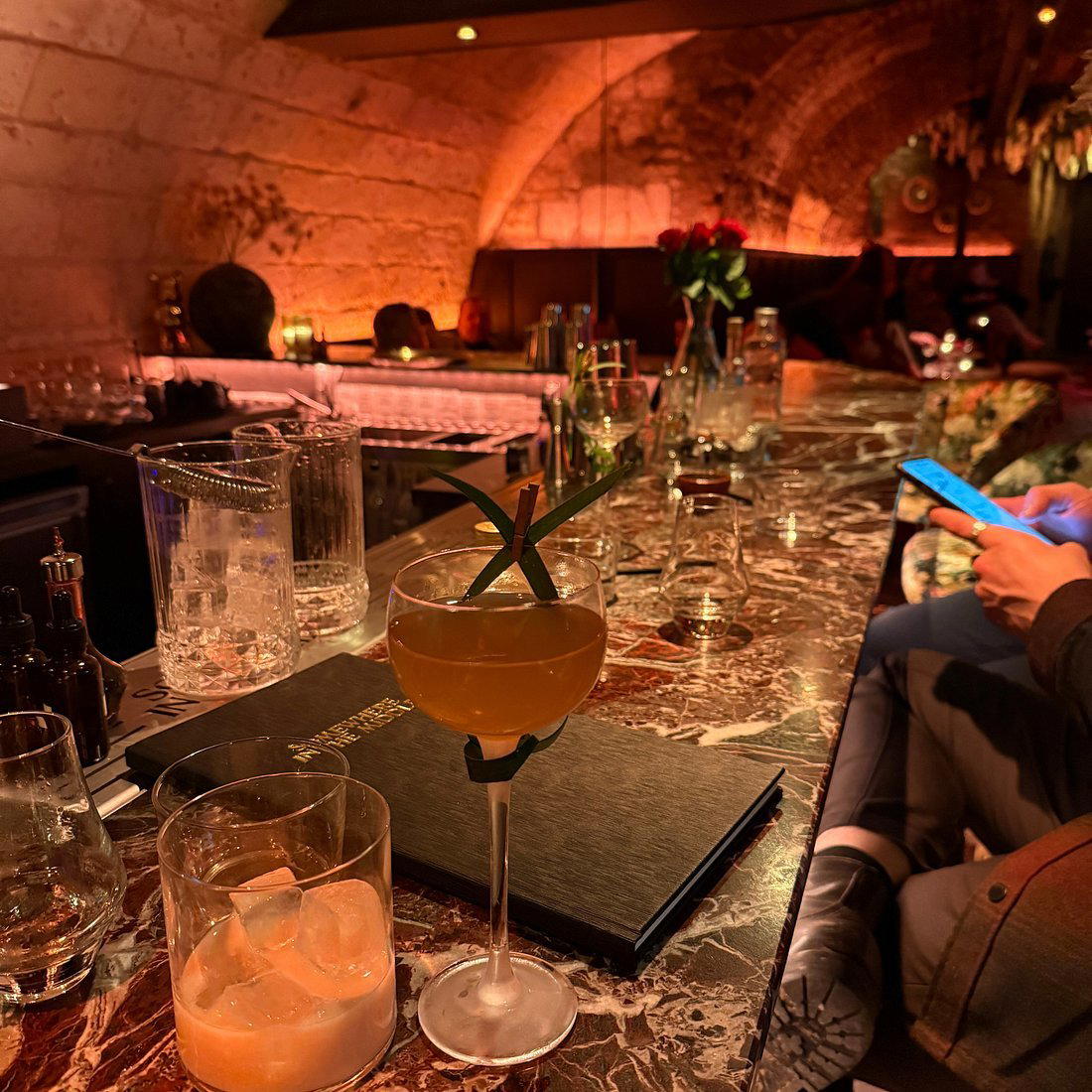
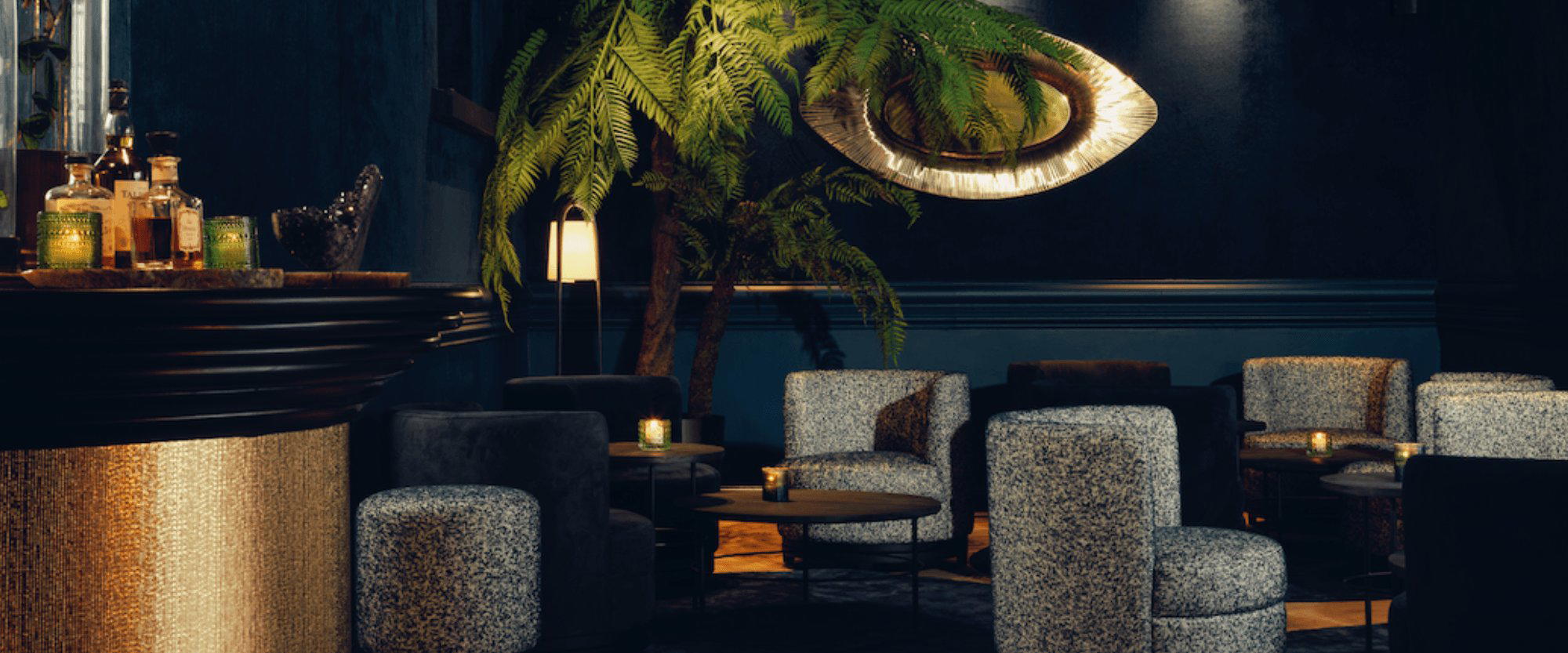
The room sits inside a historical half-timbered house on Gulpen's Markt, but the interior design moves away from period rusticity toward a contemporary and industrially austere aesthetic. The Michelin citation's language of elegant symbiosis suggests the contrast between old structure and modern fit-out is handled with intention rather than compromise. At the €€€ level in a South Limburg town, the atmosphere is formal without the formality of Amsterdam's top-tier addresses; the setting is intimate, the service built around a defined host-led experience.
What do people recommend at Restaurant Atelier?
Michelin citation highlights two dishes that illustrate the kitchen's range: pan-seared red mullet with mussels, lardo di Colonnata, barigoule sauce, and baharat espuma, and barbecued pineapple with ginger, umeboshi, and chai ice cream. Both demonstrate chef Hans Kinkartz's documented use of Asian flavour references applied to classical structures. The wine pairings selected by hostess Ellen also appear consistently in the restaurant's recognition, with the Michelin notes specifically describing them as exceptional.
Side-by-Side Snapshot
| Venue | Cuisine | Price | Awards | Notes |
|---|---|---|---|---|
| Restaurant AtelierThis venue (the venue you are viewing) | Modern French Fine Dining with Asian Influences | $100–150 | 1 Michelin Star | Not listed |
| De Librije | Modern Dutch Fine Dining | $200–300 | 3 Michelin Stars · World's 50 Best #46 | Modern Cuisine |
| Aan de Poel | Modern French Fine Dining | $150–200 | 2 Michelin Stars · La Liste Top Restaurants | Creative |
| De Lindehof | Contemporary Dutch, Creative | Not listed | Michelin 2 Star | Not listed |
| Fred | Modern French Fine Dining | $200–300 | 2 Michelin Stars · La Liste Top Restaurants | Creative French |
| De Nieuwe Winkel | Botanical Fine Dining | $300–500 | 2 Michelin Stars · La Liste Top Restaurants | Organic |
Recognition history
Dated appearances from independent guides and award organizations, with the underlying list record or original source where available.
Michelin 1 Star
Michelin
Full recognition history (2 entries)
Michelin 1 Star
Michelin
Continue exploring
More in Gulpen
Restaurants in Gulpen
All restaurants in Gulpen →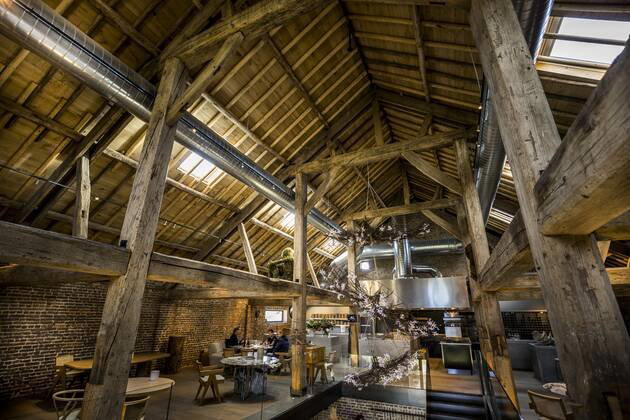

Restaurant Atelier
The wine
- Wine program
- Deep wine list
- Extensive wine list
- Sommelier-led
Details
- Elegant
- Sophisticated
- Intimate
- Modern
- Date Night
- Special Occasion
- Celebration
- Open Kitchen
- Historic Building
- Extensive Wine List
- Sommelier Led
- Tasting Menu
- Vegetarian Friendly
Current opening hours
- Monday
- Closed
- Tuesday
- 6:30–9:30 PM
- Wednesday
- 6:30–9:30 PM
- Thursday
- 6:30–9:30 PM
- Friday
- 12–1:30 PM, 6:30–9:30 PM
- Saturday
- 12–1:30 PM, 6:30–9:30 PM
- Sunday
- Closed
Hours can change for holidays and private events. Hours as of .
Elegant symbiosis of contemporary design and industrial austerity in a historical building with warm, intimate lighting.